Attractions and Places To See around Marsciano - Top 20
Best attractions and places to see around Marsciano include a blend of medieval history, traditional craftsmanship, and picturesque natural landscapes in the heart of Umbria. Situated in the middle Tiber Valley, the region features gently rolling hills, fertile fields, and olive groves. Visitors can explore a variety of landmarks, cultural sites, and natural points of interest both within the town and its scenic surroundings. The area offers a rich historical context with ancient castles and religious sites.
Best attractions and…
Last updated: July 20, 2026
Sanctuary of Our Lady of Lourdes of Montemelino
Highlight • Religious Site
Translated by Google •
Tip by

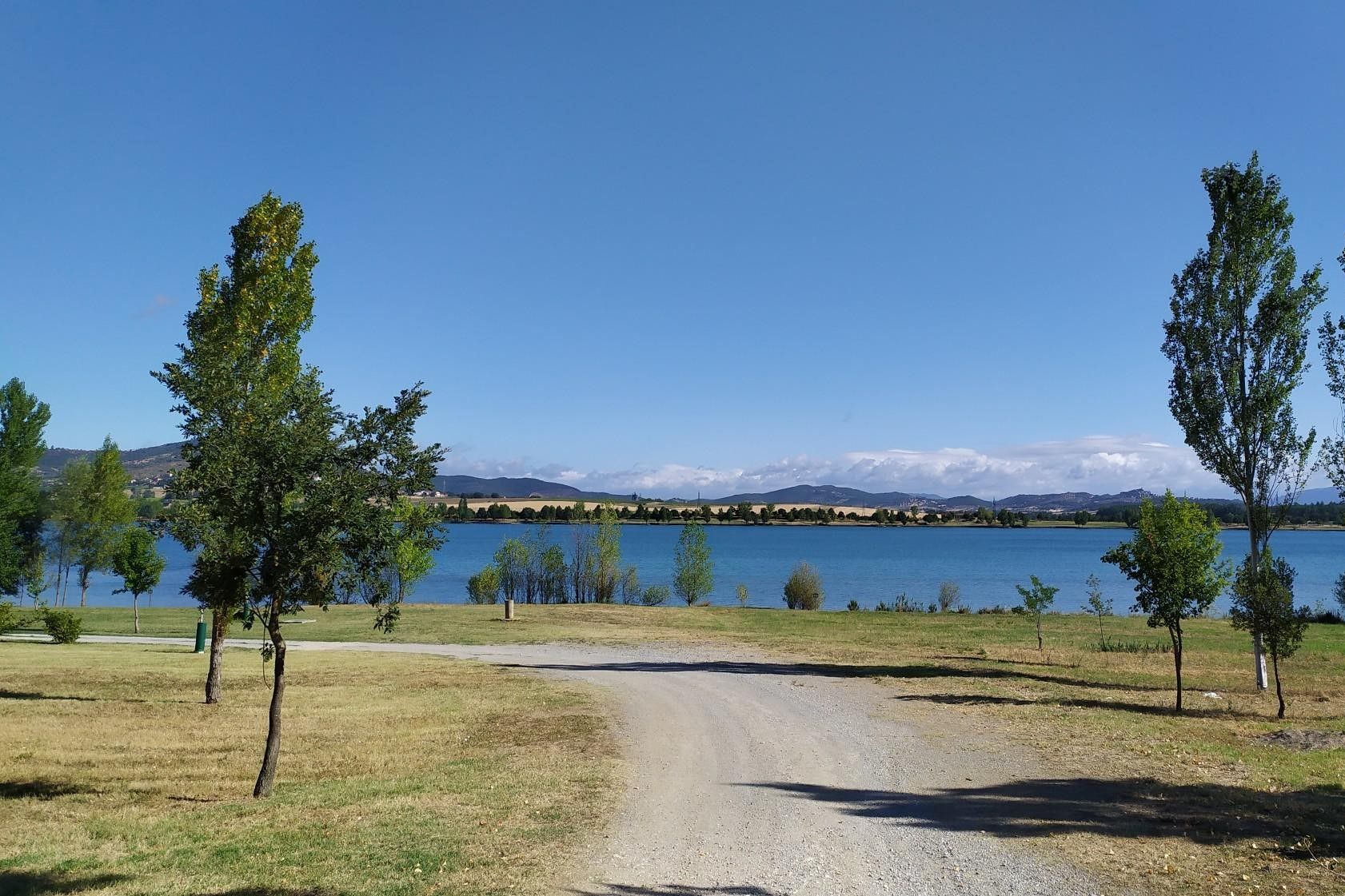
View over Lake Trasimeno
Highlight • Viewpoint
Translated by Google •
Tip by

Sign up now to discover places like this
Get recommendations on the best single tracks, peaks, & plenty of other exciting outdoor places.
Sign up for free
Teatro della Concordia, Monte Castello di Vibio
Highlight • Historical Site
Translated by Google •
Tip by

Castle of St. Apollinaris
Highlight • Castle
Translated by Google •
Tip by

Sanctuary of Santa Maria di Mongiovino
Highlight • Religious Site
Translated by Google •
Tip by

Sign up for free to discover even more attractions around Marsciano.
Sign up for free
Already have an account?
Start today with a free account
Your next adventure awaits.
Login or Signup
Other adventures around Marsciano

Tips from the Community


Located near the village of Spina, the Rocca di Sant'Apollinare is a place rich in history and timeless images. Once a defensive fortress, it became a place of worship and production, and today it is immersed in a centuries-old olive grove. Getting there requires a bit of effort, but the reward is guaranteed.
0
0

Beautiful hike, however, it should be noted that a little before marker 4 on the intermediate-level circuit map, the path is difficult to access. It seems that it is now partly private (in the forest), and logs have been piled in the middle of a very narrow path, making it difficult to navigate. It might be possible to take another route to bypass this inconvenience. Otherwise, we recommend it; it was beautiful and pleasant! And the sanctuary is truly magnificent: a beautiful starting and finishing point.
0
0

A beautiful place to linger and have a small picnic. Please bring everything with you! A variety of birds sing here. A fantastic view of the lake... simply peaceful. A trained eye will also spot dozens of lizards in various patterns.
0
0

Turning the lake period time passes without realizing it, the views even if similar, change depending on the light, the wind that ripples or not the surface of the lake and the presence of friends Birds. The lake in the changes of season is a welcoming destination for many species of birds.
1
0

Isolated and in a little-known place, this sanctuary seemed to be heading towards a slow and unstoppable decline, then it was included by the FAI in the list of Places of the Heart and a process of recovery and recovery began. The story of the origins of the sanctuary is similar to that of Lourdes, as it was built on the site where the Virgin appeared to a shepherdess. It has long been a destination for pilgrimages and was the church of the local lords whose tombs it houses. The church has not only religious value but is also of great artistic interest. The building is architecturally imposing and richly decorated inside with valuable works by Pomarancio and other talented painters from the second half of the 16th century. The surrounding buildings, less well preserved, reveal a place of peace and quiet.
0
0

Monte Castelo di Vibio is a small village of around 1000 inhabitants which stands on a hill in front of Todi and from which you can admire a wonderful view of the Tiber valley.
1
0

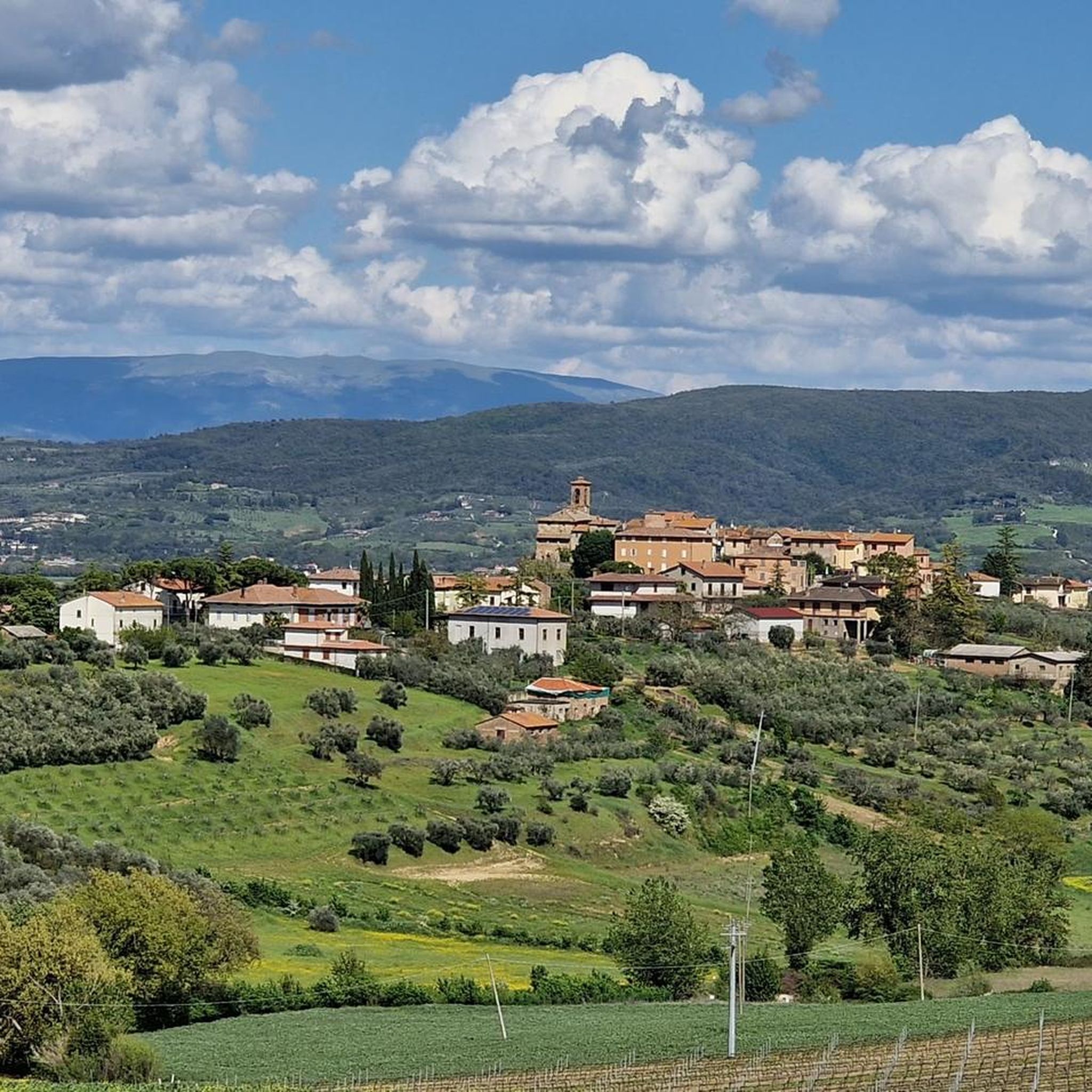
Sant'Apollinare belongs to the municipality of Marsciano and is a beautiful panoramic point over the Fersenone Valley. Designed as a military building, the castle, along with many others in Umbria, was part of a circle of castles built to defend the city of Perugia from the south side on the Byzantine walls. The origins of the Castle of San Apollinare probably date back to the 10th century.
1
0
Frequently Asked Questions
What historical sites can I explore in and around Marsciano?
Marsciano is rich in history. You can wander through the Centro Storico di Marsciano with its medieval towers and noble palazzi, or visit the 14th-century Palazzo Pietromarchi, which houses part of the Dynamic Museum of Brick Making and Terracotta. Don't miss the 19th-century Teatro della Concordia in Marsciano, or the unique Teatro della Concordia, Monte Castello di Vibio, known as one of the smallest theaters in the world. Further afield, explore the ancient Castle of St. Apollinaris, dating back to the 10th century, or the medieval village of Papiano with its well-preserved castle.
Are there any religious sites of interest near Marsciano?
Yes, Marsciano and its surroundings feature several significant religious buildings. The Sanctuary of Our Lady of Lourdes of Montemelino is notable as the first church built in Italy dedicated to the Madonna of Lourdes. Another impressive site is the Sanctuary of Santa Maria di Mongiovino, an architecturally imposing church with valuable frescoes. Within Marsciano's historic center, you can also find the Chiesa di San Giovanni Battista.
Where can I find scenic views or natural landscapes near Marsciano?
Marsciano is nestled in the picturesque middle Tiber Valley, offering gently rolling hills, fertile fields, and olive groves. For breathtaking vistas, visit the View over Lake Trasimeno, which provides panoramic views across the entire lake. The Fersinone River Valley, visible from places like the Castle of St. Apollinaris, offers untouched nature. You can also explore the Woods of Santa Lucia and San Sisto, just a short distance from Marsciano.
What cultural attractions are there in Marsciano?
Marsciano celebrates its heritage through cultural sites like the Dynamic Museum of Brick and Terracotta. This unique 'diffuse museum' highlights the town's long tradition of brick and terracotta production, with its main hub located in Palazzo Pietromarchi. Additionally, the Teatro della Concordia in Marsciano and the Teatro della Concordia, Monte Castello di Vibio offer insights into the region's civil architecture and performing arts history.
Are there family-friendly attractions around Marsciano?
Many attractions around Marsciano are suitable for families. The Sanctuary of Our Lady of Lourdes of Montemelino and the Sanctuary of Santa Maria di Mongiovino offer interesting historical and architectural experiences. Families can also enjoy the panoramic vistas from the View over Lake Trasimeno, or explore the charming medieval village of Monte Castello di Vibio, home to the small Teatro della Concordia.
What outdoor activities can I do near Marsciano?
The area around Marsciano is ideal for outdoor enthusiasts. You can find numerous routes for hiking, running, and mountain biking. For hiking, consider trails like the 'Spina - loop hike' or the 'Nestore Green Trail loop from Castiglione della Valle'. Mountain bikers can explore routes such as the 'Cibottola Castle and Nestore River Loop'. Runners have options like the 'Running loop from Marsciano'. You can find more details and routes on the respective guide pages for Hiking around Marsciano, Running Trails around Marsciano, and MTB Trails around Marsciano.
Are there any castles or fortified villages to visit near Marsciano?
Absolutely. The region is dotted with ancient castles and medieval villages. The Castle of St. Apollinaris, a former military building, offers panoramic views over the Fersinone Valley. You can also visit Castello Monticelli in Castiglione della Valle, which includes the tiny 12th-century Church of San Paolo and Sant'Ubaldo. The village of Papiano is considered a jewel of medieval architecture, with its ancient walls, towers, and well-preserved castle.
What is unique about the architecture in Marsciano?
Marsciano's architecture showcases a blend of medieval and Renaissance styles, particularly in its historic center with terracotta façades and stone archways. Notable civil architecture includes the 19th-century Palazzo Comunale and Palazzo Battaglia, which features decorations by Futurist painter Gerardo Dottori. The Teatro della Concordia, built in 1871, is another fine example of the town's architectural heritage.
What do visitors enjoy most about the attractions around Marsciano?
Visitors frequently praise the stunning panoramic views, especially from spots like the View over Lake Trasimeno. The historical depth of sites like the Teatro della Concordia, Monte Castello di Vibio and the ancient castles is also highly appreciated. Many find the religious sites, such as the Sanctuary of Our Lady of Lourdes of Montemelino, to be peaceful and historically significant. The overall charm of the Umbrian landscape and the blend of history and nature are consistently highlighted.
Are there any specific natural areas for exploration near Marsciano?
Beyond the general scenic beauty of the Tiber Valley, you can explore the untouched nature of the Fersinone River Valley. The Monte Peglia massif, though in an adjacent province, is also a good starting point for exploring natural areas. For a closer experience, the Woods of Santa Lucia and San Sisto are located very near Marsciano, offering opportunities for walks and enjoying the local flora.
What kind of craftsmanship is Marsciano known for?
Marsciano has a long-standing tradition in brick and terracotta production. This heritage is celebrated at the Dynamic Museum of Brick and Terracotta, which showcases the history of terracotta craftsmanship from Roman times to the present, including various building materials and decorative items. The museum's exhibits are spread across the area, with its main hub in Palazzo Pietromarchi.
Most popular routes around Marsciano

Get inspired with the komoot mobile app


Explore more
Still not found the Highlight you’re looking for? See guides of the top attractions in other regions:
