Attractions and Places To See around Magliano Sabina - Top 20
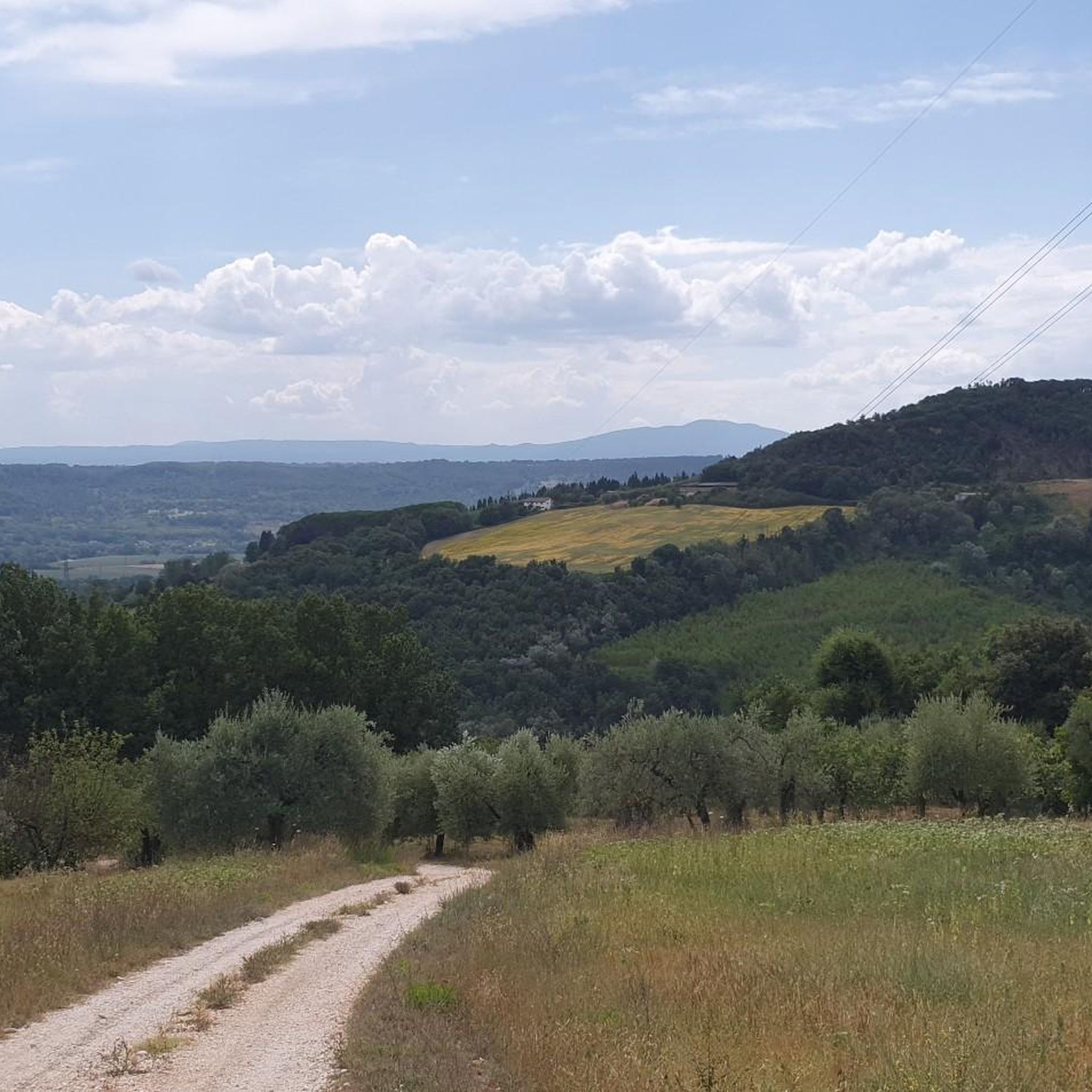
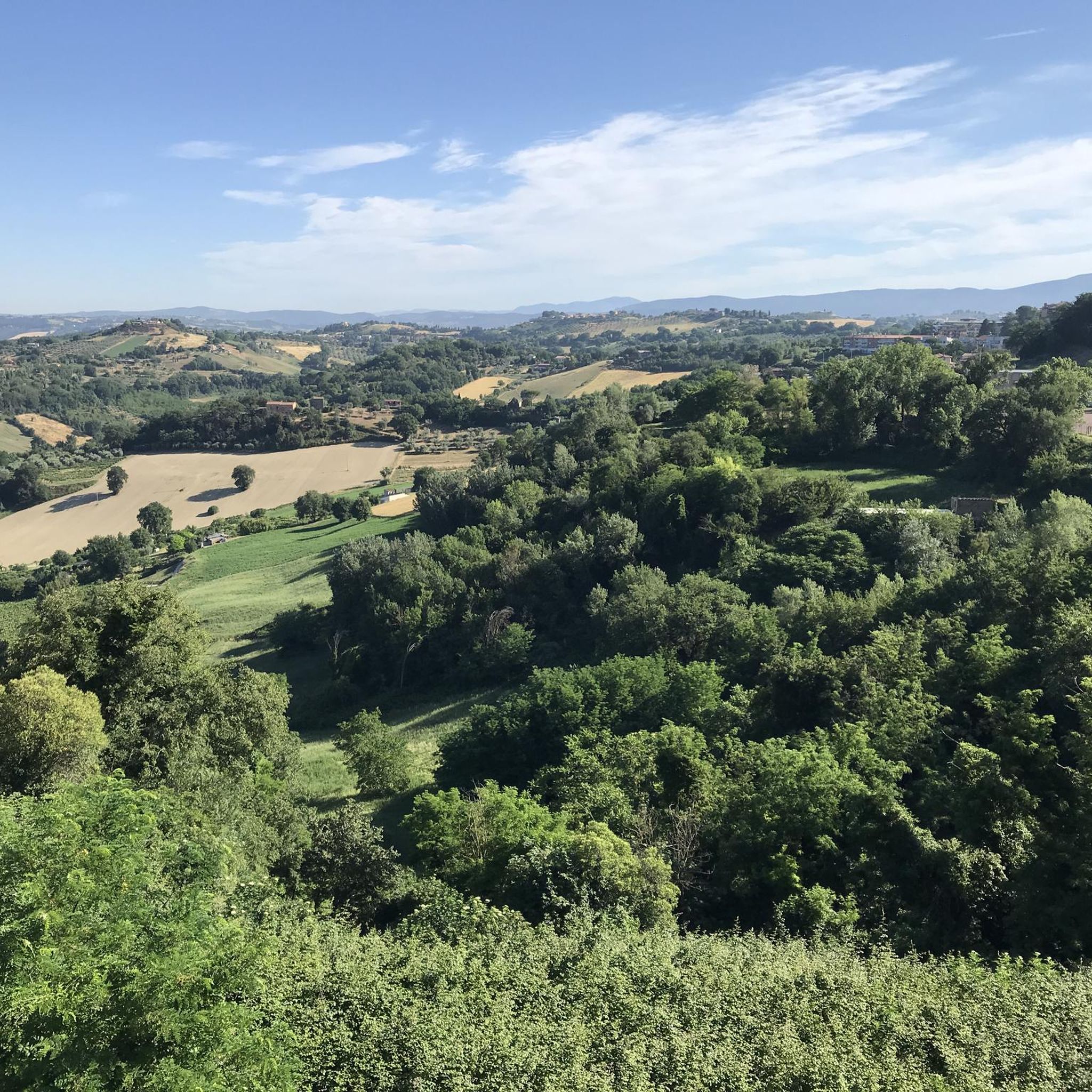
Attractions and places to see around Magliano Sabina are situated in the Tiber Valley, a region known for its blend of history, culture, and natural beauty. This town, located in Lazio near the Umbrian border, features a historic center with medieval alleyways and Renaissance architecture. The surrounding landscape includes wooded hills, cultivated fields, and extensive olive groves, set against the backdrop of the Subapennine Range.
Best attractions and places to see around Magliano Sabina
- The most popular attractions is Hermitage of Saint Sylvester, a religious building located at the top of Mount Soratte. This hermitage offers panoramic views of the surrounding valleys and the Tiber Valley.
- Another must-see spot is Monte Soratte Bunker, a man-made monument consisting of a network of tunnels built inside Mount Soratte. It extends for about 4 km and served as a military bunker.
- Visitors also love Corchiano Historic Village and Gorges, a settlement known for its medieval layout and natural ravines. The gorges are considered a natural monument and archaeological site.
- Magliano Sabina is known for its historical sites, natural landscapes, and cultural experiences. The area offers a variety of attractions to see and explore, from ancient ruins to scenic viewpoints.
- The attractions around Magliano Sabina are appreciated by the komoot community, with 117 upvotes and 92 photos shared by visitors.
Last updated: October 11, 2026
Hermitage of Saint Sylvester
Highlight • Religious Site
Translated by Google •
Tip by

Monte Soratte Bunker
Highlight • Monument
When, after 8 September 1943, the German supreme command of the South was bombed in Frascati, Field Marshal Albert Kesselring, who was in charge of it, arranged to transfer its headquarters to Soratte. There it would remain almost undisturbed until early June 1944. The bunker also resisted the bombing of 12 May 1944 carried out by two flocks of allied B-17s, which had left specifically from Foggia to destroy it. The operation, which hit many houses in nearby Sant'Oreste, caused about a hundred victims among the 980 German soldiers in the town. To leave, however, the Wehrmacht troops waited for June 5, when British and American tanks entered Rome. Before leaving, they flooded the tunnels with petrol and set them on fire. To enter, the British had to wait for the fire to burn itself out five days later.
After the end of the war, the complex remained abandoned until 1967, when a fallout shelter was built under the aegis of NATO, which however was not completed and abandoned in 1972.
Translated by Google •
Tip by

Sign up now to discover places like this
Get recommendations on the best single tracks, peaks, & plenty of other exciting outdoor places.
Corchiano Historic Village and Gorges
Highlight • Settlement
Translated by Google •
Tip by

The Saint's Hermitage
Highlight • Cave
Francis became a role model for many people, they joined him and the "Order of the Friars Minor" (Ordo Fratrum Minorum) of Francis of Assisi came into being. Today in the broad Franciscan religious family there are three male branches: the Franciscans, the Minorites and the Capuchins; and two females: the Franciscans and the Poor Clares. In addition, there is the "Third" or "Secular" order, which women and men who do not take the classic vows of the order (poverty, chastity and obedience) and continue to live in their family and their profession can join.
Translated by Google •
Tip by

Historic Center of Orte
Highlight • Historical Site
Translated by Google •
Tip by

Sign up for free to discover even more attractions around Magliano Sabina.
Already have an account?
Start today with a free account
Your next adventure awaits.
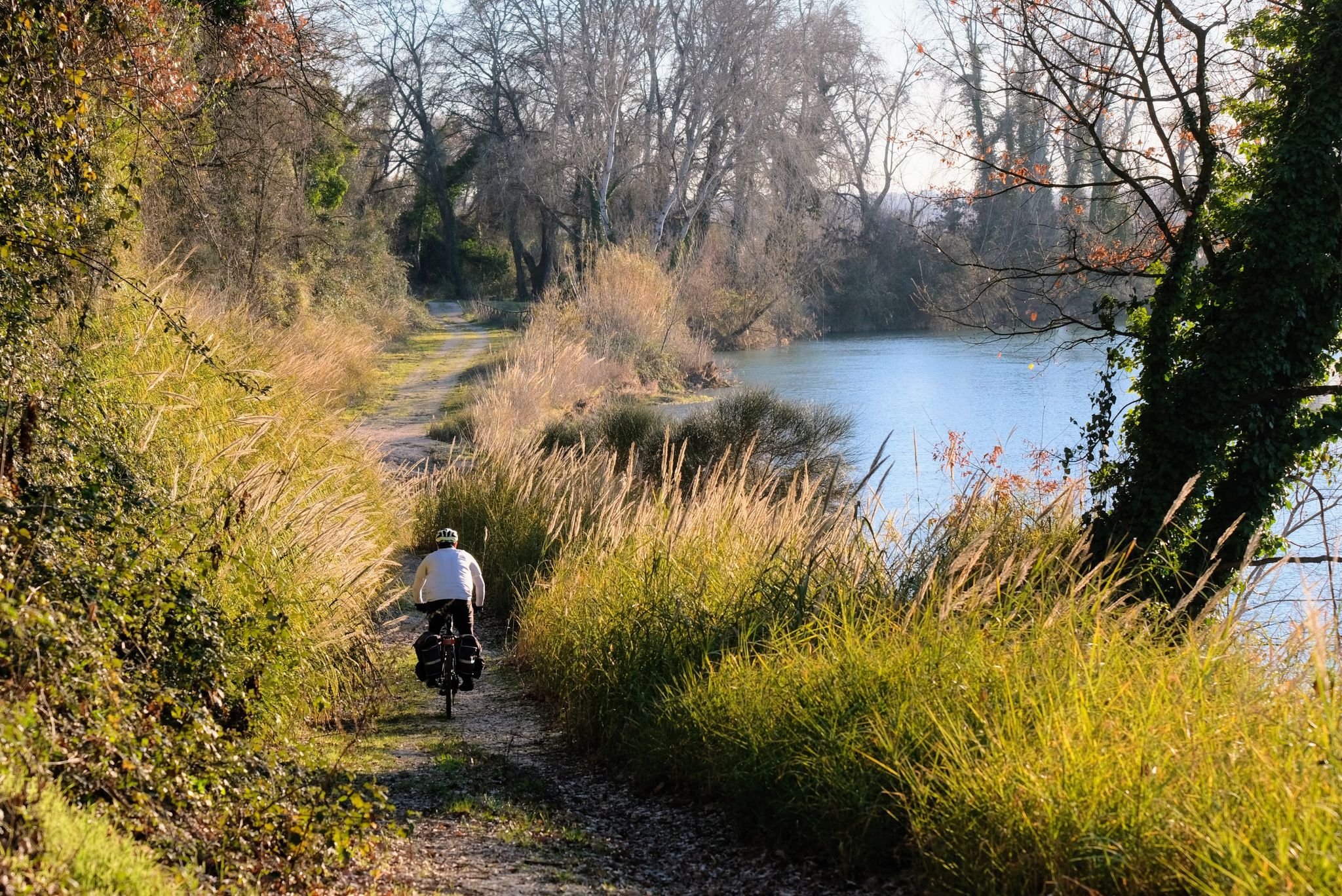
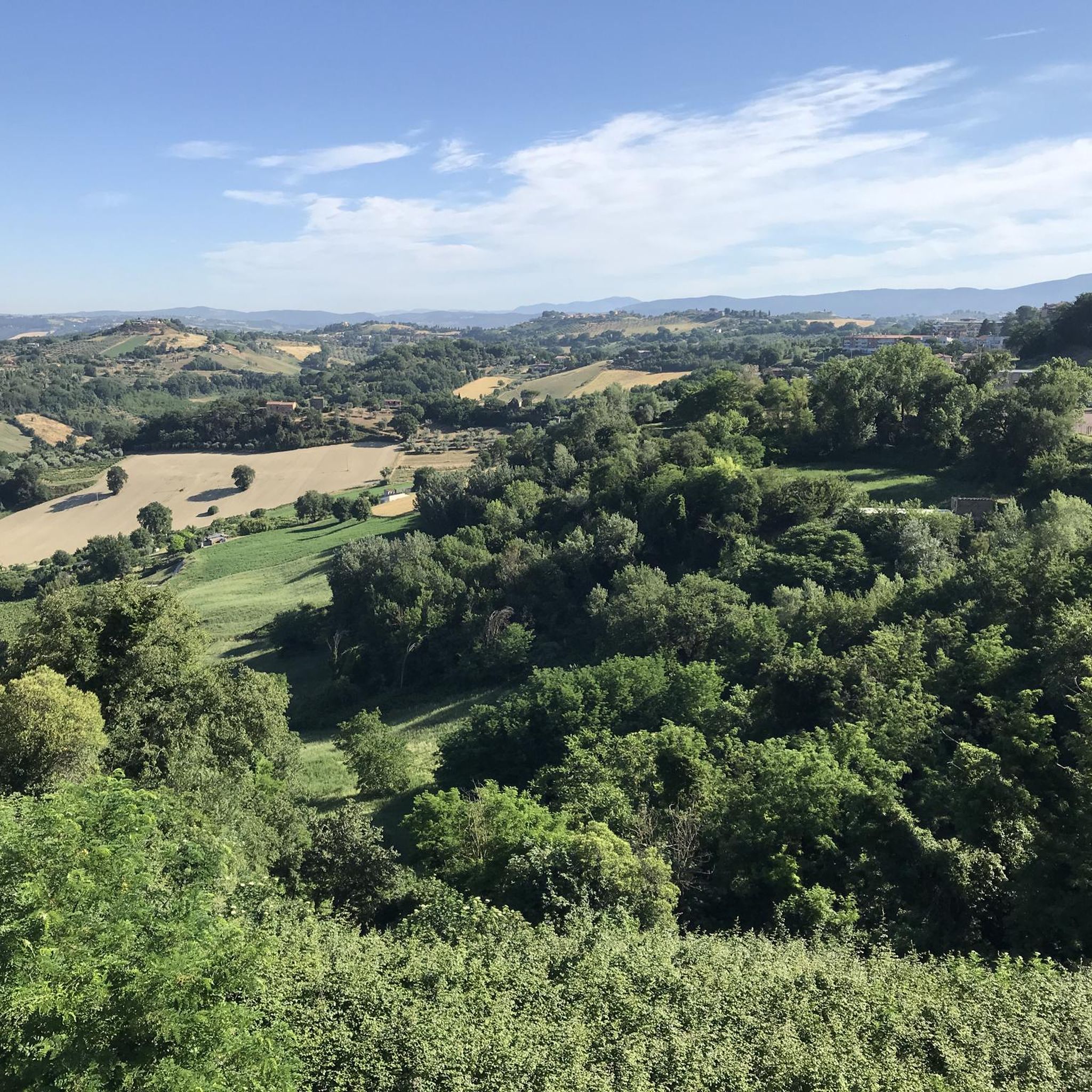
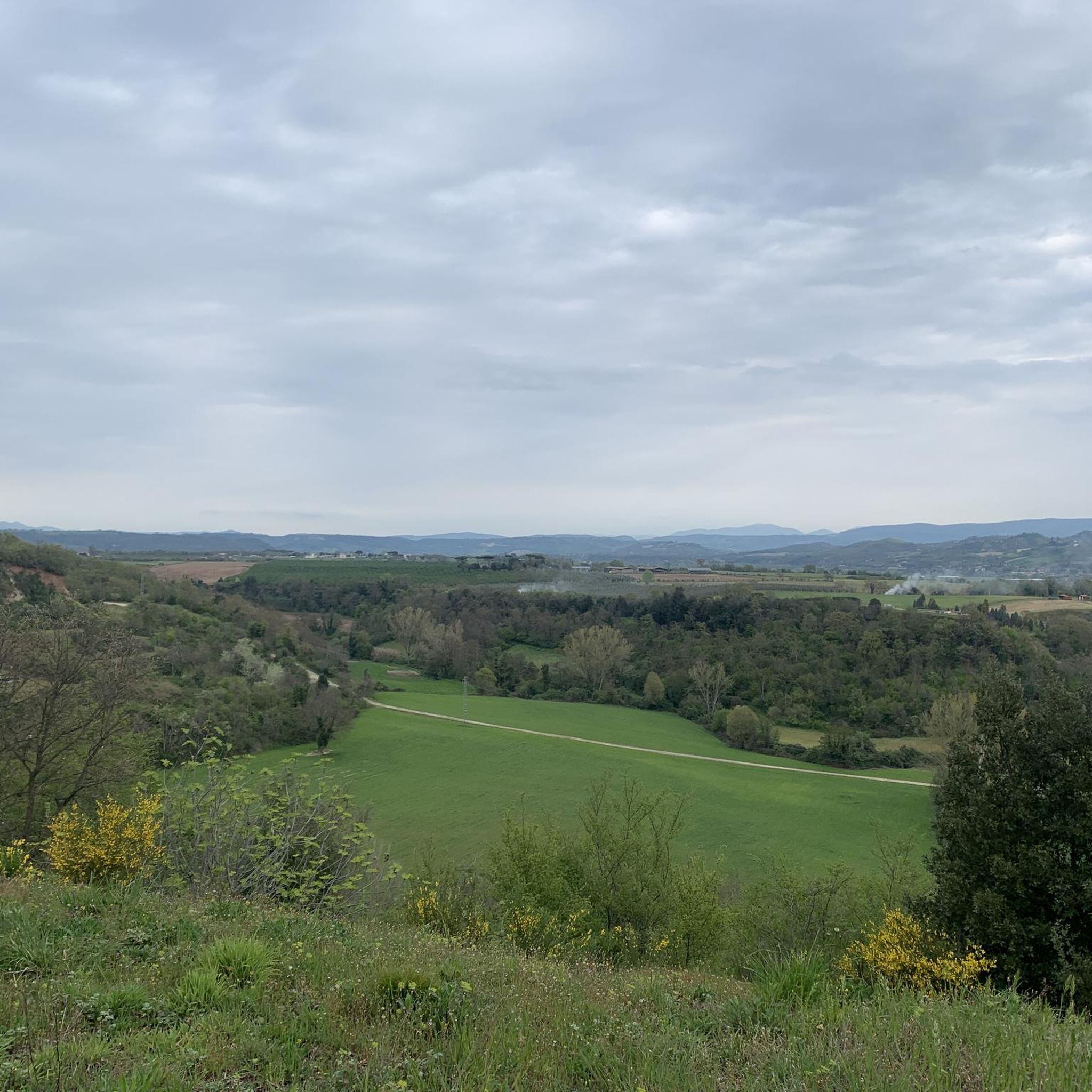
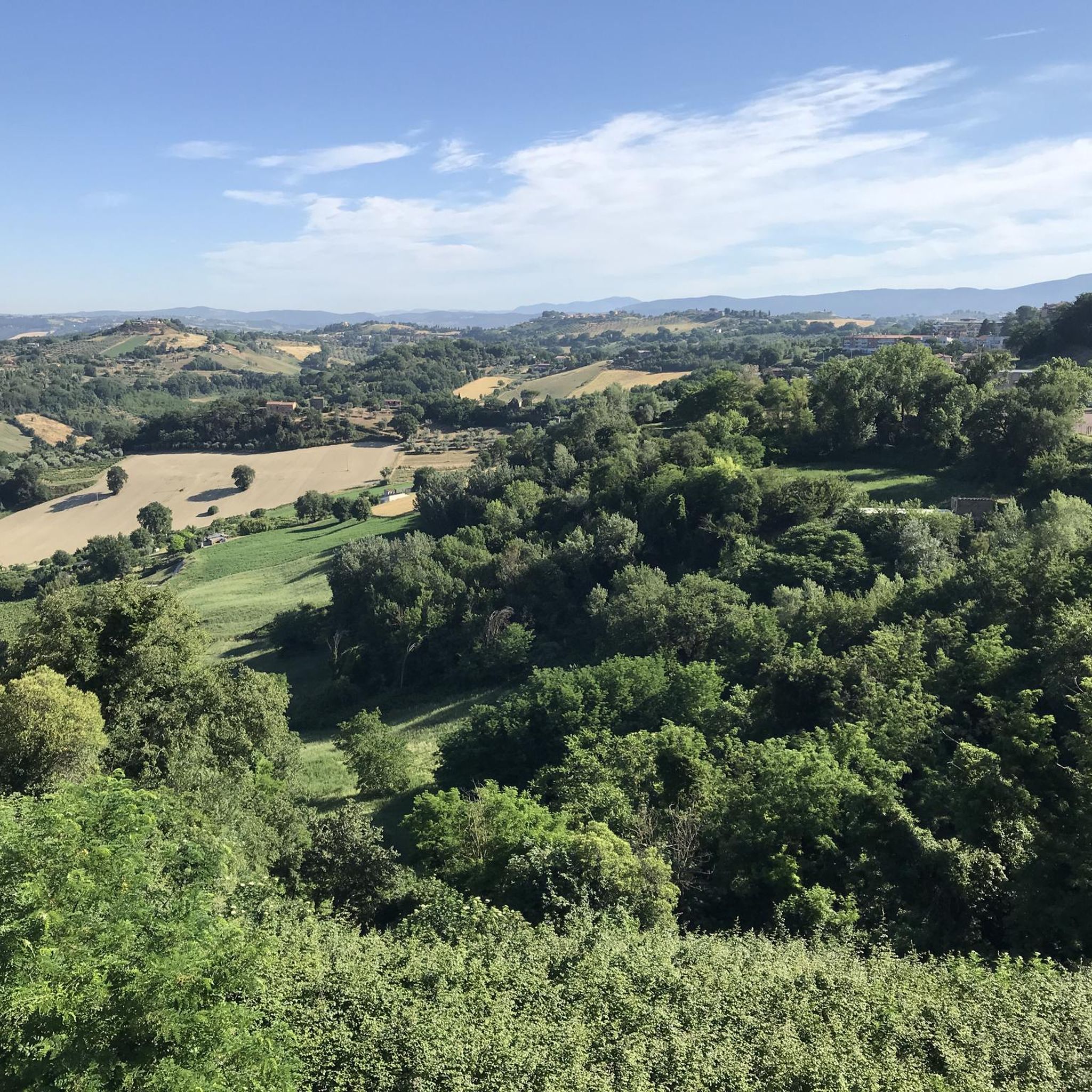

Other adventures around Magliano Sabina

Tips from the Community

An open-air museum, recommended
1
0

Corchiano is a small town in the province of Viterbo, apparently similar to many others, a little modest... and yet, it has become famous for some events, such as the infiorata, which is held at the end of May and sees the entire town involved in decorating a good part of the streets of the town with flower petals, colored sawdust, coffee grounds and in general any material that can be colored and applied in designs of great beauty. Then, in December, the living nativity scene takes place in a natural setting of great suggestion, finally, the exploration on foot of the ravines should not be overlooked, a true natural monument and archaeological site of great interest... in short, a place that is worth visiting. The difficulty in walking the paths, all equipped, is generally T (tourist) and suitable for all age levels.
1
0

Short panoramic walk with an exhibition of military vehicles.
0
0

On the way to the top of Soratte, just before the San Silvestro hermitage, you can take the path on the left that leads to the small San Sebastiano hermitage, of which modest wall traces remain. The latter was home to hermits in the 16th and 17th centuries, after which it began to be abandoned and fell into ruin. In the rock there is a cavity used to collect water. Short trail but to be followed with care.
0
1

This hermitage has a patronal name that is truly on everyone's lips, but only a few will know the person behind it: the feast day of Saint Sylvester (San Silvestro) is December 31st. He lived at the end of the third or beginning of the fourth century and was Bishop of Rome when Emperor Constantine - later generations gave him the nickname "the Great" - recognized Christianity as a religion with the so-called "Edict of Toleration" of Milan, thus ending - at least temporarily - the period of bloody persecution of Christians.
1
2

The Eremo di San Silvestro, located at the top of Mount Soratte, offers a stunning panoramic view of the surrounding valleys. This hermitage, one of the numerous hermitages scattered in the Sabina region, stands in a clearing overlooking the beautiful Tiber Valley. Its isolated location far from the town of Sant'Oreste gives it a suggestive atmosphere.
4
0

A wonderful place still well preserved, it is worth booking a guided tour
3
0

Il bunker del Soratte fu costruito per volere di Mussolini come rifugio antiaereo dove ripararsi in caso di necessità. Una serie di tunnel all'interno della montagna che resistettero ai bombardamenti degli alleati alla fine della seconda guerra mondiale.
1
0
Frequently Asked Questions
What historical and cultural sites can I explore in Magliano Sabina?
Magliano Sabina's historic center is a labyrinth of medieval alleyways and Renaissance facades, centered around Piazza Garibaldi. You can visit the Cathedral of San Liberatore, dedicated in 1498, which features 17th-century frescoes, or the 12th-century Church of San Pietro with its Romanesque style. The Civic Archaeological Museum, housed in Palazzo Gori, showcases finds from the ancient Sabine people, including early Sabine writing.
Are there any unique natural features or viewpoints near Magliano Sabina?
Yes, the region offers stunning natural beauty. Magliano Sabina is situated overlooking the Tiber Valley, offering dramatic views of the ancient Tiber River winding through the landscape. The Hermitage of Saint Sylvester, located at the top of Mount Soratte, provides panoramic views of the surrounding valleys. The broader Sabina area also includes protected natural habitats, wetlands, and forests, home to diverse flora and fauna.
What are some family-friendly attractions around Magliano Sabina?
Families can enjoy exploring the Corchiano Historic Village and Gorges, which is considered a natural monument and archaeological site. The gorges offer equipped paths suitable for all ages. Additionally, the The Saint's Hermitage, a cave with historical significance, is accessible via a very easy trail.
Where can I find ancient ruins or archaeological sites in the area?
Beyond the Civic Archaeological Museum, you can visit the Corchiano Historic Village and Gorges, which is an ancient Faliscan city retaining its medieval layout and featuring significant archaeological elements within its natural ravines. The Historic Center of Orte, an Etruscan and Roman city, also offers a rich history with its medieval architecture and sacred sites.
What kind of outdoor activities can I do near Magliano Sabina?
The area around Magliano Sabina is excellent for outdoor enthusiasts. You can find numerous routes for gravel biking, mountain biking, and general cycling. For example, there are challenging gravel biking routes like the 'View of Monte Soratte – Orsini Castle loop' and mountain biking trails such as the 'Monte Soratte Bunker – Hermitage of Saint Sylvester loop'. You can explore more options on the Gravel biking around Magliano Sabina, MTB Trails around Magliano Sabina, and Cycling around Magliano Sabina guide pages.
Are there any unique historical monuments or military sites to visit?
Yes, the Monte Soratte Bunker is a significant man-made monument. It's a network of tunnels built inside Mount Soratte, extending for about 4 km, originally constructed as a military bunker. It played a role during World War II and later as a fallout shelter, making it one of Europe's largest and most impressive military engineering works.
What are some hidden gems or less-known places to discover?
While not entirely hidden, the Civic Archaeological Museum in Palazzo Gori offers a deep dive into the ancient Sabine culture with unique artifacts. The Church of San Pietro, with its 12th-century Romanesque style and ancient columns, provides a quiet yet historically rich experience. Exploring the medieval alleyways of Magliano Sabina's historic center itself can reveal charming, less-trafficked spots.
What local products or traditions is the Sabina territory known for?
The Sabina territory is renowned for its exceptional olive oil. Visiting a local 'frantoio' (olive mill) during the autumn harvest offers an authentic cultural experience. Wine production has also flourished in these hills for centuries, with local wineries producing quality wines. The town also has an active theater that hosts year-round performances.
What do visitors enjoy most about the attractions around Magliano Sabina?
Visitors particularly appreciate the blend of history and natural beauty. The Hermitage of Saint Sylvester is loved for its stunning panoramic views. The Monte Soratte Bunker is recognized as a well-preserved and impressive historical site. The Corchiano Historic Village and Gorges is praised for its unique blend of medieval charm and natural beauty, especially the flower festival and living nativity scene events.
Is Magliano Sabina a good base for exploring other towns?
Yes, Magliano Sabina's strategic location near the Lazio-Umbria border and its direct access to the A1 motorway make it an ideal base. You can easily explore nearby artistic and historical towns such as Rieti, Viterbo, Orvieto, Spoleto, Narni, and even Rome, which is approximately 70 kilometers away.
Are there any specific hiking trails or walking paths recommended for beginners?
While specific beginner trails are not detailed in the data, the trail to The Saint's Hermitage is described as 'very easy' and suitable for a pleasant stroll. The equipped paths within the Corchiano Historic Village and Gorges are generally considered 'tourist' level and suitable for all ages, making them a good option for beginners.
Most popular routes around Magliano Sabina
Most popular attractions around Magliano Sabina

Get inspired with the komoot mobile app


Explore more
Still not found the Highlight you’re looking for? See guides of the top attractions in other regions:
