The best walks and hikes around Campagnatico
4.4
(72)
461
hikers
41
hikes
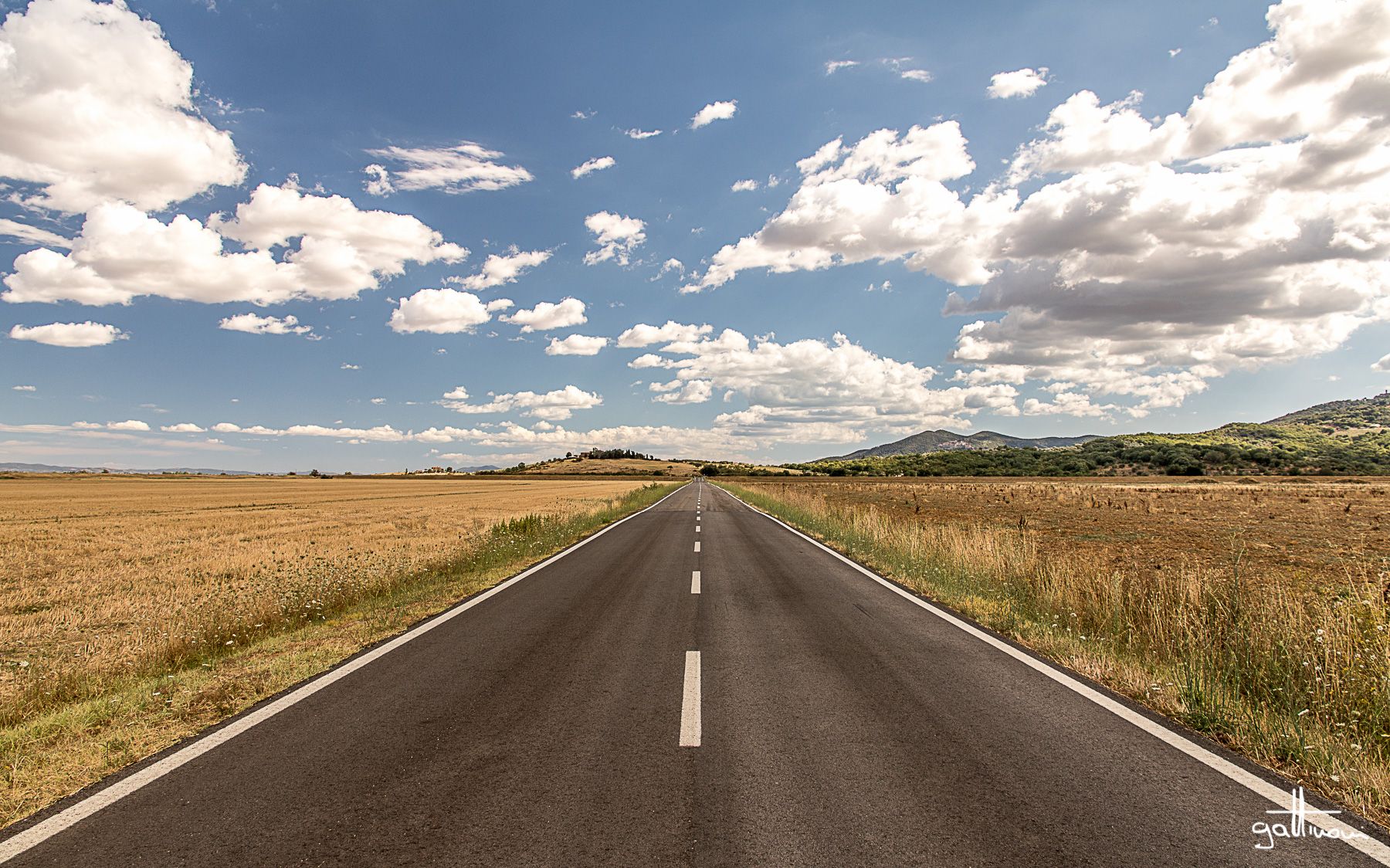
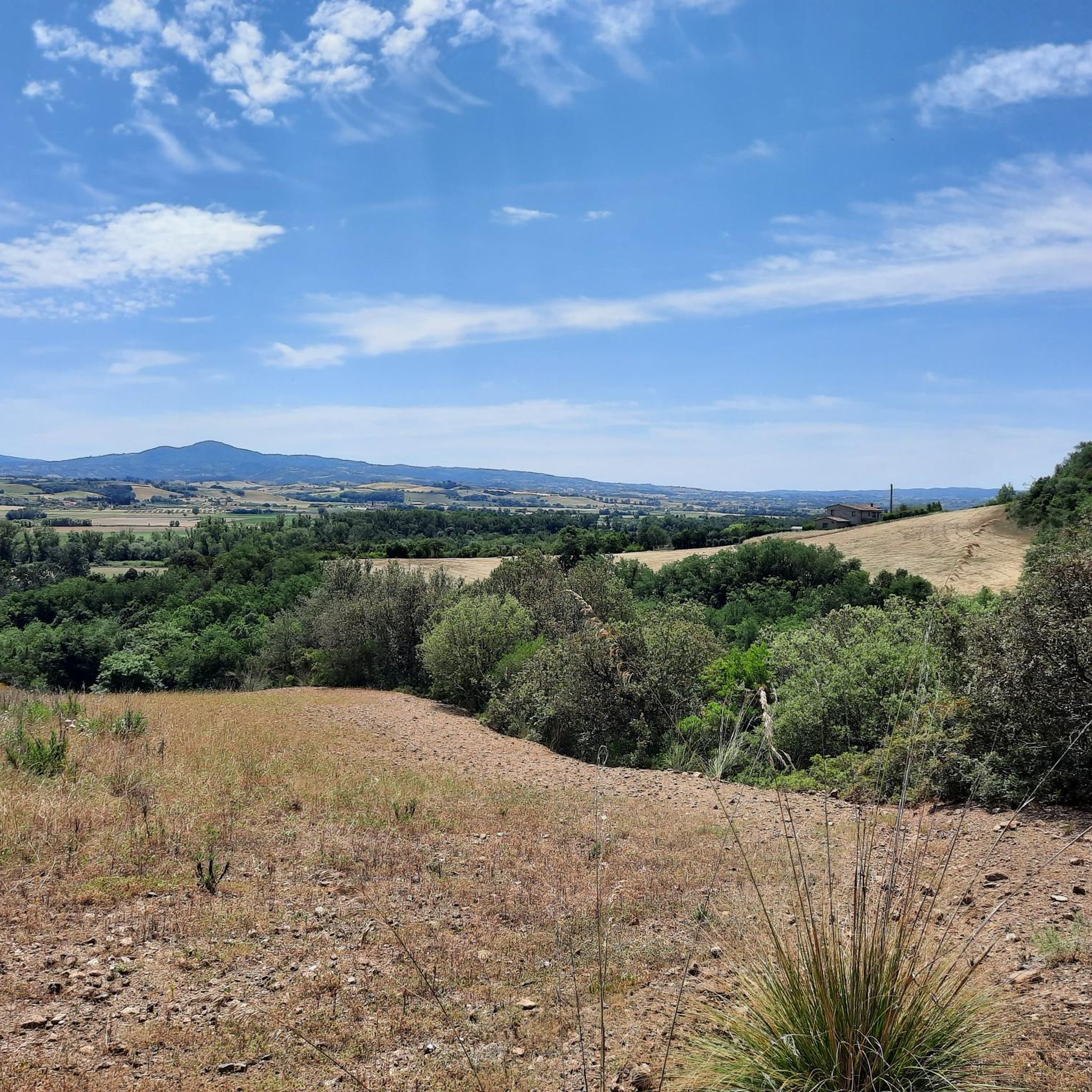
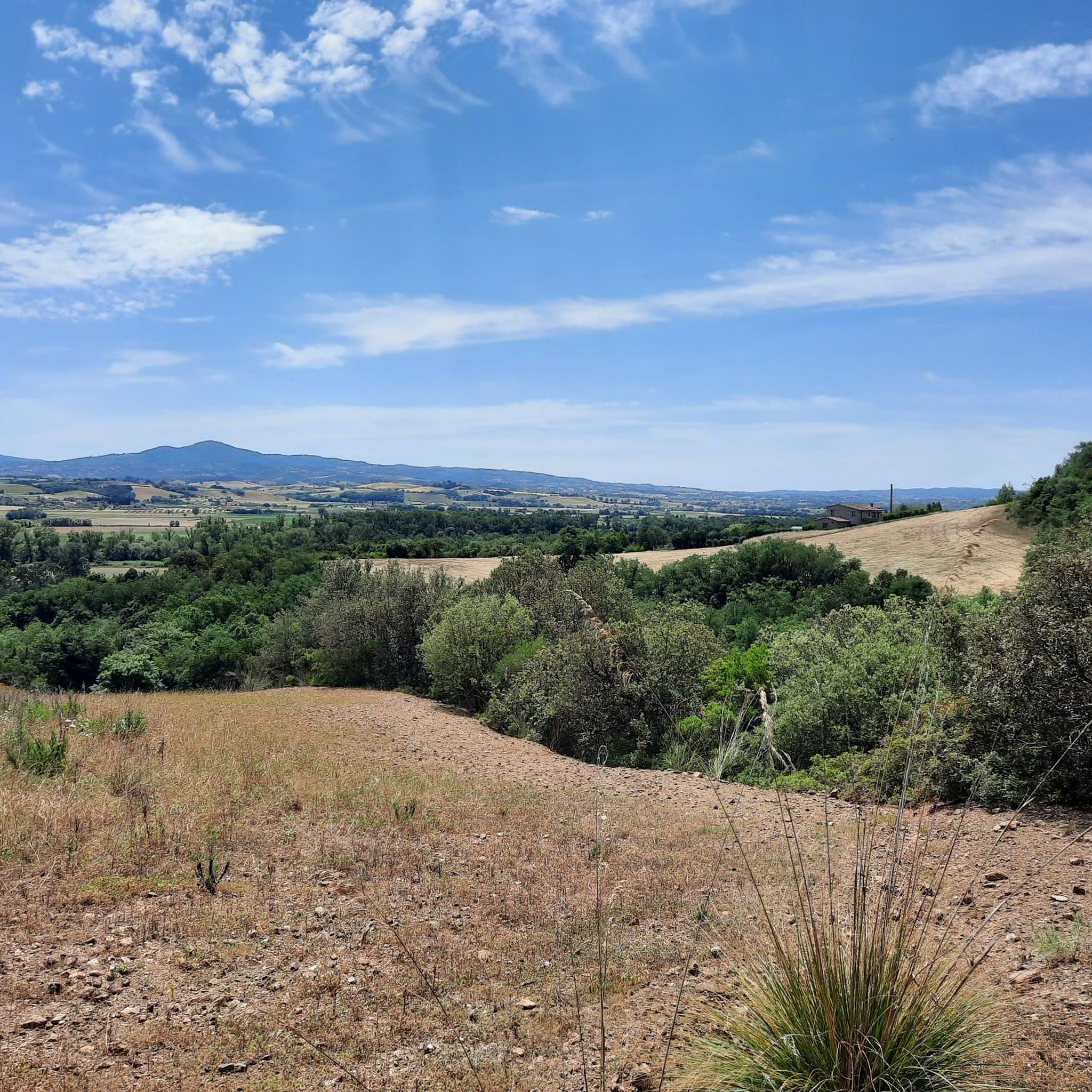
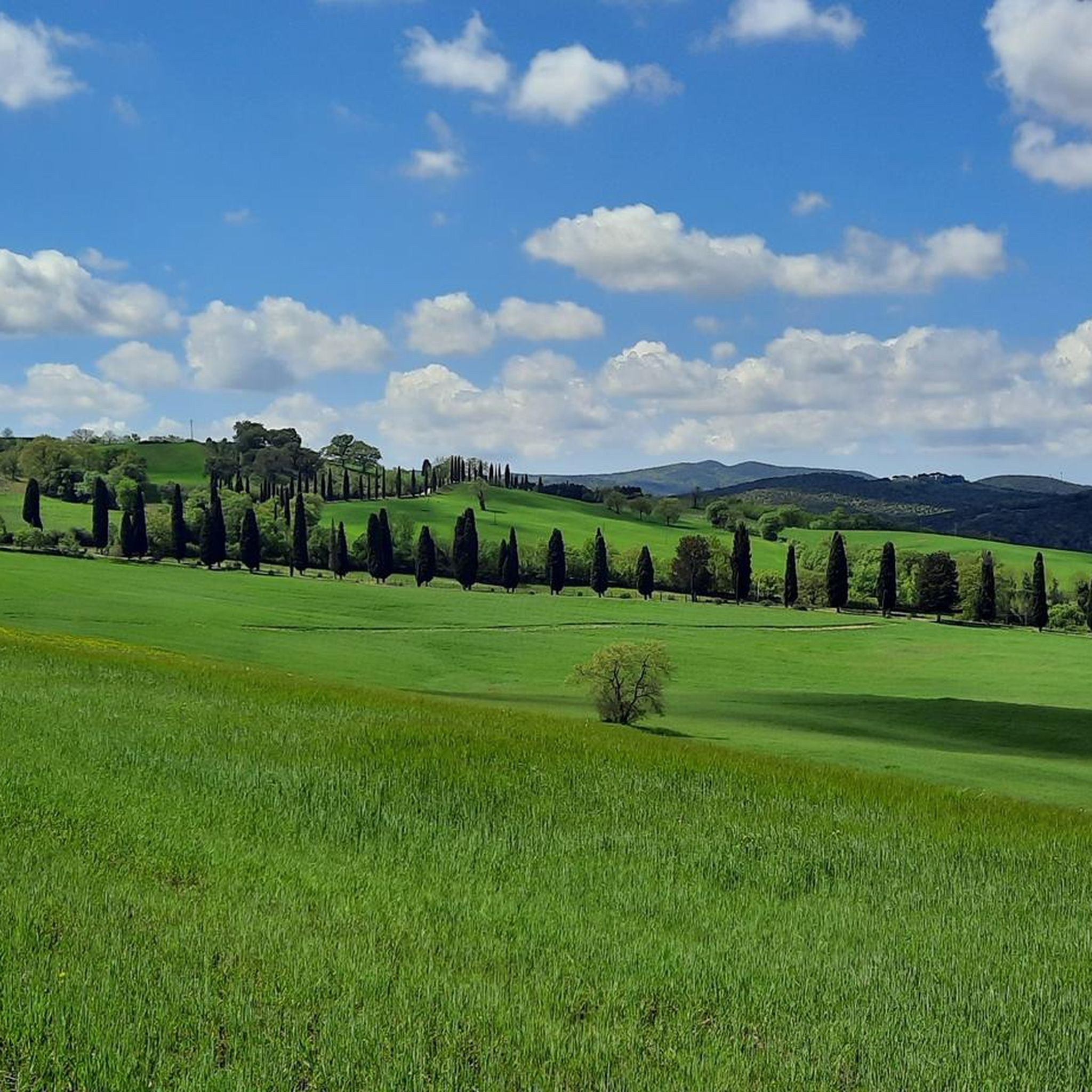
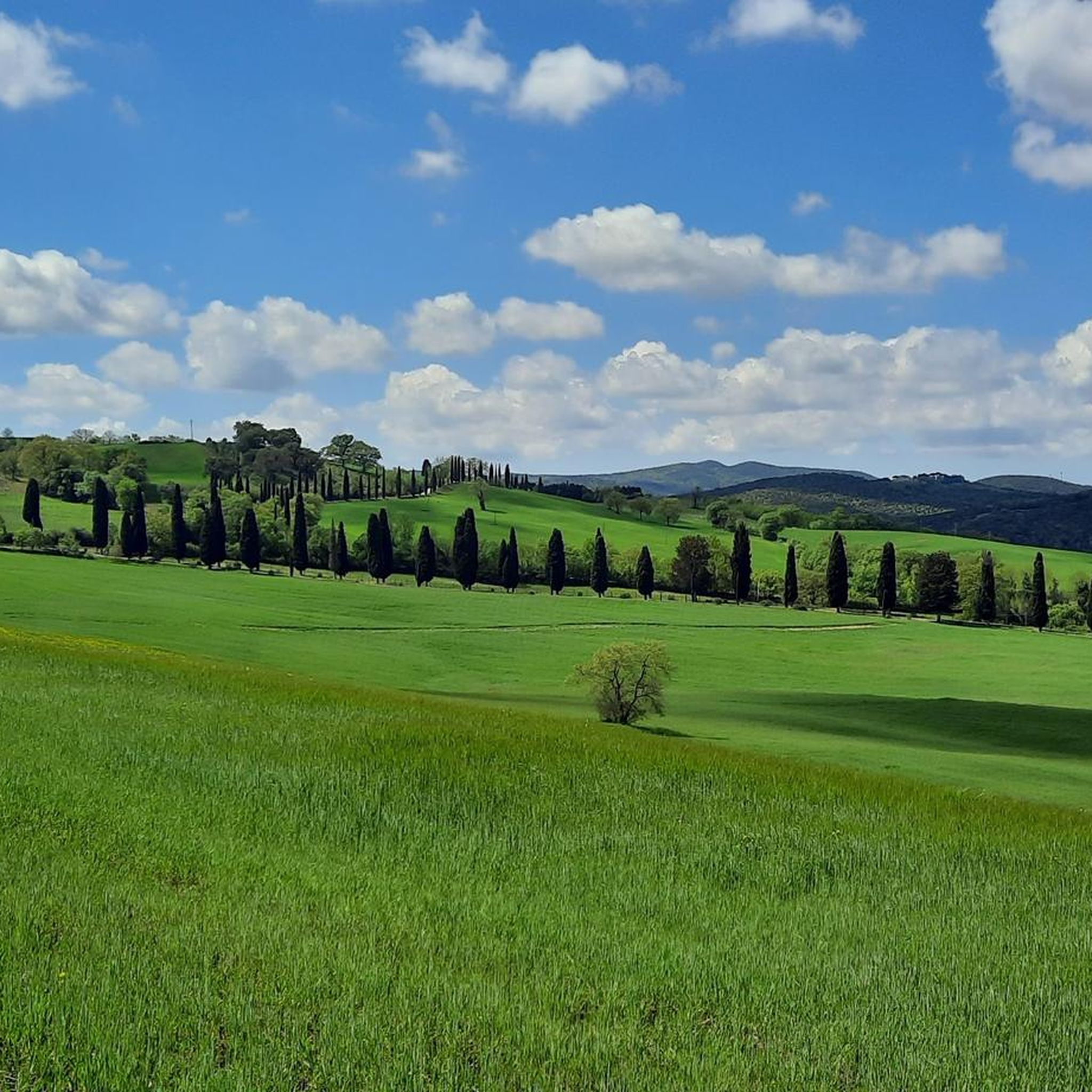
Hiking around Campagnatico offers a diverse landscape characterized by rolling hills, historical sites, and forested areas. The region features a network of paths that traverse ancient ruins and connect charming medieval villages. Hikers can expect varied terrain, including well-maintained cycle paths and natural singletracks. The elevation changes are generally moderate, providing accessible outdoor experiences.
Best hiking trails around Campagnatico
- The most popular hiking route is Singletrack of the Ruins – Bagno Roselle Cycle Path loop from Area Archeologica di Roselle…
Last updated: May 11, 2026
3.0
(2)
10
hikers
Moderate hike. Good fitness required. Easily-accessible paths. Suitable for all skill levels.
5.0
(2)
12
hikers
13.3km
03:58
400m
400m
Moderate hike. Good fitness required. Easily-accessible paths. Suitable for all skill levels.

Sign up for free
4.0
(2)
6
hikers
10.0km
03:13
410m
410m
Moderate hike. Good fitness required. Easily-accessible paths. Suitable for all skill levels.
4
hikers
9.90km
02:43
170m
170m
Moderate hike. Good fitness required. Easily-accessible paths. Suitable for all skill levels.
4.0
(2)
3
hikers
8.61km
02:26
190m
190m
Moderate hike. Good fitness required. Easily-accessible paths. Suitable for all skill levels.
Get access to more routes and recommendations from other explorers.
Sign up for free
Already have an account?
Our route recommendations are based on thousands of hikes, rides, and runs completed by other people on komoot.
Start today with a free account
Your next adventure awaits.
Login or Signup

Other adventures around Campagnatico

Tips from the Community

Once you get here you can decide to continue straight to reach Sticciano, turn right to find yourself at Nave, take the left path to go down to Batignano
0
0

We heard dogs barking…then 2 deer crossed the path and behind them…2 dogs completely out of breath 😅
0
0
On the way up there are ancient cork oaks.
0
0
According to Komoot, the path crosses the stream here. However, there was a gate after that. The friendly garden owner happened to be in the area and let us through and showed us the way. Thank you very much!
0
0

The ancient city of Roselle stood on an elliptical hill comprising two reliefs separated by a median valley, the heart of the political and religious life of the community in all eras. Although traces of frequentation during Prehistory and Protohistory are attested, Roselle was urbanized by the Etruscans in the 7th century BC. The choice of this area for an organized settlement was not accidental. In fact, the elevated position allowed the natural possibility of defense of the place and the control of the current Grosseto plain, in ancient times occupied by Lake Prile, a large lagoon communicating with the sea. The Etruscan city was conquered by the Romans in 294 BC, by the consul Lucius Postumius Megellus. The historian Titus Livius (X, 37, 3) recalls the conquest as follows: the army was transferred to the territory of Roselle and here not only was the countryside devastated, but the city was also conquered; More than two thousand men were taken prisoner, a few less were killed around the walls
0
0
The ancient city of Roselle stood on an elliptical hill comprising two reliefs separated by a median valley, the heart of the political and religious life of the community in all eras. Although traces of frequentation during Prehistory and Protohistory are attested, Roselle was urbanized by the Etruscans in the 7th century BC. The choice of this area for an organized settlement was not accidental. In fact, the elevated position allowed the natural possibility of defense of the place and the control of the current Grosseto plain, in ancient times occupied by Lake Prile, a large lagoon communicating with the sea. The Etruscan city was conquered by the Romans in 294 BC, by the consul Lucius Postumius Megellus. The historian Titus Livius (X, 37, 3) recalls the conquest as follows: the army was transferred to the territory of Roselle and here not only was the countryside devastated, but the city was also conquered; More than two thousand men were taken prisoner, a few fewer were killed around the walls.
1
0
Beautiful road with little traffic.
0
0
The ancient city of Roselle stood on an elliptical hill comprising two reliefs separated by a median valley, the heart of the political and religious life of the community in all eras. Although traces of frequentation during Prehistory and Protohistory are attested, Roselle was urbanized by the Etruscans in the 7th century BC. The choice of this area for an organized settlement was not accidental. In fact, the elevated position allowed the natural possibility of defense of the place and the control of the current Grosseto plain, in ancient times occupied by Lake Prile, a large lagoon communicating with the sea. The Etruscan city was conquered by the Romans in 294 BC, by the consul Lucius Postumius Megellus. The historian Titus Livius (X, 37, 3) recalls the conquest as follows: the army was transferred to the territory of Roselle and here not only was the countryside devastated, but the city was also conquered; more than two thousand men were taken prisoner, a few less were killed around the walls. In the 1st century AD, about three centuries after the Roman conquest, Roselle was affected by intense building and monumental activity, determined by the Augustan protection and the munificence of powerful local families. In the late imperial age it was subject to the decadence that affected the Roman cities and in the Middle Ages, despite being a bishop's seat, it was reduced to a modest center, with a smaller extension compared to that occupied by the Roman city, whose structures were often reused. In 1138 a papal bull by Pope Innocent II decreed the transfer of the diocese to the nearby center of Grosseto. From this moment on, Roselle was subject to progressive abandonment and was reduced to … a wild solitude of stones and thorny bushes – a den for foxes and wild boars, snakes and lizards – visited only by the herdsman and the shepherd…., as described by George Dennis, a 19th-century English diplomat and scholar, during his visit to Maremma in search of Etruscan antiquities. The Superintendence of Archaeology of Tuscany, from the 1960s to today, has continuously conducted research and restoration and enhancement interventions in Roselle.
0
0
Frequently Asked Questions
How many hiking trails are available around Campagnatico?
There are over 20 hiking trails around Campagnatico, offering a range of experiences from easy strolls to more moderate excursions. The region is known for its diverse landscape of rolling hills, historical sites, and forested areas.
Are there any easy hiking trails suitable for beginners or families in Campagnatico?
Yes, Campagnatico offers several easy trails. For example, the Roman Bridge – Montorgiali — Medieval Village loop from Montorgiali is an easy 2.5-mile (4.0 km) trail that takes about 1 hour 7 minutes to complete, leading through historical sites and a charming medieval village.
What is the best time of year to go hiking in Campagnatico?
The best time to hike in Campagnatico is typically during spring (April-May) and autumn (September-October). During these seasons, the weather is mild and pleasant, and the Tuscan landscape is particularly beautiful, with blooming wildflowers in spring and vibrant colors in autumn. Summers can be very hot, and winters can be damp, though hiking is possible year-round.
Are there any circular hiking routes in the Campagnatico area?
Yes, many of the trails around Campagnatico are circular, allowing you to start and end at the same point. Popular options include the Singletrack of the Ruins – Bagno Roselle Cycle Path loop from Area Archeologica di Roselle and the Bagno Roselle Cycle Path – Singletrack of the Ruins loop from Bagno Roselle, both offering historical exploration and scenic paths.
What kind of historical sites or landmarks can I see while hiking near Campagnatico?
Hiking around Campagnatico often leads you past significant historical landmarks. You can explore ancient ruins, medieval villages, and castles. Notable attractions include the Casa della Memoria, Batignano, the Istia d'Ombrone Castle and Historic Center, and the Tower and Keep of Montepescali.
Are there any challenging hikes for experienced trekkers in Campagnatico?
While most trails in Campagnatico are moderate, there is at least one difficult route available for those seeking a greater challenge. The region's varied terrain, including forested paths and gentle hills, offers options for various ability levels. You can find detailed information on specific routes on komoot to assess their difficulty.
What do other hikers say about the trails in Campagnatico?
The hiking trails in Campagnatico are highly rated by the komoot community, with an average score of 4.2 stars from over 50 reviews. Hikers often praise the region's blend of historical sites, natural beauty, and well-maintained paths that cater to different skill levels.
Are dogs allowed on the hiking trails around Campagnatico?
Generally, dogs are welcome on many hiking trails in the Campagnatico area, especially on public footpaths and in natural areas. However, it's always advisable to keep your dog on a leash, especially near wildlife or agricultural land, and to check specific trail regulations if you plan to enter protected areas or private property.
Where can I find parking for hiking trails in Campagnatico?
Parking is typically available near the starting points of many popular trails and in the villages surrounding Campagnatico. For example, if you're starting a hike from Montorgiali, you'll usually find designated parking areas within or just outside the village. Specific parking details are often provided on individual route pages on komoot.
Are there any cafes or places to eat near the hiking trails?
Yes, the charming medieval villages around Campagnatico, such as Montorgiali and Paganico, often have local cafes, trattorias, or small shops where you can find refreshments or a meal before or after your hike. It's a great way to experience local Tuscan hospitality.
What kind of wildlife might I encounter on hikes in Campagnatico?
The natural areas around Campagnatico are home to various wildlife. Hikers might spot wild boars, deer, foxes, and a variety of bird species. The region's diverse habitats, from forests to open fields, support a rich ecosystem, making for interesting wildlife viewing opportunities.
Are there any trails that combine hiking with cycling paths?
Yes, some routes in Campagnatico integrate sections of cycle paths. For instance, the Singletrack of the Ruins – Bagno Roselle Cycle Path loop from Area Archeologica di Roselle combines historical exploration with accessible cycle path sections, offering a varied terrain experience.
Most popular routes around Campagnatico
Most popular attractions around Campagnatico

Get inspired with the komoot mobile app


Explore more
Browse the best Hikes in other regions.
