The best cycling routes around Southampton
4.3
(249)
2,685
riders
182
rides
Touring cycling routes around Southampton benefit from the city's location on the Solent, offering access to diverse landscapes. The region features coastal paths along Southampton Water, ancient woodlands of the New Forest National Park, and tranquil riverside trails along the Test and Itchen rivers. The terrain generally includes flat gravel tracks, quiet country lanes, and some moderate ascents, with no significant peaks over 200m.
Best touring cycling routes around Southampton
- The most popular touring cycling route is Baddesley Common loop from Southampton, a 19.5 miles (31.3 km) trail that takes 1 hour 51 minutes to complete. This moderate route explores the countryside north of the city, passing through Baddesley Common.
- Another top favourite among local touring cyclists is New Forest loop from Southampton, a moderate 29.5 miles (47.5 km) path. This route leads into the New Forest National Park, offering extensive cycling options on flat gravel tracks and quiet roads.
- Local touring cyclists also love the Redbridge to Lyndhurst — New Forest National Park, a 7.2 miles (11.6 km) trail leading through the New Forest, often completed in about 42 minutes.
- Touring cycling around Southampton is defined by ancient woodlands, scenic riverside paths, and coastal routes along the Solent. The network offers options for various ability levels, from easy family-friendly rides to more moderate touring experiences.
- The routes in Southampton are highly rated by the komoot community with an average score of 4.4 stars from over 200 reviews. More than 2800 touring cyclists have used komoot to explore Southampton's varied terrain.
Last updated: October 7, 2026
4.3
(28)
61
riders
31.3km
01:51
150m
150m
Moderate bike ride. Good fitness required. Mostly paved surfaces. Suitable for all skill levels.
4.3
(4)
14
riders
47.5km
02:59
210m
210m
Moderate bike ride. Good fitness required. Mostly paved surfaces. Suitable for all skill levels.

5.0
(1)
16
riders
11.6km
00:42
50m
20m
Easy bike ride. Great for any fitness level. Mostly paved surfaces. Suitable for all skill levels.
4.8
(11)
120
riders
43.7km
02:33
200m
200m
Moderate bike ride. Good fitness required. Mostly paved surfaces. Suitable for all skill levels.
4.1
(21)
106
riders
39.2km
02:23
300m
300m
Moderate bike ride. Good fitness required. Mostly paved surfaces. Suitable for all skill levels.
4.7
(3)
112
riders
49.0km
02:51
190m
190m
Moderate bike ride. Good fitness required. Mostly paved surfaces. Suitable for all skill levels.
4.8
(6)
53
riders
31.5km
01:52
150m
150m
Easy bike ride. Great for any fitness level. Mostly paved surfaces. Suitable for all skill levels.
4.1
(7)
69
riders
30.3km
01:44
110m
110m
Easy bike ride. Great for any fitness level. Mostly paved surfaces. Suitable for all skill levels.
4.9
(7)
59
riders
35.8km
02:04
140m
140m
Moderate bike ride. Good fitness required. Mostly paved surfaces. Suitable for all skill levels.
55
riders
Hard bike ride. Very good fitness required. Mostly paved surfaces. Suitable for all skill levels.
Get access to more routes and recommendations from other explorers.
Already have an account?
Our route recommendations are based on thousands of hikes, rides, and runs completed by other people on komoot.
Start today with a free account
Your next adventure awaits.
Popular around Southampton
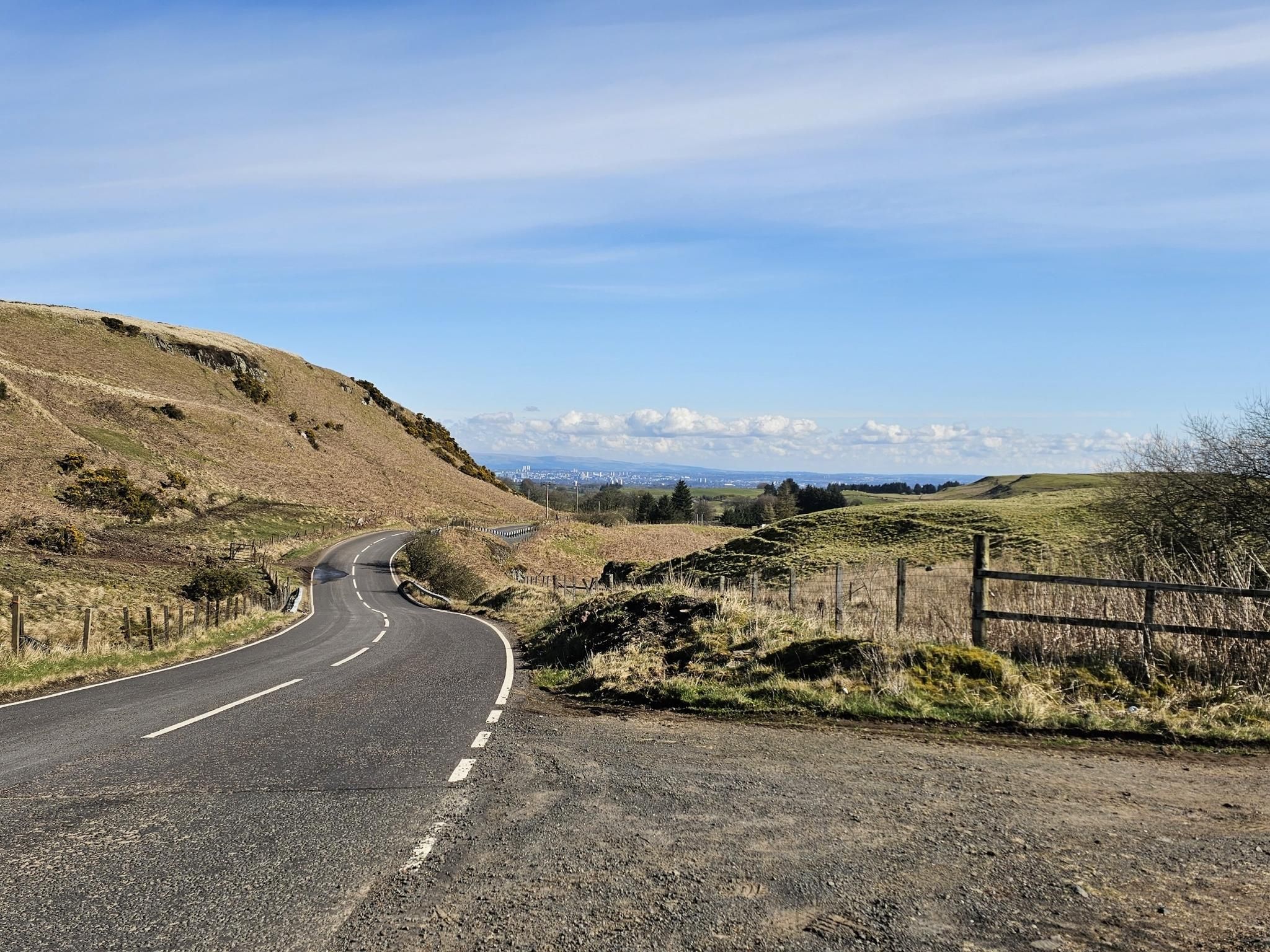
Pedal through time – Britain’s landscapes & history by bike
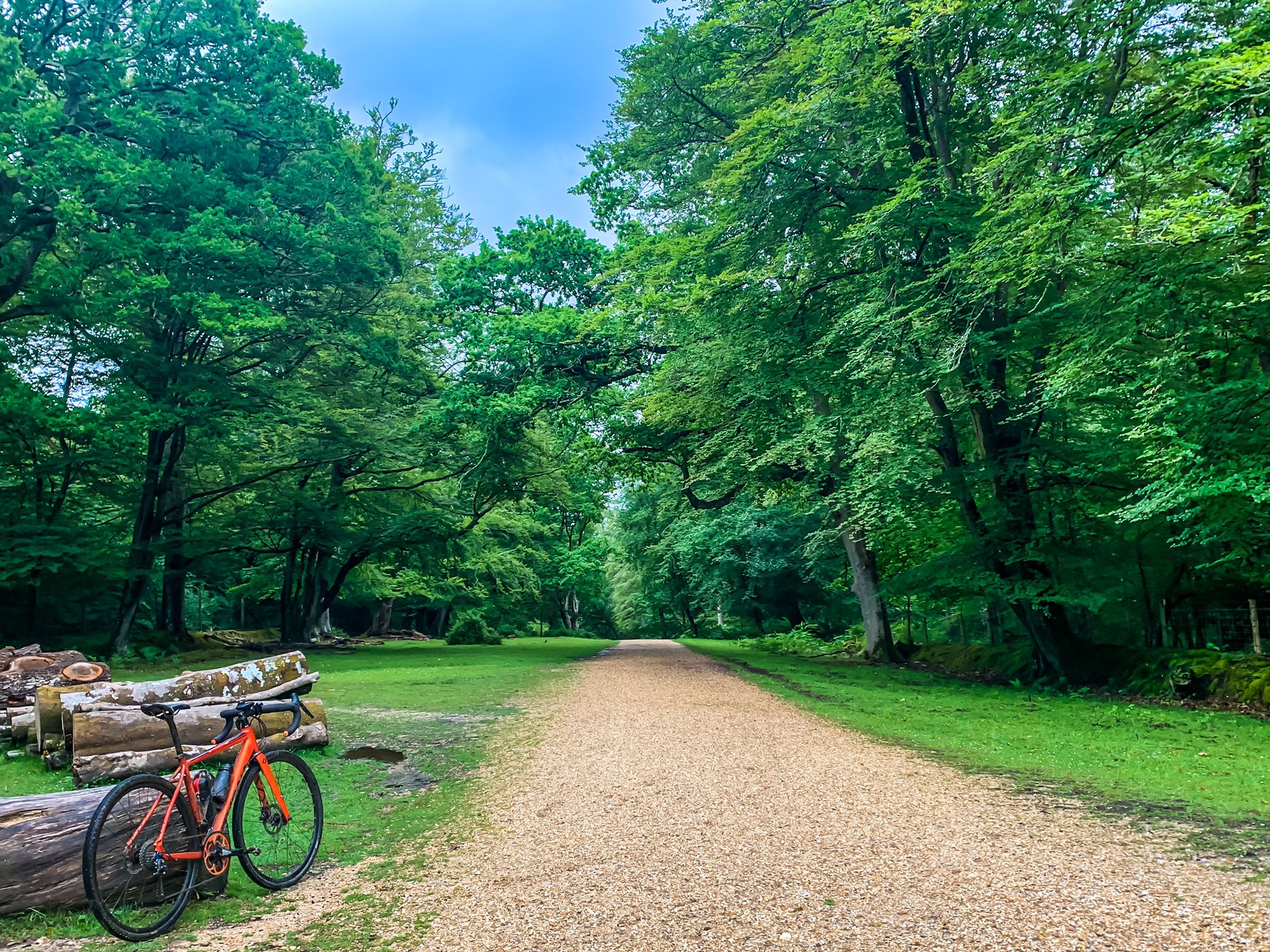
New Forest - The most Beautiful Cycling Routes
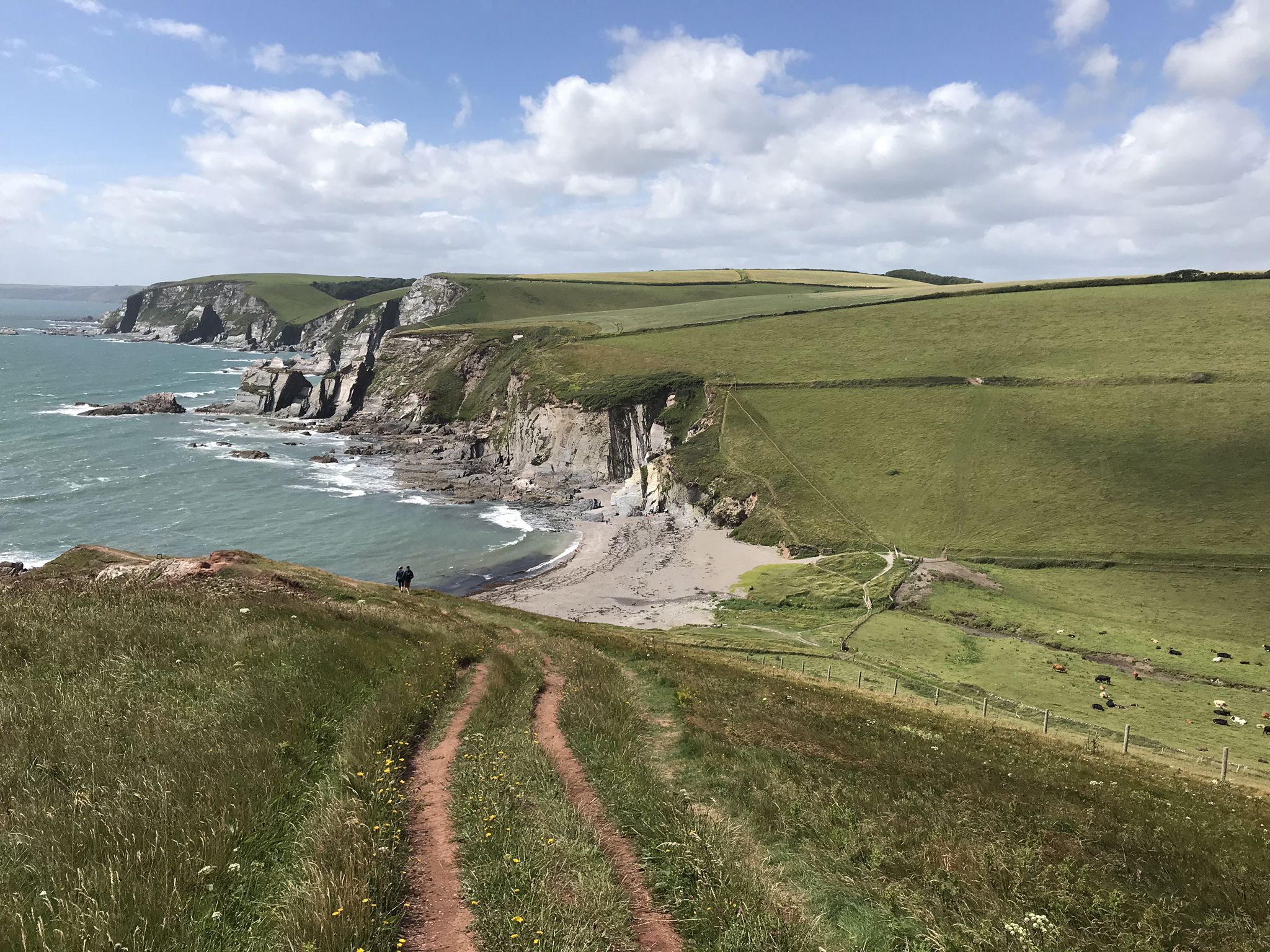
E9 Plymouth to Dover — An epic exploration of England's south coast
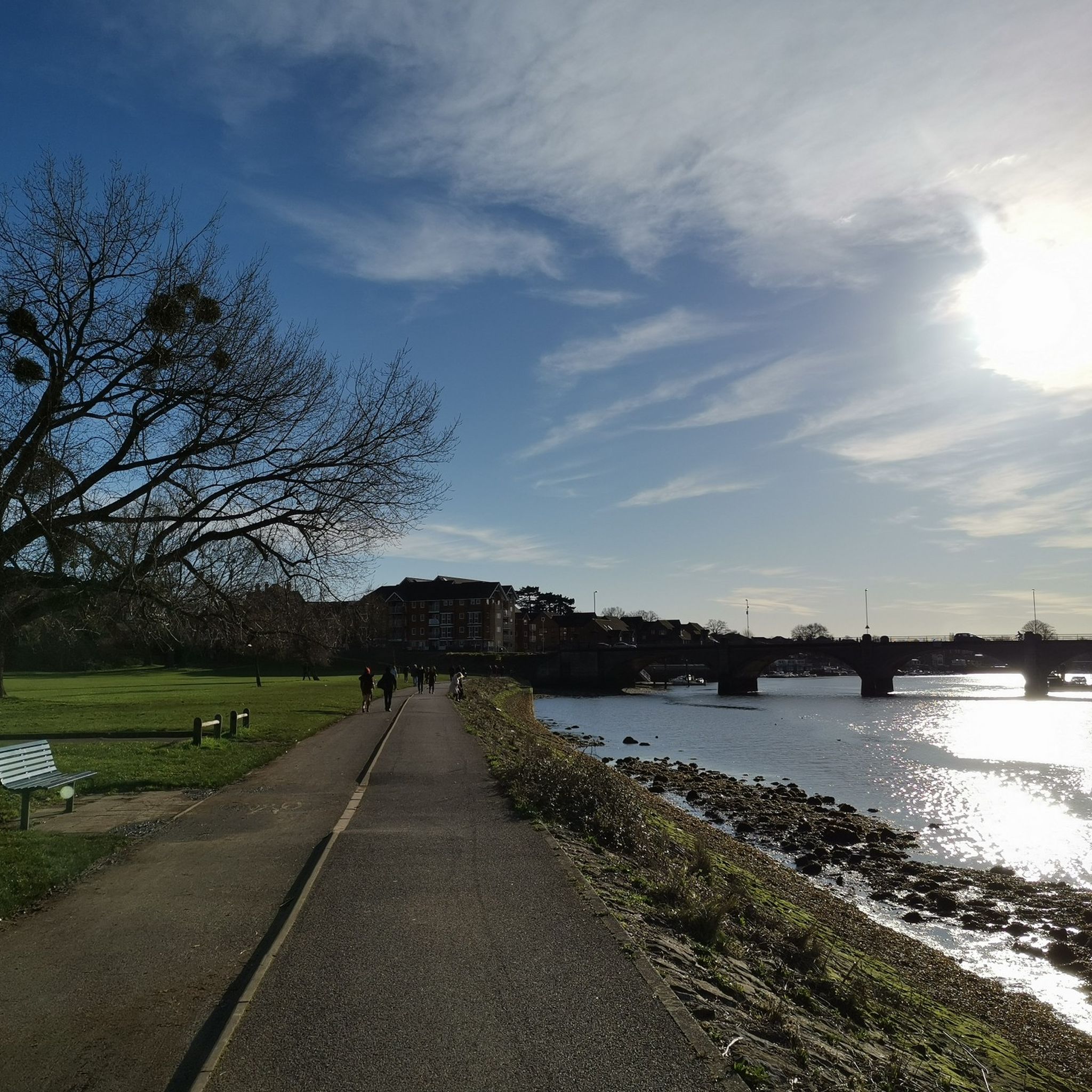
Hiking around Southampton
Road Cycling Routes around Southampton
Running Trails around Southampton

Gravel biking around Southampton
MTB Trails around Southampton
Other adventures around Southampton


Tips from the Community


St Catherine's Hill is a prominent chalk downland hill on the outskirts of Winchester, notable for its layered historical and ecological importance. Now a biological Site of Special Scientific Interest (SSSI) managed as a nature reserve, its summit is ringed by the impressive earthworks of a univallate Iron Age hillfort dating back over 2,000 years. The top is marked by a distinctive copse of beech trees, known as 'The Clump', which contains the scant ruins of the 12th-century St Catherine's Chapel, while the hillside features a turf-cut labyrinth known as the Miz-Maze; the entire site provides spectacular views over the city, the Itchen Valley, and supports a rich variety of wildflowers and butterflies, including the protected Chalkhill Blue.
1
0
The visitor centre in Lyndhurst is known as the New Forest Heritage Centre. It is considered the ideal place to begin your exploration of the New Forest National Park, offering a comprehensive introduction to its unique history, culture, and wildlife.
0
0
Bolton's Bench is a well-known natural knoll and landmark situated on the edge of Lyndhurst, the "capital" of the New Forest. A prominent ancient yew tree grows at the top of the hill, which is surrounded by grassy lawns where the New Forest's famous ponies, donkeys, and cattle often graze freely. According to a medieval tale, a dragon that terrorized the nearby village of Bisterne was slain on the site by a knight named Sir Maurice de Berkeley. The dragon's body supposedly became the hill, and the ancient yew trees grew where the knight and his hounds later died.
0
0
Bolton's Bench is a well-known landmark and natural knoll in the New Forest, located just outside Lyndhurst, named after an 18th-century Duke of Bolton. It features ancient yew trees at its summit and offers picturesque views over the village, heathlands, and surrounding landscapes. The site is popular for walks, dog walking, and picnics, and is home to free-roaming New Forest ponies and cattle. While the bench itself commemorates the Duke, a local legend also attributes the hill's formation to a battle with a dragon, with the yew trees growing from where the knight and his dogs fell.
0
0

could be muddy in winter. perfect in july
0
0

The carpark here can get really busy especially on weekends or holidays. If you're planning on driving here to start your ride make sure it's early to beat the parking madness
0
0
Frequently Asked Questions
How many touring cycling routes are there around Southampton?
There are over 200 touring cycling routes available around Southampton, catering to various skill levels. This includes over 100 easy routes, 85 moderate routes, and 22 more challenging options.
Are there easy touring cycling routes suitable for beginners or families in Southampton?
Yes, Southampton offers many easy touring cycling routes perfect for beginners and families. The region features flat gravel tracks, particularly within the New Forest National Park, and tranquil riverside paths. An example is the Redbridge to Lyndhurst — New Forest National Park route, which is rated easy and leads through scenic areas.
What kind of terrain can I expect on touring cycling routes near Southampton?
The terrain around Southampton is quite varied. You'll find flat gravel tracks, quiet country lanes, and scenic paths along rivers and the coast. While there are some moderate ascents, there are no significant peaks over 200m, making it generally accessible for touring cyclists. The New Forest offers extensive flat gravel tracks, while riverside trails like the Itchen River Path provide smooth, level cycling.
What are some notable landmarks or attractions I can see along touring cycling routes in Southampton?
Many routes offer views of significant landmarks and natural features. You can cycle past historic sites like The Bargate and sections of the Southampton City Walls. The Netley Abbey – Itchen Bridge loop from Millbrook, for instance, takes you past the historic Netley Abbey and offers views of Southampton Water.
Are there any circular touring cycling routes around Southampton?
Yes, there are several circular touring cycling routes available. For example, the Baddesley Common loop from Southampton offers a moderate circular ride exploring the countryside north of the city. Another option is the New Forest loop from Southampton, which provides a longer circular experience into the National Park.
What is the best time of year to go touring cycling in Southampton?
Spring, summer, and early autumn generally offer the most pleasant conditions for touring cycling in Southampton, with milder weather and longer daylight hours. The New Forest and riverside paths are particularly beautiful during these seasons. While winter cycling is possible, be prepared for cooler temperatures and potentially wet conditions.
Can I find touring cycling routes that include pub or cafe stops?
Yes, many touring cycling routes in the Southampton area pass through charming villages and towns where you can find pubs and cafes. Routes leading into the New Forest or along the Rivers Test and Itchen often have opportunities for refreshment stops, allowing you to enjoy local hospitality during your ride.
What do other touring cyclists enjoy most about cycling in Southampton?
The touring cycling routes around Southampton are highly rated by the komoot community, with an average score of 4.4 stars from over 200 reviews. Cyclists often praise the diverse landscapes, from the ancient woodlands of the New Forest to the scenic coastal paths along the Solent, and the well-maintained cycle networks that connect these areas.
Are there specific routes that offer good opportunities for wildlife spotting?
Yes, the natural landscapes around Southampton are rich in wildlife. The Itchen River Path and Itchen Navigation Heritage Trail are excellent for birdwatching. The New Forest National Park, accessible via routes like the Bolton's Bench – Bolton's Bench loop from St Denys, is renowned for its free-roaming ponies, deer, and diverse birdlife. Testwood Lakes Nature Reserve and Woolston Eyes Nature Reserve also offer havens for wildlife.
How can I access the New Forest National Park for cycling from Southampton?
You can cycle directly into the New Forest National Park from Southampton. Routes like the New Forest loop from Southampton provide direct access. Additionally, you can take the Hythe Ferry from Southampton's city quay, which allows immediate access to the New Forest's picturesque landscapes, ideal for further cycling exploration.
Where can I find information about public transport and parking for cycling routes in Southampton?
Southampton has a dedicated cycle network that connects to transport hubs, making it convenient to reach various starting points. For detailed information on cycle parking within the city, you can consult the official Southampton City Council website. For broader travel planning, consider checking local public transport schedules. You can find more information about cycling in the city on the Southampton City Council website.
Are there any touring cycling routes that explore the Solent coastline?
Yes, you can find routes that follow Southampton Water to the Solent, offering scenic coastal views. The Royal Victoria Chapel – Hamble–Warsash Pink Ferry loop from Southampton Central is an example that takes you along the coast, providing views across Southampton Water towards the Isle of Wight and opportunities to observe shipping activities.
Most popular routes around Southampton
Most popular attractions around Southampton

Get inspired with the komoot mobile app


Explore more
Browse the best Cycling routes in other regions.
