The best road cycling routes around Sovicille
4.5
(705)
30,463
riders
42
rides
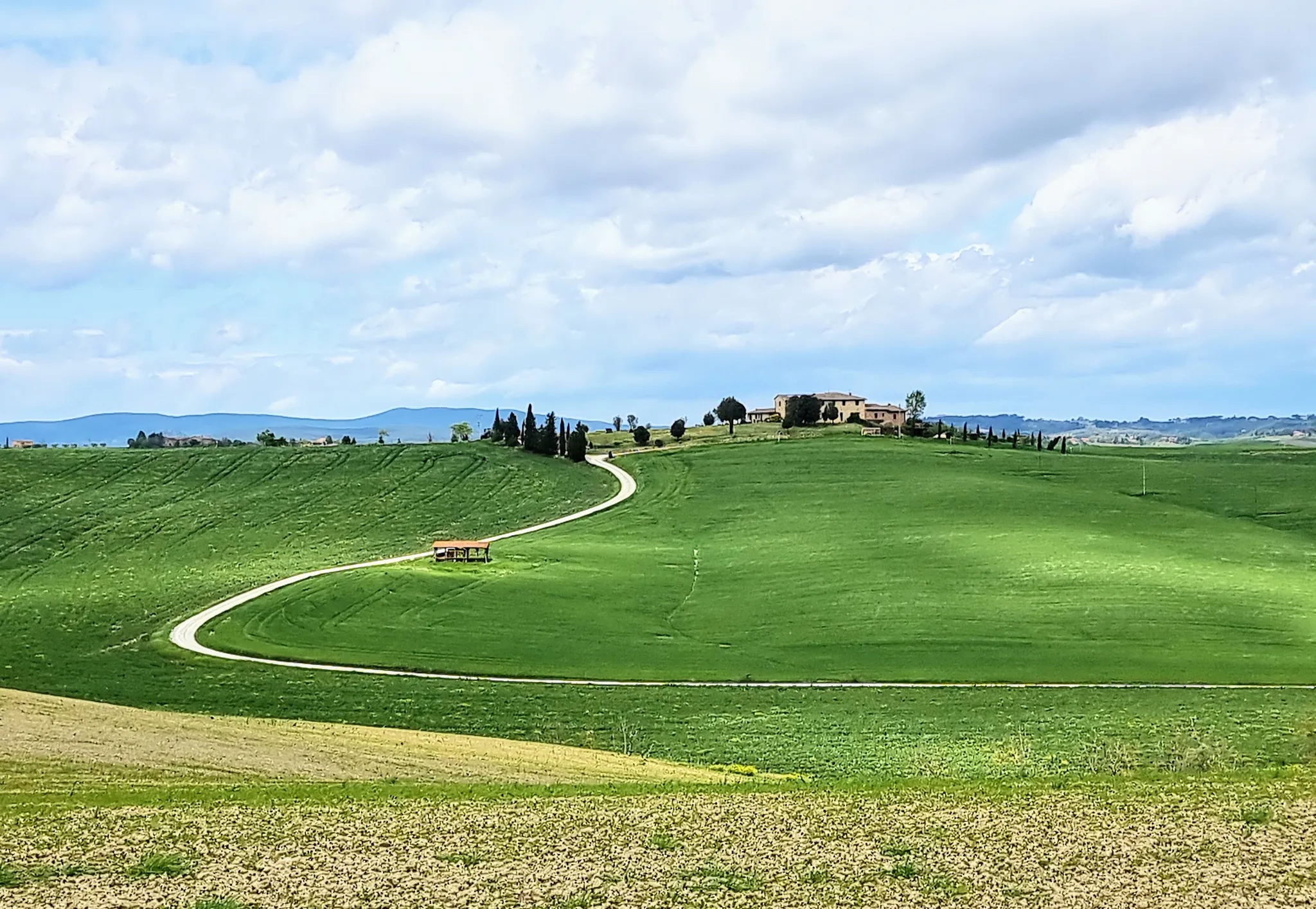
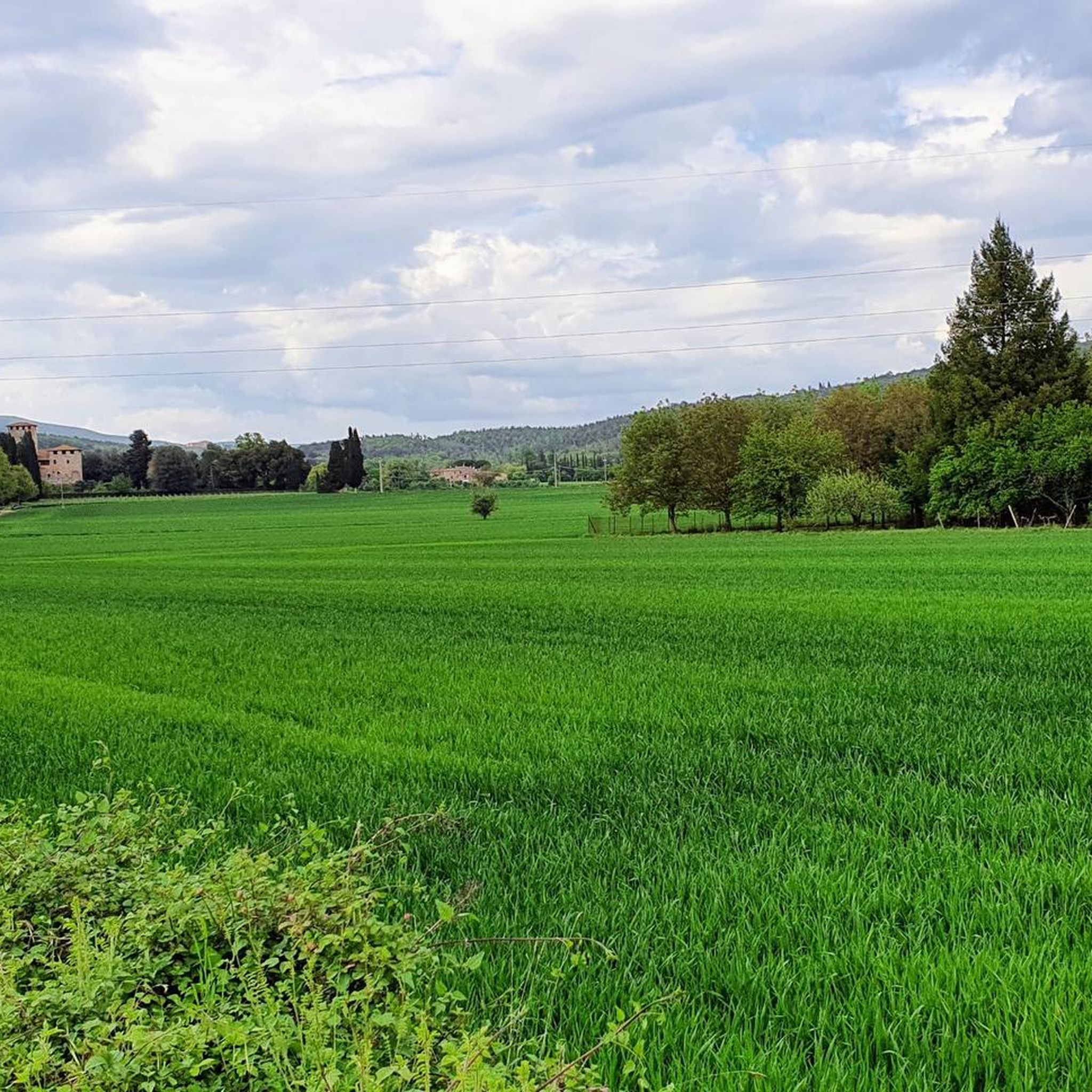
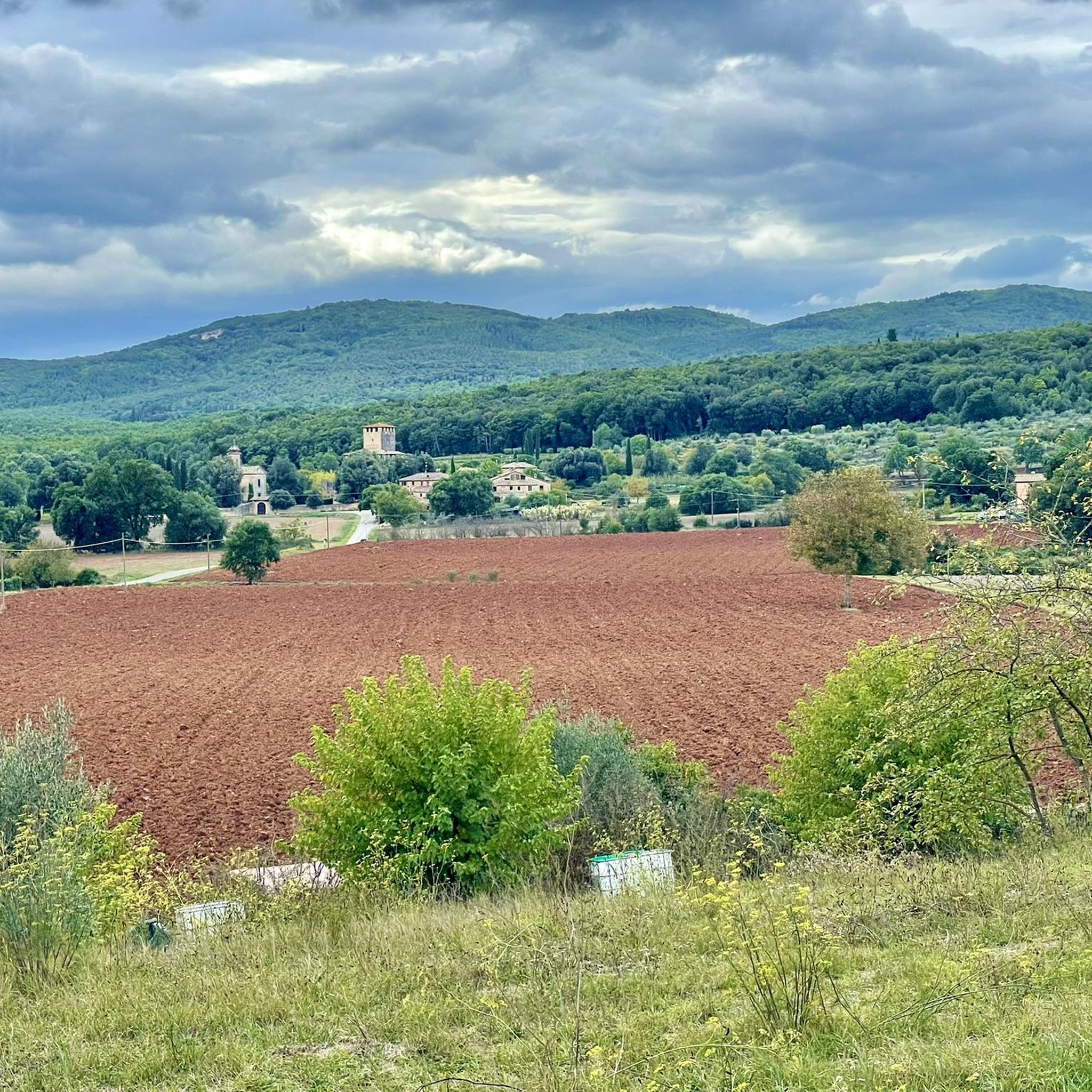
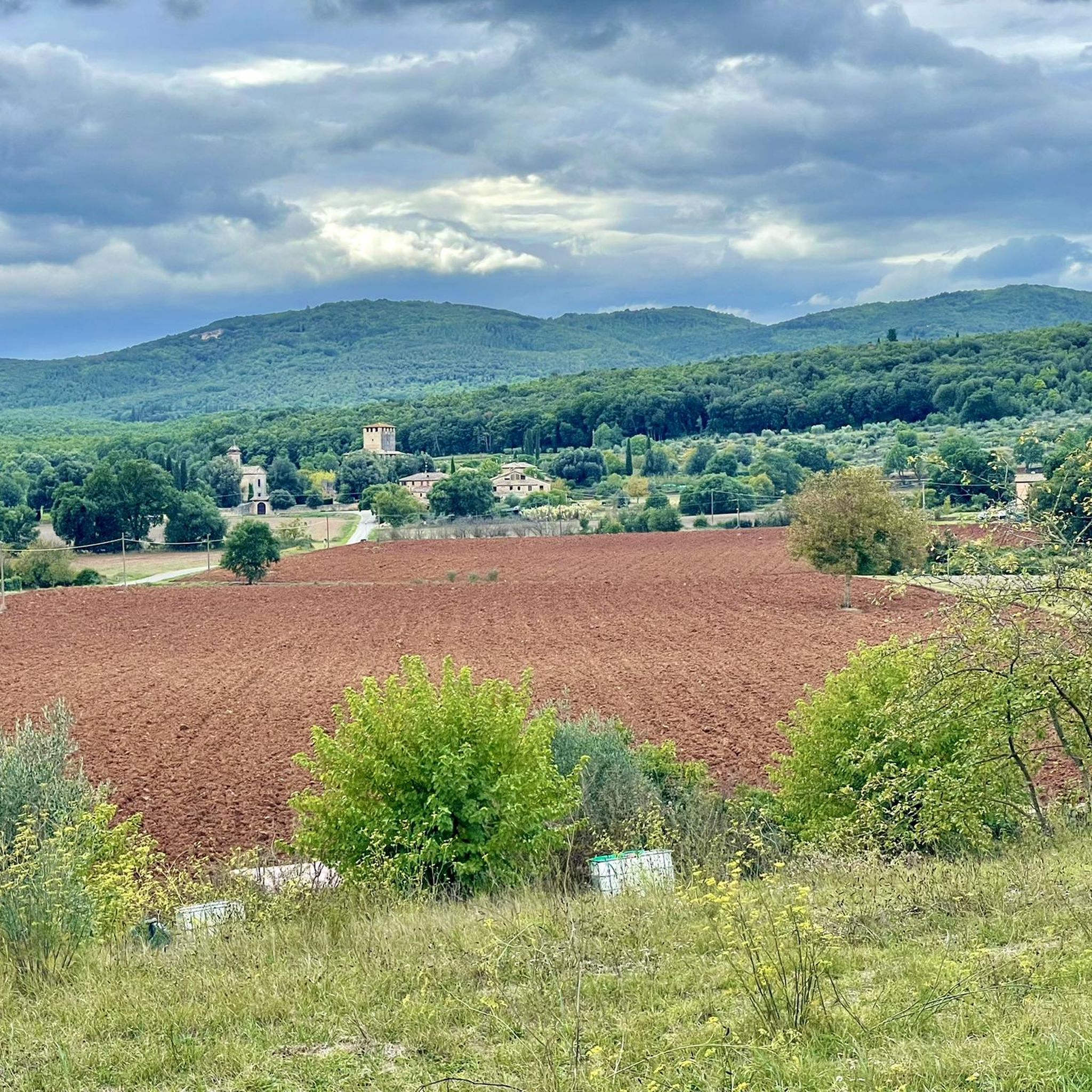
Road cycling around Sovicille is characterized by the rolling Tuscan hills, featuring vineyards, olive groves, and cypress trees. The region includes the hilly Val di Merse to the south, offering diverse natural environments and routes. Cyclists can also explore the unique "lunar" landscapes of the Crete Senesi, known for its barren, undulating terrain and "Strade Bianche" sections. This area provides a mix of paved and unpaved roads, catering to varied road cycling experiences.
Best road cycling routes around Sovicille
- The…
Last updated: October 10, 2026
4.7
(6)
93
riders
33.9km
01:38
500m
500m
Moderate road ride. Good fitness required. Some segments of this route may be unpaved and difficult to ride.
4.3
(4)
128
riders
58.6km
02:40
590m
590m
Moderate road ride. Good fitness required. Mostly well-paved surfaces and easy to ride.

97
riders
28.7km
01:31
390m
390m
Moderate road ride. Good fitness required. Some segments of this route may be unpaved and difficult to ride.
4.5
(4)
104
riders
75.9km
03:35
1,010m
1,010m
Hard road ride. Very good fitness required. Mostly well-paved surfaces and easy to ride.
4.8
(4)
91
riders
103km
04:56
1,450m
1,450m
Hard road ride. Very good fitness required. Mostly well-paved surfaces and easy to ride.
Get access to more routes and recommendations from other explorers.
Already have an account?
Our route recommendations are based on thousands of hikes, rides, and runs completed by other people on komoot.
Start today with a free account
Your next adventure awaits.

Other adventures around Sovicille

Tips from the Community

wonderful and welcoming village
0
0

Massa Marittima is an Italian municipality of 8,160 inhabitants in the province of Grosseto in Tuscany. Main center of the Grosseto Metalliferous Hills area, it is a member of the Union of mountain municipalities Colline Metallifere. As a Maremma tourist resort, it has obtained important recognitions for environmental quality.
0
0
From Chiusdino, you can enjoy a magnificent and wide view of the green Val di Merse, a Tuscan territory made of wooded hills and clear rivers. From the panoramic terraces of the medieval village, your gaze sweeps over the valley below, where dense woods and the symbolic places of local history stand out.
0
0
The Leopoldina Column (also called the Lorraine column) is an imposing neoclassical signpost structure made of stone and cast iron. It was commissioned in 1840 by the Grand Duke of Tuscany Leopold II of Lorraine. It served to indicate directions and distances along the ancient "royal roads" of the Grand Duchy. Today, only 18 historical examples of these columns survive throughout Tuscany. They represent an exceptional example of enlightened infrastructure and pre-Liberty design.
0
0
Porta Camollia is one of the most famous and historic access gates of the walls of Siena. Located on the north side of the city at the end of the street of the same name, Via di Camollia, it is within the territory of the Contrada Sovrana dell'Istrice and is the historic entry point for pilgrims traveling the Via Francigena.
0
0
The medieval village of Prata (part of Massa Marittima) is located at an altitude of 620 meters. From its dominant position on the Colline Metallifere, it offers a 360-degree panorama ranging from the summit of Monte Amiata to the Gulf of Follonica, even offering views of the Island of Elba and, on the clearest days, Corsica.
0
0
Chiusdino is an ancient medieval village located in the province of Siena, perched on the Colline Metallifere and overlooking the splendid Val di Merse. It is especially famous for its inseparable bond with the figure of San Galgano and for its proximity to the famous roofless abbey. The historic center preserves a timeless atmosphere, with stone houses and narrow alleys that wind along the slope. It is believed that Galgano Guidotti was born here around 1150. His supposed birthplace is one of the main destinations for those visiting the village.
0
0
The Archaeological Museum is housed in the ancient Palazzo del Podestà (1225), which overlooks the Piazza del Duomo of Massa Marittima. The collection is organized into sections, ordered chronologically from the lower paleolithic to the etruscan age; the main piece of the prehistoric collection is the eneolithic statue-stele of Vado all’Arancio, the only find of its type in Maremma; the etruscan finds come mainly from excavations carried out at the village of Lago dell’Accesa, they are mainly kitchenware, loom weights, fishing weights and bricks; also present are the funerary trousseaux found in the necropolises, especially pottery (figulina clay and bucchero), bronze fibulae, iron pot stands, iron and bronze weapons. On the ground floor, an educational section is set up with a life-size reconstruction of typical caves: a paleolithic and an eneolithic one. Guided tours and educational activities, organization of cultural events and film screenings are available.
1
0
Frequently Asked Questions
What kind of terrain can I expect when road cycling around Sovicille?
Road cycling around Sovicille offers a diverse landscape. You'll primarily encounter the quintessential Tuscan hills, characterized by gentle ups and downs, flanked by vineyards, olive groves, and cypress trees. To the south, the Val di Merse presents a more hilly territory with varied natural environments. Additionally, routes may include sections of the unique 'lunar' landscape of the Crete Senesi, known for its barren, undulating hills and famous 'Strade Bianche' (white roads).
How challenging are the road cycling routes in Sovicille?
The routes around Sovicille cater to a range of abilities. While there are some easier options, the majority of road cycling routes are considered moderate, with a significant number of challenging routes available. You can find routes with varying elevation gains, including those that incorporate sections of the demanding 'Strade Bianche' and L'Eroica routes.
Are there any specific routes that offer a classic Tuscan cycling experience?
Yes, many routes capture the essence of Tuscan cycling. For a classic experience through the countryside, consider the Passo Incrociati — Ring tour. Another popular choice that winds through scenic landscapes and charming villages is the Cappuccino with Latte Art – Via Santa Caterina loop from Rosia.
What historical landmarks or natural features can I see along the road cycling routes?
Sovicille's routes are rich in historical and natural sights. You might pass through charming medieval villages like Chiusdino, Monticiano, Murlo, and Torri, the latter known for its abbey. Notable historical sites include the Poggiarello di Toiano Castle and the Pieve of Ponte allo Spino. For natural beauty, you'll experience the rolling hills, vineyards, and olive groves, and potentially the unique 'lunar' landscapes of the Crete Senesi. Specific highlights you might encounter include the Monteriggioni — Walled Village or the Siena Cathedral (Duomo di Siena) if your route takes you near Siena.
What do other road cyclists enjoy most about cycling in Sovicille?
The road cycling routes around Sovicille are highly rated by the komoot community, with an average score of 4.6 stars. Cyclists often praise the stunning Tuscan scenery, the variety of terrain from gentle hills to challenging 'Strade Bianche' sections, and the opportunity to pass through picturesque medieval villages and historical sites.
Are there any long-distance road cycling itineraries in the region?
Yes, the region is home to the Grand Tour of Val di Merse, a fully signposted, 173 km cycling itinerary with 3100m of elevation gain. This tour traverses the authentic heart of Tuscany, often on low-traffic secondary roads, and can be undertaken with road bikes, including sections of the Strade Bianche and L'Eroica routes. You can find more information about this tour on Visit Tuscany.
When is the best time of year to go road cycling in Sovicille?
The region is beautiful year-round, but spring (April-May) and autumn (September-October) are generally considered the best times for road cycling. During these seasons, the weather is typically mild, and the landscapes are particularly vibrant, with blooming wildflowers in spring and rich autumnal colors. Summer can be hot, especially in July and August, while winter can bring cooler temperatures and occasional rain.
Are there any family-friendly road cycling routes in Sovicille?
While many routes involve significant elevation changes, some easier options are available. For families, it's best to look for routes described as 'easy' or those that stick to flatter, paved sections away from heavy traffic. Always check the route's elevation profile and distance to ensure it matches your family's comfort level.
Can I find amenities like cafes or restaurants along the road cycling routes?
Yes, many road cycling routes around Sovicille pass through or near charming medieval villages and towns. These often offer opportunities to stop at local cafes, restaurants, or trattorias where you can refuel and experience Tuscan hospitality. It's always a good idea to check your chosen route for specific points of interest and amenities beforehand.
Are there any routes that explore the Val di Merse area?
Absolutely. The Val di Merse, located south of Sovicille, is a popular area for cycling due to its hilly terrain and diverse natural environments. A challenging route that leads through this area is the Abbey of San Galgano – Ponte della Pia loop from San Rocco a Pilli, offering a deep dive into the Val di Merse's landscapes.
What is the total number of road cycling routes available around Sovicille?
There are over 40 road cycling routes available around Sovicille, offering a wide variety of distances, difficulties, and scenic experiences for cyclists.
Most popular attractions around Sovicille

Get inspired with the komoot mobile app


Explore more
Browse the best Road cycling routes in other regions.
