The best MTB trails around Citerna
4.6
(818)
4,263
riders
265
rides
Mountain biking around Citerna provides diverse landscapes across the Umbrian-Tuscan hills, overlooking the Tiber Valley. The region features rolling terrain, medieval villages, and well-established trail networks suitable for various skill levels. Its strategic location along the Apennine cycle route offers extensive marked itineraries.
Best mountain bike trails in Citerna
- The most popular mountain bike trail is Museum of the Madonna del Parto – Monterchi loop from Le Ville, a 18.5 miles (29.8 km) trail that takes 2 hours 33…
Last updated: August 18, 2026
5.0
(2)
18
riders
30.3km
02:35
530m
530m
Moderate mountain bike ride. Good fitness required. Suitable for all skill levels.
4.5
(2)
19
riders
28.6km
02:41
630m
630m
Moderate mountain bike ride. Good fitness required. Suitable for all skill levels.

Sign up for free
5.0
(2)
13
riders
80.6km
05:23
1,240m
1,240m
Hard mountain bike ride. Very good fitness required. Suitable for all skill levels.
3.3
(4)
11
riders
29.1km
02:23
640m
640m
Moderate mountain bike ride. Good fitness required. Suitable for all skill levels.
4
riders
63.1km
06:16
1,680m
1,680m
Hard mountain bike ride. Very good fitness required. Advanced riding skills necessary.
Get access to more routes and recommendations from other explorers.
Sign up for free
Already have an account?
Our route recommendations are based on thousands of hikes, rides, and runs completed by other people on komoot.
Start today with a free account
Your next adventure awaits.
Login or Signup
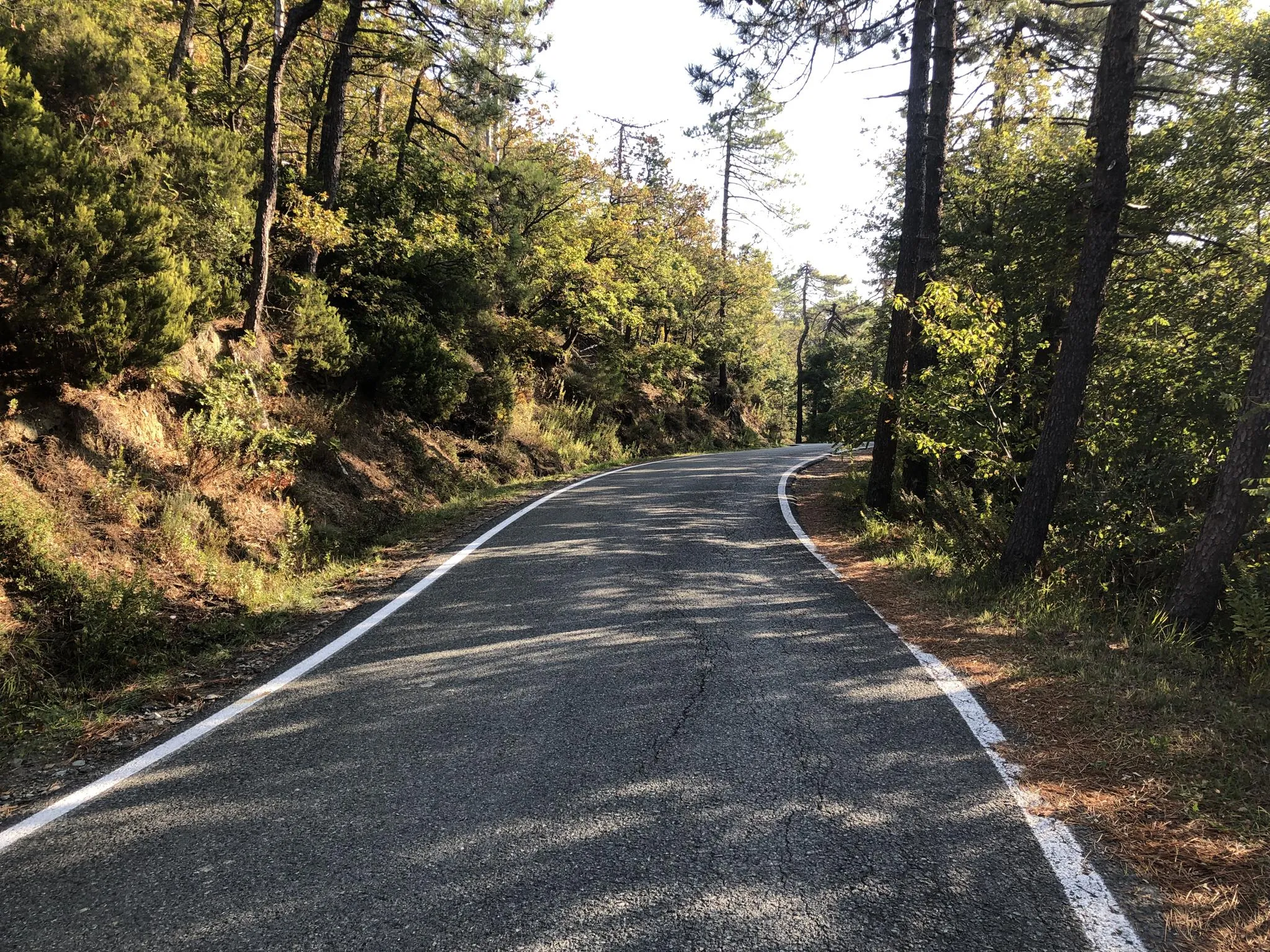
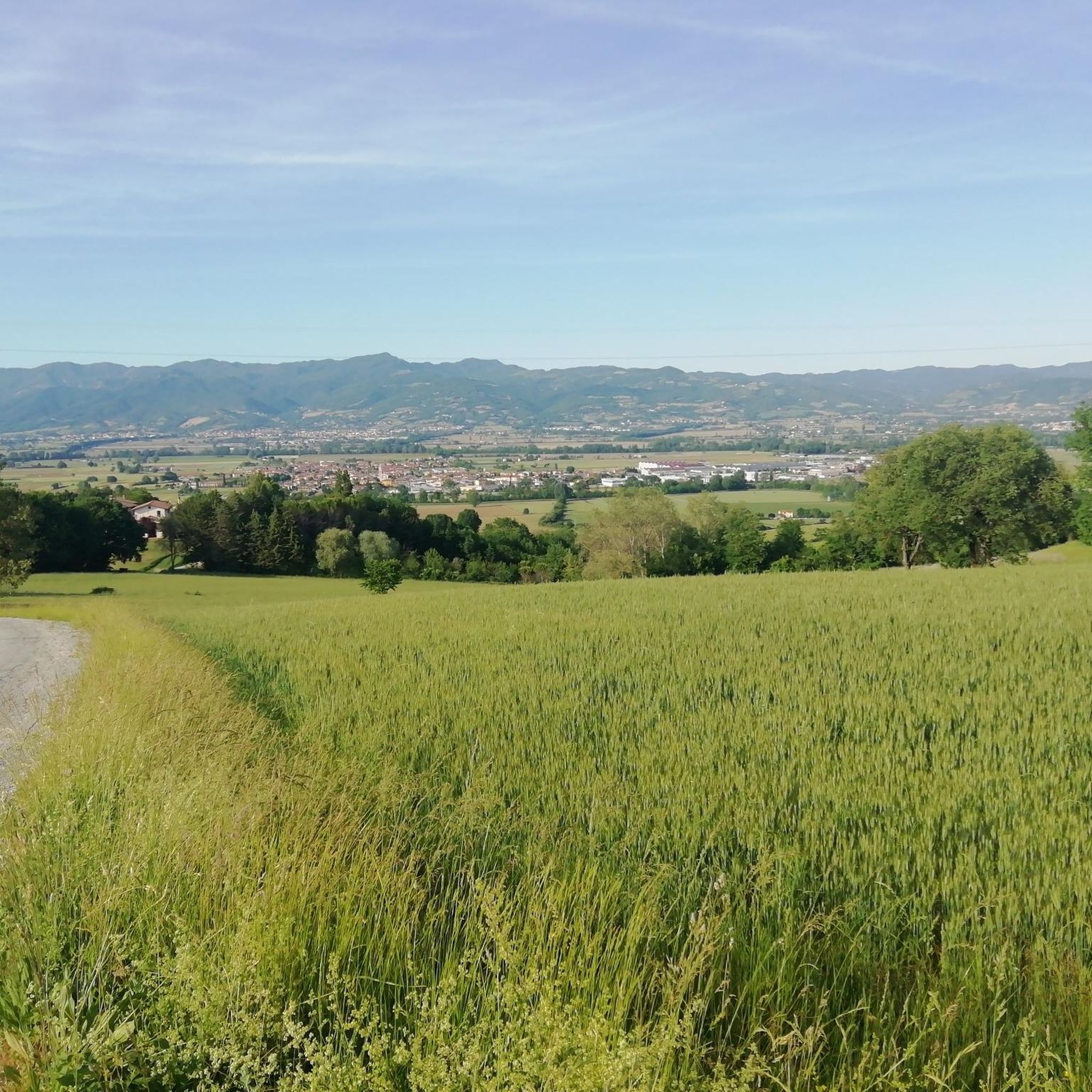

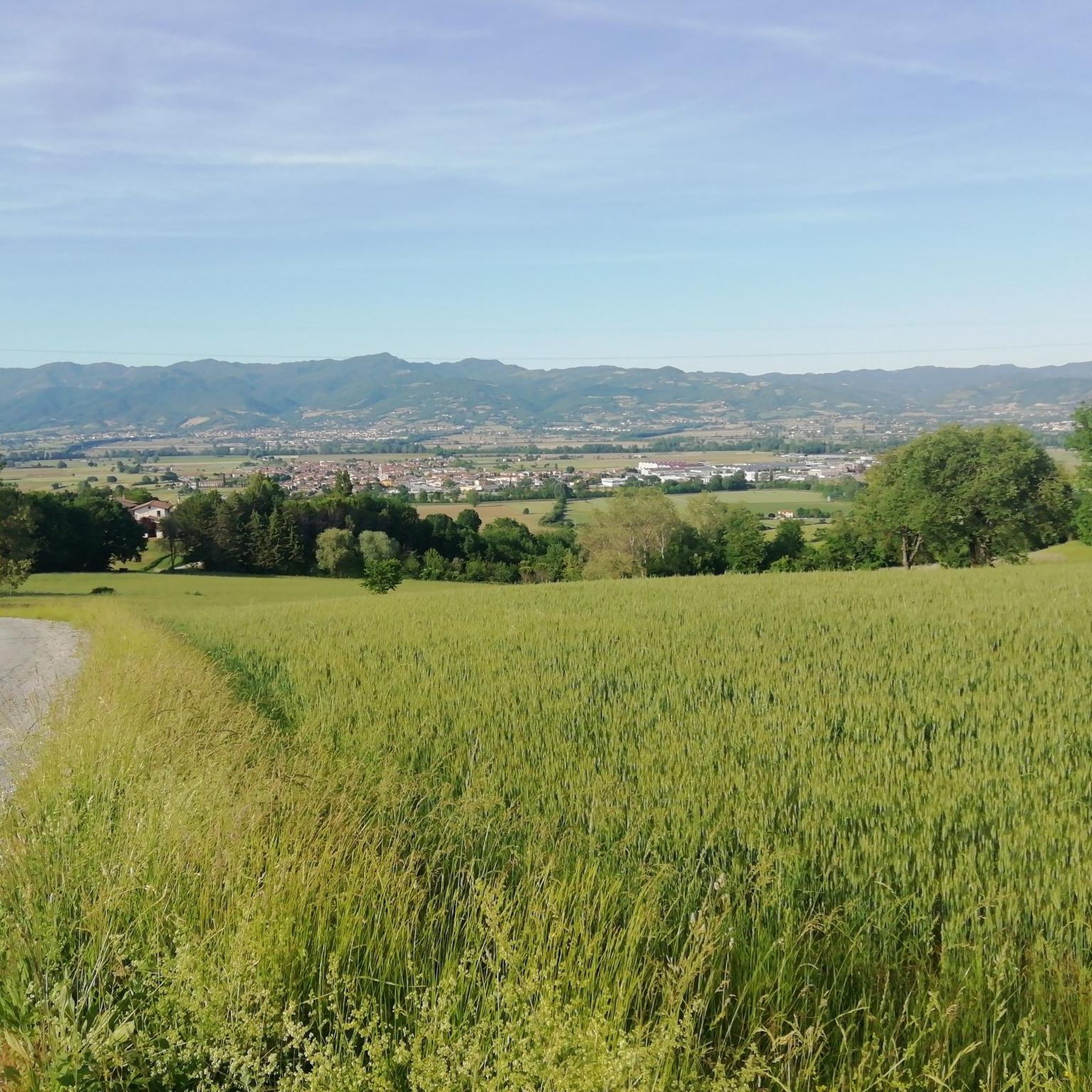
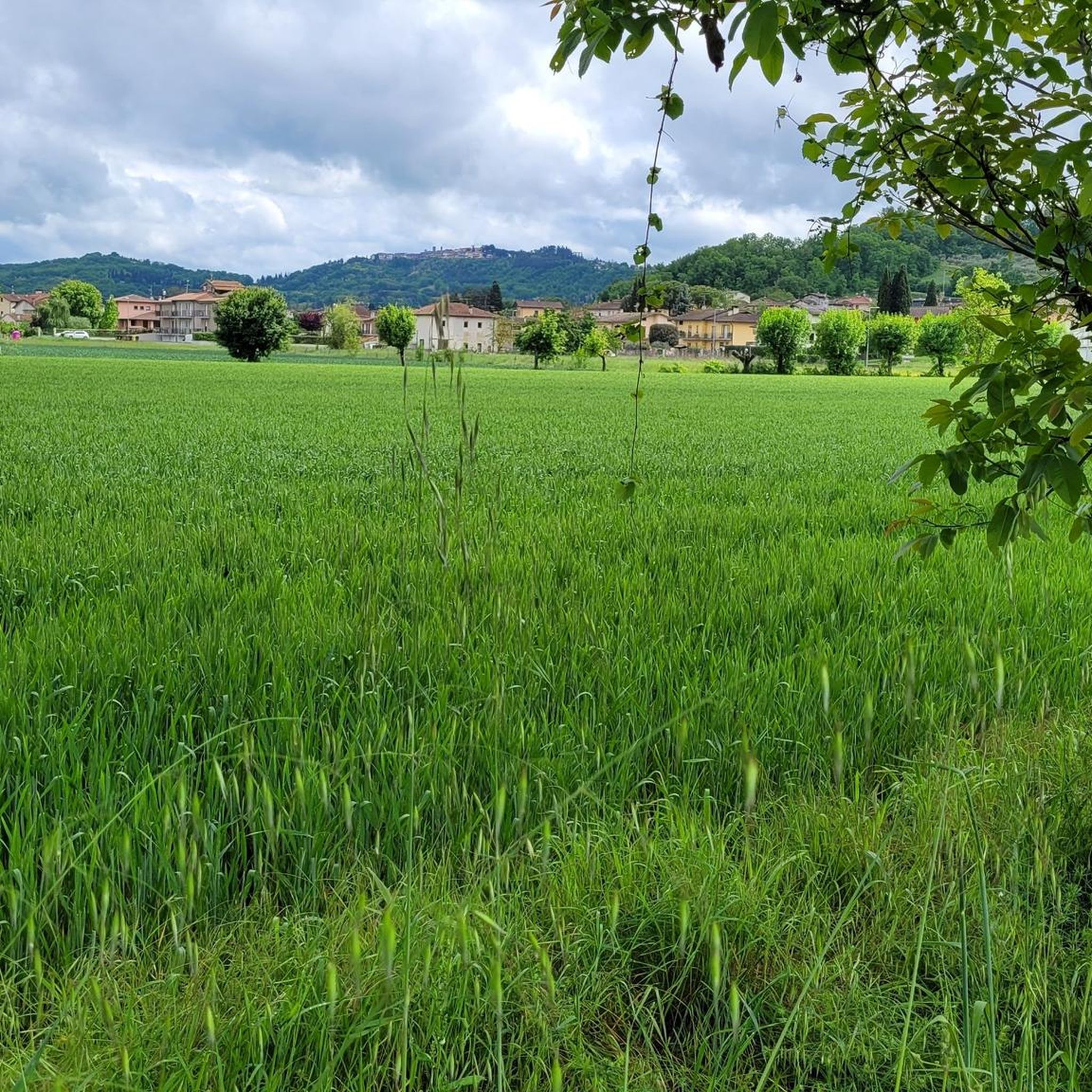
Other adventures around Citerna

Tips from the Community

In Castiglion Fiorentino, just outside the city walls, stands the Church of the Madonna della Consolazione. Its history stems from a sacred image of the Madonna and Child, attributed to Luca Signorelli, once kept in a tabernacle along the road. Tradition holds that Eleonora di Toledo, wife of Cosimo I de' Medici, regained her sight by praying before that image. In gratitude, she financed the construction of the church, which began in 1565 and was completed only decades later. Inside, in a side chapel, the original fresco of the Madonna is still preserved.
1
0

Sunset at Piazza Grande
3
0

Scenic route above Arezzo, famous for Pantani participation in the Giro diItalia.
0
0

Arezzo: Art and History in Tuscany Arezzo's narrow streets transported me back in time. Ancient walls told tales of the Etruscans and Romans. In the Piazza Grande, millennia merged into a unique experience. Arezzo is a cultural gem in the heart of Tuscany. With 100,000 inhabitants, the city retains its medieval charm. Etruscan roots and Roman influences shape the cityscape. The city has witnessed many wars and upheavals. Founded by the Etruscans and later conquered by the Romans, Arezzo became an important trading center. Arezzo's eventful history makes it a fascinating travel destination. Visitors experience a rich past and cultural diversity here. Text / Source: Toskanaitalien.de, your website about Tuscany https://www.toskanaitalien.de/arezzo/#:~:text=Arezzo%20is%20a%20cultural%20jewel%20in%20the%20heart%20of%20Tuscany.,cityscape.%20The%20city%20experienced%20many%20wars%20and%20changes.
15
1
The Piazza Grande, Arezzo In 1200, the Piazza Grande in Arezzo was still unpaved and stretched from the Red Tower of the Palazzo Comunale on Via Pellicceria to the Borgunto and eastward to the Palazzo del Popolo. At that time, the square was twice its current size and surrounded by the towers of the old noble families. However, the destructive work of Cosimo de' Medici, who transformed the city into a fortress, led to the demolition of many historic buildings and even the burial of the ancient Roman forum. This necessitated a restoration project, including the construction of the loggias, which was entrusted to Giorgio Vasari. Vasari began work in 1572 but died the following year. The work was completed according to the original design under the supervision of Alfonso Parigi. The loggias feature architectural ornamentation in sandstone typical of Arezzo, while the column bases are made of Rapolano travertine, the same material used for the staircase of the Palazzo della Fraternita. The portico is covered with cross vaults, and the windows are surmounted by tympana with classical frames. Text / Source: L'Ortica - Director Gino Perticai || Arezzo City Council Press Office https://www.lortica.it/2024/08/23/piazza-grande-di-arezzo-storia-architettura-e-altre-curiosita-dal-medioevo-al-rinascimento/
14
1

Aqueducts continued to be built even after the Romans. This one dates from the 16th/17th century. It was built by the Fraternita dei Laici, a congregation dedicated to charity and public service.
1
0

Majestic aqueduct that connects the city center with the slopes of the Alpe di Poti
0
0
Frequently Asked Questions
How many mountain bike trails are there around Citerna?
There are over 340 mountain bike routes available around Citerna, offering a wide variety of options for different skill levels and preferences. You'll find everything from easy cycle paths to challenging climbs through the Umbrian-Tuscan hills.
What types of terrain can I expect on mountain bike trails near Citerna?
Mountain biking around Citerna is characterized by rolling Umbrian and Tuscan hills, offering diverse landscapes. You'll encounter varied terrain, from scenic paths overlooking the Tiber Valley to more challenging sections with significant elevation changes. The region is known for its well-established trail networks and picturesque backdrops.
Are there easy mountain bike trails suitable for beginners or families in Citerna?
Yes, Citerna offers several easy mountain bike trails perfect for beginners or those looking for a more relaxed ride. An example is the Selci Stream Cycle Path – Entrance to Castello Bufalini loop from Fighille, which is 26.7 km long with moderate elevation, making it suitable for most fitness levels.
What are some challenging mountain bike routes for experienced riders in Citerna?
For experienced riders seeking a challenge, Citerna has several difficult routes. The Church of San Severo – View of Arezzo from Poti loop from Sasso is a demanding 63.2 km path with over 1,680 meters of elevation gain, requiring good fitness and advanced riding skills. Another challenging option is the Murcia del Soldato – View from Poggio dei Contadini loop from Pocaia.
What kind of views and natural features can I see while mountain biking in Citerna?
Citerna's trails offer breathtaking panoramic views, extending from the Rocca terrace to Mount della Verna and Mount Fumaiolo, encompassing various Upper Tiber villages and the Cerfone and Sovara valleys. You'll ride through rolling Umbrian and Tuscan hills and enjoy expansive vistas of the Tiber Valley. The region's medieval architecture also provides a charming historical backdrop.
Are there any historical landmarks or attractions along the mountain bike routes?
Yes, many routes pass by or near significant historical landmarks. You can explore medieval villages and castles. For instance, you might encounter highlights like the Historic Centre of Anghiari, Monte Santa Maria Tiberina, or the Entrance to Castello Bufalini. Citerna itself is a well-preserved medieval village with ancient walls and narrow lanes.
What do other mountain bikers enjoy most about the trails in Citerna?
The mountain bike trails in Citerna are highly rated by the komoot community, with an average score of 4.6 stars from over 700 reviews. Riders often praise the diverse landscapes, the blend of historical sites with natural beauty, and the variety of routes suitable for different skill levels. The panoramic views, especially over the Tiber Valley, are frequently highlighted as a favorite aspect.
Are there any loop mountain bike trails around Citerna?
Yes, many mountain bike trails around Citerna are designed as loops, allowing you to start and finish in the same location. Examples include the moderate Museum of the Madonna del Parto – Monterchi loop from Le Ville and the more challenging Via Giulia Trail – Abbadia di Uselle Infra Montes loop from Fighille.
What is the best time of year to go mountain biking in Citerna?
The Umbrian-Tuscan region generally offers pleasant conditions for mountain biking from spring through autumn. Spring brings lush greenery and comfortable temperatures, while autumn provides cooler weather and beautiful fall foliage. Summer can be warm, so early morning or late afternoon rides are often preferred during this season.
Are there mountain bike trails near Citerna that offer views of Arezzo?
Yes, some trails provide stunning distant views of Arezzo. A notable route is the difficult Church of San Severo – View of Arezzo from Poti loop from Sasso, which includes the View of Arezzo from Monte Poti highlight, offering expansive vistas.
Can I find trails that are part of larger cycling networks near Citerna?
Citerna is strategically located along the Apennine cycle route, a vast 3,100 km path that traverses Italy. This means you can find marked itineraries that connect to this larger network, offering extensive options for longer rides and exploration beyond the immediate vicinity of Citerna.
Most popular attractions around Citerna

Get inspired with the komoot mobile app


Explore more
Browse the best MTB trails in other regions.
