Attractions and Places To See around Òsini/Osini - Top 20
Best attractions and places to see around Òsini/Osini include a blend of natural beauty, ancient history, and cultural sites in central-eastern Sardinia. The region is characterized by dramatic landscapes, karstic plateaus, and towering cliffs. Visitors can explore significant archaeological sites and historical landmarks, offering insights into its rich past. This area provides diverse opportunities for discovering both natural and historical points of interest.
Best attractions and places to see around Òsini/Osini
- The most popular attractions is Is Tostoinus Nuragic Village…
Last updated: August 3, 2026
Torre di Barì
Highlight • Monument
Translated by Google •
Tip by

Is Tostoinus Nuragic Village
Highlight • Historical Site
Translated by Google •
Tip by

Sign up now to discover places like this
Get recommendations on the best single tracks, peaks, & plenty of other exciting outdoor places.
Sign up for free
Perda e Liana
Highlight • Natural Monument
Translated by Google •
Tip by

Su Marmuri Cave
Highlight • Cave
Translated by Google •
Tip by

Stone Hut in the Monti del Gennargentu
Highlight • Mountain Hut
Source: it.wikipedia.org/wiki/Nuraghe
Translated by Google •
Tip by
Sign up for free to discover even more attractions around Òsini/Osini.
Sign up for free
Already have an account?
Start today with a free account
Your next adventure awaits.
Login or Signup

Tips from the Community

Mandatory stop. The cave is absolutely spectacular and fully worth the ticket price (12€, for a 90-minute guided tour).
2
0

The Barì Tower is an ancient medieval tower of Spanish construction, located on the eastern coast of Sardinia, on the beach of the same name in the municipality of Bari Sardo, in the province of Nuoro.
0
0

Great view. Beautiful area.
0
0

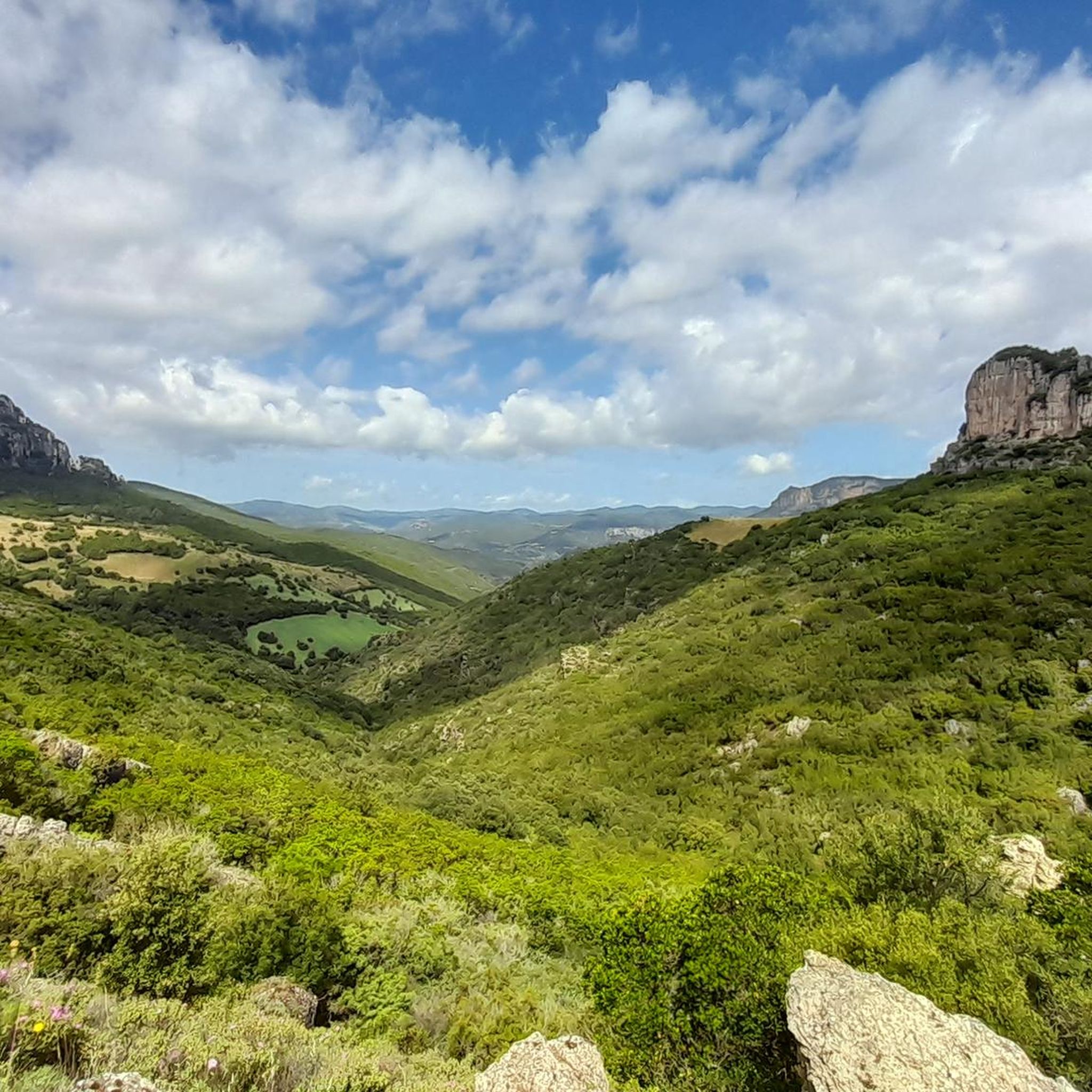
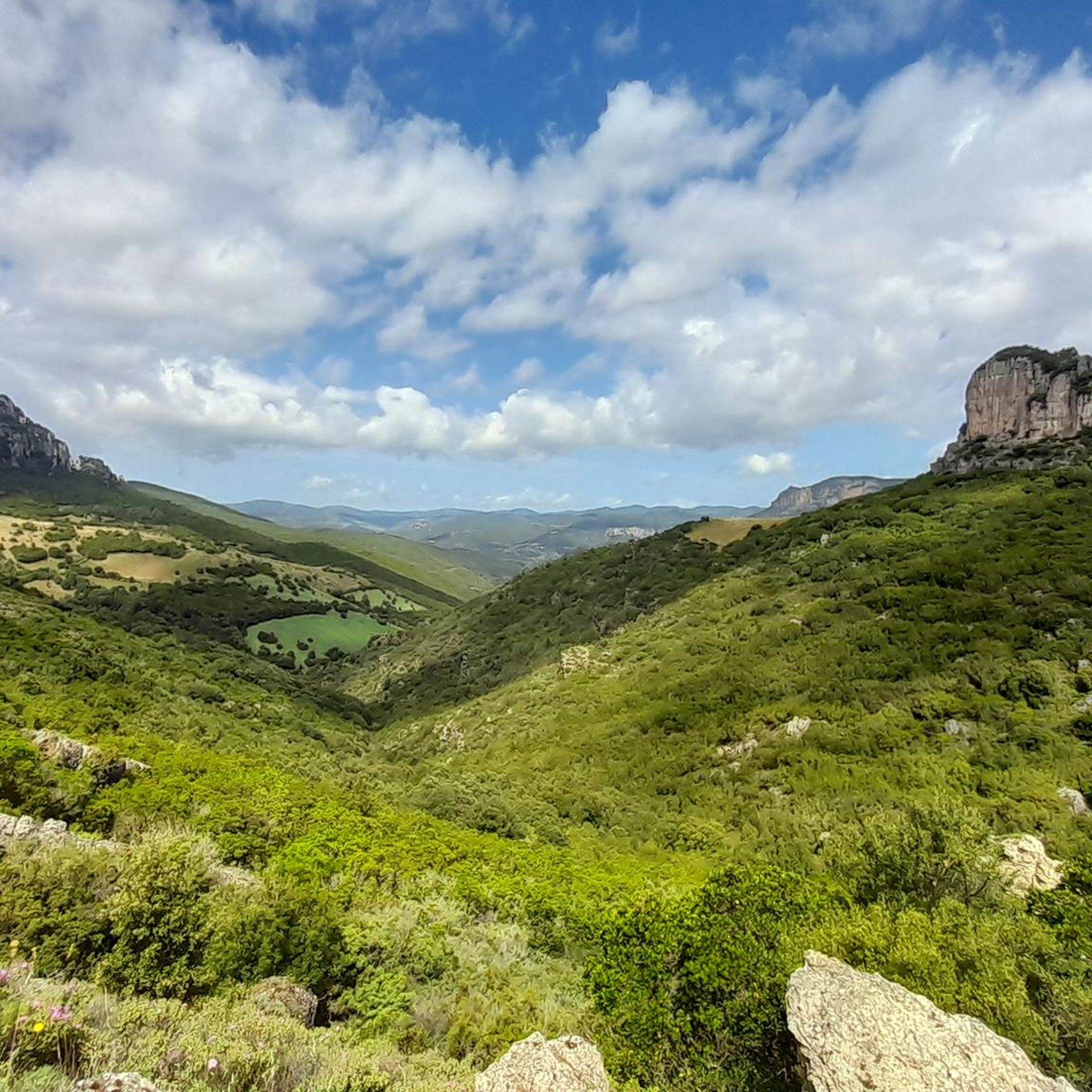
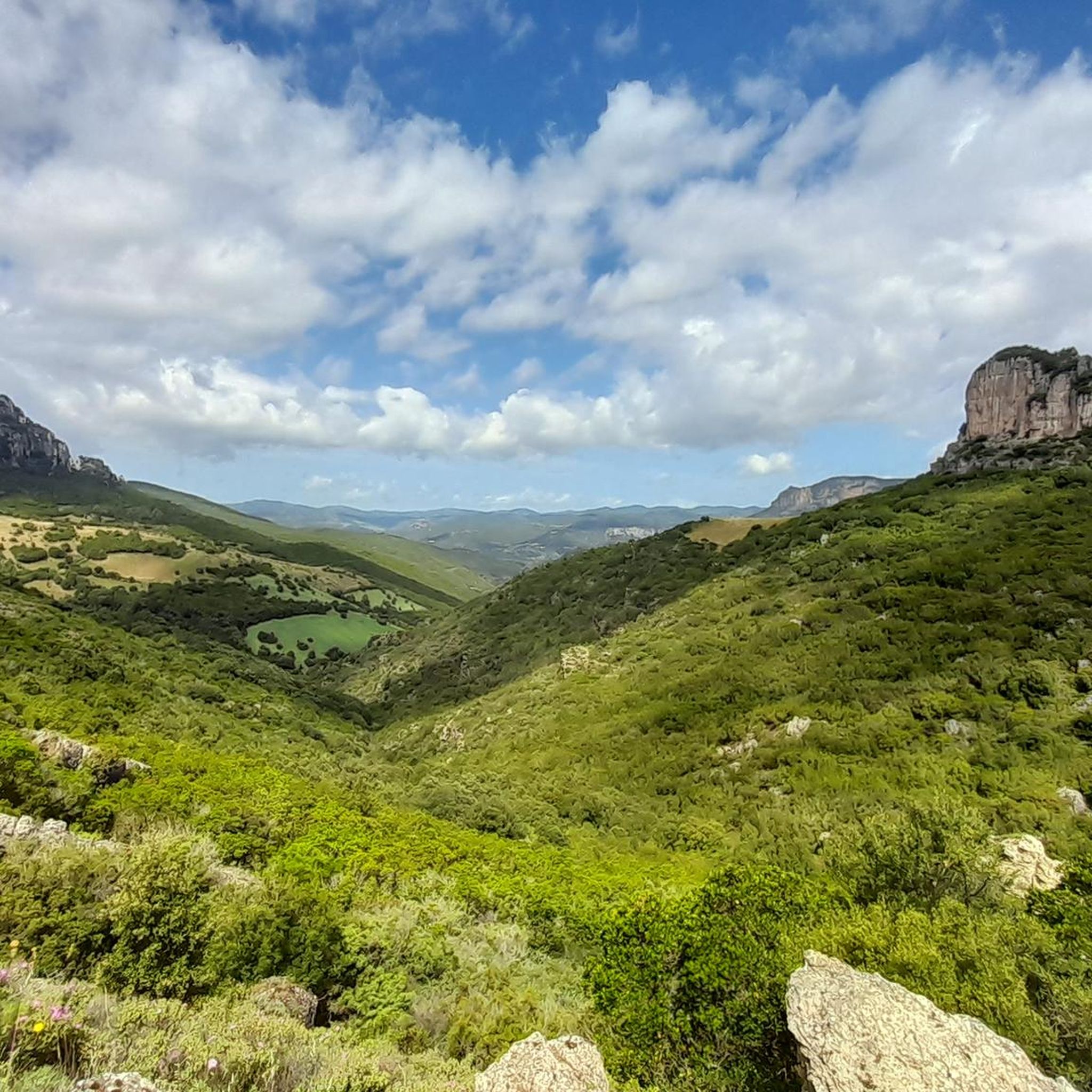
A uniquely shaped, towering tower, a natural monument, symbol of Ogliastra, and a key morphological feature of central-eastern Sardinia. Perhaps once a gathering place for the Nuragic peoples, it later became, in popular legend, the entrance to the underworld. It protrudes from the earth like a giant finger reaching toward the sky and, especially in this wild area, is a landmark visible from afar for hikers. Perda 'e Liana is an extraordinary rock formation declared a natural monument in 1993. The peculiar "mountain," known in Sardinian as Taccu or Tonneri, rises in the Gairo Sant'Elena area: it is the greatest witness to the erosive effects of weathering that have been affecting the vast limestone cover of Ogliastra on the border with Barbagia di Seulo for several million years. Erosion gradually isolated the "tower," forming its base. It is the highest (1293 m) of the numerous Ogliastra limestone mountains, the northern foothills of the Tonneri plateau, about two kilometers away, to which it is connected by the s'Arcu 'e su Pirastu Trottu pass. Perhaps in ancient times, they formed a single mountain ridge. Source and further information: https://www.sardegnaturismo.it/de/entdecken/perda-e-liana
0
0

The German-language television series "Treasures of the World - Heritage of Humanity" – which I highly recommend – dedicates a 15-minute segment to the UNESCO World Heritage Site of the "NURAGHI" in Sardinia and the traditional shepherds' song known there as "Canto a Tenore." The accompanying text for the program states: "Over seven thousand round towers made of stone blocks weighing several tons are scattered throughout Sardinia. Often, only the stumps of these megalithic structures, called nuraghi, remain. The first were built around 1400 BC. Small stones were placed between the massive blocks, a construction method that made the stone towers resistant to collapse." This article (episode 413 of the series) is available in the ARD Mediathek at the following link =>> https://www.ardmediathek.de/video/schaetze-der-welt/sardinien/3sat/Y3JpZDovL3N3ci5kZS8xNTg4MzM5MA
0
0

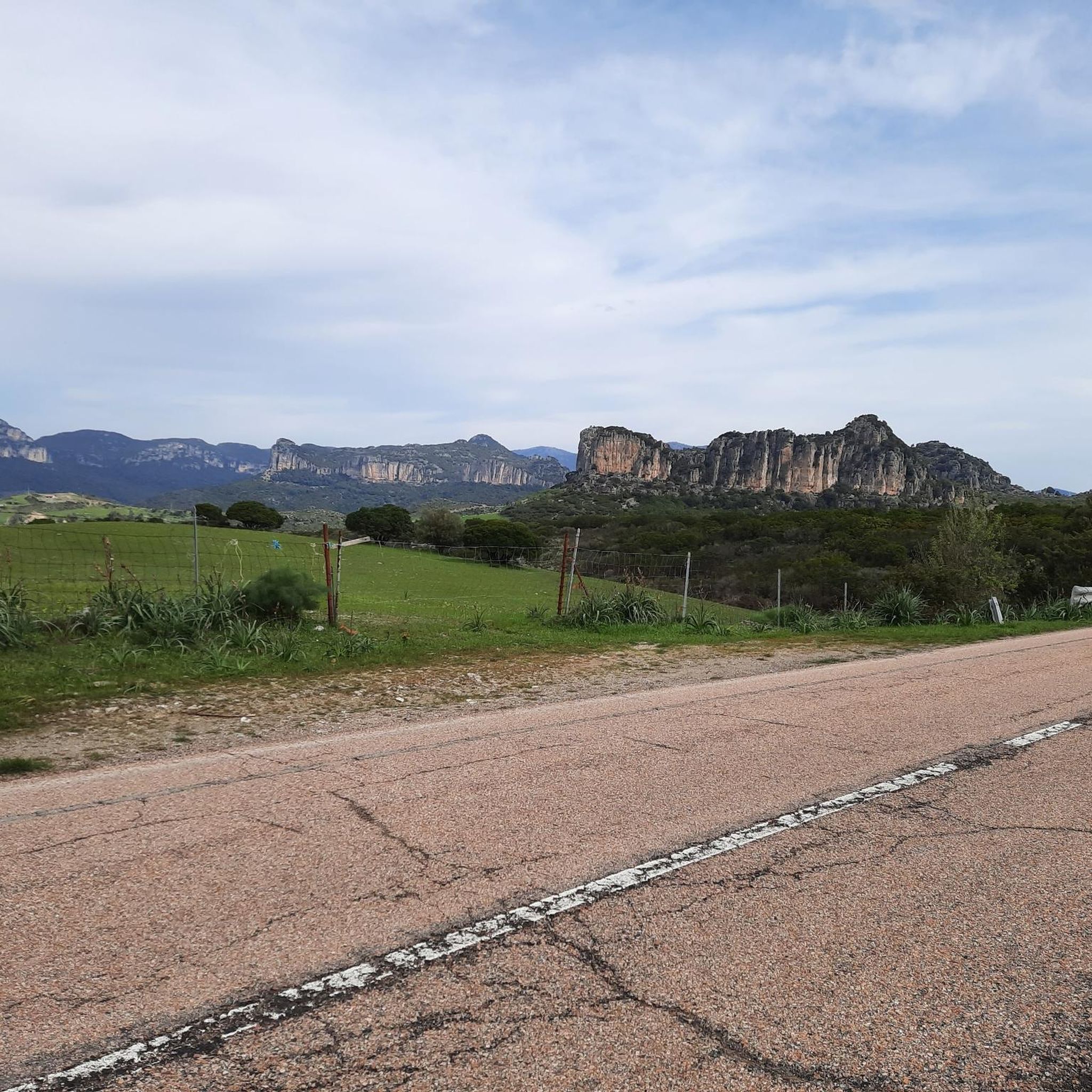
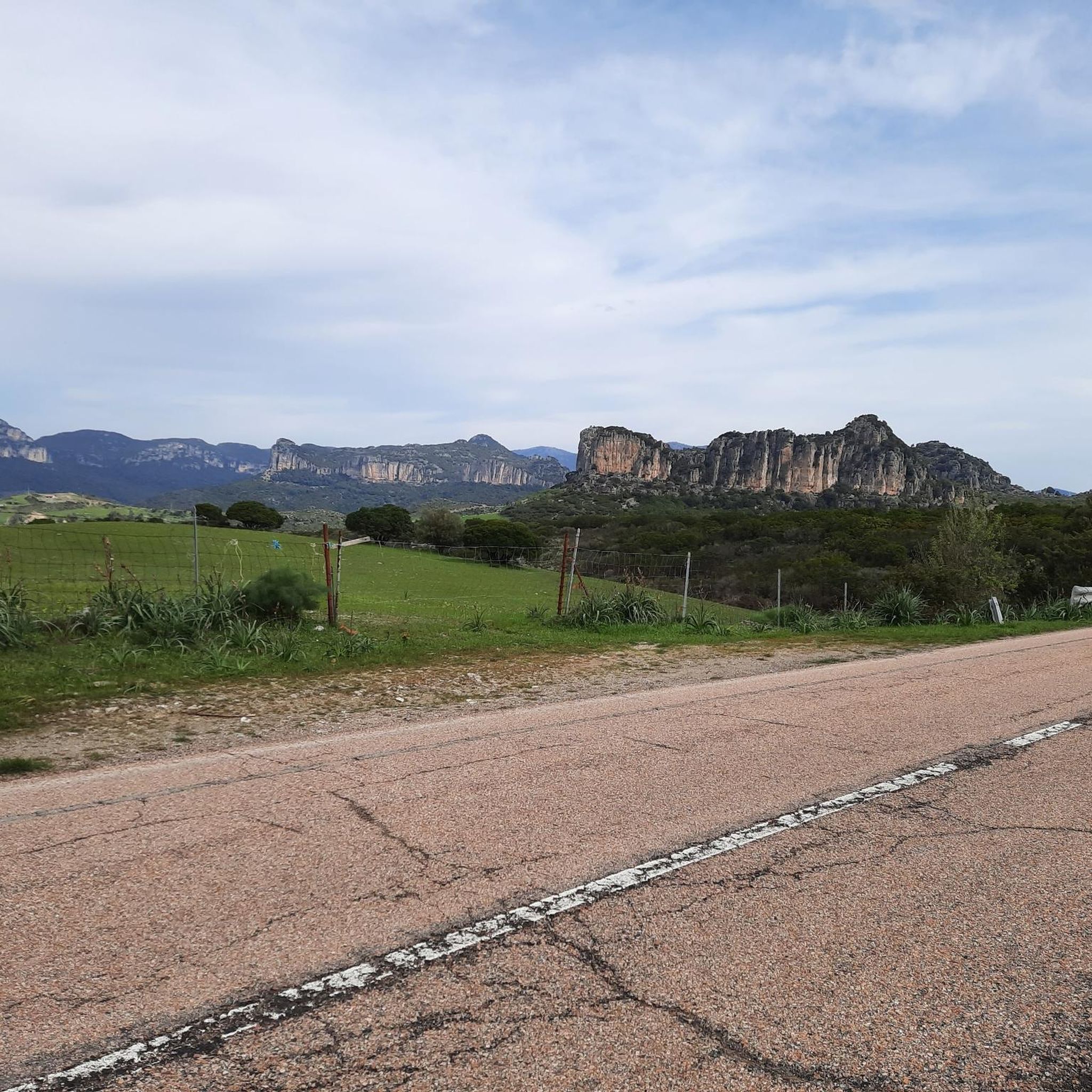
Not a Nuraghi, but a wonderfully maintained rest area!
0
0

The Barì tower is an ancient medieval tower of Spanish construction, located on the eastern coast of Sardinia, on the beach of the same name in the municipality of Bari Sardo, in the province of Nuoro.
1
0

Frequently Asked Questions
What natural wonders can I explore around Òsini/Osini?
The region offers several impressive natural attractions. You can visit the dramatic Perda e Liana, a towering rock formation and natural monument that is a symbol of Ogliastra. Another must-see is the Scala di San Giorgio, a spectacular gorge with steep cliffs. For an underground adventure, explore the impressive stalactite formations of Su Marmuri Cave, which can be visited with a guide.
Where can I find the best panoramic views in the Òsini/Osini area?
For breathtaking vistas, head to the Taccu of Osini, a high plain offering expansive views of the town and the entire Ogliastra region. The natural monument Perda e Liana, at 1293 meters altitude, also provides stunning panoramic views. Additionally, the historic Torre di Bari offers spectacular views of the beach and surrounding coastline.
What historical sites can I visit to learn about the region's past?
Òsini/Osini is rich in history. Explore the ancient Is Tostoinus Nuragic Village, an important archaeological site with megalithic stone towers. The Nuraghe of Serbissi is another significant Nuragic complex featuring a multi-tower nuraghe, a village, and giant tombs. You can also visit Gairo Vecchio (Abandoned Village), a poignant ghost town with medieval origins, and the well-preserved Torre di Bari, a coastal tower with detailed historical insights.
Are there family-friendly attractions around Òsini/Osini?
Yes, several attractions are suitable for families. The Is Tostoinus Nuragic Village offers a fascinating historical experience with a shady rest area and benches. The Torre di Bari is also considered family-friendly, offering historical insights and spectacular views near a long, sandy beach. Exploring the natural beauty of the Scala di San Giorgio or the Taccu of Osini can also be an engaging outdoor activity for families.
What outdoor activities can I do near these attractions?
The region around Òsini/Osini is ideal for outdoor enthusiasts. You can find numerous hiking trails, including routes like the 'Grotta Serbissi — Ring tour' which is a moderate hike. For running, consider the 'Taccu Isàra - Sentiero Italia Loop'. Road cycling is also popular, with challenging routes such as the 'Ring in the Gennargentiu Mountains'. You can find more details and routes in the dedicated guides for Hiking around Òsini/Osini, Running Trails around Òsini/Osini, and Road Cycling Routes around Òsini/Osini.
What is the best time to visit Òsini/Osini for outdoor activities?
The spring (April-May) and autumn (September-October) months are generally ideal for outdoor activities around Òsini/Osini. The weather is pleasant for hiking and exploring, avoiding the intense heat of summer. These periods also coincide with local cultural events like the Saint George festival in April and the Feast of Saint Susanna in August, offering a blend of nature and culture.
Are there any cultural events or festivals in Òsini/Osini?
Yes, Òsini/Osini hosts two significant annual festivals. The Saint George festival is celebrated from April 23rd to 30th, featuring a procession. The Feast of Saint Susanna, held on August 11th, honors the patron saint with a pontifical mass, traditional dances, and poetry contests, bringing a vibrant medieval spirit to the town.
Can I explore ancient Nuragic sites in the area?
Absolutely. The region is rich in Nuragic history. The most prominent site is the Nuraghe of Serbissi, a complex featuring a multi-tower nuraghe, an ancient village, a cave, and two giant tombs. You can also visit the Is Tostoinus Nuragic Village, another important historical site with ancient megalithic stone towers. Numerous other nuraghes and Domus de Janas (prehistoric chamber tombs) are scattered throughout the area, offering deep insights into ancient Nuragic civilization.
What is special about the abandoned village of Old Osini?
Old Osini, also known as Osini Vecchio, is a poignant 'ghost town' with medieval origins. It was abandoned after a devastating flood in 1951. Despite its abandonment, the 17th-century Church of Santa Susanna still stands there, and the old town briefly comes back to life during annual celebrations, offering a unique glimpse into the region's past and the impact of natural events.
What do visitors enjoy most about the attractions around Òsini/Osini?
Visitors particularly appreciate the blend of natural beauty and rich history. The unique rock formation of Perda e Liana is often highlighted for its symbolic significance and panoramic views. The well-preserved Torre di Bari is loved for its historical insights and spectacular beach views. The Is Tostoinus Nuragic Village is valued for its historical context and the convenience of its shady rest areas.
Are there any caves to visit near Òsini/Osini?
Yes, the Su Marmuri Cave is a spectacular stalactite cave located near Òsini/Osini. It is one of the largest caves in Sardinia and can only be visited with a guide. Visitors are advised to bring warm clothes as the temperature inside is consistently around 10°C (50°F).
What kind of local vegetation and agriculture can I expect to see?
The landscape around Òsini/Osini is characterized by verdant Mediterranean vegetation. You'll encounter oak forests, olive groves, and vineyards. The region is particularly known for producing Cannonau wine, so you might see vineyards contributing to this local specialty as you explore the area.
Most popular routes around Òsini/Osini
Most popular attractions around Òsini/Osini

Get inspired with the komoot mobile app


Explore more
Still not found the Highlight you’re looking for? See guides of the top attractions in other regions:
