Attractions and Places To See around Isola D'Asti - Top 20
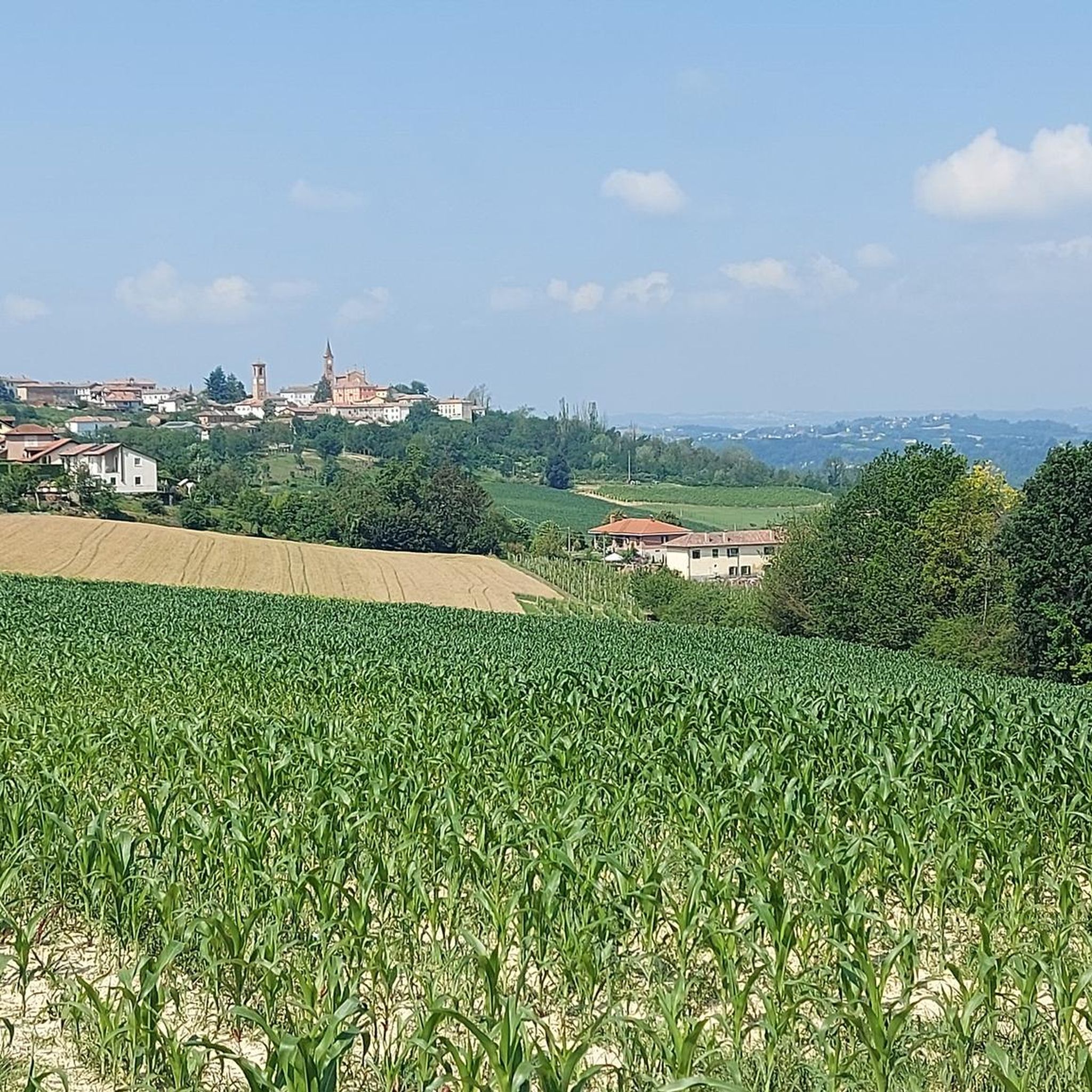
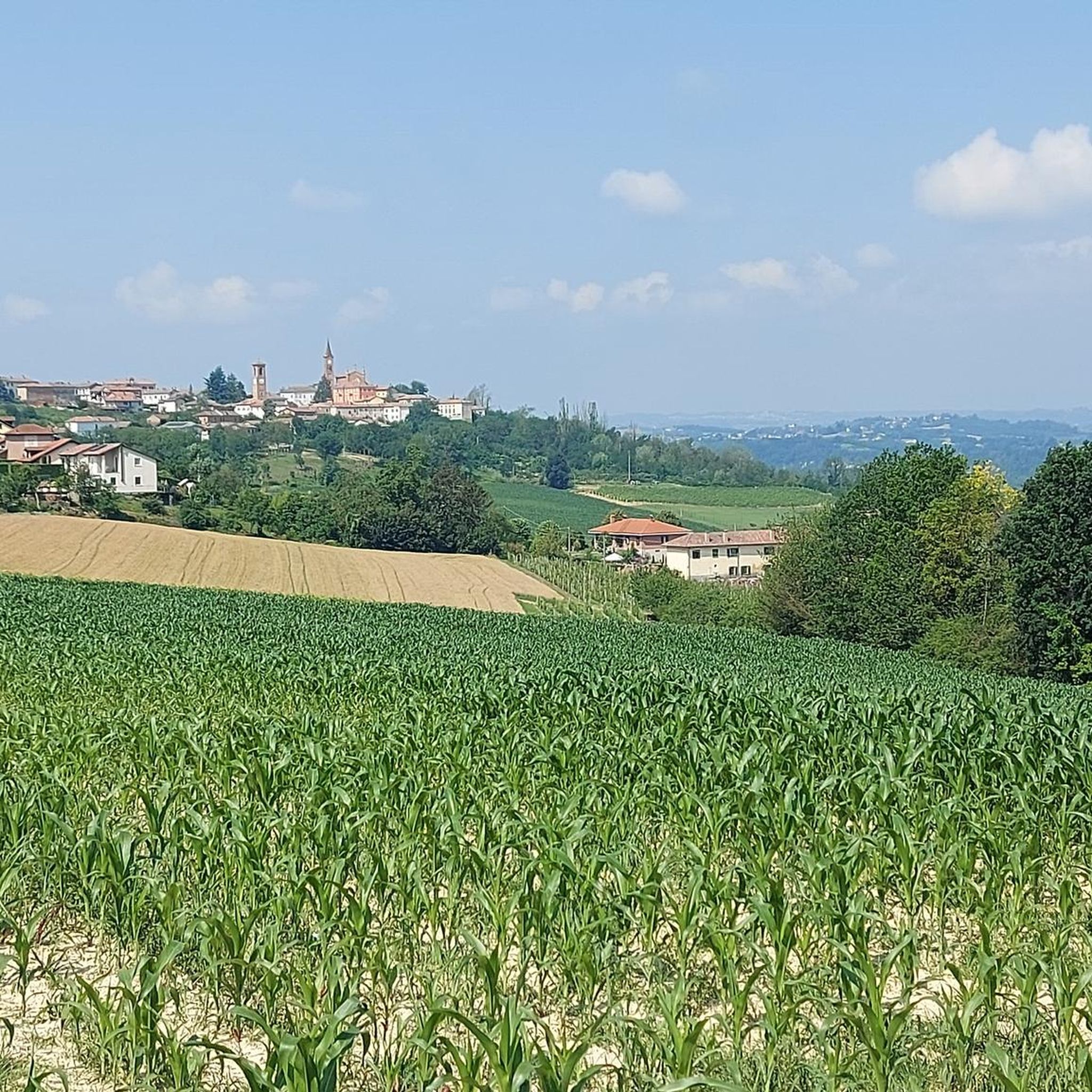
Best attractions and places to see around Isola D'Asti are situated in Italy's Piedmont region, a landscape characterized by rolling hills and vineyards. This area is part of the UNESCO World Heritage-listed Langhe-Roero and Monferrato wine region. Isola D'Asti serves as a base for exploring historical, cultural, and natural sites, including renowned wineries and medieval castles. The region offers a blend of natural beauty and historical significance.
Best attractions and places to see around Isola D'Asti
- The most popular attractions is San Martino Alfieri Castle, a castle that was built starting from 1696 as a summer residence of the Alfieri family. It stands on the ruins of a medieval fortress and features an Orangerie with delicate stuccoes.
- Another must-see spot is Govone Castle, a castle located on top of a hill, formerly a residence of the Savoy. This UNESCO heritage site can be visited with a guided tour and includes a small garden.
- Visitors also love Costigliole d'Asti Castle, a mighty quadrangular castle with origins dating back to the Middle Ages. Built on the Costigliole fortress, it is one of the grandest castles in the Asti area.
- Isola D'Asti is known for its castles, religious buildings, and viewpoints. Visitors can explore a variety of historical sites, cultural landmarks, and scenic spots in the area.
- The attractions around Isola D'Asti are appreciated by the komoot community. With 155 upvotes and 33 photos, the community has shared their experiences.
Last updated: July 21, 2026
San Martino Alfieri Castle
Highlight • Castle
Translated by Google •
Tip by

Viatosto Church and View of the Hills of Asti
Highlight • Religious Site
Translated by Google •
Tip by

Sign up now to discover places like this
Get recommendations on the best single tracks, peaks, & plenty of other exciting outdoor places.
Sign up for free
Costigliole d'Asti Castle
Highlight • Castle
Translated by Google •
Tip by

Govone Castle
Highlight • Castle
Translated by Google •
Tip by

Piazza San Secondo
Highlight • Settlement
Translated by Google •
Tip by
Sign up for free to discover even more attractions around Isola D'Asti.
Sign up for free
Already have an account?
Start today with a free account
Your next adventure awaits.
Login or Signup
Tips from the Community

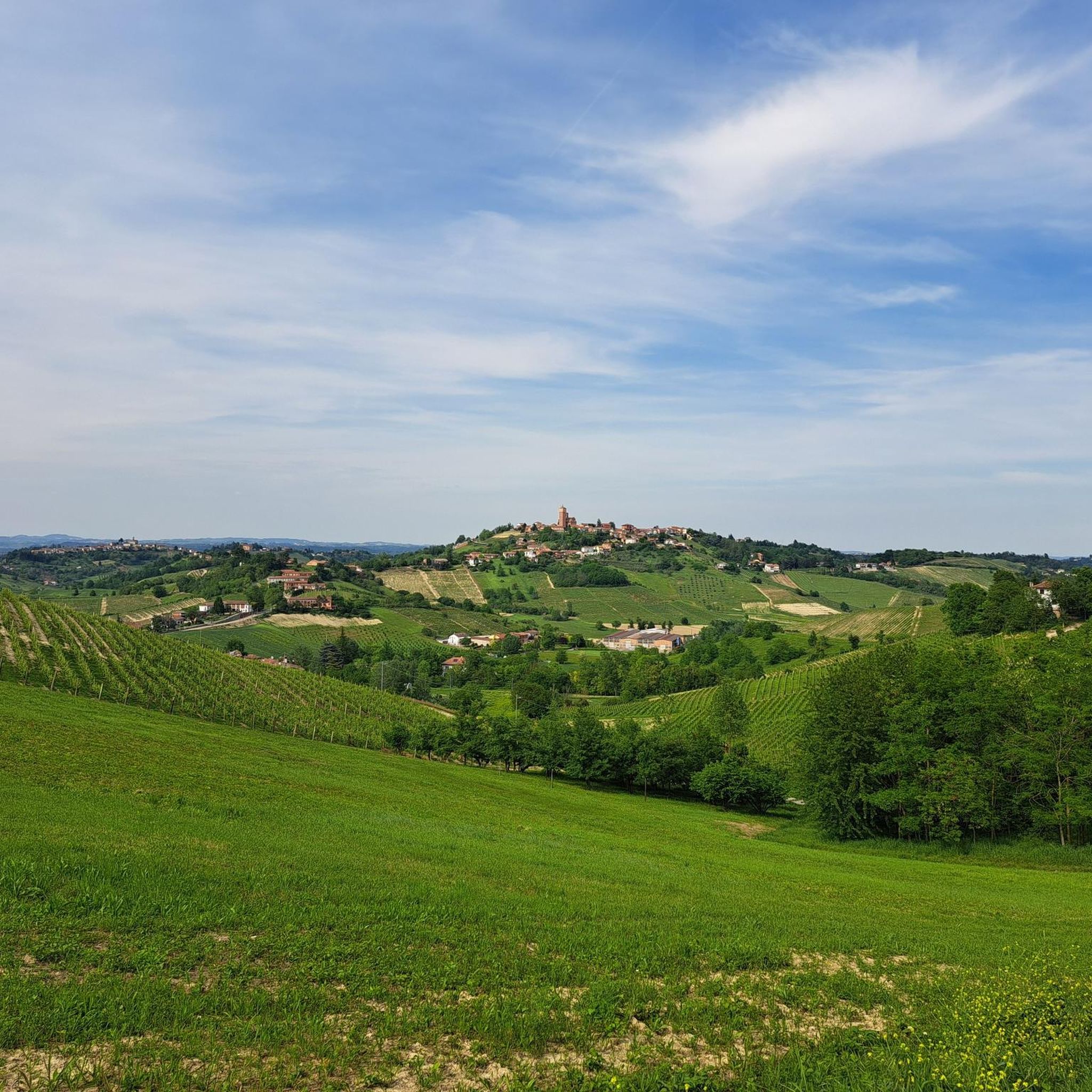
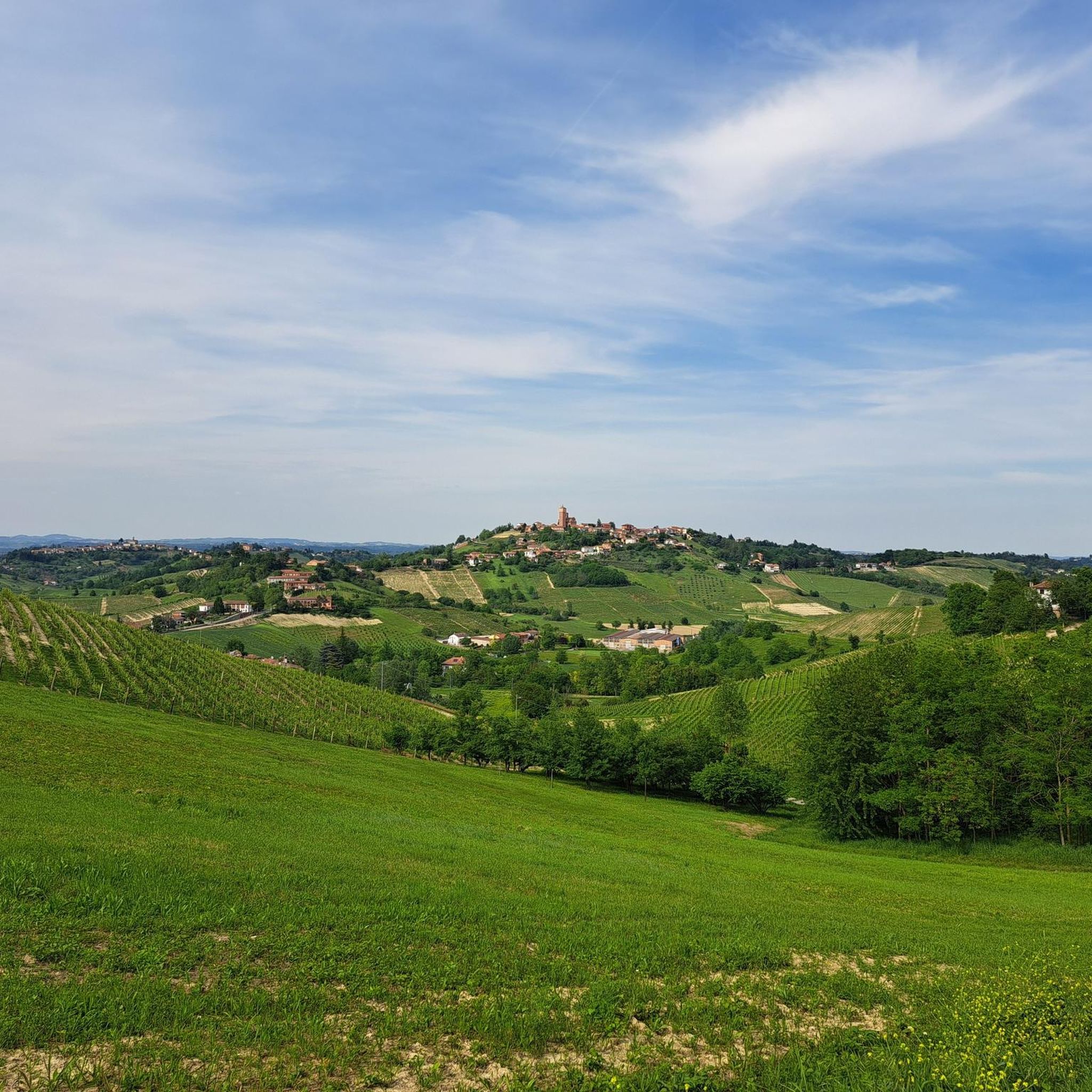
A beautiful castle complex and two churches, set against a panoramic backdrop of the Asti hills.
0
0

It rises in Astesana, in the tourist area called "Le Colline dei Fiumi", on the watershed of the Tanaro and Borbore rivers, controlling the important ridge line that connected Asti to Roero.
0
0

The Collegiate Church of San Secondo is one of the oldest Gothic churches in Asti. With the adjacent municipal seat and opposite the square of the same name, it forms the heart of the city. Dedicated to San Secondo, patron saint of the city, it was built according to tradition on the site of his martyrdom and burial. The exact time of its foundation is not known, the oldest document mentioning the church dates from August 1, 880. Don't forget to visit the Crypt: Interpretation: The pre-Romanesque layout of the church cannot be reconstructed in any way, except by the presence of the crypt; the oldest part dates from the 6th/7th century, consisting of four small columns surmounted by Corinthian imitation capitals with a double order of leaves. Two side walls and two wrought iron gates border the "cella confessionis", within which is located the sixteenth century reliquary, in silver, with the bones of the martyr from Asti.
2
1

Heart of ancient Asti, characterized by the medieval church of San Secondo next to the eighteenth-century town hall (the building is actually sixteenth-century, but the façade was rebuilt in the eighteenth century by the architect Benedetto Alfieri). In one corner there is the Palazzo del Podestà, the seat of civil power in the Middle Ages. A short distance away are Piazza Alfieri, Via Cavour with its towers and churches from different eras, and Corso Alfieri, the backbone of the ancient city.
5
0
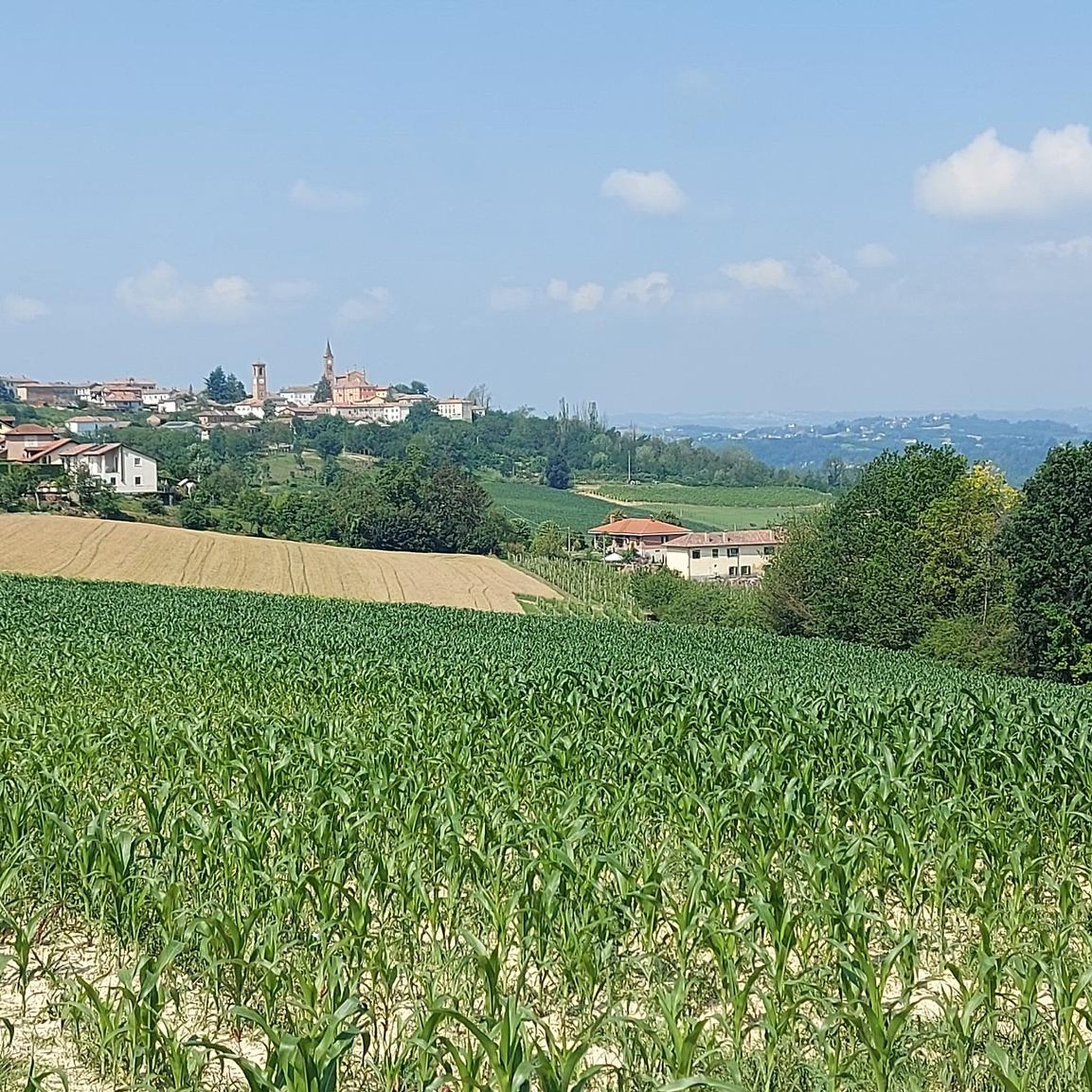
The castle, configured in a single and imposing square volume, reveals evident architectural stylistic differences, originating from the layout choices undertaken in the 17th century by the legitimate owners. Starting from 1625, the Asinari nobles shared the rank of "counts of Costigliole" with the noble Verasis family. This complex was therefore divided between two feudal lords, who, with autonomous determination, gave rise to transformations and embellishments on subjective bases. The northern part of the manor, pertaining to the Asinari, retains the appearance derived from the interventions of the second half of the eighteenth century, duly inspired by the architectural canons propagated by Benedetto Alfieri. At the same time, the external aspect of the southern part, pertaining to the Verasis, constitutes an interesting example of neo-medieval stylistic re-proposition, dating back to the first decades of the 19th century.
5
0

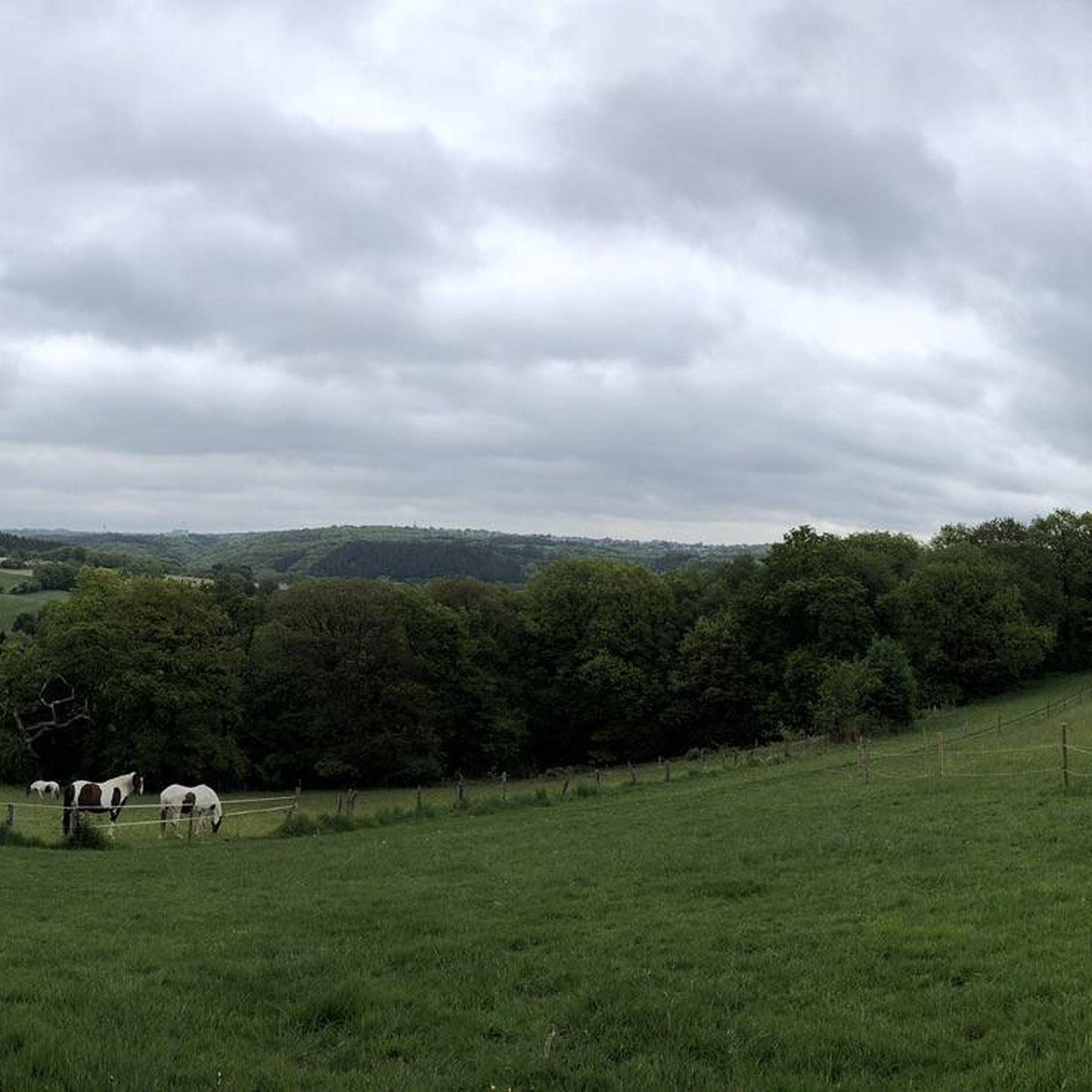
Strada Mazzola in its (almost) final part before the outlet on the Valmanera road.
0
0
Image taken from the top of the first micro-tear that comes after the square. Viatosto is and will always remain a perfect place for those who love walking or cycling.
0
0
After the small square of the bar, take the road that goes up. There are actually two strappetti, one after the other in sequence but short and feasible, after which the road forks and if you keep to the right, you take strada Mazzola. Within 1.5 km you return to the foot of the small hill for Viatosto. Nice little street, very very quiet.
0
0
Frequently Asked Questions
What historical landmarks can I visit near Isola D'Asti?
The region around Isola D'Asti is rich in history, featuring several impressive castles. You can explore the baroque San Martino Alfieri Castle, built as a summer residence for the Alfieri family. Another significant site is Govone Castle, a UNESCO heritage site that was once a Savoy residence. Don't miss the mighty Costigliole d'Asti Castle, one of the grandest in the Asti area with origins dating back to the Middle Ages.
Where can I find scenic viewpoints around Isola D'Asti?
For breathtaking views, visit the Viatosto Church, located about 3 km from Asti's center. From its churchyard, you can enjoy a wonderful panorama of the city and, on clear days, even the Alps. Many of the castles, such as Govone Castle and Costigliole d'Asti Castle, are situated on hilltops, offering excellent vantage points over the surrounding vineyards and countryside.
What natural features define the landscape around Isola D'Asti?
Isola D'Asti is nestled within the picturesque Piedmont region, characterized by its rolling hills and extensive vineyards. This area is part of the UNESCO World Heritage-listed Langhe-Roero and Monferrato wine region, providing a stunning backdrop for outdoor exploration. The landscape is ideal for scenic drives, cycling, and hiking amidst the grapevines.
Are there any unique natural parks or reserves nearby?
Yes, to the west of Asti, you can explore the Palaeontological Park of the Asti Area. This park offers a fascinating glimpse into a prehistoric tropical sea that once covered these hills, with fossils and marine remains found in areas like the Natural Reserve of the Andona Valley. It's a unique natural attraction for those interested in geology and ancient history.
What outdoor activities can I do near Isola D'Asti?
The region around Isola D'Asti is perfect for outdoor enthusiasts. You can enjoy gravel biking with routes like the 'View of the Tanaro Valley – Altavilla Monferrato loop' or 'Alba (CN) the Cathedral – The bridge over the Tanaro River loop'. For hiking, consider the 'Montferrato Wine Country Trail' or 'From Antignano to Celle Enomondo'. Mountain biking is also popular, with trails such as 'Barbaresco Village and Tower loop from Isola d'Asti'. You can find more details on these activities and routes in the dedicated guides for gravel biking, hiking, and MTB trails around Isola D'Asti.
Are there hiking trails suitable for different skill levels?
Yes, the area offers hiking trails for various abilities. For an easy walk, you might consider the 'View of Mongardino – Vigliano Caffè loop from Asti'. Moderate options include the 'Montferrato Wine Country Trail' and 'From Antignano to Celle Enomondo'. More challenging routes like the 'View of the Vineyards – View of Mongardino loop from Mongardino' are also available for experienced hikers. Explore more options in the hiking guide for Isola D'Asti.
Can I go cycling in the area?
Absolutely! The rolling hills and vineyards of Monferrato provide an excellent setting for cycling. You can find numerous routes for gravel biking and mountain biking. Popular gravel routes include the 'View of the Tanaro Valley' loops, while MTB enthusiasts can tackle trails like 'Barbaresco Village and Tower loop from Isola d'Asti'. Check out the gravel biking guide and MTB trails guide for detailed routes.
Are there family-friendly attractions around Isola D'Asti?
Many of the historical sites and natural areas around Isola D'Asti are suitable for families. Castles like San Martino Alfieri Castle, Govone Castle, and Costigliole d'Asti Castle often have grounds to explore and offer an engaging historical experience. The scenic countryside and easy walking trails also provide pleasant family outings.
When is the best time to visit Isola D'Asti for outdoor activities?
The Piedmont region, including Isola D'Asti, generally offers pleasant weather for outdoor activities from spring through early autumn (April to October). Spring brings blooming landscapes, while autumn is ideal for wine harvest season and vibrant fall colors. Summers can be warm, but the rolling hills often provide gentle breezes. Always check local weather forecasts before your visit.
What cultural sites are accessible from Isola D'Asti?
Beyond the castles, the nearby city of Asti offers a wealth of cultural sites. You can visit the impressive Cattedrale di Santa Maria Assunta e San Gottardo, the largest Gothic-Piedmontese style church in Piedmont, or the Collegiate Church of Saint Secondo, one of Asti's oldest Gothic churches. The city also features historical towers like Torre del Comentini and Torre Troyana, and museums such as Palazzo Mazzetti.
What is the local wine culture like in Isola D'Asti?
Isola D'Asti is at the heart of a renowned wine region, famous for first-class wines like Asti Spumante and Barbera d'Asti. The area is dotted with numerous wineries, including the notable Contratto Winery, which offer tours and tastings. Many agriturismi also provide opportunities to experience the local wine and culinary traditions firsthand, often set amidst beautiful vineyards.
Are there options for accommodation and dining in Isola D'Asti?
Yes, Isola D'Asti and its surroundings offer various accommodation options, particularly agriturismi like Cascina Desderi, Ca' San Michele, Agriturismo Tre Tigli, and the Sunstar Hotel Piemont - Castello di Villa. These often provide a relaxing stay with gardens, pools, and scenic views. You'll also find local cafes, pubs, and restaurants serving traditional Piedmontese cuisine in the town and nearby villages.
Most popular routes around Isola D'Asti
Most popular attractions around Isola D'Asti

Get inspired with the komoot mobile app


Explore more
Still not found the Highlight you’re looking for? See guides of the top attractions in other regions:
