Attractions and Places To See around Nomaglio - Top 20
Best attractions and places to see around Nomaglio, a mountain village on a plateau in the Metropolitan City of Turin, Piedmont, include a blend of natural beauty and historical sites. The region offers cultural experiences that highlight its heritage. Visitors can explore various landmarks and natural features, providing insights into the area's past and present.
Best attractions and places to see around Nomaglio
- The most popular attractions is Lake Pistono and the Archaeological Park of the Stilt Houses, a…
Last updated: July 20, 2026
Lake Pistono and the Archaeological Park of the Stilt Houses
Highlight • Lake
Translated by Google •
Tip by

Ivrea Historic Centre and the Dora Baltea Riverside
Highlight • Historical Site
Translated by Google •
Tip by

Sign up now to discover places like this
Get recommendations on the best single tracks, peaks, & plenty of other exciting outdoor places.
Sign up for free
The Dancing Lands
Highlight • Natural Monument
Translated by Google •
Tip by

Paerno Bell Tower (Ciucarun)
Highlight • Monument
Translated by Google •
Tip by

Graglia Sanctuary
Highlight • Religious Site
Translated by Google •
Tip by

Sign up for free to discover even more attractions around Nomaglio.
Sign up for free
Already have an account?
Start today with a free account
Your next adventure awaits.
Login or Signup

Tips from the Community

Excellent hospitality for pilgrims
0
0

Language Follow Edit Il Sacro Monte di Graglia is a pre-Alpine locality situated in Graglia, in the province of Biella, in Piedmont, a few kilometers west of the provincial capital. It is located at the foot of the more majestic peak of Mombarone, almost on the border with the Aosta Valley; it mainly hosts the sanctuary of the same name (812 meters above sea level), dedicated to the Black Madonna and linked to the cult of Our Lady of Loreto, in the Marche. It is therefore part of that system of pre-Alpine devotional complexes that characterized a widespread popular Marian and Christian religiosity, which expressed itself between Piedmont and Lombardy starting from around the 16th century, such as, for example, the re-enactment of the Passion of Christ in the nearby town of Sordevolo, or other similar localities such as Sacro Monte di Arona, Sacro Monte di Oropa, Sacro Monte di Varallo, Sacro Monte di Ghiffa.
0
0

It is a unique place of its kind. In a rather small and circumscribed area 2 steps from the Montalto lake (also called "Rabbit" lake) there is an area with a very dark soil composed of water, peat, earth and medium-sized trees. Especially when the ground is wet or it has rained previously if you jump on the surface, it moves creating small waves making the surrounding trees dance. A real show! You can reach the dancing lands from 2 different dirt tracks. For those with good technical skills the entry or exit paths in both directions are also fun to pedal.
0
0

Regardless of whether you reach the Serra di Ivrea or not, even wandering around these lakes, taking advantage of the good signage present, pays off! There is a nice variety of environments and paths, from single track to dirt road, ending on cobblestone sections, never too banal, especially in the wet... the lake environments are beautiful, given that most of these lakes are not very urbanized, the stilt houses rebuilt on the shore of Lake Pistono are very beautiful, they certainly deserve a stop. Places also suitable for children, given that in the lake area the differences in altitude are very modest... just watch out for hikers, because the paths are open to everyone!
3
0

Passage made during Erratico Gravel
0
0

In this beautiful peat bog in Montaldo Dora there is a very particular natural phenomenon, which gives the place its name. The Terre Ballerine are in fact called this way because of the particular consistency of the ground, which makes those who walk on it feel like they are walking on a mattress.
1
0

dedicated to the Black Madonna and connected to the cult of Our Lady of Loreto, in the Marche. It is therefore part of that system of pre-Alpine devotional complexes that characterized a widespread popular Marian and Christian religiosity.
0
0

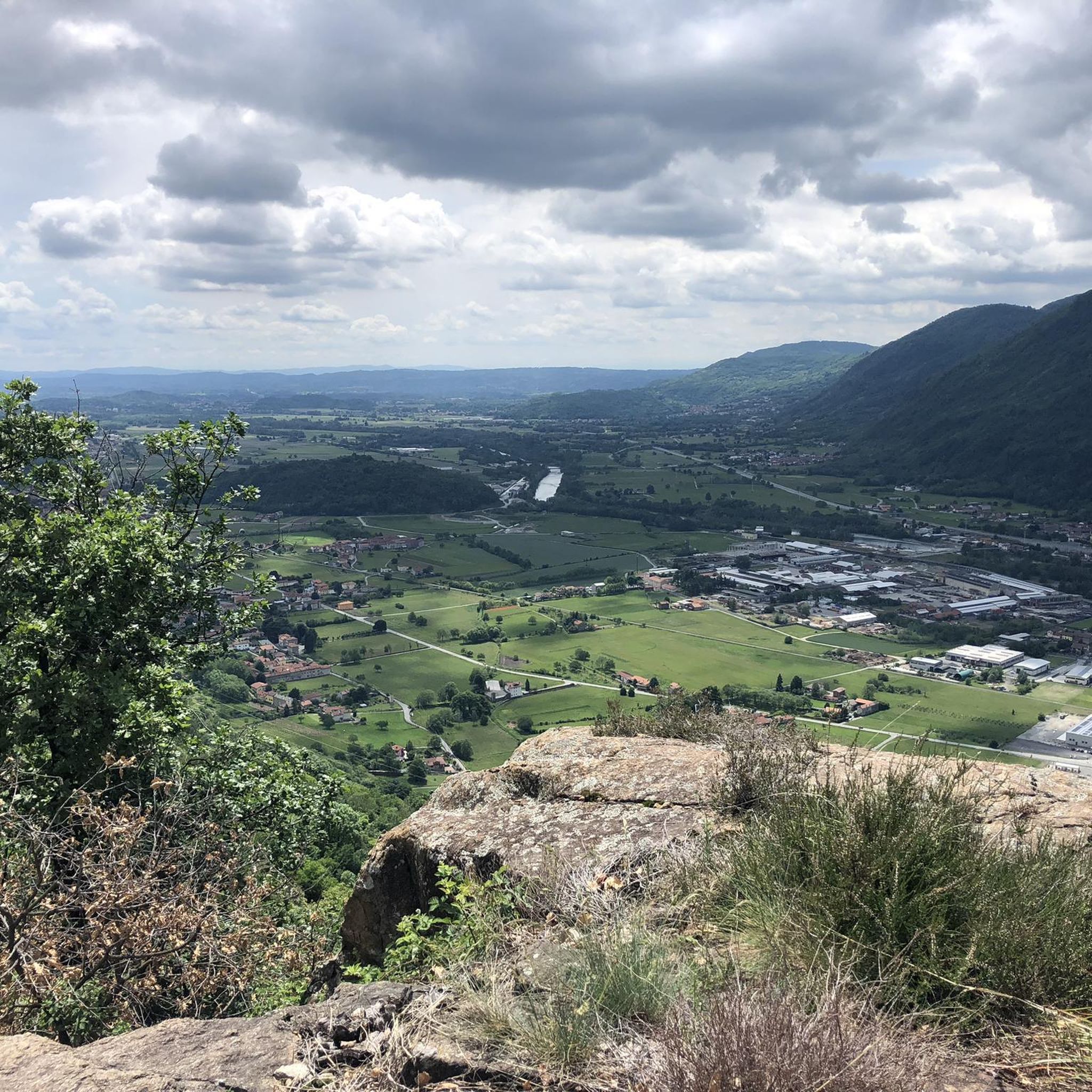
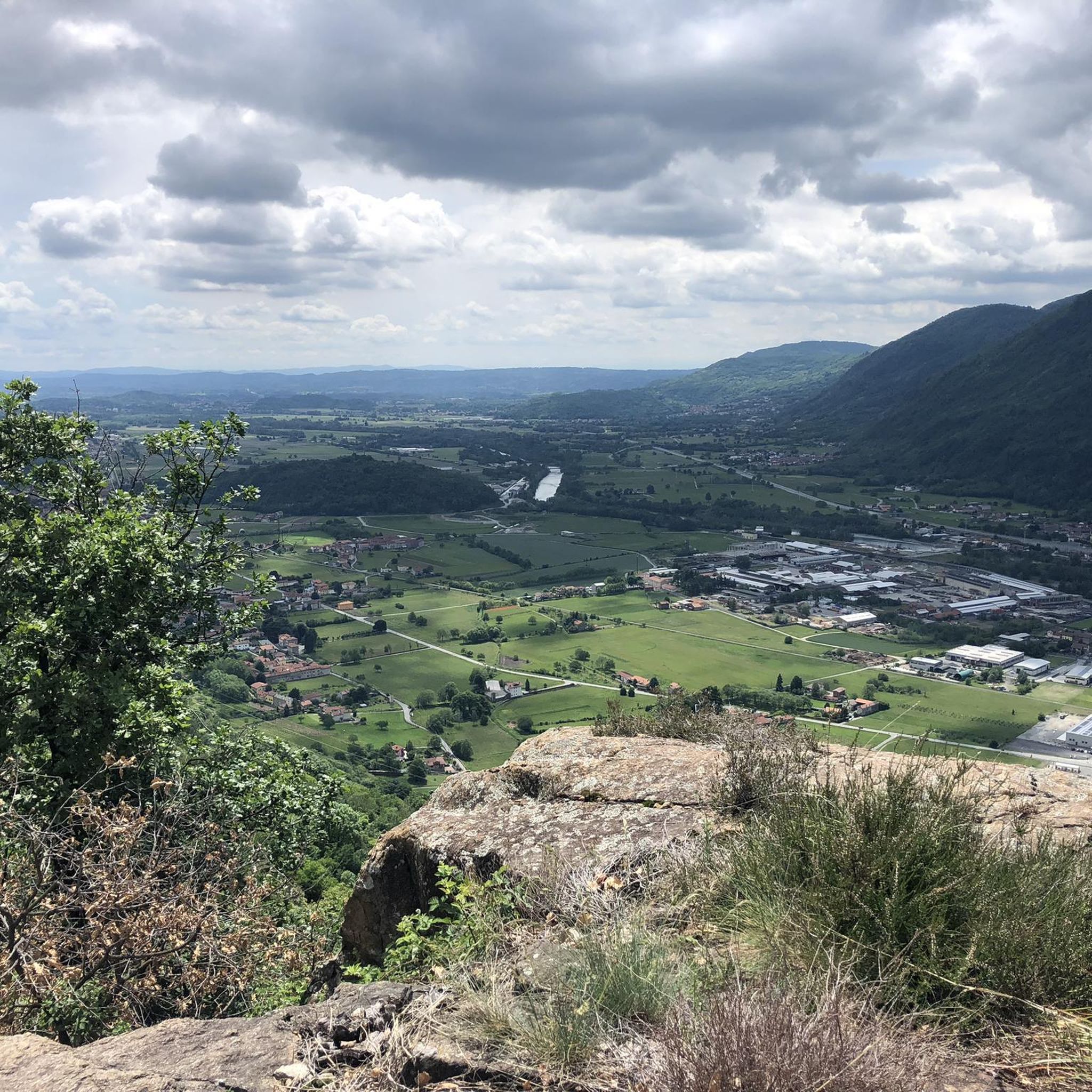
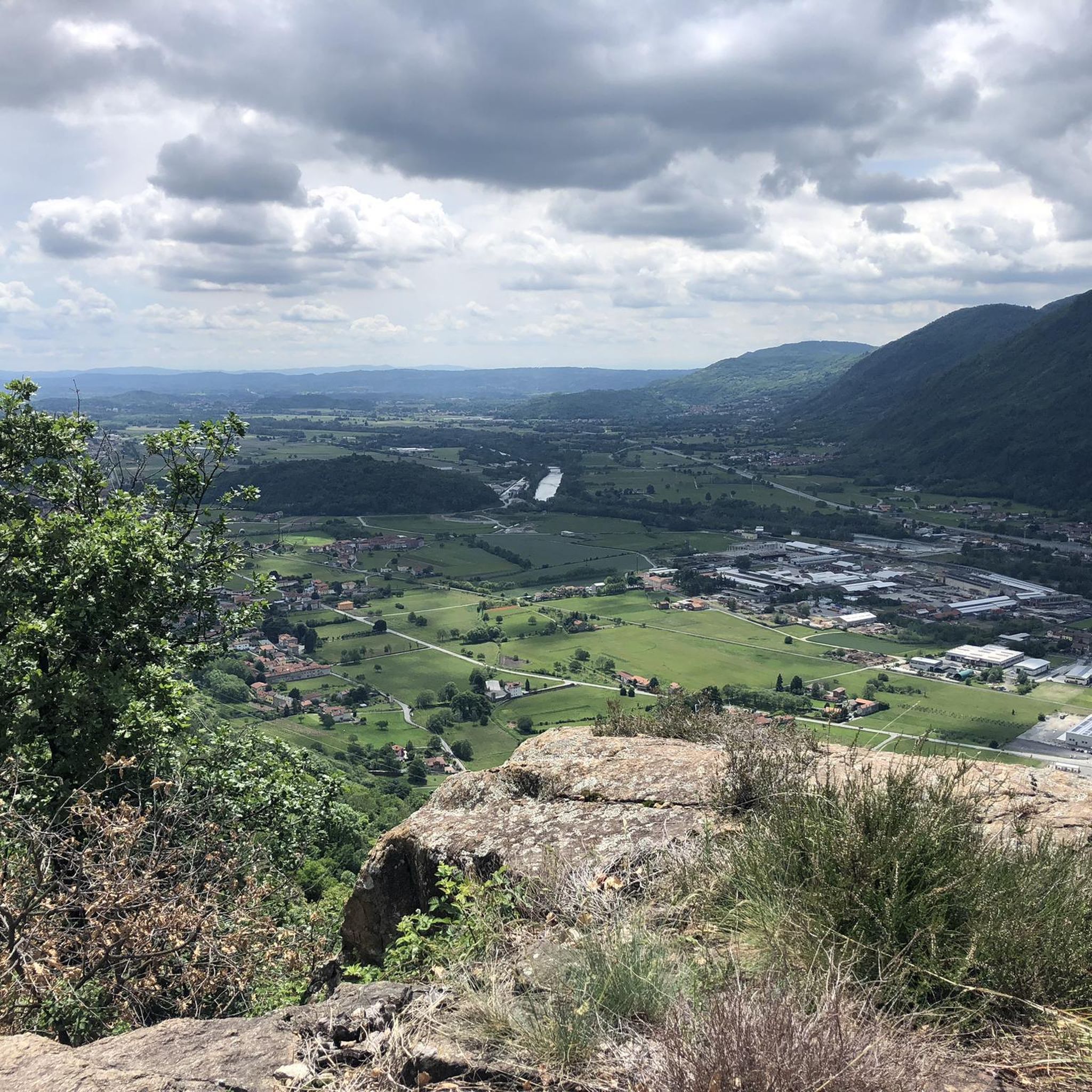
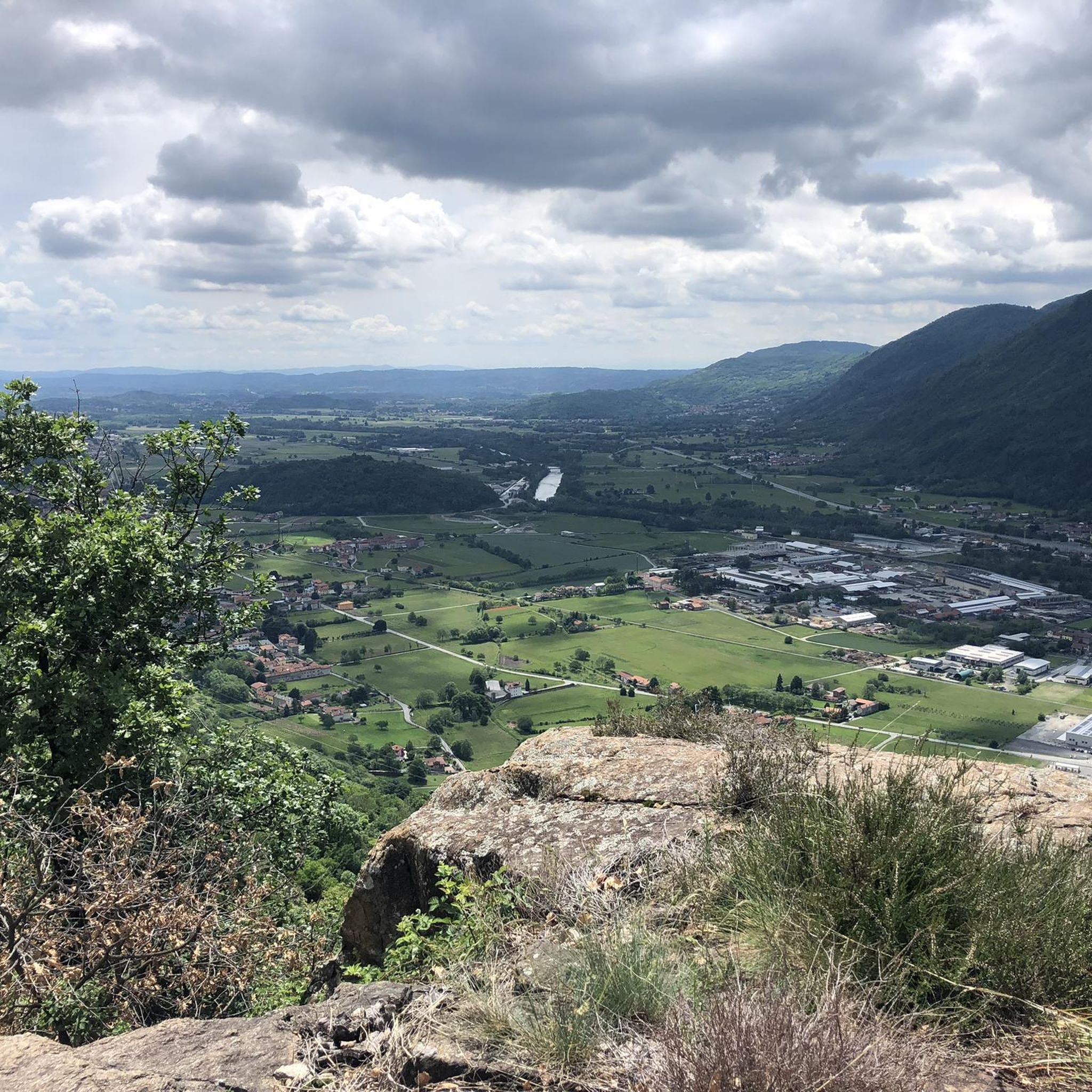
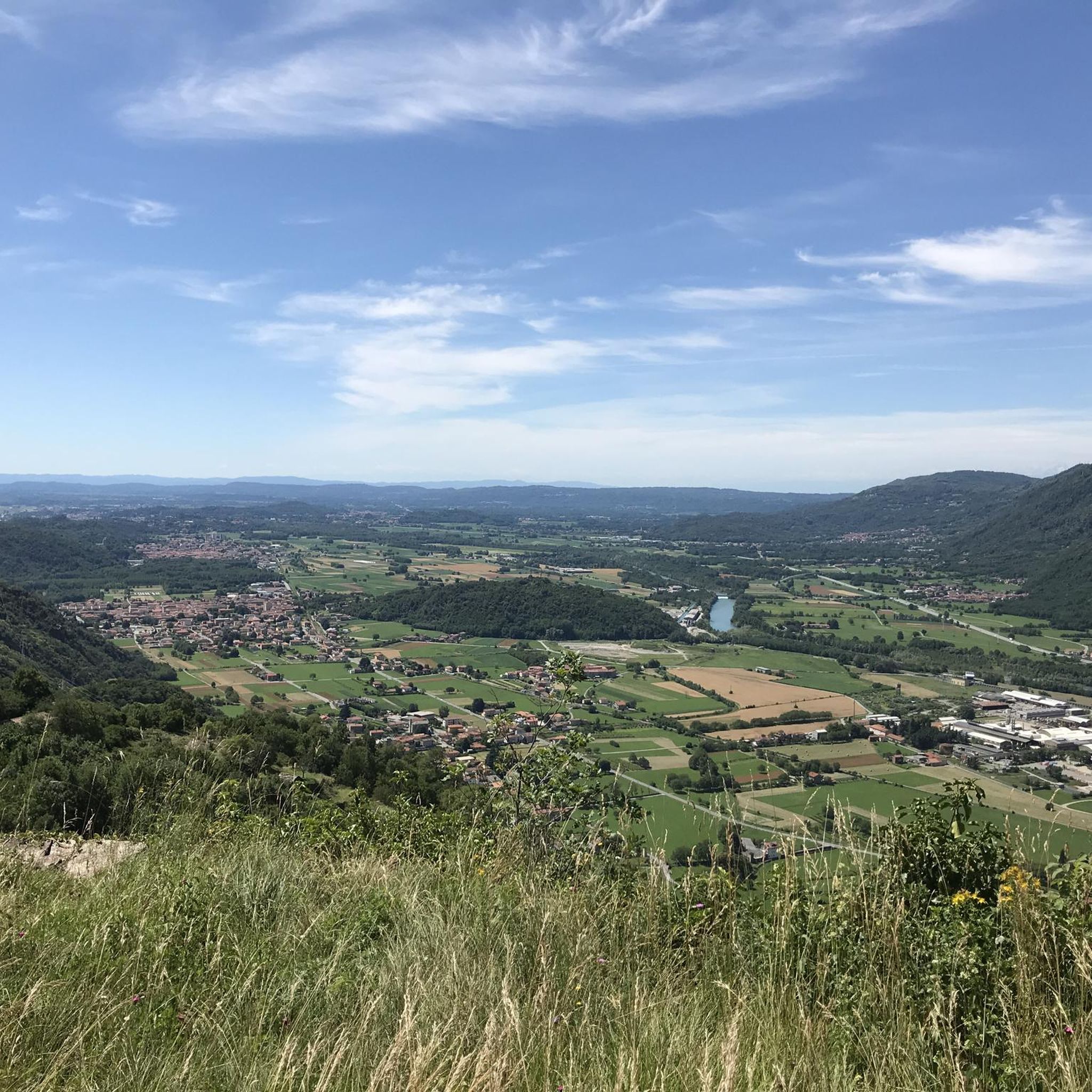
Beautiful climb, almost all in the woods and never too challenging; the sanctuary is a quiet place from which to enjoy the view of the plain
3
0
Frequently Asked Questions
What natural attractions can I explore around Nomaglio?
Nomaglio offers a variety of natural attractions. You can visit the unique The Dancing Lands, a small forest where the ground moves due to peat resting on water. The area also features the ancient Balteo Glacier's remnants, known as Marmitte Glaciali (Glacial Potholes), and centuries-old chestnut groves. For scenic views, explore the surrounding mountain peaks like Colma di Mombarone Summit, Roch Basarünt, and Bric Paglie. Don't miss Lake Pistono, which offers beautiful views and is part of an archaeological park.
What historical and cultural sites are there to visit in Nomaglio?
Nomaglio is rich in history and culture. The Ivrea Historic Centre and the Dora Baltea Riverside is a significant site with a 14th-century castle and a Romanesque Duomo. Within Nomaglio itself, you can explore the well-preserved historic center, the Chiesa Parrocchiale di San Bartolomeo with its elegant bell tower, and the Ex Chiesa di Santa Marta known for its painted facade. Other historical points include the Fornaci (kilns), the Mulino (mill), and restored Piloni Votivi along 19th-century mule tracks.
What is the Ecomuseo della Castagna?
The Ecomuseo della Castagna (Chestnut Ecomuseum) in Nomaglio is dedicated to the historical importance of chestnut cultivation in the local mountain communities. It provides insights into the chestnut production cycle and its cultural significance, featuring a functional hydraulic mill for grinding chestnuts, a drying house (essiccatoio), and ancient chestnut groves. It's a great place to learn about the region's heritage.
Are there family-friendly activities or attractions in Nomaglio?
Yes, Nomaglio offers several family-friendly attractions. Lake Pistono and the Archaeological Park of the Stilt Houses is a great option, featuring a reconstruction of a 6500-year-old village. The Dancing Lands provides a unique and fun experience where children can feel the ground move. The Ecomuseo della Castagna is also educational and engaging for families, offering a glimpse into local traditions.
What kind of hiking trails can I find near Nomaglio?
The area around Nomaglio offers diverse hiking opportunities. You can explore 19th-century mule tracks that wind through pristine forests, or follow the Sentiero dei Salmi, which includes five points of interest. For more structured routes, consider trails like the 'Chestnut Trail' or sections of the 'Ivrea Morainic Amphitheater High Route: Stage 1'. You can find more details and routes in the Hiking around Nomaglio guide.
Are there any unique geological features to see in the Nomaglio area?
Absolutely. One of the most unique features is The Dancing Lands, a natural monument where the ground literally moves underfoot due to a peat bog. Another fascinating geological site is the Marmitte Glaciali (Glacial Potholes), which are remnants of the ancient Balteo Glacier, showcasing the region's distant past.
Where can I find panoramic views around Nomaglio?
For breathtaking panoramic views, head to the surrounding mountain peaks such as Colma di Mombarone Summit, Roch Basarünt, and Bric Paglie. The Paerno Bell Tower (Ciucarun), though closed for climbing, offers a striking landmark in a scenic setting. Additionally, the Bastia Tower provides splendid vistas of the surrounding landscape.
What outdoor activities, besides hiking, are available near Nomaglio?
Beyond hiking, you can enjoy mountain biking and running. There are several MTB trails, including longer routes like 'Andrate to Oropa via the Tracciolino Trail' and loops around historical towers. For runners, options range from easy stages of the 'Ivrea Morainic Amphitheatre High Route' to more challenging loops. Explore more options in the MTB Trails around Nomaglio and Running Trails around Nomaglio guides.
What is the significance of Ivrea in the region?
Ivrea, located on the Dora Baltea, is historically significant as the cradle of the Olivetti company, famous for its typewriters. Its Historic Centre features a 14th-century castle and a Romanesque Duomo. The city is also recognized as a UNESCO World Heritage site for its 'Industrial City of the 20th Century' designation, highlighting its unique urban and industrial heritage.
Are there any archaeological sites near Nomaglio?
Yes, the area features a few notable archaeological sites. The Archaeological Park of the Stilt Houses near Lake Pistono offers a full-scale reconstruction of a village from 6500 years ago. Additionally, within Nomaglio, you can find the Masso Inciso (Engraved Boulder), an archaeological site hinting at ancient human activity in the region.
What is the best time to visit Nomaglio?
Nomaglio offers fresh air and natural beauty throughout much of the year. The region provides numerous itineraries for nature lovers and history enthusiasts, making it enjoyable across different seasons. Spring and autumn are particularly pleasant for hiking and exploring the chestnut groves, while summer allows for full enjoyment of outdoor activities.
Most popular routes around Nomaglio
Most popular attractions around Nomaglio

Get inspired with the komoot mobile app


Explore more
Still not found the Highlight you’re looking for? See guides of the top attractions in other regions:
