Attractions and Places To See around Nibbiola - Top 20
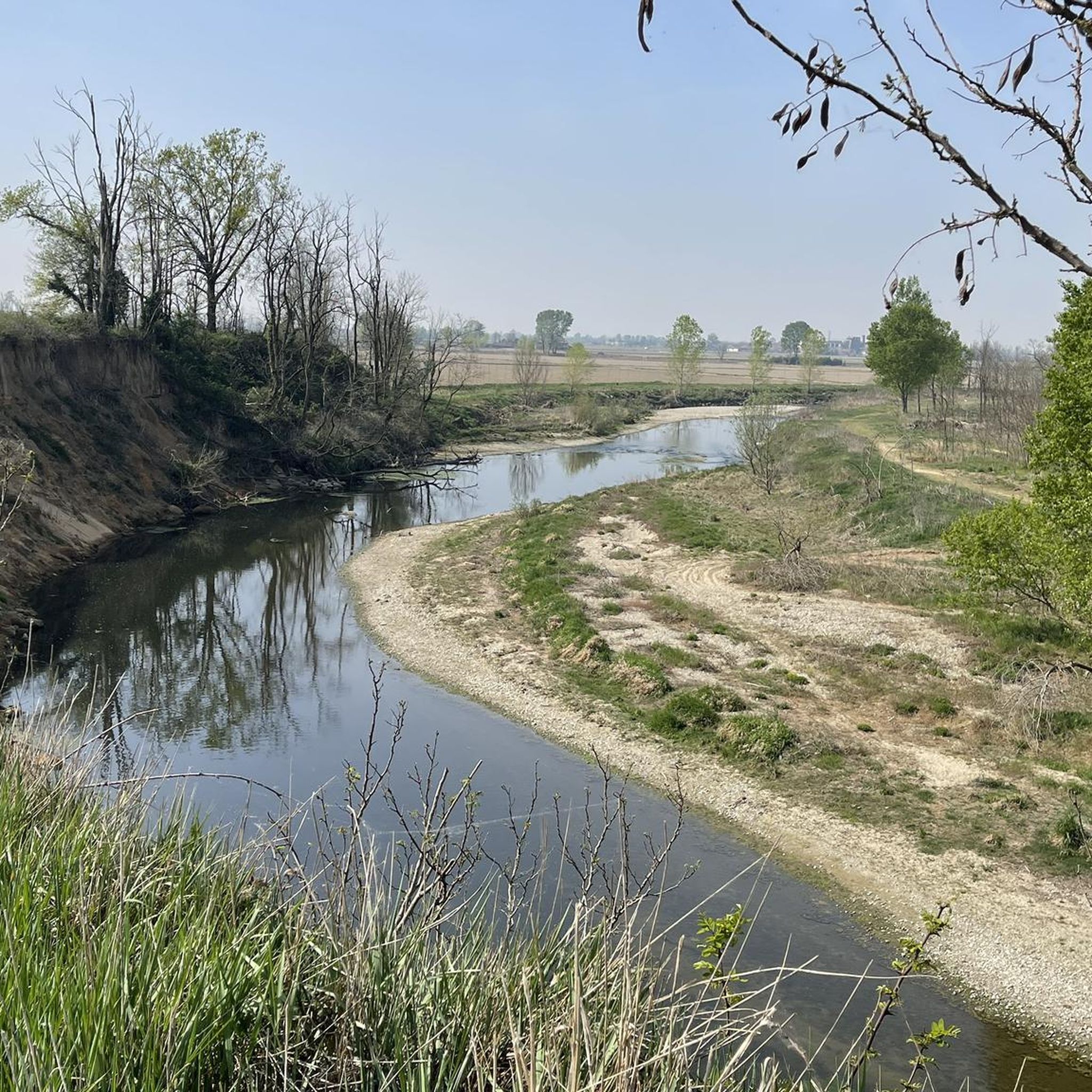
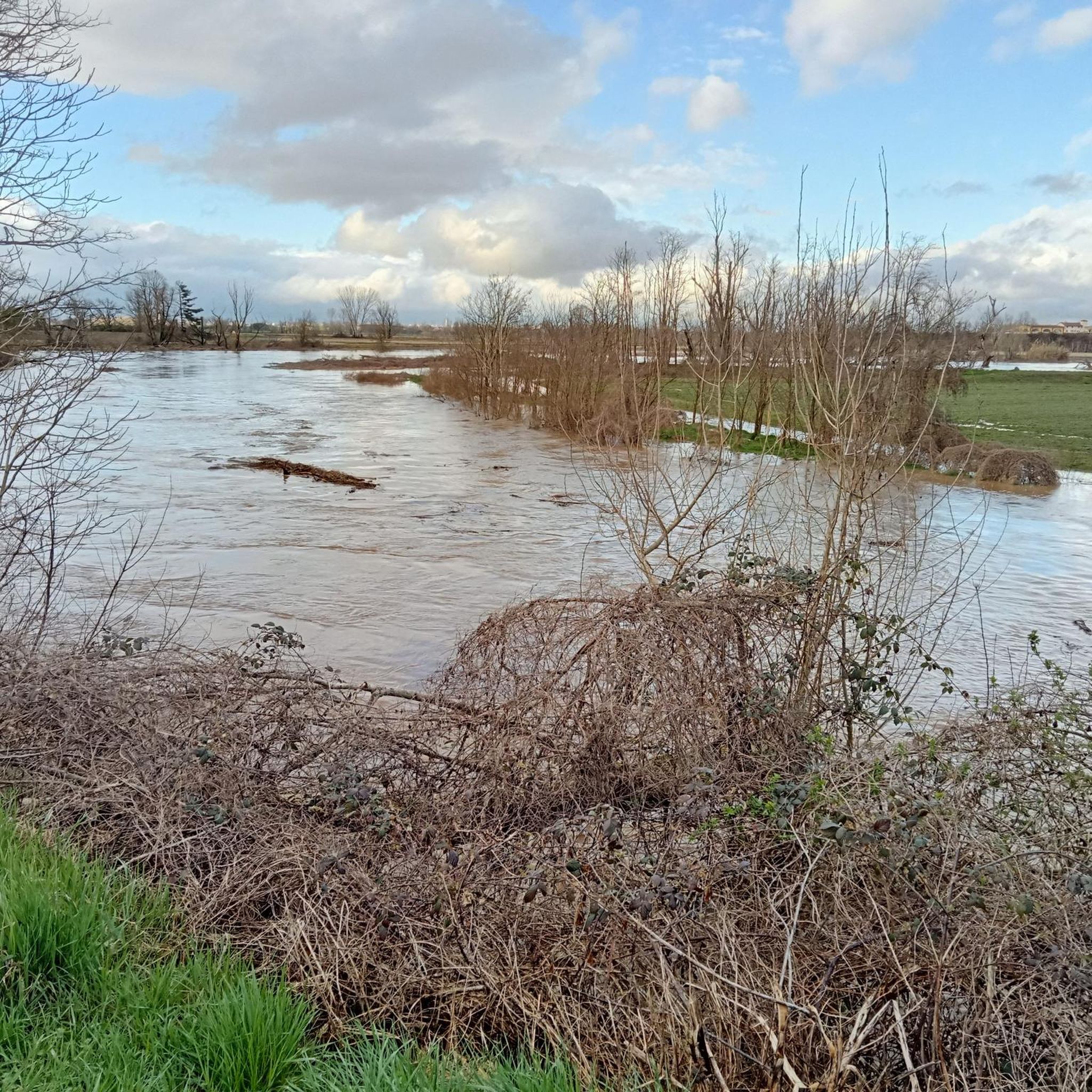
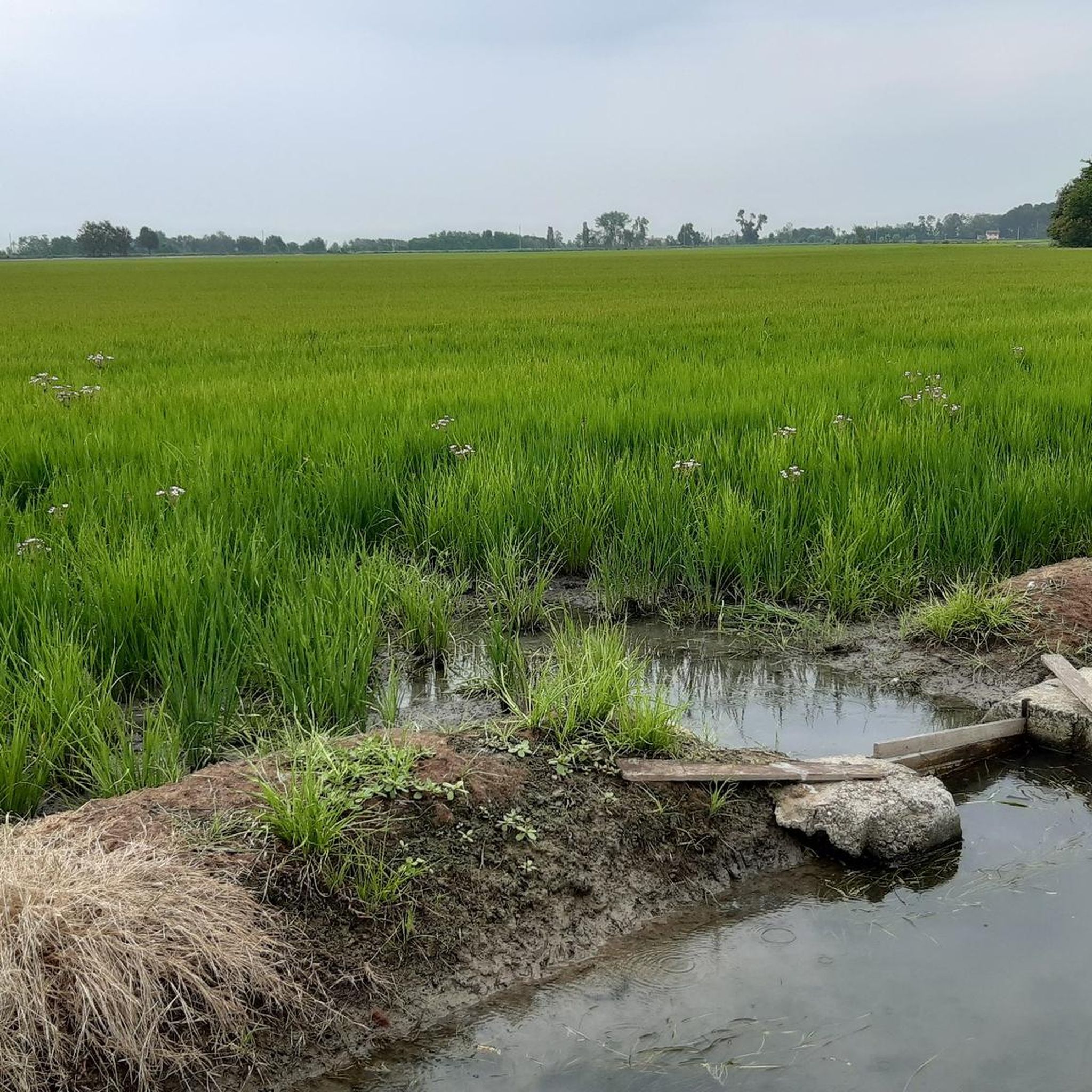
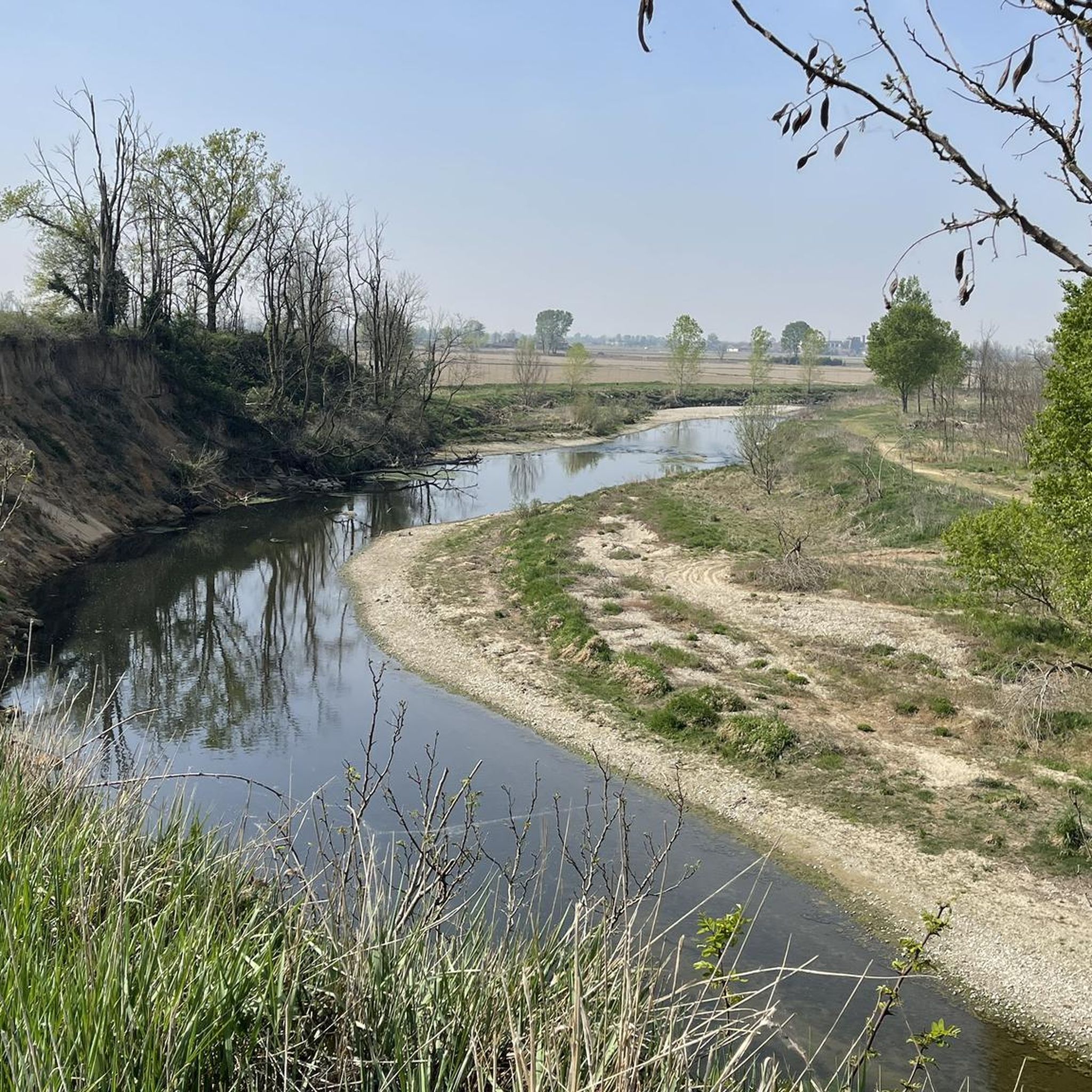
Best attractions and places to see around Nibbiola include historical sites and serene agricultural landscapes. Nibbiola is a municipality in the Piedmont region of Italy, known for its distinctive agricultural landscape characterized by extensive rice fields, canals, and historic farms. The area offers a glimpse into its historical past, with notable landmarks like the Castello di Nibbiola. This flat, often mirrored landscape provides a tranquil setting and is a significant natural feature of the lower Novara area.
Best attractions and…
Last updated: July 21, 2026
Gravellona Lomellina Artist’s town
Highlight • Settlement
Translated by Google •
Tip by

Basilica of San Gaudenzio
Highlight • Religious Site
Translated by Google •
Tip by

Sign up now to discover places like this
Get recommendations on the best single tracks, peaks, & plenty of other exciting outdoor places.
Sign up for free
Historic Center of Tornaco
Highlight • Historical Site
Translated by Google •
Tip by

Church of San Valeriano, Robbio
Highlight • Religious Site
A church …
Tip by

Visconti-Sforza Castle (Novara)
Highlight • Castle
Translated by Google •
Tip by

Sign up for free to discover even more attractions around Nibbiola.
Sign up for free
Already have an account?
Start today with a free account
Your next adventure awaits.
Login or Signup

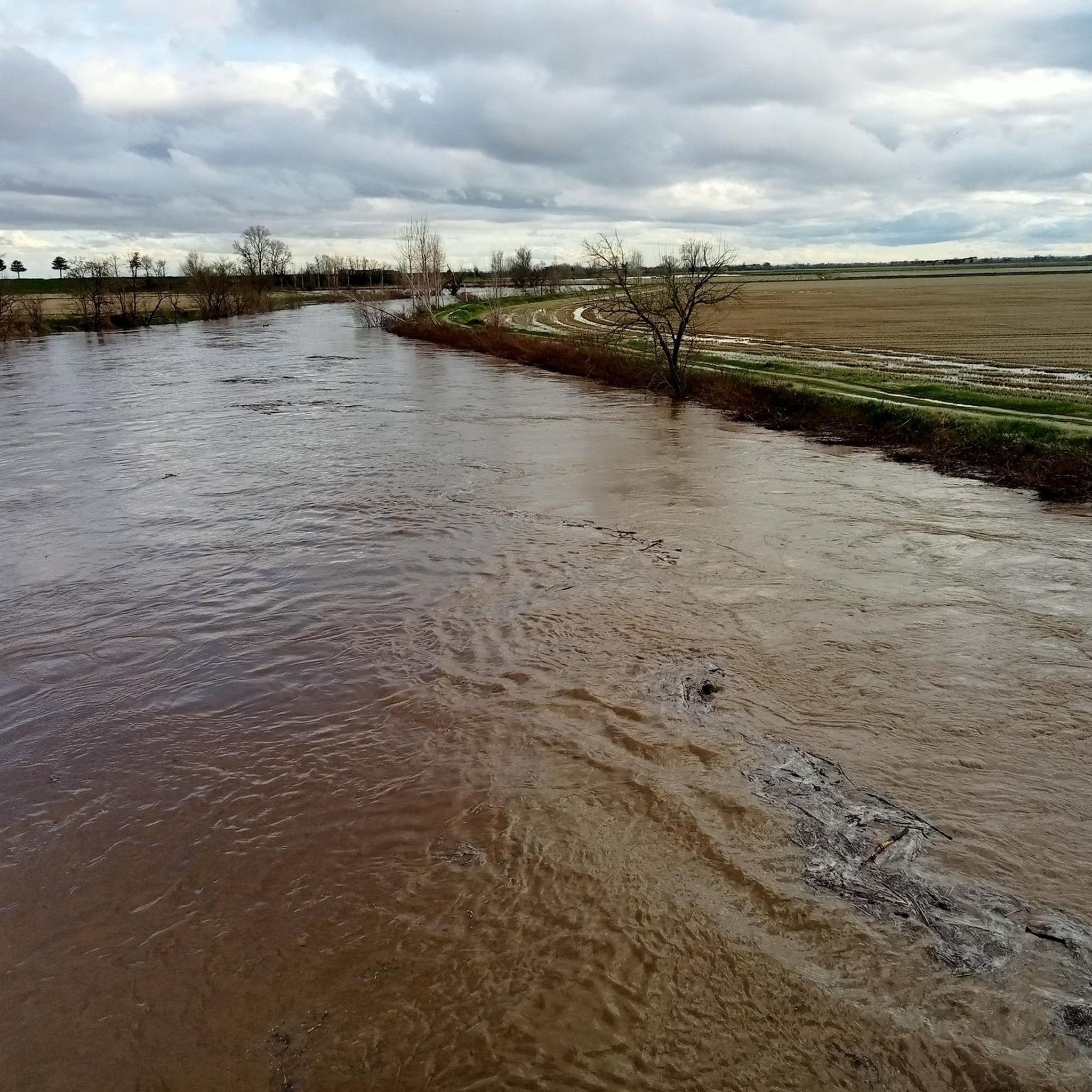
Tips from the Community

Tornaco is a small Italian municipality located in Piedmont, in the southeastern part of the province of Novara, almost on the border with the province of Pavia. It has a population of about 900 inhabitants and stands at an altitude of 122 meters above sea level. It is a predominantly agricultural village, strongly linked to the traditional cultivation of rice and cereals, included in the circuit of the Piedmontese Quality Rice Road.
0
0
Gravellona Lomellina is a characteristic Italian municipality of about 2,700 inhabitants located in the province of Pavia, in Lombardy. Located at the gates of Vigevano, it is nationally famous as a "town of art" or "painted village" for the extraordinary presence of frescoes, murals, and artistic installations that decorate the entire urban fabric.
0
0

Church of San Valeriano
0
0

Certainly one of the most beautiful, if not the most beautiful, in Lomellina. The murals depicting ancient crafts and environments, the geranium-adorned street lamps, and the chimney sweeps on the rooftops bring back memories of your grandparents' stories, and it's wonderful to be a child again for a few moments.
1
0

The chirch is impressive, doesn't matter to have double highlight
1
1
The Visconti-Sforza Castle of Novara is a castle located in the south-western border of the old center of Novara. It was erected on the former corner of the Roman and Middle Age walls that surrounded the city. The origin of the castle is connected to the transfer of Novara under the influence of Milan, taking place in the second half of the 13th century. In 1272 Francesco Della Torre (member of the family ruler of Milan), after taking over the city, ordered the construction of a fortification on the site belonged to the Tettoni family. In the 14th century, after the exchange of the ruling families from the Della Torre to the Visconti, the Lord of Milan Giovanni Visconti (1339-1354) paid again attention to Novara and had the castle built. The castle was strengthened by his successors Galeazzo II (1354-1378) and Gian Galeazzo (1378-1402). Works and repairs were done over the years by Francesco Sforza. His son, the duke Galeazzo Maria, carried out the major transformation of the building. https://en.wikipedia.org/wiki/Visconti-Sforza_Castle_(Novara)
0
0
Basilica of San Gaudenzio - you can see this church from a great distance, it shines above the rooftops and the other churches in the city. A guide to it. And when you are inside, you understand its height. Look up and be amazed at what has been built here.
1
0

Medieval monument in Robbio (12th century), it has preserved its simple Romanesque decoration. Entirely in terracotta, it stood near the gate of San Pietro, on the road to Mortara, and there was an adjoining hospital, mentioned in the chronicles as early as the 13th century.
0
0
Frequently Asked Questions
What historical landmarks can I explore in and around Nibbiola?
Nibbiola is home to the impressive Castello di Nibbiola, a 15th-century fortress built entirely of bricks. While it is a private residence, its well-preserved western side, corner towers, and elegant wrought-iron balcony are visible from outside. In nearby Novara, you can visit the Visconti-Sforza Castle (Novara), erected on the former Roman and Middle Age city walls. Another significant historical site is the Basilica of San Gaudenzio in Novara, known for its iconic dome designed by Alessandro Antonelli.
What natural features define the landscape around Nibbiola?
The area around Nibbiola is characterized by its distinctive agricultural landscape, dominated by extensive rice paddies, canals, and historic farms. This flat, often mirrored landscape, particularly in the lower Novara area, offers a tranquil setting and is a significant natural feature, reflecting the sky and creating unique vistas.
Are there opportunities for cycling near Nibbiola's attractions?
Yes, Nibbiola is part of a scenic cycling route that traverses the rice paddies of the lower Novarese area. This route allows you to experience the unique interplay of earth and sky reflected in the fields, passing through historic farms and alongside canals between the Sesia and Agogna rivers. For more cycling options, explore the Cycling around Nibbiola guide.
What unique cultural attractions can I find in the region?
A truly unique cultural attraction is Gravellona Lomellina Artist’s town. This settlement is known as a "town of art" for the frescoes and murals that decorate its buildings, artistic posts, wrought iron figures, and mosaics, transforming the entire village into an open-air gallery.
What kind of outdoor activities are available near Nibbiola?
Beyond cycling, you can enjoy various outdoor activities. The region offers numerous routes for hiking and mountain biking through its unique agricultural landscapes. You can find detailed information and routes in the Hiking around Nibbiola and MTB Trails around Nibbiola guides.
Are there any family-friendly attractions in the area?
Yes, several attractions are considered family-friendly. The Basilica of San Gaudenzio and the Visconti-Sforza Castle (Novara) offer historical and architectural interest for all ages. Additionally, the Gravellona Lomellina Artist’s town provides an engaging open-air art experience that families can enjoy together.
What is the best way to experience the rice paddies landscape?
The best way to experience the rice paddies landscape is by cycling or walking along the routes that traverse the lower Novarese area. This allows for an immersive experience of the unique interplay of earth and sky reflected in the fields, and you'll pass by historic farms and canals. For more information on the landscape of Bassa Novarese, you can visit VisitPiemonte.
What do visitors enjoy most about the attractions around Nibbiola?
Visitors particularly appreciate the unique artistic expression found in places like Gravellona Lomellina Artist’s town, with its vibrant frescoes and murals. The architectural grandeur of the Basilica of San Gaudenzio and the historical significance of the Visconti-Sforza Castle (Novara) are also highly valued. The tranquil agricultural scenery, especially the rice paddies, offers a peaceful retreat.
Are there any religious sites of interest near Nibbiola?
Yes, the Basilica of San Gaudenzio in Novara is a prominent religious building, famous for its impressive dome. Further afield, in Robbio, you can find the Church of San Valeriano, a Romanesque-style church located along the historic Via Francigena pilgrimage route.
What is the significance of the Castello di Nibbiola?
The Castello di Nibbiola is the primary historical landmark within the municipality. Dating back to approximately the 15th century, this imposing fortress, entirely constructed of bricks, showcases well-preserved ancient characteristics, including corner towers and a central tower. While it is a private residence and not fully accessible inside, its vast garden with azaleas and rhododendrons is visible from the eastern side.
Can I find any settlements with historical importance in the vicinity?
Beyond Nibbiola itself, the charming comune of Nicorvo in the Italian province of Pavia is historically significant. It is located along a stretch of the Via Francigena and features the 18th-century sanctuary of the "Madonnina" and the 17th-century parish church of S. Terenziano.
Most popular routes around Nibbiola
Most popular attractions around Nibbiola

Get inspired with the komoot mobile app


Explore more
Still not found the Highlight you’re looking for? See guides of the top attractions in other regions:
