Attractions and Places To See around Cavaglio D'Agogna - Top 20
Best attractions and places to see around Cavaglio D'Agogna, a municipality in the province of Novara, Piedmont, offer a blend of historical sites and natural beauty. The area is characterized by its rural Italian life, with the Agogna stream historically serving as a vital resource. Visitors can explore a landscape of plains, linear forests, and heathland within the green Piedmontese countryside. This region provides a tranquil and historically rich experience for those interested in local heritage and natural landscapes.
Best…
Last updated: July 21, 2026
Sanctuary of the Crucifix of Boca
Highlight • Religious Site
Translated by Google •
Tip by

Castelle Tower
Highlight • Historical Site
Translated by Google •
Tip by

Sign up now to discover places like this
Get recommendations on the best single tracks, peaks, & plenty of other exciting outdoor places.
Sign up for free
Castello di Proh
Highlight • Castle
Translated by Google •
Tip by

Castello di Divignano
Highlight • Castle
The presence of a castle or "castrum" is …
Translated by Google •
Tip by

Suno Astronomical Observatory
Highlight • Monument
Translated by Google •
Tip by

Sign up for free to discover even more attractions around Cavaglio D'Agogna.
Sign up for free
Already have an account?
Start today with a free account
Your next adventure awaits.
Login or Signup

Tips from the Community

The castle is located in the center of the village, on a hill overlooking the valley below and part of the town. The presence of a castle or "castrum" is mentioned as early as 1191, but the construction of the current fortress appears to date between 1454-1464 and 1489, that is, between the reign of Filippo Borromeo and that of his sons, Giovanni and Vitaliano. It is known with certainty that in 1493 the building and its grounds were inherited by Ludovico Visconti Borromeo. The old square fortress, on the northern side, features the elegant and solid forms of the original fifteenth-century structure, with beautiful pointed-arch windows softened by terracotta decorations. The castle's current appearance is the result of various renovations over the centuries, the most significant dating back to the eighteenth century. The new reconstruction was commissioned by Giulio Visconti Borromeo Arese.
0
0

To stop and visit, a spectacular castle and almost unknown to many...it deserves a short stop also for the photographs
0
0

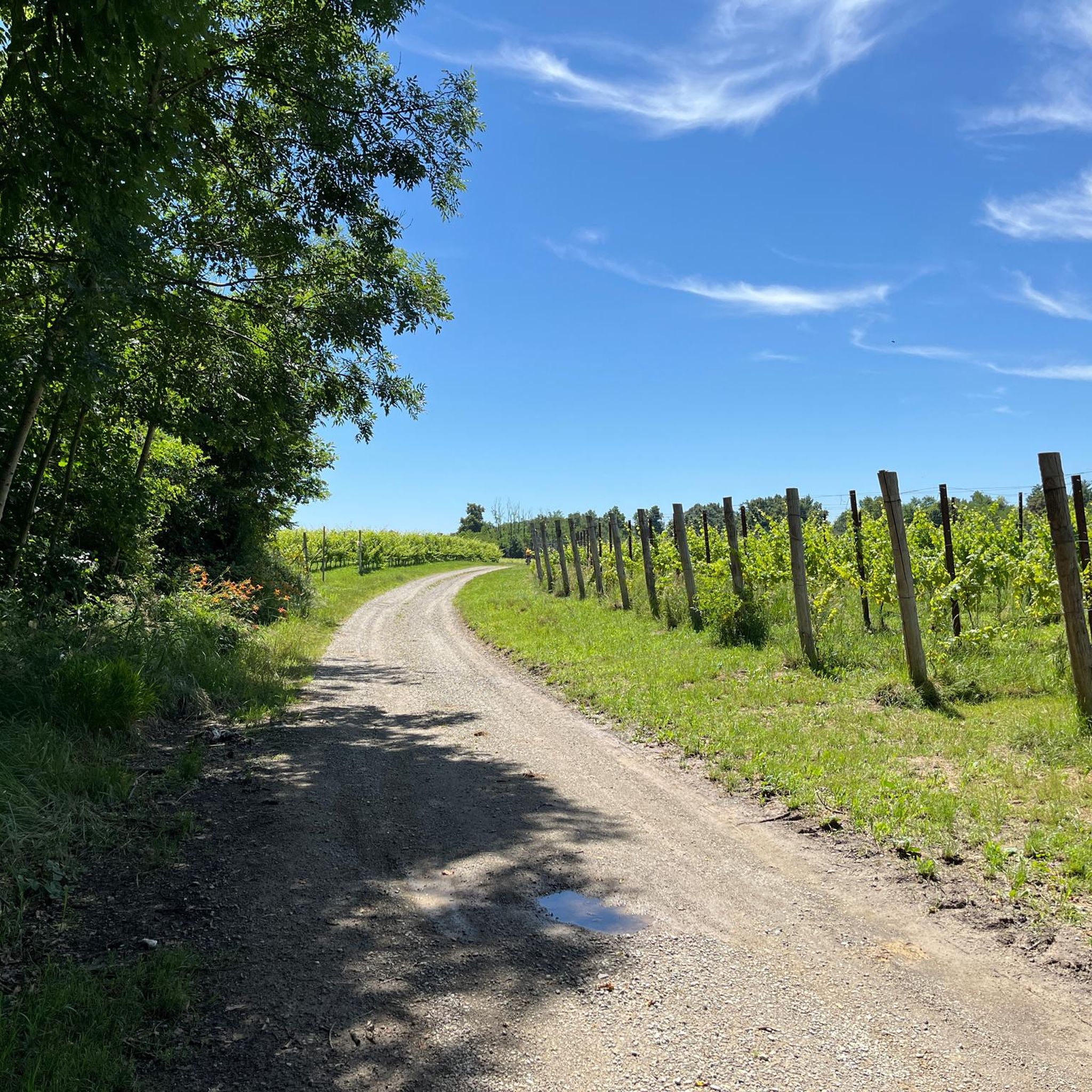
Going there is a duty to welcome you and give you a perfect postcard and then you can have fun with fast routes
1
0

Excellent panoramic point and for a stop
1
2

It is a medieval tower that dates back to the 11th century and was part of a fortified system built between the 12th and 13th centuries. The church of S. Giovanni alle Castelle was part of this structure, destroyed in 1950, today replaced by the chapel of the Madonna della Neve, built by the Alpine Section of Gattinara.
12
0
Getting to the Castelle towers is easy but at the same time you have to prepare for a nice climb which is paved so it is also possible to get there with a racing bike, pay attention to the slopes which are in double figures even if interspersed with a few moments of breathing space
1
0
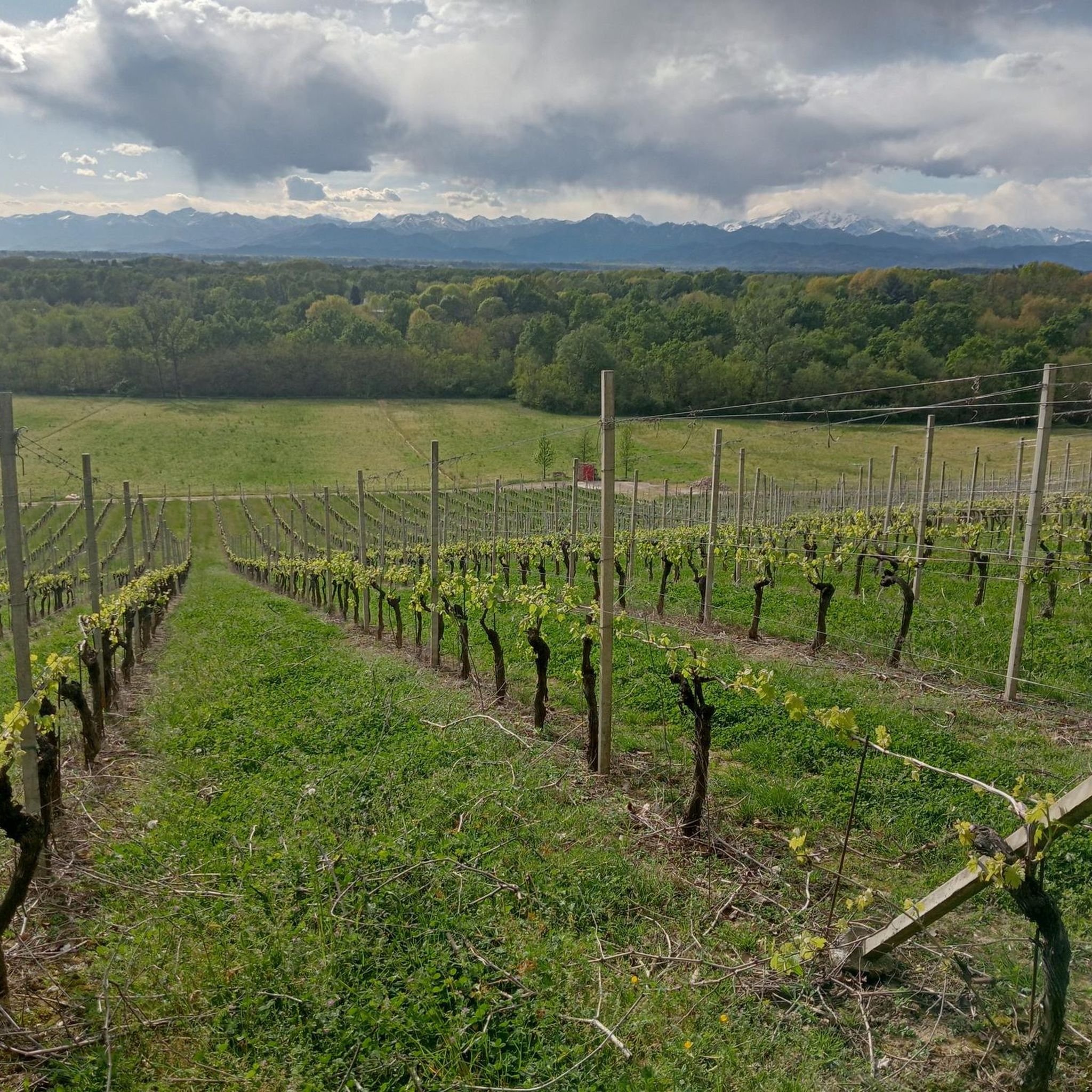
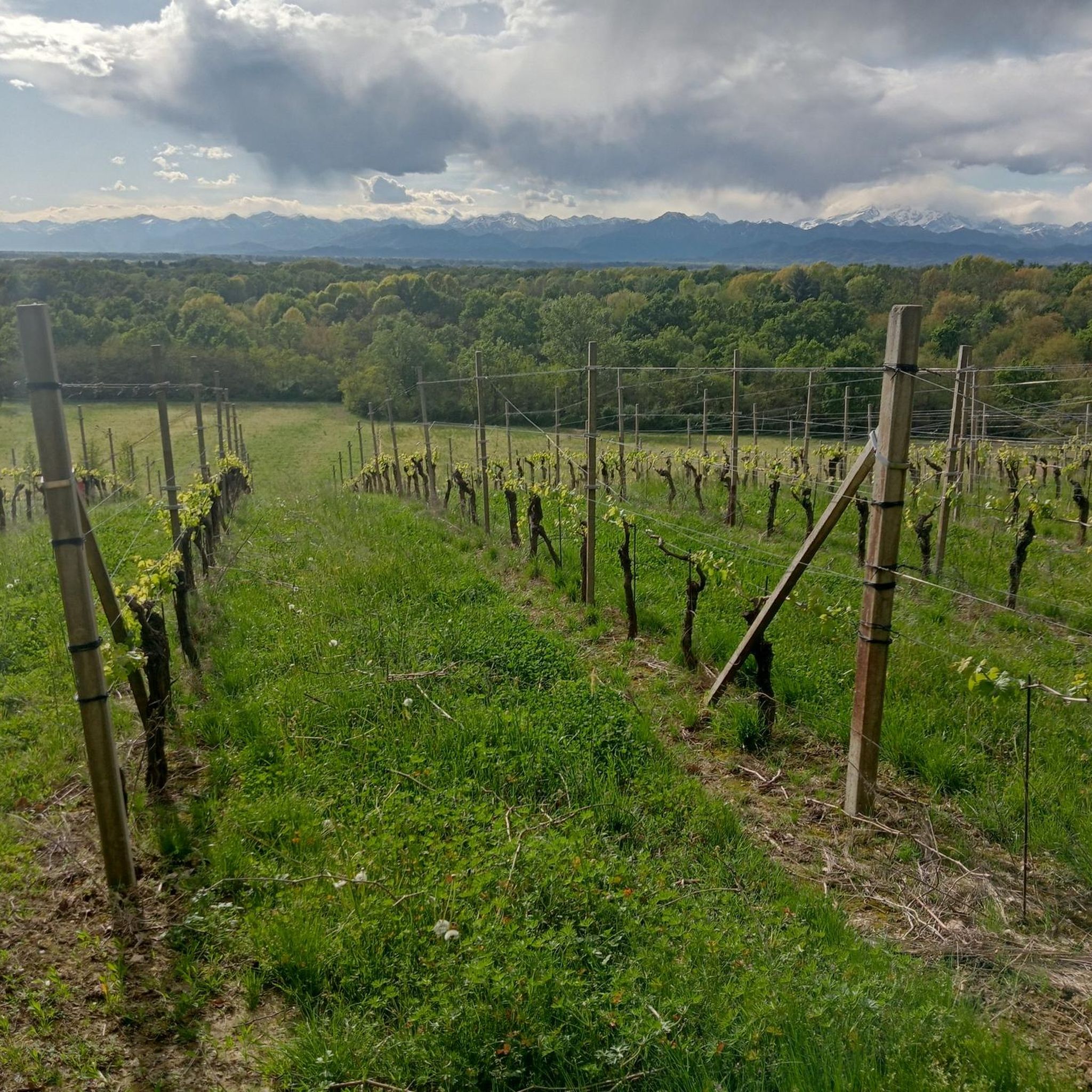
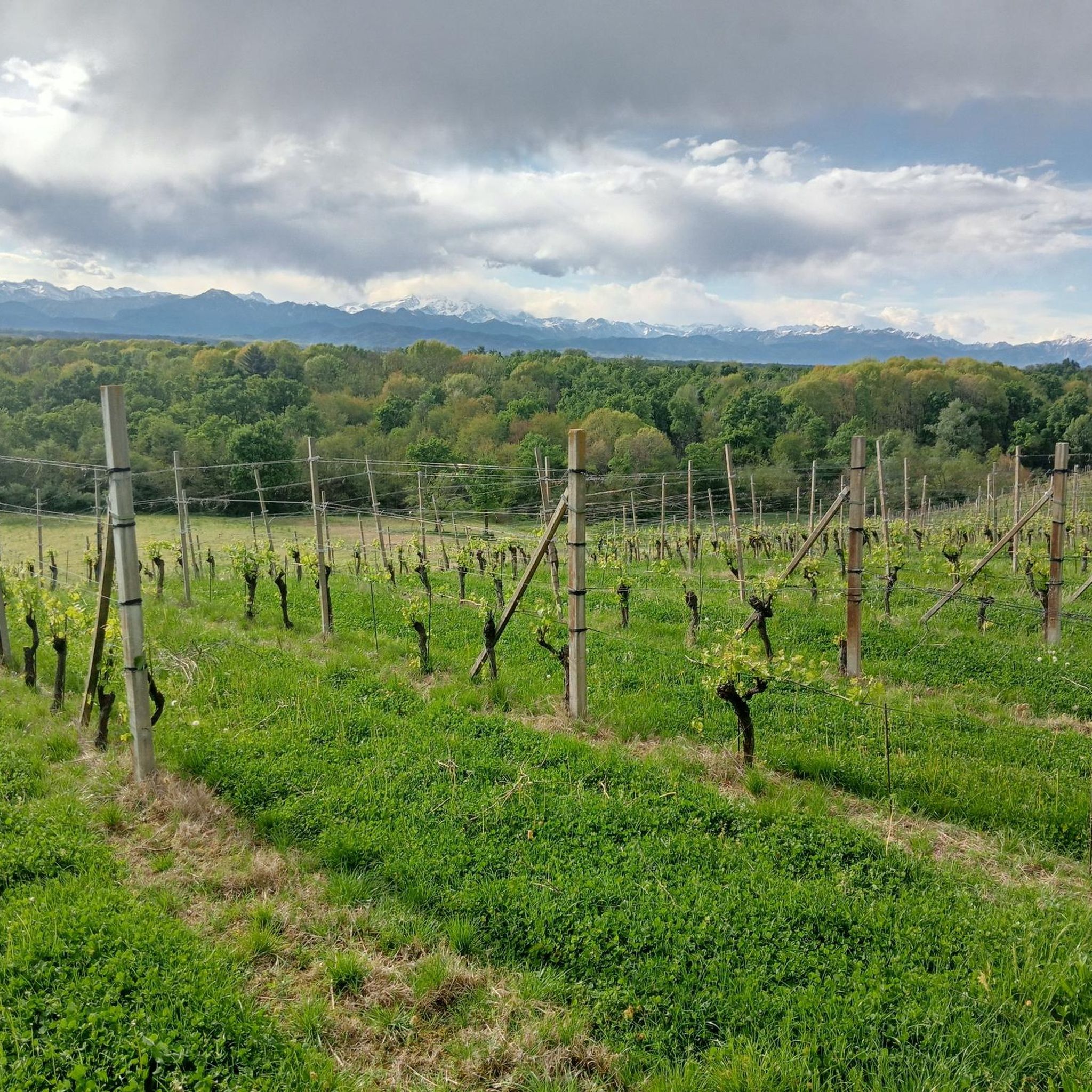
The place called Torre delle Castelle is a promontory that dominates Gattinara and the entire low plain on one side you can enjoy the view of the Sesia valley and on the other Gattinara you can enjoy an exceptional view of the vineyards and in the background the Biella area on clear days both an exceptional view of Monte Rosa
1
2
The sanctuary is a place of popular devotion. There are frequent pilgrimages from neighboring villages to the sanctuary and vice versa. From the sanctuary you can leave both by bike and on foot to discover the paths that run through the park of Monte Fenera
2
0
Frequently Asked Questions
What historical landmarks can I explore in Cavaglio D'Agogna?
Cavaglio D'Agogna is rich in history. You can visit the 18th-century Chiesa Parrocchiale di San Mamante, which stands on foundations from the early 14th century, or the Oratorio della Madonna della Neve. Other unique historical structures include the Antica Ghiacciaia (Old Ice House), the Ex Casa degli Spagnoli (Former House of the Spanish) with its distinctive tower, and the Ex Mulino (Former Mill) which operated until recently.
Are there any significant religious sites in the area?
Yes, the region features several notable religious sites. The Chiesa Parrocchiale di San Mamante in the town center is a key historical church. Additionally, the Sanctuary of the Crucifix of Boca is a place of popular devotion, known for frequent pilgrimages and its beautiful setting surrounded by greenery.
Can I visit any castles near Cavaglio D'Agogna?
Absolutely. The area boasts several historical castles. You can explore the Castello di Divignano, a fortress dating between 1454 and 1489, located on a hill overlooking the valley. Another option is the Castello di Proh, currently undergoing restoration but part of a new Cultural Park project. Don't miss the Castelle Tower, a medieval tower from the 11th century that was once part of a fortified system.
What natural attractions are there around Cavaglio D'Agogna?
The region offers beautiful natural landscapes. The Torrente Agogna, which gives the town its name, has historically been a vital resource. A significant natural attraction is the Riserva Naturale Orientata delle Baragge, characterized by its unique landscape of plains, linear forests, and heathland, perfect for experiencing the green Piedmontese countryside.
Are there hiking opportunities near Cavaglio D'Agogna?
Yes, Cavaglio D'Agogna is a great starting point for hiking. You can find various trails, including the moderate 'Vineyard of the Giant Pencils – Castello di Proh loop from Barengo' or the 'Squirrel Sign loop from Fontaneto d'Agogna'. For more options, explore the Hiking around Cavaglio D'Agogna guide.
What cycling routes are available around Cavaglio D'Agogna?
Cyclists will find a variety of routes. For road cycling, consider the 'Novara Hills and Vineyards Loop' or the 'Cavaglio Climb – View of the Mountains loop from Suno'. If you prefer touring or gravel, options like the 'Gravel road – Golf Club Castelcnturbia loop from Suno' are available. Discover more routes in the Cycling around Cavaglio D'Agogna guide and the Road Cycling Routes around Cavaglio D'Agogna guide.
Are there any viewpoints to enjoy panoramic views?
Yes, the Castelle Tower offers a great viewpoint, though reaching it involves a nice climb. Many hiking and cycling routes in the surrounding hills also lead to spots with panoramic views of the Piedmontese countryside and surrounding peaks.
Are there family-friendly attractions in Cavaglio D'Agogna?
Many attractions in the area are suitable for families. Historical sites like the Sanctuary of the Crucifix of Boca and the Castello di Proh (externally for now) are categorized as family-friendly. The Suno Astronomical Observatory also offers dissemination activities that can be engaging for all ages.
What do visitors particularly enjoy about the attractions near Cavaglio D'Agogna?
Visitors appreciate the blend of history and nature. For instance, the Sanctuary of the Crucifix of Boca is loved for its spectacular views and peaceful, green surroundings, making it a great spot for photography. The Castelle Tower is valued for its historical significance and the rewarding climb to reach it.
What is the best time to visit Cavaglio D'Agogna for outdoor activities?
The region's hiking and cycling trails are suitable for various seasons. Spring and autumn generally offer pleasant temperatures for exploring the lush forests and green meadows. Summer can also be enjoyable, especially for higher elevation routes or early morning activities. Winter walks are possible, but some routes might be more challenging.
Are there any unique educational or scientific attractions nearby?
Yes, the Suno Astronomical Observatory is a unique attraction. Built by amateur astronomers, it features a main Newtonian reflector telescope and carries out dissemination activities, making it an interesting stop for those curious about the cosmos.
What kind of historical buildings can I find in the town center of Cavaglio D'Agogna?
Beyond the main church, the town center features several historical buildings that reflect its past. These include the Ex Casa degli Spagnoli, a four-story tower that once housed shops, an inn, and the post office, and the Ex Mulino, an old mill powered by the Roggia Molinara canal. The historical buildings of the Scuola Primaria Statale and the Asilo Infantile "De Marchi - Boriolo" also add to the town's heritage.
Most popular routes around Cavaglio D'Agogna
Most popular attractions around Cavaglio D'Agogna

Get inspired with the komoot mobile app


Explore more
Still not found the Highlight you’re looking for? See guides of the top attractions in other regions:
