The best cycling routes around Pisano
4.3
(1436)
12,010
riders
251
rides
Touring cycling routes around Pisano traverse a diverse landscape, from the foothills of Monte Pisano to coastal paths and river valleys. The region features a mix of paved surfaces, scenic trails, and unpaved roads winding through olive groves and forests. Monte Pisano offers varied terrain with peaks reaching up to 1000 meters, providing elevation gains and views of the Tuscan coast. Cyclists can explore riverside paths along the Arno and Serchio, as well as protected biodiverse areas.
Best touring cycling…
Last updated: August 8, 2026
71
riders
Moderate bike ride. Good fitness required. Mostly paved surfaces. Suitable for all skill levels.
44
riders
22.3km
02:20
610m
610m
Hard bike ride. Very good fitness required. You may need to push your bike for some segments of this route.

Sign up for free
4.8
(6)
27
riders
25.9km
01:54
580m
580m
Hard bike ride. Very good fitness required. Mostly paved surfaces. Suitable for all skill levels.
4.5
(2)
20
riders
45.5km
03:52
1,140m
1,140m
Hard bike ride. Very good fitness required. Mostly paved surfaces. Suitable for all skill levels.
19
riders
34.2km
03:52
1,170m
1,170m
Hard bike ride. Very good fitness required. You may need to push your bike for some segments of this route.
Get access to more routes and recommendations from other explorers.
Sign up for free
Already have an account?
Our route recommendations are based on thousands of hikes, rides, and runs completed by other people on komoot.
Start today with a free account
Your next adventure awaits.
Login or Signup

Tips from the Community

Fresh water to fill your water bottles.
9
0

For lovers of walking, historical monument, on the route
0
0


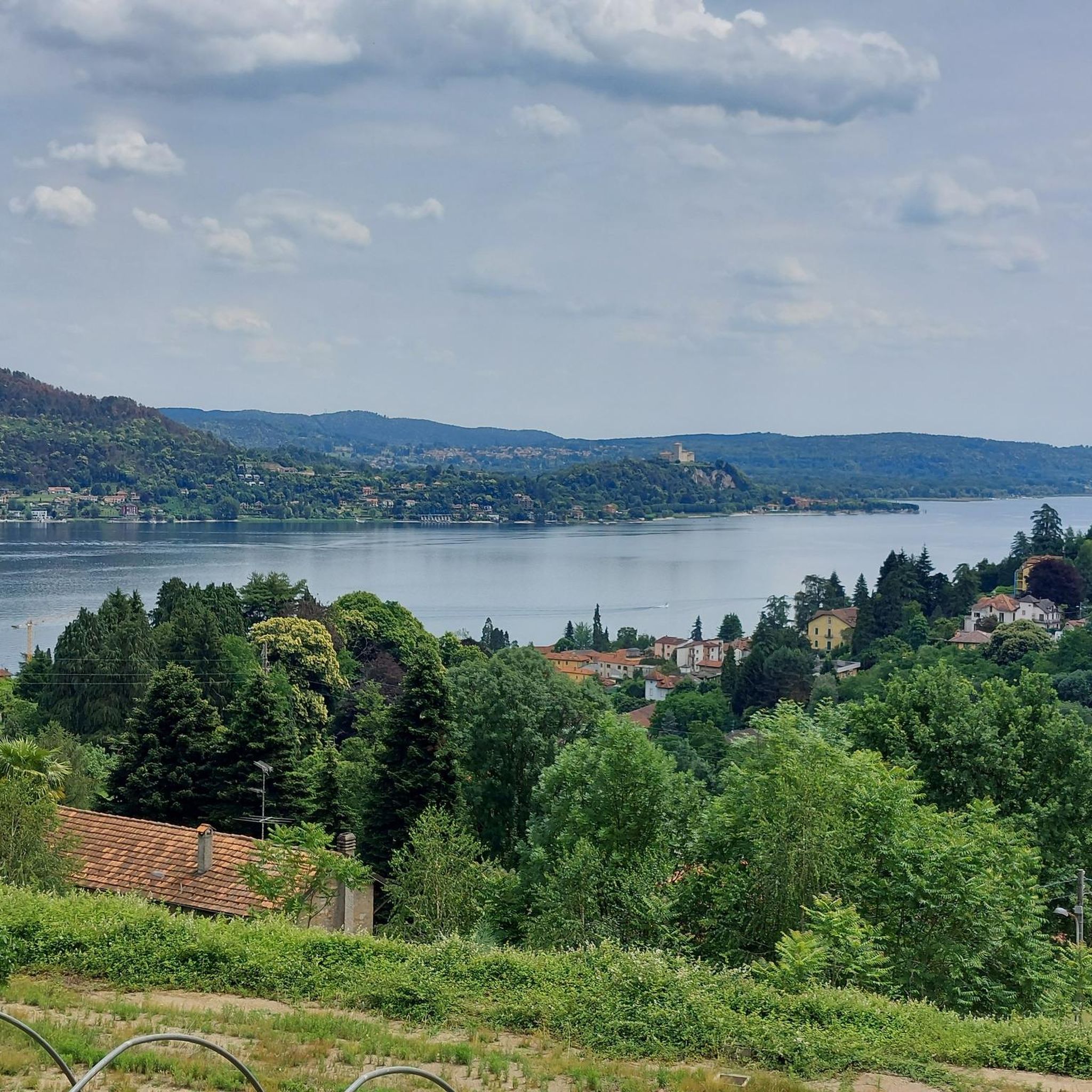
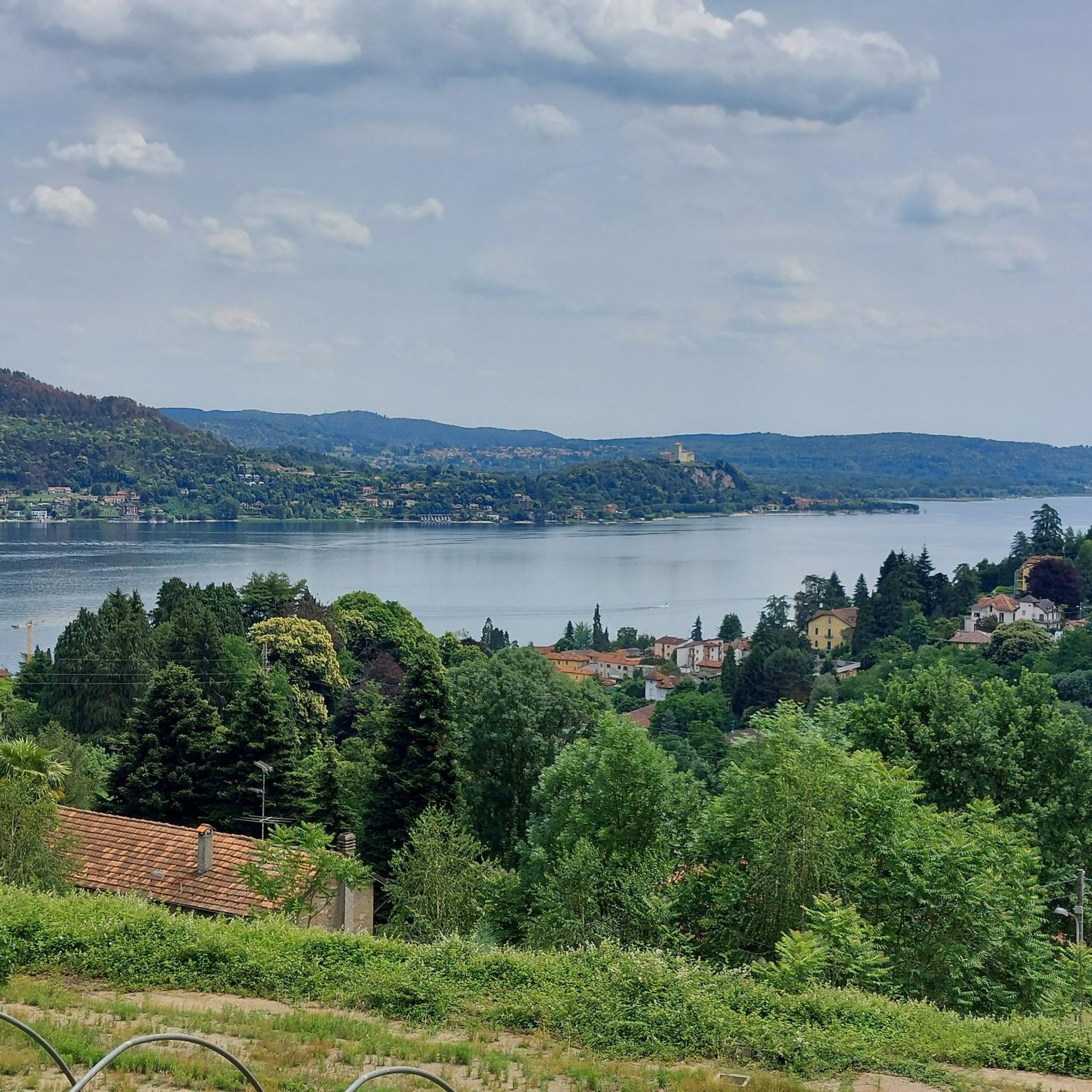
Tiny village, but worth "crossing" and from which you can have a beautiful view of the lake
0
0

In Arona, the birthplace of San Carlo Borromeo, stands the imposing statue dedicated to the saint, built after his canonization to celebrate the greatness of the Milanese archbishop. For almost two centuries, this statue held the record for being the tallest in the world. The city preserves many places linked to the life of Borromeo: the Rocca, his birthplace, today transformed into an enchanting panoramic park with the remains of the ancient fortress; the collegiate church of Santa Maria Nascente, where he was baptized; and the church of the Santi Martiri, where he celebrated his last mass before returning to Milan, where he died in 1584.
5
2

The hamlet of Lortallo was a very pleasant surprise for me. Leaving Ameno, I was attracted by the sight of the mighty tower, which I later discovered was built in the 13th century. It is in excellent condition. Next to the tower, there is the Church of San Grato, which dates back to the 18th century (the bell tower is dated 1758). To the side of the tower and the church (which unfortunately I found closed and which is rarely open), closing the pretty little square, there is one of the entrances to Palazzo Decio, which I could only see from the outside because it is privately owned. However, the palace is used as a location for weddings and other celebrations, so online it is possible to see the interior, which develops around a large garden with a splendid view of Lake Orta. But the surprises offered by Lortallo do not stop there. In fact, I read that archaeological research conducted in Lortallo between 1915 and 1938, brought to light one of the most important necropolises of the early First Iron Age. The necropolis complex features tombs dating from the 9th to the 5th century BC and the findings can be placed within the Golasecca Culture, a common expression of various Celtic tribal groups that lived in the early Iron Age in western Lombardy, the Novara area and the Canton of Ticino. In short, it seems that Lortallo has been inhabited since the dawn of time.
0
0
The Church of San Donato is a true jewel of the sacred architecture characteristic of Vergante. The original place of worship, developed on a single nave plan, was built in the 11th century, but the oldest evidence of its existence dates back to 1169. During the fourteenth century the church was partially rebuilt in Romanesque-Gothic style and enlarged. In 1780 a large churchyard was built in front of the main façade, surrounded by fourteen chapels of the Via Crucis. In the nineteenth century the ancient medieval bell tower adjacent to the building was struck by lightning, which caused it to collapse; in its place, a new stone bell tower was erected. In 1902 the church was declared a national monument, confirming its importance as a very valuable example of the sacred architecture of the entire Vergante area.
0
0
Frequently Asked Questions
How many touring cycling routes are available around Pisano?
There are over 240 touring cycling routes in the Pisano region. These routes cater to various skill levels, with approximately 38 easy, 93 moderate, and 116 difficult options available for exploration.
Are there any easy touring cycling routes suitable for beginners or families in Pisano?
Yes, Pisano offers around 38 easy touring cycling routes, many of which follow riverside paths along the Arno and Serchio rivers, providing gentle rides through scenic valleys. These routes are often on paved surfaces, making them suitable for beginners and families.
What kind of terrain can I expect on touring cycling routes in Pisano?
The terrain around Pisano is quite diverse. You'll find a mix of paved surfaces, scenic trails, and unpaved roads winding through olive groves and forests. The Monte Pisano area offers varied terrain with peaks reaching up to 1000 meters, providing opportunities for significant elevation gains and breathtaking views.
Are there any circular touring cycling routes in Pisano?
Many touring cycling routes in Pisano are designed as loops, allowing you to start and finish in the same location. For example, the Arona Lakeside Promenade – Colossus of Saint Charles Borromeo loop from Nebbiuno offers a challenging 44 km ride with stunning views.
What are some scenic viewpoints or natural attractions I can visit along the cycling routes?
The Monte Pisano area offers breathtaking views of the Tuscan coast, the plains of Pisa and Lucca, the Livorno hills, the Apuan Alps, and the Tyrrhenian Sea. Along the routes, you can also discover natural attractions such as the Pescone Waterfall or the protected biodiversity of the Lagoni di Mercurago Nature Park.
What historical or cultural sites can I explore while cycling in Pisano?
Pisano is rich in history. Cycling routes often pass through medieval villages like Vicopisano and Calci, home to its famous Certosa. You can also encounter ancient hydraulic engineering works, such as the Nottolini, Medici, and Roman aqueducts, or visit significant religious buildings like the Convent of Monte Mesma.
What do other touring cyclists say about the routes in Pisano?
The touring cycling routes in Pisano are highly rated by the komoot community, with an average score of 4.3 stars from over 1400 reviews. Cyclists often praise the diverse terrain, the stunning mountain and hill views, and the well-maintained river paths.
Are there any challenging touring cycling routes for experienced riders?
Yes, Pisano offers 116 difficult touring cycling routes. These routes often feature significant elevation gains and mountainous terrain. An example is the Arona Lakeside Promenade – Colossus of Saint Charles Borromeo loop from Nebbiuno, which covers 44 km with nearly 1000 meters of ascent.
Can I find routes that lead to thermal springs for relaxation?
Yes, the region boasts thermal springs in areas like San Giuliano Terme and Uliveto. While specific routes to these exact locations aren't listed, many touring cycling itineraries in Pisano can be planned to include stops at these relaxing establishments.
What is the best time of year to go touring cycling in Pisano?
Pisano, being in Tuscany, generally offers pleasant cycling conditions for much of the year. Spring and autumn are ideal, with milder temperatures and beautiful landscapes. Summer can be warm, especially in the plains, but coastal routes and higher elevations offer cooler options. Winter biking is possible, but check local conditions, especially in higher mountain areas.
Are there any routes that offer views of the coast or connect to seaside towns?
Absolutely. Cyclists can explore picturesque coastal routes, such as the new 'Trammino' cycle path which leads to Marina di Pisa. This route provides views of the Mouth of the Arno (Bocca d'Arno) and tranquil rides through pine forests, with opportunities to enjoy seaside stops and local seafood.
Are there any moderate touring cycling routes in Pisano?
Yes, there are 93 moderate touring cycling routes in Pisano. These routes offer a good balance of challenge and accessibility. A popular moderate option is the Pisano – Parish Church of San Siro loop from Nebbiuno, which is about 19.5 km long with over 300 meters of elevation gain.
Most popular attractions around Pisano

Get inspired with the komoot mobile app


Explore more
Browse the best Cycling routes in other regions.
