Attractions and Places To See around Borgo D'Ale - Top 20
Attractions and places to see around Borgo D'Ale include a mix of historical sites, cultural landmarks, and natural features. Situated in the Province of Vercelli, Piedmont, the area features morainic hills and plains, with Lake Viverone nearby. This region offers insights into ancient history, including Bronze Age settlements, and showcases local architecture. The landscape is characterized by its agricultural areas and proximity to the Ivrea Morainic Amphitheater.
Best attractions and places to see around Borgo D'Ale
- The most popular attractions…
Last updated: August 4, 2026
Gate Tower and Corner Tower of Piverone
Highlight • Historical Site
*Ancient shelter of which the access tower to the village (clock tower) and the north-east corner tower of the walls, from the 13th century, have …
Translated by Google •
Tip by

Bessa Gold Mining Archaeological Site
Highlight • Natural Monument
It is located between Biella and Ivrea, included in the municipalities …
Translated by Google •
Tip by

Sign up now to discover places like this
Get recommendations on the best single tracks, peaks, & plenty of other exciting outdoor places.
Sign up for free
Pile-dwelling Village at Lake Viverone
Highlight • Historical Site
Translated by Google •
Tip by

Lake Bertignano
Highlight • Lake
Translated by Google •
Tip by

Sanctuary of Santa Maria della Cella
Highlight • Religious Site
Translated by Google •
Tip by

Sign up for free to discover even more attractions around Borgo D'Ale.
Sign up for free
Already have an account?
Start today with a free account
Your next adventure awaits.
Login or Signup
Tips from the Community

Must do, at least once, interesting place.
1
0

It is very particular because it is isolated in the middle of the woods and you suddenly discover it and then dive back into the bush
6
0
The church of S. Maria di Meoglio, today known as the Sanctuary of the Madonna della Cella, is located in the middle of the woods and is the center of the ancient settlement of Meoglio. Next to the church, rebuilt in 1848, the ruins of the old monastery can still be seen, documentary sources attest to the presence of the Cella di Meoglio among the possessions of the Monastery of Lucedio and here, according to tradition, in 1001 San Bononio worked a miracle there .
7
0

Monuments and places of interest: *Ancient shelter of which the access tower to the village (clock tower) and the north-east corner tower of the walls, from the 13th century, have been preserved *Church of Gesiùn, ruins of the ancient church of Livione, dating back to the 10th century *Romanesque bell tower of San Pietro di Subloco, dating back to the 10th century *Parish Church of Saints Peter and Lawrence
8
0

The oasis they built with a wooden construction overlooking the lake is very pleasant
2
0

The Sanctuary is located in a very particular position, immersed in the woods and at the crossroads of numerous paths, which lead to this small clearing where the church stands.
2
0
In Lake Viverone, the remains of around 5000 poles driven into the ground which supported the structures of a very ancient large pile-dwelling village dating back to the Bronze Age have been extraordinarily preserved. The site has an important archaeological value, artefacts such as swords, axes, pins and ornaments have been discovered, which have allowed us to reconstruct the life of a Bronze Age community. The site is now a World Heritage Site.
4
0

An ancient sanctuary dating back to before 1200, located in a very quiet area at the crossroads of several dirt roads, and a starting point for many beautiful walks or bike rides
1
0
Frequently Asked Questions
What historical and cultural sites can I explore around Borgo D'Ale?
Borgo D'Ale and its surroundings are rich in history. You can visit the ancient Gate Tower and Corner Tower of Piverone, remnants of a 13th-century shelter. Other notable sites include the Romanesque Church of San Michele in Clivolo, dating back to the 11th century with 12th-century frescoes, and the late Baroque Church of San Michele Arcangelo in the town center. Don't miss the ruins of Santa Maria d'Areglio, locally known as "La Gesiassa," an 11th-century church.
Are there any natural attractions or unique landscapes near Borgo D'Ale?
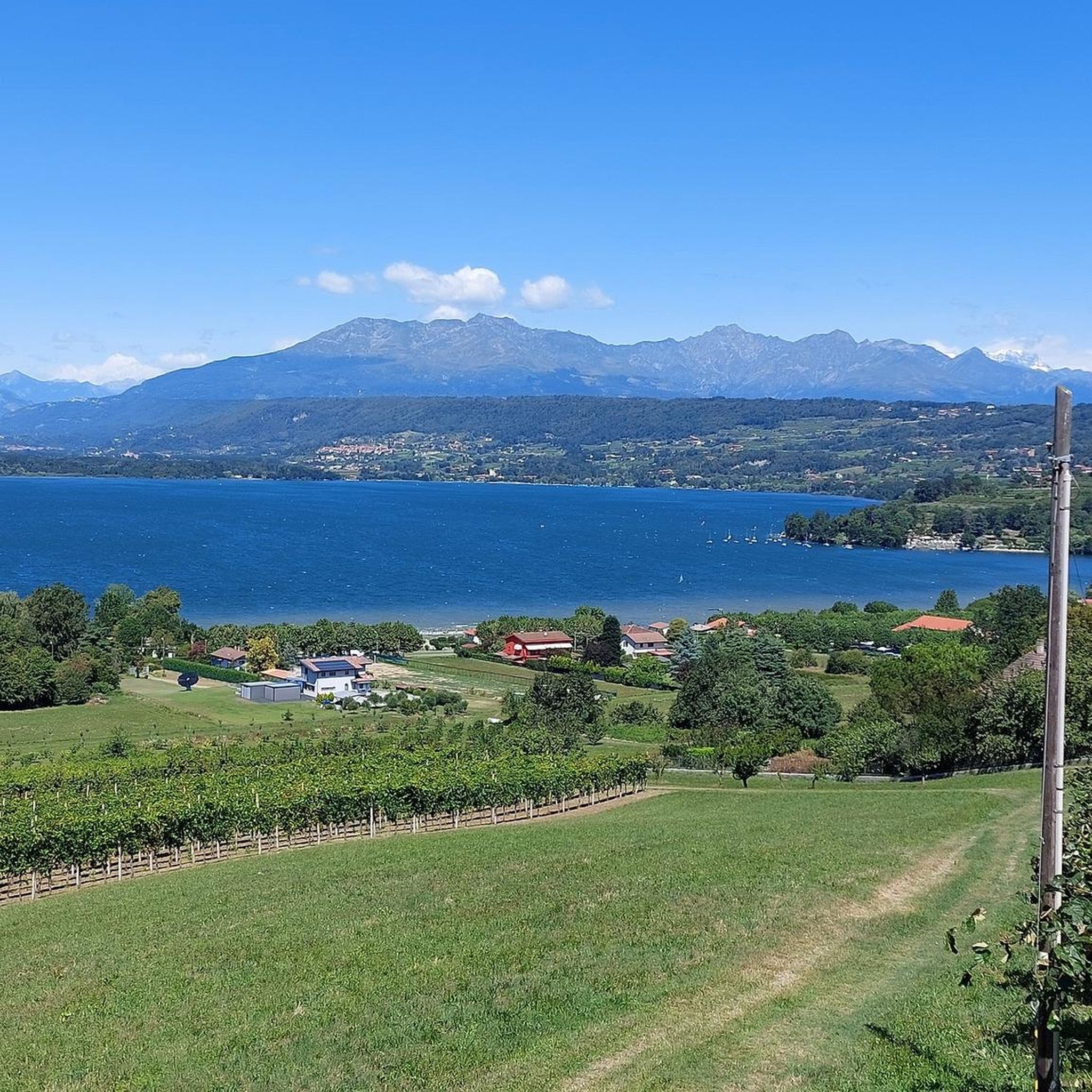
Yes, the area offers diverse natural beauty. Just a few hundred meters away is Lake Viverone, a UNESCO World Heritage site known for its Bronze Age pile-dwelling village. You can also visit Lake Bertignano, formed by the retreat of the Balteo glacier. The region's landscape is characterized by morainic hills, part of the Ivrea Morainic Amphitheater, and agricultural plains known for peaches, kiwi, and fragola grapes.
What outdoor activities can I do near Borgo D'Ale?
The green spaces around Borgo D'Ale are perfect for outdoor activities. You can enjoy relaxing walks and horseback riding in nature. For more structured activities, there are numerous hiking, cycling, and mountain biking routes. Explore options like the 'Erbaluce Vineyard Trail' for hiking, or the 'Lake Viverone – Floating platform on Lake Sirio loop' for cycling. You can find detailed routes and guides for these activities on the hiking, cycling, and MTB trails guides.
Are there family-friendly attractions around Borgo D'Ale?
Many attractions in the area are suitable for families. The Pile-dwelling Village at Lake Viverone offers an educational and fascinating glimpse into Bronze Age history. Natural spots like Lake Bertignano and the Bessa Gold Mining Archaeological Site provide opportunities for exploration and enjoying nature. Historical sites such as the Gate Tower and Corner Tower of Piverone are also engaging for all ages.
Where can I find unique historical or archaeological sites?
For a truly unique experience, visit the Pile-dwelling Village at Lake Viverone, a UNESCO World Heritage site where the remains of a Bronze Age settlement are remarkably preserved underwater. Another fascinating spot is the Bessa Gold Mining Archaeological Site, a natural reserve with a 'lunar' landscape of stone piles, remnants of one of the largest open-pit gold mines from Roman times.
What religious buildings or sanctuaries can I visit?
Borgo D'Ale has several significant religious sites. The Sanctuary of Santa Maria della Cella, nestled in the woods, is a peaceful location with a church rebuilt in 1848 and ruins of an old monastery. Other churches include the Romanesque Church of San Michele in Clivolo and the late Baroque Church of San Michele Arcangelo in the town center. The Church of the Consolata, dating from 1655, is also noteworthy.
When is the best time to visit Borgo D'Ale?
Borgo D'Ale offers attractions year-round. For outdoor activities and enjoying the natural landscapes, spring and autumn provide pleasant weather. If you're interested in local culture and produce, consider visiting during the traditional Peach Festival (Festa delle Pesche). The town also hosts an antiquarian market on the third Sunday of every month, which is a great time to explore local crafts and goods.
Are there any local markets or special events in Borgo D'Ale?
Yes, Borgo D'Ale is known for its local events. The town hosts an antiquarian market on the third Sunday of every month at its covered fruit and vegetable market, offering a chance to discover unique items. Additionally, the traditional Peach Festival (Festa delle Pesche) celebrates the region's agricultural produce, and the Palio dei Rioni features games between the town's districts.
What are some lesser-known or 'hidden gems' to discover?
Beyond the main attractions, consider exploring the Sanctuary of Santa Maria della Cella, a tranquil woodland sanctuary with votive chapels and ancient ruins, offering a serene escape. The ruins of Santa Maria d'Areglio, or "La Gesiassa," provide a glimpse into an 11th-century church in a more secluded setting. These spots offer a deeper connection to the region's history and natural beauty.
Can I find viewpoints with scenic views around Borgo D'Ale?
Yes, the area's varied topography, including its morainic hills, offers several scenic spots. While specific named viewpoints are not detailed, locations like Lake Viverone and Lake Bertignano provide tranquil lake views. The hilly areas, part of the Ivrea Morainic Amphitheater, also offer picturesque vistas of the surrounding plains and agricultural fields.
What is the significance of Lake Viverone to the area?
Lake Viverone is highly significant, not only for its natural beauty but also for its historical importance. It is recognized as a UNESCO World Heritage site due to the extraordinarily well-preserved remains of a large Bronze Age stilt village, known as the Pile-dwelling Village at Lake Viverone. Artifacts like swords, axes, and ornaments discovered here provide valuable insights into a Bronze Age community.
Most popular routes around Borgo D'Ale
Most popular attractions around Borgo D'Ale

Get inspired with the komoot mobile app


Explore more
Still not found the Highlight you’re looking for? See guides of the top attractions in other regions:
