The best walks and hikes around Stroppiana
4.4
(111)
611
hikers
79
hikes
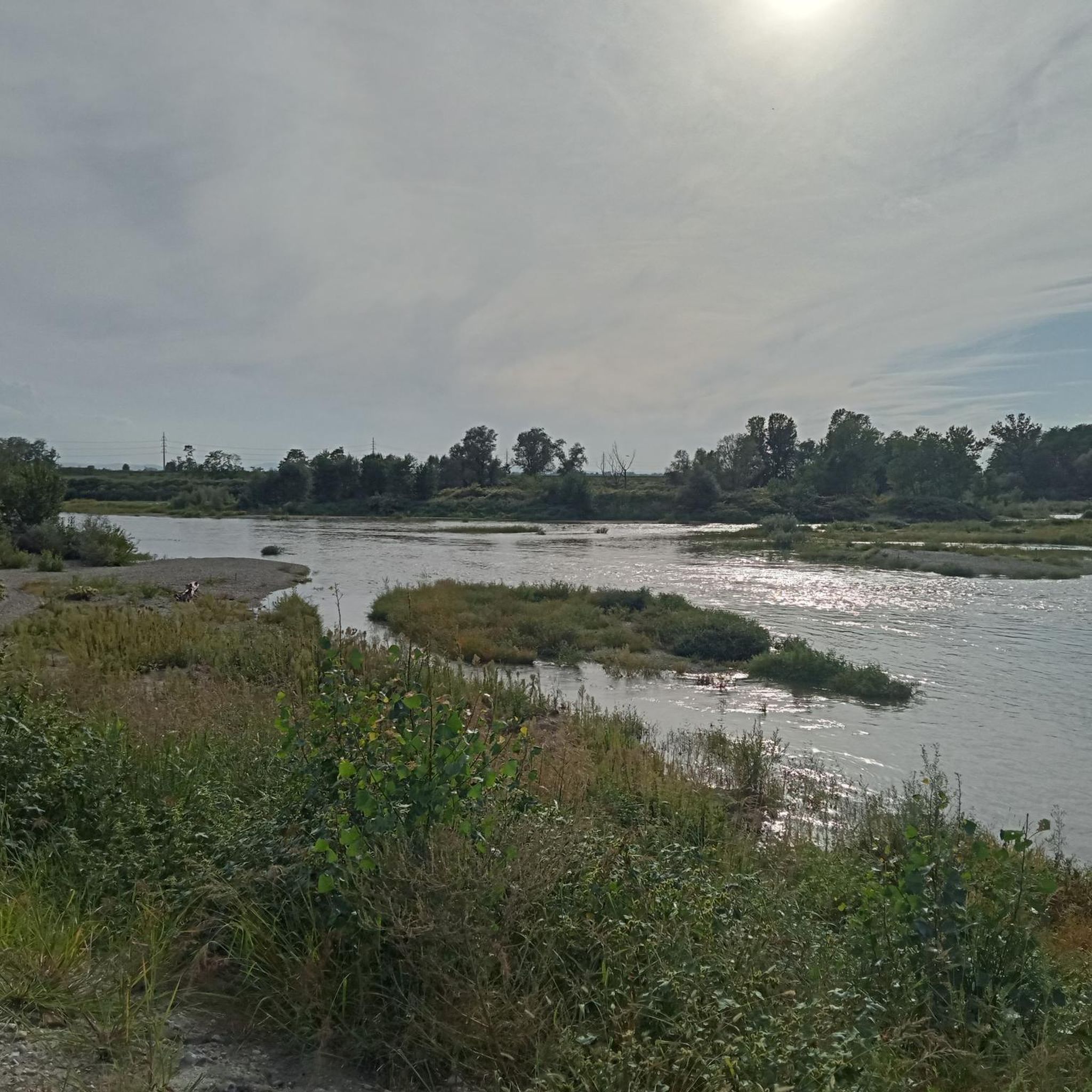
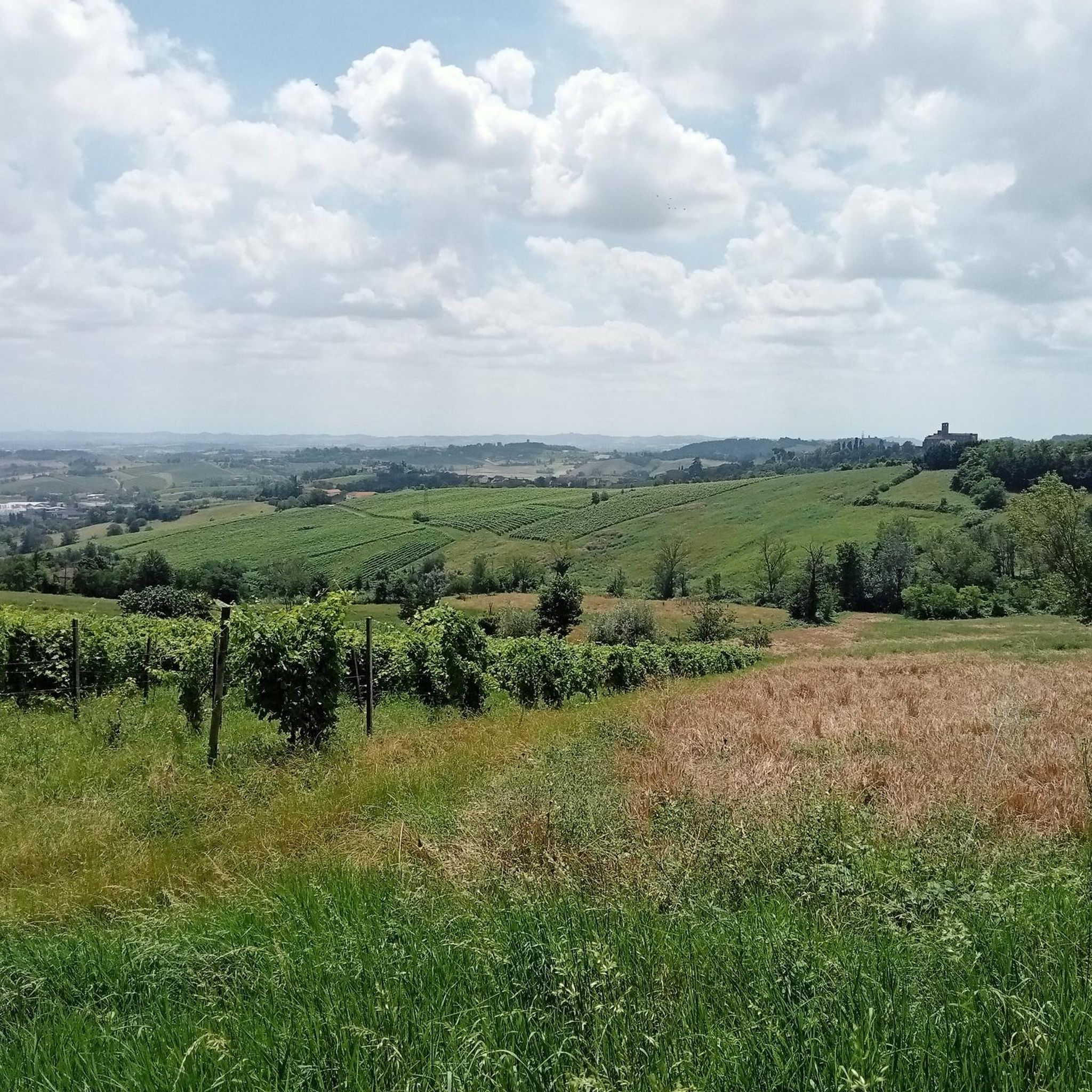
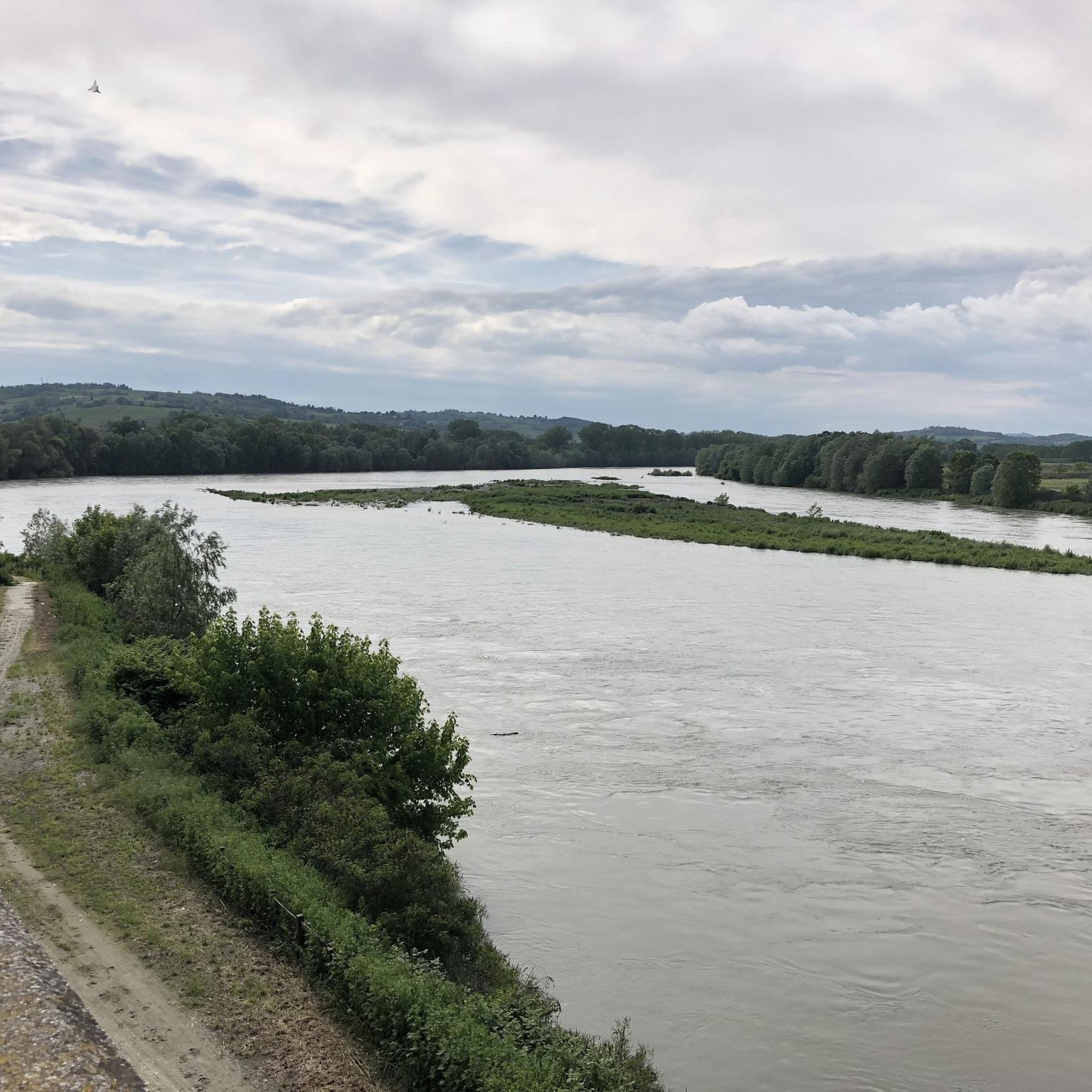
Hiking around Stroppiana offers routes through the Vercelli Province in Italy, characterized by its position near the Sesia River and agricultural landscapes. The area features gentle terrain with minimal elevation changes, making it suitable for accessible walks. Trails often connect historical sites and small towns, providing a blend of natural and cultural exploration. The region's flatlands are dominated by rice fields and riverine environments.
Best hiking trails around Stroppiana
- The most popular hiking route is Sesia River Crossing Walk (via…
Last updated: October 4, 2026
3.9
(24)
119
hikers
18.7km
04:45
20m
40m
Moderate hike. Good fitness required. Easily-accessible paths. Suitable for all skill levels.
12.4km
03:07
10m
10m
Riverside walk crossing the historic Sesia River through Piemonte's rice paddies and quiet countryside.

5.0
(1)
57
hikers
5.44km
01:23
20m
20m
Easy hike. Great for any fitness level. Easily-accessible paths. Suitable for all skill levels.
4.7
(15)
15
hikers
9.11km
02:19
30m
30m
Moderate hike. Good fitness required. Easily-accessible paths. Suitable for all skill levels.
17
hikers
Easy hike. Great for any fitness level. Easily-accessible paths. Suitable for all skill levels.
Get access to more routes and recommendations from other explorers.
Already have an account?
Our route recommendations are based on thousands of hikes, rides, and runs completed by other people on komoot.
Start today with a free account
Your next adventure awaits.

Tips from the Community


One of the industrial archaeology sites linked to the production of cement and bricks that characterized Casale Monferrato between the 19th and 20th centuries.
8
0


Giovanni II Paleologo, Marquis of Monferrato, ordered the current castle to be built and work continued until 1357. When Casale assumed the role of capital of the Margraviate of Monferrato and obtained the title of city in 1474, it also changed castle, seat of the court, after the restoration with the marquises Guglielmo VIII (1464-1483) and Bonifacio V (1483-1494). When Giovanni II Paleologo died, the Gonzaga of Mantova took control of Casale. The castle was strengthened by new military techniques, so the walls and the plan shape were adjusted so that it became hexagonal (which we can still see today). The towers were also strengthened and four new ravelins were added. At the beginning of the seventeenth century, the castle returned to its role as the seat of the court. The Dukes of Mantova, who were busy negotiating with Savoia, stayed there. Later it became the principality of Duke Carlo II Gonzaga-Nevers (1637-1665), who holidayed there many times with his entire court, which gave a boost to the cultural life in Casale. Due to the crisis of the Gonzaga dynasty, the castle was on the verge of decline. The city fell to Savoia in 1708 and the castle became a barracks. In the mid-19th century, Casale was fortified in preparation for a war against Austria and the castle became a defensive structure. The eastern ravelin was demolished, creating the current Piazza Castello, which became an open-air market zone. With the unification of Italy, the other three ravelins were also demolished.
1
0
Santa Croce was originally a Gothic church, to which a neoclassical facade was added in 1748, designed by the Casalese architect Francesco Ottavio Magnocavallo. Today it is a deconsecrated church whose internal space has been converted into an original setting for shops, restaurants and a bar. The MyCafe is not only a popular stop for an aperitif, but also organizes evenings of music and entertainment. The complex is located on the main pedestrian street in the city center.
2
0

This beautiful church was built in 1220, during a prosperous period. The style is a combination of Northern Gothic (vertical towers and octagonal bell tower) and the typical style from the Po Valley (triangular gable, arches and use of brick). The facade, a colorful whole of stone and marble, is flanked by high towers and has three vaulted porches; The tympanums are probably by sculptor Benedetto Antelami. The very massive bell tower (right) dates from the 15th century. The sober interior with three naves has a choir with wooden inlay and the funerary monument (14th century) of Tomasso Gallo, first abbot of the basilica (second chapel in the right transept). The left aisle leads to the monastery buildings and to the cloister, which offers beautiful views of the complex.
8
0

In addition to the Basilica of Sant' Andrea and the Cathedral of Sant' Eusebio, also interesting are the Avogadro Tower, Piazza Cavour with its porticoes, the statue of Cavour and the nearby Torre dell'Angelo visible from the square.
2
0

The Basilica of Sant'Andrea is one of the most important and well-known monuments in Vercelli. It is the first Gothic monument in Piedmont, one of the earliest in Italy in this style, an example of Romanesque-Gothic architecture, in which local Romanesque and the novelties of Cistercian Gothic coexist. It has the dignity of a minor basilica. It was begun in 1219 by the will of Cardinal Guala Bicchieri and completed in 1227. Source: Wikipedia
4
0
Frequently Asked Questions
Where is Stroppiana located and what are its main characteristics for hiking?
Stroppiana is situated in the Vercelli Province of Italy, near the Sesia River. The area is characterized by gentle terrain and agricultural landscapes, making it ideal for accessible walks. Trails often connect historical sites and small towns, offering a blend of natural and cultural exploration.
What types of hiking trails can I expect around Stroppiana?
Hiking around Stroppiana primarily features riverine paths, agricultural fields, and routes connecting historical towns. The terrain is generally gentle with minimal elevation changes, suitable for various ability levels from easy strolls to moderate excursions.
Are there any easy hiking trails suitable for beginners or families?
Yes, Stroppiana offers many easy trails. For example, the Cathedral of Saint Eusebius – Amedeo Avogadro Monument loop from Billiemme is an easy 3.7-mile (6.0 km) path that explores historical landmarks and urban areas, perfect for a cultural walking experience.
What do other hikers say about the trails in Stroppiana?
The routes in Stroppiana are highly rated by the komoot community, with an average score of 4.3 stars from over 60 reviews. Hikers often praise the gentle terrain, the blend of natural and cultural sights, and the accessibility of the paths.
Are there any circular walks available near Stroppiana?
Yes, several circular routes are available. A popular option is the Fornace di Casale loop from Casale Monferrato, a 6.2-mile (10.0 km) trail that takes you through agricultural and suburban areas.
What kind of historical sites or attractions can I see while hiking?
Many trails connect to historical sites and towns. You can explore places like the Hospitale Sancti Eusebi or the impressive Basilica of Saint Andrew of Vercelli. The region also features several castles, such as Monferrato Castle and Desana Castle.
Are there any trails that follow the Sesia River?
Yes, the Sesia River is a prominent feature of the landscape. The Sesia River Crossing Walk (via Route 924) is a moderate 7.7-mile (12.4 km) trail that follows the river, offering views of the surrounding flatlands.
How many hiking trails are there in the Stroppiana area?
There are over 60 hiking routes available around Stroppiana, catering to various preferences and fitness levels. This includes 26 easy, 30 moderate, and 4 difficult trails.
Are there any longer, moderate hikes for more experienced walkers?
For those seeking a moderate challenge, the St. Stephen's Church – Piazza Mazzini loop from Casale Monferrato is a good option. This route covers approximately 7.1 miles (11.4 km) and offers a varied experience through urban and historical settings.
What is the typical duration for hikes in Stroppiana?
Hikes in Stroppiana vary in duration. Shorter, easy walks like the Cathedral of Saint Eusebius – Amedeo Avogadro Monument loop can take around 1 hour 30 minutes, while longer moderate trails such as the Sesia River Crossing Walk typically require about 3 hours.
Can I find trails that combine natural scenery with urban exploration?
Yes, many routes in the Stroppiana area offer this combination. For instance, the Fornace di Casale – Former Church of Santa Croce loop from Casale Monferrato is an easy 3.8-mile (6.1 km) trail that allows you to experience both agricultural areas and historical urban elements.
Most popular routes around Stroppiana
Most popular attractions around Stroppiana

Get inspired with the komoot mobile app


Explore more
Browse the best Hikes in other regions.
