Top 11 Huts and Cabins around Postua
Best huts around Postua are found in a landscape characterized by chestnut groves, mixed forests, and the towering Monte Barone, nestled between the Valsessera and Valsesia valleys in Italy. This region offers numerous Postua hiking trails and trekking routes. Mountain huts, known as "rifugi" or "bivacchi," provide accommodation and refreshment for hikers exploring the area. These structures are often strategically located along trails, supporting multi-day treks.
Best huts around Postua
- The most popular huts is Monte Barone Hut, a…
Last updated: June 3, 2026
Rifugio Spanna-Osella
Highlight • Mountain Hut
Translated by Google •
Tip by

Lozzolo Alpini Refuge and Alpini Chapel
Highlight • Mountain Hut
Translated by Google •
Tip by

Sign up now to discover places like this
Get recommendations on the best single tracks, peaks, & plenty of other exciting outdoor places.
Sign up for free
Alpe Piana dei Lavaggi
Highlight • Mountain Hut
Showing Translation
Tip by

Bar Campo
Highlight • Restaurant
Translated by Google •
Tip by
Monte Barone Hut
Highlight • Mountain Hut
Translated by Google •
Tip by

Sign up for free to discover even more huts and cabins around Postua.
Sign up for free
Already have an account?
Start today with a free account
Your next adventure awaits.
Login or Signup

Tips from the Community

Chapel, refuge and on the left, the white dot, is the summit cross.
0
0

My favorite route for both "training" climbs (when I was young) and, more frequently, to enjoy a climb all through the woods, therefore bearable even in July-August, with the arrival at the refuge that instead opens up to the eyes an unexpected panorama over a good stretch of the lower Valsesia. The climb to the summit, behind the refuge, then reveals, on clear days, M. Rosa and many other peaks. I tried two excursions, starting from the refuge. The first, continue to sella Vazzosa (short exposed sections, be very careful!) and then to Massale, then always on a trail on the crest to Castello del Gavala, there be very careful for short exposed sections and to find the right passage to descend from the summit to the path just below that will lead to Luotto and finally to Tovo or even just to sella Rosetta, and then go to the Gilodi-Ca'Mea refuge. Many km and altitude difference (1700 m approx.), to be organized in company and with two cars, one in Casavei and the other in Ca' Mea, with a lot of necessary training. An easier tour of approx. 1050 m of altitude difference, but which requires a good sense of direction, maps and GPS, is to go down the southern ridge in front of the Spanna refuge, always continue without going down the sides, paying attention to some rare paint on the trunks, until you come across a dirt road at an altitude of 1250, at the hairpin bend, not far from Alpe Passarina. From there the dirt road leads to Sella di Parone and finally to Casavei, altitude difference reduced to approx. 850 m. But at that storm the adventure becomes beautiful by leaving the dirt road and taking a path, always vs. south and remaining on the crest (wooded), which leads below partly maintained and partly ruined mountain pastures, first to Arcacce, from which you leave the crest to turn left and then find Tereggia, Pometto, Uccello alps, descending to the dirt road of Pra Personale that leads to Locarno, from there go back up to Casavei, and it is this climb to Casavei/Narpone that brings the difference in altitude to about 1050-1060 m Almost absolutely to be done with those who have already done this descent as it is easy to get lost. I did it and discovered it a first time with a few mistakes and retraced my steps to then find the right passages, all easy and always on wooded slopes, since then I have memorized it and once every year or two it gives me great satisfaction to do this ring again. Get a Geo4Map map n.2
0
0

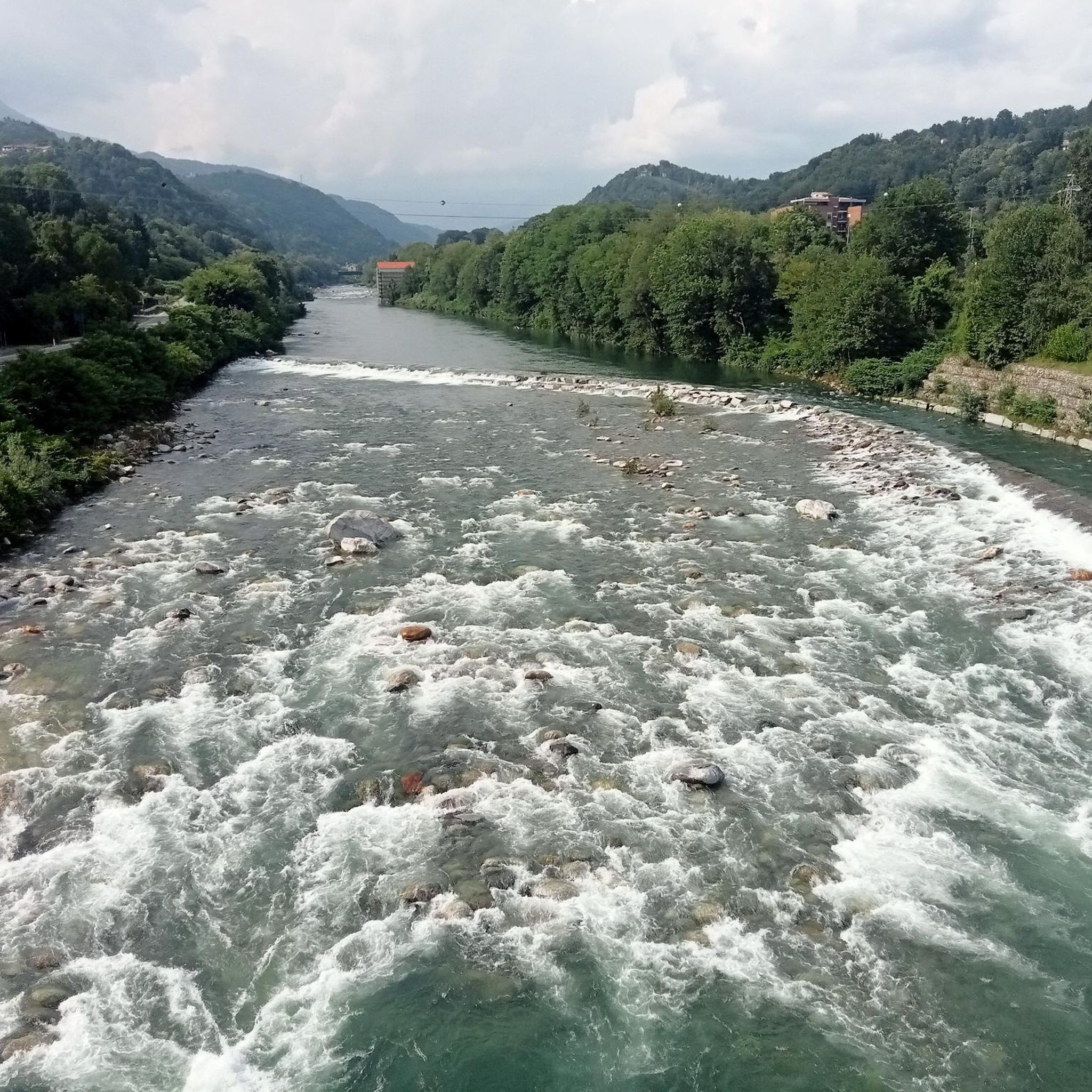
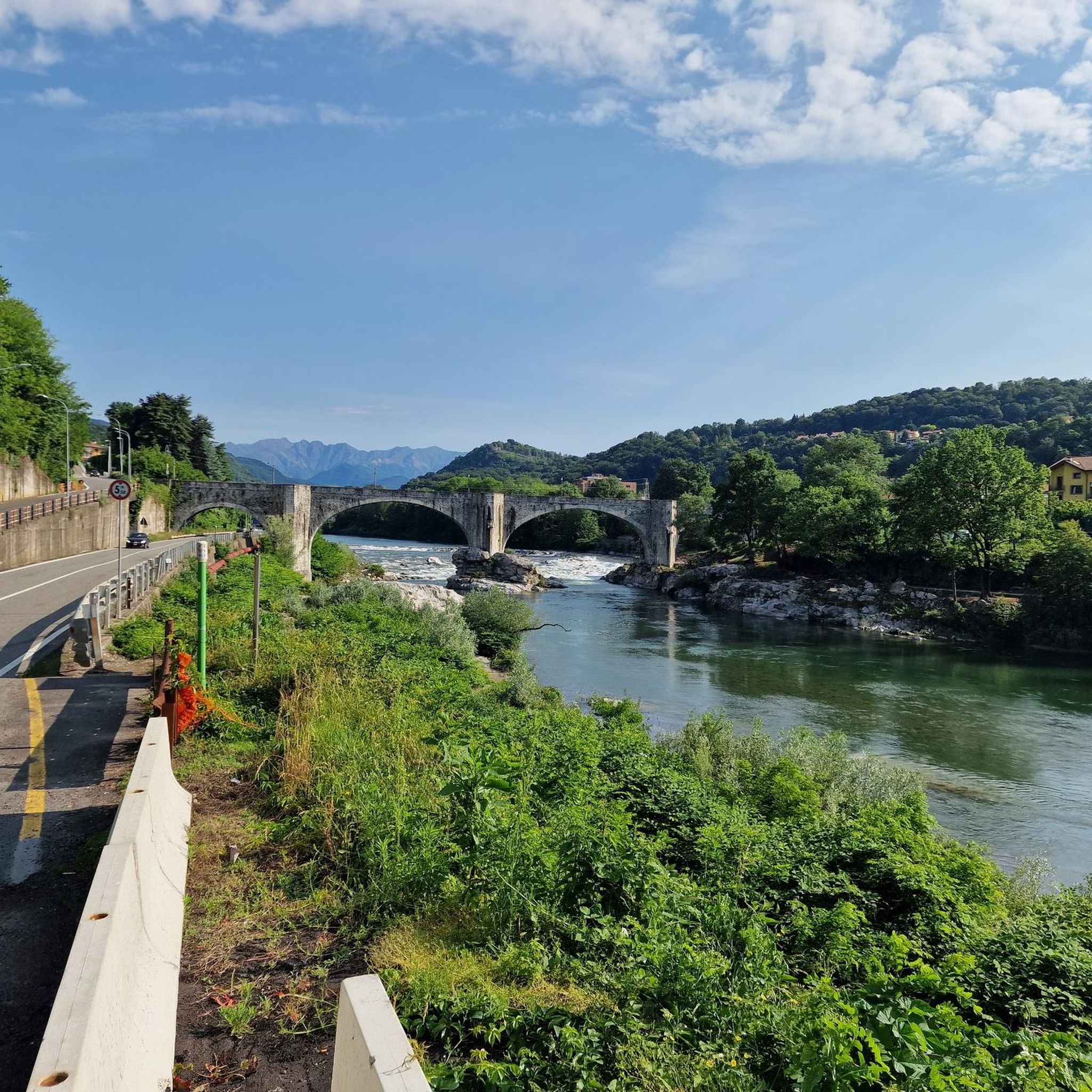
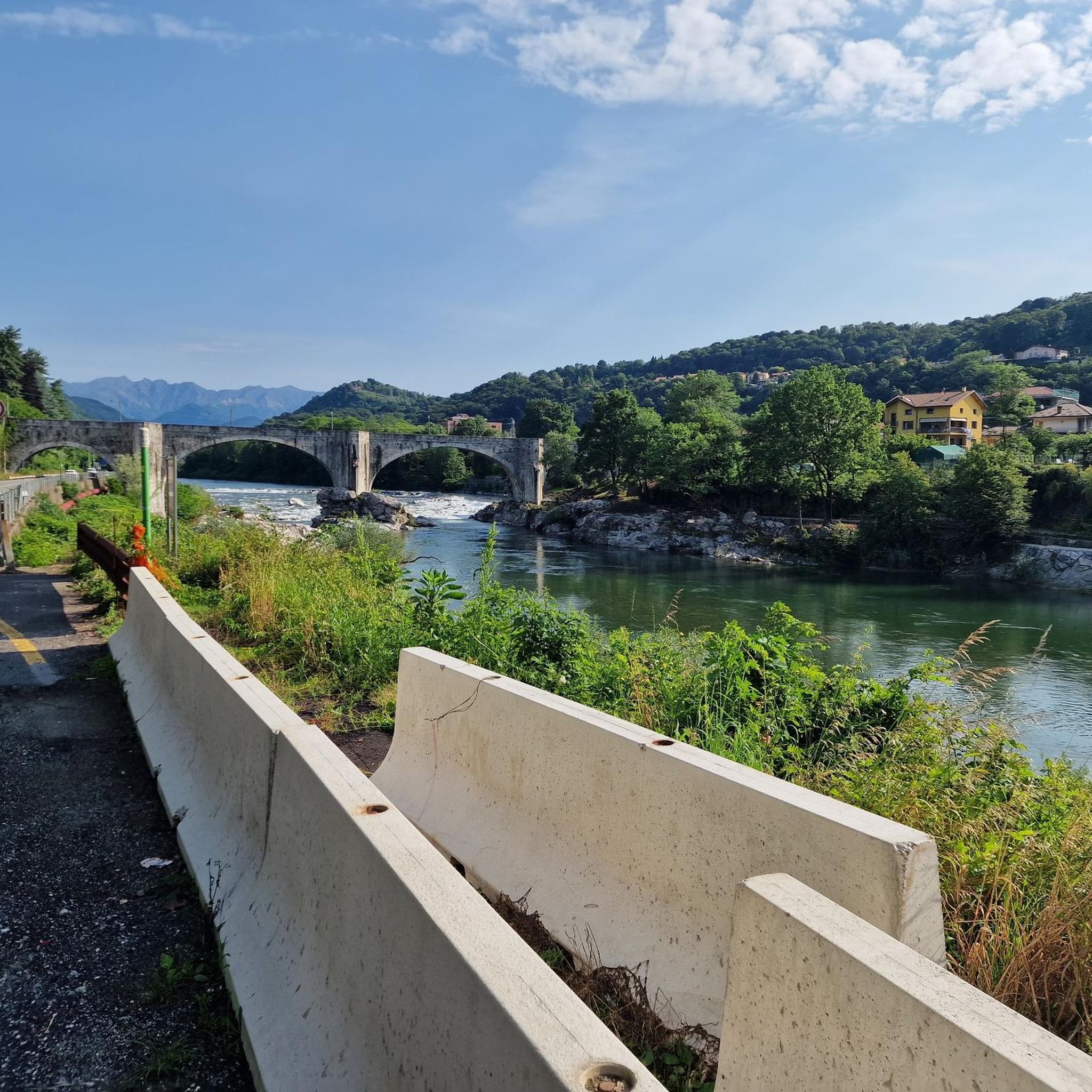
the Alpe Piana refuge, near the Roman bridge, is very welcoming
0
1

you can enjoy an excellent view of the valley
2
0

Little-visited mountain pastures along the Sessera stream. Stone buildings with panoramic terraces. You encounter an unusual underground building with a grass-covered roof, probably used in the past as an ice house. There are fountains with drinking water. We passed through here during a bike ride, and from there we would have liked to continue along a "single track" trail which turned out to be impassable due to dense vegetation.
0
0

Near the farmhouse, another support point for refreshment and a break.
1
0
Nice refuge at Bec d'Ovaga, check that it is open before your excursion if you need to stop and have refreshment. https://www.anavalsesiana.it/rifugio-la-res/
0
0

The Lozzolo Alpini Refuge is a structure with a large rest area, there is also a small chapel with a tiny bell tower. Another interesting element is the view that opens towards the Biella area.
23
0
Frequently Asked Questions
What types of mountain huts are common around Postua?
Around Postua, you'll find both staffed mountain huts, known as "rifugi," which typically offer meals, drinks, and beds, and more basic, unmanned shelters called "bivacchi." The region provides a variety of alpine huts and refuges for hikers.
Which huts offer notable views or natural panoramas?
For stunning views, consider Rifugio Spanna-Osella at Bec d'Ovaga, which provides an unexpected panorama over a good stretch of the lower Valsesia, and on clear days, even Monte Rosa. The Lozzolo Alpini Refuge and Alpini Chapel also offers views towards the Biella area. Additionally, Alpe Piana dei Lavaggi features stone buildings with panoramic terraces.
Are there any family-friendly huts or places for a comfortable break?
Yes, the Monte Barone Hut is known for its delicious home cooking and friendly hosts, making it a great spot for a break. Bar Campo is also a family-friendly option with a playground and a small lake. The private Rifugio Luciano Gilodi "Ca’ Meia" in the broader Valsesia area is also working towards becoming accessible to all, including those with reduced mobility.
What kind of food and refreshments can I expect at the huts?
At the Monte Barone Hut, you can enjoy delicious home cooking, homemade desserts, and wine. Bar Campo also serves as a support point for refreshment and breaks.
What outdoor activities can I do near the huts around Postua?
The Postua area is excellent for various outdoor activities. You can find numerous running trails, road cycling routes, and mountain biking trails. Many huts are strategically located along trails, supporting multi-day treks through chestnut groves and mixed forests.
Are there any historical or cultural features near the huts?
The Lozzolo Alpini Refuge and Alpini Chapel includes a small chapel with a tiny bell tower, adding a cultural element to your visit. The region itself, nestled between the Valsessera and Valsesia valleys, has a rich history tied to its alpine communities.
What is the best time of year to visit the huts around Postua?
The best time to visit for hiking and enjoying the huts is generally during the warmer months when trails are clear of snow and the weather is pleasant. However, some huts might have specific seasonal openings. Always check ahead, especially for private huts.
How can I find out about booking or accessing huts in the Postua area?
Many mountain huts in Italy are owned by the Club Alpino Italiano (CAI). However, some huts around Postua, like Rifugio Primatesta and Rifugio Luciano Gilodi "Ca’ Meia," are private and may open sporadically or upon request, often catering to members. It's advisable to contact local alpine clubs or the specific hut directly for current opening hours and access information.
Are there any huts that are particularly good for a climb through the woods?
Rifugio Spanna-Osella is a suitable destination for a climb through the woods, offering a bearable ascent even in summer, with an unexpected panorama opening up upon arrival at the refuge.
What do visitors appreciate most about the huts around Postua?
Visitors frequently appreciate the delicious home cooking and friendly hosts at places like the Monte Barone Hut. The scenic views, such as the unexpected panorama from Rifugio Spanna-Osella, and the tranquil settings of places like Alpe Piana dei Lavaggi, are also highly valued.
Are there any unique features or initiatives associated with huts in the region?
Yes, the private Rifugio Luciano Gilodi "Ca’ Meia" in the broader Valsesia area is notable for its aim to become the first Piedmontese hut accessible to all, including those with reduced mobility, through protected pathways and suitable rest areas. It is also recognized as a plastic-free refuge, emphasizing environmental concerns.
Most popular attractions around Postua

Get inspired with the komoot mobile app


Explore more
Find more beautiful huts and cabins around Postua by checking out the top ones in these nearby places:
