The best walks and hikes in Shumen Region
4.5
(19)
149
hikers
19
hikes
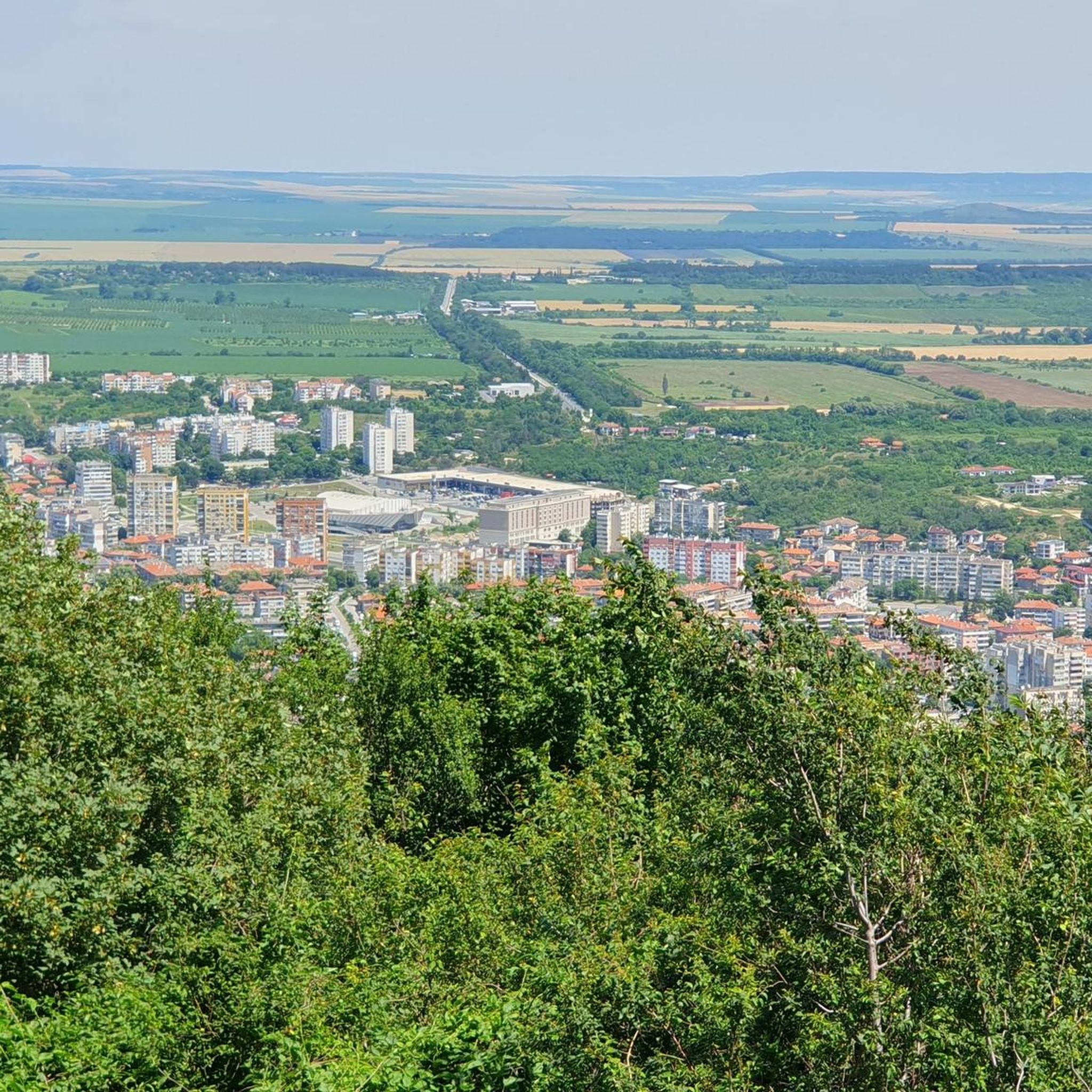
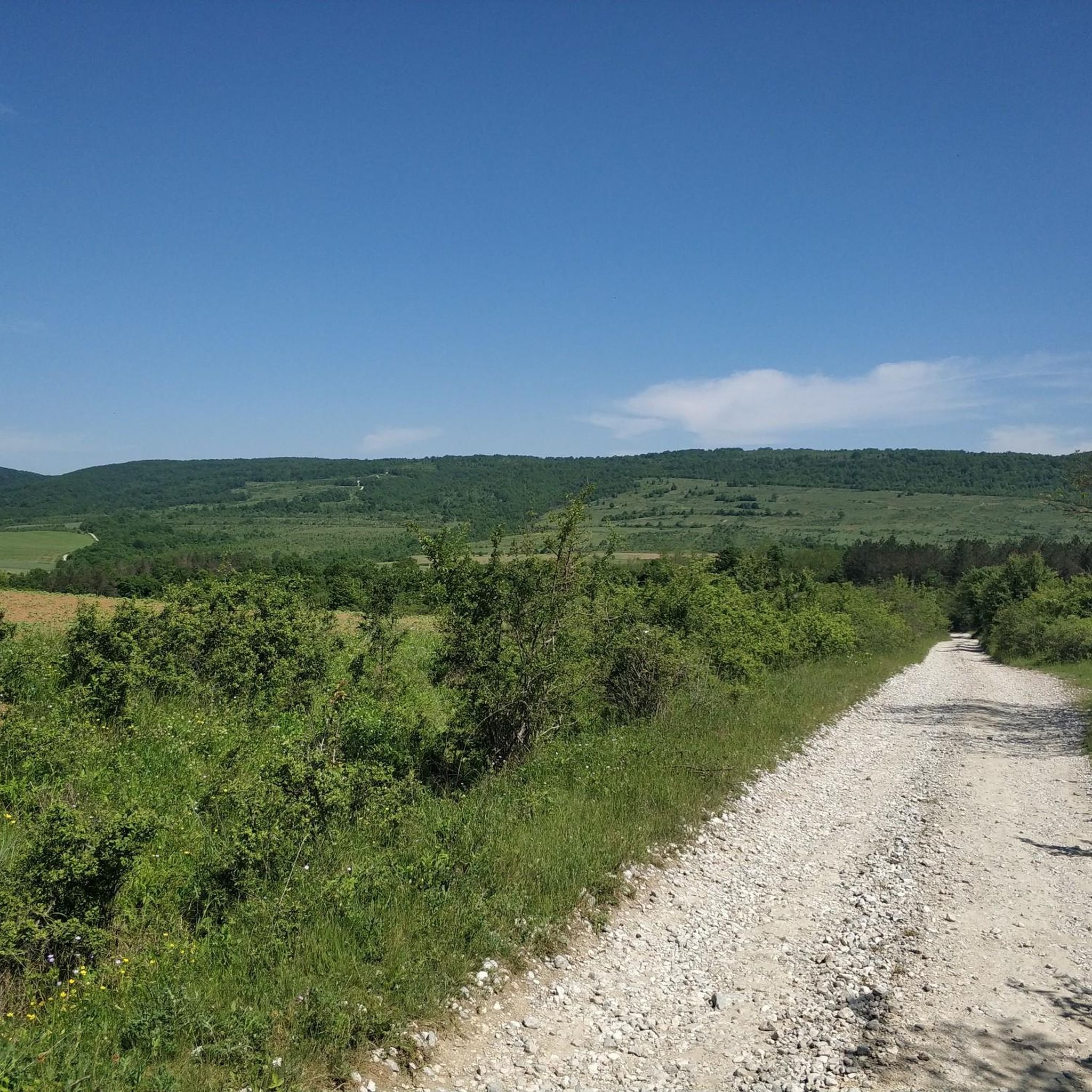
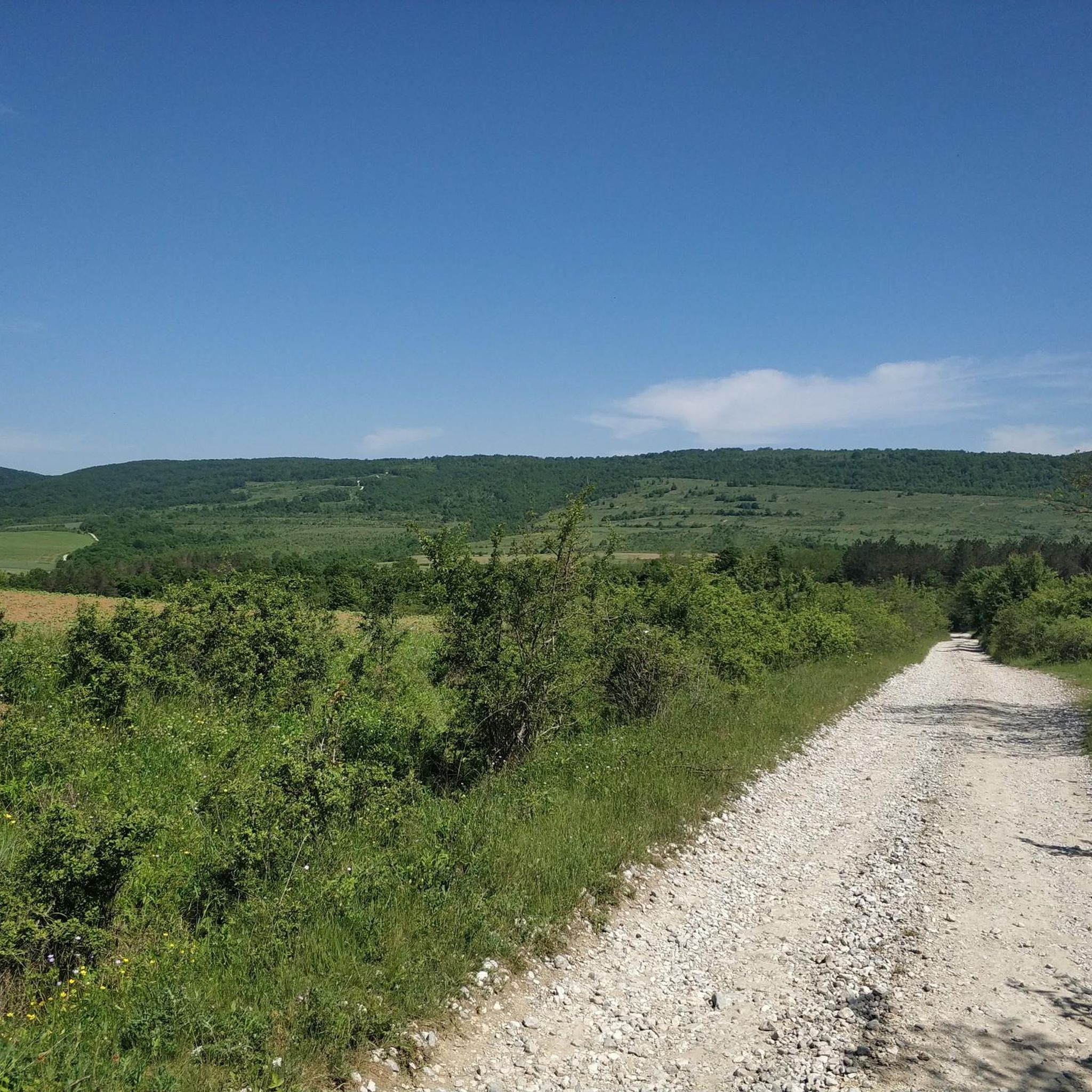
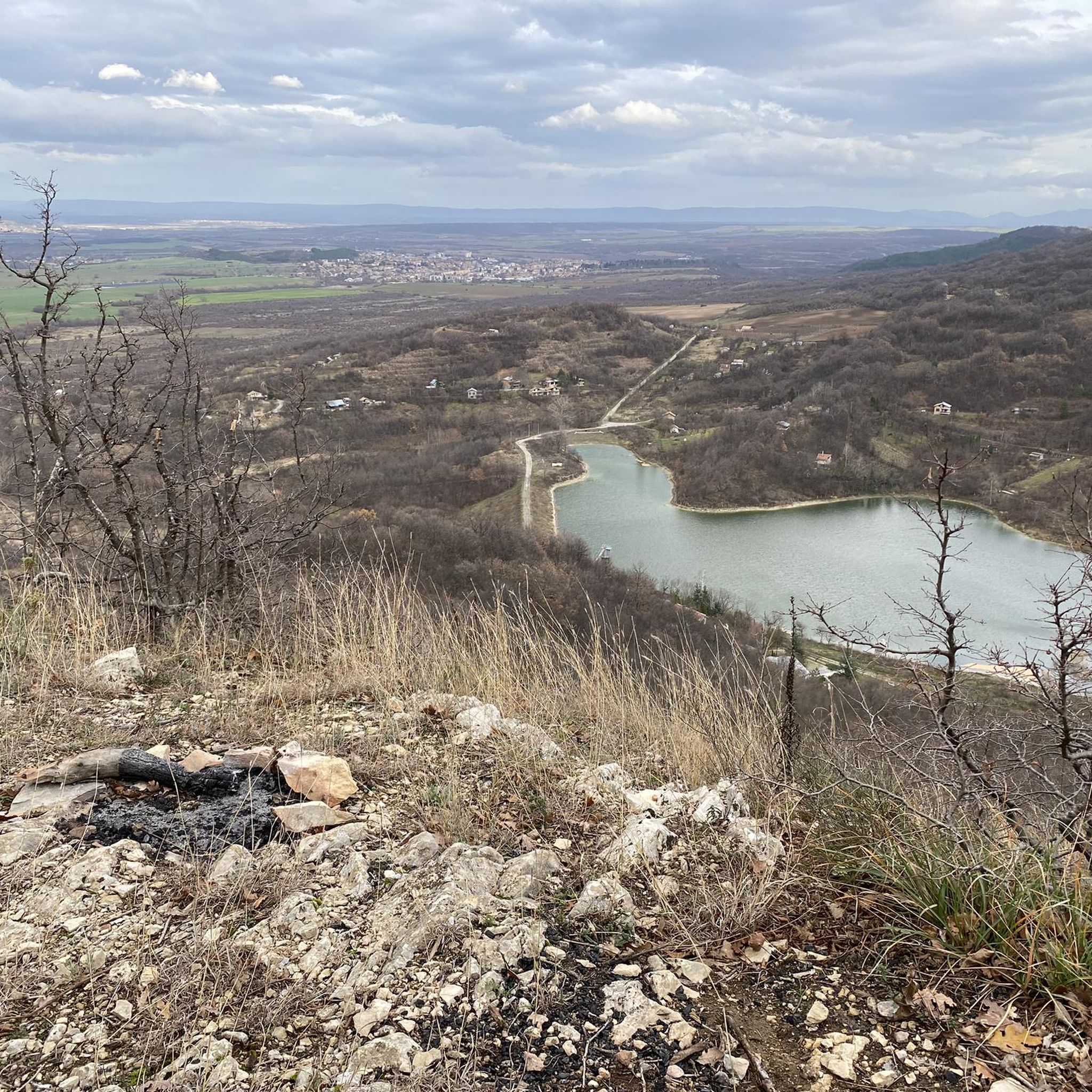
Hiking in Shumen Region offers diverse landscapes, centered around the Shumen Plateau Nature Park. The region features a distinctive tableland landscape with dense mixed deciduous forests and vast meadows. Karst forms, including significant caves and picturesque valley formations, characterize the plateau. Additionally, unique rock formations contribute to the varied terrain.
Best hiking trails in Shumen Region
- The most popular hiking route is Madara Fortress Ruins – Madara Rider Relief loop from Madara Rider, an easy 3.2 miles (5.2 km) trail that takes 1 hour 35 minutes to complete, exploring historical sites and natural rock formations.
- Another top favourite among local hikers is Shumen Fortress loop from Shumen, a moderate 8.2 miles (13.3 km) path. This route offers views of the Shumen Fortress and surrounding natural areas.
- Local hikers also love the Madara Rider Relief – Madara Fortress Ruins loop from Мадара, a 6.9 miles (11.2 km) trail leading through the Madara area, often completed in about 3 hours 24 minutes.
- Hiking in Shumen Region is defined by its tableland landscape, dense mixed deciduous forests, and notable karst and rock formations. The network offers options for different ability levels, from easy walks to more challenging paths.
- The routes in Shumen Region are highly rated by the komoot community with an average score of 4.6 stars from over 10 reviews. More than 100 hikers have used komoot to explore Shumen Region's varied terrain.
Last updated: September 28, 2026
5.0
(1)
13
hikers
5.16km
01:35
180m
170m
Easy hike. Great for any fitness level. Easily-accessible paths. Suitable for all skill levels.
5.0
(4)
14
hikers
13.2km
03:48
270m
270m
Moderate hike. Good fitness required. Easily-accessible paths. Suitable for all skill levels.

4.7
(3)
9
hikers
11.3km
03:26
360m
360m
Moderate hike. Good fitness required. Easily-accessible paths. Suitable for all skill levels.
13
hikers
3.42km
01:15
200m
200m
Easy hike. Great for any fitness level. Easily-accessible paths. Suitable for all skill levels.
10
hikers
6.64km
02:02
220m
220m
Moderate hike. Good fitness required. Easily-accessible paths. Suitable for all skill levels.
2
hikers
23.2km
06:43
570m
570m
Hard hike. Very good fitness required. Easily-accessible paths. Suitable for all skill levels.
Get access to more routes and recommendations from other explorers.
Already have an account?
Our route recommendations are based on thousands of hikes, rides, and runs completed by other people on komoot.
Start today with a free account
Your next adventure awaits.
Popular around Shumen Region
Tips from the Community

A signature crevice right next to the caves, showing how soft and vulnerable the whole rock formation is and that preserving the monument for the generations requires lots of care
0
0

Huge rock and stone structures can be seen here.
2
0

In the V-II centuries BC. the Thracians built the first fortified settlements. In the II-IV century period, it functioned as a dominant fortress guarding important Roman roads. In the 5th–6th centuries, it was a Byzantine stronghold, guarding the approaches to Stara planina. In the late Middle Ages (XII–XIV centuries), the Shumen fortress became one of the most important urban centers of the Second Bulgarian Kingdom. Captured by Ali Pasha in 1388, the fortress also existed in the early period of Ottoman rule. In 1444, during the clash of the crusaders led by Vladislav III Jagielo with the Turkish garrison, it was destroyed and burned. Today, the Shumen fortress is exhibited as an open-air museum.
0
0
A rock staircase with 386 steps climbs the Madar Plateau. It leads to the Madar Fortress. It existed until 1386-1388, when it was conquered by the Ottomans. It is shaped like an irregular triangle with a gate on the north side. Its walls are high and built of hewn stone. Foundations of a church can be seen inside.
1
0

Here you will find several caves, all of which are accessible. There is a church in a cave. The caves have been used since the Stone Age (200,000 BC).
0
0
Old Bulgarian pagan cult complex. It includes a large, flat-on-top piece of rock, used in cult ceremonies. Several premises were built around it, and aboive it there is an artificially levelled rock site. This is a place, filled with energy. „Kapishte“ were called the sacred places of the proto-Bulgarians in the pre-Christian era.
1
0

Nice place with fortress and beautiful rocks and semi-caves
2
0
Amazing statues were made long before Transformers movie.
3
0
Frequently Asked Questions
What types of landscapes can I expect to see while hiking in Shumen Region?
Shumen Region offers a diverse landscape, primarily centered around the Shumen Plateau Nature Park. You'll encounter a distinctive tableland landscape with dense mixed deciduous forests, vast meadows, and unique karst formations. These include significant caves like Biserna Cave and Taynite ponori Cave, as well as picturesque valley formations and remarkable rock phenomena such as "The Eye of Osmar" and "The Stone Forest."
Are there hiking trails suitable for families or beginners in Shumen Region?
Yes, Shumen Region has several easy trails perfect for families or those new to hiking. For instance, the Madara Fortress Ruins – Madara Rider Relief loop from Madara Rider is an easy 5.2 km route that takes about 1 hour 35 minutes, combining historical sites with natural beauty. Another accessible option is the Hiking loop from Shumen, an easy 3.4 km trail.
What historical landmarks or attractions can I visit along the hiking routes?
The region is rich in historical sites. You can explore the UNESCO World Heritage site of the Madara Rider Relief, carved into a rock face, and the nearby Madara Fortress Ruins. The Shumen Fortress, an open-air museum, is also accessible via hiking paths. Additionally, ancient rock monasteries like Khan Krum Rock Monastery offer a blend of history and natural beauty.
Are there any circular hiking routes available in Shumen Region?
Many of the trails in Shumen Region are designed as loops, offering convenient circular routes. Examples include the Shumen Fortress loop from Shumen, a moderate 13.3 km path, and the Костадинов манастир loop from Osmar, an easy 6.5 km route. These loops allow you to start and end at the same point without retracing your steps.
When is the best time of year to go hiking in Shumen Region?
The best time for hiking in Shumen Region is during spring (April to June) and early autumn (September to October). During these months, the weather is mild, and the flora is vibrant, making for pleasant conditions on the trails. Summer can also be suitable, but it's advisable to start early to avoid the midday heat.
Are there any waterfalls to see on hikes in Shumen Region?
Yes, the Shumen Region features natural attractions like the Skoka Waterfall. While not all hiking routes pass directly by it, it's a notable natural monument in the area that can be incorporated into a hiking plan or visited separately.
What do other hikers say about the trails in Shumen Region?
The hiking routes in Shumen Region are highly rated by the komoot community, with an average score of 4.6 stars from over 10 reviews. Hikers often praise the well-marked eco-trails, the diverse natural features, and the opportunity to combine outdoor activity with visits to historical landmarks like the Madara Rider and Shumen Fortress.
How many hiking trails are available in Shumen Region?
There are over 20 hiking routes available in Shumen Region, catering to various fitness levels. This includes 9 easy trails, 11 moderate trails, and 1 more challenging option, ensuring there's something for everyone.
Are there any caves or unique rock formations to explore?
Absolutely. The Shumen Plateau is known for its karst formations, including significant caves like Biserna Cave and Taynite ponori Cave. You can also explore the Madara Caves near the Madara Rider. Unique rock formations such as "The Eye of Osmar" and "The Stone Forest" also add to the region's natural appeal.
Is it possible to reach hiking trailheads using public transport?
While specific public transport options to every trailhead may vary, Shumen city serves as a central hub. From there, local buses or taxis can often connect you to popular starting points for trails within the Shumen Plateau Nature Park and surrounding areas like Madara. It's advisable to check local transport schedules in advance.
Are there parking facilities available at the trailheads?
Yes, for many of the popular hiking areas, particularly within the Shumen Plateau Nature Park and near major attractions like the Madara Rider and Shumen Fortress, you will find designated parking facilities. These are typically well-signposted and provide convenient access to the trail networks.
What is the typical duration for hikes in Shumen Region?
Hiking durations in Shumen Region vary widely depending on the trail's length and difficulty. Easy routes, such as the Madara Fortress Ruins – Madara Rider Relief loop, can be completed in about 1 hour 35 minutes. Moderate trails, like the Madara Rider Relief – Madara Fortress Ruins loop, might take around 3 hours 24 minutes, while longer routes can extend to 5 hours or more.
Most popular attractions in Shumen Region

Get inspired with the komoot mobile app


Didn’t find what you were looking for?
Check out more Hikes throughout Shumen Region below and find the perfect route in your destination.
Explore more
Browse the best Hikes in other regions.
