Attractions and Places To See around Candia Lomellina - Top 20
Best attractions and places to see around Candia Lomellina include historical landmarks, cultural sites, and natural features. Located in the province of Pavia, Lombardy, Italy, this municipality is situated near the Sesia River and is surrounded by extensive rice fields. The area offers a blend of historical heritage and natural landscapes, characteristic of the Lomellina region.
Best attractions and places to see around Candia Lomellina
- The most popular attractions is Sartirana Castle, a castle built towards the end of…
Last updated: July 21, 2026
Sartirana Castle
Highlight • Castle
Translated by Google •
Tip by

Church of San Valeriano, Robbio
Highlight • Religious Site
A church …
Tip by

Sign up now to discover places like this
Get recommendations on the best single tracks, peaks, & plenty of other exciting outdoor places.
Sign up for free
Dosso of Lomellina
Highlight • Natural Monument
Translated by Google •
Tip by
Castello di Pomaro
Highlight • Castle
Translated by Google •
Tip by
Olevano di Lomellina
Highlight • Settlement
Translated by Google •
Tip by
Sign up for free to discover even more attractions around Candia Lomellina.
Sign up for free
Already have an account?
Start today with a free account
Your next adventure awaits.
Login or Signup

Tips from the Community

Sartirana beautiful castle, a pity about the cars parked in front
0
0

Church of San Valeriano
0
0

Medieval monument in Robbio (12th century), it has preserved its simple Romanesque decoration. Entirely in terracotta, it stood near the gate of San Pietro, on the road to Mortara, and there was an adjoining hospital, mentioned in the chronicles as early as the 13th century.
0
0

San Pietro is a small Romanesque-style Roman Catholic church located at the intersection of Via Mortara and Via Roma in the town center of Robbio, province of Pavia. A church at the site is documented since 1125-1150. Built with brick, the apse ends in a typical Romanesque hemicycle. Among the frescoes, is a Christ in a mandorla surrounded by the four evangelists. The fresco of the Trinity is dated 1507. The church and Robbio is located along the Via Francigena. The church was restored to its Romanesque decor in 1960. (Wikipedia)
6
0


A church at this site has been documented since the 12th century, when it was part of a Cluniac monastery of the Benedictine order located on the pilgrimage route to Rome, the Via Francigena. The monastery has suffered a lot over the centuries; An inscription states that the monastery was destroyed in 1216. The brick church has three naves and the three apses end in a typical Romanesque semicircle. The monastery buildings are no longer preserved. There are no remains of a former bell tower that was still there in the 16th century. The church is dedicated to Saint Valerian, a bishop martyred by Genseric in Tunisia in 460. The relics of this pre-Schism Western saint were said to have been taken to Pavia and then to Robbio. The church was desecrated centuries ago and at times used as a warehouse or barracks. There is no interior decoration. Source: Wikipedia
0
0

A beautiful village in Monferrato.
5
0

Fascinating medieval village that stands on the hill.
1
0
Frequently Asked Questions
What historical landmarks can I explore in Candia Lomellina?
Candia Lomellina and its surroundings offer several historical landmarks. You can visit the ancient Sartirana Castle, a 14th-century fortress with a quadrilateral layout, moat, and internal courtyard, which now hosts cultural events. Within Candia Lomellina itself, the 10th-century Castello (Castle), though largely in ruins, is still referenced by locals as the 'Castellone'. Piazza San Carlo, the main square, features the Town Hall and monuments dedicated to fallen soldiers and Saint Charles Borromeo.
Are there any notable churches or religious sites to visit in the area?
Yes, Candia Lomellina is home to significant religious sites. The Chiesa di San Michele, dating back to the 13th century, houses prestigious paintings and 16th-century frescoes by Pietro Francesco Lanino and Guglielmo Caccia. The Chiesa Parrocchiale di Santa Maria delle Grazie features a classical exterior with statues of saints and a three-nave interior. Nearby, you can also visit the Church of San Valeriano, Robbio, a Romanesque-style church documented since the 12th century and located along the historic Via Francigena.
What natural attractions are there around Candia Lomellina?
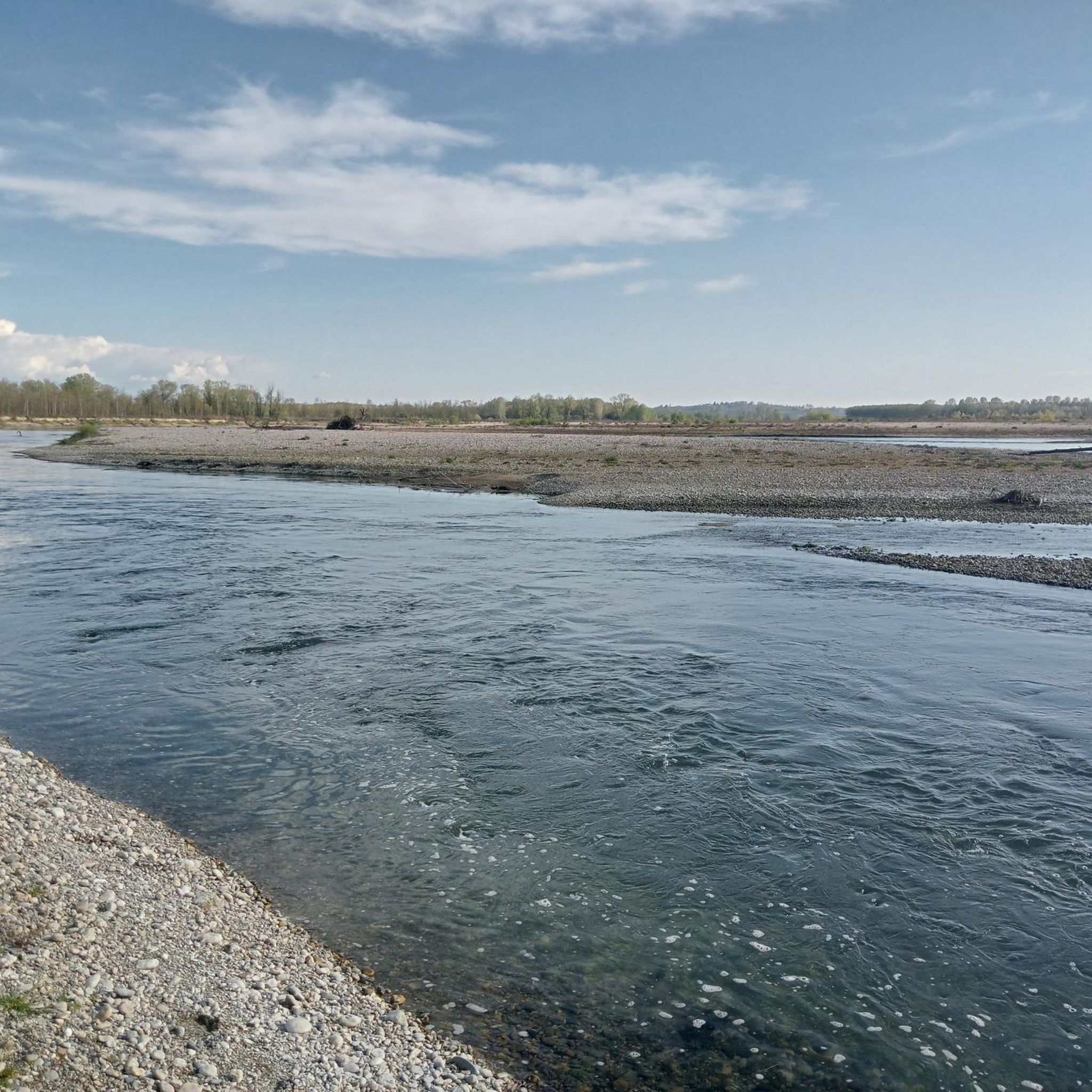
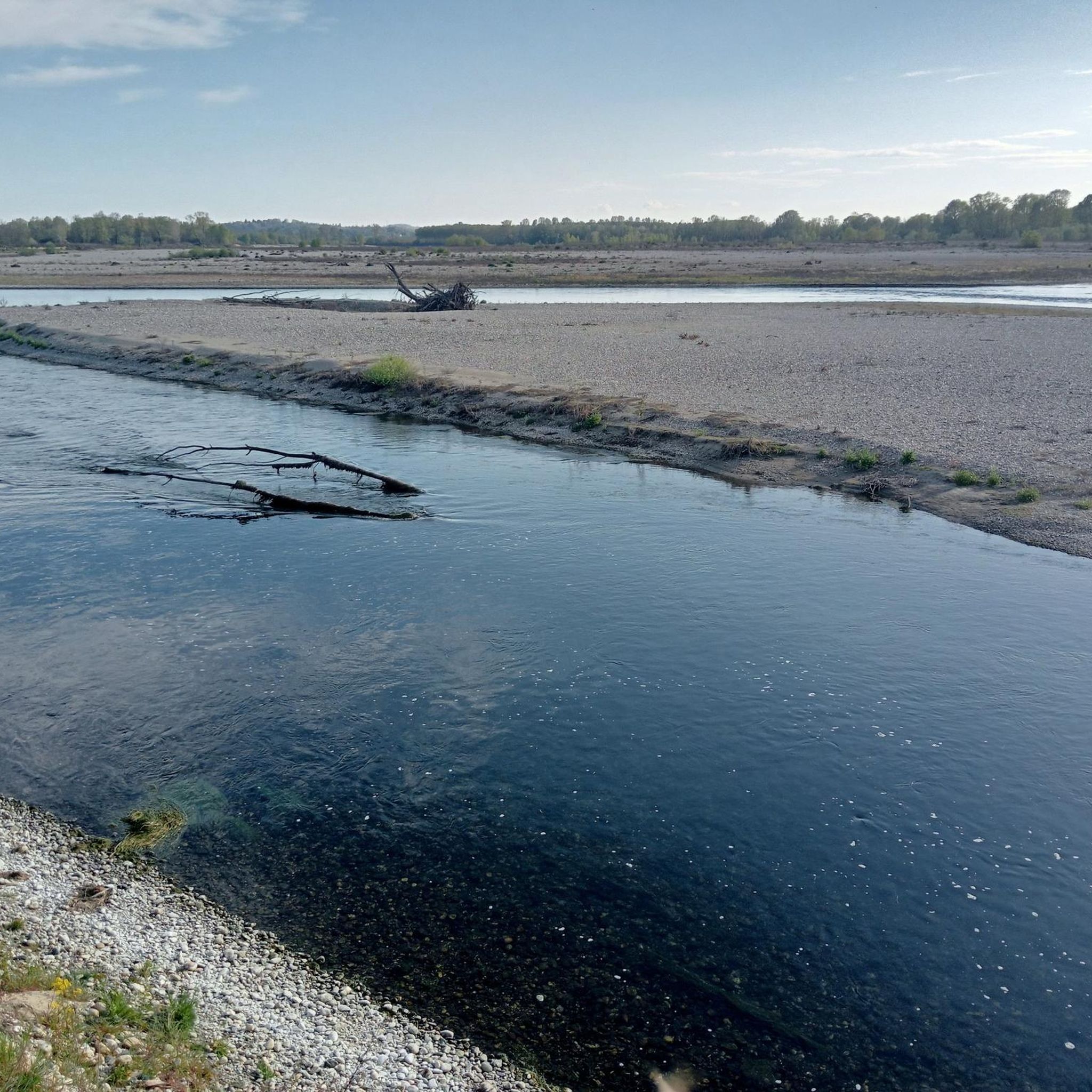
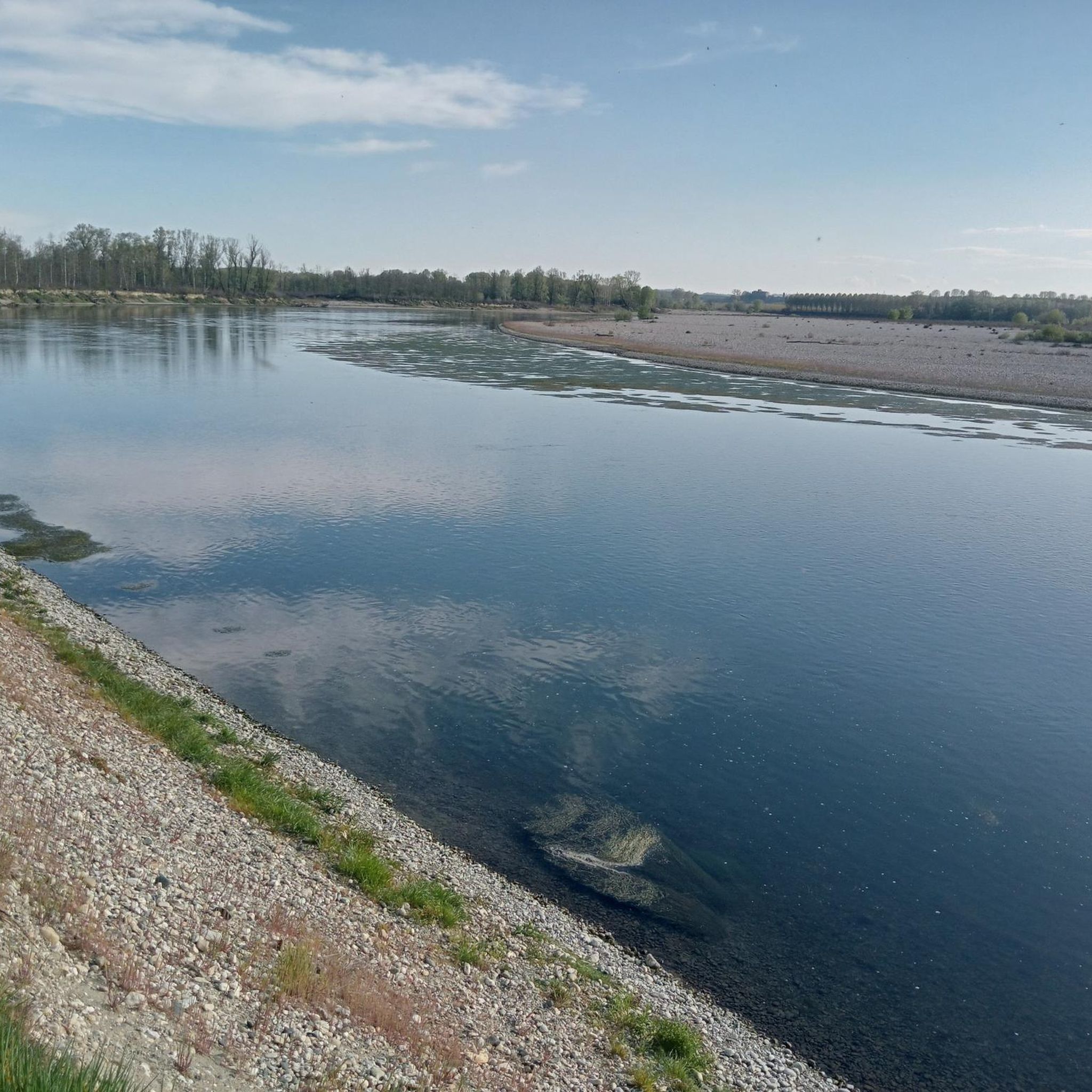
The region boasts several natural points of interest. The Dosso of Lomellina is a natural monument featuring tiny sandy hills, which are remnants of ancient river changes. The Monumento Naturale 'Garzaia della Rinalda' is a protected area near the Sesia River, safeguarding environments for nesting herons and other bird species amidst high humidity vegetation and irrigation canals. The Sesia River itself and the extensive rice fields characterize the natural landscape, offering opportunities for healthy walks.
Can I go hiking or walking near Candia Lomellina?
Absolutely. The area around Candia Lomellina is ideal for walking and hiking. You can explore the natural beauty of the rice fields and the banks of the Sesia River. For more structured routes, consider the various hiking trails available, such as the 'Po and Orba River Park Loop' or routes starting from Casale Monferrato. You can find detailed information and maps for these trails in the Hiking around Candia Lomellina guide.
Are there cycling or mountain biking opportunities in the area?
Yes, the region offers several options for cycling and mountain biking. The Po River at Bosco della Pastrona features the 'Kintana' trail, a 10 km route suitable for mountain biking and running. You can find a variety of routes, including challenging and moderate options, in the MTB Trails around Candia Lomellina guide.
What is the landscape like in the Lomellina region?
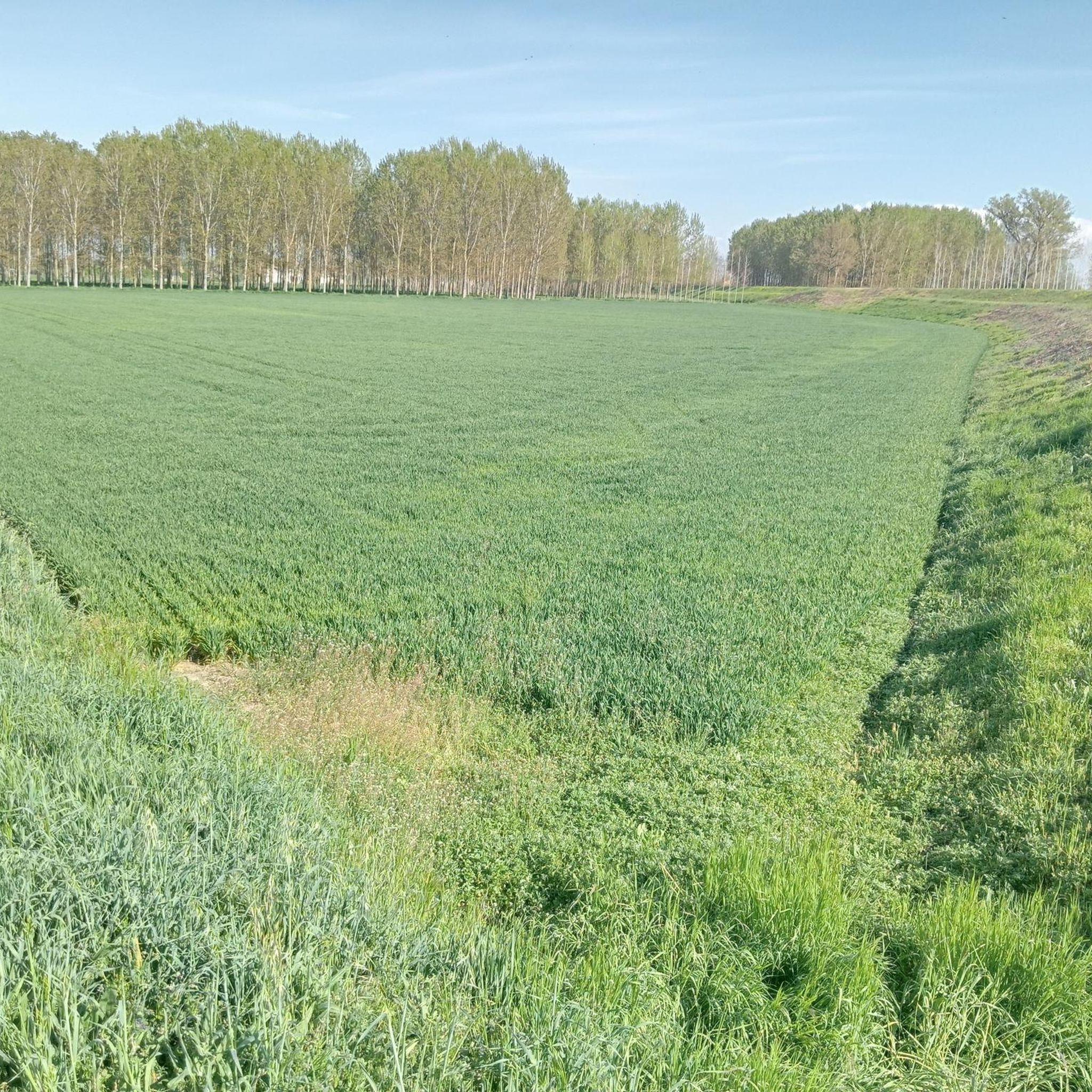
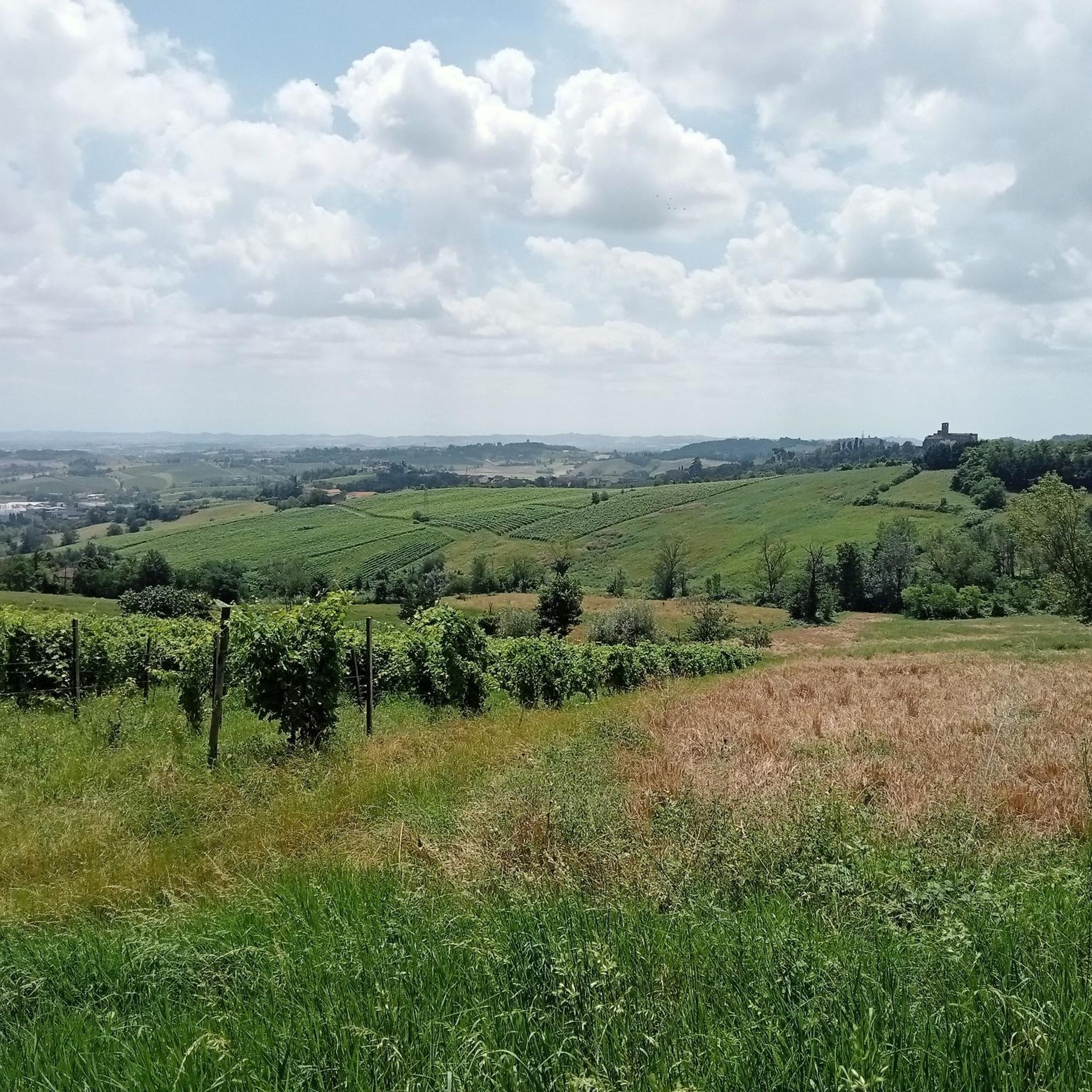
The Lomellina region is characterized by a fertile agricultural landscape, dominated by extensive rice fields. It's generally flat, but features subtle undulations like the sandy hills of the Dosso of Lomellina, which testify to the historical changes of river paths. The presence of the Sesia River and numerous irrigation canals adds to the natural beauty, creating a unique environment with high humidity vegetation and protected wetlands known as 'garzaie' for bird species.
Are there family-friendly attractions around Candia Lomellina?
Many attractions in the area are suitable for families. Historical sites like Sartirana Castle offer an engaging glimpse into the past. Natural areas such as the Dosso of Lomellina and the protected Garzaia della Rinalda provide opportunities for easy walks and birdwatching, which can be enjoyable for all ages. The nearby Po River at Bosco della Pastrona also has a picnic area and accessible trails.
What is the best time to visit Candia Lomellina for outdoor activities?
While the guide data doesn't specify a single 'best' time, the tips for Sartirana Castle suggest visiting in autumn, winter, or spring to avoid the summer heat and mosquitoes. For general outdoor activities like hiking and cycling, spring and autumn typically offer pleasant temperatures and beautiful scenery, especially with the changing colors of the rice fields and surrounding nature.
What unique cultural traditions are found in Candia Lomellina?
Candia Lomellina remembers 'La Pierina,' a courageous peasant woman from the 17th century Monferrato War. Her martyrdom is commemorated annually on Mardi Gras with a large bonfire, reflecting a deep-rooted local tradition and historical memory.
What do visitors enjoy most about the attractions around Candia Lomellina?
Visitors appreciate the blend of historical richness and natural beauty. The well-preserved Sartirana Castle is a main draw, offering a journey through history and hosting cultural events. The serene Romanesque architecture of the Church of San Valeriano along the Via Francigena is also highly valued. Many enjoy discovering the unique natural formations like the Dosso of Lomellina and the peaceful walks through the rice fields and along the Sesia River.
Are there any other castles or historical sites nearby that are worth visiting?
Beyond Sartirana, you might consider visiting Castello di Pomaro. This 12th-century manor, with its stakeout tower and moat, is situated on a hill and holds significant historical importance due to its strategic position on the border of the Monferrato marquisate.
Where can I find running trails near Candia Lomellina?
For running enthusiasts, there are several trails available in the vicinity. Routes like the 'View of the River Po loop' or various loops starting from Casale Monferrato offer different distances and difficulty levels. You can explore these options and find detailed maps in the Running Trails around Candia Lomellina guide.
Most popular routes around Candia Lomellina
Most popular attractions around Candia Lomellina

Get inspired with the komoot mobile app


Explore more
Still not found the Highlight you’re looking for? See guides of the top attractions in other regions:
