Attractions and Places To See around Crabonaxa/Villasimius - Top 20
Best attractions and places to see around Crabonaxa/Villasimius, also known as Villasimius, is a destination in Sardinia, Italy, characterized by its natural beauty, historical landmarks, and cultural sites. The region features diverse beaches, marine protected areas, ancient towers, and archaeological sites. Visitors can explore a variety of landscapes, from fine sandy shores to granite rock formations and lagoons. The area offers a blend of coastal scenery and historical depth.
Best attractions and places to see around Crabonaxa/Villasimius
- The most popular…
Last updated: August 2, 2026
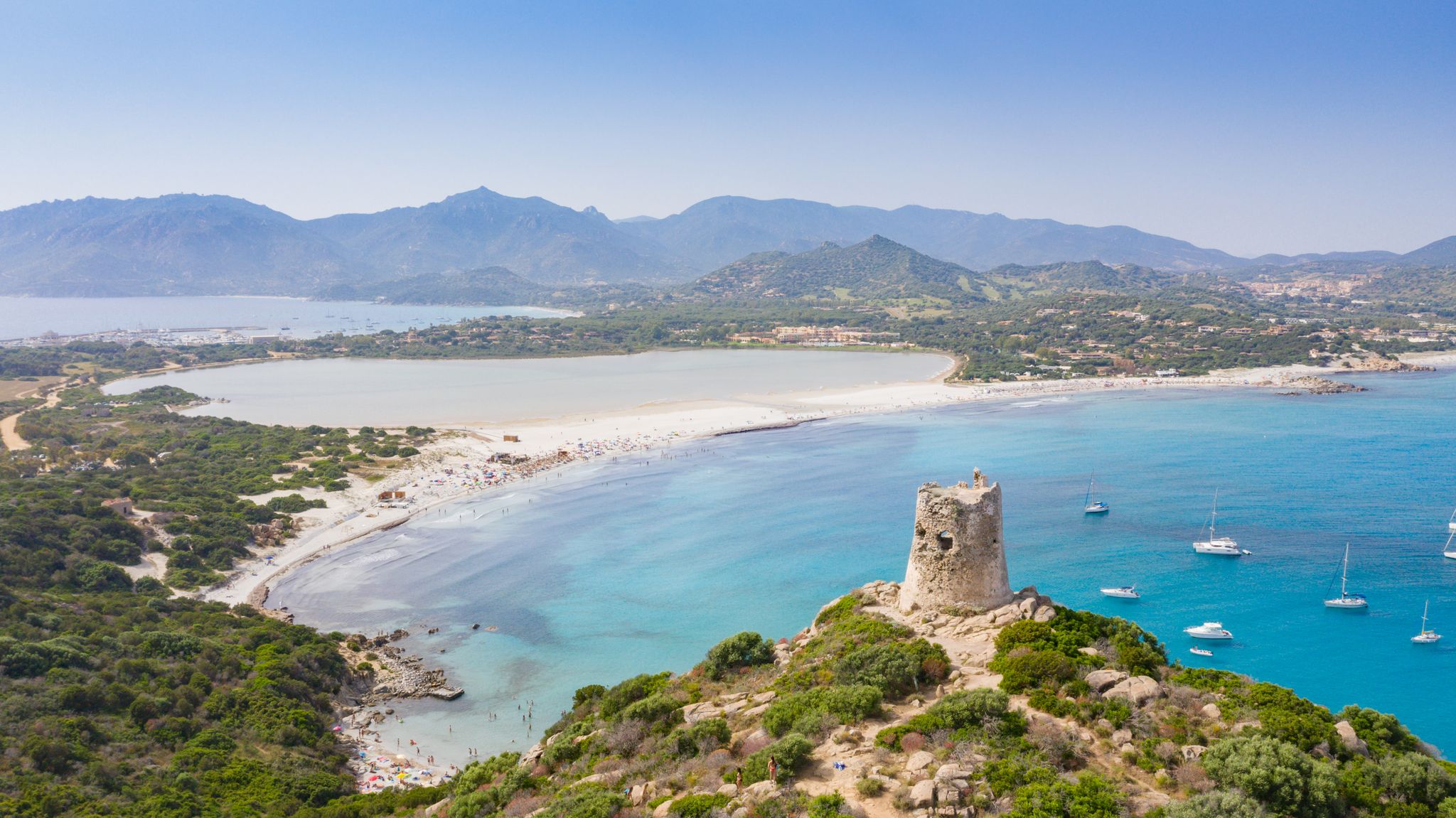
Porto Giunco Tower
Highlight • Monument
Translated by Google •
Tip by

Solanas Beach
Highlight • Beach
Translated by Google •
Tip by

Sign up now to discover places like this
Get recommendations on the best single tracks, peaks, & plenty of other exciting outdoor places.
Sign up for free
SP20 Gravel Road Castiadas
Highlight • Trail
Translated by Google •
Tip by

Villasimius
Highlight • Beach
Translated by Google •
Tip by

Punta Molentis Beach
Highlight • Beach
Translated by Google •
Tip by

Sign up for free to discover even more attractions around Crabonaxa/Villasimius.
Sign up for free
Already have an account?
Start today with a free account
Your next adventure awaits.
Login or Signup
Popular around Crabonaxa/Villasimius
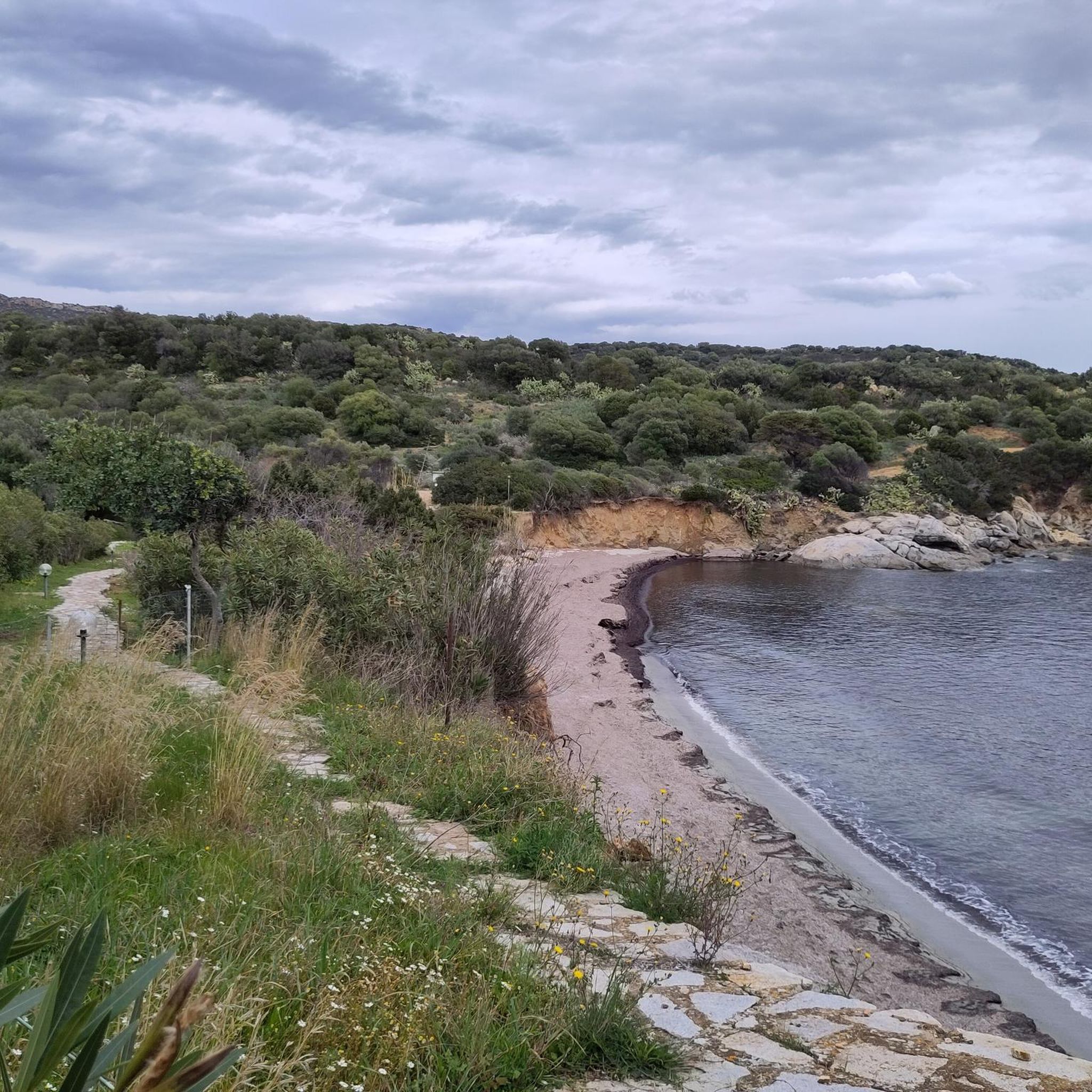
Villasimius to Arbatax along the Via Sarcapos - Cammino 100 Torri
Hiking around Crabonaxa/Villasimius
Running Trails around Crabonaxa/Villasimius
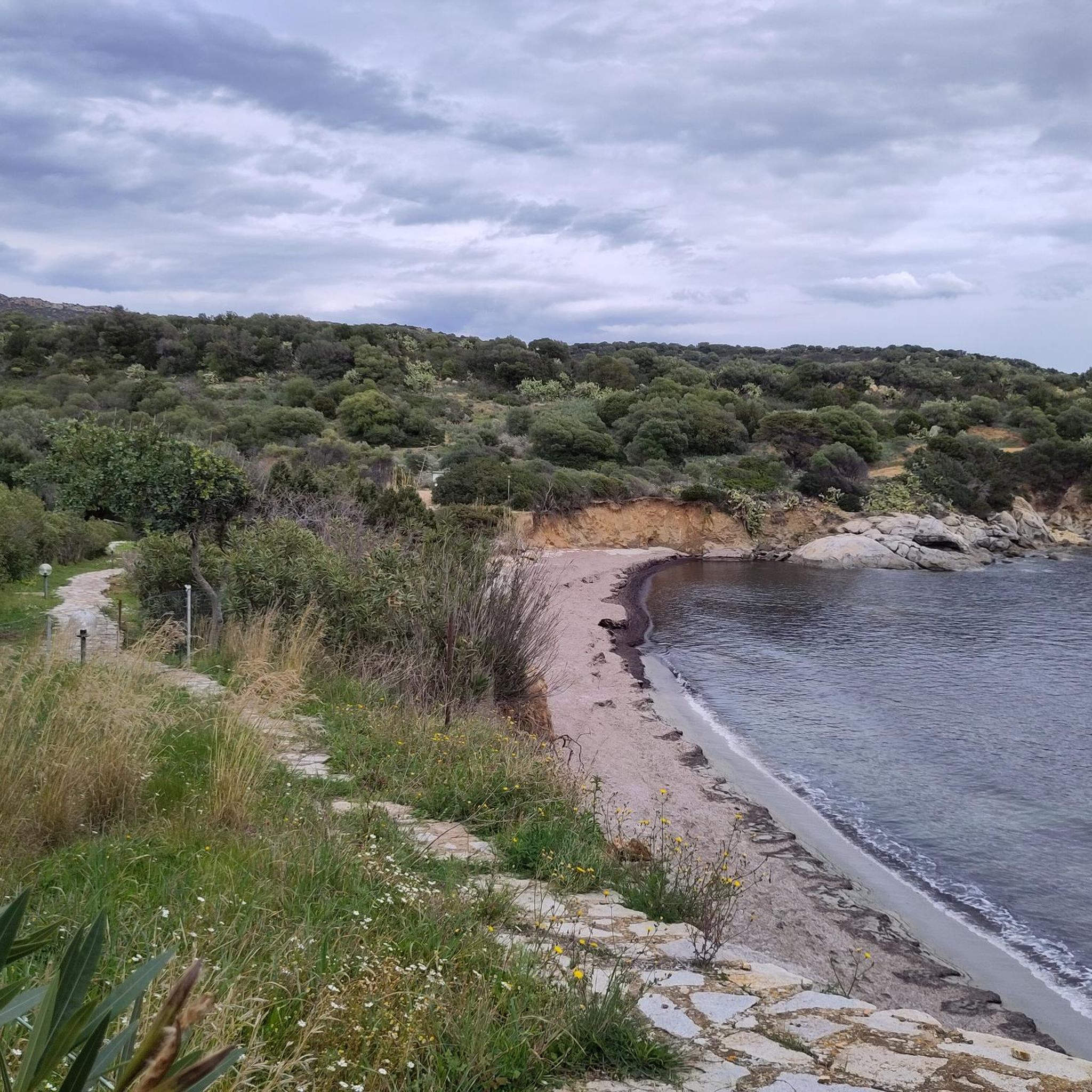
Cycling around Crabonaxa/Villasimius
MTB Trails around Crabonaxa/Villasimius
Road Cycling Routes around Crabonaxa/Villasimius

Gravel biking around Crabonaxa/Villasimius
Other adventures around Crabonaxa/Villasimius

Tips from the Community

The journey takes you along a gravel road that branches off the coastal road between Costa Rei and Villasimius. The route is easy to drive on, but hardly signposted. The L'Oleandro Hotel & Beach is located in one of the winding roads and will serve as a signpost. The side road, Strada per Punta Molentis, leads off to the beach. Parking is free on the side of the road or on gravel areas near the beach. However, finding a parking space can be difficult, especially in high season.
1
0
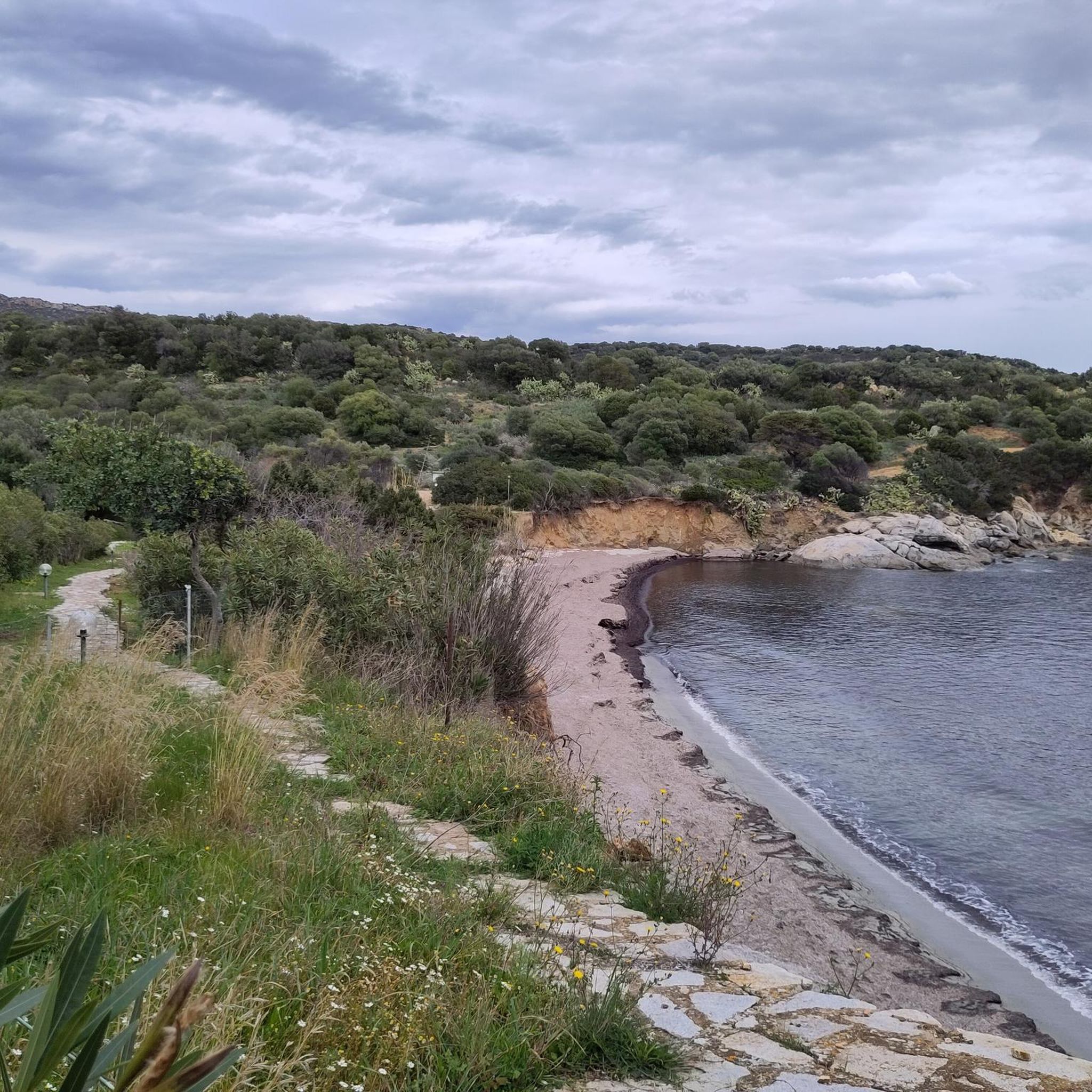
The small dream bay of Punta Molentis on the south-east coast of Sardinia impresses with its picture-book panorama and crystal-clear water. The beach is the link between the mainland and the small peninsula of Punta Molentis. The special thing about the beach: one side of the beach is in a bay, has fine sand and attracts with shallow, calm water. The other side of the beach faces the open sea and is characterized by rocks and waves. Despite its isolation, the beach is very popular. To enjoy the view in peace, a visit early in the morning or in the off-season is ideal.
1
0


The Tower of Porto Giunco, a historic Spanish watchtower from the mid-1500s, sits atop a hill at 50 meters above sea level, overlooking the beautiful Porto Giunco beach. The hike to the tower is rewarded with stunning panoramic views of the coastline, including the famous "three seas" view. The tower, built from local granite, was part of a defense system against pirates. It's a serene, must-visit spot for hikers and nature lovers, offering breathtaking vistas.
2
1


One of the most beautiful cities I have visited.
1
1
A very nice sandy beach with clear water.
1
1

The beach and rocks of Punta Molentis are one of the absolute highlights of Sardinia. A dream in the preseason, a nightmare in the season (as you can see in the different pictures) even though the municipality has limited access to 500 people.
2
1
Frequently Asked Questions
What are the best beaches for relaxation and water sports in Crabonaxa/Villasimius?
For relaxation and water sports, Solanas Beach is highly recommended. It features fine, golden sand and clear waters, ideal for windsurfing and kitesurfing. Another popular choice is Spiaggia di Porto Sa Ruxi, known for its beauty. Cala Pira offers serene, calm waters, perfect for a peaceful beach day.
Are there any historical sites or landmarks to visit in Crabonaxa/Villasimius?
Yes, the region is rich in history. You can explore the Porto Giunco Tower, a historic Spanish watchtower from the mid-1500s, offering stunning panoramic views. The Fortezza Vecchia (Old Fortress) provides insights into the region's past, and the Museo Archeologico di Villasimius showcases local archaeological findings.
What are the best viewpoints in the Crabonaxa/Villasimius area?
The Porto Giunco Tower is a prime spot, offering a famous 'three seas' view of the coastline. From here, you can see multiple beaches and the surrounding capes. The area around Capo Carbonara also provides excellent vantage points over the marine protected area.
What activities are available for families with children in Crabonaxa/Villasimius?
Families will enjoy Punta Molentis Beach, which has a fine, shallow sandy area, making it ideal for young children. Cala Pira is also known for its calm waters, perfect for families. Many beaches, including Solanas Beach and Costa Rei, are noted as family-friendly.
Where can I experience the natural beauty and wildlife of Crabonaxa/Villasimius?
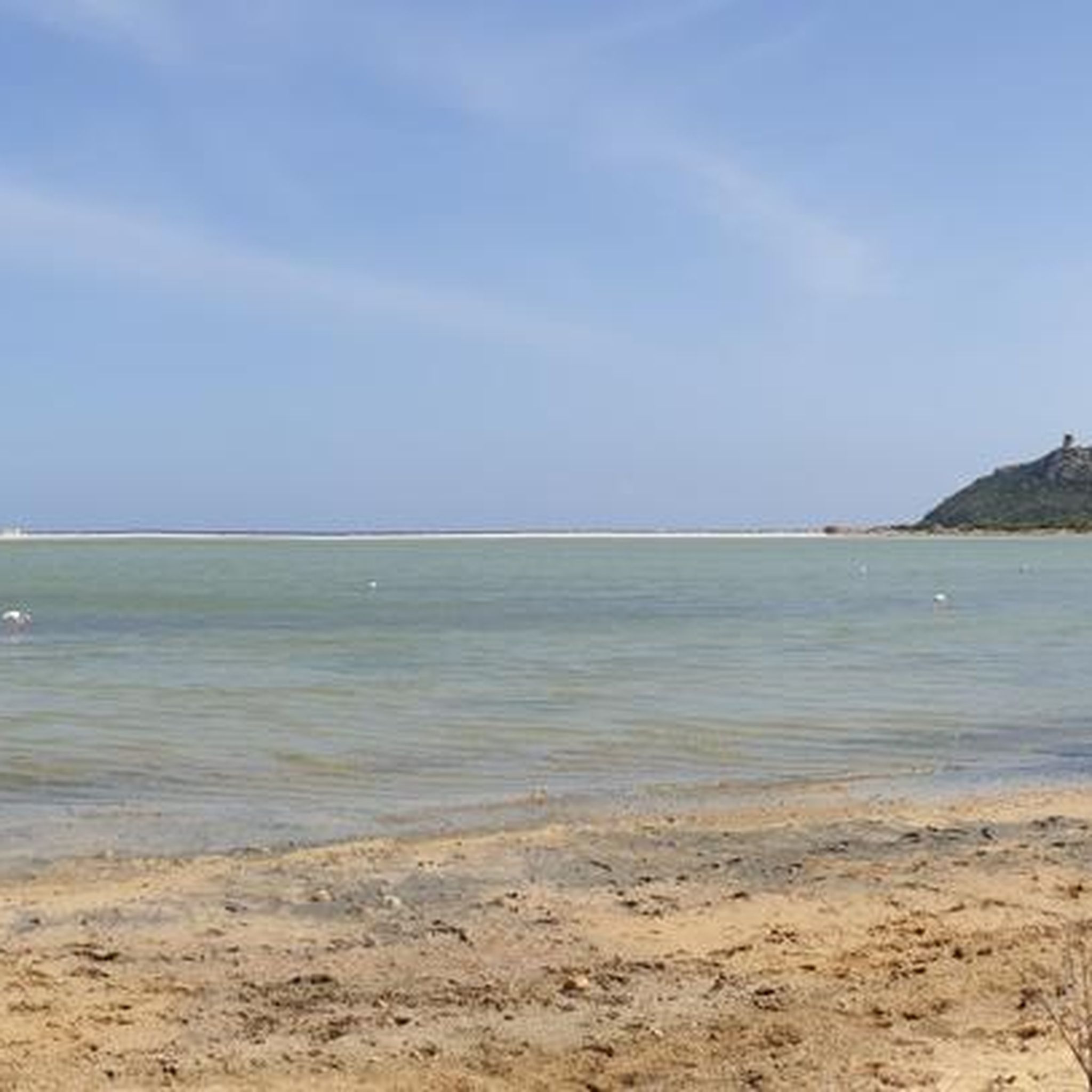
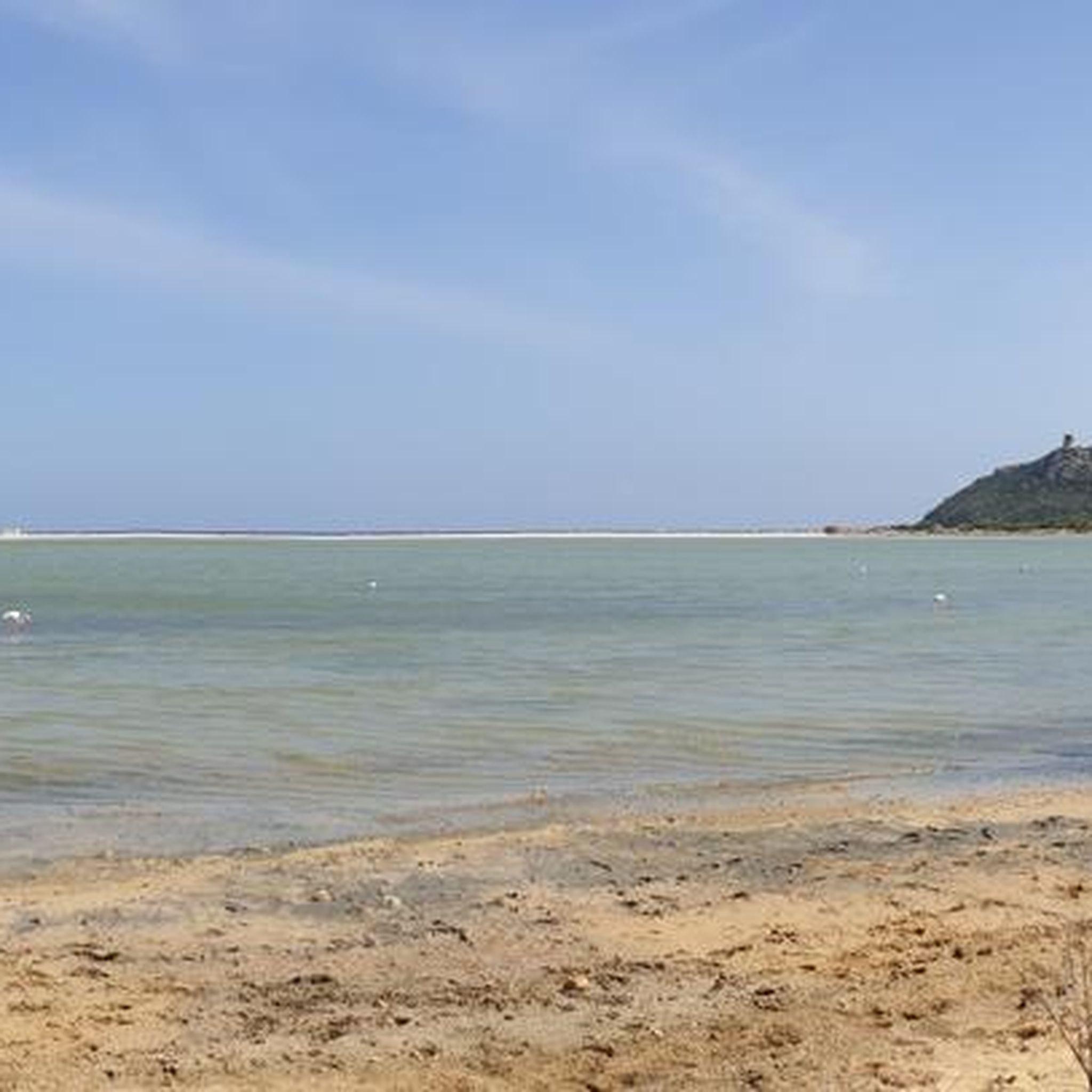
The Capo Carbonara Marine Protected Area is a diverse ecosystem stretching from Capo Boi to the Island of Serpentara, perfect for diving and snorkeling. Notteri Pond/Lagoon is a natural habitat for pink flamingos, best explored on foot or by bike. Excursions to Isola dei Cavoli and Serpentara offer opportunities to observe bird nesting, including the Corsican gull.
Are there opportunities for hiking or walking near the attractions?
Yes, a hike to the Porto Giunco Tower is highly recommended for its scenic outlook. The Notteri Pond/Lagoon area is also suitable for walking. For more extensive routes, you can find various trails in the region, including those for gravel biking and mountain biking. Explore options like the 'Tower climb up – View of Cala Pisanu loop' in the MTB Trails around Crabonaxa/Villasimius guide.
What kind of cycling routes are available in Crabonaxa/Villasimius?
The area offers diverse cycling experiences. For gravel biking, the SP20 Gravel Road Castiadas provides a challenging yet rewarding climb. There are also numerous road cycling routes, such as the 'Coastal Road to Punta Molentis – Costa Rei loop', and mountain biking trails. You can find detailed routes in the Gravel biking around Crabonaxa/Villasimius, MTB Trails around Crabonaxa/Villasimius, and Road Cycling Routes around Crabonaxa/Villasimius guides.
What are some unique experiences or 'hidden gems' in the area?
Consider a boat excursion to the stunning beaches and caves along the coast, often including snorkeling opportunities. The Monumento Subacqueo della Madonna del Naufrago, an underwater monument near the Island of Cavoli, offers a unique diving experience. Exploring the Notteri Pond/Lagoon by bicycle or on horseback can also reveal a different side of the region's natural beauty.
What do visitors enjoy most about Crabonaxa/Villasimius?
Visitors particularly appreciate the stunning panoramic views, especially from spots like the Porto Giunco Tower. The fine, golden sands and crystal-clear waters of beaches like Solanas Beach and Punta Molentis Beach are also highly praised. The blend of natural beauty, historical sites, and opportunities for outdoor activities makes the region very appealing.
Are there any cultural events or festivals in Crabonaxa/Villasimius?
Yes, the Festival of the Madonna del Naufrago is celebrated on the third Sunday of July, and the Sagra di Santa Maria takes place in the first week of September. These festivals offer a glimpse into the local culture and traditions.
What is the best time of year to visit Crabonaxa/Villasimius for outdoor activities?
The warmer months are generally ideal for enjoying the beaches and water sports. For hiking and cycling, spring and early autumn offer pleasant temperatures, avoiding the peak summer heat while still providing good weather for outdoor exploration.
Most popular routes around Crabonaxa/Villasimius
Most popular attractions around Crabonaxa/Villasimius

Get inspired with the komoot mobile app


Explore more
Still not found the Highlight you’re looking for? See guides of the top attractions in other regions:
