Attractions and Places To See around Balzola - Top 20
Best attractions and places to see around Balzola include historical sites, natural features, and vineyard landscapes in Italy's Piedmont region. The area is characterized by the Monferrato hills and proximity to the Po River. Visitors can explore castles, trails, and cultural landmarks in Balzola and the surrounding region.
Best attractions and places to see around Balzola
- The most popular attractions is Camino Castle, a castle equipped with crenellated walls and towers. It is one of the most spectacular castles…
Last updated: October 10, 2026
Camino Castle
Highlight • Castle
As with many ancient buildings in Italy, there are many legends about the castle of …
Translated by Google •
Tip by

Po River at Bosco della Pastrona
Highlight • River
Translated by Google •
Tip by

Sign up now to discover places like this
Get recommendations on the best single tracks, peaks, & plenty of other exciting outdoor places.
Vineyard Landscapes of Langhe, Monferrato and Roero
Highlight (Segment) • Viewpoint
Translated by Google •
Tip by

Monferrato Castle (Castello del Monferrato)
Highlight • Castle
Translated by Google •
Tip by

Trolley Handling Service and Marl Tunnels
Highlight • Historical Site
Showing Translation
Tip by
Sign up for free to discover even more attractions around Balzola.
Already have an account?
Start today with a free account
Your next adventure awaits.

Tips from the Community

The term “Servizio Movimentazione Carrelli e Gallerie della Marna” appears in some hiking routes or local tours, for example as a stage or point of interest on the route “Rive – country of street art” in the surroundings of Casale Monferrato, where it is mentioned as a place along with other panoramic viewpoints or nature trails.
14
0

Giovanni II Paleologo, Marquis of Monferrato, ordered the current castle to be built and work continued until 1357. When Casale assumed the role of capital of the Margraviate of Monferrato and obtained the title of city in 1474, it also changed castle, seat of the court, after the restoration with the marquises Guglielmo VIII (1464-1483) and Bonifacio V (1483-1494). When Giovanni II Paleologo died, the Gonzaga of Mantova took control of Casale. The castle was strengthened by new military techniques, so the walls and the plan shape were adjusted so that it became hexagonal (which we can still see today). The towers were also strengthened and four new ravelins were added. At the beginning of the seventeenth century, the castle returned to its role as the seat of the court. The Dukes of Mantova, who were busy negotiating with Savoia, stayed there. Later it became the principality of Duke Carlo II Gonzaga-Nevers (1637-1665), who holidayed there many times with his entire court, which gave a boost to the cultural life in Casale. Due to the crisis of the Gonzaga dynasty, the castle was on the verge of decline. The city fell to Savoia in 1708 and the castle became a barracks. In the mid-19th century, Casale was fortified in preparation for a war against Austria and the castle became a defensive structure. The eastern ravelin was demolished, creating the current Piazza Castello, which became an open-air market zone. With the unification of Italy, the other three ravelins were also demolished.
1
0

We are in the heart of the territory that between the end of the 19th century and the first decades of the 20th century, thanks to its geological conformation, gave birth to the Italian cement epic; here you can still see the service building for moving the trolleys that transported the marl into the underground tunnels
3
0

The Bosco della Pastrona, a green area of approximately 50 hectares, connects the river with the city of Casale Monferrato. Partly managed by the Po Park, it includes a picnic area and a mountain biking and running trail called "Kintana". This 10 km route was inaugurated in May 2014 after a redevelopment period supported by the Piedmont Region and private volunteers. Thanks to an agreement with the Municipality of Casale Monferrato, the area is managed by private individuals for maintenance and the organization of events. Currently managed by the non-profit association "Fiab Monferrato Bike", the route is challenging but accessible to all. The terrain is suitable for all seasons, except for adverse weather conditions. During the excursion, you can enjoy the flora and fauna along the Po and choose where to stop at the technical points. The route has three rings with different levels of difficulty and connections to other paths, starting from the Monferrato Castle and ending at the pier. The management of the area involves the local community and offers an opportunity to reconnect with the Po river.
1
0

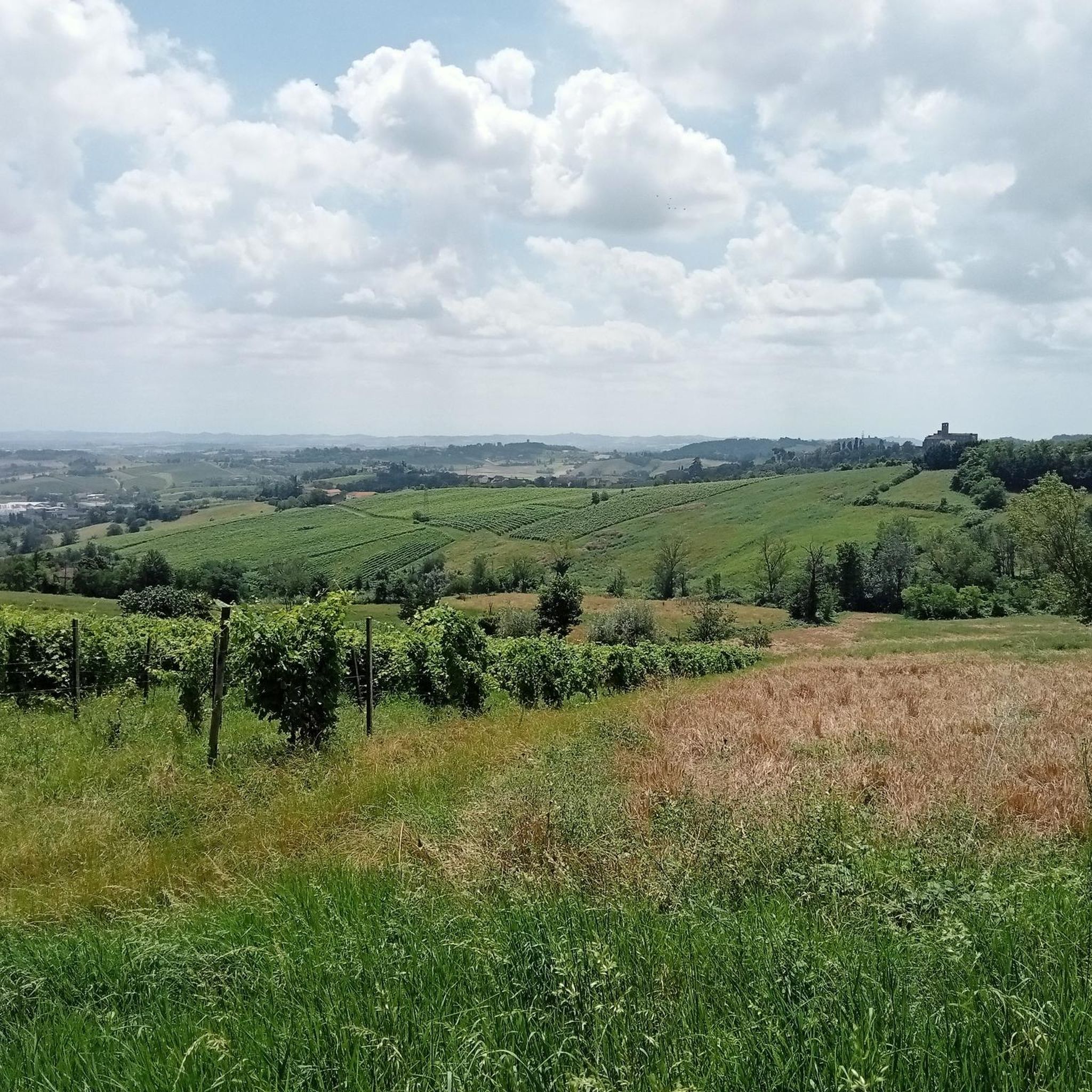
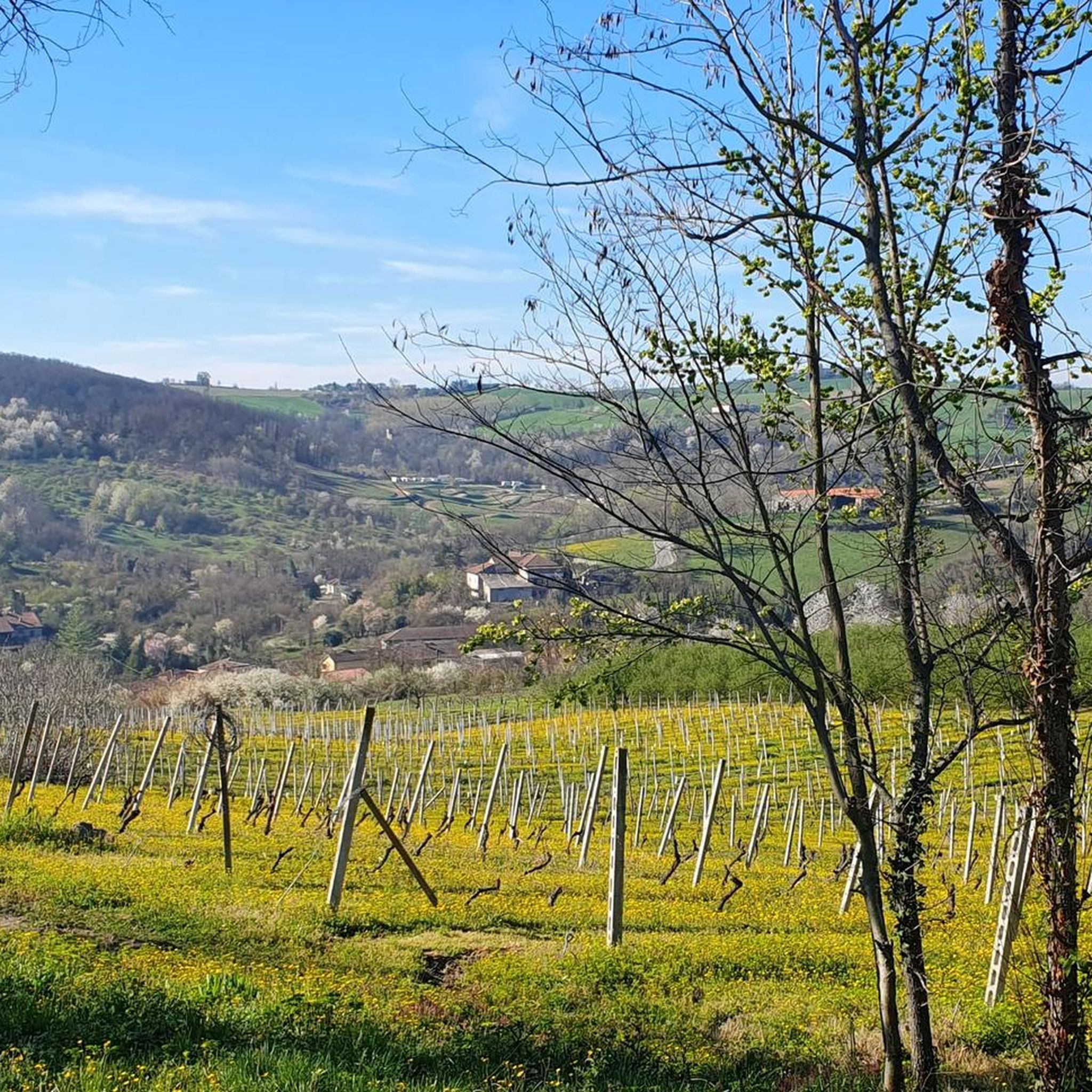
The UNESCO site of the wine-growing landscapes of Langhe, Monferrato and Roero is made up of six areas in the provinces of Alessandria, Asti and Cuneo and twenty-nine municipalities. The areas represent the exceptional quality of the Piedmontese wine-growing landscape and its profound and lively wine culture. The site is characterized by a rich and diversified system of farmhouses, wineries, wine industries, cooperative wineries, public and private wine shops, which in some cases constitute symbolic places for the history and development of national and international viticulture and enology.
1
0
One of the most spectacular castles in Monferrato and equipped with crenellated walls and towers. As with many ancient buildings in Italy, there are many legends about the castle of Camino. One of the most recurrent narrates that in the year 1494, Count Scarampo Scarampi, feudal lord of the Marquis of Monferrato, was accused of making forays into neighboring villages causing problems such as thefts and fires. After a long siege of the castle, which lasted two months, it was captured by the militias of Costantino Aranite, prefect of Casale. His wife, the Marquise Camilla, managed to escape from a secret passage and reach Casale to ask for a safe conduct for her husband's life. Scarampo Scarampi, however, had already been beheaded by those who had imprisoned him. When she learned of her husband's sad fate, out of desperation, the Marquise Camilla threw herself from the tower. Now, she walks around the battlements of the castle crying, while her husband walks around the manor with his head in his hand. Legend aside, in the inner courtyard of the castle of Camino there is the sarcophagus of the noble Scarampo, depicted at rest holding his head with his left hand.
15
0

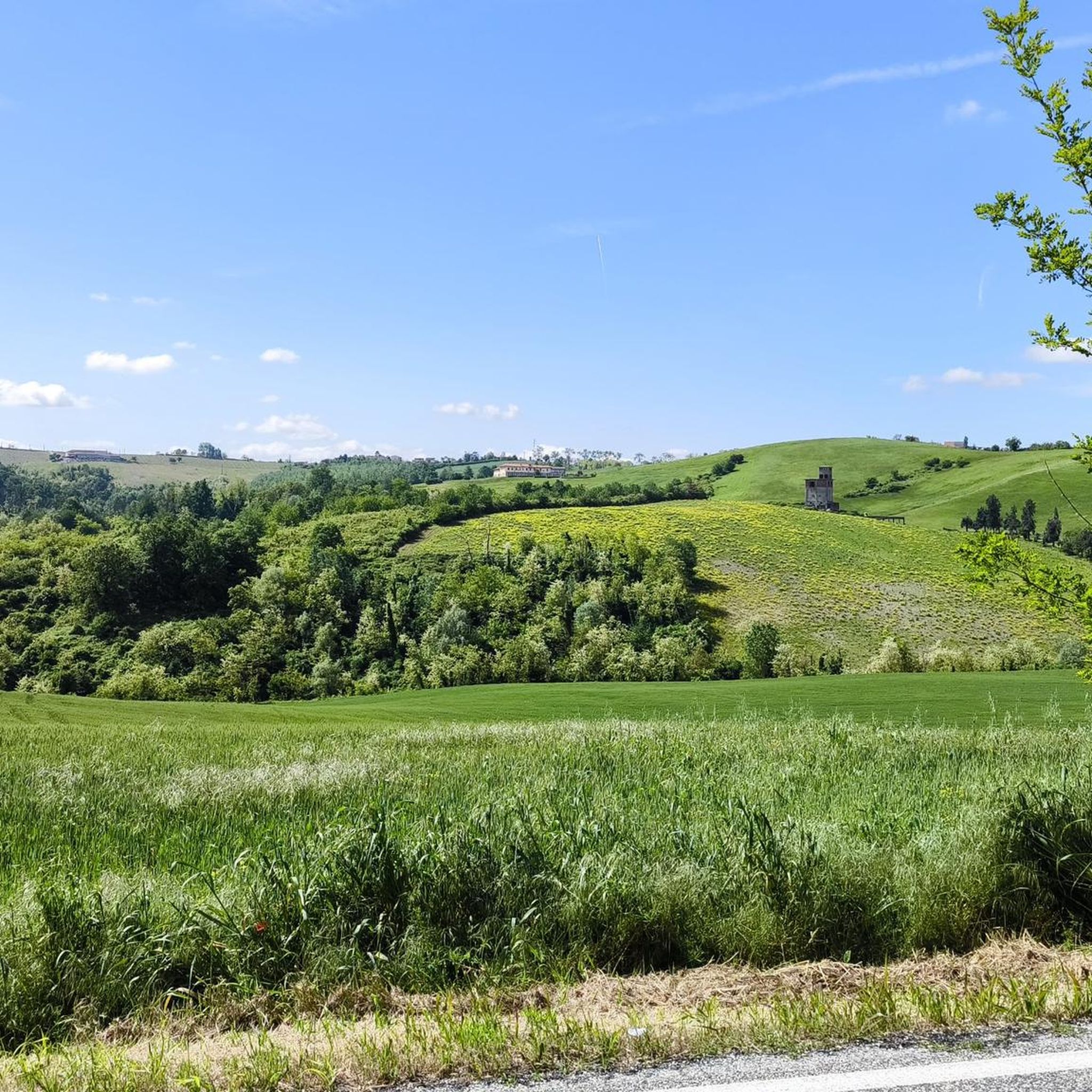
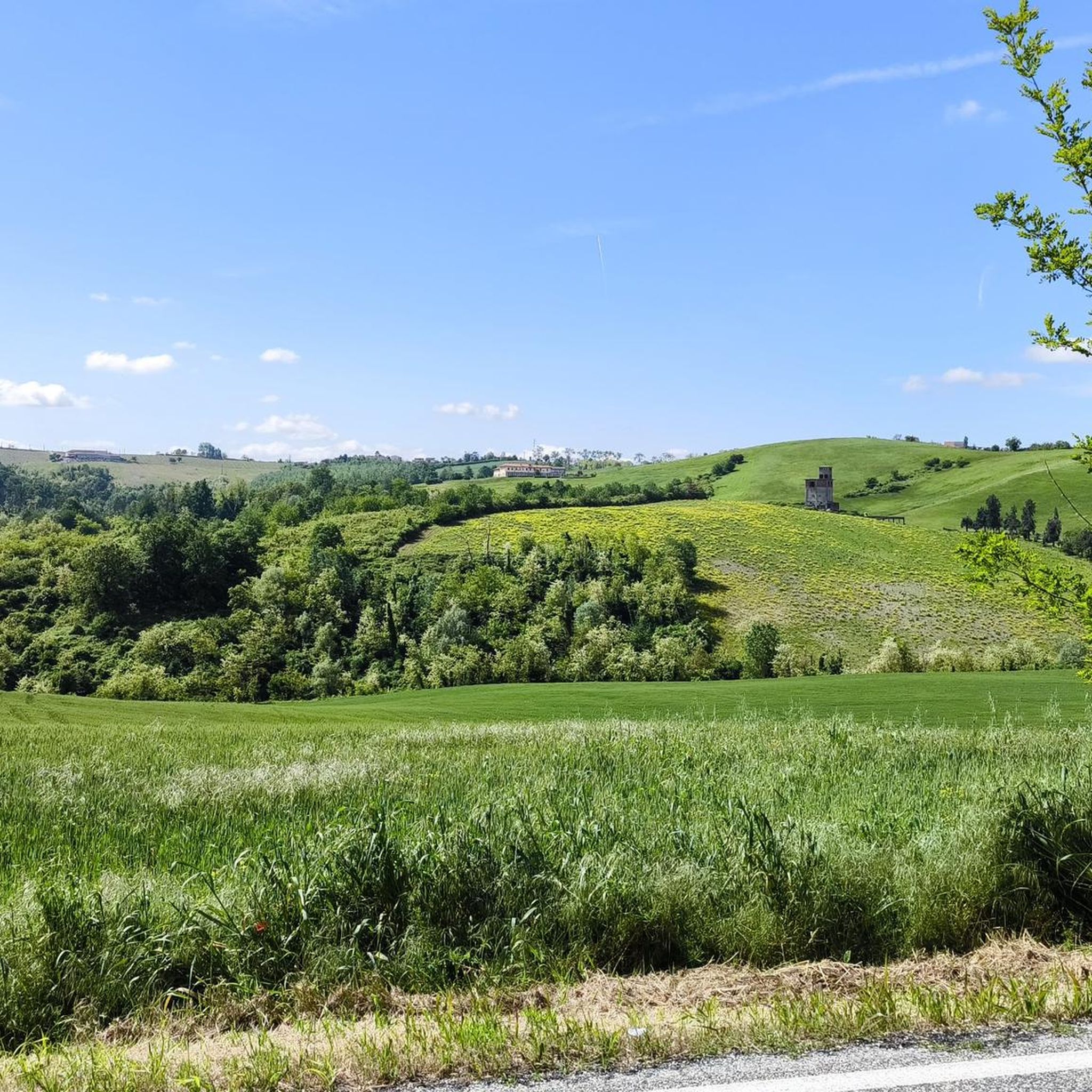
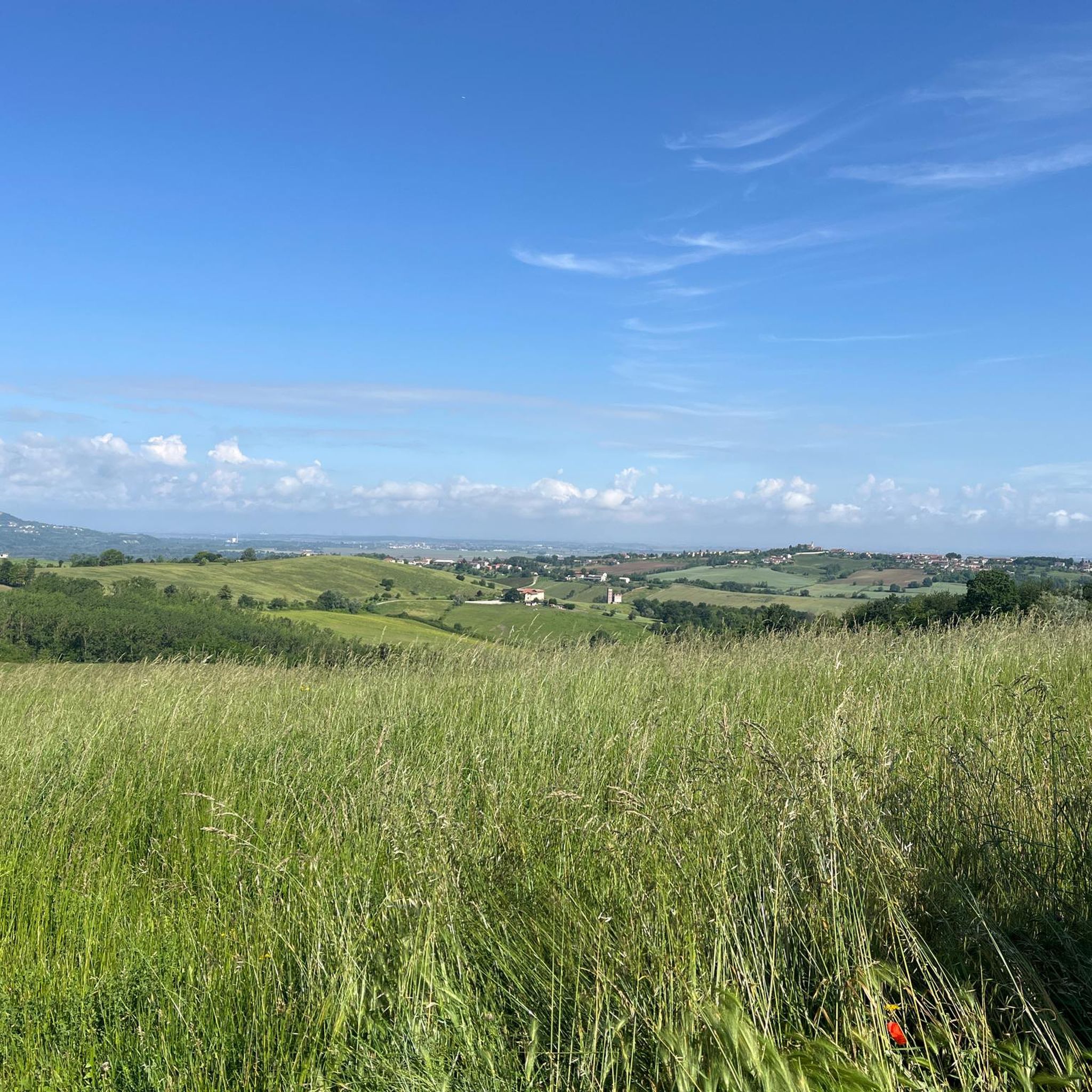
Panoramic road among the Monferrato hills with views of the surrounding hills, the Po Valley and on good weather days up to the Alps.
3
0

Ancient Foresteria of the Castle of Camino Via Castello, 26, 15020 Camino AL
1
0
Frequently Asked Questions
What historical sites can I explore around Balzola?
The region around Balzola is rich in history. You can visit the impressive Camino Castle, known for its crenellated walls and towers, and steeped in local legends. Another significant historical area is Piazza Mazzini and Civic Tower in Casale Monferrato, which features monuments like the cathedral of Sant'Evasio and the civic tower.
Are there natural landmarks or scenic viewpoints near Balzola?
Yes, the area offers beautiful natural scenery. The Vineyard Landscapes of Langhe, Monferrato and Roero are a UNESCO site, offering panoramic views of rolling hills and vineyards. You can also explore the Po River at Bosco della Pastrona, a green area with trails connecting to Casale Monferrato.
What outdoor activities can I do around Balzola?
Balzola and its surroundings are ideal for outdoor enthusiasts. You can enjoy hiking, mountain biking, and gravel biking. The Po River at Bosco della Pastrona features a 10 km mountain biking and running trail called 'Kintana'. For more options, explore the various hiking, MTB, and gravel biking routes available in the region.
Are there family-friendly attractions in the Balzola area?
Absolutely. The historic center of Casale Monferrato, including Piazza Mazzini and Civic Tower, is considered family-friendly with its cultural sites. Additionally, the Po River at Bosco della Pastrona offers a picnic area and accessible trails suitable for families.
Where can I find hiking trails near Balzola?
Numerous hiking trails are available. The Torre Veglio Trail near Terruggia is a scenic path known as a 'green gallery' with panoramic points among vineyards. For a wider selection of routes, you can find detailed information on hiking around Balzola.
What is the best time to visit Balzola for outdoor activities?
The terrain around the Po River at Bosco della Pastrona is suitable for all seasons, except during adverse weather conditions. Generally, spring and autumn offer pleasant temperatures for exploring the vineyards and historical sites, avoiding the peak summer heat.
Are there any dog-friendly places or trails around Balzola?
While specific dog-friendly designations for attractions are not detailed, many outdoor areas like the Po River at Bosco della Pastrona and the numerous hiking trails are generally welcoming to dogs on leash. Always ensure to follow local regulations and clean up after your pet.
What kind of landscapes can I expect in the Monferrato region around Balzola?
The Monferrato region is characterized by picturesque hilly landscapes, extensive vineyards, and charming ancient villages. It's part of the UNESCO-recognized Vineyard Landscapes of Langhe, Monferrato and Roero, showcasing a rich viticultural heritage and stunning panoramic views.
Where can I find information about local produce or markets in Balzola?
While specific market details for Balzola are not provided, the nearby city of Casale Monferrato is known for its typical products, including red krumiri, agnolotti, and local Monferrato wine. Exploring Casale Monferrato's historic center might lead you to local shops or markets.
What are some unique cultural aspects of the Balzola area?
The area's culture is deeply intertwined with its history and viticulture. The Vineyard Landscapes of Langhe, Monferrato and Roero highlight the profound wine culture. Additionally, the region's castles, like Camino Castle, are steeped in local legends, adding a unique folklore element to your visit.
Is there parking available at major attractions?
For the Po River at Bosco della Pastrona, there are facilities including a picnic area, suggesting parking availability. In Casale Monferrato, parking options would typically be found near the historic center for attractions like Piazza Mazzini. It is advisable to check local signage upon arrival.
Most popular routes around Balzola
Most popular attractions around Balzola

Get inspired with the komoot mobile app


Explore more
Still not found the Highlight you’re looking for? See guides of the top attractions in other regions:
