Attractions and Places To See around Sezzadio - Top 20
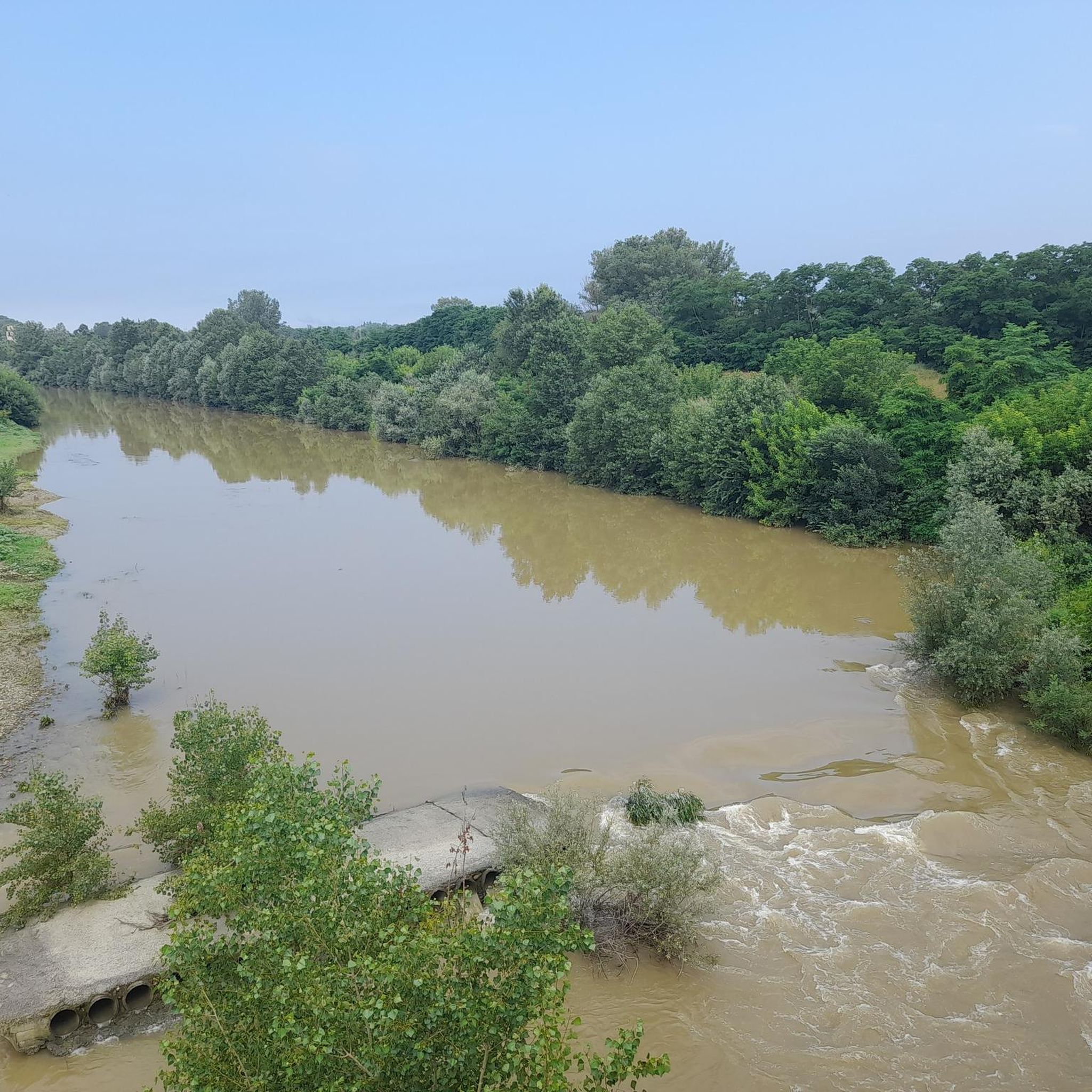
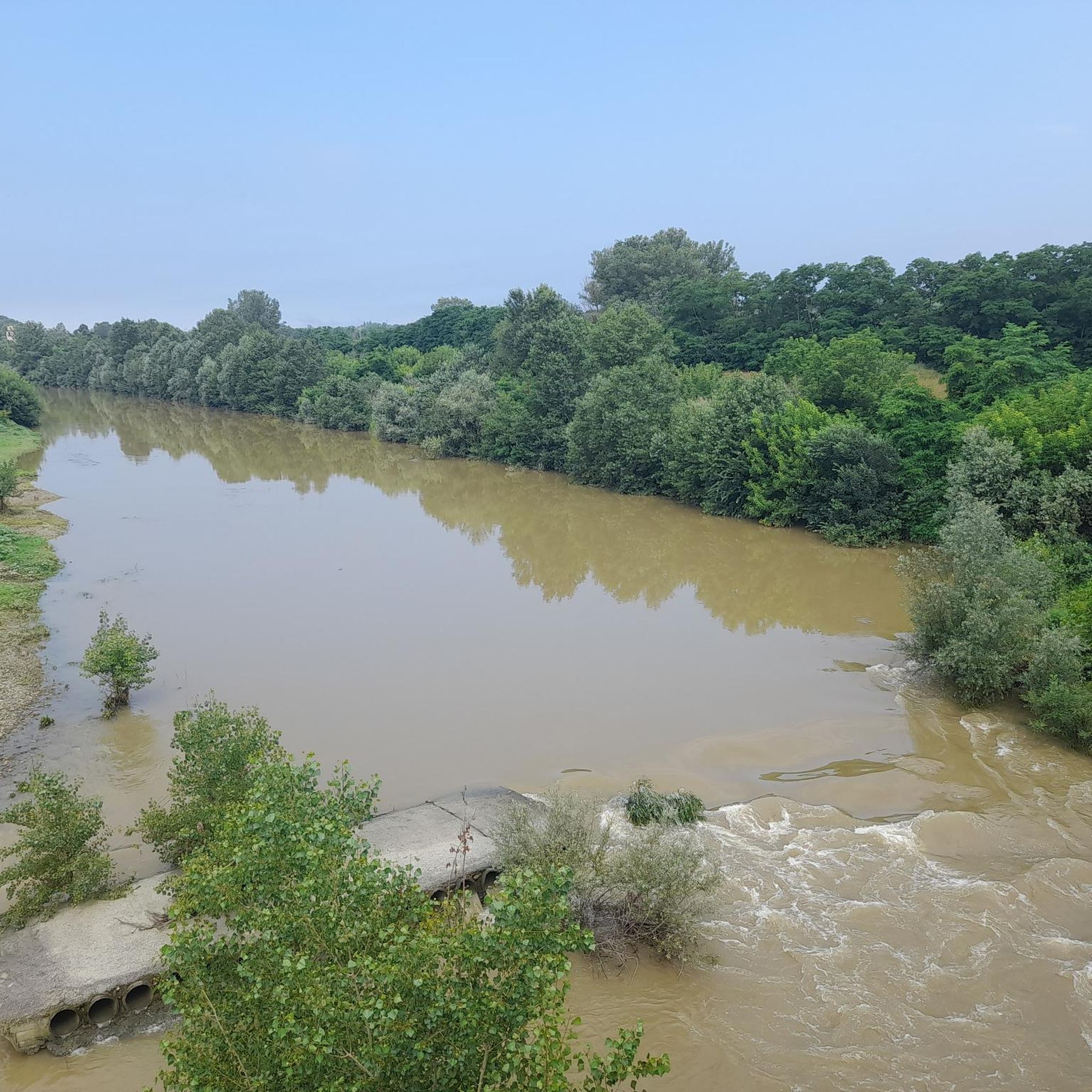
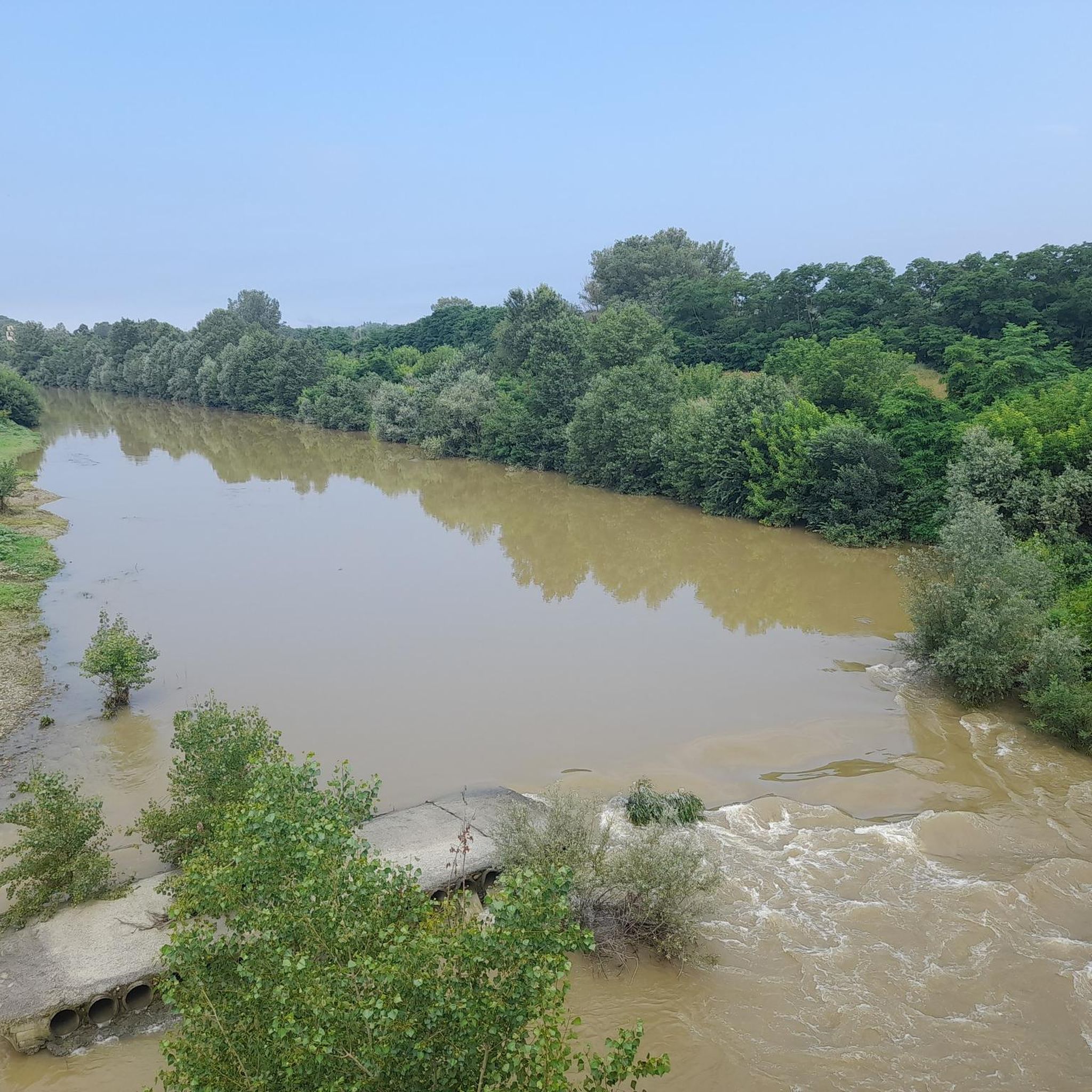
Best attractions and places to see around Sezzadio include historical sites and religious buildings within the Piedmont countryside. This municipality in the Province of Alessandria, Italy, is characterized by its medieval monuments and scenic rural landscapes. The area is situated near the confluence of the Bormida and Tanaro rivers, offering a blend of cultural heritage and natural settings.
Best attractions and places to see around Sezzadio
- The most popular attractions is La Bollente Hot Spring Fountain, a natural monument known for its sulphurous-salty-bromine-iodine water. This octagonal shrine-temple, inaugurated in 1879, features water gushing at 74.5 °C.
- Another must-see spot is Santa Croce Monumental Complex, Bosco Marengo, a religious building commissioned by Pope Pius V in the mid-1500s. Its construction involved architects and artists from the papal court, making it a unique example in the Piedmontese historical and artistic panorama.
- Visitors also love Abbey of Santa Giustina, a former Benedictine abbey. Founded in 722 AD and renovated in 1030, it is considered one of Piedmont's important medieval monuments, featuring 11th-century Romanesque architecture and notable frescoes.
- Sezzadio is known for its historical sites, religious buildings, and natural monuments. The region offers a variety of attractions to see and explore, from ancient abbeys to thermal springs.
- The attractions around Sezzadio are appreciated by the komoot community, with 112 upvotes and 72 photos shared by visitors.
Last updated: July 21, 2026
La Bollente Hot Spring Fountain
Highlight • Natural Monument
Translated by Google •
Tip by

Santa Croce Monumental Complex, Bosco Marengo
Highlight • Religious Site
Architects and artists of the papal court of the time participated in its construction, making it unique in the Piedmontese historical and artistic panorama.
amicidisantacroceboscomarengo.it
it.wikipedia.org/wiki/Complesso_monumentale_di_Santa_Croce_e_Tutti_i_Santi
Translated by Google •
Tip by

Sign up now to discover places like this
Get recommendations on the best single tracks, peaks, & plenty of other exciting outdoor places.
Sign up for free
Abbey of Santa Giustina
Highlight • Religious Site
EXTERIOR: The tripartite facade, originally with salient features, has a tower in the central area, added in the 15th century. The surface is divided vertically by 8 pilasters that mitigate the mass and decorated in the upper part by hanging arches. The portal is very simple, without any stone or marble ornament.
The plant has a commissal cross, that is T-shaped. The transept in fact protrudes a lot and the three apses are grafted directly on its eastern side, which appear almost like towers that emerge, cylindrical, from the flat surface of the back wall.
main source: archeocarta.org/sezzadio-al-abbazia-di-santa-giustina
Translated by Google •
Tip by
Marchional Palace of Mombaruzzo
Highlight • Historical Site
Translated by Google •
Tip by

Chapel of Saint Roch and Saint Bovo
Highlight • Religious Site
Translated by Google •
Tip by
Sign up for free to discover even more attractions around Sezzadio.
Sign up for free
Already have an account?
Start today with a free account
Your next adventure awaits.
Login or Signup

Tips from the Community

Located in Borgo Basalone (also known as the new part), this 17th-century palace in typical Genoese style represents one of the few examples of Ligurian architecture in Piedmont. Commissioned by noblewoman Lelia Di Negro—niece of Ambrogio Di Negro, former Doge of Genoa—when, invested with the fiefdoms of the same name and becoming Marchioness of Mombaruzzo and Countess of Quaranti, she decided to move the marquis' palace from the fortified enclosure of the Castle to an even more dominant and spectacular location.
14
0

Thermal spring in the city center
0
0

This church, which is dedicated to the Holy Cross (Latin: "Santa Croce"), derives its patronage from the cross on which Jesus Christ died. The veneration of the Holy Cross goes back in large part to Saint Helena, who was the mother of Emperor Constantine the Great (who recognized Christianity as a religion after his victory at the "Milvian Bridge" in front of Rome and ended the long period of persecution with the "Edict of Toleration" of Milan in 312). In the early fourth century, she made a pilgrimage to the Holy Land (Israel / Palestine) and brought numerous relics back to Europe, including the "True Cross" on which Jesus Christ was crucified. Helena is therefore often depicted with a cross as an attribute. The church celebrates the feast of the discovery, public presentation and veneration of the Holy Cross - called the "Exaltation of the Cross" - on September 14th.
1
0

Thermal water fountain located in the center of an elegant square that well represents the nature of the city's waters
1
0

In the middle of downtown Acqui Terme, Piazza Bollente is probably the main attraction of the beautiful city. Here stands the small Greek fountain temple, Fontana della Bollente, built in 1879, from which 74.5 degree hot, sulphurous water gushes. In addition to sulphur, it also contains iodine, salt and bromine and is healing for the respiratory tract and bloodstream.
2
0

La Bollente is an elegant octagonal-shaped shrine-temple inaugurated in 1879 in the square of the same name. This structure of eclectic language highlights a thermal spring from which sulphurous-salty-bromine-iodine water flows at a temperature of 74.5°. A local legend reports the custom of the city of Acqui of immersing newborn children for a few moments in the Bollente spring: whoever survives, according to the popular tale, is named "sgaiento", that is, scalded. Known and used since Roman times, the Bollente spring is mainly used in Acqui's health facilities. Next to the Bollente you can also see the Civic Tower built in 1763 on the foundations of a gate of the ancient city wall dating back to the era of the Municipalities.
0
0

the V.d.F. website it has been inhabited without interruption since prehistoric times; home to a thriving riverine emporium during the Iron Age; it became a Roman municipium in close relationship with the Via Fulvia which connected Augusta Taurinorum (Turin) with Dertona (Tortona). The archaeological area and the small museum have been closed and in a state of decay for years. In the photo the small chapel dedicated to S. Rocco and S. Bovo is always open, and a good stopping point.
1
0
The monumental complex of Santa Croce and All Saints, wanted and founded by Saint Pius V, is located in Bosco Marengo near Alessandria.
0
0
Frequently Asked Questions
What historical and cultural sites can I explore in and around Sezzadio?
Sezzadio and its surroundings are rich in history. You can visit the ancient Abbey of Santa Giustina, a significant medieval monument with Romanesque architecture and frescoes. Another notable site is the Santa Croce Monumental Complex in Bosco Marengo, commissioned by Pope Pius V. Don't miss the Marchional Palace of Mombaruzzo, a 17th-century palace showcasing Genoese architectural style, and the Chapel of Saint Roch and Saint Bovo, a small, welcoming chapel with historical ties.
Are there any natural attractions or unique natural features near Sezzadio?
Yes, the most prominent natural attraction is La Bollente Hot Spring Fountain in nearby Acqui Terme. This octagonal shrine-temple features sulphurous-salty-bromine-iodine water gushing out at 74.5°C. The region itself is characterized by the scenic Piedmont countryside, situated near the confluence of the Bormida and Tanaro rivers.
What outdoor activities are available for visitors around Sezzadio?
The area around Sezzadio offers various outdoor activities. You can explore numerous routes for hiking, gravel biking, and mountain biking. For detailed routes and difficulty levels, check out the dedicated guides for Hiking around Sezzadio, Gravel biking around Sezzadio, and MTB Trails around Sezzadio.
Are there family-friendly attractions in the Sezzadio area?
Yes, several attractions are considered family-friendly. La Bollente Hot Spring Fountain is a fascinating natural monument for all ages. The Chapel of Saint Roch and Saint Bovo is also listed as family-friendly, offering a quiet historical stop. The general scenic countryside provides opportunities for gentle walks suitable for families.
What is the best time of year to visit Sezzadio for sightseeing and outdoor activities?
The Piedmont region, including Sezzadio, is generally pleasant for outdoor activities and sightseeing from spring through autumn. Spring (April-May) offers blooming landscapes, while autumn (September-October) provides comfortable temperatures and beautiful fall colors, especially in the nearby Monferrato vineyards. Summer can be warm but is also suitable for exploring.
Can I find hiking trails near the attractions in Sezzadio?
Yes, there are various hiking trails in the vicinity. For example, you can find routes like 'From Castelspina to Castellazzo Bormida' or 'View of Carpeneto loop from Rocca Grimalda'. These trails offer opportunities to explore the scenic Piedmont countryside. You can find more details and a wider selection of routes in the Hiking around Sezzadio guide.
What makes the Abbey of Santa Giustina historically significant?
The Abbey of Santa Giustina is considered one of Piedmont's most important medieval monuments. Legend attributes its founding to Lombard King Liutprand in 722 AD, with significant renovations in 1030. Its church features austere 11th-century Romanesque architecture, later Gothic elements, and notable 14th-15th century frescoes, including a Last Judgment. The crypt's 11th or 12th-century mosaic pavement is particularly remarkable.
What do visitors particularly enjoy about the attractions around Sezzadio?
Visitors appreciate the blend of historical depth and natural charm. The La Bollente Hot Spring Fountain is often highlighted for its unique natural phenomenon and central location. The historical sites like the Abbey of Santa Giustina are valued for their ancient architecture and rich past. The overall scenic rural landscapes of the Piedmont countryside also contribute to a pleasant visitor experience.
Are there any vineyards or wine-related attractions in the wider Sezzadio region?
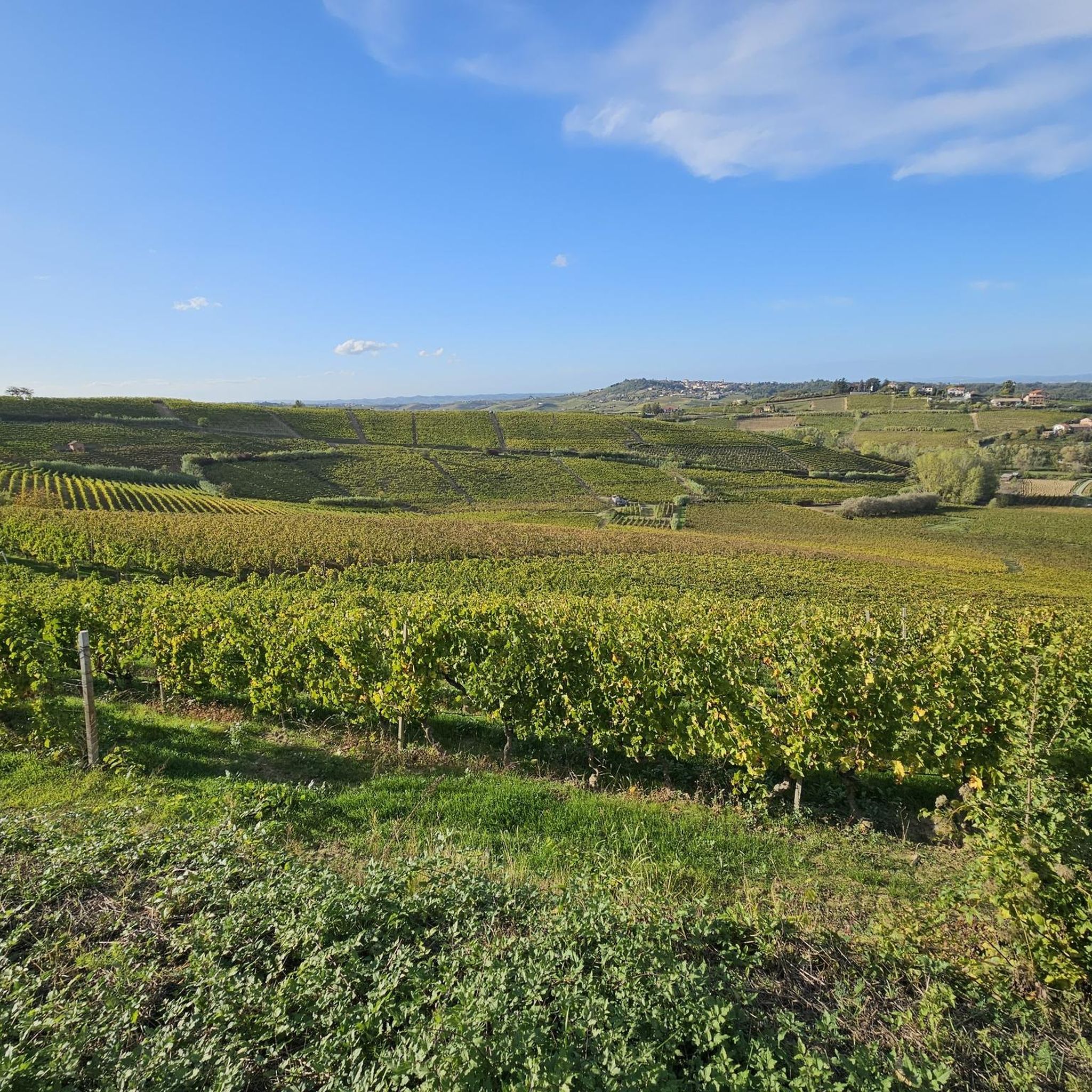
While not directly in Sezzadio, the wider Monferrato region, where Sezzadio is located, is famous for its wine-growing areas. These vineyards are recognized as a UNESCO World Heritage site. Visitors can explore these areas and enjoy wine tastings, making it a popular activity for those interested in local produce and culture.
What is the Santa Croce Monumental Complex and why is it unique?
The Santa Croce Monumental Complex in Bosco Marengo was commissioned by Pope Pius V in the mid-1500s. It is unique in the Piedmontese historical and artistic panorama because architects and artists from the papal court participated in its construction, giving it a distinct style and historical significance.
Is the Marchional Palace of Mombaruzzo open to the public?
The Marchional Palace of Mombaruzzo is a 17th-century palace known for its Genoese architectural style. While it is a significant historical site, information regarding its public accessibility and opening hours would need to be checked with local tourism resources or the palace directly, as details can vary.
Most popular routes around Sezzadio
Most popular attractions around Sezzadio

Get inspired with the komoot mobile app


Explore more
Still not found the Highlight you’re looking for? See guides of the top attractions in other regions:
