Attractions and Places To See around Alluvioni Cambiò - Top 20
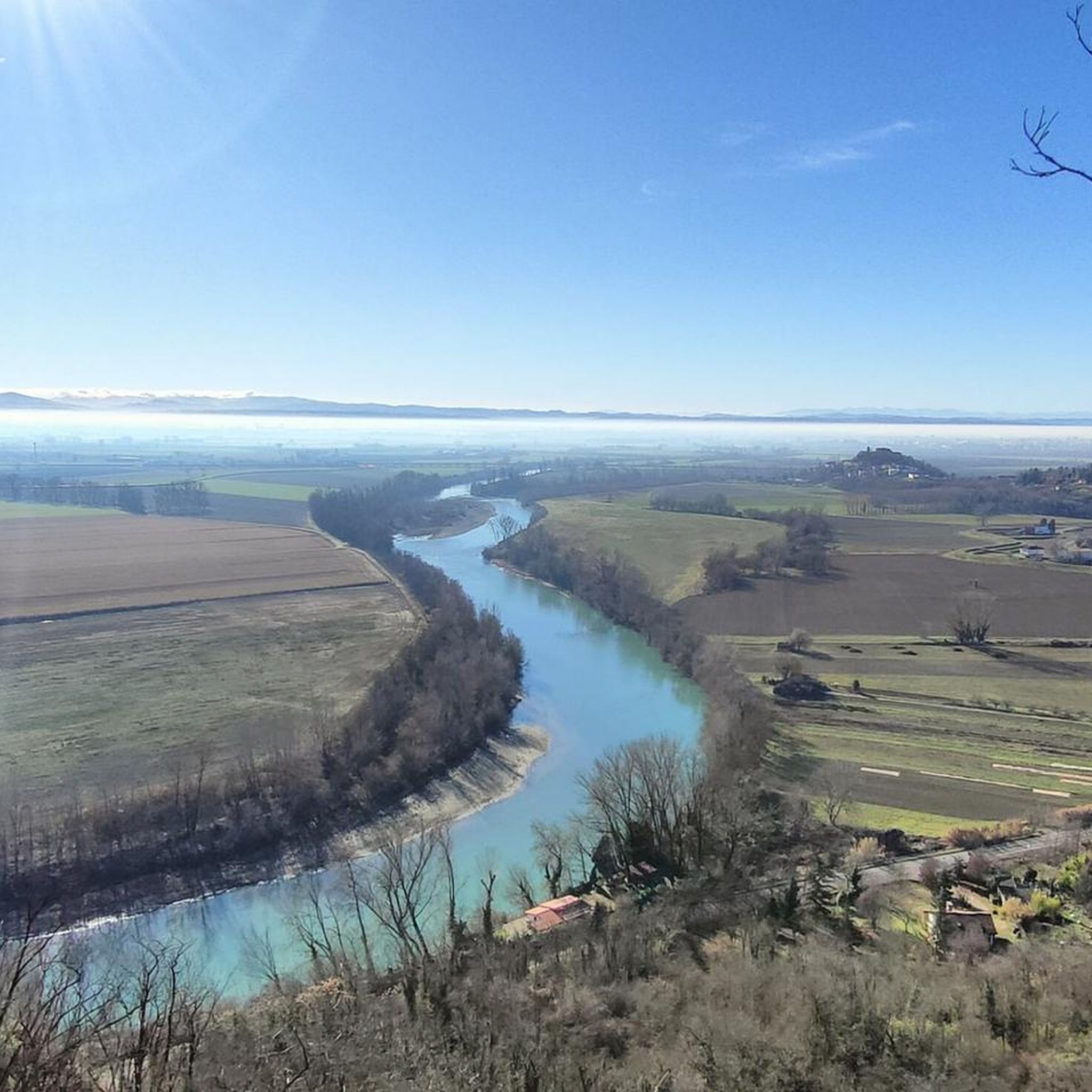
Best attractions and places to see around Alluvioni Cambiò are shaped by its location in the Po Valley, near the confluence of the Tanaro and Po Rivers. This area, now a *frazione* of Alluvioni Piovera, historically served as a fortified village and river port. The landscape features agricultural lands, including rice fields, and significant waterways. Visitors can explore historical sites and natural features that reflect the region's past and geography.
Best attractions and places to see around Alluvioni Cambiò
- The…
Last updated: July 20, 2026
Castello di Piovera
Highlight • Castle
Via Balbi, 2/4, 15040 Piovera AL
castellodipiovera.it
3462341141
Translated by Google •
Tip by

Ponte della Gerola
Highlight • Bridge
Built in 1916 it …
Translated by Google •
Tip by

Sign up now to discover places like this
Get recommendations on the best single tracks, peaks, & plenty of other exciting outdoor places.
Sign up for free
Pecetto di Valenza
Highlight • Settlement
Translated by Google •
Tip by
Po and Orba Cycle Route
Highlight • Cycleway
Translated by Google •
Tip by

Homage to
Highlight • Viewpoint
Translated by Google •
Tip by

Sign up for free to discover even more attractions around Alluvioni Cambiò.
Sign up for free
Already have an account?
Start today with a free account
Your next adventure awaits.
Login or Signup

Tips from the Community

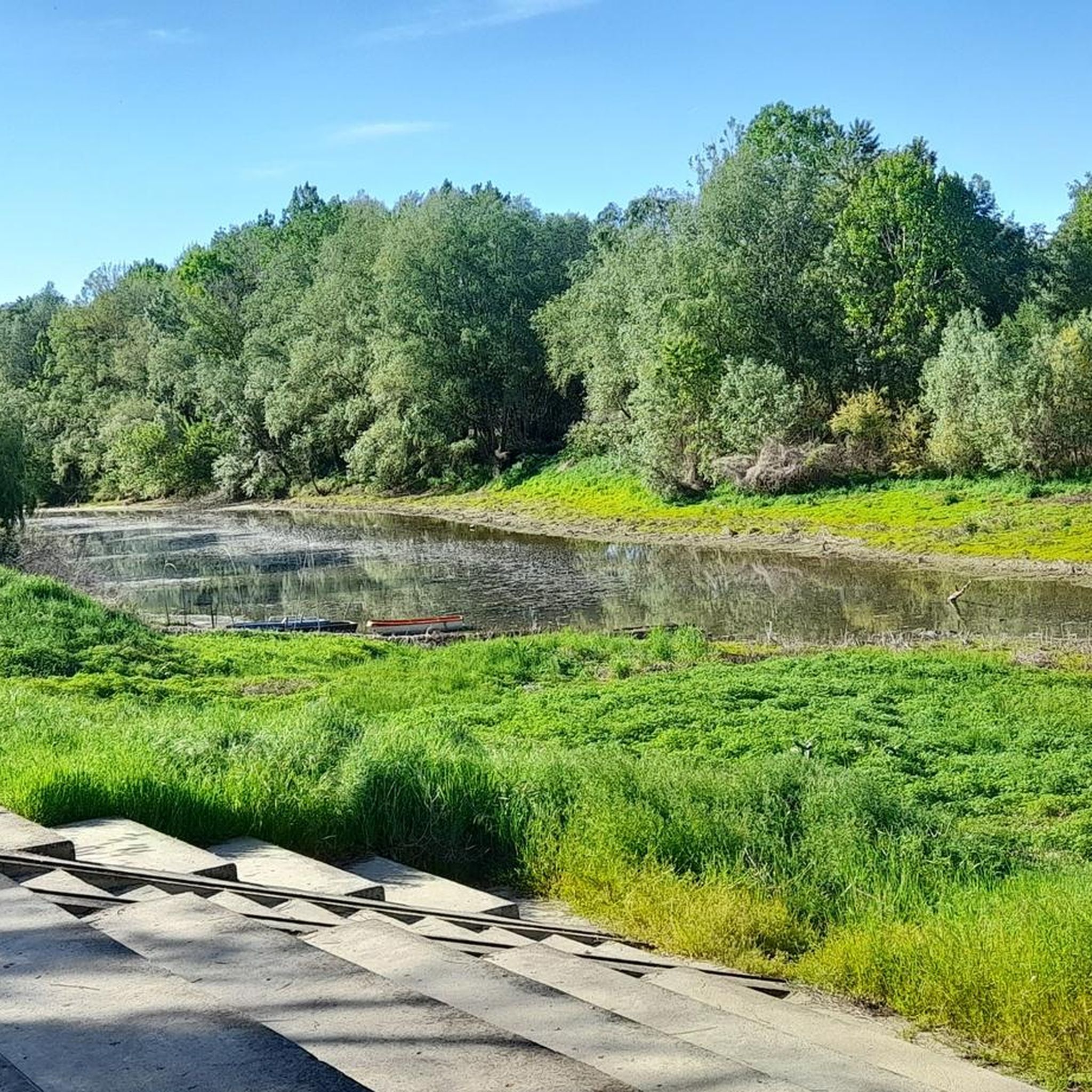
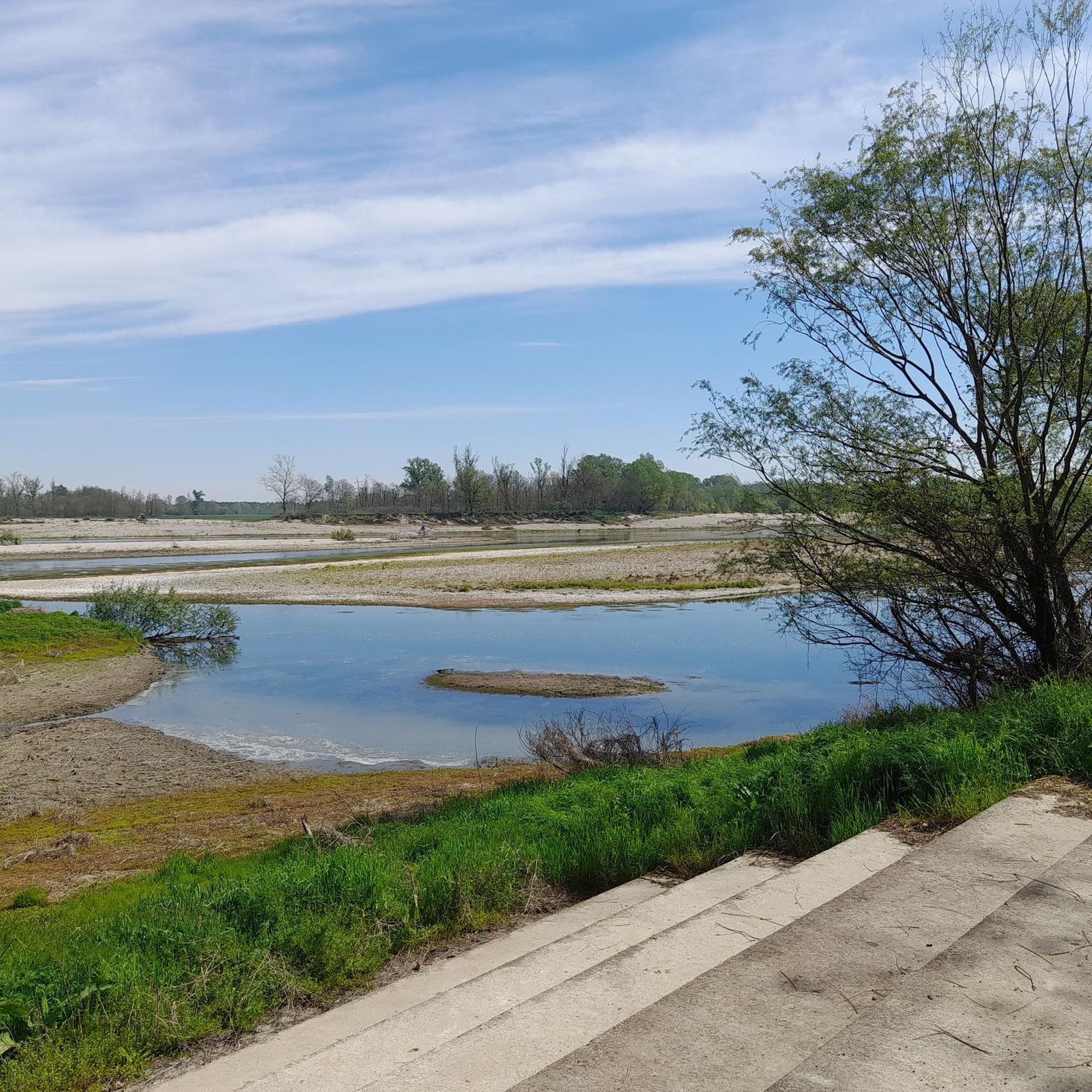
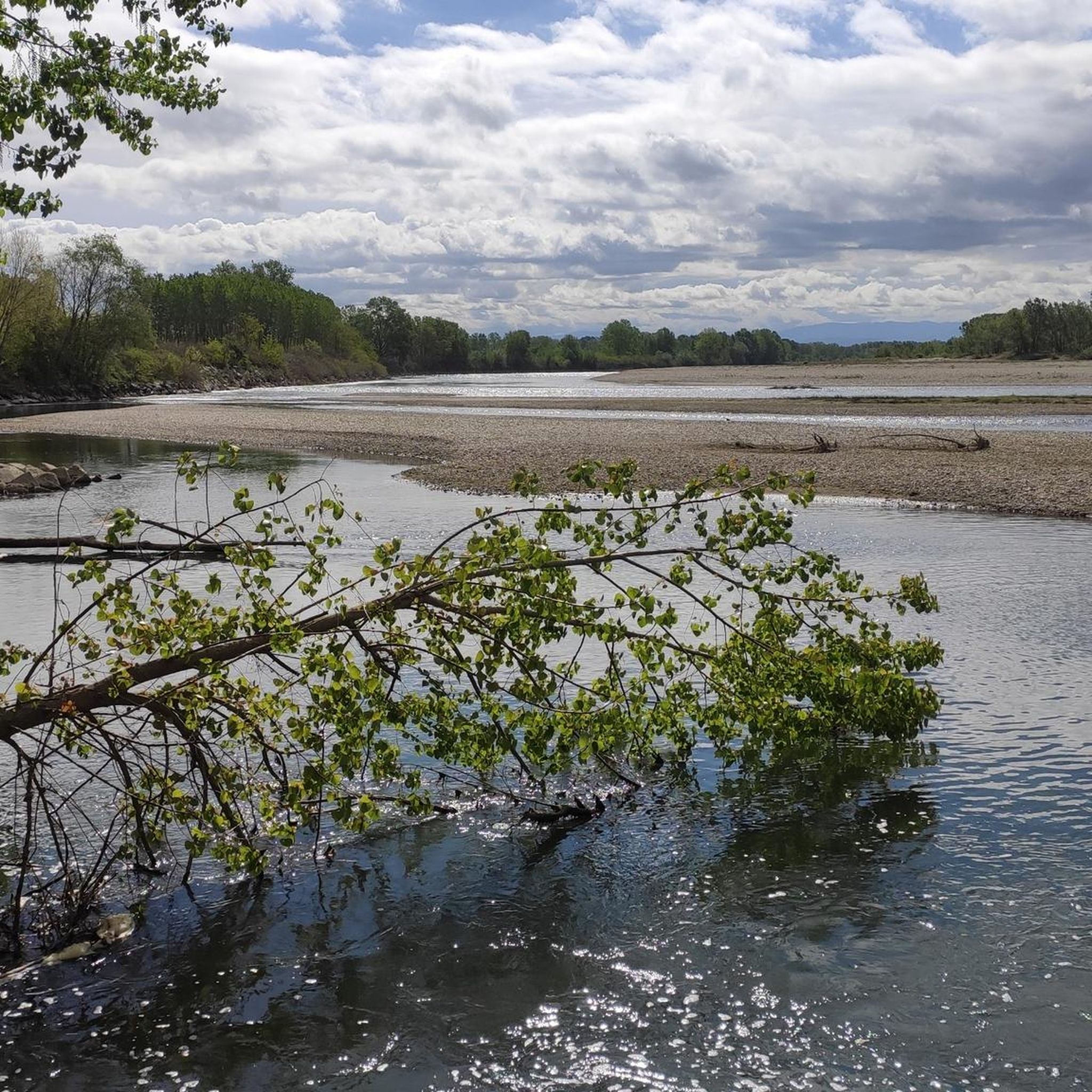
It's a shame that the cycle path passes very far from the riverbed, but that's the way it should be... take a few minutes to get off and go to the bank to admire the great river.
0
0

Place of historical, architectural, cultural and tourist interest Via Balbi, 2/4, 15040 Piovera AL https://www.castellodipiovera.it/ 3462341141
2
0

Built in 1300, the castle became a fortress at the hands of the Visconti of Milan. Property of the Balbis of Genoa since the 17th century, it was transformed into a residence by them at the end of the 19th century. Today it is owned by Count Niccolò Calvi di Bergolo who opened it to the public since 1972 with its art workshops, guided tours inside the castle and the educational farm. Among its towers, battlements, moats and stables, our period residence hosts events of all kinds: weddings, historical re-enactments, rallies, concerts, art exhibitions, events for the whole family.
0
0

The classic iron bridge of Sannazzaro. Restored in 2000, the porphyry bottom is very damaged by vehicular traffic.
1
0

Asphalt redone all over the bridge, now it's great to ride on it.
21
0

The Po and Orba cycle path is sometimes unpaved. It crosses the border between Piedmont and Lombardy and passes by the Confluenza del Tanaro Special Nature Reserve, where the two rivers converge.
1
0

14th century castle, open to the public; curious are the remains of black plaster on the facade dating back to when it was entirely painted black on the occasion of the mourning for the death of Napoleon https://castellodipiovera.it
1
0
Frequently Asked Questions
What kind of historical sites can I explore around Alluvioni Cambiò?
The region offers a glimpse into its past as a fortified village and river port. You can visit Castello di Piovera, a 14th-century fortress transformed into a residence, now open to the public for tours and art workshops. Another historical settlement is Pecetto di Valenza, which was built around a large Roman villa. The area's history is also reflected in structures like the Ponte della Gerola, an iron bridge from 1916 over the Po River.
Are there any natural attractions or scenic spots to visit?
Yes, the area is defined by its natural landscape, particularly the confluence of the Tanaro and Po Rivers. You can experience this watery environment along the Po and Orba Cycle Route, which passes near the Confluenza del Tanaro Special Nature Reserve. For panoramic views, visit the viewpoint named Homage to, where on clear days you can see the Piedmontese and Ligurian Apennine arc.
What outdoor activities can I do near Alluvioni Cambiò?
The region is excellent for various outdoor activities, especially cycling. You can explore numerous routes for cycling, gravel biking, and even running. The Po and Orba Cycle Route is a popular choice, offering scenic paths along the rivers, though some sections may be unpaved.
Are there family-friendly attractions around Alluvioni Cambiò?
Absolutely. Castello di Piovera is a great option, offering guided tours and educational farm experiences that can engage families. The viewpoint Homage to provides a pleasant stop with scenic views, and in late summer, you might even find figs. Exploring the historical settlement of Pecetto di Valenza can also be an interesting educational outing for families.
What is the best time to visit Alluvioni Cambiò for outdoor activities?
Given the region's focus on river landscapes and cycling, spring and autumn generally offer the most pleasant weather for outdoor activities. Temperatures are milder, making it ideal for exploring cycle routes like the Po and Orba Cycle Route and visiting historical sites without the intense heat of summer.
Can I find cycling routes that pass through or near Alluvioni Cambiò?
Yes, the area is well-suited for cycling. The Po and Orba Cycle Route is a prominent path that traverses the border between Piedmont and Lombardy, offering views of the river confluence. Additionally, there are numerous cycling guides available for the broader region, including routes along the Tanaro River, which is in the vicinity.
What makes the <a href="https://www.komoot.com/highlight/3334538" target="_blank" rel="noopener">Ponte della Gerola</a> unique?
The Ponte della Gerola, also known as "Ponte del Cornale," is an iron bridge built in 1916. It's notable for being one of the few bridges over the Po River with porphyry cubes flooring, giving it a distinctive appearance and historical character. While the roadway has seen wear over time, its structure remains a beautiful sight.
What is the significance of the rivers in the Alluvioni Cambiò area?
The rivers are central to the region's identity and history. Alluvioni Cambiò is situated near the confluence of the Tanaro and Po Rivers, and also close to the Scrivia river. This proximity to three major waterways has historically shaped the landscape, leading to the name "Alluvioni" (meaning flood) due to frequent river overflows. Historically, the area even featured a floating port defended by a castle, highlighting its past as a significant river hub.
Are there any viewpoints to enjoy the landscape?
Yes, the viewpoint named Homage to offers a lovely spot overlooking the Tanaro River. From here, on clear days, you can distinguish the entire Piedmontese and Ligurian Apennine arc, making it a rewarding stop for scenic appreciation.
What kind of local culture or traditions can I learn about?
While Alluvioni Cambiò is a small *frazione*, its history as a former independent municipality offers cultural insights. The patron saint of Alluvioni Cambiò is St. Charles, celebrated on November 4. Historically, the former comune's coat of arms featured a golden ship's wheel, symbolizing its ancient river port, and a helmet, indicating its past as a fortified village. These elements reflect the deep connection to its riverine and defensive heritage.
What do visitors enjoy most about the attractions around Alluvioni Cambiò?
Visitors appreciate the blend of historical significance and natural beauty. The Castello di Piovera is highly regarded for its historical, architectural, and cultural interest, offering a journey back in time. The scenic Po and Orba Cycle Route is enjoyed for its connection to nature, allowing cyclists to admire the great river. The area's charm lies in its quiet, authentic Italian countryside experience.
Most popular routes around Alluvioni Cambiò
Most popular attractions around Alluvioni Cambiò

Get inspired with the komoot mobile app


Explore more
Still not found the Highlight you’re looking for? See guides of the top attractions in other regions:
