Attractions and Places To See around Masserano - Top 20
Best attractions and places to see around Masserano include historical sites, natural reserves, and unique geological formations. This historic comune in Piedmont, Italy, was once an ancient principality, preserving its heritage in architecture. The area features extensive plateaus, streams, and distinctive red-hued landscapes, offering a blend of cultural and natural exploration. Visitors can explore well-preserved medieval structures and protected natural areas.
Best attractions and places to see around Masserano
- The most popular attractions is Ricetto of Candelo, a historical…
Last updated: May 9, 2026
Ricetto of Candelo
Highlight • Historical Site
Translated by Google •
Tip by

Baraggia di Candelo – Baragge Nature Reserve
Highlight • Natural Monument
Translated by Google •
Tip by

Sign up now to discover places like this
Get recommendations on the best single tracks, peaks, & plenty of other exciting outdoor places.
Sign up for free
Castelle Tower
Highlight • Historical Site
Translated by Google •
Tip by

Rive Rosse
Highlight • Natural Monument
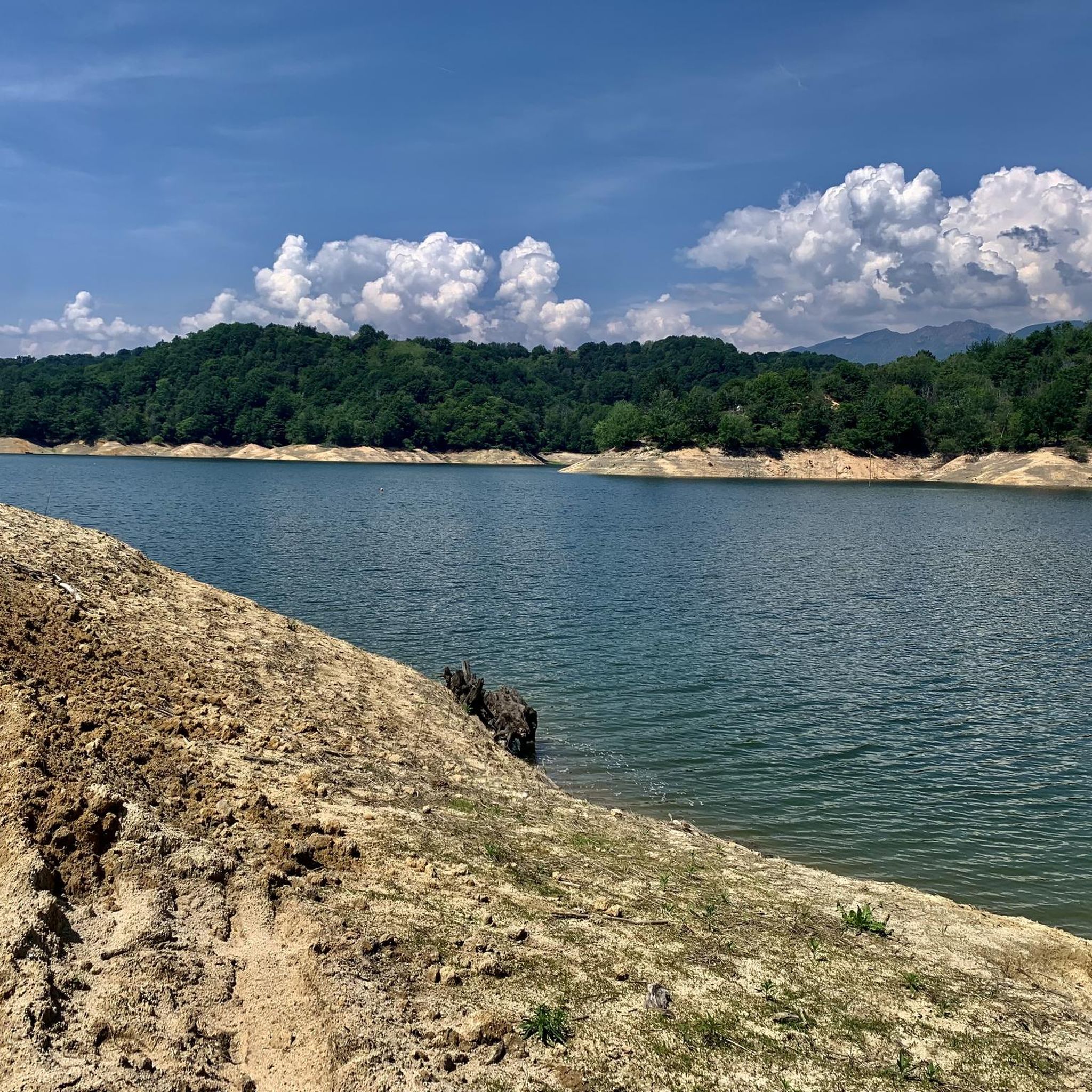
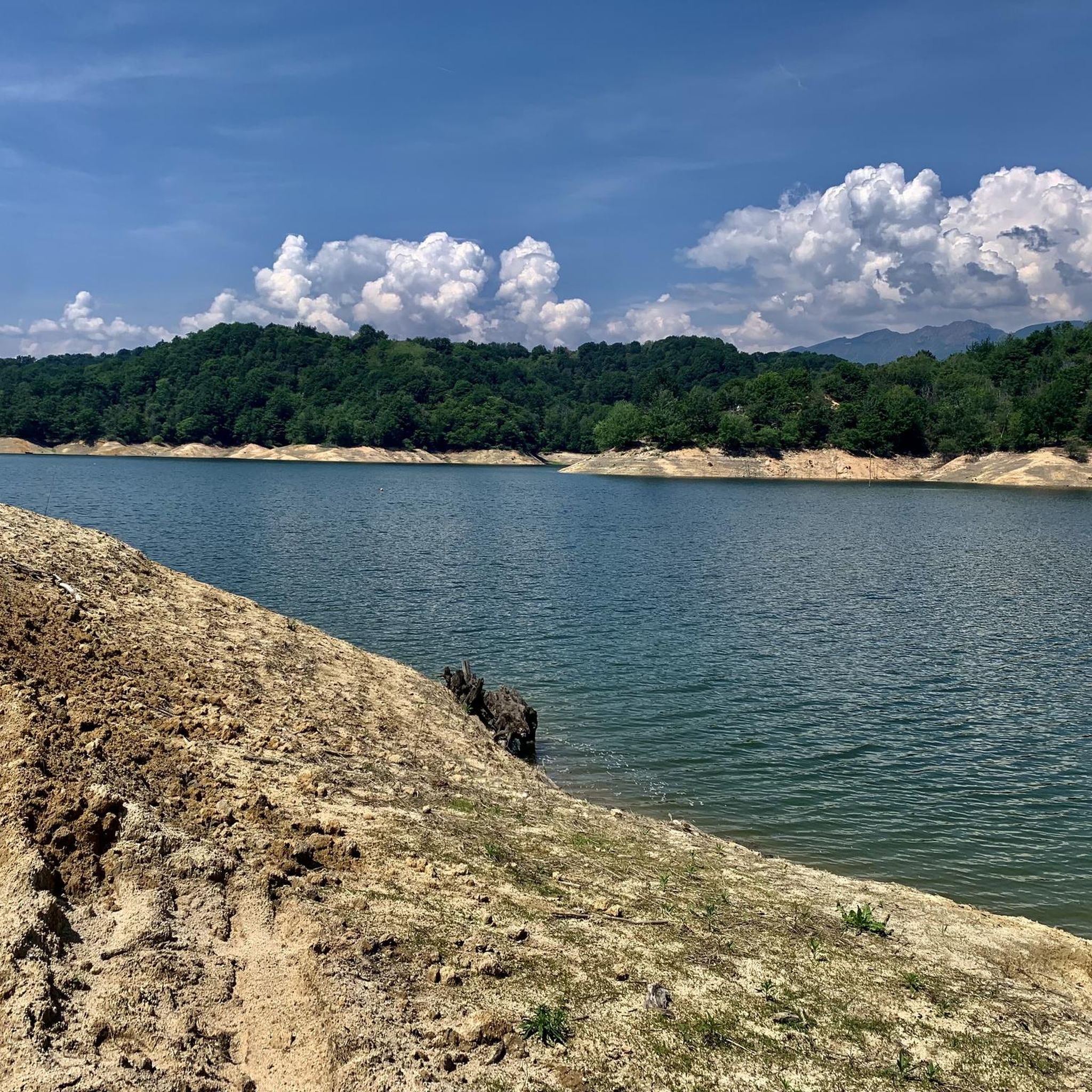
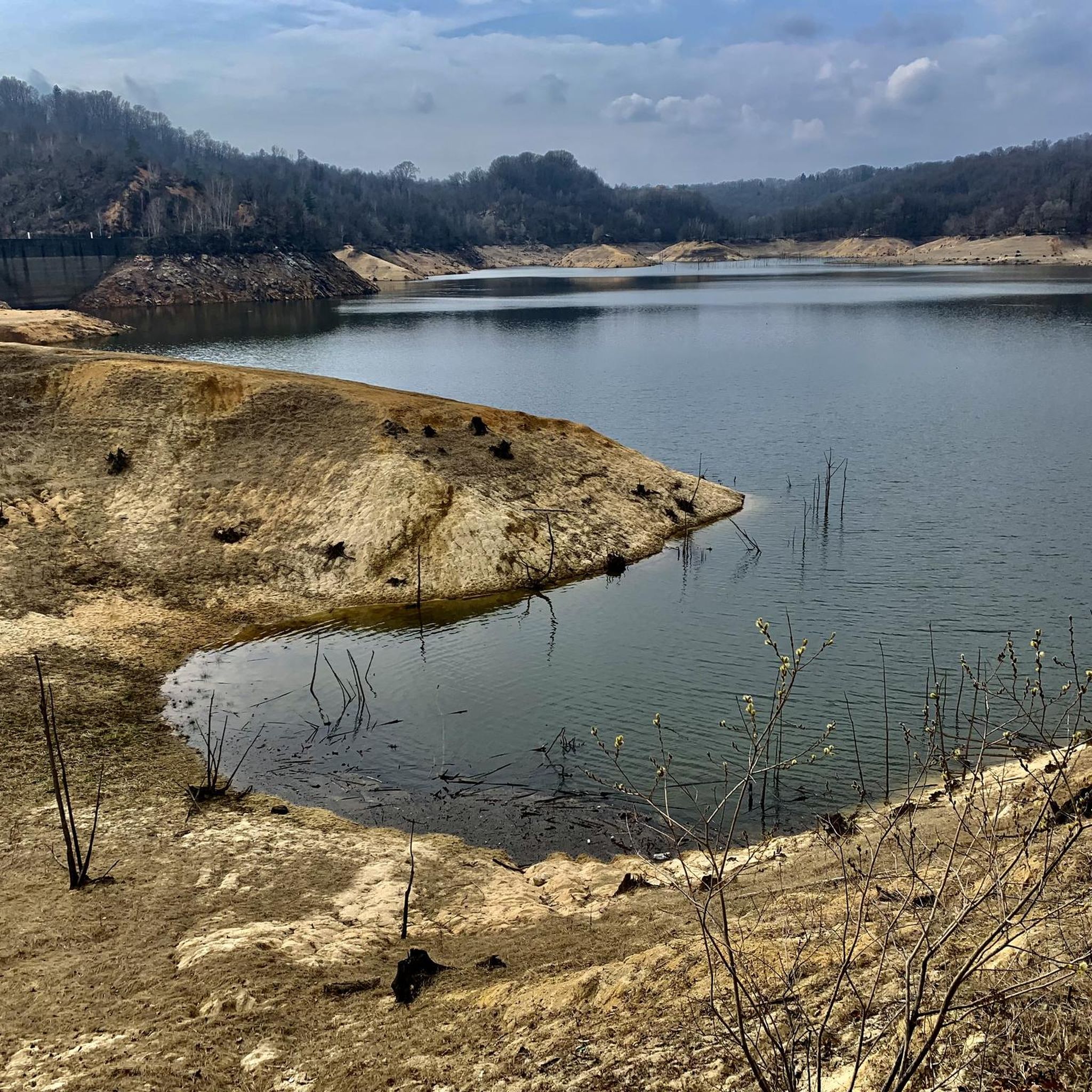
The unusual landscape, from the Strona di Vallemosso Valley and through Masserano to Curino, is due to two …
Translated by Google •
Tip by

Fabbrica della Ruota
Highlight • Historical Site
Translated by Google •
Tip by

Sign up for free to discover even more attractions around Masserano.
Sign up for free
Already have an account?
Start today with a free account
Your next adventure awaits.
Login or Signup

Tips from the Community


ENTERING THE RICETTO IT SEEMS LIKE BEING IN ANOTHER ERA THEN VISITED DURING THE WEEK WITHOUT TOO MANY PEOPLE AND SPECTACULAR
0
0

The wool mill was built by the Zignone brothers in 1878, in the Vallefredda area, a short distance from the confluence of the Scoldo stream with the Ponzone torrent and near the Biella-Borgosesia provincial road. The business was initially run by Pietro, Giovanni and Carlo. When Pietro died in 1891, only Carlo continued to run the business, but, alone, he was unable to get beyond 1896. In that year, the factory was rented to Anselmo Giletti, who installed a spinning mill there to serve the important Ponzone complex. In 1900, Carlo Zignone died, leaving behind Felicita Tonella as a widow and ten orphaned children. Only in 1912 did the brothers Umberto, Oreste and Rinaldo Zignone regain possession of the factory and form a partnership with the Ferla brothers, owners of the homonymous wool mill in Polto. After the partnership with the Ferlas ended in 1918, the Zignone brothers independently managed the company under the name "Lanificio Fratelli Zignone fu Carlo". The flood of 1927 caused serious damage to the factory and in 1931 Umberto Zignone died. Oreste and Rinaldo restarted production in partnership with their collaborators, such as the designer Ugo Rista and the sales representative Armando Garlanda. "Zignone Garlanda & Rista" was dissolved in 1937. In 1949 Garlanda also left the scene and once again the brothers Oreste and Rinaldo, and their nephew Ermanno, son of Umberto, returned to managing on their own with a promising start. The 1950s, however, were a difficult period and many small companies could not keep up: this also happened to the Zignone brothers' wool mill. In 1966, the entrepreneur Carlo Beretta purchased the Vallefredda buildings without however resuming the activity. In 1991, Carlo Beretta donated the industrial complex to DocBi-Centro Studi Biellesi after, in 1984, what had by then become the "Fabbrica della ruota" had hosted the exhibition "Industrial Archaeology in Valsessera and Valle Strona", tracing the path of the association and anticipating the new destiny of the former Lanificio Zignone. Today, the "Fabbrica della ruota", a lively cultural center, is included in the ecomuseum system of the Province of Biella. Source: municipality of Pray
0
0

Candelo, the highlight of our Piedmont trip. Small town from the 14th century with small shops and very good restaurants. An absolute must.
0
0

Super trail and terrain, drains immediately and grip always at the top!
2
0

Small village of medieval origins particularly appreciable for its excellent state of conservation and local activities/events
0
0

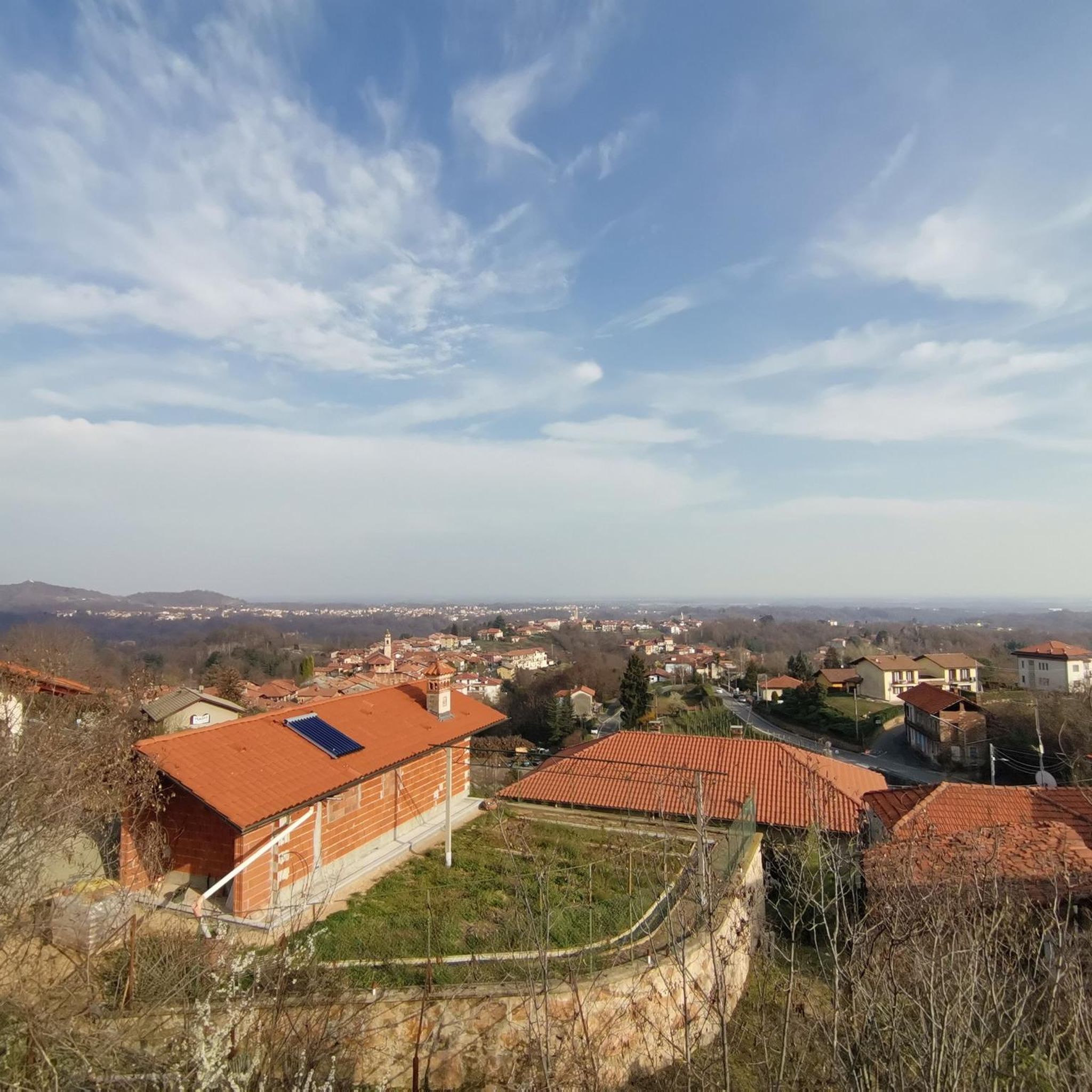
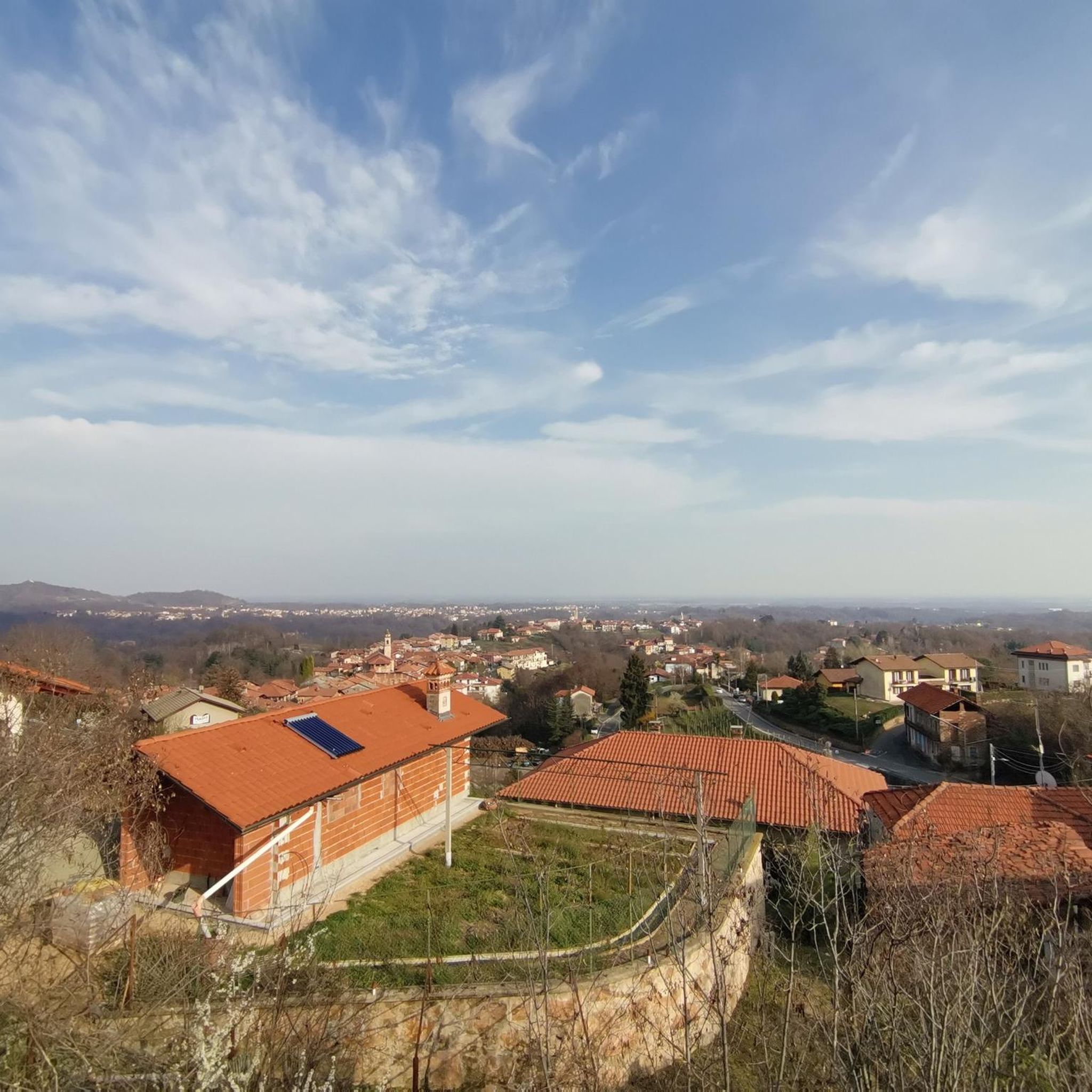
Excellent panoramic point and for a stop
1
2

It is a medieval tower that dates back to the 11th century and was part of a fortified system built between the 12th and 13th centuries. The church of S. Giovanni alle Castelle was part of this structure, destroyed in 1950, today replaced by the chapel of the Madonna della Neve, built by the Alpine Section of Gattinara.
12
0
Frequently Asked Questions
What historical sites can I explore in and around Masserano?
Masserano is rich in history. You can visit the Ricetto of Candelo, a remarkably preserved medieval fortified village. Also, explore the Castelle Tower, an 11th-century medieval tower. In Masserano itself, the Polo Museale Masseranese complex includes the Royal Palace of the Ferrero-Fieschi Princes, the Collegiate Church, and the Churches of San Teonesto and the Holy Spirit, offering deep insights into the town's past.
Are there any natural reserves or unique landscapes to visit near Masserano?
Yes, nature lovers should definitely visit the Baraggia di Candelo – Baragge Nature Reserve. This protected area features an extensive plateau with heather clearings and sparse forests of birch and oak. Another unique natural landscape is the Rive Rosse, known for its unusual orange-reddish geological formations and strong erosion, creating an almost Martian landscape.
What outdoor activities are available around Masserano?
The region offers various outdoor activities. For hiking, you can find trails like the 'Walk towards Lago delle Piane' or the 'Piedmont countryside walk to Croce di Masserano'. Cyclists can explore routes such as the 'Collegiate Church of the Annunciation – San Teonesto Church loop'. Mountain biking enthusiasts will enjoy trails like the 'Rive Rosse Loop'. You can find more details and routes on the hiking, cycling, and MTB guides around Masserano.
Are there family-friendly attractions in the Masserano area?
Absolutely! The Ricetto of Candelo is a great option for families, offering a fascinating glimpse into medieval life. The Castelle Tower is also considered family-friendly. Additionally, the Fabbrica della Ruota, a former wool mill now a cultural center, provides an interesting educational experience for all ages.
What is the Fabbrica della Ruota and what can I see there?
The Fabbrica della Ruota is a historic former wool mill, originally built in 1878. It has been transformed into a lively cultural center and is part of the ecomuseum system of the Province of Biella. Visitors can learn about the region's industrial heritage and textile production history.
Can I find easy walking trails suitable for beginners near Masserano?
Yes, there are several easy walking trails. For instance, the 'Walk towards Lago delle Piane - Ring tour' is an easy 6.3 km route, and the 'Countryside walk to Chiesa dei Santi Defendente e Faustino' is another easy option at about 4.9 km. These are great for a relaxed stroll. You can find more easy routes in the hiking guide for Masserano.
What is the Palio dell'Oca and when does it take place?
The Palio dell'Oca is a vibrant local cultural event held annually in August. It features costumed parades, exhibitions, performances, and a traditional rowboat race on Lake delle Piane. It's a great way to experience local traditions and community spirit.
Are there any viewpoints or scenic spots in the area?
The Castelle Tower offers a viewpoint, providing scenic vistas of the surrounding area. Additionally, the Rive Rosse area provides great views from various points due to its unique geological formations and strong erosion.
What kind of terrain can I expect in the Baragge Nature Reserve and Rive Rosse?
The Baragge Nature Reserve is characterized by an extensive plateau of clayey soil with large clearings, often covered with heather, and sparse forests of birch and oak. The Rive Rosse, on the other hand, presents an unusual landscape with orange-reddish rocks, formed from ancient granite and lava flows, and features significant erosion that has created unique sandy slopes.
What are some lesser-known historical gems in Masserano?
Beyond the main attractions, the Oratory of San Giuseppe stands out as a notable example of Baroque architecture in Masserano, known for its simple structure and sober lines. The ruins of Masserano Castle, though largely destroyed, also hold historical significance with visible remnants behind the princely palace.
What do visitors enjoy most about the attractions around Masserano?
Visitors particularly appreciate the well-preserved historical sites like the Ricetto of Candelo for its medieval charm and excellent conservation. The unique natural beauty of the Baragge Nature Reserve and the striking landscapes of the Rive Rosse are also highly praised. The blend of cultural heritage and natural exploration makes the area appealing.
Most popular routes around Masserano
Most popular attractions around Masserano

Get inspired with the komoot mobile app


Explore more
Still not found the Highlight you’re looking for? See guides of the top attractions in other regions:
