Attractions and Places To See around Campiglia Cervo - Top 20
Best attractions and places to see around Campiglia Cervo are found in Italy's Upper Cervo Valley, a region characterized by historical landmarks, cultural sites, and natural beauty. The area features colorful buildings, the flowing Cervo stream, and serves as a gateway to surrounding mountains and hamlets. Visitors can explore a blend of man-made structures and diverse natural features, including alpine lakes and dramatic valleys.
Best attractions and places to see around Campiglia Cervo
- The most popular attractions is Oropa Sanctuary…
Last updated: September 26, 2026
Oropa Sanctuary
Highlight • Religious Site
Translated by Google •
Tip by

Bocchetto Sessera Pass
Highlight • Mountain Pass
Showing Translation
Tip by

Sign up now to discover places like this
Get recommendations on the best single tracks, peaks, & plenty of other exciting outdoor places.
Graglia Sanctuary
Highlight • Religious Site
Translated by Google •
Tip by
Rifugio della Balma
Highlight • Mountain Hut
Translated by Google •
Tip by
Three-arch bridge on the disused Biella-Oropa tramway
Highlight • Bridge
Translated by Google •
Tip by

Sign up for free to discover even more attractions around Campiglia Cervo.
Already have an account?
Start today with a free account
Your next adventure awaits.
Popular around Campiglia Cervo
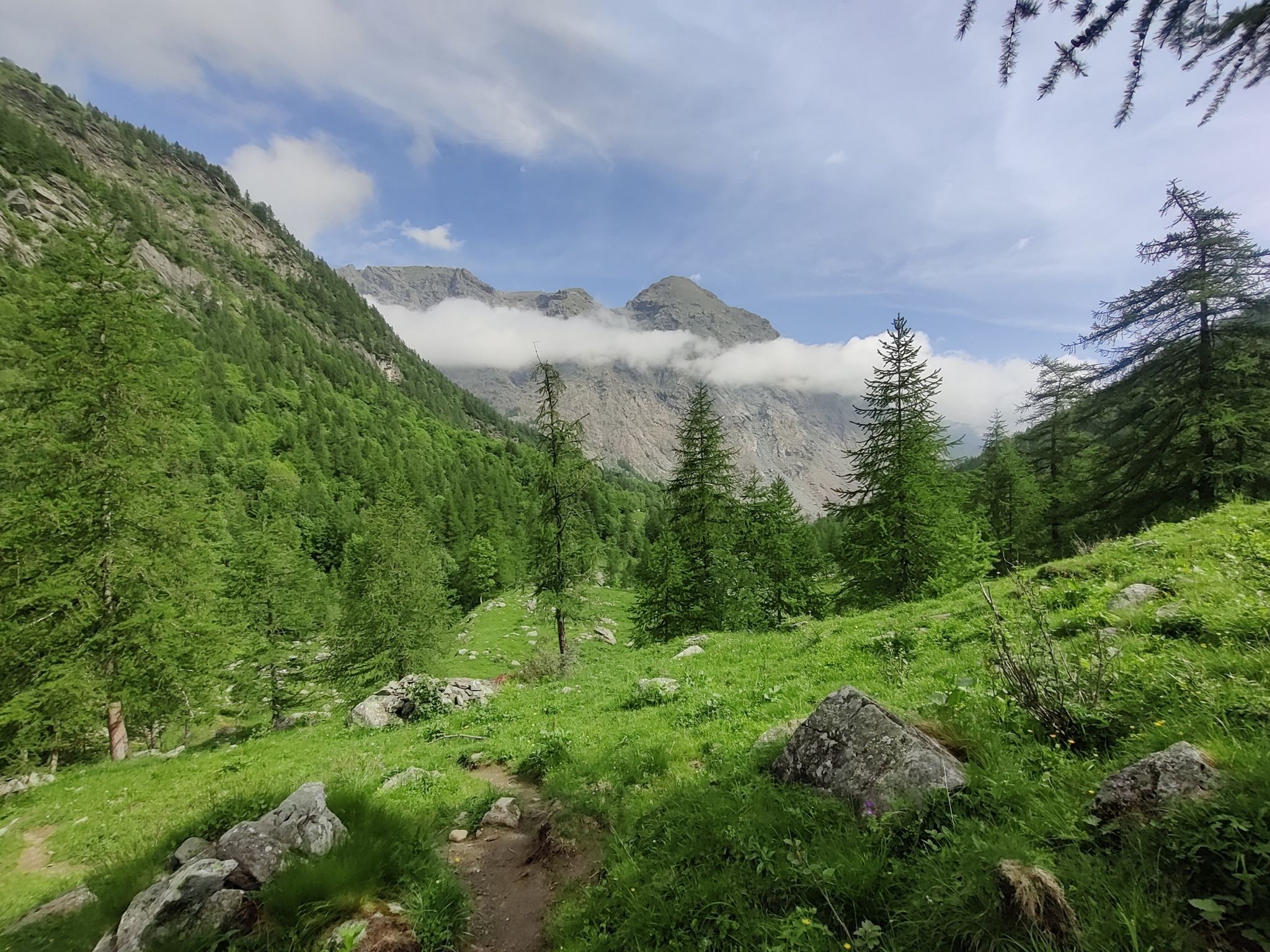
GTA Central Piedmont – Dense forests, lakes and impressive waterfalls
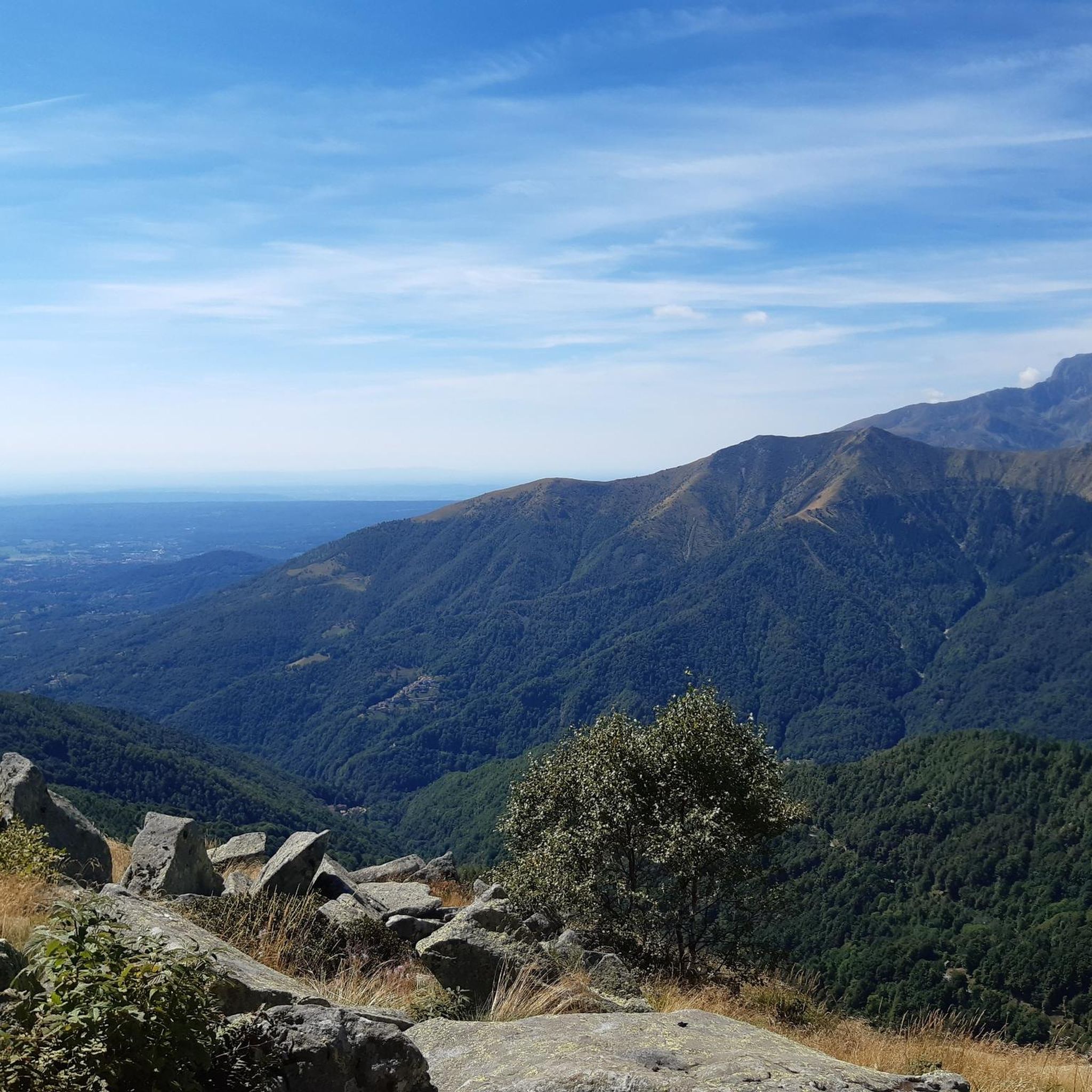
Hiking around Campiglia Cervo
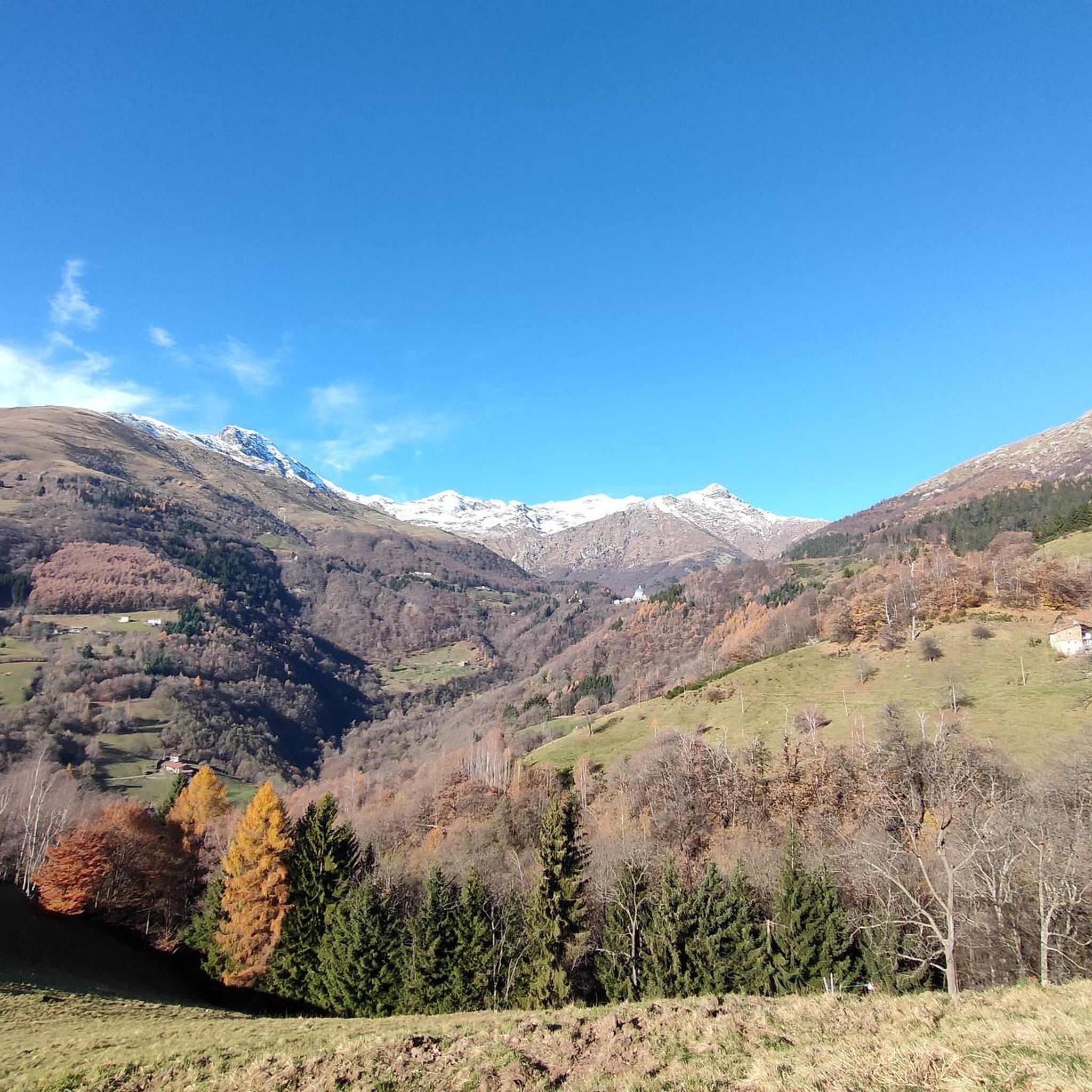
Running Trails around Campiglia Cervo
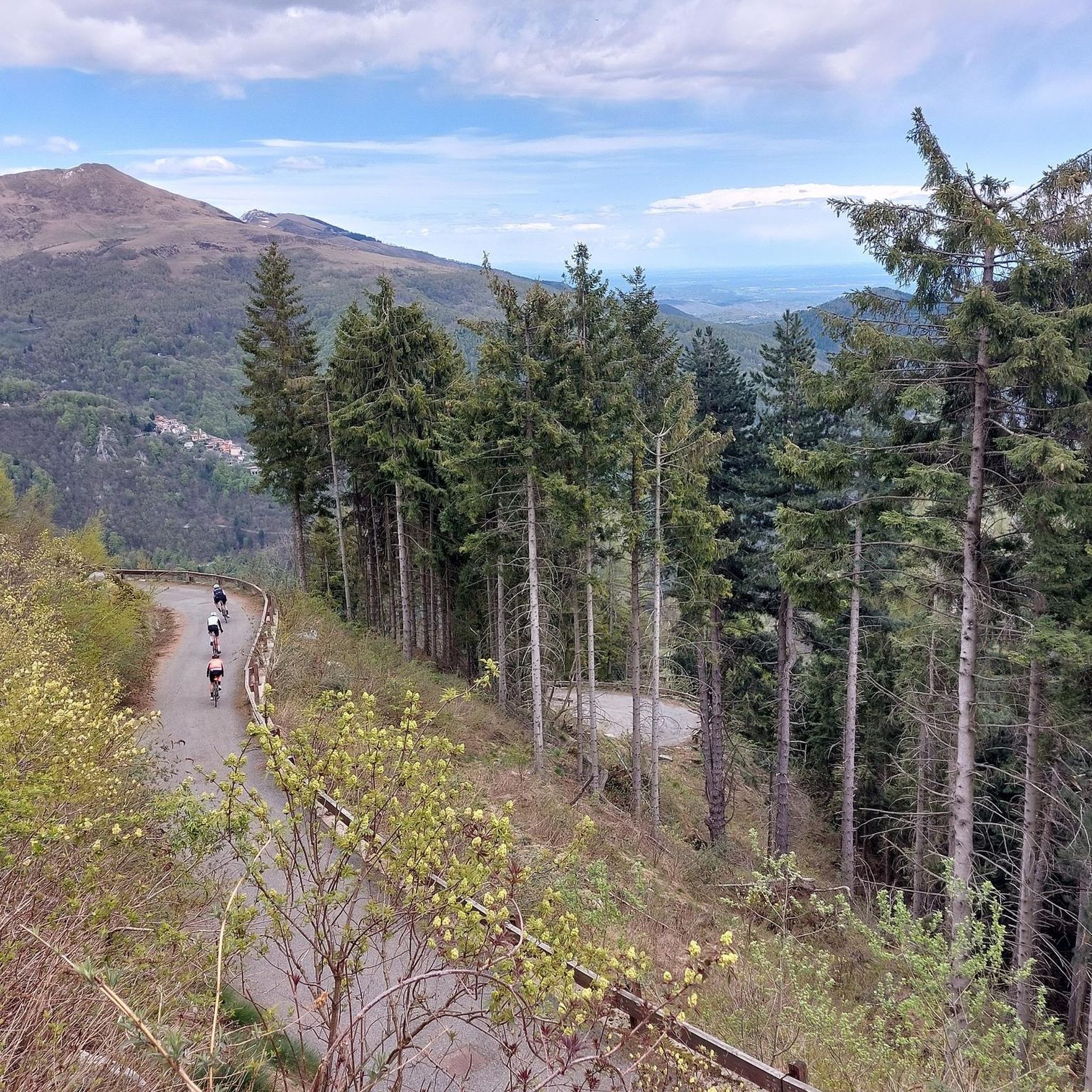
MTB Trails around Campiglia Cervo
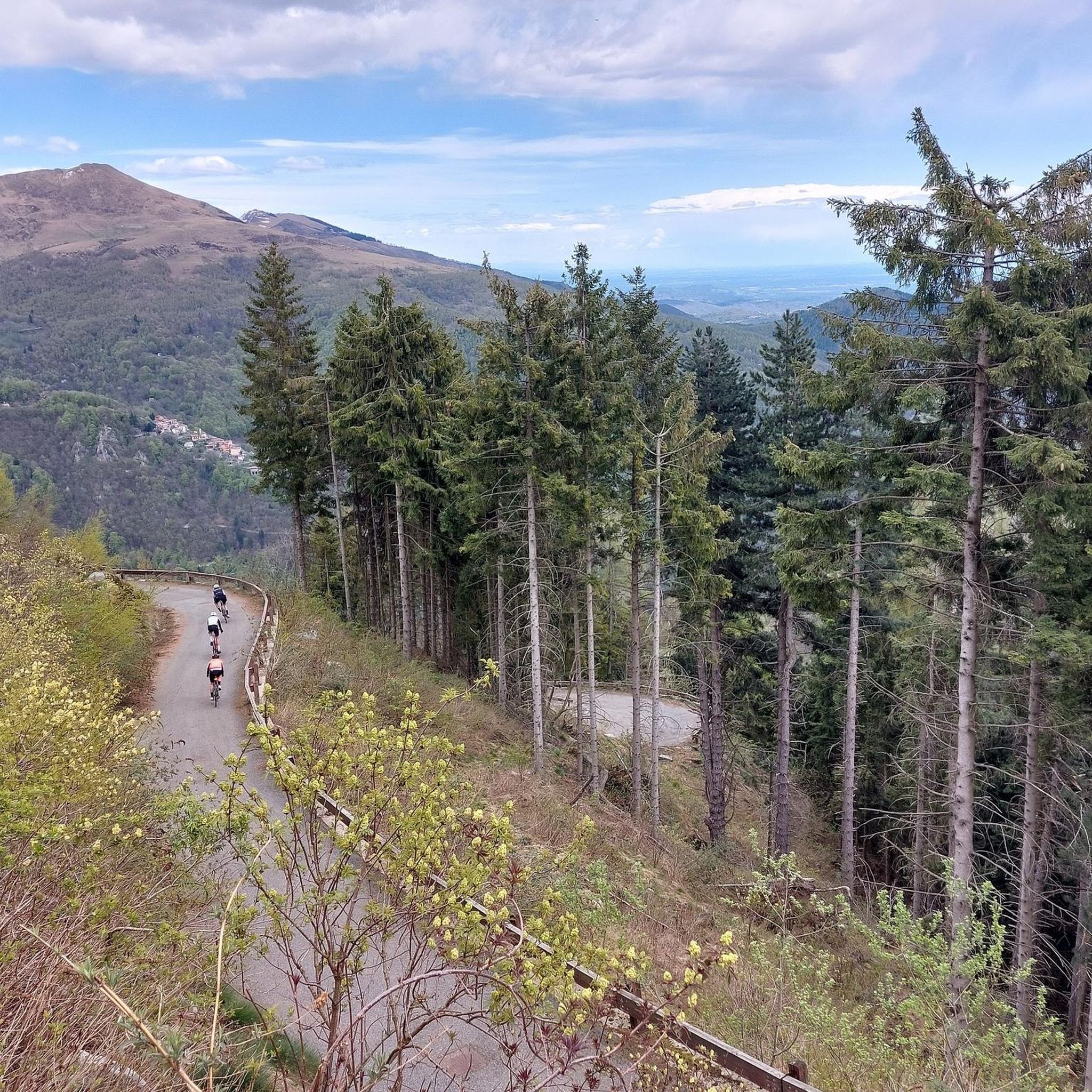
Road Cycling Routes around Campiglia Cervo
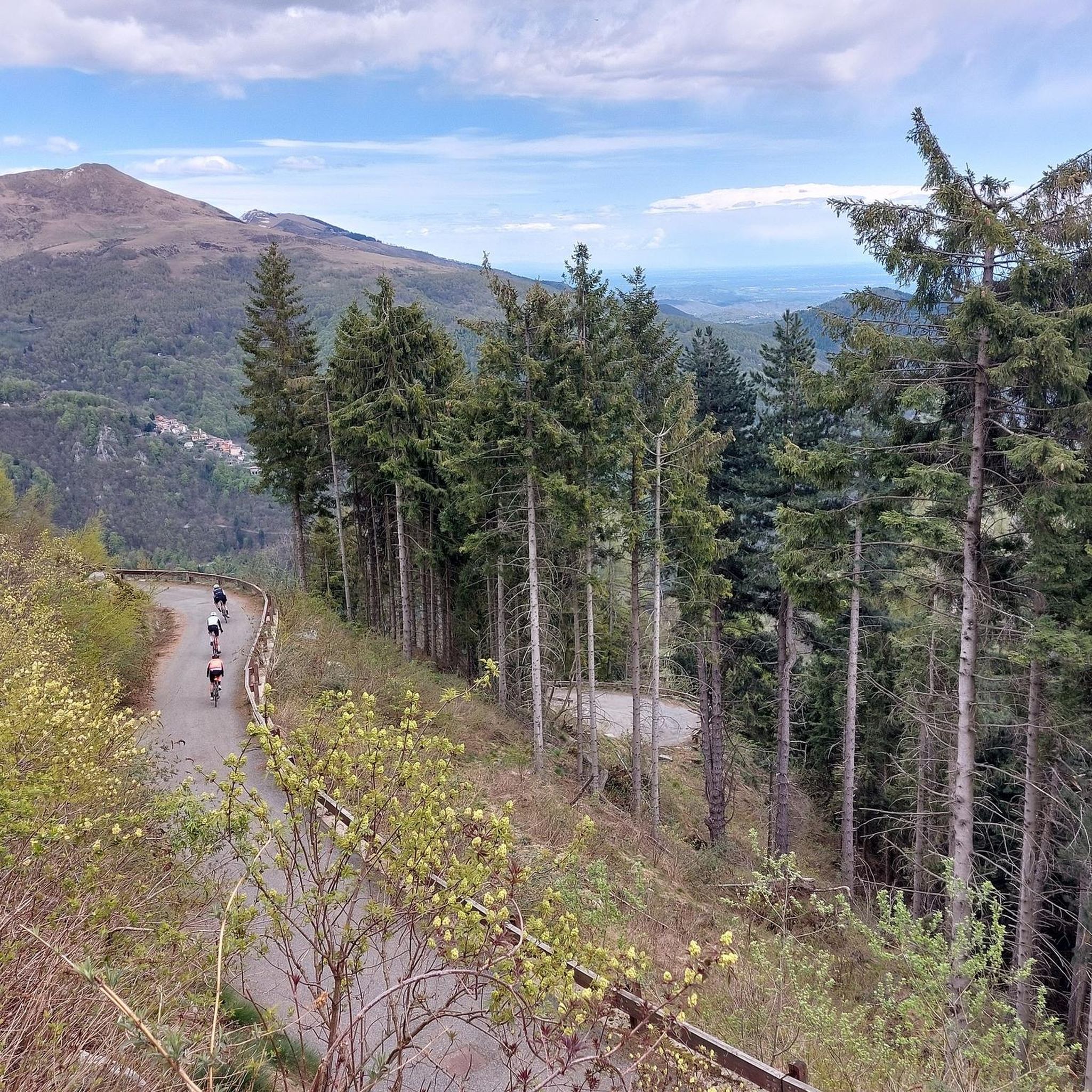
Cycling around Campiglia Cervo
Gravel biking around Campiglia Cervo

Mountain Hikes around Campiglia Cervo
Other adventures around Campiglia Cervo

Tips from the Community

From the Sanctuary's website: "The Sanctuary of Graglia, located in the Biella region, is a 17th-century place of worship dedicated to the Madonna of Loreto. Immersed in nature, it combines spirituality and baroque architecture. Originally conceived as a Sacro Monte project, it is today a destination for pilgrimages and offers an atmosphere of peace and contemplation."
0
0

Excellent hospitality for pilgrims
0
0

The **Passo (or Bocchetto) di Bocchetto Sessera is an alpine pass located in the Biella Alps, in the Province of Biella (Piedmont, Italy). It connects the Valle dello Strona di Mosso with the Val Sessera, between the mountains Monte Marca (1,558 m) and Monticchio (1,697 m).
14
0
The Ponte dei Tre Archi in the La Vecchia locality in Biella (Piedmont, Italy) is a historic stone structure located along the ancient route of the Tranvia Biella‑Oropa — the former tramway line that connected Biella to the Sanctuary of Oropa between 1911 and 1958.
10
0
The Santuario di Oropa is one of the most important Marian places of worship in Piedmont, Italy, located at about 1,159 m above sea level on the mountainside of the Valle d’Oropa, just above Biella. It is famous for its religious history, imposing architecture, and the surrounding natural landscape.
10
0

Main entrance to the Oasi Zegna, from which many paths start, including the "Bosco del Sorriso" path and others
2
0
Very modern and comfortable refuge. Equipped with 24h electricity, wi-fi, hot water. The refuge is also a stop for the Oropa Valley walk. The Barma refuge is located at an altitude of 2060 meters in the Mont Mars nature reserve, located between the Biella area and the Lys Valley in the Aosta Valley. The stone structure is built around the roche moutonne in the center of an amphitheater overlooking the lakes of the same name at the foot of the Mont Mars massif (2600 m). The refuge is recently built and has a large bar, two dining rooms, eight rooms, five of which seat 8, two seat 4 and a double with bathroom. The services are shared. The structure is equipped with solar panels for the production of electricity, integrated with a co-generator system. The water is collected from the depths of the lake and treated with a water purifier so as to avoid the use of packaging to be disposed of.
1
0

dedicated to the Black Madonna and connected to the cult of Our Lady of Loreto, in the Marche. It is therefore part of that system of pre-Alpine devotional complexes that characterized a widespread popular Marian and Christian religiosity.
0
0
Frequently Asked Questions
What historical and cultural sites can I explore in Campiglia Cervo?
Campiglia Cervo offers a rich history. You can visit the Parish Church of St. Bernard and St. Joseph, known for its 1565 polyptych by Bernardino Lanino and robust bell tower. The Old Vocational Schools, now a museum, showcase the area's history of craftsmanship. Don't miss the 18th-century Municipal Building with its coats of arms, or the unique Three-arch bridge on the disused Biella-Oropa tramway, a fascinating historical remnant.
Are there any significant religious sites in the area?
Yes, the region is home to several important religious sites. The most prominent is the Oropa Sanctuary, the largest Marian sanctuary in the Alps and a UNESCO World Heritage site, housing the Black Madonna. Another notable site is the Graglia Sanctuary, dedicated to the Madonna of Loreto. Additionally, the Sanctuary of San Giovanni d'Andorno is unique as the only one dedicated to St. John the Baptist in the Alpine arc.
What natural features define the landscape around Campiglia Cervo?
Campiglia Cervo is nestled in the dramatic Upper Cervo Valley, characterized by its syenite quarries and the roaring Cervo stream, which is crossed by old stone bridges. The area is also known for its stunning alpine and glacial lakes, such as the Barma Lakes, Lago della Vecchia, and Lake Vargno, many of which are high-altitude and offer breathtaking scenery.
Can I find scenic viewpoints in Campiglia Cervo?
Absolutely. The Campanone di Campiglia Cervo, an impressive bell tower, offers panoramic views from its summit. The Belvedere del Mazzaro provides another excellent vantage point over the valley. For mountain vistas, the Bocchetto Sessera Pass, at about 1,400 meters, connects the Strona and Sessera valleys and is known for its panoramic views.
Are there opportunities for hiking or other outdoor activities near Campiglia Cervo?
The Upper Cervo Valley is ideal for outdoor enthusiasts. You can explore various trails, including those leading to alpine lakes or through hamlets like Forgnengo. For specific routes, consider the many Mountain Hikes around Campiglia Cervo, Cycling around Campiglia Cervo, or Running Trails around Campiglia Cervo.
What are the best places to see alpine lakes?
The region boasts several beautiful alpine lakes. The Barma Lakes, consisting of two distinct bodies of water, are centrally located with the Rifugio della Balma situated between them within the Mont Mars Nature Reserve. You can also visit Lago della Vecchia, near the hut of the same name, or Lake Vargno at the foot of the Mont Mars Nature Reserve, offering views of peaks like Punta Leretta.
Are there any family-friendly attractions or activities?
Many of the natural and cultural sites can be enjoyed by families. Exploring the hamlets like Forgnengo, walking through the Parco degli Arbo with its centuries-old chestnut trees, or visiting the Oropa Sanctuary, which is listed as family-friendly, are great options. The Trüna, a pedestrian tunnel in Magnani, also offers a unique experience.
What is the best time to visit Campiglia Cervo for attractions?
The best time to visit Campiglia Cervo for attractions is generally during the spring, summer, and early autumn months (May to October). During these periods, the weather is pleasant for exploring historical sites, enjoying scenic viewpoints, and accessing alpine lakes and hiking trails. Some mountain huts and facilities are only open during the summer season.
What are some hidden gems or unique spots in Campiglia Cervo?
Beyond the main attractions, consider exploring the hamlet of Forgnengo, a picturesque stone village. The Trüna, a pedestrian tunnel in the hamlet of Magnani, offers a unique walk beneath a 19th-century villa's park. The Parco degli Arbo in Riabella, with its ancient chestnut trees, is another tranquil spot maintained by locals.
What do visitors enjoy most about Campiglia Cervo?
Visitors frequently appreciate the blend of historical significance and natural beauty. The Oropa Sanctuary is highly praised for its beauty and as a starting point for excursions. The panoramic views from spots like Bocchetto Sessera Pass and the serene setting of the Rifugio della Balma between two lakes are also popular highlights.
How can I learn about the local history of craftsmanship and entrepreneurship?
The Old Vocational Schools in Campiglia Cervo are now transformed into a museum, preserving the area's rich history. These institutions were vital in training skilled construction workers who contributed to projects worldwide, reflecting Campiglia Cervo's recognition as a center for technical and professional training since the mid-19th century.
Are there any specific trails or routes that highlight the Cervo stream?
The Cervo stream is a defining natural element of the town, with its roaring waters traversed by old stone bridges, including an ancient pedestrian bridge dating back to 1753. Many local walks and trails will naturally follow or cross the stream, offering picturesque views and the sound of its flowing water. You can find routes that incorporate the stream within the Running Trails around Campiglia Cervo guide.
Most popular routes around Campiglia Cervo
Most popular attractions around Campiglia Cervo

Get inspired with the komoot mobile app


Explore more
Still not found the Highlight you’re looking for? See guides of the top attractions in other regions:
