Attractions and Places To See around Azzano D'Asti - Top 20
Attractions and places to see around Azzano D'Asti include historical sites, religious buildings, and natural landscapes. This Italian municipality is located in the Province of Asti, characterized by vineyards and rolling hills. The broader area of Langhe, Roero, and Monferrato, which encompasses Azzano D'Asti, is a UNESCO World Heritage site recognized for its vineyard landscapes. The region offers a tranquil countryside experience and is a base for exploring the cultural and natural offerings of Piedmont.
Best attractions and places to…
Last updated: November 21, 2026
Viatosto Church and View of the Hills of Asti
Highlight • Religious Site
Translated by Google •
Tip by

Main Square of Castelnuovo Calcea
Highlight • Settlement
cittaecattedrali.it/it/bces/313-chiesa-di-s-stefano-castelnuovo-calcea-at
Translated by Google •
Tip by

Sign up now to discover places like this
Get recommendations on the best single tracks, peaks, & plenty of other exciting outdoor places.
Collegiate Church of Saint Secondo
Highlight • Religious Site
Translated by Google •
Tip by

Piazza Castagnole Monferrato
Highlight • Settlement
Translated by Google •
Tip by

Church of Saint Catherine
Highlight • Religious Site
Translated by Google •
Tip by

Sign up for free to discover even more attractions around Azzano D'Asti.
Already have an account?
Start today with a free account
Your next adventure awaits.
Tips from the Community

Castelnuovo Calcea, located in the heart of the Monferrato Astigiano, has ancient origins linked to the Ligurian Statielli, Celts, and Gauls, before Roman colonization (Castrum Novum ad Calcea). The medieval village, known for its castle, destroyed several times starting in 1155, was a fiefdom of the Marquises of Incisa, the Trotti family, and finally the Savoy family in 1735.
1
0

Divided into three naves by twelve pillars supporting arches and cross vaults on a Latin cross plan, the church contains works of great artistic value by painters of the 16th and 17th centuries. Of note are the carved choir and wooden lectern, commissioned by Bishop Innocenzo Migliavacca at the end of the 17th century. At the end of the nave is the Chapel of San Secondo, built between 1772 and 1789 to a design by Bernardo Antonio Vittone.
8
0

With a plaque for the "Martyrs of Freedom": Ferrero Domenico Ferruccio from Castelnuovo was a partisan in the Giustizia & Liberta formations, killed in action on March 26, 1945, during the fighting in Agliano, not far from here. http://intranet.istoreto.it/partigianato/dettaglio.asp?id=35746 Bianco Luigi Loris was a farmer from Castelnuovo and a partisan in an autonomous unit. He was captured during a clearing operation on December 6, 1944, and deported to Germany. He died during the death march from Flossenbürg to Dachau. https://israt.it/banche-dati/deportati-politici-astigiani.html https://www.pietredellamemoria.it/pietre/monumento-ai-caduti-di-castelnuovo-calcea/
0
0

Place of worship and prayer Corso Vittorio Alfieri, 424, 14100 Asti AT http://www.santacaterina.asti.it/index.php 0141592428
1
0

Church with a particular shape with a rounded plan, a facade that recalls classical forms and a bell tower obtained from what was one of the two towers of the Roman gate of the city (in the style of the Porta Palatina of Turin). Located in the extreme part of Corso Alfieri.
0
0
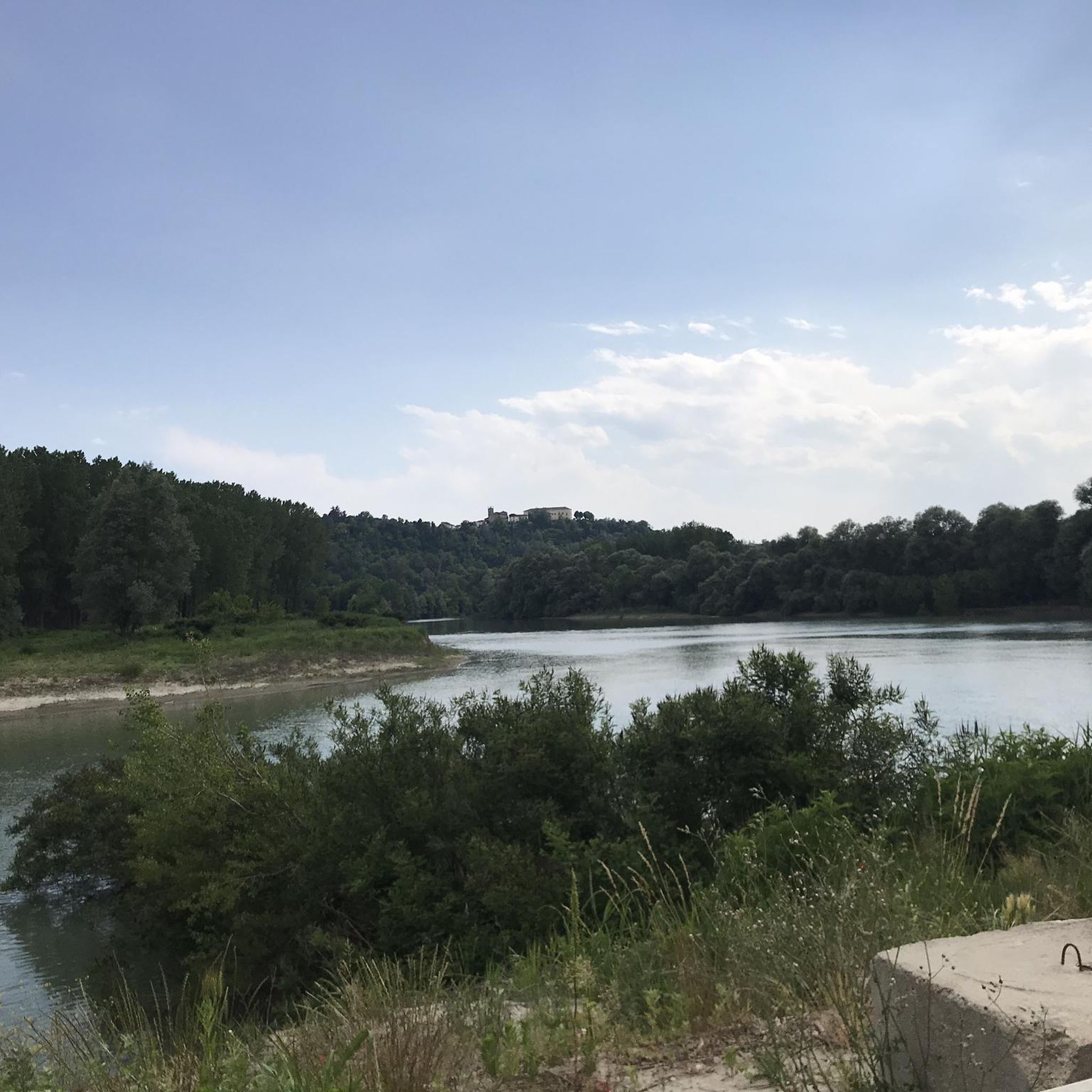
Strada Mazzola in its (almost) final part before the outlet on the Valmanera road.
0
0
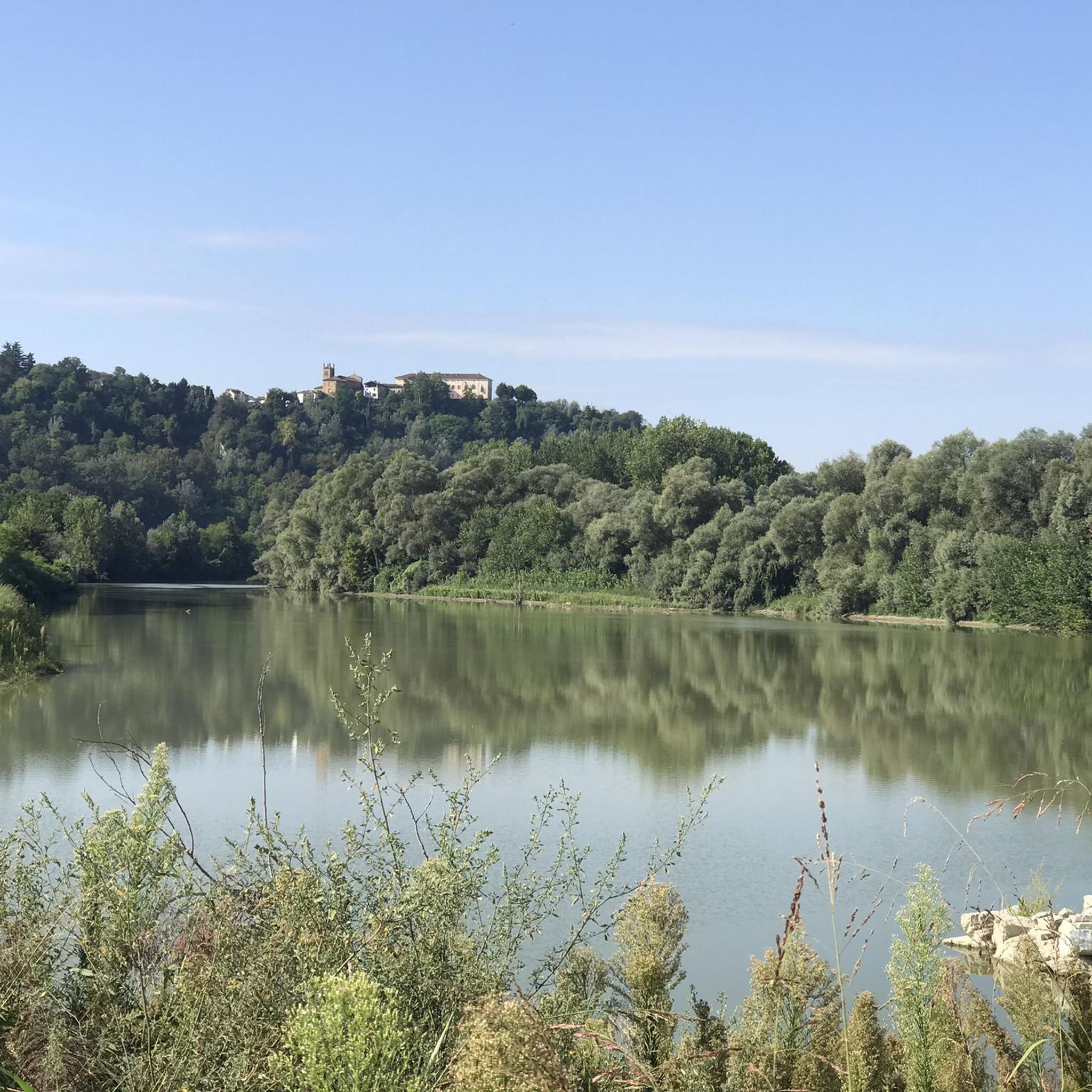
Image taken from the top of the first micro-tear that comes after the square. Viatosto is and will always remain a perfect place for those who love walking or cycling.
0
0
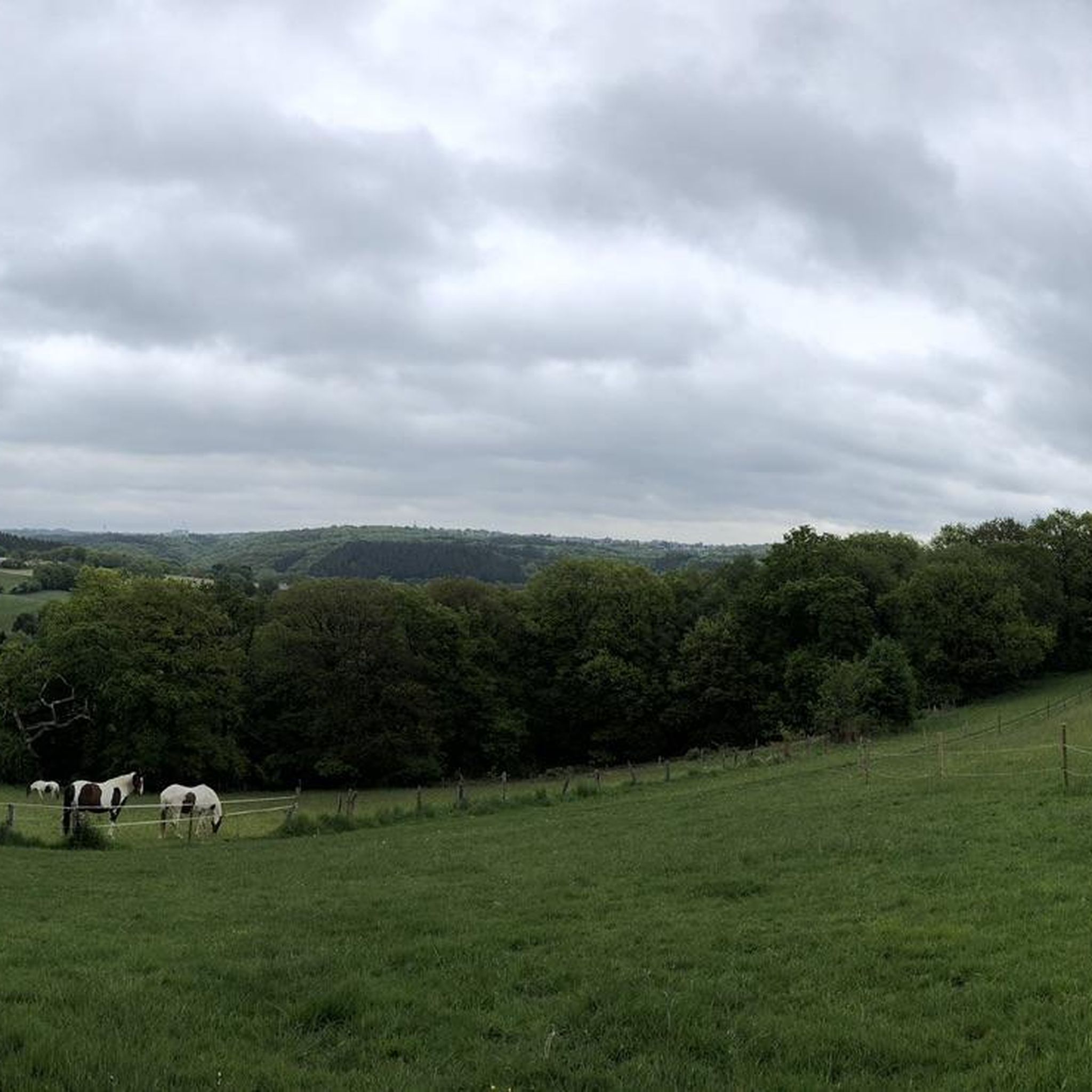
After the small square of the bar, take the road that goes up. There are actually two strappetti, one after the other in sequence but short and feasible, after which the road forks and if you keep to the right, you take strada Mazzola. Within 1.5 km you return to the foot of the small hill for Viatosto. Nice little street, very very quiet.
0
0
Frequently Asked Questions
What historical sites can I visit near Azzano D'Asti?
The nearby city of Asti offers a wealth of historical attractions. You can explore the impressive Collegiate Church of Saint Secondo, dedicated to Asti's patron saint, or visit the Viatosto Church, which features Romanesque and Gothic elements. Other notable sites in Asti include the Asti Cathedral, Torre Troyana, Palazzo Mazzetti, and Palazzo Alfieri.
Are there any notable religious buildings to visit in the area?
Yes, several significant religious buildings are accessible from Azzano D'Asti. The Viatosto Church and View of the Hills of Asti is a Catholic church with Romanesque and Gothic elements, offering a wonderful view of the city from its churchyard. In Asti, the Collegiate Church of Saint Secondo is a medieval Gothic church with artistic treasures and a crypt. The Asti Cathedral is also a prominent Gothic-style cathedral nearby.
What natural features or viewpoints are there to explore around Azzano D'Asti?
The region is characterized by extensive vineyards and rolling hills, part of the UNESCO-listed Langhe, Roero, and Monferrato wine landscape. From the churchyard of Viatosto Church, you can enjoy a wonderful view of Asti and the surrounding hills. The area is perfect for scenic drives and appreciating the natural beauty of Piedmont.
Are there any charming villages or settlements to visit nearby?
Yes, you can visit Piazza Castagnole Monferrato, a characteristic village known for its Ruchè wine festival. Another historical settlement is Main Square of Castelnuovo Calcea, which has ancient origins and a medieval village history.
What outdoor activities can I do around Azzano D'Asti?
The area around Azzano D'Asti is excellent for outdoor activities. You can find various routes for gravel biking, road cycling, and running. For gravel biking, explore routes like the 'View of the Tanaro Valley' or 'View of Montegrosso'. Road cyclists can enjoy routes such as 'Portacomaro – Church of Castiglione loop'. Runners have options like the 'Valmanera Road loop' or 'Park along the Tanaro loop'. You can find more details on these activities in the respective guides: Gravel biking around Azzano D'Asti, Road Cycling Routes around Azzano D'Asti, and Running Trails around Azzano D'Asti.
Are there family-friendly attractions around Azzano D'Asti?
Many attractions in the area are suitable for families. The Viatosto Church and View of the Hills of Asti offers a peaceful setting with views. The Monument to the Unification of Italy is a significant historical memorial. Exploring charming villages like Piazza Castagnole Monferrato or the Main Square of Castelnuovo Calcea can also be enjoyable for families.
What is the best time to visit Azzano D'Asti for outdoor activities?
The region's mild climate makes spring (April-June) and autumn (September-October) ideal for outdoor activities. During these seasons, the weather is pleasant for cycling, running, and exploring the vineyards, which are particularly beautiful during harvest time in autumn.
What makes the landscape around Azzano D'Asti unique?
The landscape around Azzano D'Asti is part of the UNESCO World Heritage site of Langhe, Roero, and Monferrato. It is renowned for its picturesque vineyards and rolling hills, which contribute to the production of famous wines like Asti Spumante and Barbera d'Asti. This unique blend of natural beauty and viticultural heritage offers a tranquil countryside experience.
Are there any castles to visit in the vicinity?
Yes, the broader Asti province is dotted with various castles. Notable examples include the Castello di Costigliole D'Asti, Castello di San Martino Alfieri, and Govone Castle, offering glimpses into the region's rich history.
How can I experience the local wine culture?
The region is famous for its wine production, particularly Asti Spumante and Barbera d'Asti. You can immerse yourself in the wine culture by taking scenic drives through the extensive vineyards, visiting local wineries for tastings, or attending wine festivals, such as the Ruchè wine festival held in Piazza Castagnole Monferrato.
Are there any parks or natural reserves nearby?
Yes, to the west of Asti, you can find the Parco Paleontologico Astigiano (Palaeontological Park of the Asti area), which includes the Natural Reserve of the Andona Valley, Botto Valley, and Valle Grande. Additionally, the WWF Valmanera Oasis - CEA Villa Paolina, located about 6 km from Azzano D'Asti in Asti, is a protected area known for its biodiversity. For more information on parks and natural reserves in Piedmont, you can visit visitpiemonte.com.
What is the Monument to the Unification of Italy?
The Monument to the Unification of Italy is a man-made memorial commemorating the sacrifices made during Italy's unification. It serves as a poignant reminder of the victims of war and tyranny, emphasizing the importance of peace.
Most popular routes around Azzano D'Asti
Most popular attractions around Azzano D'Asti

Get inspired with the komoot mobile app


Explore more
Still not found the Highlight you’re looking for? See guides of the top attractions in other regions:
