Attractions and Places To See around San Martino Alfieri - Top 20
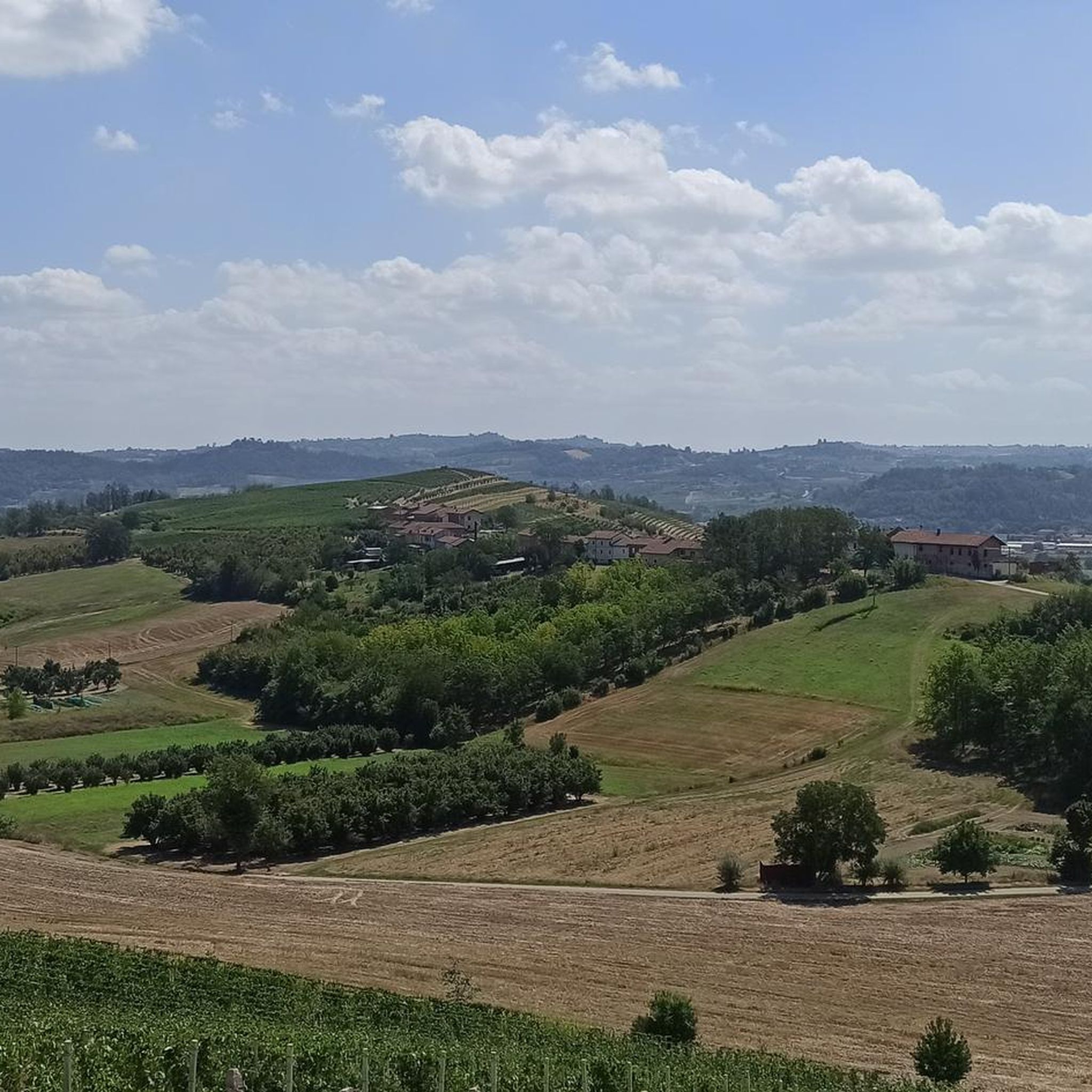
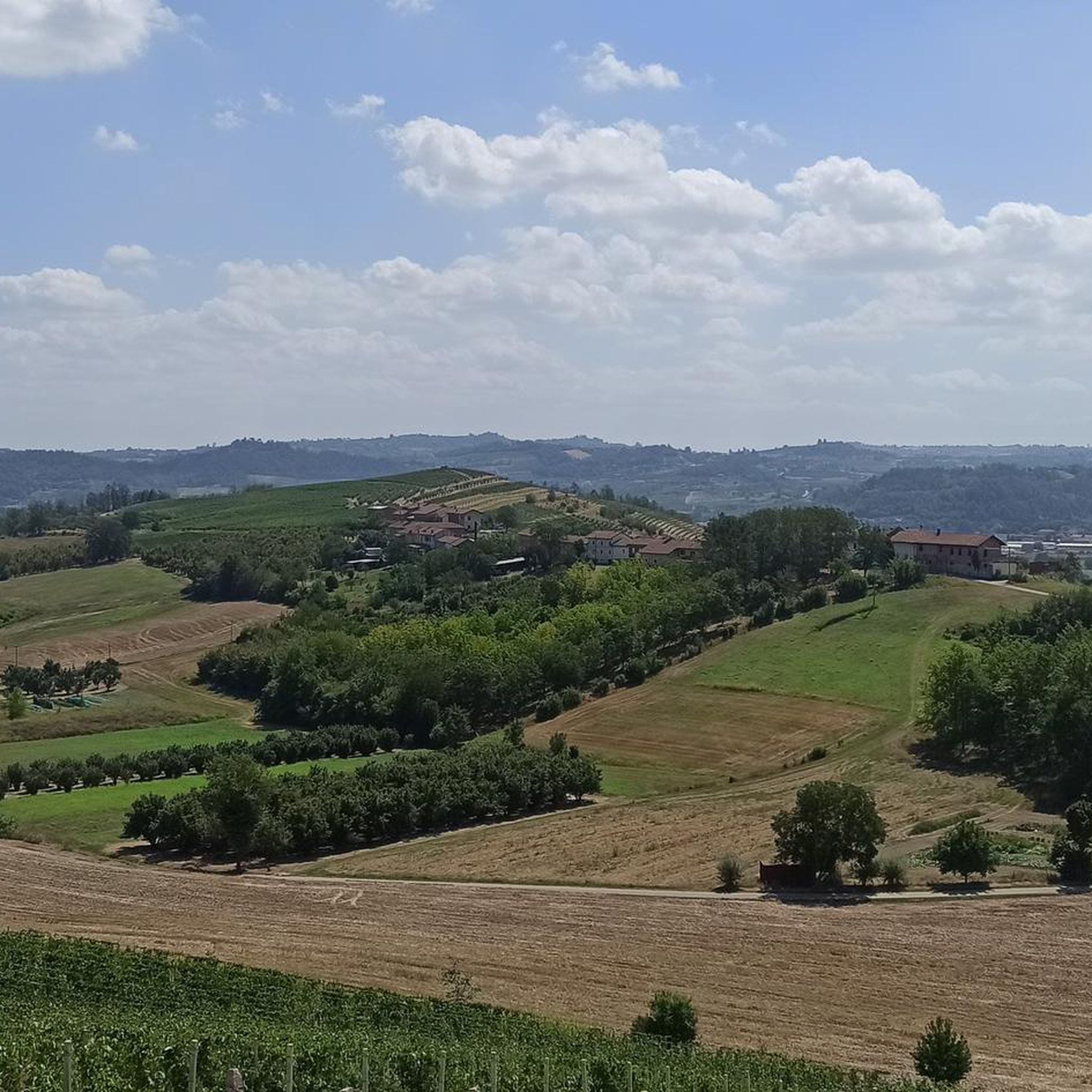
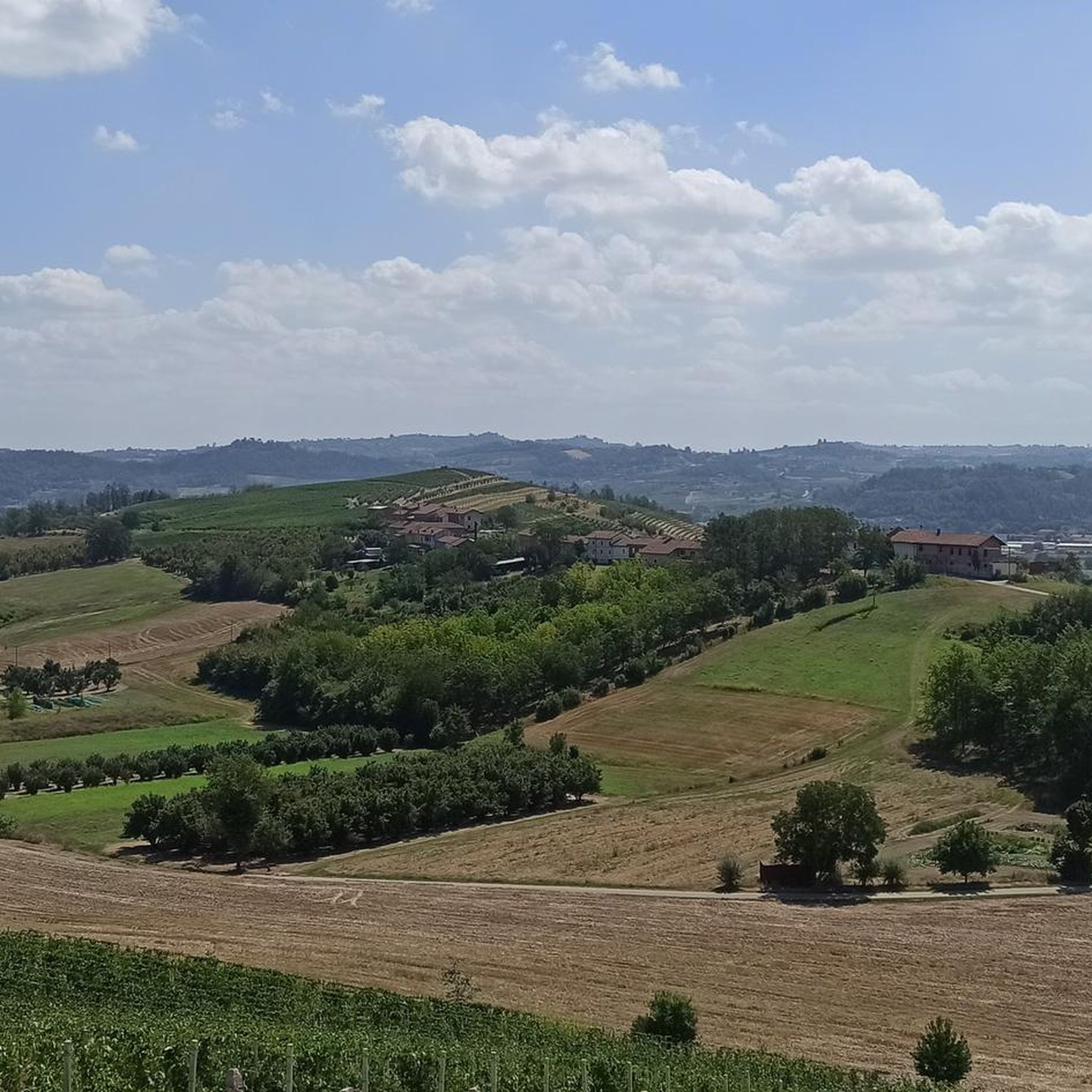
Best attractions and places to see around San Martino Alfieri are found within the picturesque Monferrato hills in the Province of Asti, Italy. This region, situated on the left bank of the Tanaro river, is characterized by lush green vineyards and historical landmarks. Visitors can explore a blend of cultural insights, viticulture, and natural beauty, with expansive views of the surrounding hills. The area is renowned for its Barbera wine and is part of the UNESCO-recognized Monferrato, Langhe, and Roero…
Last updated: July 20, 2026
San Martino Alfieri Castle
Highlight • Castle
Translated by Google •
Tip by

Costigliole d'Asti Castle
Highlight • Castle
Translated by Google •
Tip by

Sign up now to discover places like this
Get recommendations on the best single tracks, peaks, & plenty of other exciting outdoor places.
Sign up for free
Govone Castle
Highlight • Castle
Translated by Google •
Tip by

Piazza San Secondo
Highlight • Settlement
Translated by Google •
Tip by
Church of Saints Peter and Paul (Chiesa dei Santi Pietro e Paolo), Neive
Highlight • Religious Site
Translated by Google •
Tip by

Sign up for free to discover even more attractions around San Martino Alfieri.
Sign up for free
Already have an account?
Start today with a free account
Your next adventure awaits.
Login or Signup
Tips from the Community

A beautiful castle complex and two churches, set against a panoramic backdrop of the Asti hills.
0
0

It rises in Astesana, in the tourist area called "Le Colline dei Fiumi", on the watershed of the Tanaro and Borbore rivers, controlling the important ridge line that connected Asti to Roero.
0
0

The Collegiate Church of San Secondo is one of the oldest Gothic churches in Asti. With the adjacent municipal seat and opposite the square of the same name, it forms the heart of the city. Dedicated to San Secondo, patron saint of the city, it was built according to tradition on the site of his martyrdom and burial. The exact time of its foundation is not known, the oldest document mentioning the church dates from August 1, 880. Don't forget to visit the Crypt: Interpretation: The pre-Romanesque layout of the church cannot be reconstructed in any way, except by the presence of the crypt; the oldest part dates from the 6th/7th century, consisting of four small columns surmounted by Corinthian imitation capitals with a double order of leaves. Two side walls and two wrought iron gates border the "cella confessionis", within which is located the sixteenth century reliquary, in silver, with the bones of the martyr from Asti.
2
1

Heart of ancient Asti, characterized by the medieval church of San Secondo next to the eighteenth-century town hall (the building is actually sixteenth-century, but the façade was rebuilt in the eighteenth century by the architect Benedetto Alfieri). In one corner there is the Palazzo del Podestà, the seat of civil power in the Middle Ages. A short distance away are Piazza Alfieri, Via Cavour with its towers and churches from different eras, and Corso Alfieri, the backbone of the ancient city.
5
0
The castle, configured in a single and imposing square volume, reveals evident architectural stylistic differences, originating from the layout choices undertaken in the 17th century by the legitimate owners. Starting from 1625, the Asinari nobles shared the rank of "counts of Costigliole" with the noble Verasis family. This complex was therefore divided between two feudal lords, who, with autonomous determination, gave rise to transformations and embellishments on subjective bases. The northern part of the manor, pertaining to the Asinari, retains the appearance derived from the interventions of the second half of the eighteenth century, duly inspired by the architectural canons propagated by Benedetto Alfieri. At the same time, the external aspect of the southern part, pertaining to the Verasis, constitutes an interesting example of neo-medieval stylistic re-proposition, dating back to the first decades of the 19th century.
5
0

Cradle of the historic center of the city and seat of the Town Hall and the Collegiate Church of San Secondo (the church dedicated to the Patron Saint).
0
0
Country junction of several roads and therefore crucial for many of my tours in the area. From here you can reach Motta di Costigliole, Govone, San Damiano, Antignano and Celle Enomondo.
0
0
The castle of Costigliole d'Asti, built in medieval times and subject to restoration over the centuries, is an important stage in the "Castelli Aperti" circuit of Lower Piedmont. In 1041, Arrigo III officially conferred possession on the Church of Asti. Subsequently, the castle passed under the authority of Bonifacio del Vasto. In 1198, it was Asti that took possession of the castle, establishing statutory regulations. Built on top of the Costigliole fortress, this mighty quadrangular castle, with a base of 60 meters on each side and a height of 25 meters, is one of the grandest in the Asti area.
8
0
Frequently Asked Questions
What historical sites can I visit in San Martino Alfieri?
San Martino Alfieri is rich in history. A primary attraction is the San Martino Alfieri Castle, a baroque summer residence built on medieval ruins, featuring an elegant Orangerie and historic cellars. Other notable historical sites include the Parish Church of San Martino and the Church of the Confraternity of the Battuti.
Are there other castles worth visiting near San Martino Alfieri?
Yes, the region is part of the "Castelli Aperti" circuit. You can explore the mighty Costigliole d'Asti Castle, one of the grandest in the Asti area, and Govone Castle, a UNESCO heritage site that was formerly a Savoy residence, offering guided tours and a small garden.
What natural features define the landscape around San Martino Alfieri?
San Martino Alfieri is nestled within the picturesque Monferrato hills, on the left bank of the Tanaro river. The landscape is characterized by lush green trees and extensive vineyards. From various hilltops, you can enjoy expansive panoramic views of the surrounding hills, and even catch glimpses of the Maritime Alps, Monviso, and Gran Paradiso National Park on clear days.
Can I go hiking or cycling near San Martino Alfieri?
Absolutely! The Monferrato hills offer numerous opportunities for outdoor activities. For hiking, you can find routes like the 'Castello di San Martino Alfieri e Castello di Govone — Round trip'. If you prefer mountain biking, there are trails such as the 'Cisterna d'Asti Castle – Belvedere of Cisterna d'Asti loop'. You can find more routes for hiking and MTB in the area.
Are there family-friendly attractions around San Martino Alfieri?
Many of the historical sites, including the San Martino Alfieri Castle and its English Park, are suitable for families. Exploring the castles and enjoying the natural landscapes of the Monferrato hills can be a great experience for all ages.
What is the best time to visit San Martino Alfieri?
The region is beautiful year-round, but spring and autumn offer particularly pleasant weather for exploring the vineyards and historical sites. Summer is vibrant, with an annual festival dedicated to Barbera wine, though it can be warmer. The English Park of San Martino Alfieri Castle is especially lovely in spring and fall.
Is San Martino Alfieri known for its wine?
Yes, San Martino Alfieri is located in a renowned wine region, famous for its Barbera wine. The area is part of the broader Monferrato, Langhe, and Roero regions, which are recognized as UNESCO "Humanity heritage sites" for their unique vineyard landscapes. Many local estates, including the San Martino Alfieri Castle, have a long winemaking tradition.
Where can I find panoramic viewpoints in the area?
The Monferrato hills surrounding San Martino Alfieri offer numerous opportunities for scenic views. From various hilltops, you can enjoy expansive vistas of the vineyards, the Tanaro river valley, and even the distant Maritime Alps and Monviso on clear days. The castles, such as Govone Castle, often provide excellent vantage points.
Are there any religious sites of interest besides the main churches?
Beyond the Parish Church of San Martino and the Church of the Confraternity of the Battuti, you can also visit the Collegiate Church of Saint Secondo nearby. This ancient Gothic church in Asti features significant artistic works from the 16th and 17th centuries, including a carved choir and a crypt dating back to the 6th/7th century.
What are the UNESCO World Heritage sites in the area?
The broader region, including Monferrato, Langhe, and Roero, where San Martino Alfieri is situated, is recognized as a UNESCO "Humanity heritage site." This designation celebrates their unique agricultural landscapes, characterized by vineyards, hazel groves, and ancient woods. Govone Castle is also cataloged as a UNESCO heritage site.
Where can I find more information about visiting San Martino Alfieri Castle?
For detailed information regarding opening hours, tours, and specific events at the San Martino Alfieri Castle, you can visit its official heritage page: italianbotanicalheritage.com.
Are there easy walking trails suitable for beginners or casual strolls?
Yes, the gentle slopes of the Monferrato hills offer many opportunities for easy walks. While specific 'beginner' trails aren't highlighted, many of the shorter hiking routes, such as the 'Govone Castle loop from Govone' (around 8.4 km), are generally considered moderate and can be enjoyed by those looking for a casual stroll through the scenic countryside. You can explore more options on the hiking guide.
Most popular routes around San Martino Alfieri
Most popular attractions around San Martino Alfieri

Get inspired with the komoot mobile app


Explore more
Still not found the Highlight you’re looking for? See guides of the top attractions in other regions:
