Attractions and Places To See around Quaranti - Top 20
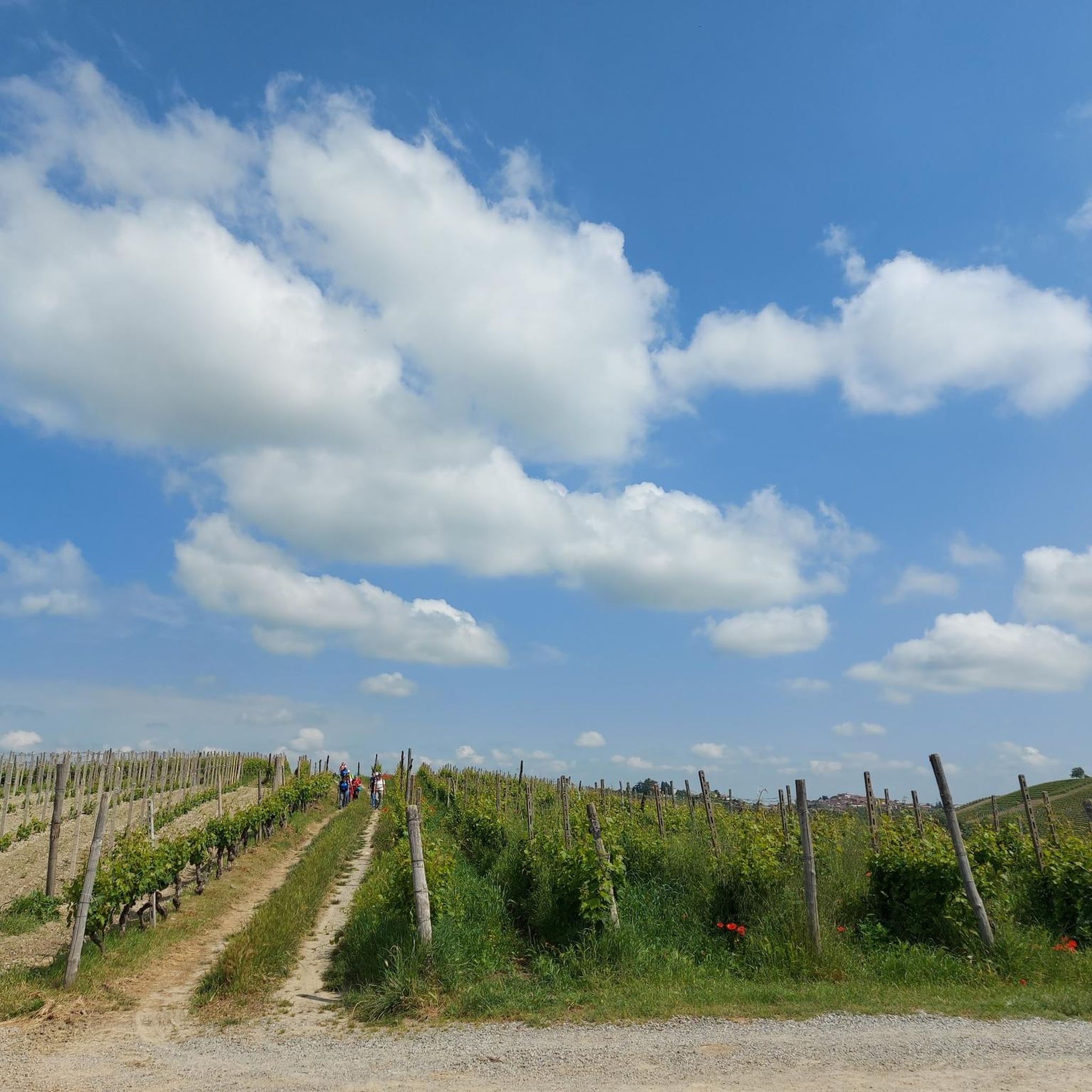
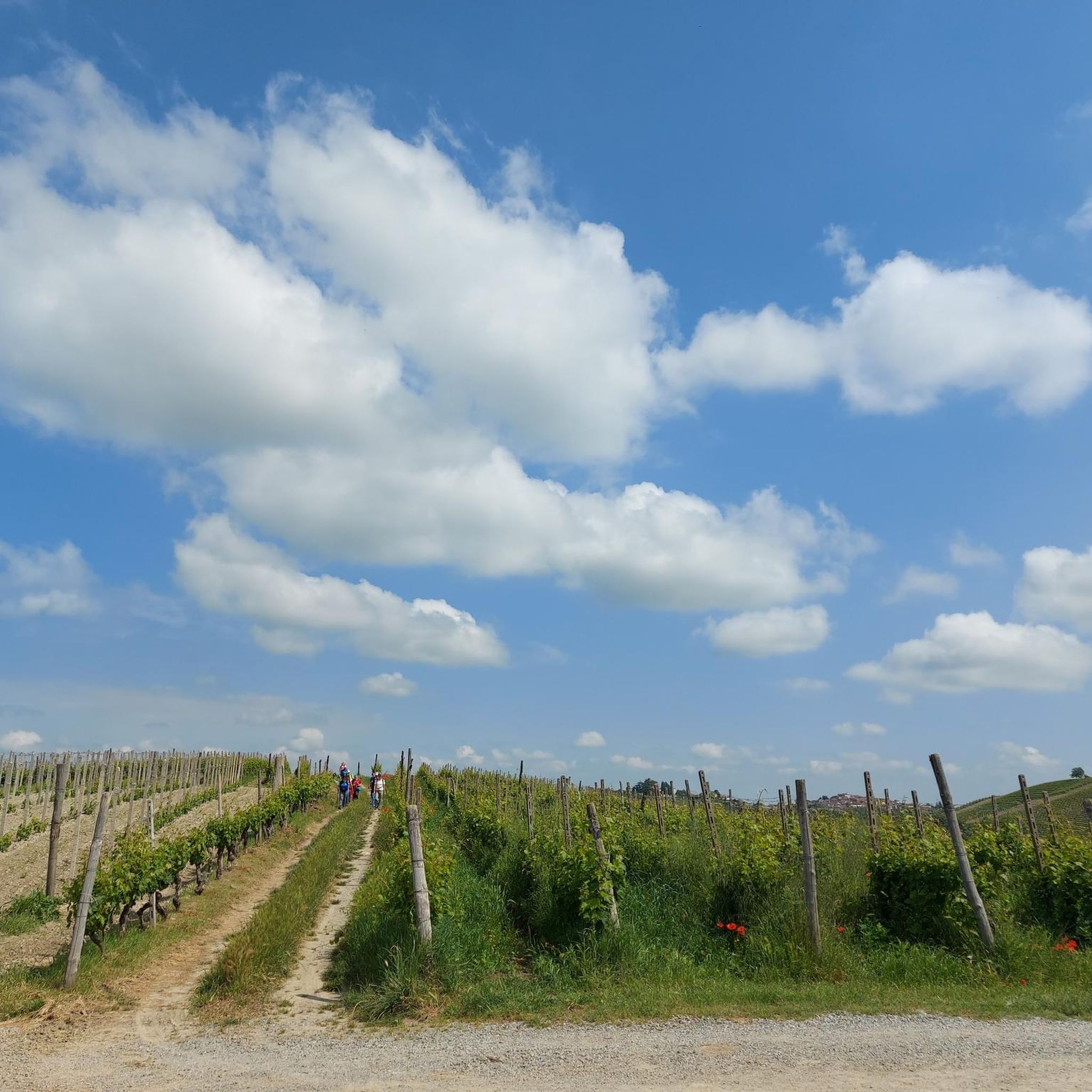
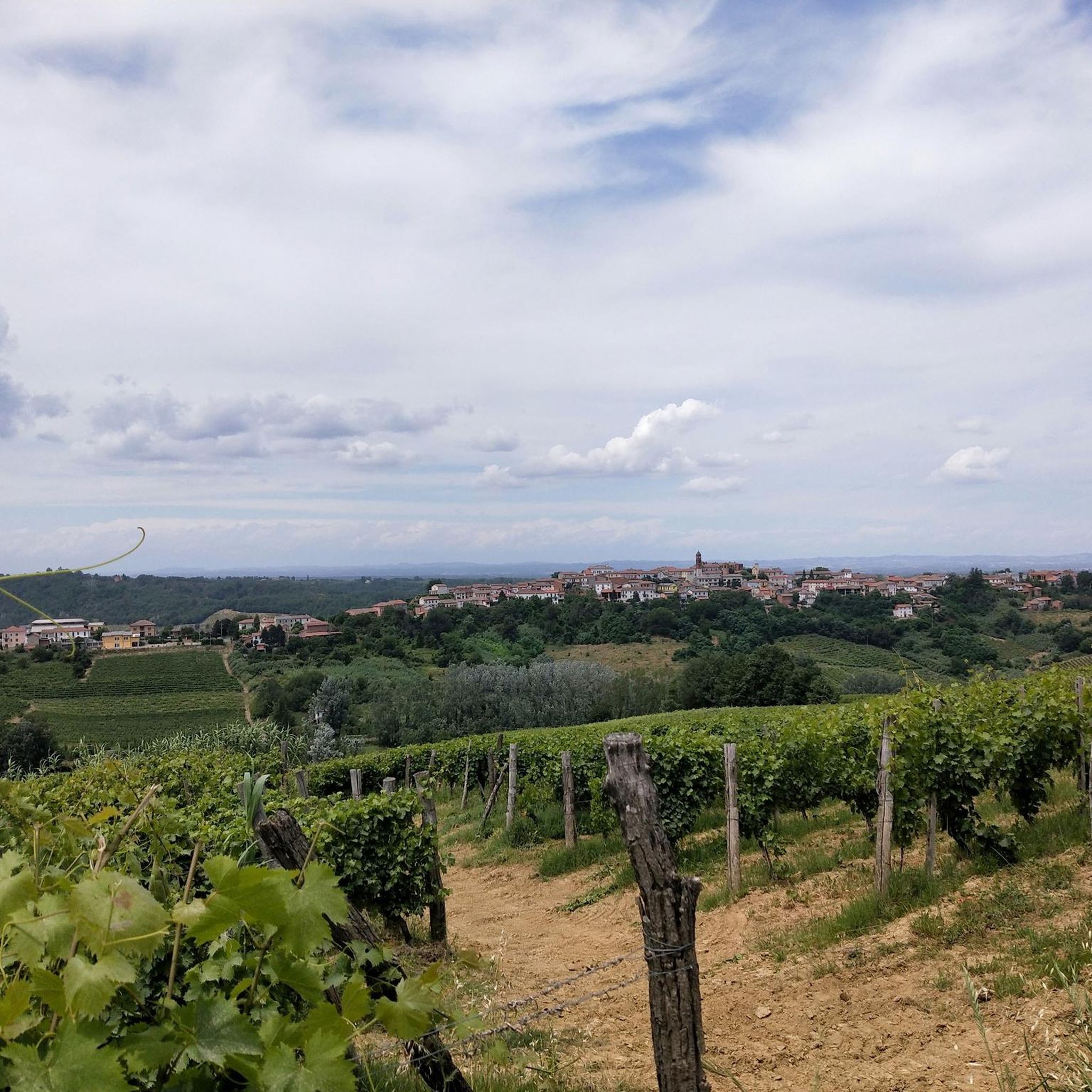
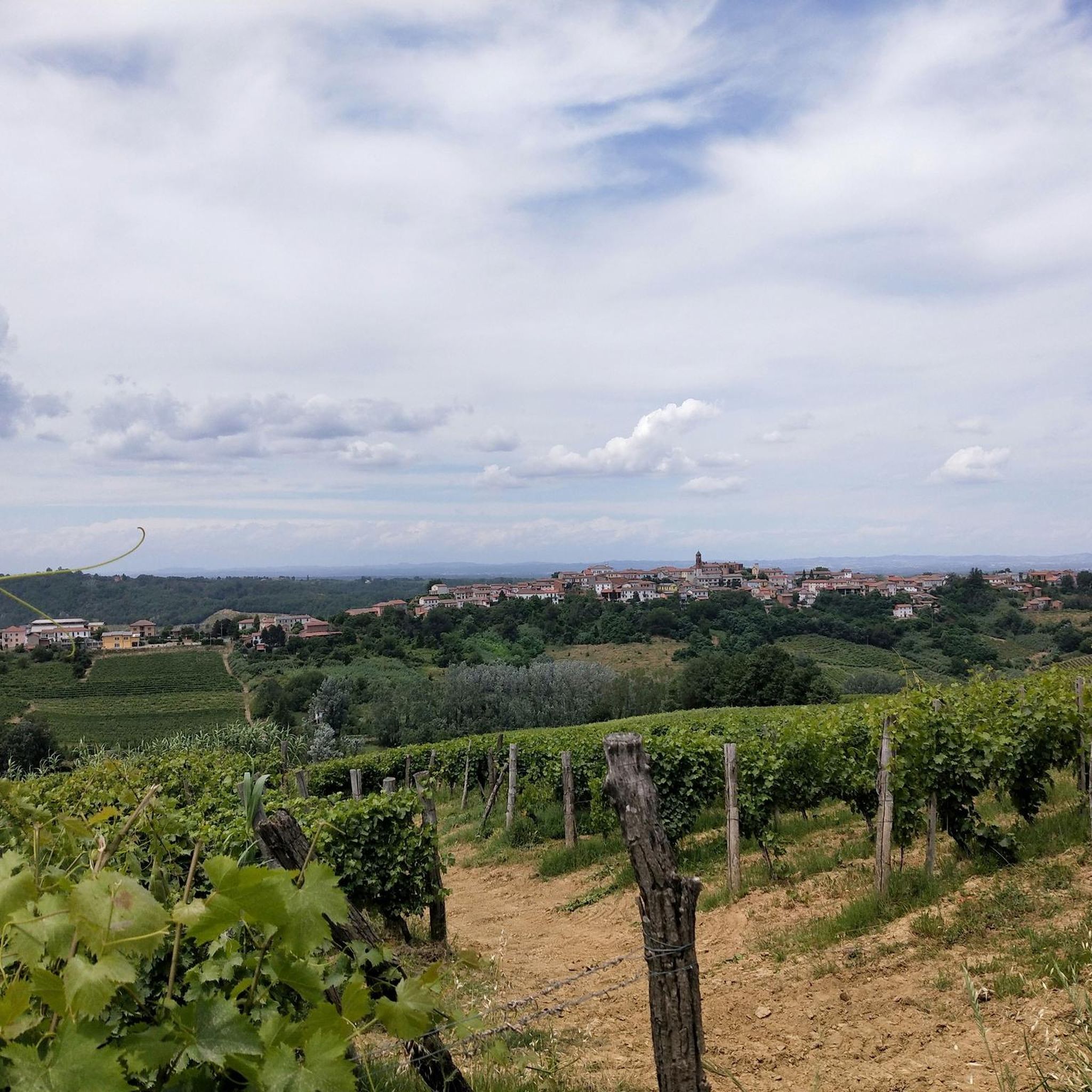
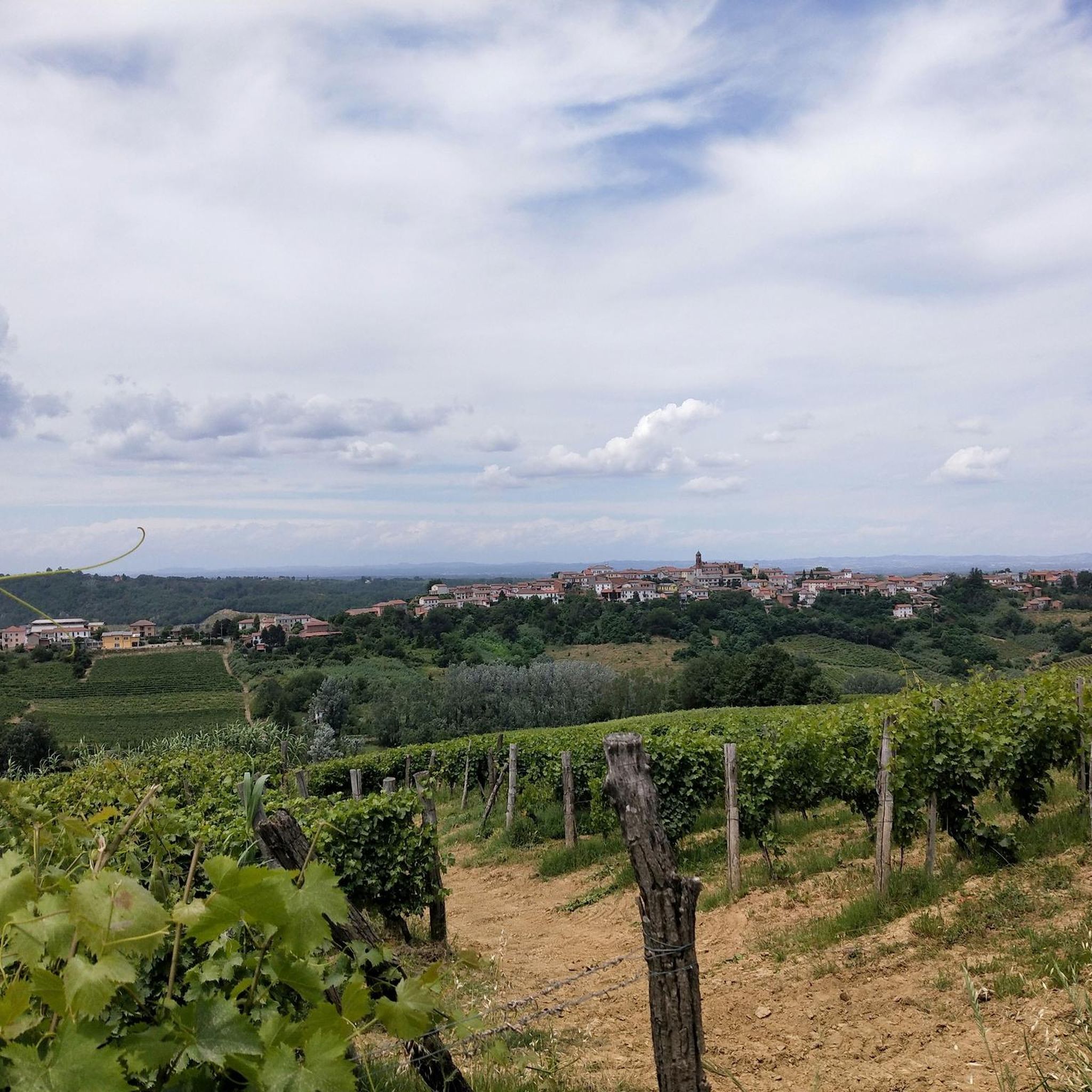
Best attractions and places to see around Quaranti, a small comune located in the Province of Asti in Italy's Piedmont region. While specific major tourist attractions within Quaranti itself are limited, the surrounding area offers a variety of historical sites, natural features, and cultural landmarks. The region is known for its picturesque towns, vineyards, and culinary traditions. Visitors can explore the general charm of Piedmont and discover points of interest nearby.
Best attractions and places to see around Quaranti
- The…
Last updated: May 9, 2026
Roman Aqueduct of Acqui Terme
Highlight • Historical Site
Translated by Google •
Tip by

La Bollente Hot Spring Fountain
Highlight • Natural Monument
Translated by Google •
Tip by

Sign up now to discover places like this
Get recommendations on the best single tracks, peaks, & plenty of other exciting outdoor places.
Sign up for free
Abbey of Santa Giustina
Highlight • Religious Site
Translated by Google •
Tip by

Marchional Palace of Mombaruzzo
Highlight • Historical Site
Translated by Google •
Tip by

Church of San Giovanni alle Conche
Highlight • Religious Site
Translated by Google •
Tip by
Sign up for free to discover even more attractions around Quaranti.
Sign up for free
Already have an account?
Start today with a free account
Your next adventure awaits.
Login or Signup

Tips from the Community

Located in Borgo Basalone (also known as the new part), this 17th-century palace in typical Genoese style represents one of the few examples of Ligurian architecture in Piedmont. Commissioned by noblewoman Lelia Di Negro—niece of Ambrogio Di Negro, former Doge of Genoa—when, invested with the fiefdoms of the same name and becoming Marchioness of Mombaruzzo and Countess of Quaranti, she decided to move the marquis' palace from the fortified enclosure of the Castle to an even more dominant and spectacular location.
14
0

Thermal spring in the city center
0
0

Why do you always have to climb so many stairs on the way to God?🤔
0
0

Cycle path out of the city
1
0

Thermal water fountain located in the center of an elegant square that well represents the nature of the city's waters
1
0

Remains of an ancient Roman aqueduct that ennoble our city, rich in history of the distant civilization of the Roman Empire. Many other remains scattered in the area testify to the importance of the spa since ancient times. In addition, the barbarism exercised over the decades by the various questionable thematic administrations has reduced it to a minimum, leaving the ancient splendor to total decay.
2
1

"temporarily" not open to visitors (July 2024)
0
0
Romanesque church; the right apse from the Romanesque period (11th-12th century) remains of the initial construction; inside there are eighteenth-century frescoes;
0
0
Frequently Asked Questions
Where is Quaranti located?
Quaranti is a small comune (municipality) in the Province of Asti, situated in Italy's Piedmont region. It is approximately 70 kilometers (43 miles) southeast of Turin and about 25 kilometers (16 miles) southeast of Asti.
What kind of historical sites can I explore near Quaranti?
The area around Quaranti is rich in history. You can visit the ancient Roman Aqueduct of Acqui Terme, which dates back to the first century AD. Another significant historical site is the Abbey of Santa Giustina, a religious building with Romanesque lines from the 11th century, located in Sezzadio.
Are there any natural attractions or unique natural features to see?
Yes, a notable natural attraction is La Bollente Hot Spring Fountain in Acqui Terme. This 1879 temple features sulphurous-salty-bromine-iodine water gushing at a temperature of 74.5 °C, making it a unique natural monument and historical site.
What religious buildings are worth visiting in the vicinity?
Beyond the Abbey of Santa Giustina, you can also visit the Church of San Giovanni alle Conche. This beautiful little church is surrounded by greenery and retains its right apse from the Romanesque period (11th-12th century), with eighteenth-century frescoes inside.
Are there family-friendly attractions around Quaranti?
Yes, several attractions are considered family-friendly. Both the Roman Aqueduct of Acqui Terme and La Bollente Hot Spring Fountain are suitable for families to visit and explore.
What kind of outdoor activities can I do near Quaranti?
The region around Quaranti offers various cycling opportunities. You can find numerous road cycling routes, mountain biking trails, and gravel biking routes. For example, there are moderate road cycling loops like the "Cittadella Bridge – Roadside Memorial loop from Mombaruzzo" or challenging gravel routes such as the "Canelli – Costigliole d'Asti Castle loop from Nizza Monferrato." You can explore these and more on the dedicated Road Cycling Routes around Quaranti, MTB Trails around Quaranti, and Gravel biking around Quaranti guide pages.
What do visitors enjoy most about the attractions near Quaranti?
Visitors appreciate the historical depth and unique natural features. For instance, the Roman Aqueduct of Acqui Terme is noted for its ancient history, while La Bollente Hot Spring Fountain is loved for its striking appearance and the therapeutic properties of its hot spring water. The Church of San Giovanni alle Conche is admired for its serene setting and preserved Romanesque elements.
Are there any palaces or notable architectural sites nearby?
Yes, you can visit the Marchional Palace of Mombaruzzo. This 17th-century palace, located in Borgo Basalone, is a rare example of Ligurian architecture in Piedmont, commissioned by noblewoman Lelia Di Negro.
What is the general character of the Piedmont region around Quaranti?
The Piedmont region, where Quaranti is located, is known for its picturesque towns, extensive vineyards, and rich culinary traditions. It offers a charming landscape for exploration, even beyond specific major landmarks.
What is the best way to experience the local culture and history?
To experience the local culture and history, consider visiting the various historical sites and religious buildings mentioned, such as the Roman Aqueduct or the Abbey of Santa Giustina. Exploring the small towns and enjoying the regional cuisine and wines also offers a deep dive into Piedmontese culture.
Can I find mountain biking trails near Quaranti?
Absolutely. There are several mountain biking trails in the area, catering to various difficulty levels. Examples include the "Roman Aqueduct of Acqui Terme – Viewpoint of Alice Bel Colle loop from Mombaruzzo" which is moderate, or the more difficult "Junction 1 Lap / 2 Lap – View of Rocchetta Palafea loop from Alice Bel Colle." More details can be found on the MTB Trails around Quaranti guide page.
Are there any specific tips for visiting the Church of San Giovanni alle Conche?
To enter the Church of San Giovanni alle Conche, you may need to register on the cittaecattedrali.it website and download the "CHURCHES WITH OPEN DOORS" application, which provides an audio guide for your visit.
Most popular routes around Quaranti

Get inspired with the komoot mobile app


Explore more
Still not found the Highlight you’re looking for? See guides of the top attractions in other regions:
