Attractions and Places To See around Senorbì - Top 14
Attractions and places to see around Senorbì, located in the historical Trexenta region of southern Sardinia, offer a blend of historical sites and natural landscapes. The area is characterized by its agricultural heritage, featuring fertile hills and flat expanses. Visitors can explore ancient archaeological sites, historic churches, and significant natural features.
Best attractions and places to see around Senorbì
- The most popular attractions is Sardinia Radio Telescope, a man-made monument that is an extremely sophisticated instrument, one of only…
Last updated: May 19, 2026
Sardinia Radio Telescope
Highlight • Monument
It was officially opened in 2013.
Translated by Google •
Tip by

Lake Mulargia
Highlight • Lake
Translated by Google •
Tip by

Sign up now to discover places like this
Get recommendations on the best single tracks, peaks, & plenty of other exciting outdoor places.
Sign up for free
Roman Baths and Romanesque Church of San Basilio
Highlight • Historical Site
Translated by Google •
Tip by

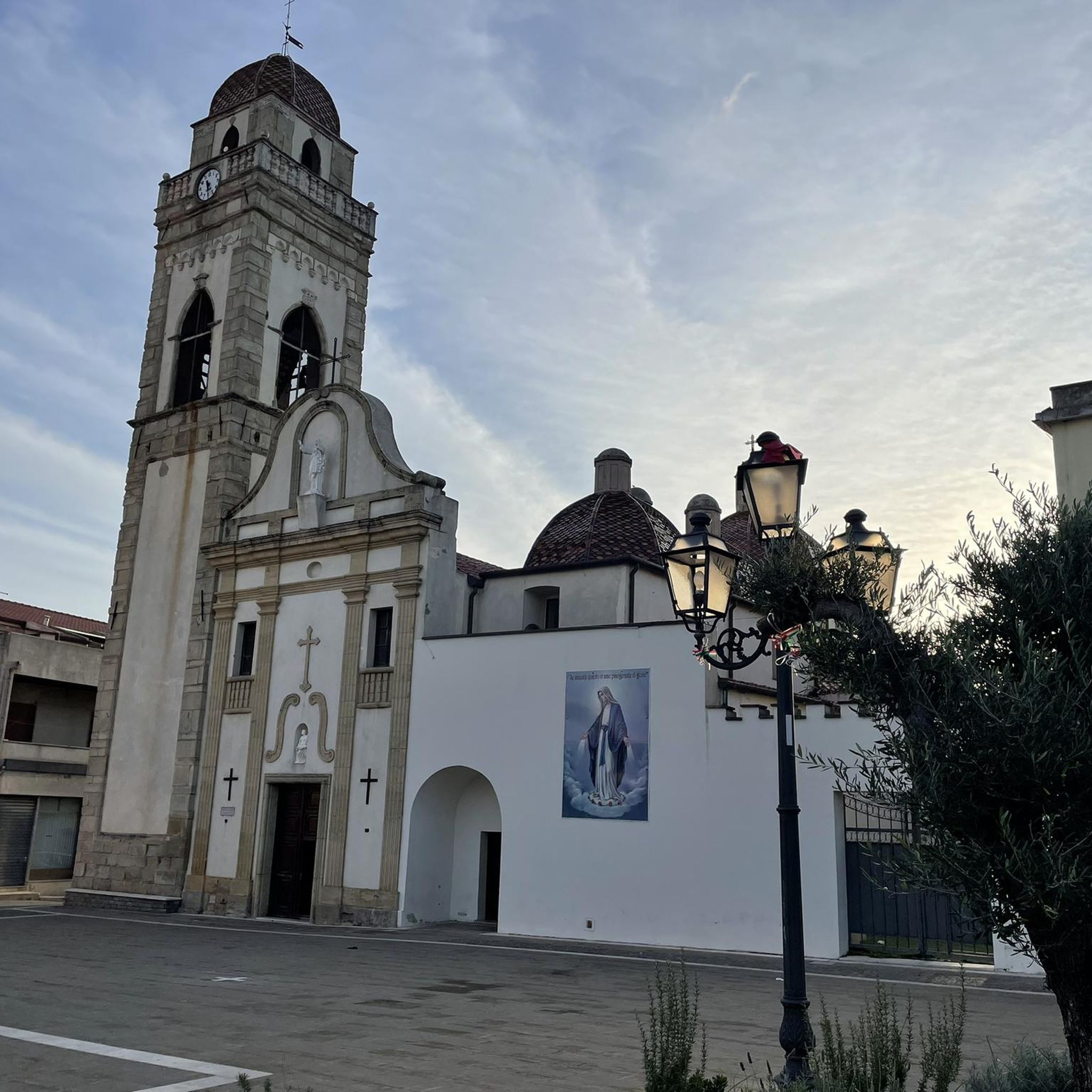
Church of Senorbì
Highlight • Religious Site
Translated by Google •
Tip by
San Basilio
Highlight • Religious Site
Translated by Google •
Tip by
Sign up for free to discover even more attractions around Senorbì.
Sign up for free
Already have an account?
Start today with a free account
Your next adventure awaits.
Login or Signup
Popular around Senorbì
Tips from the Community

A very large and striking radio telescope!
1
0
Here are many remains of masonry
1
0

Of the three present in Italy, the SRT is the most advanced and modern. It mainly carries out research in the scientific field, and to a lesser extent control tasks for space exploration and artificial satellite missions around the Earth.
2
0
Small town of just over 1000 souls, which owes its name to the monastery of the same name which was built here around the 9th century. The monastery stands near a Roman spa complex, the ruins of which can still be seen today.
3
0
Remains of wall structures that enclose rooms and ducts of what was once the San Basilio spa complex. The tanks and cisterns that were part of the hydraulic operating system are still visible, which exploited the slope of the level curves to convey the water and channel it into the cisterns and from these into the tanks. The Romanesque church of San Basilio, dating back to around the 12th century, is also located in front.
3
0

Nice artificial lake dating back to the 1950s. It is located not far from Sanluri, about 40km and is generated by the dam of the Rio Mulargia.
1
0

Lake created in the 50s which draws mainly from the Fiumendosa. Of fundamental importance to ensure water in Cagliari and neighboring cities. It is possible to make excursions by boat with scheduled departures from both Siurgus Donigala and Orroli
3
0
Frequently Asked Questions
What historical and archaeological sites can I explore around Senorbì?
The area around Senorbì is rich in history. You can visit the Roman Baths and Romanesque Church of San Basilio, which feature ancient spa complex ruins and a 12th-century church. Don't miss the Archaeological Park of Monte Luna, home to a Carthaginian necropolis, and the 'Sa Domu Nosta' Museum displaying artifacts from Neolithic to medieval times. Additionally, several Nuragic sites like Su Nuraxi in Sisini and Nuraghe Piscu offer glimpses into Sardinia's ancient civilization.
Are there any significant natural attractions near Senorbì?
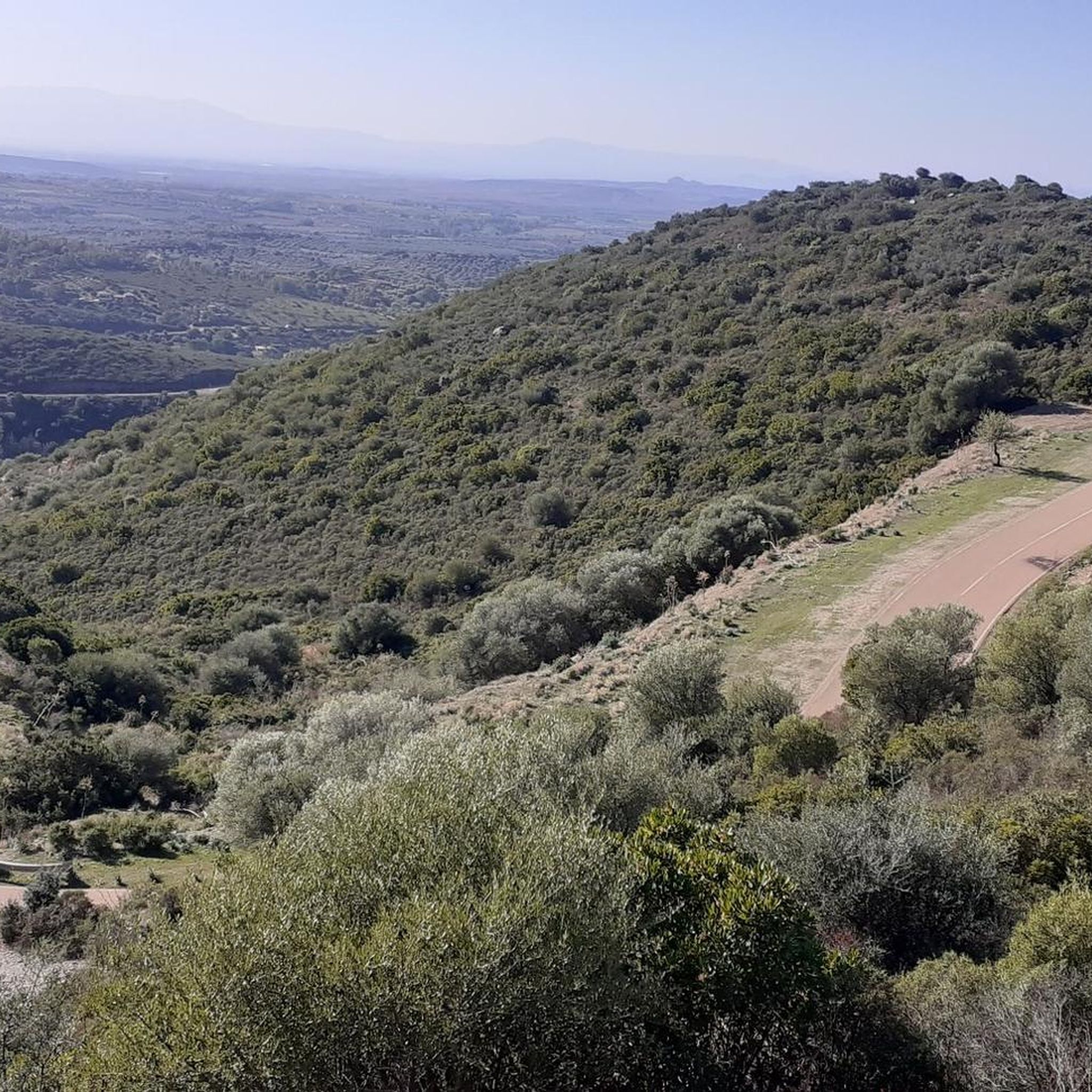
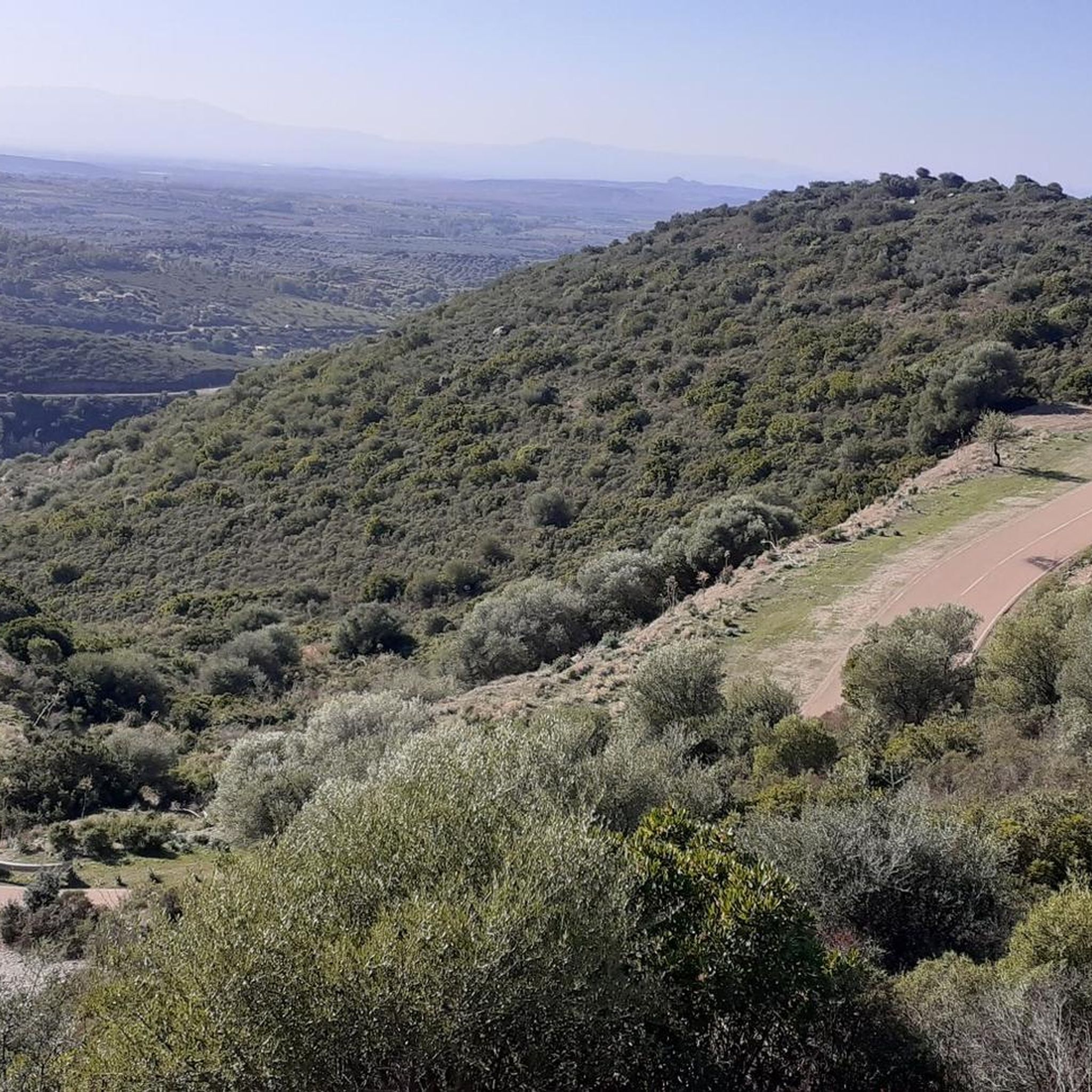
Yes, a prominent natural feature is Lake Mulargia, an artificial lake crucial for the region's water supply, where boat excursions are possible. The fertile countryside of Senorbì itself, with its hills and flat expanses, offers scenic beauty that changes dramatically with the seasons. For a unique experience, the nearby Giara plateau is famous for its wild horses and rich natural heritage.
What kind of outdoor activities can I do in the Senorbì countryside?
The diverse landscape around Senorbì is ideal for various outdoor activities. You can enjoy mountain biking, road cycling, and general cycling on routes that traverse the agricultural fields and hills. For specific routes, explore the MTB Trails around Senorbì, Road Cycling Routes around Senorbì, and Cycling around Senorbì guides.
Are there family-friendly attractions in the Senorbì area?
Families can enjoy boat excursions on Lake Mulargia. Within Senorbì town, Parco Acquabona provides a green space for relaxation and features a medieval spring, perfect for a leisurely family outing.
What are some notable churches to visit in Senorbì?
Senorbì is home to several historic churches. The 17th-century Church of Santa Barbara boasts the tallest bell tower in the Trexenta region. The 16th-century Church of San Giacomo preserves valuable artworks, including polychrome wooden altars and Spanish school statues. You can also see the medieval Church of Sant'Antonio Abate, which has remnants of a Roman road on its exterior, and the 14th-century rural Chiesa di Santa Mariedda.
Can I visit the Sardinia Radio Telescope?
Yes, the Sardinia Radio Telescope is a highly sophisticated instrument, one of only three in Italy, used for scientific research and satellite observation. While primarily a research facility, its impressive structure is a notable landmark in the area.
What is the best time of year to visit Senorbì for outdoor activities?
The Senorbì countryside offers changing beauty throughout the year. Spring brings green fields, while summer features golden crops. Autumn sees the earth turn brown. For outdoor activities like mountain biking and horseback riding, spring and early summer generally offer pleasant weather before the peak heat, and autumn can also be very enjoyable.
Where can I experience local culture and traditions in Senorbì?
Senorbì's historic center, with its narrow streets and traditional rural houses, provides a charming glimpse into the town's past. The town also hosts several traditional festivals, such as the Feast of Santa Barbara on December 4th, Santa Mariedda on August 5th (often with a Folklore Festival), and the Feast of Sant'Isidoro on May 15th, which celebrates farmers with a parade of decorated tractors.
Are there any ancient Nuragic sites to see around Senorbì?
Absolutely. The countryside surrounding Senorbì is dotted with Nuragic remains, testaments to Sardinia's ancient civilization. Key sites include the imposing Su Nuraxi in Sisini, the remnants of Nuraghe di Simieri and Monte Uda towers, and the significant Nuraghe Piscu. These sites offer a fascinating insight into the island's prehistoric past.
What do visitors say about the attractions around Senorbì?
Visitors appreciate the unique blend of historical and natural sites. The Sardinia Radio Telescope is noted as a very large and striking instrument. Lake Mulargia is described as a nice artificial lake, important for the region. The Roman Baths and Romanesque Church of San Basilio are recognized for their visible wall structures and hydraulic system remains.
What are some unique historical buildings in Senorbì's town center?
Beyond the churches, the historic center of Senorbì features the noble houses of the Sanjust, Santa Cruz, and Gessa families, which contribute to the town's historical charm and architectural heritage. The 1610 Convent of San Francesco, built by the Duke of Mandas, is another significant historical structure.
Are there any Roman ruins to explore in the vicinity of Senorbì?
Yes, near the town of San Basilio, you can explore the Roman Baths and Romanesque Church of San Basilio. These ruins comprise a Roman spa complex with visible tanks and cisterns that were part of its hydraulic system, offering a direct link to the Roman presence in the area.
Most popular routes around Senorbì

Get inspired with the komoot mobile app


Explore more
Still not found the Highlight you’re looking for? See guides of the top attractions in other regions:
