Attractions and Places To See around Sant'Andrea Frius - Top 20
Best attractions and places to see around Sant'Andrea Frius offer a blend of historical sites and natural landscapes in the Trexenta sub-region of southern Sardinia. This area is characterized by its hilly terrain, irrigated by streams, and features a mix of Mediterranean scrub and cultivated lands. Visitors can explore ancient archaeological remains, including Nuragic structures and Roman sites, alongside rural scenery. The region provides insights into Sardinia's rich past and local traditions.
Best attractions and places to see around Sant'Andrea…
Last updated: May 20, 2026
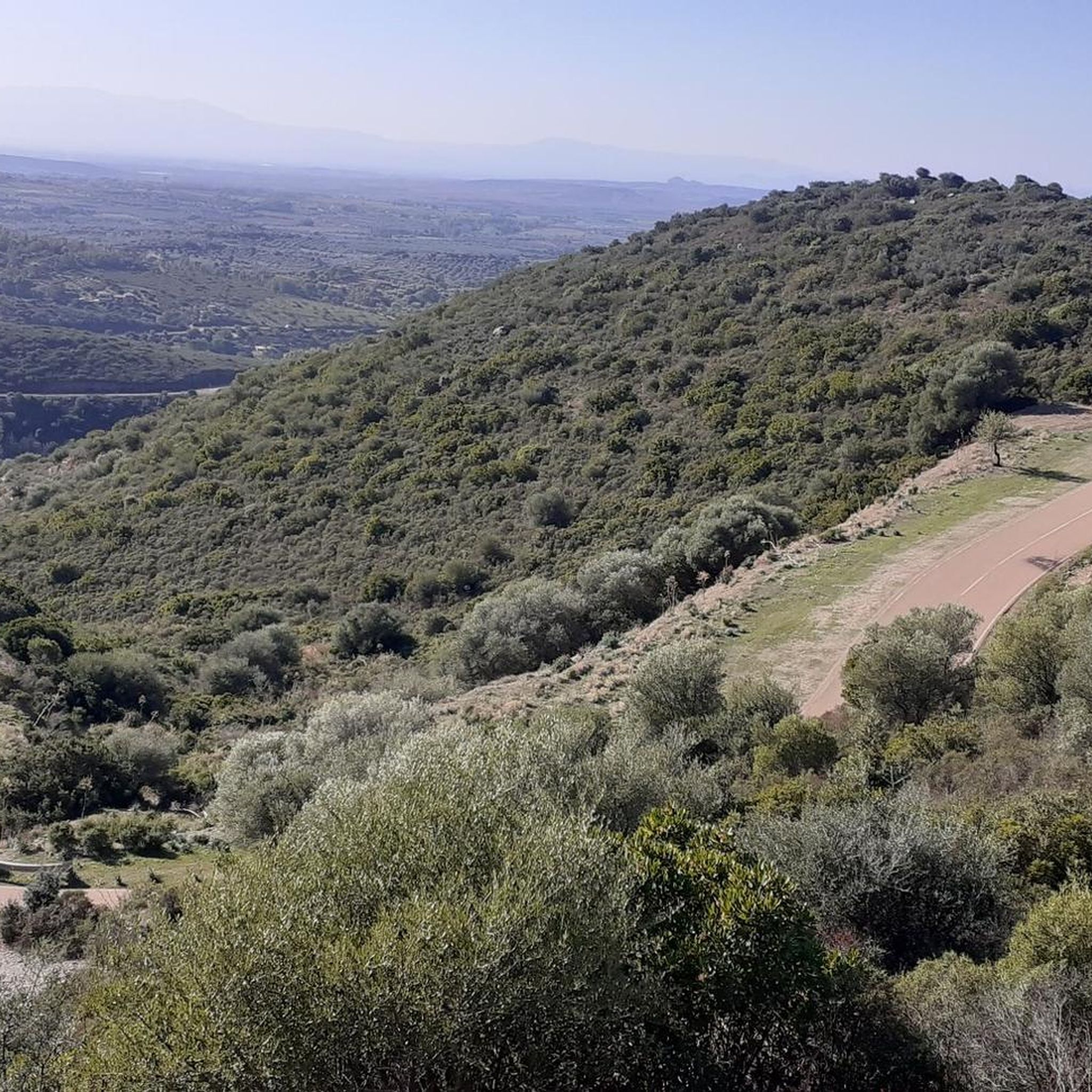
Strada Provinciale 9 between Ussana and Sestu
Highlight (Segment) • Cycleway
It connects the cities of Sestu and Ussana.
Translated by Google •
Tip by

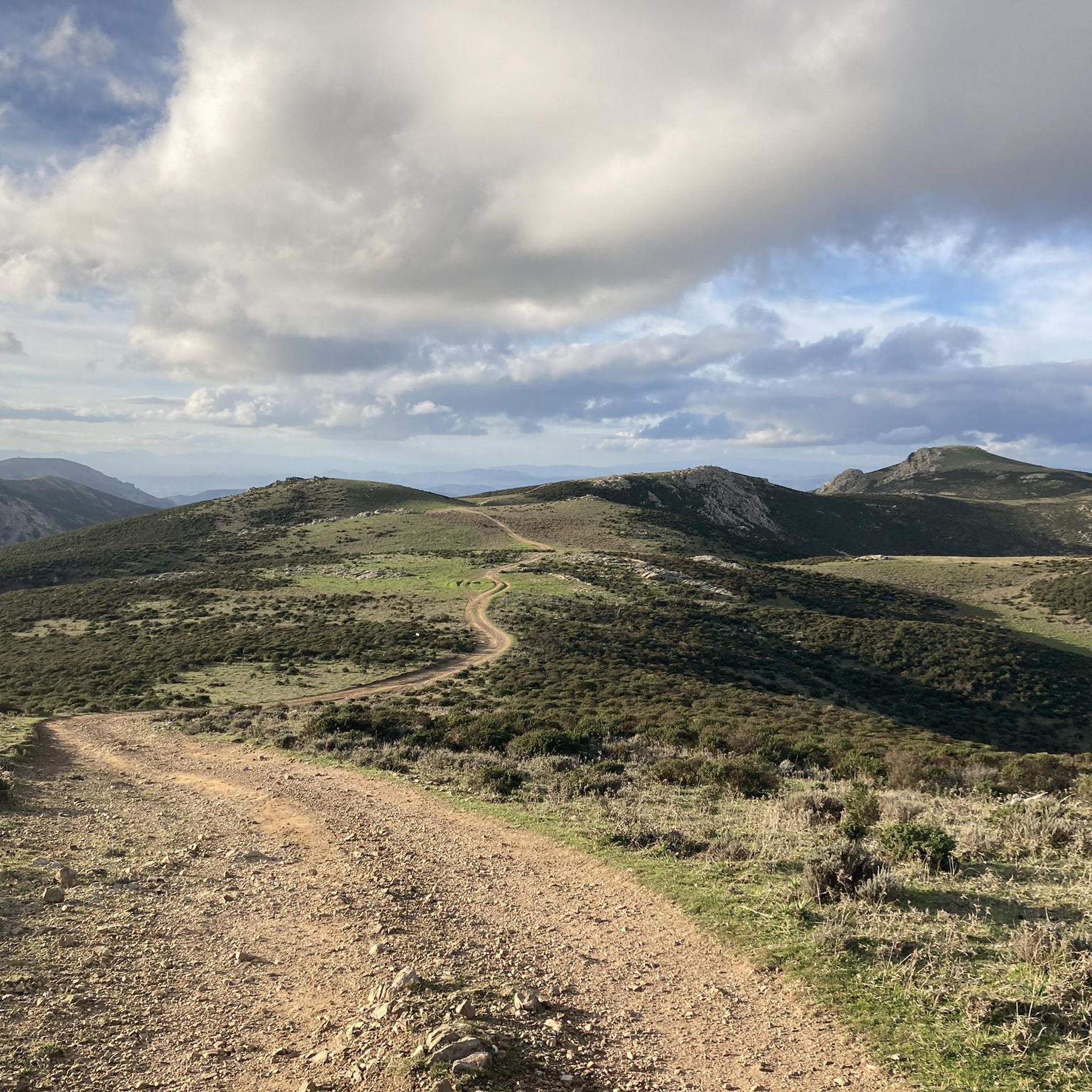
Genn'e Funtana Forest
Highlight • Forest
The road is stony and up and down,
panoramic views invite you to slow down to avoid
dangerous distractions.
Translated by Google •
Tip by

Sign up now to discover places like this
Get recommendations on the best single tracks, peaks, & plenty of other exciting outdoor places.
Sign up for free
Sardinia Radio Telescope
Highlight • Monument
It was officially opened in 2013.
Translated by Google •
Tip by
Sa Colonia Climb (Monti dei Sette Fratelli)
Highlight (Segment) • Climb
Translated by Google •
Tip by

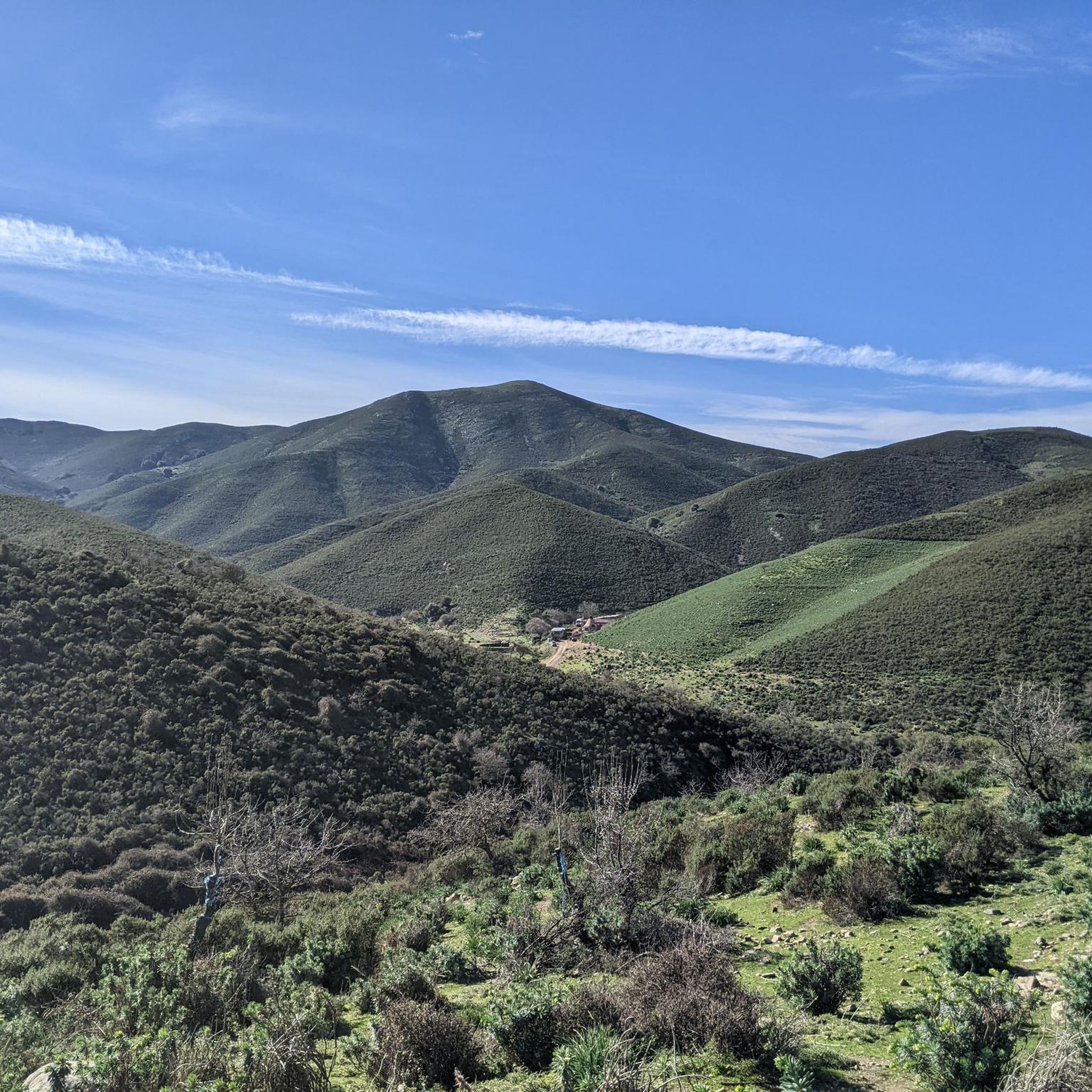
Mitza de su Tiriaxiu Spring
Highlight • Natural Monument
The water comes from the nearby mountains but is scarce due to the drought.
Translated by Google •
Tip by
Sign up for free to discover even more attractions around Sant'Andrea Frius.
Sign up for free
Already have an account?
Start today with a free account
Your next adventure awaits.
Login or Signup

Tips from the Community

Great place to fill your water bottle
0
0

A very large and striking radio telescope!
1
0

Very significant slopes reaching up to 18%
0
0

Of the three present in Italy, the SRT is the most advanced and modern. It mainly carries out research in the scientific field, and to a lesser extent control tasks for space exploration and artificial satellite missions around the Earth.
2
0

Nice stretch to reach the Arrubiu mountains. Gradient over 8% and sufficiently challenging technical climbs
0
0

Stretch of dirt road that from "Genn'e Funtana" leads directly to Sinnai with a very fast descent. The road is stony and up and down, panoramic views invite you to slow down to avoid dangerous distractions.
1
0

Provincial road 9, not very busy, good asphalt and countryside views. It connects the cities of Sestu and Ussana.
1
0
Extremely sophisticated instrument, there are only three in Italy. It is used for scientific purposes and for the observation of satellites orbiting the earth. It was officially opened in 2013.
2
0
Frequently Asked Questions
What historical and archaeological sites can I explore in Sant'Andrea Frius?
Sant'Andrea Frius is rich in history, offering insights into Sardinia's past. You can visit numerous Nuragic remains, such as Nuraghi Is Piagas, Monte Uda, Montroxiu, and Perda Niedda, which are ancient stone structures from the Bronze Age. The Punic-Roman site of Linna Pertunta Votive Deposit features an underground chamber, and traces of Roman-era rustic villas and burial sites are also present. Additionally, the 17th-century Parish Church of Sant'Andrea, from which the town gets its name, is a notable cultural landmark.
Are there any unique cultural or scientific attractions in the area?
Yes, a significant scientific point of interest nearby is the Sardinia Radio Telescope. This highly sophisticated instrument is one of only three in Italy, primarily used for scientific research and satellite observation. Culturally, Sant'Andrea Frius hosts traditional festivals like Sant'Isidoro in late May, the Pentolaccia 'dragon race' after Ash Wednesday, and the Almond Festival in early August, where you can sample local almond-based sweets.
What natural features and landscapes can I discover around Sant'Andrea Frius?
The region is characterized by an uneven and rugged hilly landscape, irrigated by the Coxinas and Cirras streams. You'll find areas of low Mediterranean scrub alongside cultivated lands with orchards, almond groves, olive groves, and vineyards. Notable natural spots include the Genn'e Funtana Forest, which offers panoramic views, and the Mitza de su Tiriaxiu Spring, one of several springs in the area, though water can be scarce due to drought.
What outdoor activities can I do near these attractions?
The diverse terrain around Sant'Andrea Frius is ideal for various outdoor activities. You can explore the countryside by bike on routes like Strada Provinciale 9 between Ussana and Sestu, known for its good asphalt and views. For more challenging rides, the Sa Colonia Climb (Monti dei Sette Fratelli) offers steep ramps. The Genn'e Funtana Forest also provides dirt roads suitable for mountain biking and walking with panoramic views.
Are there cycling routes suitable for different skill levels?
Yes, the area offers a range of cycling routes. For road cyclists, there are options like 'The Road of the Three Springs' which is difficult, or 'Sa Mitza de is Nuxisi Spring – Mitza de su Tiriaxiu Spring loop' which is moderate. Mountain bikers can find routes like the 'Mountainbike loop from Monti Nou' (moderate) or more challenging options like 'View of the Mountains – Start of the Climb loop'. You can find detailed guides for these activities at MTB Trails around Sant'Andrea Frius, Road Cycling Routes around Sant'Andrea Frius, and Gravel biking around Sant'Andrea Frius.
What is the terrain like for outdoor activities around Sant'Andrea Frius?
The terrain around Sant'Andrea Frius is generally uneven and rugged, characterized by hills, valleys, and small plains. While some roads like Strada Provinciale 9 have good asphalt for cycling, many trails, especially in areas like Genn'e Funtana Forest, are dirt roads and can be stony and undulating, offering a mix of challenging and scenic paths.
What do visitors enjoy most about the attractions around Sant'Andrea Frius?
Visitors appreciate the blend of historical sites and natural beauty. The countryside views, especially along routes like Strada Provinciale 9, are highly rated. The panoramic vistas from areas like Genn'e Funtana Forest are also a favorite. The unique and impressive Sardinia Radio Telescope also captures significant interest for its scientific importance and striking appearance.
Are there any family-friendly natural spots or activities?
While specific family-friendly trails are not detailed, the general rural landscape with its cultivated lands and Mediterranean scrub offers pleasant environments for walks. The Mitza de su Tiriaxiu Spring is noted as family-friendly, providing a natural spot to visit. Exploring the less strenuous sections of the Genn'e Funtana Forest on foot could also be an option for families.
What is the best time to visit Sant'Andrea Frius for outdoor activities?
Given the Mediterranean climate, spring (April-May) and autumn (September-October) are generally the best times for outdoor activities. During these seasons, the weather is milder and more comfortable for cycling, hiking, and exploring historical sites. Summers can be very hot, and water sources like the Mitza de su Tiriaxiu Spring can be scarce due to drought.
Can I find viewpoints with scenic panoramas?
Yes, the hilly terrain of Sant'Andrea Frius offers several opportunities for scenic views. The Genn'e Funtana Forest is particularly noted for its panoramic views. Additionally, many of the cycling and walking routes traverse elevated areas, providing expansive vistas of the surrounding countryside, valleys, and cultivated lands.
Are there any specific tips for visiting the Mitza de su Tiriaxiu Spring?
The Mitza de su Tiriaxiu Spring is a natural monument where water comes from the nearby mountains. It's a great place to fill your water bottle. However, be aware that water can be scarce, especially during dry periods, due to drought. It's the first spring you'll encounter on the road to the springs from Dolianova.
Most popular routes around Sant'Andrea Frius

Get inspired with the komoot mobile app


Explore more
Still not found the Highlight you’re looking for? See guides of the top attractions in other regions:
