The best cycling routes around Siliqua
4.3
(26)
413
riders
71
rides
Touring cycling around Siliqua offers a diverse landscape characterized by historical mining trails, remnants of old railway lines, and varied terrain with notable elevation changes. The region features paths that traverse both natural areas, including spring water sources, and routes connecting historical town squares. This area provides a mix of moderate and challenging routes suitable for different levels of touring cyclists.
Best touring cycling routes around Siliqua
- The most popular touring cycling route is Santa Barbara Mining Trail: San Giovanni…
Last updated: August 3, 2026
5.0
(2)
3
riders
51.8km
03:20
390m
390m
Cycle through the unique San Giovanni Cave on this moderate 32.2-mile (51.8 km) touring route starting from Siliqua, Sardinia.
14
riders
26.9km
03:05
800m
800m
Hard bike ride. Very good fitness required. Mostly paved surfaces. Suitable for all skill levels.

Sign up for free
5.0
(1)
14
riders
33.9km
03:59
1,160m
1,160m
Hard bike ride. Very good fitness required. Mostly paved surfaces. Suitable for all skill levels.
4.5
(2)
10
riders
Hard bike ride. Very good fitness required. Mostly paved surfaces. Suitable for all skill levels.
5
riders
54.1km
03:34
380m
380m
Moderate bike ride. Good fitness required. Mostly paved surfaces. Suitable for all skill levels.
Get access to more routes and recommendations from other explorers.
Sign up for free
Already have an account?
Our route recommendations are based on thousands of hikes, rides, and runs completed by other people on komoot.
Start today with a free account
Your next adventure awaits.
Login or Signup

Tips from the Community

The Umbrian pilgrimage site of Assisi has produced two important figures: "Santa Chiara" also deserves to be honored alongside "San Francisco." She lived at the same time as Francis: Clare was born in (or around) 1193 and died in 1253. Her general feast day in the liturgical calendar is August 11, the day of her death, for all major Christian denominations; in addition, there are regional or religious order-specific feast days. Besides the church dedicated to her, there are two significant places in Assisi itself where one can follow in her footsteps: the Church of the Holy Sepulchre in the center of Assisi (see https://www.komoot.com/de-de/highlight/361280 for more information), and the Monastery of San Damiano (see https://www.komoot.com/de-de/highlight/361272), located just outside the historic city walls.
0
0

Known as the Sulcis Railway, this narrow-gauge line was built in the 1920s by the Ferrovie Meridionali Sarde (Sardinian Southern Railways) to connect the mining areas of Sulcis with coastal towns and ports of embarkation. The route passed through isolated landscapes and wooded valleys, serving villages and mines that are now partly abandoned. Today, bridges, tunnels, and disused stations remain, testifying to the era when the railway was the main means of communication for miners and goods in the southwest of the island.
1
0
The Rosas Mine, active from 1849 to 1980 for the extraction of silver-bearing galena, lead, and zinc, is now a multi-purpose museum that chronicles the mining history of the Sulcis region. A guided tour allows access to the underground tunnels and a close-up look at the restored structures, while nearby hiking trails allow visitors to explore the natural environment and traces of the mining activity. For updated hours, costs, and reservations: https://museorosasnarcao.it/.
1
0

Among the churches, the Cathedral of Santa Chiara (dating back to the 13th century), the churches of Madonna delle Grazie, Del Collegio, a Jesuit temple, and San Francesco, one of Sardinia's best-preserved and most important buildings in the Gothic-Catalan style, which houses an altarpiece dating back to 1560, are particularly worth seeing.
5
0
Beautifully painted house on a small square with a fountain.
0
0
The evocative Grotta di San Giovanni is a geological and archaeological treasure, as well as the longest vehicle-accessible cave in the world. The cave is accessible from two sides, but the ticket office and information point are located at the main, southern entrance. Entrance is permitted only during cave opening hours. Ticket prices vary depending on the type of visit. You can find all the latest information on the website: https://www.grottasangiovanni.com/.
1
0
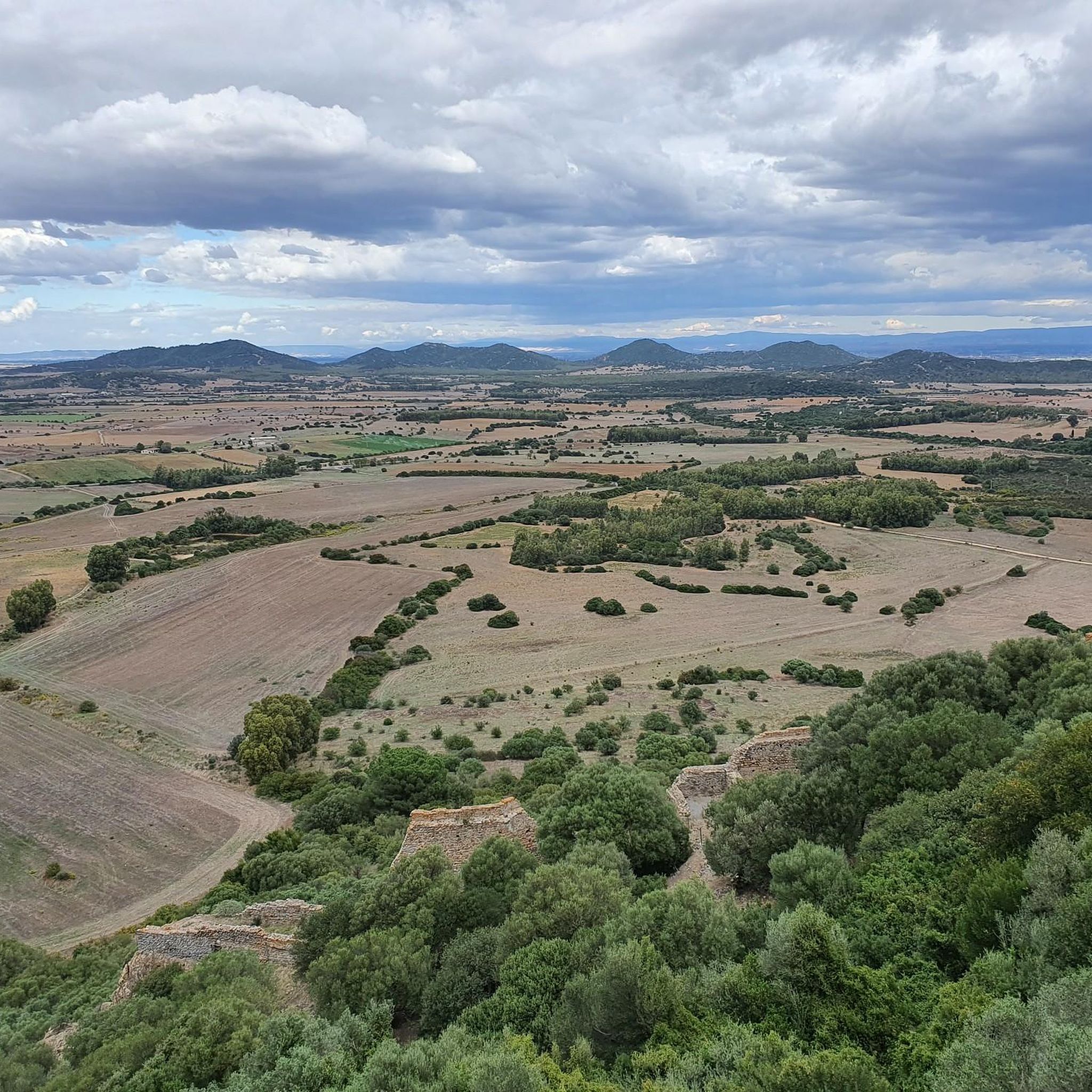
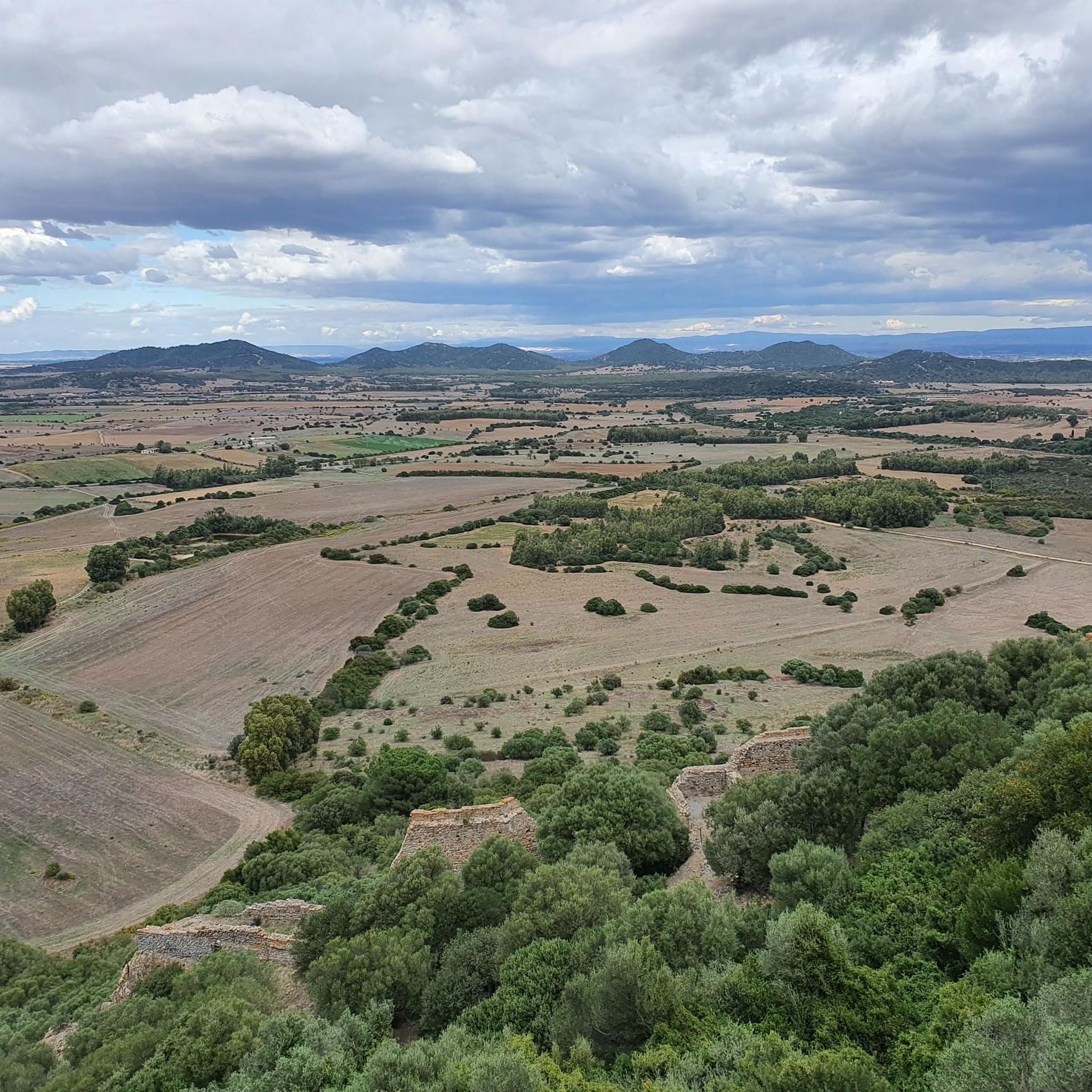
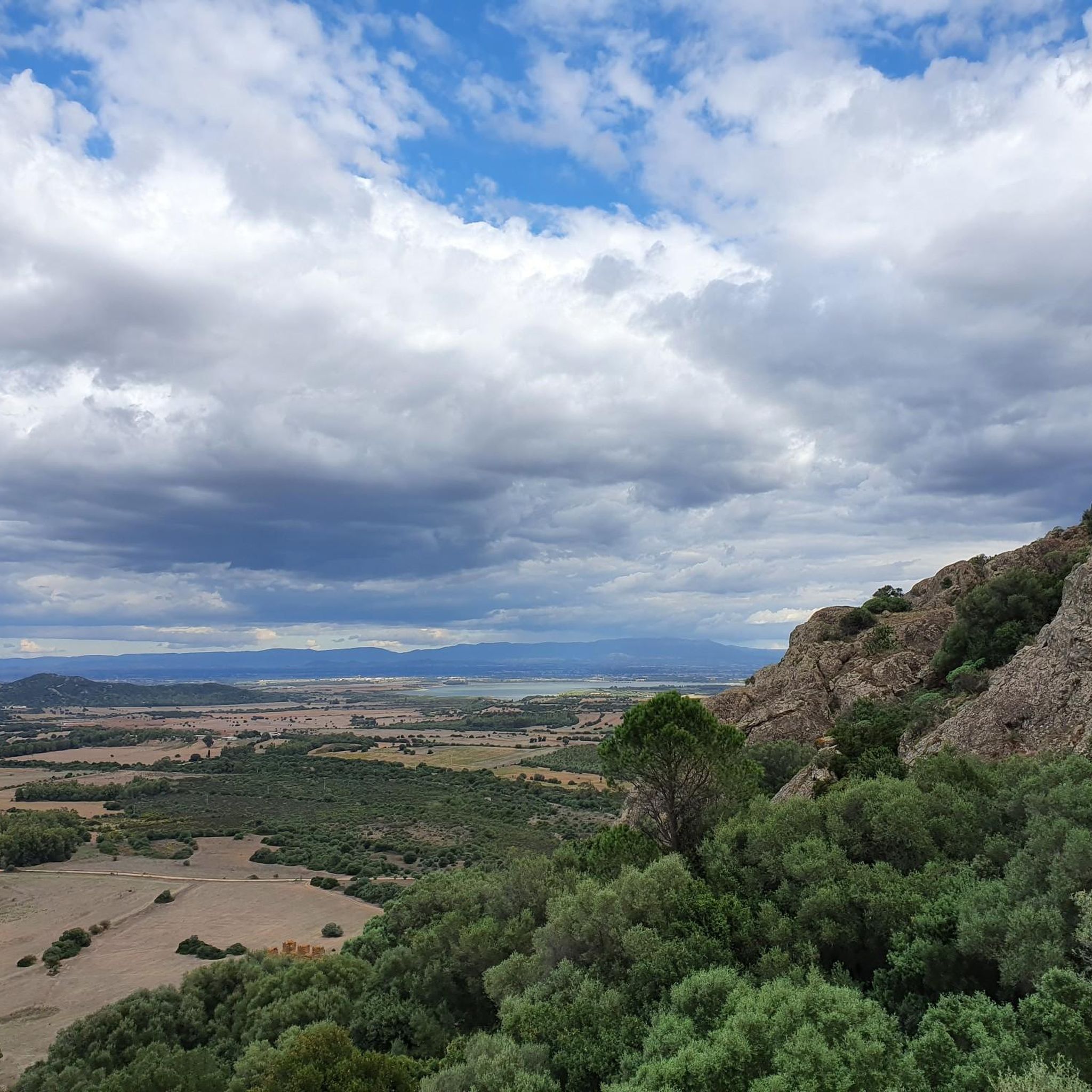
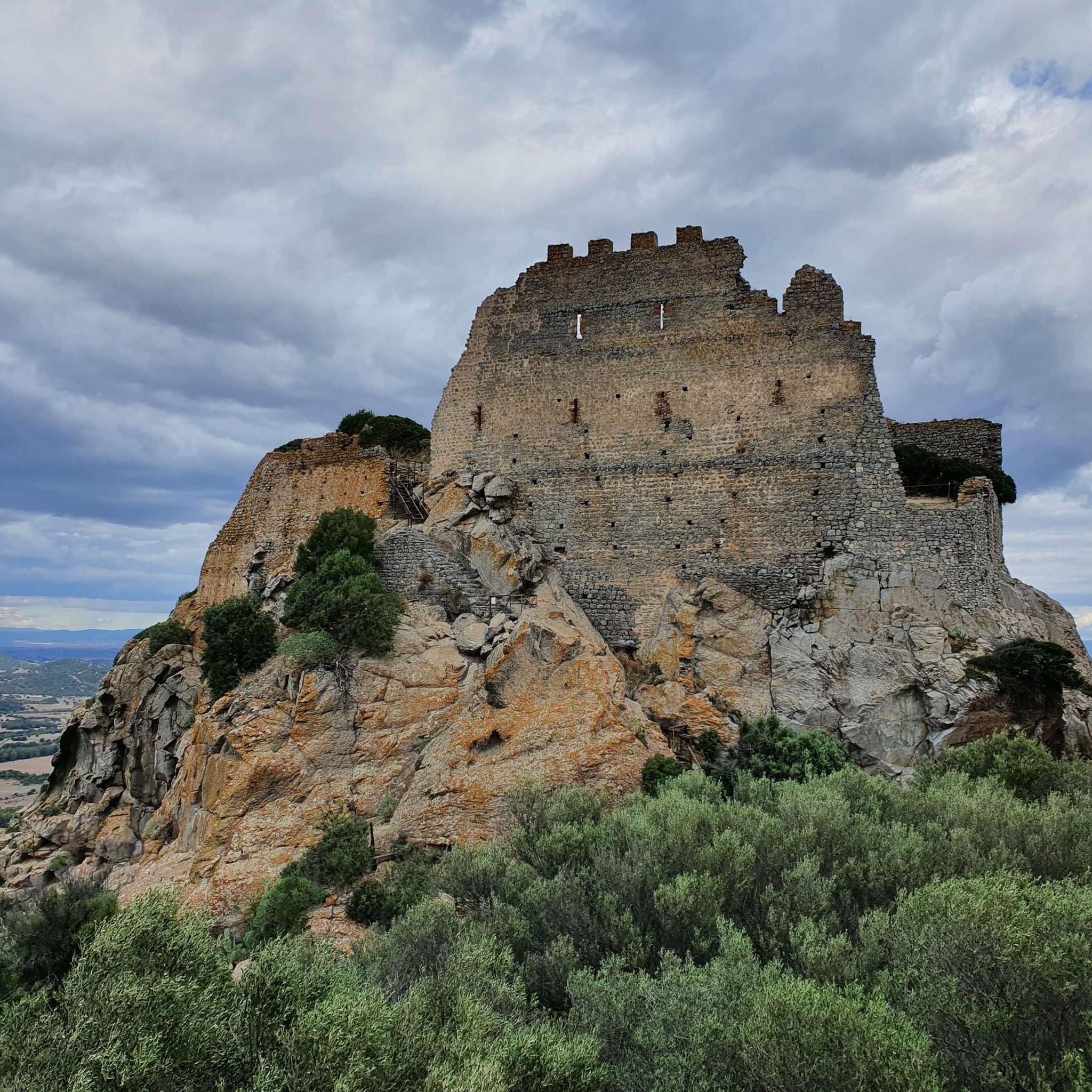
According to legend, the Acquafredda Castle was built by the Gherardesca family, Counts of Donoratico, when they acquired southeastern Sardinia. In fact, in 1257, the fortress came into the possession of Ugolino of Donoratico, lord of the Cagliarani territory, immortalized by Dante in Canto 23 of the Inferno. However, the castle is older, as it is already mentioned in a papal bull of 1215. After Ugolino's death (1288), it passed into the possession of Pisa, then to the Aragonese (1324), and subsequently to several feudal lords until it was redeemed by Victor Amadeus III (1785). From the top of a mountain, the castle dominates the territory of Siliqua, four kilometers away. Climbing its slopes, the view sweeps from the green valley of the Cixerri to Cagliari, from the Marmilla to the Iglesias area. At dawn and dusk, their shadows extend across the valley.
4
0
Iglesiente, the region at the center of the Sardinian mining epic and of which it is the capital, derives its name. It has a population of 27,000 and is the episcopal see and heir to the ancient diocese of Sulcis. Iglesias means "churches" in Spanish. It is no coincidence that in a city with a glorious past, especially under Catalan-Aragonese rule (when it was a royal city), the celebrations surrounding the Good Friday customs stand out, recalling Spanish customs in form and color. The mystery processions on Holy Tuesday and Holy Friday are particularly impressive. Among the churches, the Cathedral of Santa Chiara (dating back to the 13th century), the churches of Madonna delle Grazie, Del Collegio, a Jesuit temple, and San Francesco, one of Sardinia's best-preserved and most important buildings in the Gothic-Catalan style, which houses an altarpiece dating back to 1560, are particularly worth seeing.
0
0
Frequently Asked Questions
How many touring cycling routes are available around Siliqua?
There are over 60 touring cycling routes in the Siliqua region, offering a wide range of options. These include 9 easy routes, 22 moderate routes, and 30 more challenging routes, catering to various skill levels.
Are there easy touring cycling routes suitable for beginners in Siliqua?
Yes, Siliqua offers 9 easy touring cycling routes. While specific beginner-friendly routes are not detailed, the region's diverse terrain includes paths suitable for those new to touring cycling. These routes often explore historical areas or natural springs with less demanding elevation changes.
What are some of the longer touring cycling routes around Siliqua?
For those seeking a longer ride, the Santa Barbara Mining Trail: San Giovanni Cave Loop is a notable option, covering 32.2 miles (51.8 km) and typically taking around 3 hours 20 minutes to complete. This route explores a historical mining area.
Are there circular touring cycling routes in Siliqua?
Yes, many of the touring cycling routes around Siliqua are designed as loops. For example, the popular Piazza Sella, Iglesias – Quintino Sella Square loop from Domusnoas/Domusnovas offers a moderate 14.3-mile (23.0 km) ride connecting historical town squares. Another option is the Old Sulcis Railway – Santa Barbara Trail loop from Narcau/Narcao, which is a more difficult 18.1-mile (29.1 km) route.
What kind of natural attractions can I see along the touring cycling routes?
The routes often pass through areas with significant natural beauty. You might encounter natural spring water sources, and nearby attractions include the Piscina Irgas Waterfall, the Oridda Gorge, and the Oasi del Cervo e della Luna – Monte Arcosu Wildlife Sanctuary. The region also features several lakes, such as Lake Leni and Lake Bau Pressiu.
Are there any routes that explore historical sites or mining heritage?
Absolutely. Siliqua's touring cycling is characterized by its historical mining trails and old railway lines. The Santa Barbara Mining Trail: San Giovanni Cave Loop is a prime example, taking you through a historical mining area. You can also explore routes like the Former Sulcis Railway – Cammino di Santa Barbara Trail loop from Burdoni, which follows old railway paths.
What do other touring cyclists say about the routes in Siliqua?
The touring cycling routes in Siliqua are highly regarded by the komoot community, with an average rating of 4.5 stars from over 20 reviews. Cyclists often praise the diverse landscape, the historical context of the trails, and the mix of natural areas and cultural points of interest.
Are there any routes that feature natural spring water sources?
Yes, the region is known for routes that lead through areas with natural spring water sources. The Spring Water Source – signs from times past loop from Is Faneuas is a difficult 21.1-mile (33.9 km) trail specifically designed to highlight these natural features and historical markers.
What is the best time of year for touring cycling in Siliqua?
Sardinia generally offers pleasant cycling conditions outside of the peak summer months. Spring (April-May) and autumn (September-October) are often ideal, with milder temperatures and less rainfall, making for comfortable rides through the varied terrain.
Are there challenging touring cycling routes for experienced riders?
Yes, Siliqua has 30 difficult touring cycling routes for experienced riders. These routes feature notable elevation changes and more demanding terrain. An example is the Spring Water Source – signs from times past loop from Is Faneuas, which includes significant climbs.
Can I find scenic viewpoints along the touring cycling routes?
Many routes in the Siliqua region offer scenic viewpoints, particularly those traversing varied terrain and higher elevations. While specific viewpoints are not detailed for every route, the natural landscapes, including gorges and areas with lakes like SP1 Gravel Climb and Lake View, provide ample opportunities for panoramic views.
Most popular attractions around Siliqua

Get inspired with the komoot mobile app


Explore more
Browse the best Cycling routes in other regions.
