Attractions and Places To See around Sestu - Top 20
Best attractions and places to see around Sestu include a blend of historical sites, cultural experiences, and natural features. Situated in the fertile Campidano plain, Sestu is located in the hinterland of Cagliari, Sardinia. The area offers insights into its long history, with archaeological findings dating back to the 3rd millennium BC. Visitors can explore local traditions and natural attractions within Sestu and its immediate surroundings.
Best attractions and places to see around Sestu
- The most popular attractions is Bastion…
Last updated: May 25, 2026
Bastion of Saint Remy
Highlight • Monument
Translated by Google •
Tip by

Castello district, Cagliari
Highlight • Historical Site
Translated by Google •
Tip by

Sign up now to discover places like this
Get recommendations on the best single tracks, peaks, & plenty of other exciting outdoor places.
Sign up for free
Cathedral of Saint Mary of the Assumption and Saint Cecilia (Cagliari Cathedral)
Highlight • Religious Site
Translated by Google •
Tip by

Molentargius–Saline Regional Natural Park
Highlight • Natural
Translated by Google •
Tip by

Elephant Tower
Highlight • Historical Site
Translated by Google •
Tip by
Sign up for free to discover even more attractions around Sestu.
Sign up for free
Already have an account?
Start today with a free account
Your next adventure awaits.
Login or Signup
Tips from the Community

Cagliari's landmark is the imposing Cathedral of Santa Maria. It was built in the 13th century but has undergone numerous structural alterations over the years. It incorporates Romantic and Baroque styles, as well as the Pisan style. The current façade recalls the cathedral's original Romantic appearance, but the Baroque style still dominates the interior. A tour of the church reveals magnificent, detailed paintings on the ceiling, imposing sculptures, and a marble pulpit that once stood in Pisa Cathedral. In the crypt, you can marvel at around 300 burial chambers.
3
0
The tower got its name from a marble elephant statue above the gate. How could it be otherwise: From the tower, you can also enjoy a magnificent panoramic view of Cagliari and Sardinia. The price for this view is almost 120 steps.
3
0

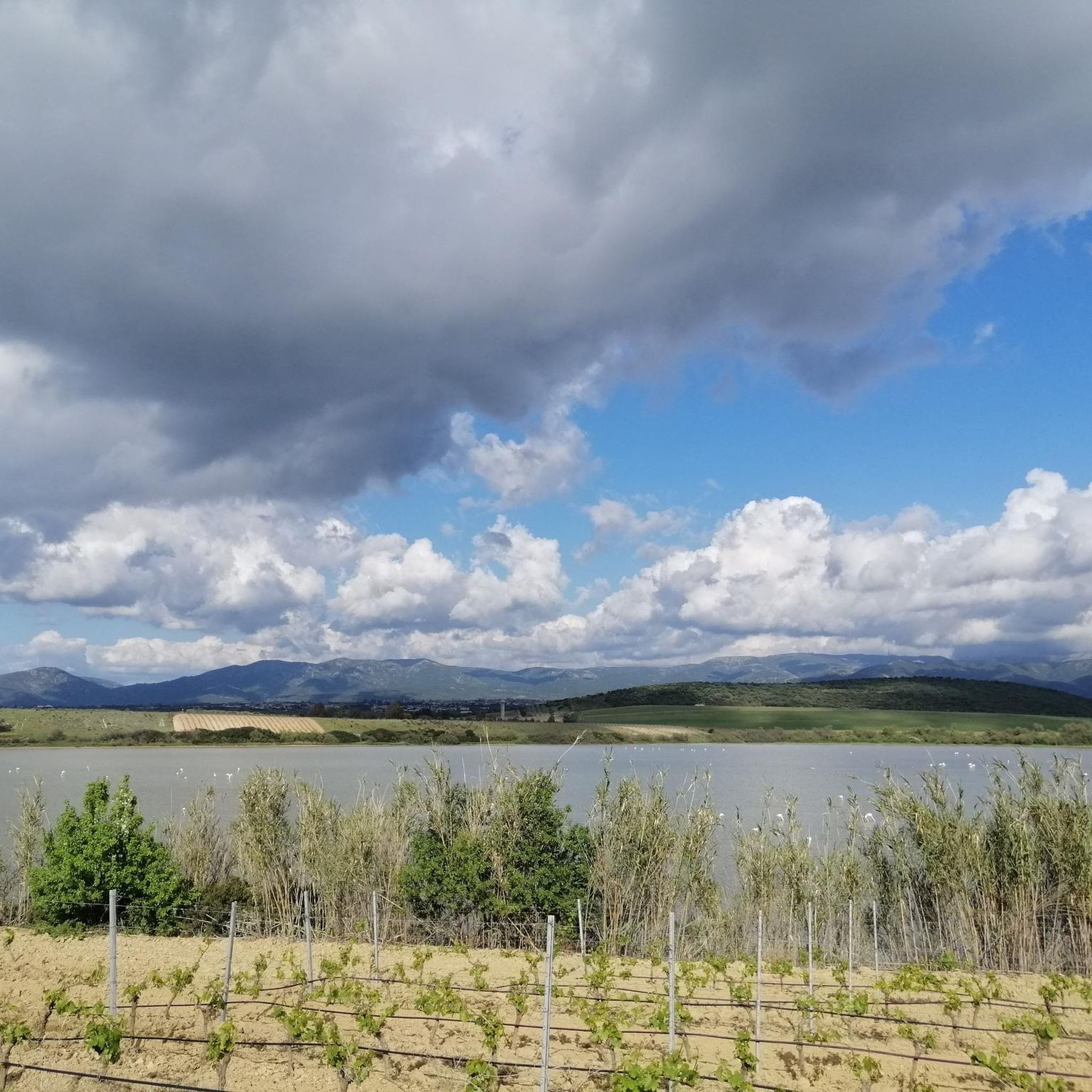
This place is a good example of how conservation can be overdone. Driving along the dam allows you to get closer to the flamingos than walking or cycling through the so-called park. I was disappointed. It's better to go to the zoo to see the flamingos.
0
0

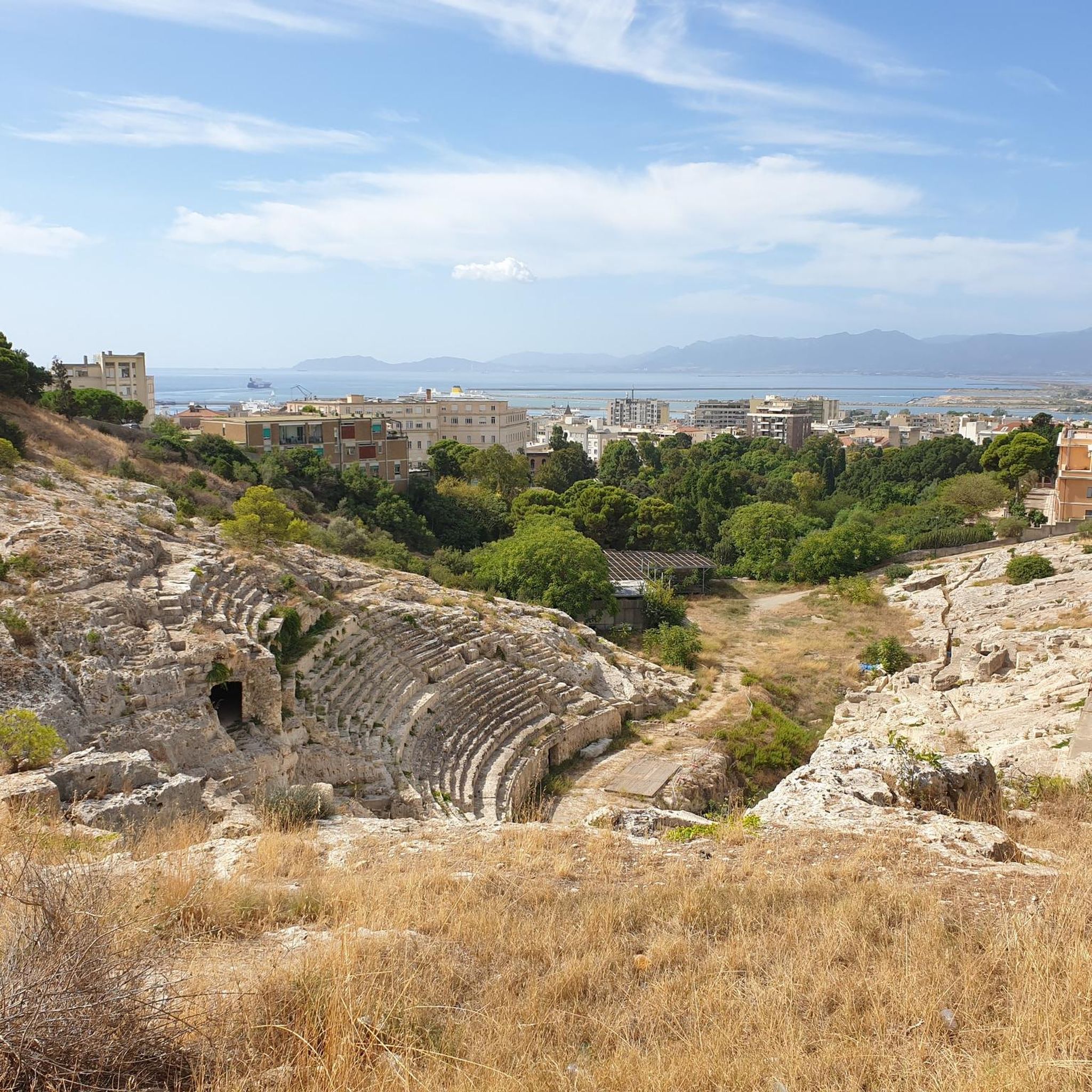
Called Krly by the Phoenicians, Cagliari has a very ancient history, chapters of which can still be discovered in the streets of the old city. About 120 years ago the places of city power were moved from the old Castello district to the more modern area near the port, but the historical part of the city is still of great charm.
2
1

Historic center of Cagliari
3
1
Nice place reachable by bike
0
0

The Bastione di Saint Remy is one of Cagliari's most iconic landmarks. Constructed between 1896 and 1902, it was built on the ancient defensive walls of the city and named after the first Piedmontese Viceroy, Baron of Saint Remy. The structure boasts a magnificent neoclassical design, featuring white and yellow limestone columns with Corinthian capitals, and it includes a monumental double-ramped staircase leading up to the Umberto I Terrace. The terrace offers stunning panoramic views of the city and the surrounding sea, making it a popular spot for both tourists and locals. The underlying gallery, known as Passeggiata Coperta, has served various purposes over the years—from an elegant banquet hall to a refuge for displaced people during World War II. The Bastione was severely damaged during the Allied bombings in 1943, which also destroyed many other significant buildings in Cagliari. After the war, the Bastione was carefully restored and continues to be a vital cultural and exhibition space in the city today.
4
1
Frequently Asked Questions
What historical and cultural sites can I explore in Sestu?
Sestu offers a rich history with several notable landmarks. You can visit the Parish Church of San Giorgio, a significant Late Gothic building from 1567, or the Church of San Salvatore, constructed between the 12th and 13th centuries. The ancient Church of San Gemiliano, located within a park, also provides a glimpse into the region's past. For a deeper dive into local life, Casa Ofelia showcases a typical Campidano dwelling, and the Museo di Storia Naturale "Aquilegia" features botanical, geological, and zoological findings, alongside historical archives.
Are there any natural attractions or features to see in Sestu?
Yes, Sestu's greatest natural attraction is Su Staini Saliu, a small, slightly salty water basin. In spring and autumn, this area becomes a vital habitat for various bird species, including ducks, avocets, black-winged stilts, and greater flamingos, making it an excellent spot for birdwatching.
What are the most popular attractions near Sestu?
The most popular attractions in the broader area, easily accessible from Sestu, include the Bastion of Saint Remy, which offers panoramic views over Cagliari. Another must-see is the Castello district in Cagliari, known for its historical streets and scenic views. The Molentargius–Saline Regional Natural Park is also highly rated for its natural beauty and flamingo populations.
What kind of outdoor activities can I do near Sestu?
The area around Sestu is great for various outdoor activities. You can find numerous routes for running, gravel biking, and cycling. For instance, there are several running loops like the "Near Mount Oladri — Ring tour" or the "Canyon Mozzarini loop." Cyclists can enjoy routes such as the "From Sestu to San Sperate - ring tour" or explore the "Stagno di Stani Saliu – Lago di Saliu loop." You can find more details and specific routes on the Running Trails around Sestu, Gravel biking around Sestu, and Cycling around Sestu guide pages.
Are there family-friendly attractions around Sestu?
Yes, several attractions are suitable for families. The Bastion of Saint Remy and the Cathedral of Saint Mary of the Assumption and Saint Cecilia are considered family-friendly historical sites. For nature lovers, the Molentargius–Saline Regional Natural Park offers easy cycling paths and opportunities to see flamingos, which can be a delightful experience for all ages.
Where can I find panoramic views near Sestu?
For breathtaking panoramic views, head to the Bastion of Saint Remy in Cagliari. Its Umberto I terrace provides expansive vistas over the city and the sea. The Castello district also offers scenic views over the bay from its various lookouts. Additionally, the Elephant Tower, part of Cagliari's city wall, provides another excellent vantage point.
What is the best time of year to visit Sestu for outdoor activities?
Sestu and its surrounding areas are best enjoyed for outdoor activities during spring and autumn. These seasons offer pleasant temperatures, ideal for exploring historical sites, cycling through natural parks, or observing birdlife at Su Staini Saliu, especially when flamingos are present.
Are there any significant religious buildings to visit near Sestu?
Absolutely. In Sestu itself, you can explore the Parish Church of San Giorgio, the Church of San Salvatore, and the ancient Church of San Gemiliano. In nearby Cagliari, the Cathedral of Saint Mary of the Assumption and Saint Cecilia, located in the historic Castello district, is a prominent place of worship showcasing centuries of architectural styles.
What local traditions and craftsmanship can I discover in Sestu?
Sestu preserves ancient artisan workshops where you can witness the creation of traditional wooden, wrought iron, and copper objects, as well as woven baskets. The town also celebrates its patron saints and agricultural heritage with various local festivities throughout the year, such as the festival of St. George in April and the traditional agricultural festivity of St. Isidore in May.
Can I find archaeological sites or exhibits in the Sestu area?
Yes, the Sestu area has a rich archaeological history. Evidence of human settlements dates back to the 3rd millennium BC, with Nuragic villages and Punic-Roman necropolises discovered. The Museo di Storia Naturale "Aquilegia" houses a historical archive, and the Sextum association displays coins from the Imperial age, reconstructing four thousand years of Sestu's history.
What do visitors enjoy most about the attractions around Sestu?
Visitors particularly appreciate the stunning views from places like the Bastion of Saint Remy, especially at sunset. They also love strolling through the narrow, colorful streets of the Castello district, discovering hidden cafés and the charm of old buildings. The opportunity to cycle through the Molentargius–Saline Regional Natural Park and see thousands of flamingos is also a highly cherished experience.
Most popular attractions around Sestu

Get inspired with the komoot mobile app


Explore more
Still not found the Highlight you’re looking for? See guides of the top attractions in other regions:
