Attractions and Places To See around Sarroccu/Sarroch - Top 20
Best attractions and places to see around Sarroccu/Sarroch is a region located southwest of Cagliari, Sardinia, known for its historical, artistic, and natural heritage. The area features a coastline with beaches and a tourist port, alongside dense Mediterranean scrub and forests inland. Sarroch's territory is rich in Nuragic archaeological sites, with around 45 identified, including nuraghi and giants' tombs. Visitors can explore ancient ruins, historical residences, and extensive natural parks.
Best attractions and places to see around Sarroccu/Sarroch
- The most…
Last updated: May 11, 2026
Ancient City of Nora
Highlight • Historical Site
During our visit, you could watch the archaeologists excavating. Very interesting!
The Spiaggia …
Translated by Google •
Tip by

Nora Archaeological Site
Highlight (Segment) • Historical Site
Translated by Google •
Tip by

Sign up now to discover places like this
Get recommendations on the best single tracks, peaks, & plenty of other exciting outdoor places.
Sign up for free
Oasi del Cervo e della Luna – Monte Arcosu Wildlife Sanctuary
Highlight • Natural Monument
Landscape & Flora
Translated by Google •
Tip by

Church of Saint Efisio of Nora
Highlight • Religious Site
Further information is available here: sardegnacultura.it/j/v/253?s=17913&v=2&c=2488&c1=2123&t=1
Translated by Google •
Tip by
View of San Macario Island
Highlight • Viewpoint
Translated by Google •
Tip by

Sign up for free to discover even more attractions around Sarroccu/Sarroch.
Sign up for free
Already have an account?
Start today with a free account
Your next adventure awaits.
Login or Signup
Popular around Sarroccu/Sarroch

Other adventures around Sarroccu/Sarroch

Tips from the Community

A wonderful cultural experience with or without a tour guide, accessible to all via wooden walkways or ground grids. A glimpse of a mini Pompeii.
0
0


The Chiesa di Sant'Efisio di Nora, built in 1089, is a charming and historic church dedicated to the martyr Saint Efisio, who is believed to have died at this site. ⛪️✨ This small sanctuary, nestled in a serene location, offers visitors a profound sense of spiritual reflection and connection to Sardinia's rich religious heritage. The church's ancient architecture and deep historical significance make it a must-visit for those exploring the cultural and spiritual roots of the region.
2
1
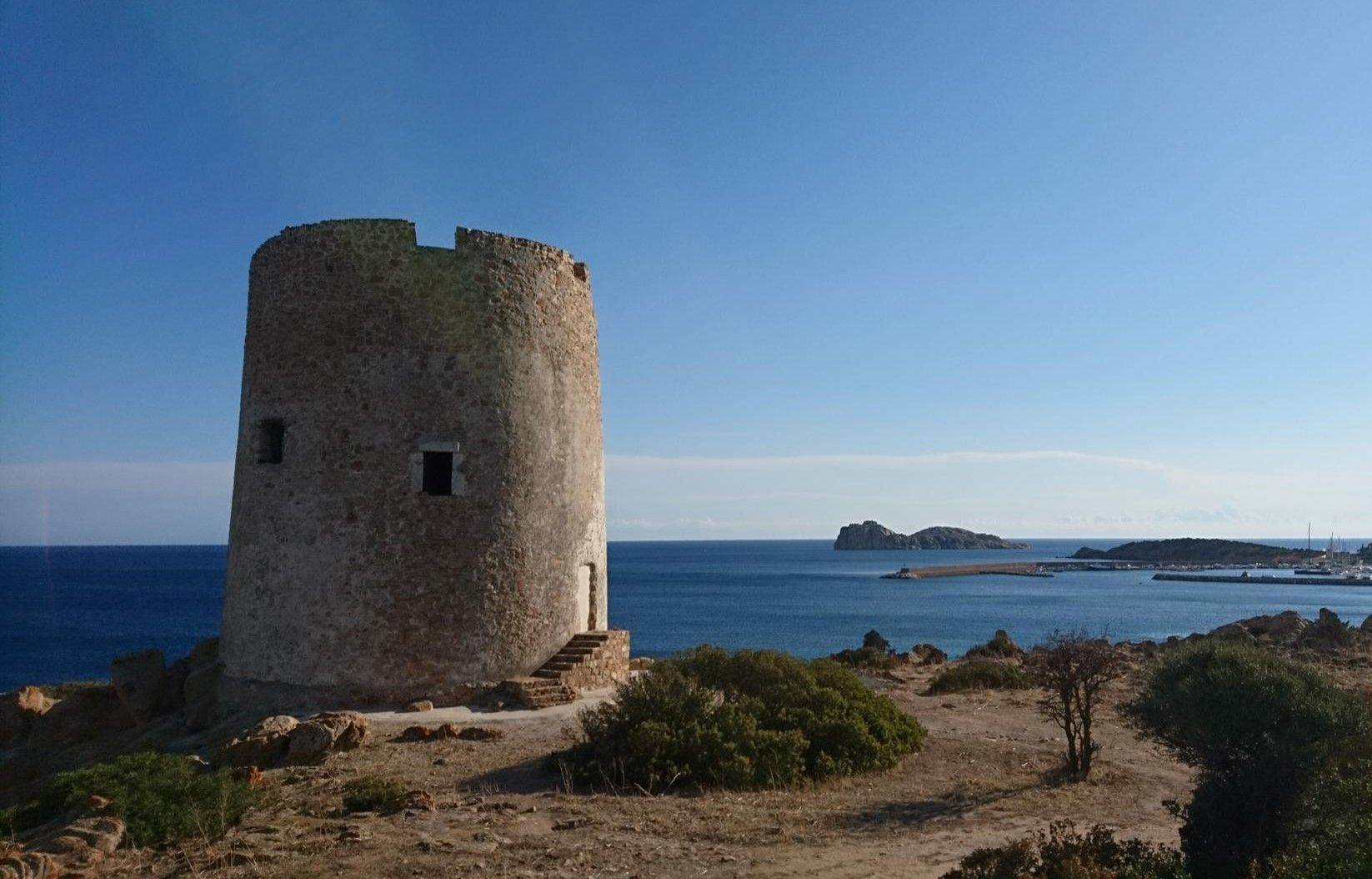
The view of the island of San Macario from Compagnia Barracellare di Pula is breathtaking. From the vantage point, you can behold the serene waters of the Mediterranean Sea stretching out towards the horizon, with San Macario rising majestically in the distance. The island, adorned with lush greenery and rugged cliffs, creates a picturesque scene against the backdrop of the azure waters. The tranquil ambiance and natural beauty make it a perfect spot for relaxation and contemplation, offering visitors a glimpse of paradise on earth.
0
0

Nora was founded by the Phoenicians and was later also inhabited by the Punians and Romans. It is believed that the Vandals, who occupied Sardinia from around 455/60 to 534, contributed to the city's downfall. In the early Middle Ages the city was abandoned due to pirate attacks. Its ruins lie on a narrow boot-shaped peninsula, the southernmost protrusion of which the locals call “Sa punta 'e su Coloru” (Snake Cape). In imperial times, Nora was a municipium. The Nora stele is of Phoenician origin, but most of the relics date from the Roman period, which conquered Sardinia in 238 BC. Conquered BC. The abstract steles of the Tophet of Nora show a similarity to those of Tharros. Clear remnants from the Phoenician-Punic period are the temple district on the cape Punta 'e su Coloru and the residential area behind the Roman theater, whose house floor plans, bathtub cisterns and masonry techniques show Punic features. The neighborhood is also known as the Kasbah of Nora because of the chaotic arrangement of the houses. The as yet unexplored Acropolis with long walls and towers is located on the southeast cape, around the Saracen tower Torre del Coltellazzo from the 17th century. Parts of the old settlement, particularly its three harbors, have sunk into the sea. In 1889 their remains were uncovered during a spring tide. The excavations of Roman-era Nora yielded mosaics, columns, baths and a small, well-preserved theater from the 2nd to 4th centuries with large clay pithoi in the hyposkenion, the stage, which date from a later phase when the building was no longer a theater was used, and therefore did not serve as acoustic resonators (as was previously thought).
3
0
The ancient city of Nora is located south of the city of Pula in the metropolitan city of Cagliari and, according to Pausanias, is considered the oldest city in Sardinia. This has not yet been confirmed archaeologically, but the oldest known Phoenician finds from the city date back to the second half of the 8th century BC. BC and at least attest to their great age.
1
1
Open-air museum about the history of the legendary city of the same name from the 9th century BC. BC
2
1

From here you can enjoy a splendid view of the coast, in particular of San Macario island and the tower of the same name, which stands alone. It's impressive to see a tower on such a small and desolate island.
1
0
Frequently Asked Questions
What historical sites can I explore in Sarroccu/Sarroch?
Sarroccu/Sarroch is rich in history, particularly with its Nuragic archaeological sites like Nuraghe Sa Domu e S'Orcu and Nuraghe Antigori, which offers panoramic views of the Gulf of Cagliari. You can also visit the Ancient City of Nora, a significant Phoenician, Punic, and Roman site, and the nearby Church of Saint Efisio of Nora. Other notable sites include Villa Siotto, Villa d'Orri, and the Archaeological Museum of Pula.
Are there natural parks or forests to visit near Sarroccu/Sarroch?
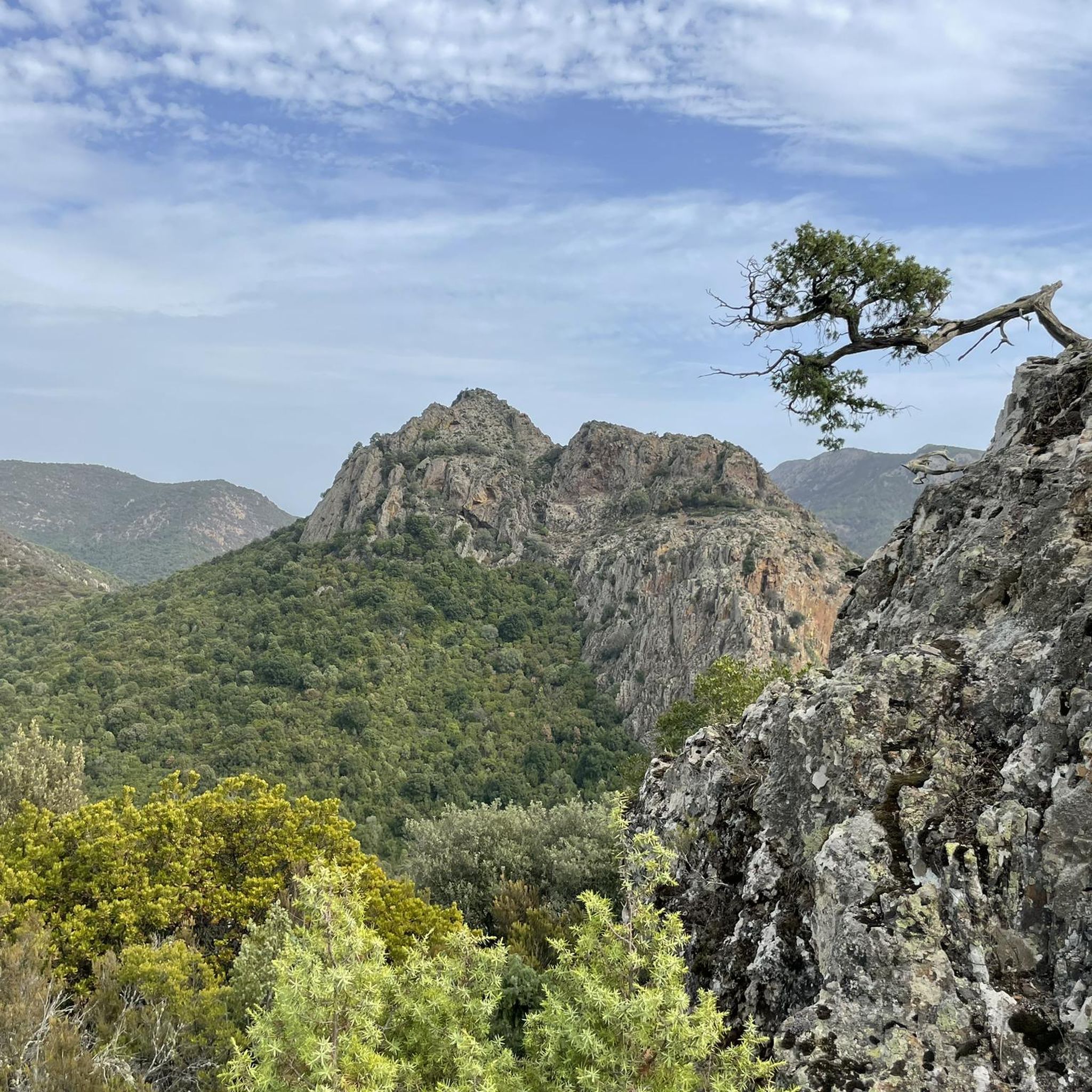
Yes, the inland areas near Sarroccu/Sarroch feature dense Mediterranean scrub and lush forests. You can explore Monte Nieddu, which is part of a vast green area including the WWF reserve of Monte Arcosu and the Gutturu Mannu oasis. The Oasi del Cervo e della Luna – Monte Arcosu Wildlife Sanctuary is a significant natural monument and forest, home to the Sardinian deer and numerous endemic plant species.
Where can I find beaches or coastal areas around Sarroccu/Sarroch?
Sarroccu/Sarroch's coastline offers appealing areas for visitors, especially during summer. Popular spots include Perd'e Sali and Portu Columbu, which feature beaches and a tourist port. The Nora Archaeological Site is also located near the coast, offering access to Spiaggia di Nora.
What kind of outdoor activities can I do near these attractions?
The region around Sarroccu/Sarroch offers a variety of outdoor activities. You can find numerous cycling routes, including challenging options like the 'Trail to Su Lilloni' or easier ones like the 'Pula Cycle Path'. For mountain biking, explore trails such as 'Punta Sebera e Punta Sa Cresia'. Road cyclists can enjoy scenic routes like the 'Sulcis Mountains Loop'. You can find more details on these activities in the Cycling around Sarroccu/Sarroch, MTB Trails around Sarroccu/Sarroch, and Road Cycling Routes around Sarroccu/Sarroch guides.
Are there family-friendly attractions around Sarroccu/Sarroch?
Yes, several attractions are suitable for families. The Church of Saint Efisio of Nora is considered family-friendly. Additionally, the View of San Macario Island offers an easy hiking trail with beautiful coastal views that families can enjoy together. The natural parks and beaches also provide great opportunities for family outings.
Where can I find the best viewpoints in the Sarroccu/Sarroch area?
For stunning vistas, head to the View of San Macario Island, where you can enjoy a splendid perspective of the coast and the isolated tower on San Macario island. Nuraghe Antigori also provides panoramic views of the entire Gulf of Cagliari, offering a historical backdrop to the scenic beauty.
What are some lesser-known historical or cultural gems in the area?
Beyond the major sites, consider visiting the Cripta e Chiostro Di San Domenico, which are remnants of an ancient convent and church, known for their beauty. The Torre Coltellazzo, built in 1607 on the acropolis of Nora, and the restored Torre di Cala d'Ostia from 1773, offer insights into the region's defensive history.
Are there any dog-friendly walking trails near Sarroccu/Sarroch?
Yes, the View of San Macario Island is listed as a dog-friendly highlight, offering an easy trail with beautiful coastal views that you can enjoy with your canine companion. Many of the natural areas and forests, such as those around Monte Nieddu, also provide opportunities for walks with dogs, though it's always advisable to check local regulations for specific reserves.
What is the best time to visit Sarroccu/Sarroch for outdoor attractions?
The region's population significantly increases in summer due to tourism in coastal areas, suggesting pleasant weather for beaches and water activities. For exploring historical sites and natural parks, spring and autumn generally offer milder temperatures, making hiking and sightseeing more comfortable than the peak summer heat.
What do visitors enjoy most about the attractions around Sarroccu/Sarroch?
Visitors particularly appreciate the rich historical depth of sites like the Ancient City of Nora, where they can witness ongoing archaeological excavations. The natural beauty of areas like the Oasi del Cervo e della Luna – Monte Arcosu Wildlife Sanctuary is also highly valued for its serene forests and wildlife. The stunning coastal views, such as those from the View of San Macario Island, are frequently highlighted by the komoot community.
Are there any events or festivals in Sarroccu/Sarroch?
Sarroccu/Sarroch celebrates its patron saint, Santa Vittoria, on the third Sunday of September with religious ceremonies, cultural events, and sporting activities. Another notable event in the broader region is the Festa di Sant'Efisio on May 2nd, which is a significant cultural and religious festival.
Can I find ancient Nuragic sites in Sarroccu/Sarroch?
Absolutely. Sarroccu/Sarroch is exceptionally rich in Nuragic archaeological sites, with approximately 45 identified within its territory. These include 16 nuraghi, 19 giants' tombs, and several well temples. Notable examples are Nuraghe Sa Domu e S'Orcu and Nuraghe Antigori, which is scientifically important for its Mycenaean ceramics.
Most popular routes around Sarroccu/Sarroch
Most popular attractions around Sarroccu/Sarroch

Get inspired with the komoot mobile app


Explore more
Still not found the Highlight you’re looking for? See guides of the top attractions in other regions:
