Attractions and Places To See around Ollasta/Ollastra - Top 20
Best attractions and places to see around Ollasta/Ollastra include historical sites and natural features in the province of Oristano, Sardinia. This agricultural town is situated in a fertile landscape traversed by the Tirso River, the island's largest. The region offers a blend of ancient ruins, traditional architecture, and cultivated lands.
Best attractions and places to see around Ollasta/Ollastra
- The most popular attractions is Fordongianus Roman Baths, a historical site where warm waters naturally flow into the river. These ancient…
Last updated: August 4, 2026
Fordongianus Roman Baths
Highlight • Historical Site
Translated by Google •
Tip by

Nuraghe Santa Cristina Archaeological Site
Highlight • Historical Site
Translated by Google •
Tip by

Sign up now to discover places like this
Get recommendations on the best single tracks, peaks, & plenty of other exciting outdoor places.
Sign up for free
Casa Aragonese
Highlight • Historical Site
Translated by Google •
Tip by

Santuario Nuragico
Highlight • Historical Site
Source: de.wikipedia.org/wiki/Santa_Cristina_(Brunnenheiligtum)
Translated by Google •
Tip by

Santa Cristina Country Church
Highlight • Religious Site
Translated by Google •
Tip by

Sign up for free to discover even more attractions around Ollasta/Ollastra.
Sign up for free
Already have an account?
Start today with a free account
Your next adventure awaits.
Login or Signup
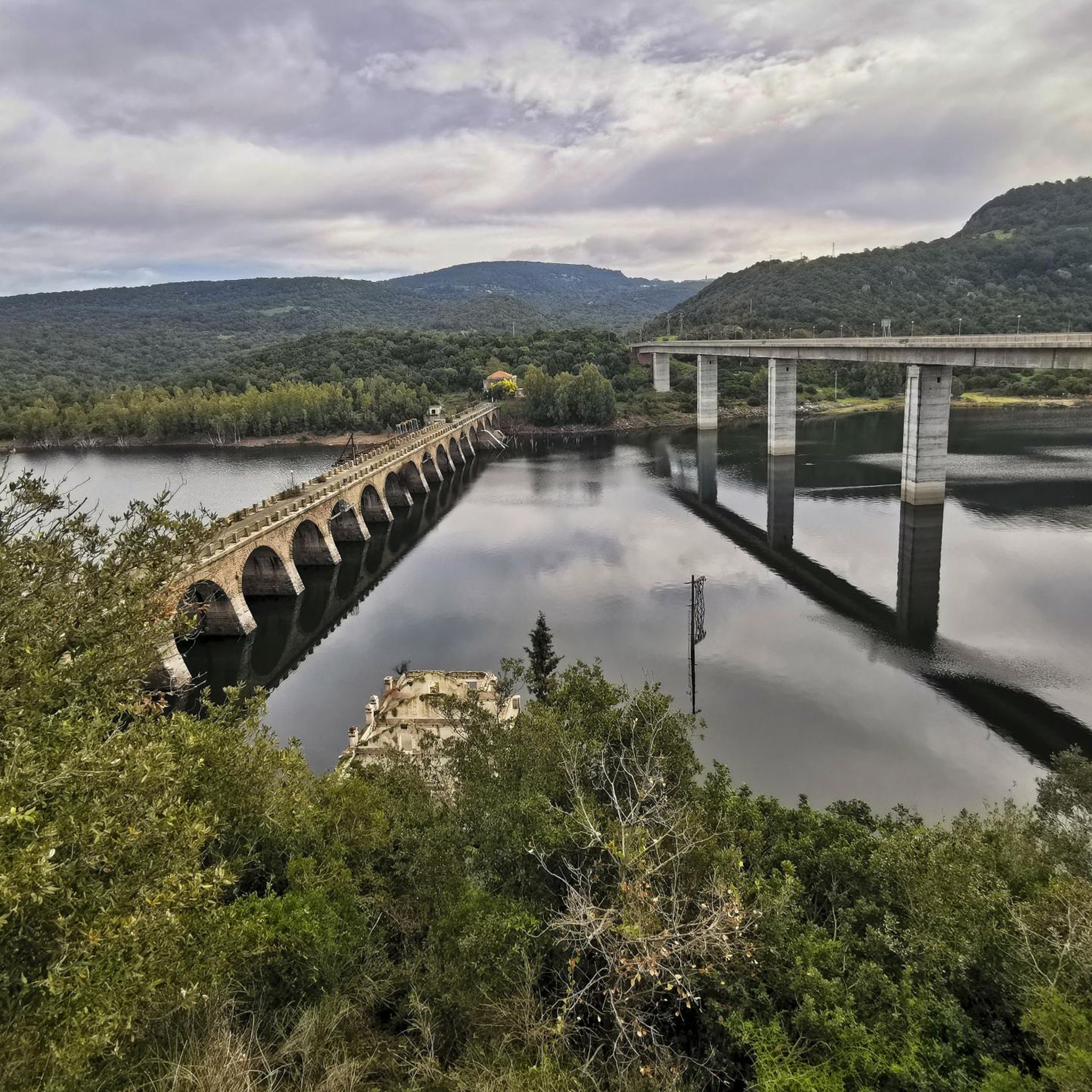
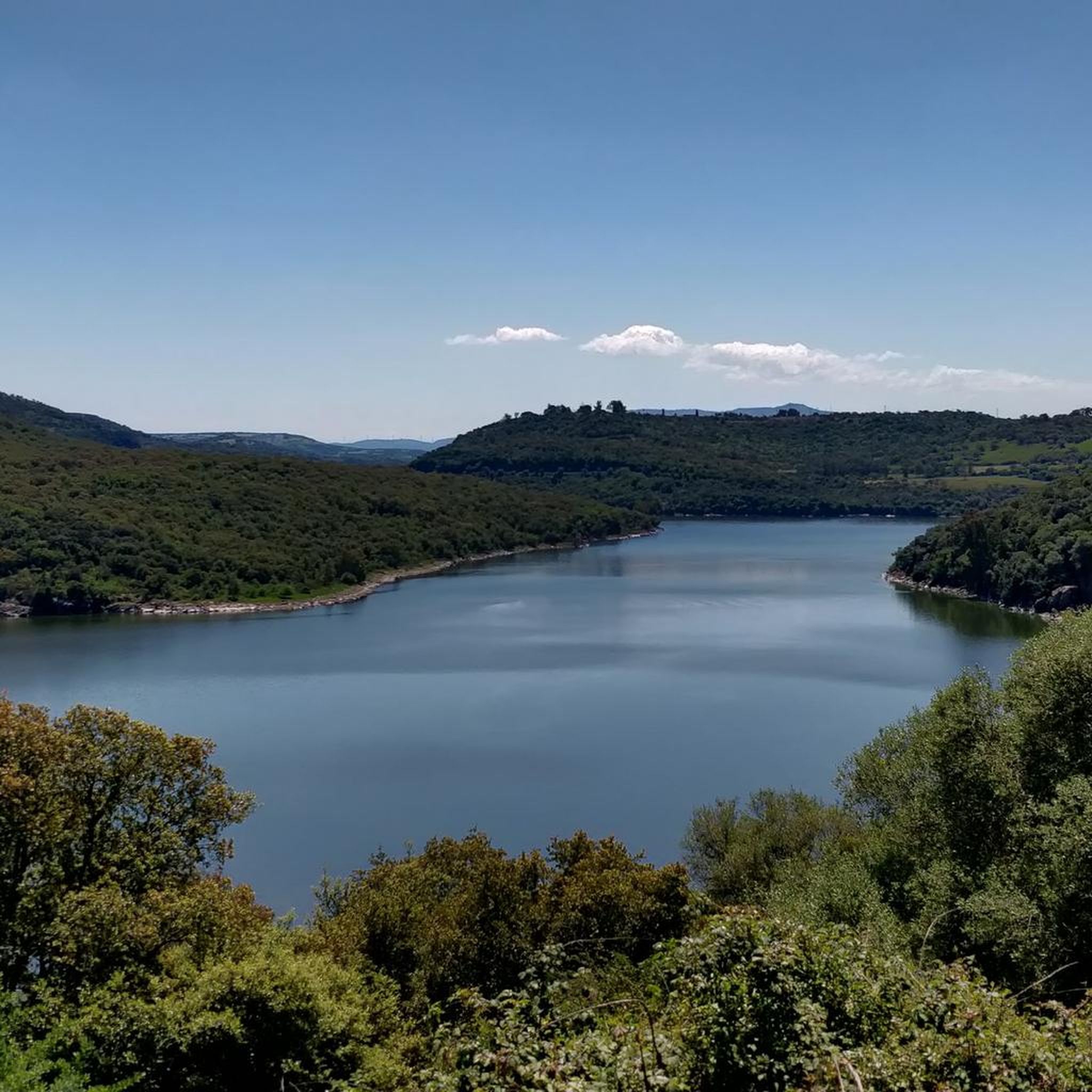
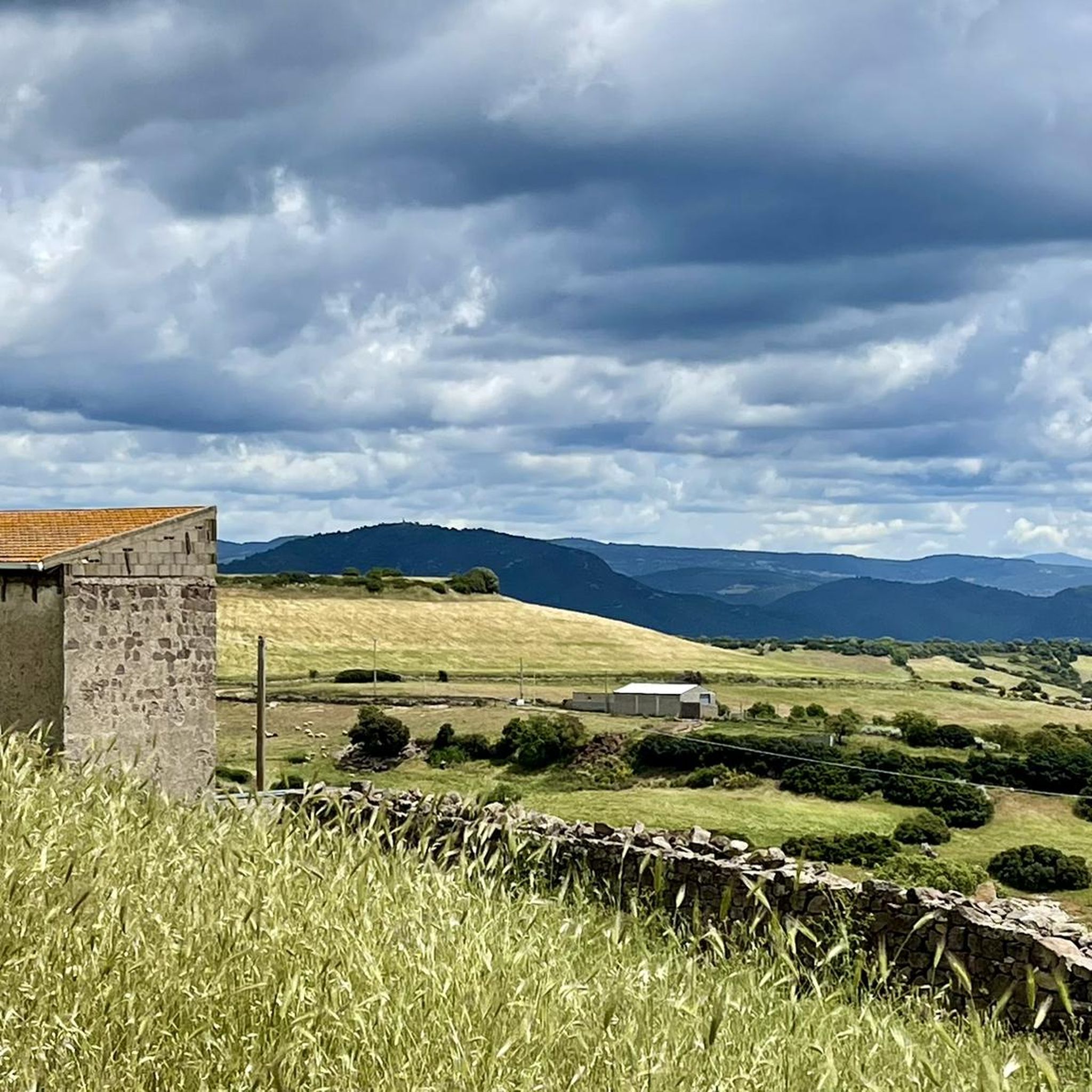


Tips from the Community

In 1857, Giovanni Spano published an article that included a graphic overview of the monument. The Canon describes and interprets the sacred well in a rather convoluted way: he classifies it as a nuragic structure but is unable to discern its true function, mistaking it for a prison due to its similarity to other finds. In 1860, La Marmora, in his Itinéraire, praised the monument and compared it "to the Treasury of Atreus in Mycenae, Greece, described and illustrated by James Stuart." In the early years of the 20th century, other sacred wells in Sardinia were investigated: Antonio Taramelli, an archaeologist of the first half of the 20th century, finally surmised their function. His work is complemented by Raffaele Pettazzoni, who, in his book on the beliefs of the ancient Proto-Sardinians, describes the cult of water, also drawing on comparisons from outside the island.
1
1
In 1857, Giovanni Spano published an article that included a graphic overview of the monument. The canon describes and interprets the sacred well in a rather convoluted manner: it classifies it as a nuragic structure, but is unable to identify its true function, considering it a prison due to its similarity to other findings. In 1860, La Marmora, in his Itinéraire, praised the monument and compared it "to the Treasury of Atreus at Mycenae, Greece, described and illustrated by James Stuart." In the early years of the 20th century, other sacred wells in Sardinia were investigated: Antonio Taramelli, an archaeologist of the first half of the 20th century, finally divined their function. His work is rounded out by Raffaele Pettazzoni, who, in his book on the beliefs of the ancient Proto-Sardinians, describes the cult of water, also drawing comparisons outside the island.
2
0
«The country church of St. Christina, located in the territory of Paùli-Latìno, a quarter (4 km) from this town, also belongs to this priory (of Bonarcado), while it is two hours from Bonarcado. Nearby there are some casipole for the novenanti who compete there on the first of May. The main festival falls with great frequency on the 10th of the same and a pious procession to the fountain named after the saint, which has a peculiar shape and structure. On July 24th there is a memorial day on which the glorious death of the same is commemorated.»
2
0
«The country church of St. Christina, located in the territory of Paùli-Latìno, a quarter (4 km) from this town, also belongs to this priory (of Bonarcado), while it is two hours from Bonarcado. Nearby there are some casipole for the novenanti who compete there on the first of May. The main festival falls with great frequency on the 10th of the same and a pious procession to the fountain named after the saint, which has a peculiar shape and structure. On July 24th there is a memorial day on which the glorious death of the same is commemorated.»
1
1
In 1860, La Marmora, in his Itinéraire, praised the monument, comparing it "to the Treasury of Atreus at Mycenae, Greece, described and illustrated by James Stuart". In the early years of the 20th century, other sacred wells were investigated in Sardinia: Antonio Taramelli, an archaeologist of the first half of the 20th century, finally guessed their function. His work is completed by Raffaele Pettazzoni, who, in his book on the beliefs of the ancient proto-Sardinians, describes the cult of water, also referring to comparisons outside the island. Despite the importance of the monument and its excellent state of preservation, it was necessary to wait until 1953 for the first excavations and restorations, which then continued with the Athnitzi campaigns of 1967-73 and 1977-83. [9] The last excavation campaigns were carried out by Bernardini in 1989-90 and by Arnold Lebeuf between 2005 and 2010. Further research is planned, focusing mainly on the area of the Nuragic village (which, however, had not yet been carried out as of 2012).
1
1
In 1860, La Marmora, in his Itinéraire, praised the monument, comparing it "to the Treasury of Atreus at Mycenae, Greece, described and illustrated by James Stuart". [4] In the early years of the 20th century, other sacred wells were investigated in Sardinia: Antonio Taramelli, an archaeologist of the first half of the 20th century, finally guessed their function. [5][6][7] His work is completed by Raffaele Pettazzoni, who, in his book on the beliefs of the ancient proto-Sardinians[8], describes the cult of water, also referring to comparisons outside the island. Despite the importance of the monument and its excellent state of preservation, it was necessary to wait until 1953 for the first excavations and restorations, which then continued with the Athnitzi campaigns of 1967-73 and 1977-83. [9] The last excavation campaigns were carried out by Bernardini in 1989-90 and by Arnold Lebeuf[10] between 2005 and 2010. Further research is planned, focusing mainly on the area of the Nuragic village[1] (which, however, had not yet been carried out as of 2012).
1
0
In 1841, Angius published a first summary description of the monumental complex in the Angius-Casalis dictionary:[2] «The country church of St. Christina, located in the territory of Paùli-Latìno, a quarter (4 km) from this town, also belongs to this priory (of Bonarcado), while it is two hours from Bonarcado. Nearby there are some casipole for the novenanti who compete there on the first of May. The main festival falls with great frequency on the 10th of the same and a pious procession to the fountain named after the saint, which has a peculiar shape and structure. On July 24th there is a memorial day on which the glorious death of the same is commemorated."
1
0
The site is essentially composed of two parts: the first, the best known and best studied, consists of the Well Temple, a sacred well of the nuragic period, to which are attached structures: a meeting hut, a perimeter enclosure and other smaller huts. The second part of the complex, about two hundred meters to the southwest, consists of a single-tower nuraghe, some elongated stone huts of unknown date and a nuragic village that has yet to be excavated and of which few illuminating elements are visible[1]. Although of limited archaeological interest, the Christian devotional area of the Church and Novenum of St. Christina integrates the complex, intended as a place where the novena is celebrated in honor of the saint.
1
0
Frequently Asked Questions
What historical sites can I explore in and around Ollastra?
Ollastra and its surroundings are rich in history. You can visit the 13th-century Church of San Marco, the Church of San Costantino, and the 17th-century Church of San Sebastiano within the town. The historical center itself features traditional houses built with unfired mud brick, known as "ladiri." Just a short distance away, you'll find the significant ancient Roman Baths of Fordongianus and the fascinating Nuraghe Santa Cristina Archaeological Site.
Are there any ancient Roman ruins near Ollastra?
Yes, a prominent ancient Roman site near Ollastra is the Fordongianus Roman Baths. These historical baths are notable for their warm waters that naturally flow into the river, offering a glimpse into Roman-era wellness practices. The site was once part of Forum Traiani, an important Roman city in the island's interior.
Where can I find archaeological sites related to the Nuragic culture?
The most significant Nuragic site in the area is the Nuraghe Santa Cristina Archaeological Site, located in the municipality of Paulilatino. This site features an incredible Nuragic well temple, which has been praised for its unique structure and historical importance since the 19th century. The site also includes the Santa Cristina Country Church nearby.
What natural features define the landscape around Ollastra?
The landscape around Ollastra is characterized by its fertile agricultural lands and natural elevations. The Tirso River, Sardinia's largest, traverses the region, contributing to the rich soil that supports vineyards, citrus orchards, artichoke fields, and even rice cultivation. Mount Ollastra, the tallest hill at 380 meters, offers natural interest with its two caves, S'Arutta e 'Conca e' Mesu and S'Arutta e' Margini Figu. The San Martino area is also notable for its Mediterranean shrubs.
Can I go hiking or cycling near Ollastra?
Yes, the area around Ollastra offers various opportunities for outdoor activities. For mountain biking, you can explore routes like "In bici nel complesso forestale del Grighine da Solarussa" or "Truzzulla Lookout – Roman Bath Hot Spring loop from Fordongianus." If you prefer touring or road cycling, options include "The dams on the Tirso River and Lake Omodeo – ring tour from Fordongianus" or "Sinis Peninsula and Capo Mannu Loop." You can find more details on these and other routes in the MTB Trails around Ollasta/Ollastra, Cycling around Ollasta/Ollastra, and Road Cycling Routes around Ollasta/Ollastra guides.
Are there any family-friendly attractions in the Ollastra area?
The Casa Aragonese is considered a family-friendly historical site. This splendid example of stately architecture from the 16th-17th century offers an interesting visit, with one part housing a museum. Its proximity to the Roman Baths of Fordongianus also makes it convenient for a combined historical outing that can engage various age groups.
What local traditions or events take place in Ollastra?
Ollastra celebrates several traditional events throughout the year. The Feast Day of San Marco is held on April 25, featuring a livestock exhibition and the traditional "su pannu" race. On January 20, the Feast Day of San Sebastiano is celebrated, marked by a large bonfire lit in the town square. Additionally, the local Pro Loco Ollastra organizes the "Ollastra in Mirto" event, which has received recognition as a Quality Event, showcasing local culture and products.
What local products or specialties should I try in Ollastra?
Ollastra's agricultural landscape yields several delicious local specialties. Be sure to savor the renowned Vernaccia wine, and indulge in traditional almond and cheese sweets. The region is also known for producing excellent olive oils from domestic olive trees, and you can find rice cultivated in the reclaimed ancient swamp of Arcais to the south-west.
What is the best time of year to visit Ollastra for outdoor activities?
The spring and autumn months are generally ideal for outdoor activities in Ollastra, offering pleasant temperatures for hiking, cycling, and exploring historical sites. Spring brings the Feast Day of San Marco on April 25, adding a cultural dimension to your visit. Summers can be quite warm, especially for strenuous activities, while winters are milder but may have more rainfall. Checking local weather forecasts closer to your visit is always recommended.
What do visitors enjoy most about the attractions around Ollastra?
Visitors particularly appreciate the blend of ancient history and natural beauty. The Fordongianus Roman Baths are frequently highlighted for their historical significance and the unique experience of warm waters. The Nuraghe Santa Cristina Archaeological Site is often described as an "unbelievable interesting archaeological excavation site" that is well worth seeing for its ancient structures. The overall appeal lies in discovering ancient ruins, traditional architecture, and the serene, cultivated landscapes of the Tirso River valley.
Are there any viewpoints or scenic spots near Ollastra?
While specific named viewpoints are not detailed, the area around Mount Ollastra, the tallest hill at 380 meters, offers elevated perspectives of the surrounding agricultural landscape and the Tirso River valley. The fertile plains with vineyards, citrus orchards, and artichoke fields provide picturesque scenery, especially during different seasons of cultivation.
Can I explore the historical center of Ollastra on foot?
Yes, Ollastra's historical center is ideal for exploration on foot. It is characterized by traditional houses built with "ladiri," unfired mud bricks, offering a unique architectural insight into traditional Sardinian life. Walking through these streets provides a direct experience of the town's heritage and charm.

Get inspired with the komoot mobile app


Explore more
Still not found the Highlight you’re looking for? See guides of the top attractions in other regions:
