Attractions and Places To See around Arborea - Top 20
Best attractions and places to see around Arborea include a blend of natural landscapes and historical sites in Sardinia. This planned town, founded in the late 1920s, features distinctive architecture and is situated near the Gulf of Oristano. The region is characterized by wetlands, sandy beaches, and lagoon lakes, offering diverse natural environments. Visitors can explore historical landmarks and cultural sites that reflect both the town's unique origins and the area's ancient past.
Best attractions and places to see around…
Last updated: October 11, 2026
The S'Ena Arrubia Pond
Highlight • Lake
It is a shallow basin dedicated to …
Translated by Google •
Tip by

Cathedral of St. Mary of the Assumption
Highlight • Religious Site
Translated by Google •
Tip by

Sign up now to discover places like this
Get recommendations on the best single tracks, peaks, & plenty of other exciting outdoor places.
Marceddì Bridge
Highlight (Segment) • Bridge
Translated by Google •
Tip by

Portixedda Tower
Highlight • Historical Site
Translated by Google •
Tip by

Arborea (Oristano - Sardinia)
Highlight • Settlement
Translated by Google •
Tip by
Sign up for free to discover even more attractions around Arborea.
Already have an account?
Start today with a free account
Your next adventure awaits.
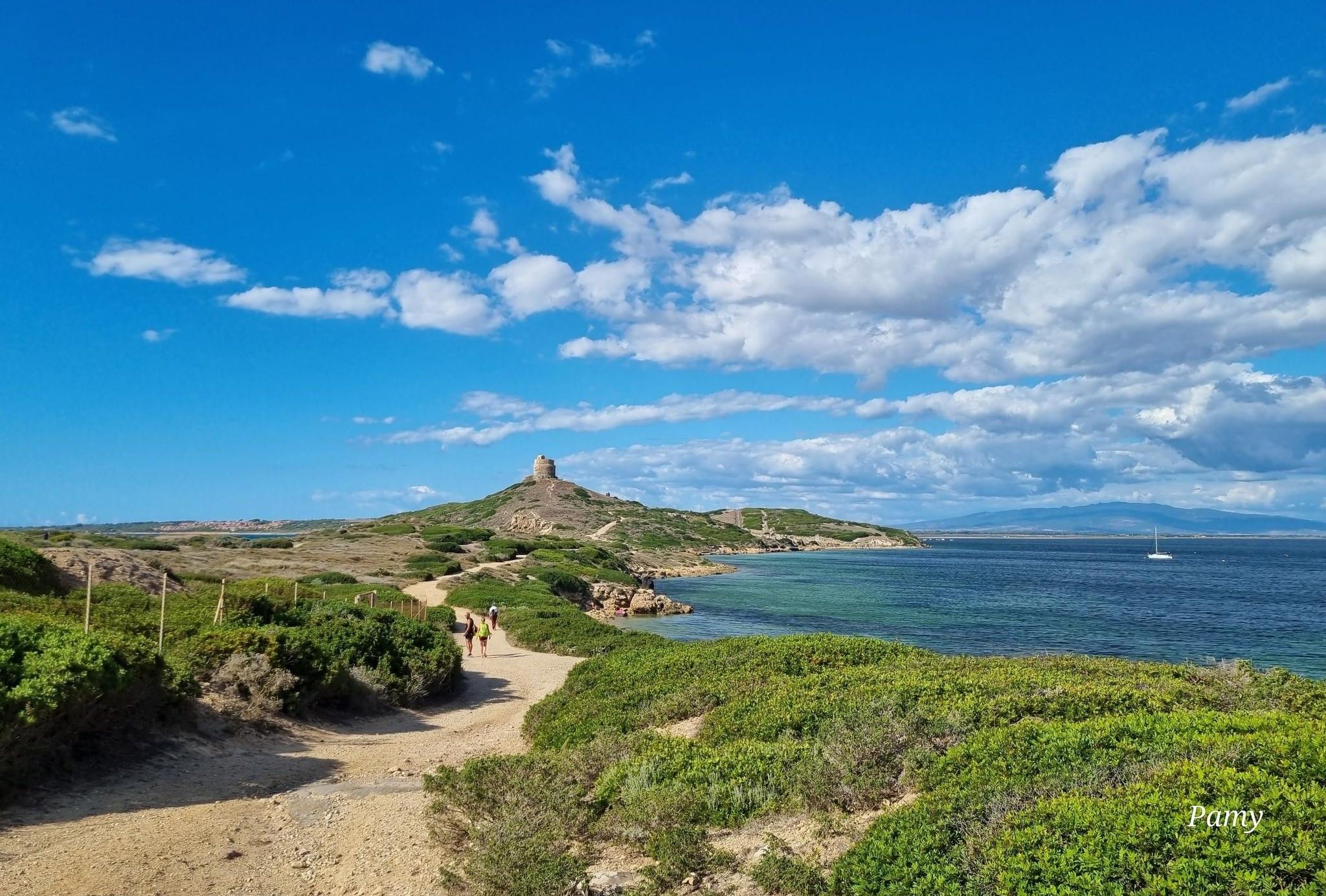
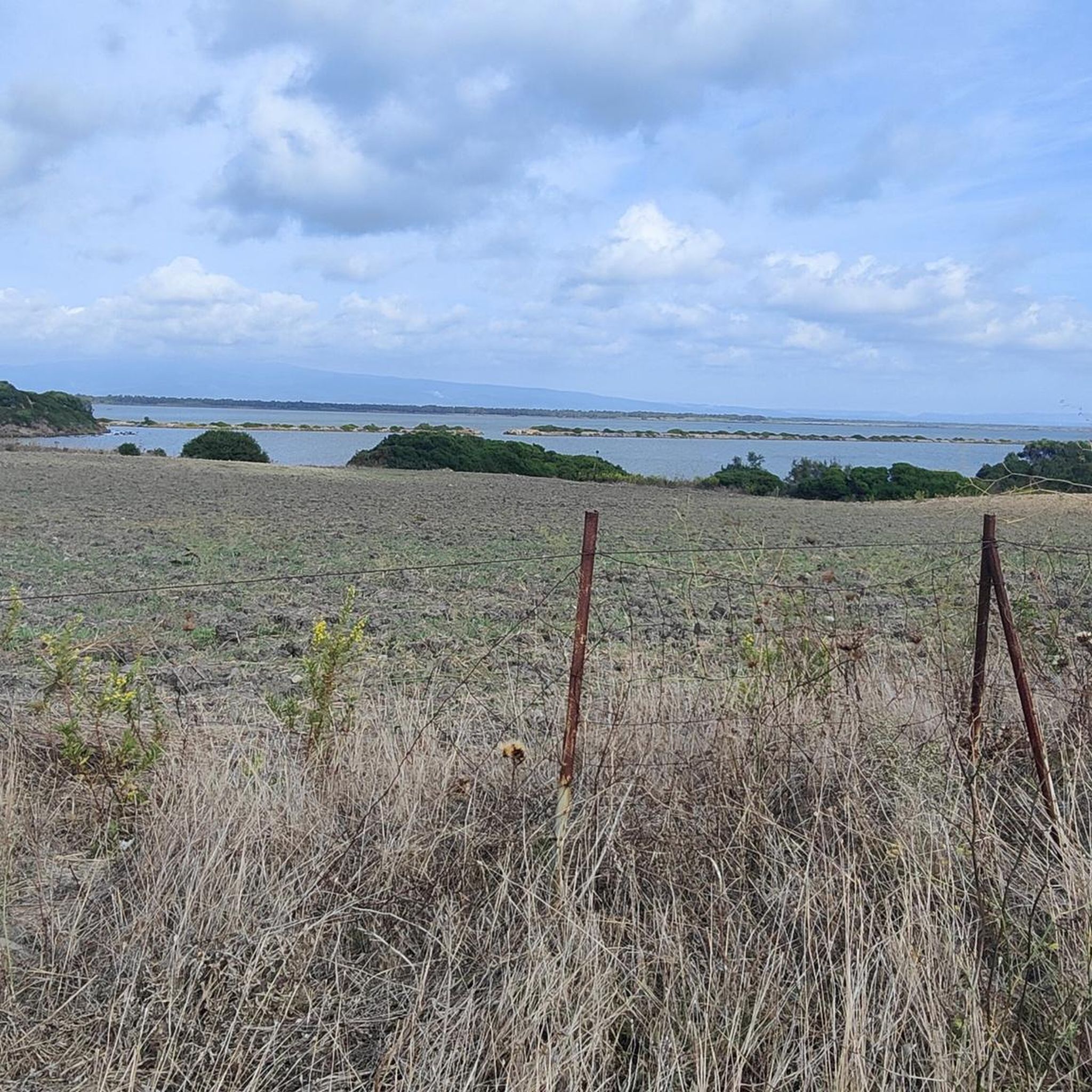

Other adventures around Arborea

Tips from the Community

Beautiful baroque cathedral with a separate bell tower.
1
0

This long single lane bridge crosses the Marceddì lagoon. Given its size, it is particularly exposed to the wind. It connects the Costa Verde to the Oristano plains. The alternative would be to circumnavigate the lagoon, but this adds several kilometers to the route. Passage is prohibited for any motorized vehicle. The views of the water from both sides, as you stand in the center of the bridge, are extraordinary.
2
0

A cathedral, so for Hamburgers: no carousels and beer, just church and stuff. Beautifully colorful inside.
3
1

nice square outside a pleasant baroque cathedral with a couple of gothic vestiges
4
0

The first document that testifies to the existence of the church dedicated to Santa Maria dates from February 20, 1192. In 1195 the cathedral and the entire city were set on fire and sacked by the troops of the magistrate of Cagliari Guglielmo de Lacon-Massa. The cathedral was badly damaged during the military occupation of the city and in 1228 reconstruction began. The pointed arch building, written documents and two bronze knockers on the portal bear witness to this. In the first half of the 14th century, the Romanesque structure of the Duomo was modified... The transept and the first bell tower were part of the 1300 extension, whose colored majolica dome was only added in the 18th century. In the will of King Hugh II of Arborea of April 4, 1335, the ruler mentions the place where he wanted to be buried: in the Church of the Virgin Mary of Oristano and precisely in the Chapel of San Bartolomeo, which still needs to be completed . Further extensions may have taken place between 1336 and 1349, as the grave of the legal adviser Filippo Mameli, who died in 1349, suggests. During an invasion of French militias that took place on February 25, 1637, the city of Oristano, the churches and especially the cathedral were looted and badly damaged. With the arrival of Sardinian troops from Cagliari and Sassari, the French soldiers decided to leave the city on February 28th to embark again. Pursued by the Sardinian military, the French left behind two pieces of artillery, eleven boats, thirty-six prisoners and eight banners, four of which are preserved on the wall of the main entrance of Oristano Cathedral. The current cathedral, built in the years 1729-1745 to an elegant Piedmontese Baroque design, houses the chapel with the relics of Sant'Archelao, patron saint of the city and the diocese. Source and more information: https://www.comune.oristano.it/it/amministrazione/luoghi/luogo/Cattedrale-di-Santa-Maria-Assunta/
2
1
Portixedda (literally "little door") is one of the smaller structures of the city walls, built between 1290 and 1293 by order of Judge Mariano II de' Bas-Serra d'Arborea. The defensive building controlled the important eastern access point that led to the Villa of Silì, continuing along the ancient Roman path of the Forum Traiani and finally to the Barbagie in the northeast of the island. The 13th-century structure was constructed as a square tower using mixed stone and mortar masonry techniques and was finished with an outer layer of sandstone blocks… In the second half of the 16th century, fears of an invasion of Sardinia by the Ottoman Empire necessitated an operation to modernize the defensive structures. For this purpose, the upper part of the medieval tower was demolished, while the lower part was built into a new massive tower with a circular base. The cut stone of the previous structure was reused, along with other elements such as B. the Machikoles and loopholes, which have been adapted for the use of firearms. Key elements of military development included the creation of a decorative outer bank layer built just around the base to support offensive artillery attacks. Puerta de Levante was the name given to the new solid due to its role of patrolling the road leading east. However, it was more commonly known as Portixedda to distinguish it from the largest doors such as Porta Ponti by its small size… Source: https://www.museooristano.it/view/s/b44c7b15ef994e9ca59e60fc73147784
0
0

Oristano Cathedral, dedicated to the Assumption of the Virgin Mary, is the Roman Catholic cathedral of Oristano, Sardinia, Italy. It is the seat of the Archbishop of Oristano. It is built in Baroque style and is located in the historical center of the city. Source: https://en.wikipedia.org/wiki/Oristano_Cathedral
5
0

Frequently Asked Questions
What are the key natural attractions to explore around Arborea?
Arborea is rich in natural beauty. A must-visit is The S'Ena Arrubia Pond, a significant wetland near the Gulf of Oristano, known for its biodiversity, including pink flamingos and various heron species. The area also features several lagoon lakes, which are vital habitats for fish and migratory birds.
Where can I find beautiful beaches near Arborea?
The region boasts several lovely beaches.
Marina d'Arborea offers a sandy expanse backed by a splendid pine forest, perfect for relaxation. Other notable beaches include Spiaggia di Pistis to the south and the wide Spiaggia di Maimoni to the north. For those with pets, Abarossa is a dog-friendly beach located about five kilometers away. Further afield, you can discover the unique 'rice-grains' beaches of Is Arutas and Mare Ermi.
What historical and cultural sites can I visit in Arborea and its immediate surroundings?
Arborea, a planned town, offers unique architectural and historical insights. You can visit the settlement of Arborea itself, known for its distinctive Art Nouveau and Neo-Gothic buildings and straight, tree-lined avenues. The Parish Church of Cristo Redentore in the main piazza features a Tyrolean architectural style. The Civic Archaeological Collection, housed in the Town Hall, displays artifacts from the Roman necropolis of s'Ungroni. Don't miss the impressive modernist structure of the Idrovora, inaugurated in 1934. In the nearby fishing village of Marceddì, you can find the 16th-century Torrevecchia.
Are there any family-friendly attractions in the Arborea area?
Yes, several attractions are suitable for families. The S'Ena Arrubia Pond is a great spot for nature observation, where children can enjoy spotting pink flamingos and other aquatic birds. The various local beaches, such as Marina d'Arborea, provide ample space for family fun and relaxation. Exploring the unique architecture of Arborea itself can also be an interesting educational experience for older children.
What outdoor activities, like hiking or cycling, are available near Arborea?
The area around Arborea offers various outdoor activities. For hiking, you can explore routes like the 'Maritime pine forest – Stagno di Cabras loop' or the 'Stagno di Cabras – Stagno di S'Ena Arrubia loop'. Cyclists can enjoy road cycling routes such as the 'Costa Verde and Montevecchio Loop' or gravel biking trails like the 'Laguna di Marceddì – Ponte di Marceddì loop'. You can find more details and specific routes in the Hiking around Arborea, Road Cycling Routes around Arborea, and Gravel biking around Arborea guides.
What are some significant archaeological sites or museums in the wider Oristano area?
Beyond Arborea, the Oristano area is rich in archaeological and cultural heritage. The ruins of Tharros on the Sinis Peninsula are among Sardinia's most important archaeological sites, showcasing Punic and Roman history. In Oristano city, you can visit the Antiquarium Arborense Museum, which houses artifacts from Nuraghi and Tharros, and the Arborense Diocesan Museum, preserving religious art. The Civic Archaeological Collection in Arborea's Town Hall also offers insights into the Roman past.
When is the best time of year to visit Arborea and its attractions?
The best time to visit Arborea depends on your interests. For enjoying the beaches and coastal activities, the summer months (June to September) are ideal. If you're interested in birdwatching, particularly seeing pink flamingos, the wetland areas like The S'Ena Arrubia Pond are especially vibrant during the cooler months, as thousands of flamingos spend winter and nest there. Spring and autumn offer pleasant temperatures for exploring historical sites and outdoor activities without the peak summer heat.
Are there any dog-friendly places or walks around Arborea?
Yes, for visitors with dogs, Abarossa is a designated dog-friendly beach located approximately five kilometers from Arborea. Additionally, many of the natural areas and walking trails, such as those through the pine forests near Marina d'Arborea or around the lagoon lakes, can be enjoyed with well-behaved dogs, provided local regulations are followed.
What are some religious landmarks worth visiting in the Oristano region?
In the nearby city of Oristano, you can visit the impressive Cathedral of St. Mary of the Assumption, a Roman Catholic cathedral built in Baroque style. Adjacent to it is the Church of San Francesco, which, despite its neoclassical façade, has Gothic origins from 1335 and houses significant artworks like the 14th-century Christ of Nicodemus sculpture.
How much time should I plan for visiting the main attractions around Arborea?
To fully appreciate the diverse attractions, consider dedicating at least two to three days. This allows for a day to explore Arborea's unique architecture and nearby natural sites like The S'Ena Arrubia Pond and the beaches. Another day can be spent exploring the historical and cultural sites in Oristano, such as the Cathedral and museums, or visiting the ancient ruins of Tharros. If you plan on hiking or cycling, allocate additional time for those activities.
What do visitors enjoy most about the attractions around Arborea?
Visitors particularly appreciate the blend of natural landscapes and historical insights. The unique biodiversity of The S'Ena Arrubia Pond and the beauty of the local beaches are highly rated. The distinctive planned architecture of Arborea itself, with its Art Nouveau and Neo-Gothic styles, also captures interest, offering a glimpse into a unique period of history.
Most popular routes around Arborea
Most popular attractions around Arborea

Get inspired with the komoot mobile app


Explore more
Still not found the Highlight you’re looking for? See guides of the top attractions in other regions:
