Attractions and Places To See around Bonaccattu/Bonarcado - Top 20
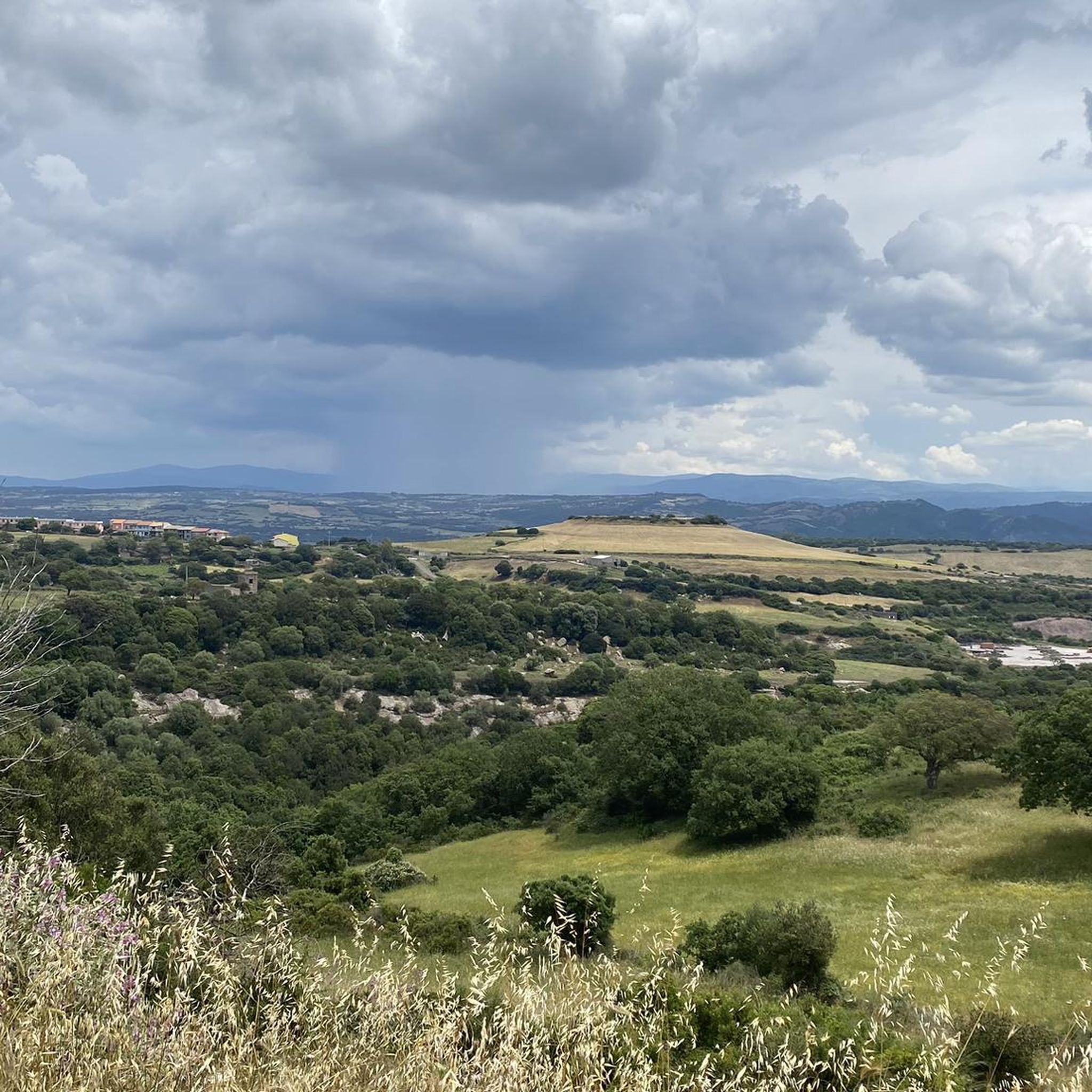
Best attractions and places to see around Bonaccattu/Bonarcado, a village in the province of Oristano, Sardinia, is situated at the foot of the Montiferru hills. This region is known for its rich history, cultural sites, and natural landscapes. Visitors can explore ancient Nuragic settlements, significant religious complexes, and impressive natural features like waterfalls and mountain ranges. The area offers a variety of attractions for those interested in history, culture, and outdoor exploration.
Best attractions and places to see around Bonaccattu/Bonarcado
…Last updated: August 4, 2026
Casteddu Etzu (Montiferru Castle)
Highlight • Castle
Translated by Google •
Tip by

Nuraghe Santa Cristina Archaeological Site
Highlight • Historical Site
Translated by Google •
Tip by

Sign up now to discover places like this
Get recommendations on the best single tracks, peaks, & plenty of other exciting outdoor places.
Sign up for free
Santuario Nuragico
Highlight • Historical Site
Source: de.wikipedia.org/wiki/Santa_Cristina_(Brunnenheiligtum)
Translated by Google •
Tip by

Santa Cristina Country Church
Highlight • Religious Site
Translated by Google •
Tip by

Sos Molinos Waterfall
Highlight • Waterfall
Source: sardegnatoujours.com/cascata-sos-molinos-come-ragvenirerla
Translated by Google •
Tip by
Sign up for free to discover even more attractions around Bonaccattu/Bonarcado.
Sign up for free
Already have an account?
Start today with a free account
Your next adventure awaits.
Login or Signup
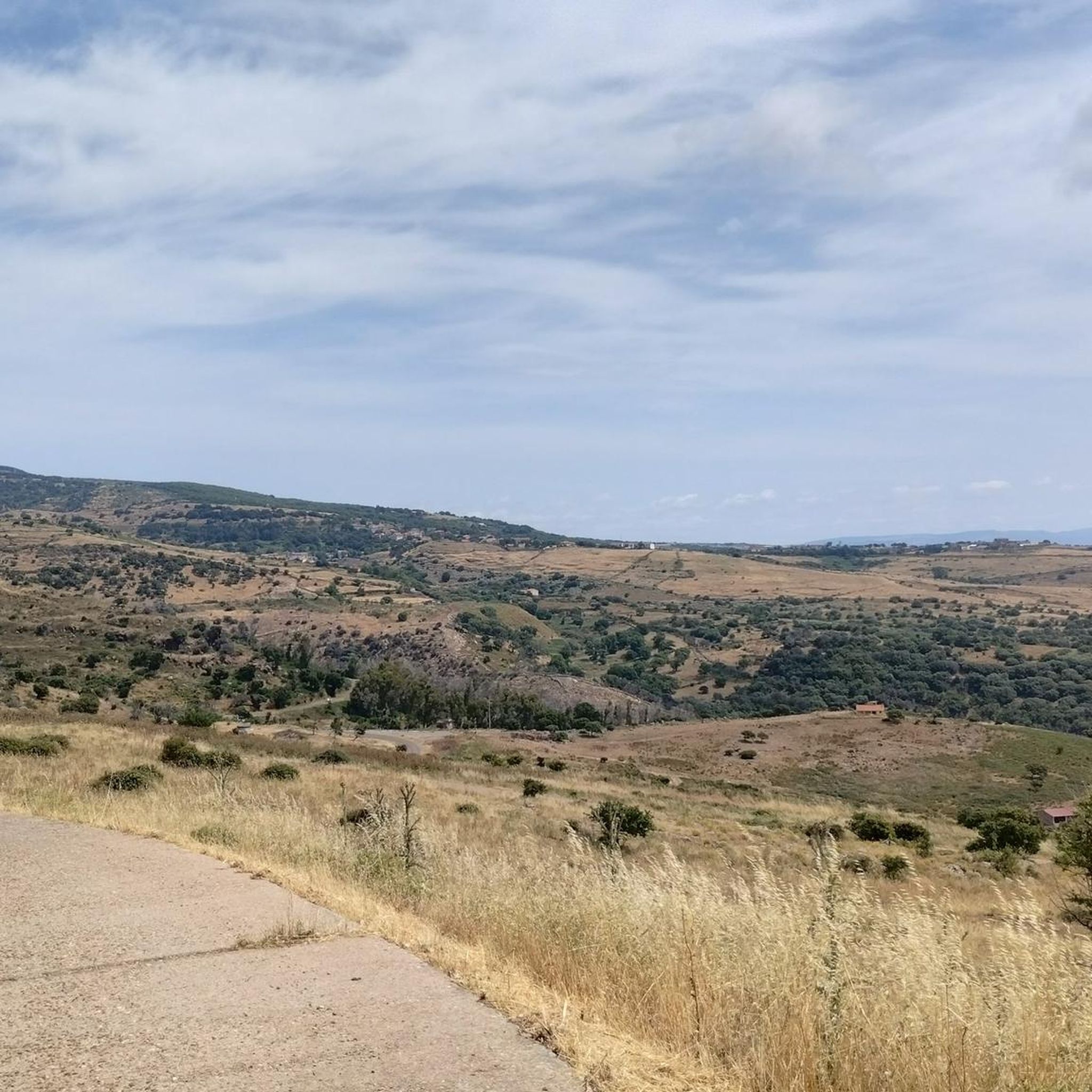
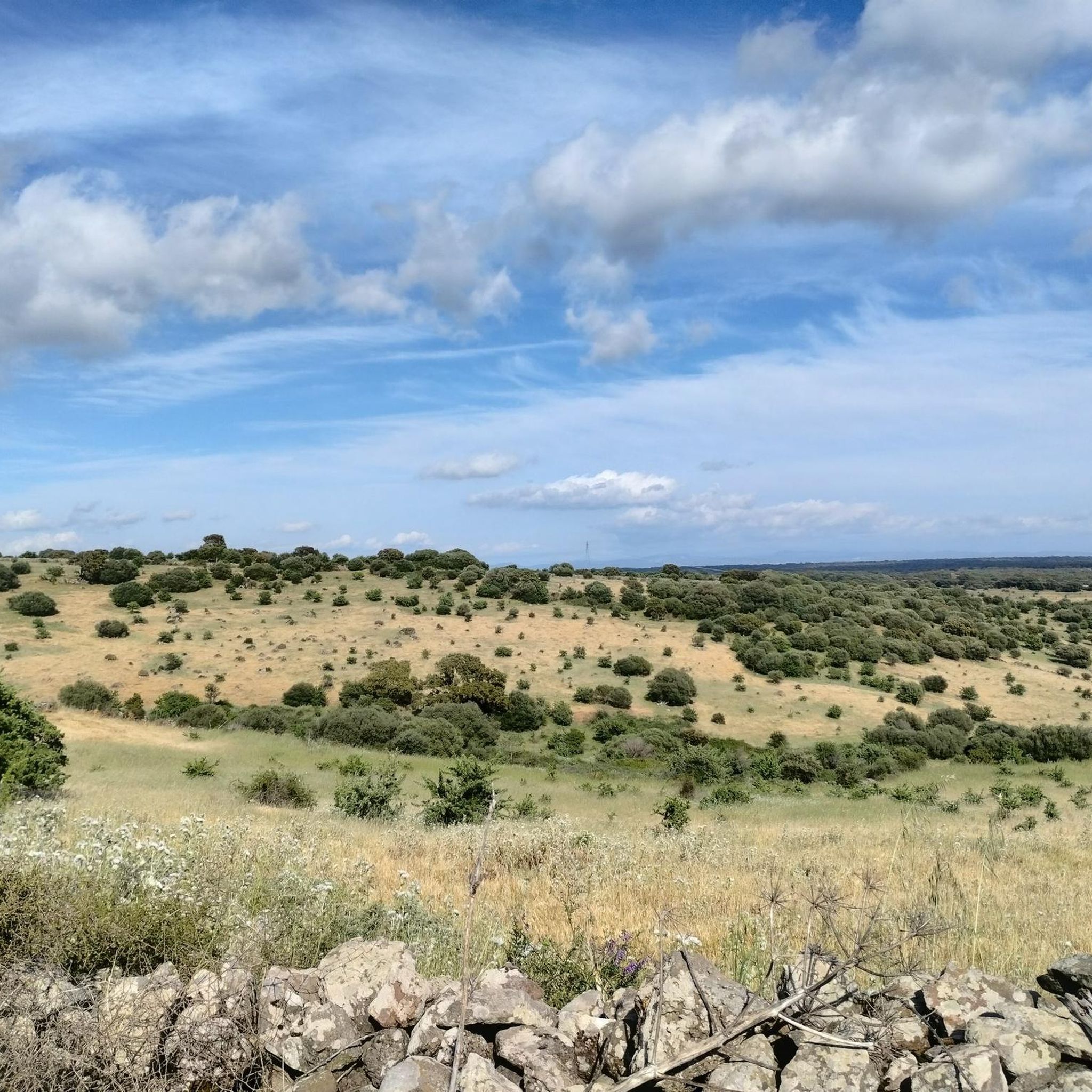
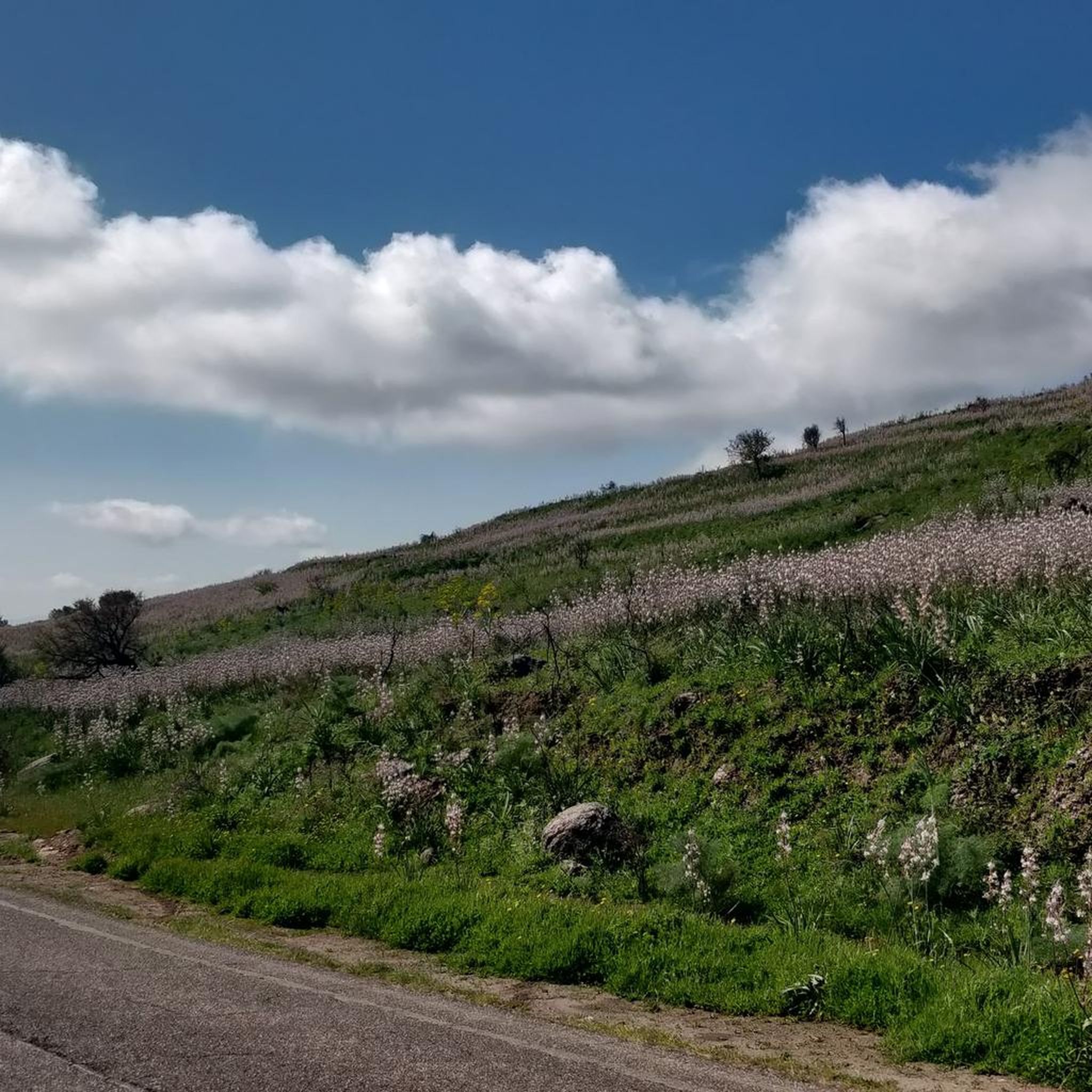
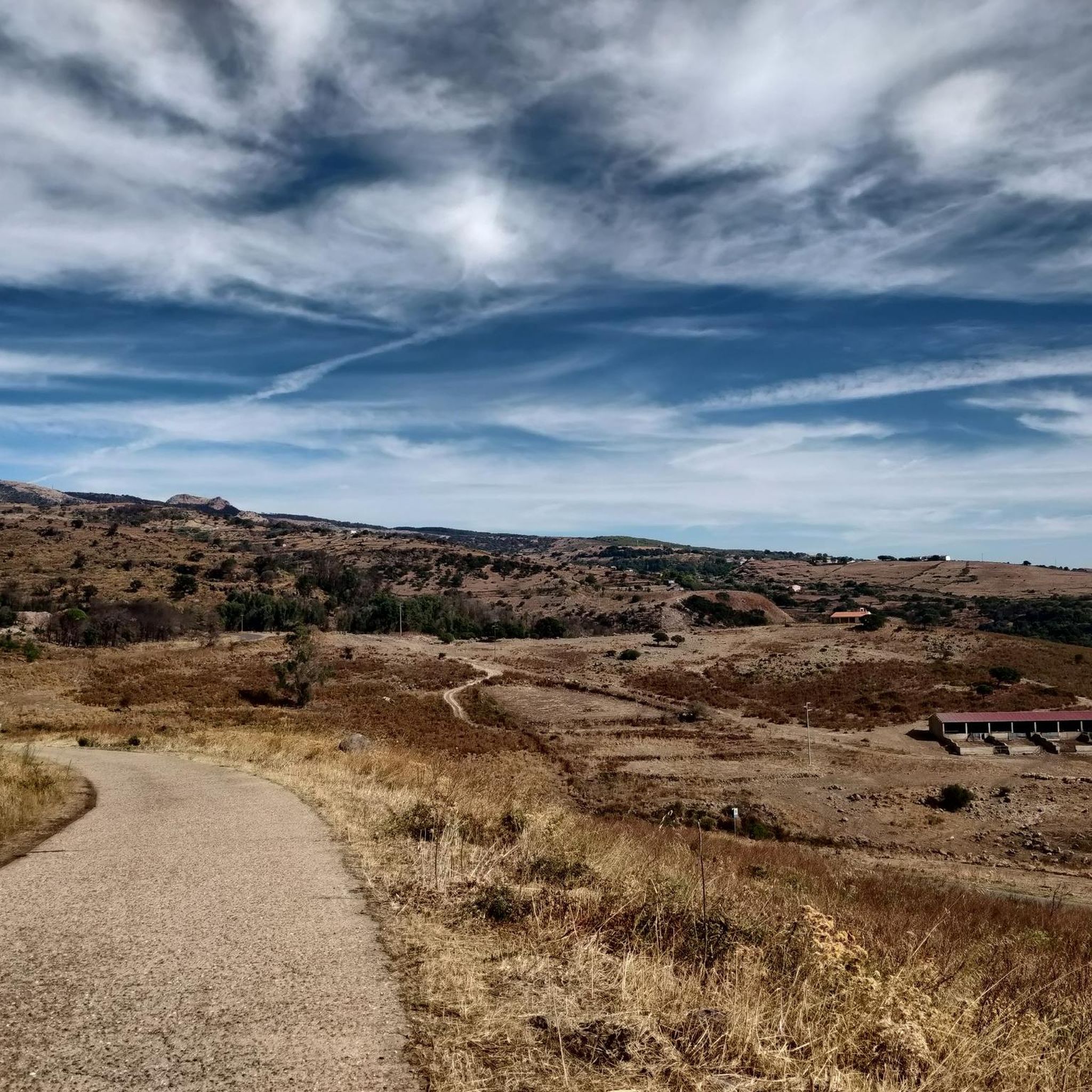
Tips from the Community

The path to the waterfall has been closed and inaccessible for three years.
0
0

In 1857, Giovanni Spano published an article that included a graphic overview of the monument. The Canon describes and interprets the sacred well in a rather convoluted way: he classifies it as a nuragic structure but is unable to discern its true function, mistaking it for a prison due to its similarity to other finds. In 1860, La Marmora, in his Itinéraire, praised the monument and compared it "to the Treasury of Atreus in Mycenae, Greece, described and illustrated by James Stuart." In the early years of the 20th century, other sacred wells in Sardinia were investigated: Antonio Taramelli, an archaeologist of the first half of the 20th century, finally surmised their function. His work is complemented by Raffaele Pettazzoni, who, in his book on the beliefs of the ancient Proto-Sardinians, describes the cult of water, also drawing on comparisons from outside the island.
1
1
In 1857, Giovanni Spano published an article that included a graphic overview of the monument. The canon describes and interprets the sacred well in a rather convoluted manner: it classifies it as a nuragic structure, but is unable to identify its true function, considering it a prison due to its similarity to other findings. In 1860, La Marmora, in his Itinéraire, praised the monument and compared it "to the Treasury of Atreus at Mycenae, Greece, described and illustrated by James Stuart." In the early years of the 20th century, other sacred wells in Sardinia were investigated: Antonio Taramelli, an archaeologist of the first half of the 20th century, finally divined their function. His work is rounded out by Raffaele Pettazzoni, who, in his book on the beliefs of the ancient Proto-Sardinians, describes the cult of water, also drawing comparisons outside the island.
2
0
«The country church of St. Christina, located in the territory of Paùli-Latìno, a quarter (4 km) from this town, also belongs to this priory (of Bonarcado), while it is two hours from Bonarcado. Nearby there are some casipole for the novenanti who compete there on the first of May. The main festival falls with great frequency on the 10th of the same and a pious procession to the fountain named after the saint, which has a peculiar shape and structure. On July 24th there is a memorial day on which the glorious death of the same is commemorated.»
2
0
«The country church of St. Christina, located in the territory of Paùli-Latìno, a quarter (4 km) from this town, also belongs to this priory (of Bonarcado), while it is two hours from Bonarcado. Nearby there are some casipole for the novenanti who compete there on the first of May. The main festival falls with great frequency on the 10th of the same and a pious procession to the fountain named after the saint, which has a peculiar shape and structure. On July 24th there is a memorial day on which the glorious death of the same is commemorated.»
1
1
In 1860, La Marmora, in his Itinéraire, praised the monument, comparing it "to the Treasury of Atreus at Mycenae, Greece, described and illustrated by James Stuart". In the early years of the 20th century, other sacred wells were investigated in Sardinia: Antonio Taramelli, an archaeologist of the first half of the 20th century, finally guessed their function. His work is completed by Raffaele Pettazzoni, who, in his book on the beliefs of the ancient proto-Sardinians, describes the cult of water, also referring to comparisons outside the island. Despite the importance of the monument and its excellent state of preservation, it was necessary to wait until 1953 for the first excavations and restorations, which then continued with the Athnitzi campaigns of 1967-73 and 1977-83. [9] The last excavation campaigns were carried out by Bernardini in 1989-90 and by Arnold Lebeuf between 2005 and 2010. Further research is planned, focusing mainly on the area of the Nuragic village (which, however, had not yet been carried out as of 2012).
1
1
In 1860, La Marmora, in his Itinéraire, praised the monument, comparing it "to the Treasury of Atreus at Mycenae, Greece, described and illustrated by James Stuart". [4] In the early years of the 20th century, other sacred wells were investigated in Sardinia: Antonio Taramelli, an archaeologist of the first half of the 20th century, finally guessed their function. [5][6][7] His work is completed by Raffaele Pettazzoni, who, in his book on the beliefs of the ancient proto-Sardinians[8], describes the cult of water, also referring to comparisons outside the island. Despite the importance of the monument and its excellent state of preservation, it was necessary to wait until 1953 for the first excavations and restorations, which then continued with the Athnitzi campaigns of 1967-73 and 1977-83. [9] The last excavation campaigns were carried out by Bernardini in 1989-90 and by Arnold Lebeuf[10] between 2005 and 2010. Further research is planned, focusing mainly on the area of the Nuragic village[1] (which, however, had not yet been carried out as of 2012).
1
0
In 1841, Angius published a first summary description of the monumental complex in the Angius-Casalis dictionary:[2] «The country church of St. Christina, located in the territory of Paùli-Latìno, a quarter (4 km) from this town, also belongs to this priory (of Bonarcado), while it is two hours from Bonarcado. Nearby there are some casipole for the novenanti who compete there on the first of May. The main festival falls with great frequency on the 10th of the same and a pious procession to the fountain named after the saint, which has a peculiar shape and structure. On July 24th there is a memorial day on which the glorious death of the same is commemorated."
1
0
Frequently Asked Questions
What historical and cultural sites can I explore in Bonaccattu/Bonarcado?
Bonaccattu/Bonarcado is rich in history. You can visit the significant Religious Complex of Santa Maria di Bonarcado, which includes the ancient Byzantine Sanctuary of Nostra Signora di Bonacattu and the Romanesque Church of Santa Maria. The area is also home to numerous Nuraghi, ancient Sardinian megalithic structures, such as Nuraghe Lugherras. Nearby, you can explore the Nuraghe Santa Cristina Archaeological Site and the Santuario Nuragico, a well temple.
Are there any ancient Nuragic sites to visit near Bonaccattu/Bonarcado?
Yes, the territory around Bonaccattu/Bonarcado has a high concentration of Nuraghi. Notable examples include Nuraghe Lugherras, Serra Crastula, and Serra Ollastu. You can also visit the important Nuraghe Santa Cristina Archaeological Site in Paulilatino, which features a well temple, and the Santuario Nuragico, another significant Nuragic well temple.
What is the significance of the Religious Complex of Santa Maria di Bonarcado?
The Religious Complex of Santa Maria di Bonarcado is a historically significant site, considered the birthplace of the oldest Marian cult on the island. It features two architectural jewels: the Byzantine Sanctuary of Nostra Signora di Bonacattu, dating back to the 7th-8th centuries and built upon Roman thermal baths, and the Romanesque Church of Santa Maria, built by Camaldolese monks around 1100 and elevated to a minor basilica in 2011.
Where can I find natural attractions like waterfalls or springs in the area?
For natural beauty, head to the Sos Molinos Waterfall and Valley, located in the heart of the Montiferru region. This impressive waterfall is considered one of the most spectacular natural sites, offering great opportunities for nature lovers. Near the waterfall, you'll also find the Pranos Spring, known for the quality of its mineral waters. The Sos Molinos Waterfall itself is a must-see.
What kind of outdoor activities or trails are available in the Montiferru region?
The Montiferru region, surrounding Bonaccattu/Bonarcado, offers a picturesque backdrop for various outdoor activities. You can enjoy walking, mountain biking, and running through oak forests, olive groves, vineyards, and cherry orchards. For specific routes, explore the MTB Trails around Bonaccattu/Bonarcado, Road Cycling Routes around Bonaccattu/Bonarcado, or Running Trails around Bonaccattu/Bonarcado.
Are there any good hiking trails around Bonaccattu/Bonarcado?
Yes, the Montiferru region provides excellent opportunities for hiking. You can find trails suitable for various levels. For detailed hiking options, check out the Running Trails around Bonaccattu/Bonarcado, which include routes like 'The Riu Sos Molinos waterfall and Monte Pertosu - Loop tour' that are also great for walking and exploring the natural landscape.
Are there family-friendly attractions or activities in Bonaccattu/Bonarcado?
Families can enjoy exploring the natural beauty of the Sos Molinos Waterfall and Valley, which offers pleasant walks. The historic center of Bonaccattu/Bonarcado itself, with its medieval characteristics, can be an interesting walk for all ages. Additionally, the various Nuragic sites like the Nuraghe Santa Cristina Archaeological Site offer an educational experience.
When is the best time of year to visit Bonaccattu/Bonarcado?
Bonaccattu/Bonarcado can be enjoyed throughout the year, but spring and early autumn are particularly pleasant for outdoor activities and exploring historical sites, thanks to milder temperatures. The village also hosts several traditional festivals, such as a cherry festival in June and a beef festival in early August, which can offer a unique cultural experience.
What are some lesser-known or 'hidden gem' attractions in the Bonaccattu/Bonarcado area?
Beyond the main highlights, consider exploring the numerous ancient Nuraghi scattered throughout the territory, such as Nuraghe Lugherras, Serra Crastula, and Serra Ollastu, which offer a glimpse into Sardinia's Bronze Age past. The village's preserved medieval center, with its stone houses and pavements, also provides an authentic and charming experience.
Can I visit the Casteddu Etzu (Montiferru Castle)?
Yes, you can visit Casteddu Etzu (Montiferru Castle). This ruined 12th-century castle is located on a hill within the Montiferru mountain range and offers spectacular 360-degree panoramic views of the surrounding landscape. It's a great spot for history enthusiasts and those looking for scenic vistas.
Are there any local festivals or events in Bonaccattu/Bonarcado?
Bonaccattu/Bonarcado hosts several traditional festivals throughout the year. These include the Feast of Our Lady in mid-September, often coinciding with a nougat festival, the San Sebastiano festival on January 19th with a horseback procession, and the San Romualdo festival on February 8th. Seasonal celebrations like a cherry festival in June and a beef festival in early August also take place.
What do visitors enjoy most about the attractions around Bonaccattu/Bonarcado?
Visitors particularly appreciate the rich historical depth, especially the ancient Nuragic sites and the significant religious complexes. The natural beauty of the Montiferru region, including the impressive Sos Molinos Waterfall, is also highly valued for its scenic views and opportunities for outdoor exploration. The blend of culture, history, and nature makes the area appealing.
Most popular attractions around Bonaccattu/Bonarcado

Get inspired with the komoot mobile app


Explore more
Still not found the Highlight you’re looking for? See guides of the top attractions in other regions:
