Attractions and Places To See around Santeru/San Vero Milis - Top 20
Best attractions and places to see around Santeru/San Vero Milis encompass a diverse landscape, ranging from cultivated fields to fine sandy dunes and high limestone cliffs. The region features significant archaeological sites, including Nuraghi and Domus de Janas necropolises, alongside a coastline known for its varied beaches and wetlands. Cultural points of interest include traditional weaving, Vernaccia wine production, and historical religious sites.
Best attractions and places to see around Santeru/San Vero Milis
- The most popular attractions is Cathedral of…
Last updated: May 9, 2026
Is Arutas
Highlight • Beach
Translated by Google •
Tip by

Cathedral of St. Mary of the Assumption
Highlight • Religious Site
Translated by Google •
Tip by

Sign up now to discover places like this
Get recommendations on the best single tracks, peaks, & plenty of other exciting outdoor places.
Sign up for free
The picturesque village of San Salvatore di Sinis
Highlight • Settlement
In reality, nothing you see justifies thinking of it as a fishing village; all the typical elements are missing: proximity to the sea, boats and nets …
Translated by Google •
Tip by

Nuraghe Santa Cristina Archaeological Site
Highlight • Historical Site
Translated by Google •
Tip by

Torre Su Puttu
Highlight • Monument
Translated by Google •
Tip by

Sign up for free to discover even more attractions around Santeru/San Vero Milis.
Sign up for free
Already have an account?
Start today with a free account
Your next adventure awaits.
Login or Signup
Popular around Santeru/San Vero Milis
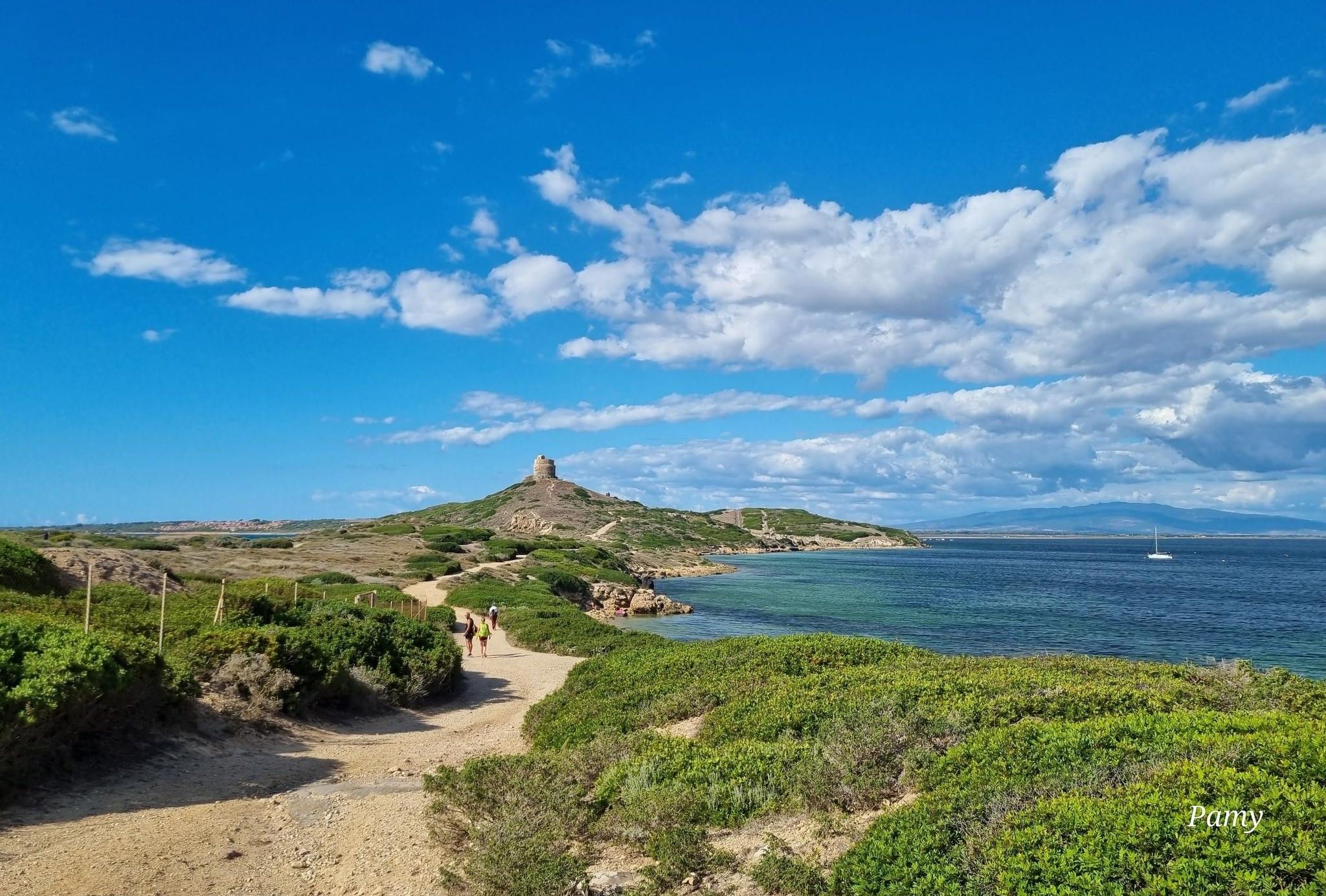
Bosa to Torre dei Corsari on the Via dei Giganti – Cammino 100 Torri
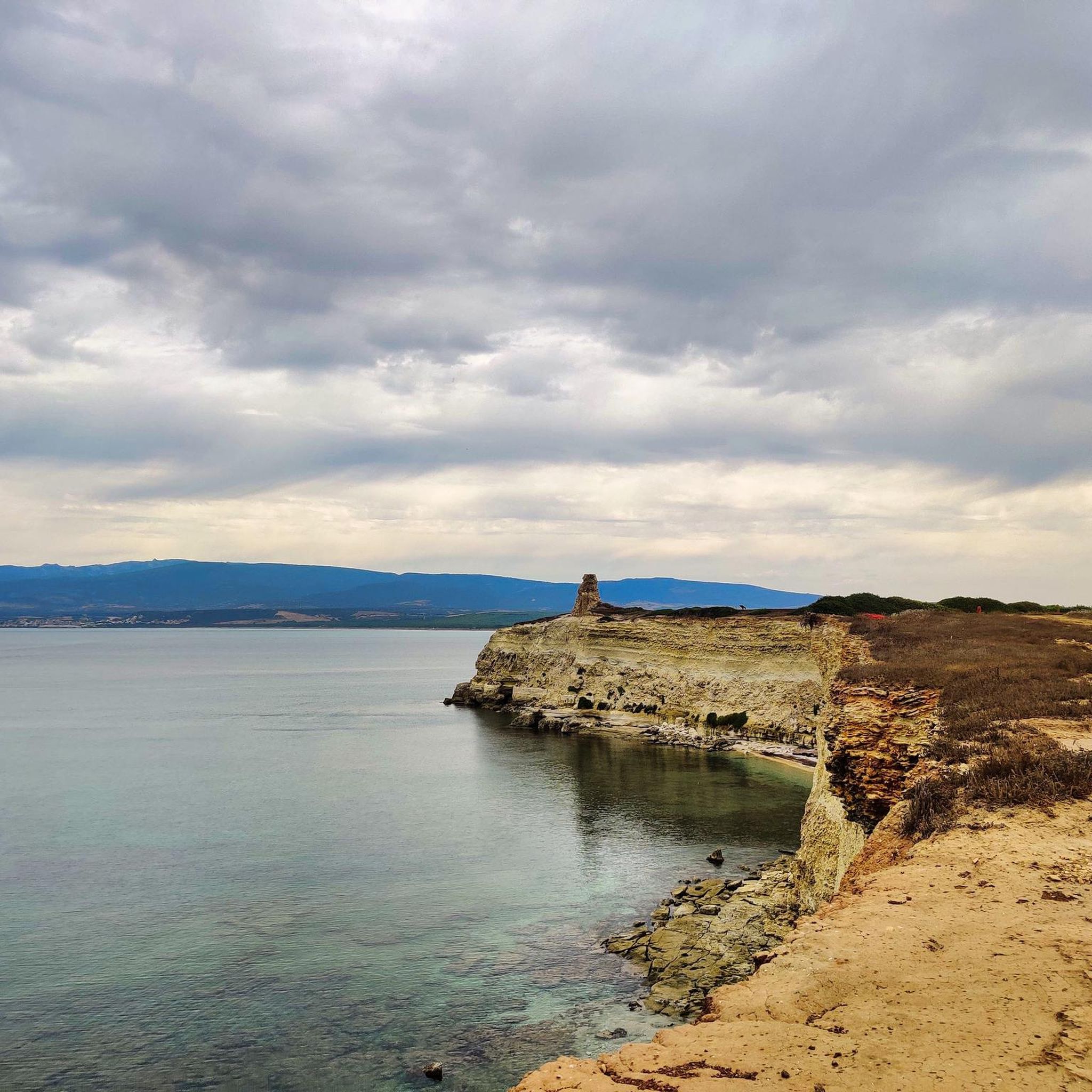
Hiking around Santeru/San Vero Milis
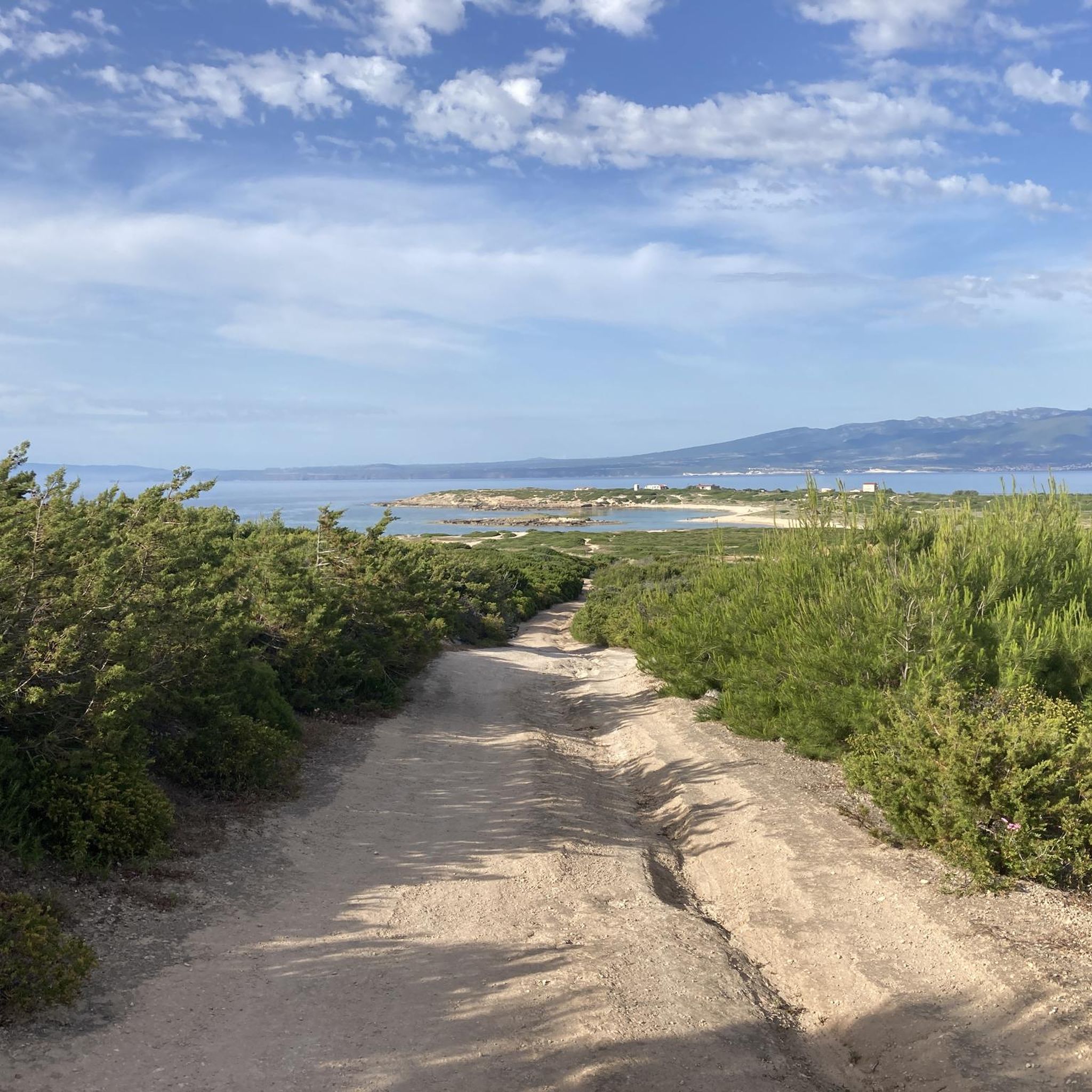
Cycling around Santeru/San Vero Milis
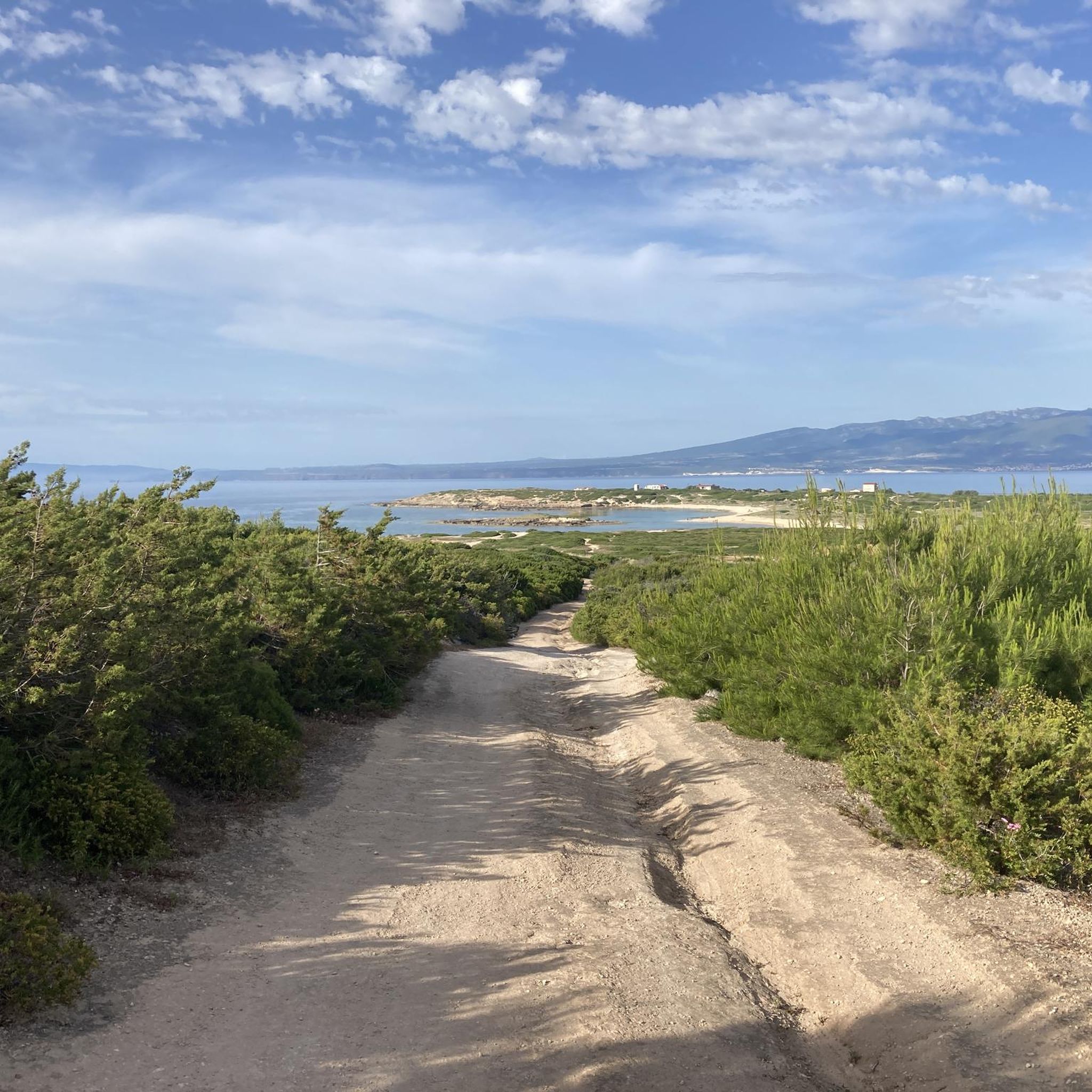
Road Cycling Routes around Santeru/San Vero Milis
MTB Trails around Santeru/San Vero Milis
Running Trails around Santeru/San Vero Milis

Gravel biking around Santeru/San Vero Milis
Other adventures around Santeru/San Vero Milis

Tips from the Community

Beautiful baroque cathedral with a separate bell tower.
1
0

In 1860, La Marmora, in his Itinéraire, praised the monument, comparing it "to the Treasury of Atreus at Mycenae, Greece, described and illustrated by James Stuart". [4] In the early years of the 20th century, other sacred wells were investigated in Sardinia: Antonio Taramelli, an archaeologist of the first half of the 20th century, finally guessed their function. [5][6][7] His work is completed by Raffaele Pettazzoni, who, in his book on the beliefs of the ancient proto-Sardinians[8], describes the cult of water, also referring to comparisons outside the island. Despite the importance of the monument and its excellent state of preservation, it was necessary to wait until 1953 for the first excavations and restorations, which then continued with the Athnitzi campaigns of 1967-73 and 1977-83. [9] The last excavation campaigns were carried out by Bernardini in 1989-90 and by Arnold Lebeuf[10] between 2005 and 2010. Further research is planned, focusing mainly on the area of the Nuragic village[1] (which, however, had not yet been carried out as of 2012).
1
0
In 1841, Angius published a first summary description of the monumental complex in the Angius-Casalis dictionary:[2] «The country church of St. Christina, located in the territory of Paùli-Latìno, a quarter (4 km) from this town, also belongs to this priory (of Bonarcado), while it is two hours from Bonarcado. Nearby there are some casipole for the novenanti who compete there on the first of May. The main festival falls with great frequency on the 10th of the same and a pious procession to the fountain named after the saint, which has a peculiar shape and structure. On July 24th there is a memorial day on which the glorious death of the same is commemorated."
1
0
The site is essentially composed of two parts: the first, the best known and best studied, consists of the Well Temple, a sacred well of the nuragic period, to which are attached structures: a meeting hut, a perimeter enclosure and other smaller huts. The second part of the complex, about two hundred meters to the southwest, consists of a single-tower nuraghe, some elongated stone huts of unknown date and a nuragic village that has yet to be excavated and of which few illuminating elements are visible[1]. Although of limited archaeological interest, the Christian devotional area of the Church and Novenum of St. Christina integrates the complex, intended as a place where the novena is celebrated in honor of the saint.
1
0
The Nuragic Sanctuary of Santa Cristina is an archaeological area located in the municipality of Paulilatino, in the province of Oristano, in central-western Sardinia and in the southern part of the Abbasanta plateau. The site takes its name from the country church of Santa Cristina, which is located nearby.
1
0

Several western movies have been filmed in this village.
0
0

The Su Puttu tower or Pozzo tower is a Spanish structure located in the seaside village of Cuglieri. Built around the 16th century, it had the function of sighting and defense against enemy incursions. Its name derives from the presence of a natural well dug by erosion, which extends from the promontory to the sea. The tower stands 18 meters above sea level on the promontory that closes the bay of S'Archittu to the south and offers a view of the towers of Capo Mannu, Sca'e Sai and Pittinuri.
3
0
Frequently Asked Questions
What kind of natural features can I explore around San Vero Milis?
The region offers a diverse coastal landscape, from cultivated fields to the fine sandy dunes of Is Arenas. You can find high limestone cliffs at Capo Mannu and Su Tingiosu, which are popular for surfing. The area also features significant wetlands like Sale 'e Porcus, Is Benas, Pauli Crechi, and Pauli Murtas, with Sale 'e Porcus being a protected oasis known for pink flamingos and birdwatching.
Which beaches are recommended for visitors near San Vero Milis?
The coastline boasts several beautiful beaches. Is Arutas is famous for its unique quartz sand resembling rice grains. Putzu Idu is a sheltered beach with soft, white quartz sand, ideal for families due to its shallow waters. Other notable beaches include S'Arena Scoada, Mandriola, Sa Mesa Longa with its natural pools, and the wide, golden sands of Sa Rocca Tunda.
Are there any significant historical or archaeological sites in the area?
Yes, the region is rich in history. You can explore ancient structures like the Nuraghe Santa Cristina Archaeological Site, which features a well-preserved Nuraghe and other ancient constructions. The area also has approximately thirty Nuraghi, including S'Urachi, one of Sardinia's largest, and several Domus de Janas necropolises. The Sinis Peninsula, nearby, is home to the Phoenician-Punic city of Tharros and the ancient site of Mont'e Prama's Giants.
What cultural attractions or unique points of interest does San Vero Milis offer?
San Vero Milis is known for its traditional weaving art, particularly baskets made from rushes. The town is also famous for producing Vernaccia wine, characterized by its distinctive almond aroma. For a unique experience, you can visit the feline colony of Su Pallosu. The area preserves local traditions like "su Carru 'e is padda" (the Sanverese carnival) and hosts a New Wine Festival in November.
What religious landmarks can I visit?
In the heart of San Vero Milis, you can find the 17th-century Parish Church of Santa Sofia, featuring Gothic and Baroque elements and a majestic bell tower. Another significant religious site is the Church of San Michele Arcangelo, known for its Baroque style and a valuable Neapolitan-school wooden statue. Further afield, the Cathedral of St. Mary of the Assumption in Oristano is a beautiful Baroque-style cathedral.
Are there any historical towers or viewpoints to see?
The coastline is dotted with Aragonese Towers, built for defense against historical incursions, including those at delle Saline, Scala 'e Sali, and Sa Mora. You can also visit Torre Su Puttu, a 16th-century Spanish tower visible from Capo Mannu, which served as a sighting and defense post and offers views of other coastal towers.
What outdoor activities can I do near San Vero Milis?
The area around San Vero Milis is excellent for various outdoor activities. You can find numerous cycling routes, including road cycling, gravel biking, and touring bicycle options. For example, there are moderate gravel biking routes like the "Mari Ermi Beach – Su Tingiosu Cliffs loop" or touring bicycle routes such as the "Beautiful Bay – View of the Coastal Cliffs loop." You can explore more options on the dedicated guides for Road Cycling, Gravel Biking, and Cycling around Santeru/San Vero Milis.
Are there family-friendly attractions or activities available?
Yes, several attractions are suitable for families. The sheltered beach of Putzu Idu, with its soft, white quartz sand and shallow waters, is particularly recommended for families with young children. The picturesque village of San Salvatore di Sinis, with its unique history and architecture, can also be an interesting visit for all ages.
What is the best time of year to visit San Vero Milis?
The region enjoys a Mediterranean climate. For beach activities and exploring natural features, late spring (May-June) and early autumn (September-October) offer pleasant temperatures, avoiding the peak summer heat and crowds. These periods are also ideal for outdoor activities like cycling and hiking. Birdwatching in the wetlands is particularly rewarding during migration seasons in spring and autumn.
What makes the Sinis Peninsula a significant area to explore?
The Sinis Peninsula, adjacent to San Vero Milis, is a treasure trove of natural beauty and historical sites. It features a diverse coastline with limestone cliffs and sandy shores, including famous beaches like Is Arutas. The peninsula is rich in archaeological and historical-cultural sites, such as the hypogeum of S. Salvatore, the ancient site of Mont'e Prama's Giants, the Phoenician-Punic city of Tharros, and the early Christian church of San Giovanni di Sinis.
Can I find any unique natural formations or viewpoints?
Beyond the stunning beaches, you can discover the Arco di S'Architteddu, a natural arch that provides a scenic spot for views. The high limestone cliffs of Capo Mannu and Su Tingiosu also offer dramatic coastal vistas and are popular with surfers.
Most popular routes around Santeru/San Vero Milis
Most popular attractions around Santeru/San Vero Milis

Get inspired with the komoot mobile app


Explore more
Still not found the Highlight you’re looking for? See guides of the top attractions in other regions:
