Attractions and Places To See around Santu Lussurzu/Santu Lussurgiu - Top 20
Best attractions and places to see around Santu Lussurzu/Santu Lussurgiu is a medieval town located in the Montiferru mountains of Sardinia. This region is characterized by its preserved architecture, ancient history, and diverse natural surroundings. The area features a landscape of volcanic terrain, lush forests, and natural springs, alongside historical sites like Nuraghi and Domus de Janas. It offers a blend of cultural and natural attractions for visitors.
Best attractions and places to see around Santu Lussurzu/Santu Lussurgiu
- The most…
Last updated: October 9, 2026
Casteddu Etzu (Montiferru Castle)
Highlight • Castle
Translated by Google •
Tip by

Torre Su Puttu
Highlight • Monument
Translated by Google •
Tip by

Sign up now to discover places like this
Get recommendations on the best single tracks, peaks, & plenty of other exciting outdoor places.
Nuraghe Santa Cristina Archaeological Site
Highlight • Historical Site
Translated by Google •
Tip by

Santa Caterina di Pittinuri Beach
Highlight • Beach
Translated by Google •
Tip by

Santuario Nuragico
Highlight • Historical Site
Source: de.wikipedia.org/wiki/Santa_Cristina_(Brunnenheiligtum)
Translated by Google •
Tip by

Sign up for free to discover even more attractions around Santu Lussurzu/Santu Lussurgiu.
Already have an account?
Start today with a free account
Your next adventure awaits.
Popular around Santu Lussurzu/Santu Lussurgiu
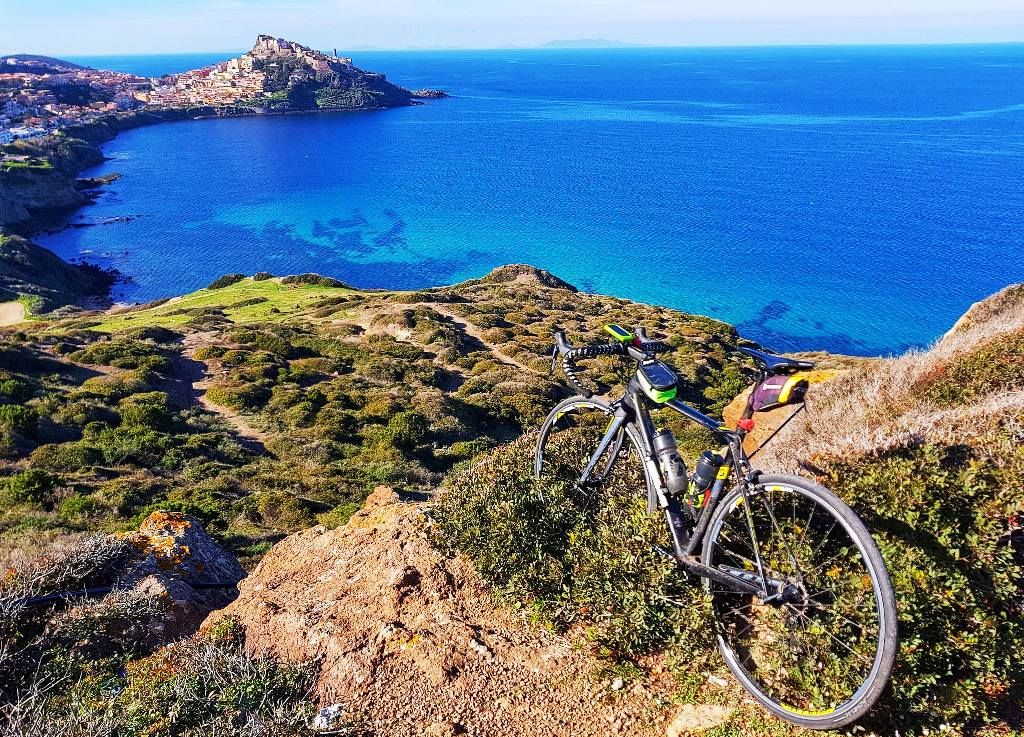
Sardinia by road bike – ten routes to discover the island
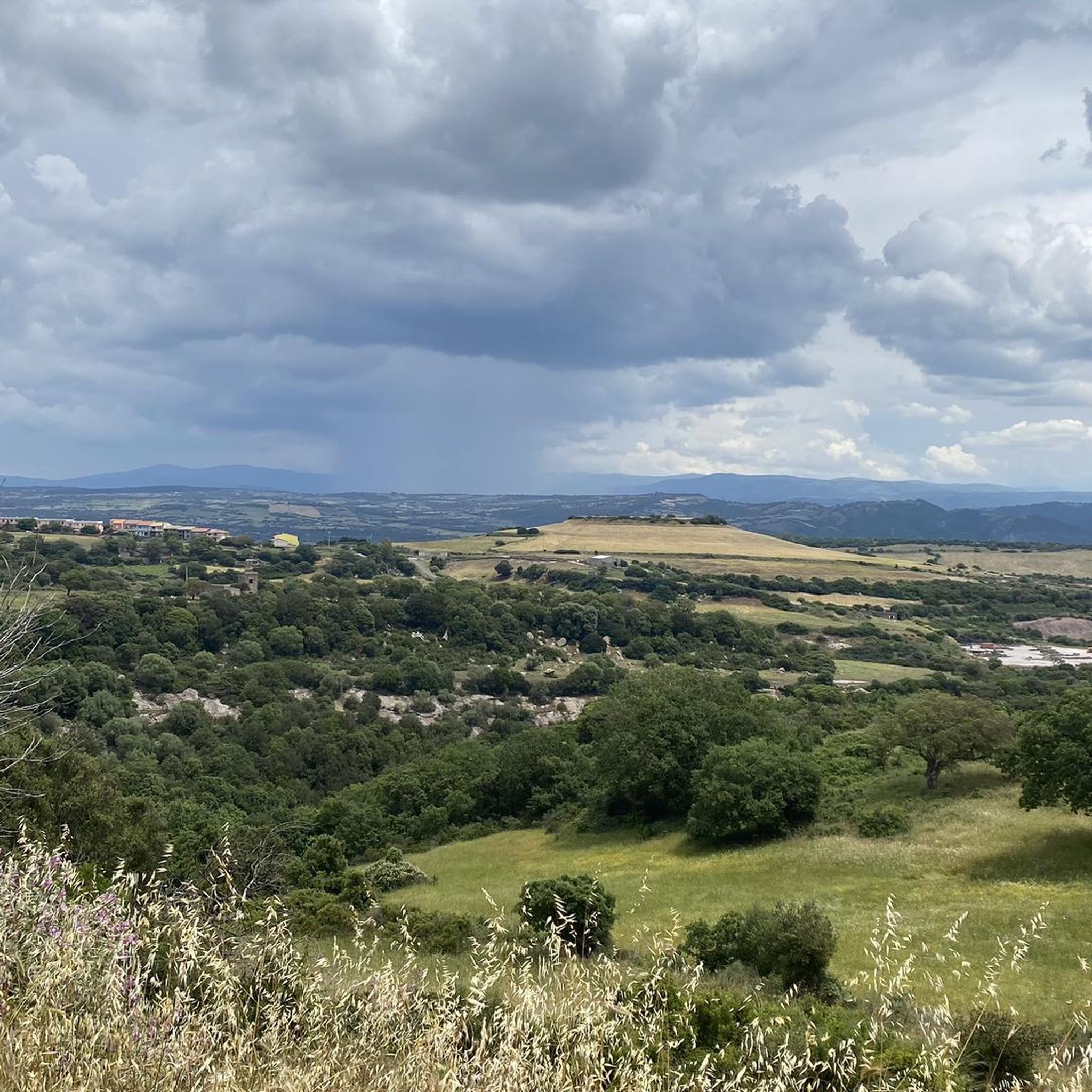
Hiking around Santu Lussurzu/Santu Lussurgiu
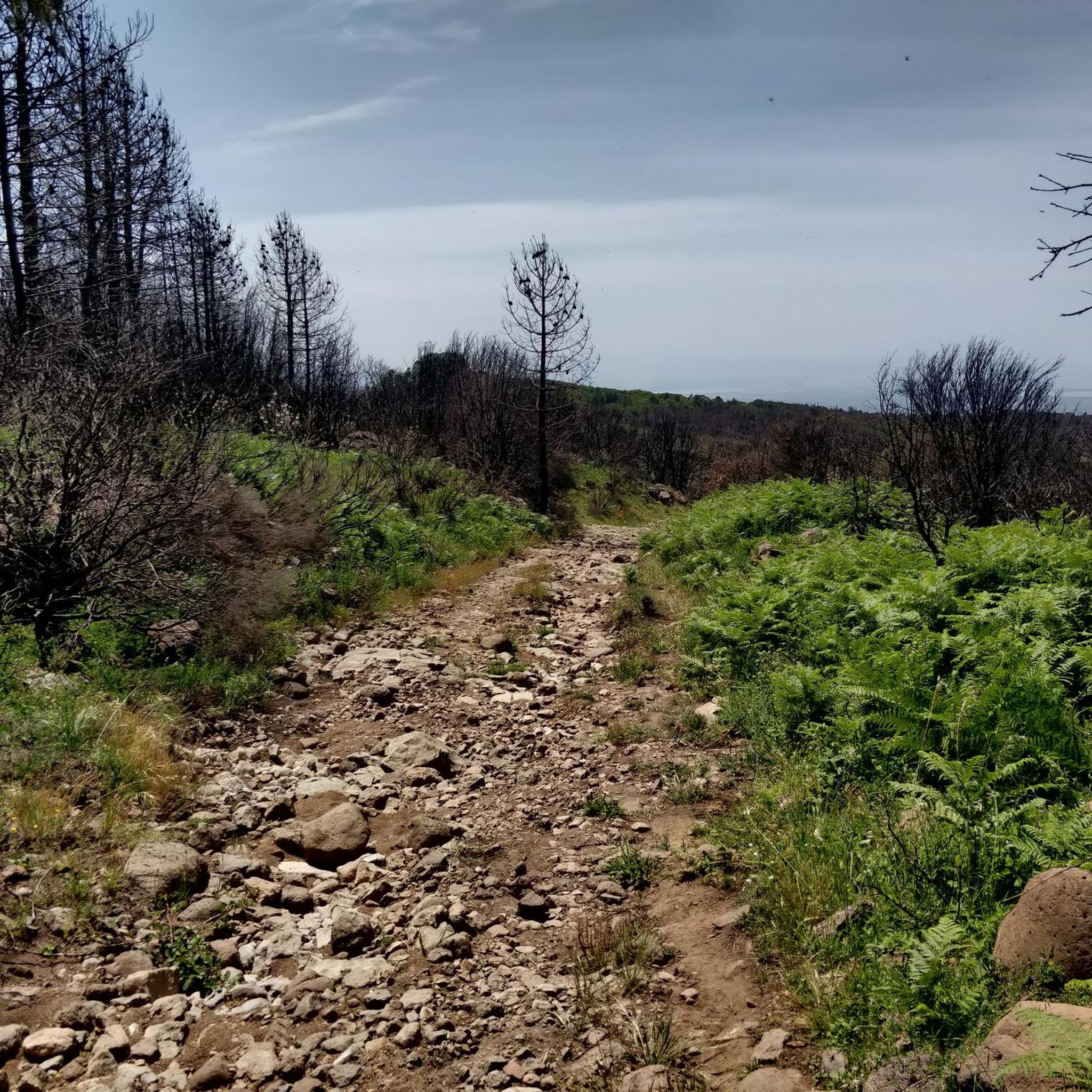
Road Cycling Routes around Santu Lussurzu/Santu Lussurgiu
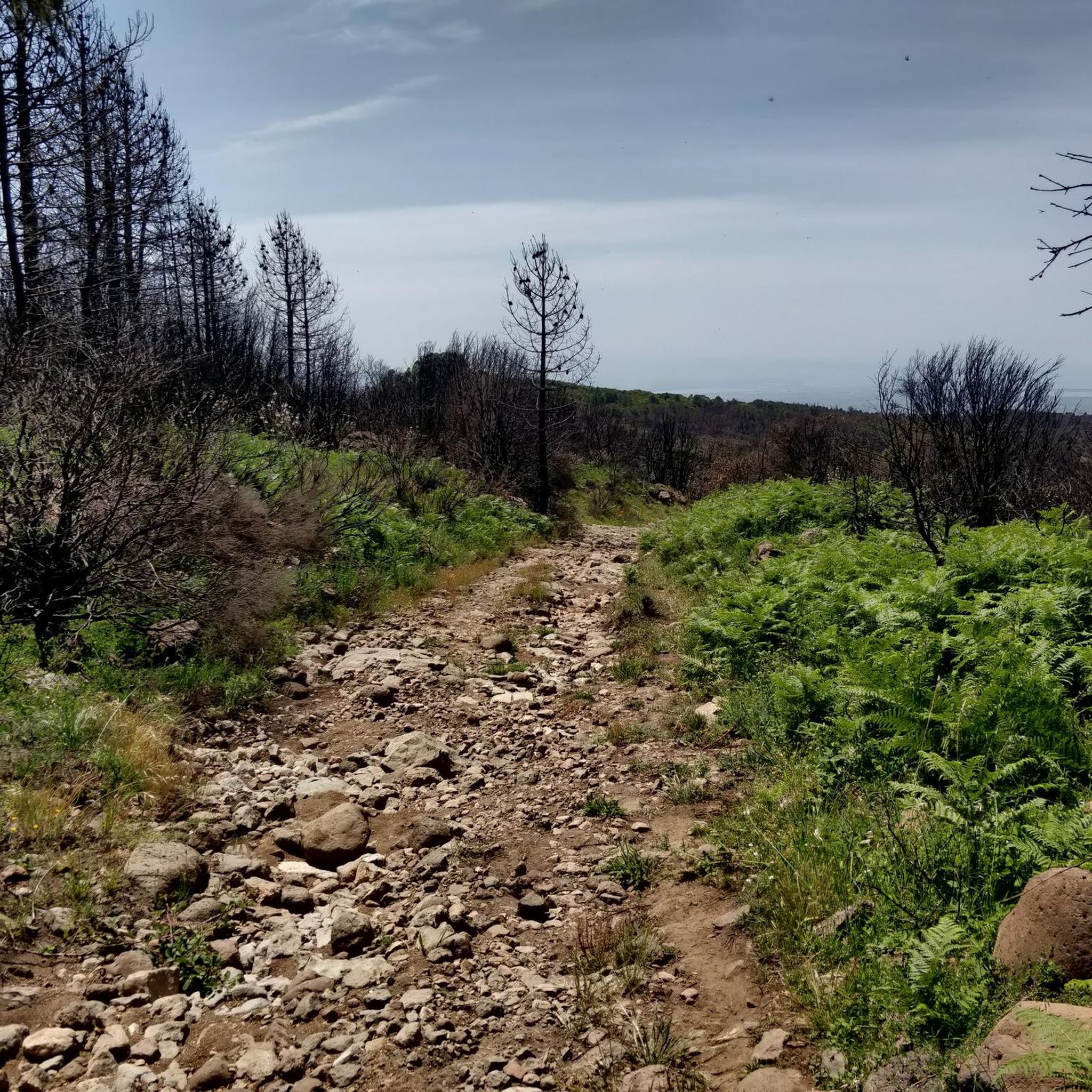
MTB Trails around Santu Lussurzu/Santu Lussurgiu
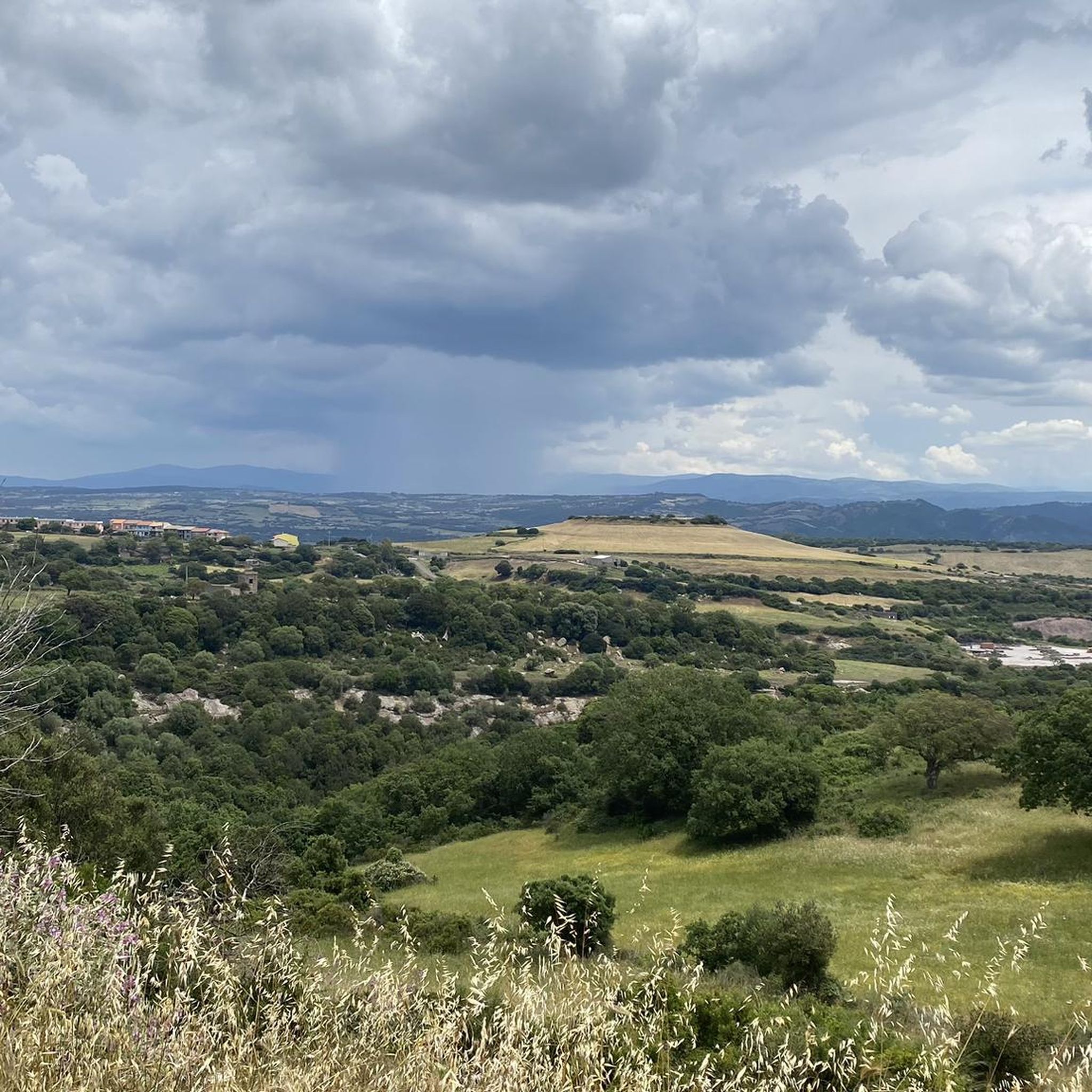
Running Trails around Santu Lussurzu/Santu Lussurgiu
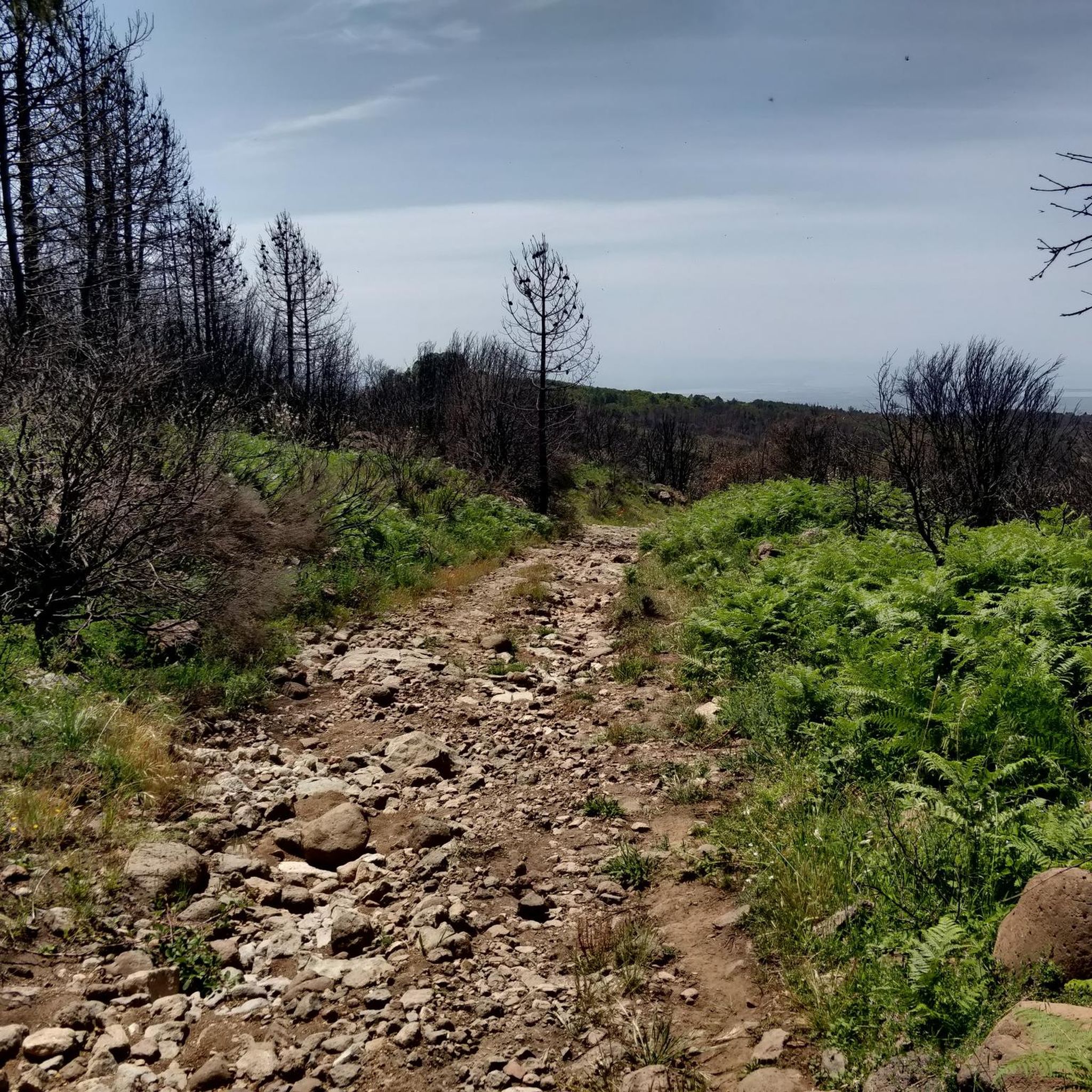
Cycling around Santu Lussurzu/Santu Lussurgiu

Gravel biking around Santu Lussurzu/Santu Lussurgiu
Other adventures around Santu Lussurzu/Santu Lussurgiu

Tips from the Community

In 1857, Giovanni Spano published an article that included a graphic overview of the monument. The Canon describes and interprets the sacred well in a rather convoluted way: he classifies it as a nuragic structure but is unable to discern its true function, mistaking it for a prison due to its similarity to other finds. In 1860, La Marmora, in his Itinéraire, praised the monument and compared it "to the Treasury of Atreus in Mycenae, Greece, described and illustrated by James Stuart." In the early years of the 20th century, other sacred wells in Sardinia were investigated: Antonio Taramelli, an archaeologist of the first half of the 20th century, finally surmised their function. His work is complemented by Raffaele Pettazzoni, who, in his book on the beliefs of the ancient Proto-Sardinians, describes the cult of water, also drawing on comparisons from outside the island.
1
1
«The country church of St. Christina, located in the territory of Paùli-Latìno, a quarter (4 km) from this town, also belongs to this priory (of Bonarcado), while it is two hours from Bonarcado. Nearby there are some casipole for the novenanti who compete there on the first of May. The main festival falls with great frequency on the 10th of the same and a pious procession to the fountain named after the saint, which has a peculiar shape and structure. On July 24th there is a memorial day on which the glorious death of the same is commemorated.»
1
1
In 1860, La Marmora, in his Itinéraire, praised the monument, comparing it "to the Treasury of Atreus at Mycenae, Greece, described and illustrated by James Stuart". In the early years of the 20th century, other sacred wells were investigated in Sardinia: Antonio Taramelli, an archaeologist of the first half of the 20th century, finally guessed their function. His work is completed by Raffaele Pettazzoni, who, in his book on the beliefs of the ancient proto-Sardinians, describes the cult of water, also referring to comparisons outside the island. Despite the importance of the monument and its excellent state of preservation, it was necessary to wait until 1953 for the first excavations and restorations, which then continued with the Athnitzi campaigns of 1967-73 and 1977-83. [9] The last excavation campaigns were carried out by Bernardini in 1989-90 and by Arnold Lebeuf between 2005 and 2010. Further research is planned, focusing mainly on the area of the Nuragic village (which, however, had not yet been carried out as of 2012).
1
1
In 1860, La Marmora, in his Itinéraire, praised the monument, comparing it "to the Treasury of Atreus at Mycenae, Greece, described and illustrated by James Stuart". [4] In the early years of the 20th century, other sacred wells were investigated in Sardinia: Antonio Taramelli, an archaeologist of the first half of the 20th century, finally guessed their function. [5][6][7] His work is completed by Raffaele Pettazzoni, who, in his book on the beliefs of the ancient proto-Sardinians[8], describes the cult of water, also referring to comparisons outside the island. Despite the importance of the monument and its excellent state of preservation, it was necessary to wait until 1953 for the first excavations and restorations, which then continued with the Athnitzi campaigns of 1967-73 and 1977-83. [9] The last excavation campaigns were carried out by Bernardini in 1989-90 and by Arnold Lebeuf[10] between 2005 and 2010. Further research is planned, focusing mainly on the area of the Nuragic village[1] (which, however, had not yet been carried out as of 2012).
1
0
In 1841, Angius published a first summary description of the monumental complex in the Angius-Casalis dictionary:[2] «The country church of St. Christina, located in the territory of Paùli-Latìno, a quarter (4 km) from this town, also belongs to this priory (of Bonarcado), while it is two hours from Bonarcado. Nearby there are some casipole for the novenanti who compete there on the first of May. The main festival falls with great frequency on the 10th of the same and a pious procession to the fountain named after the saint, which has a peculiar shape and structure. On July 24th there is a memorial day on which the glorious death of the same is commemorated."
1
0
The site is essentially composed of two parts: the first, the best known and best studied, consists of the Well Temple, a sacred well of the nuragic period, to which are attached structures: a meeting hut, a perimeter enclosure and other smaller huts. The second part of the complex, about two hundred meters to the southwest, consists of a single-tower nuraghe, some elongated stone huts of unknown date and a nuragic village that has yet to be excavated and of which few illuminating elements are visible[1]. Although of limited archaeological interest, the Christian devotional area of the Church and Novenum of St. Christina integrates the complex, intended as a place where the novena is celebrated in honor of the saint.
1
0
The Nuragic Sanctuary of Santa Cristina is an archaeological area located in the municipality of Paulilatino, in the province of Oristano, in central-western Sardinia and in the southern part of the Abbasanta plateau. The site takes its name from the country church of Santa Cristina, which is located nearby.
1
1
The Nuragic Sanctuary of Santa Cristina is an archaeological area located in the municipality of Paulilatino, in the province of Oristano, in central-western Sardinia and in the southern part of the Abbasanta plateau. The site takes its name from the country church of Santa Cristina, which is located nearby.
1
0
Frequently Asked Questions
What historical sites can I explore in Santu Lussurzu/Santu Lussurgiu?
The region is rich in history. You can visit the well-preserved medieval town center of Santu Lussurzu itself, or explore ancient structures like the Casteddu Etzu (Montiferru Castle), a 12th-century ruin offering panoramic views. The Nuraghe Santa Cristina Archaeological Site features a significant Nuragic complex with a sacred well. Additionally, the 16th-century Torre Su Puttu served as a sighting and defense tower.
Are there any natural landmarks or scenic viewpoints around Santu Lussurzu/Santu Lussurgiu?
Yes, the area boasts several natural attractions. The Montiferru Mountains provide lush forests and agricultural landscapes with spectacular views. You can also find the beautiful High Plateau with Wildflowers. For a refreshing experience, visit Cascata Sos Molinos, a waterfall with natural pools, or the Park of San Leonardo di Siete Fuentes, known for its pure water springs and dense forests.
What are the best places for families with children?
Families can enjoy the Santa Caterina di Pittinuri Beach, which has a transparent, shallow sea suitable for children. The Park of San Leonardo di Siete Fuentes offers lush green spaces for walks and fresh air. The Museo della Tecnologia Contadina can also be an interesting educational visit, though it has limited opening hours outside of peak season.
Where can I find beaches near Santu Lussurzu/Santu Lussurgiu?
While Santu Lussurzu is inland, beautiful beaches are just a short drive away. The Santa Caterina di Pittinuri Beach, with its dark gray pebbles and golden sand, is about thirty minutes away. Other nearby options include S'Archittu and Putz Idu beaches.
What kind of outdoor activities can I do in the region?
The Montiferru mountains offer excellent opportunities for outdoor activities. You can explore various cycling routes, including touring, mountain biking, and road cycling. For detailed routes and guides, check out the Cycling around Santu Lussurzu/Santu Lussurgiu, MTB Trails around Santu Lussurzu/Santu Lussurgiu, and Road Cycling Routes around Santu Lussurzu/Santu Lussurgiu guides.
Are there hiking trails available near the attractions?
Yes, the area around Santu Lussurzu/Santu Lussurgiu is great for hiking. You can hike to Cascata Sos Molinos, which is an hour-long trail. The Park of San Leonardo di Siete Fuentes also offers trails, including the 'route of the seven springs.' The Montiferru mountain range provides numerous paths for exploring its lush forests and volcanic landscapes.
What cultural experiences does Santu Lussurzu/Santu Lussurgiu offer?
Santu Lussurzu is known for its rich cultural traditions. You can visit the Church of Santa Maria degli Angeli, an Aragonese Gothic church from 1473, or the Santa Croce Church, believed to hold the relics of the town's patron saint. The Museo della Tecnologia Contadina showcases traditional farming practices. The town also hosts various festivals, including Carnival with its famous 'Sa Carrela 'e Nanti' horse race.
Where can I find traditional Sardinian handicrafts?
Santu Lussurzu is a significant center for Sardinian handicrafts. You can find famous Sardinian shepherd's knives, textiles, and horse supplies. The Fratelli Salaris Coltelli shop is a notable place to purchase handmade pocket knives.
What local food and drink specialties should I try?
The town is renowned for its high-quality local food, including meat from the red ox and casizolu cheese. For traditional spirits, Distillerie Lussurgesi offers Filu Ferru and Mirto, as well as brandy.
What do visitors enjoy most about Santu Lussurzu/Santu Lussurgiu?
Visitors particularly appreciate the blend of historical and natural beauty. The well-preserved medieval town center, the panoramic views from sites like Casteddu Etzu (Montiferru Castle), and the serene natural landscapes of the Montiferru mountains are frequently highlighted. The unique archaeological sites and the charm of the local culture also leave a lasting impression.
Are there any unique archaeological sites besides Nuraghi?
Beyond the Nuraghi, such as the Nuraghe Santa Cristina Archaeological Site, the region also features Domus de Janas, which are rock-carved tombs dating back to Neolithic times. Examples include those of Matziscula and Mandra 'e Caddos, offering a glimpse into ancient human presence.
Is there a good place to experience local life and events?
Piazza del Popolo serves as the social and cultural heart of Santu Lussurzu. Surrounded by historic buildings, its cobbled streets and shaded benches invite visitors to relax and observe local life. The square also hosts numerous local events and festivals throughout the year, making it a great spot to immerse yourself in the community.
Most popular routes around Santu Lussurzu/Santu Lussurgiu
Most popular attractions around Santu Lussurzu/Santu Lussurgiu

Get inspired with the komoot mobile app


Explore more
Still not found the Highlight you’re looking for? See guides of the top attractions in other regions:
