Top 10 Caves around Monterenzio
Best caves around Monterenzio are found within the Bolognese Apennines, a region characterized by its diverse geological formations and historical sites like Monte Bibele. The area, including the nearby Gypsum and Badlands of the Abbess Park, features notable karstic landscapes. These natural features offer insights into the region's geological processes and ancient history.
Best caves around Monterenzio
- The most popular caves is Candle Pit, a cave named for the furrows produced by water erosion in the karst rock. It…
Last updated: May 20, 2026
Spipola Cave
Highlight • Cave
I found it a …
Translated by Google •
Tip by

Candle Pit
Highlight • Cave
Translated by Google •
Tip by

Sign up now to discover places like this
Get recommendations on the best single tracks, peaks, & plenty of other exciting outdoor places.
Sign up for free
Montebello Clay Quarry
Highlight • Structure
Translated by Google •
Tip by

Farneto Cave
Highlight • Cave
It can only be visited with a guided tour ( parks.it/parco.gessi.bolognesi/man.php )
Translated by Google •
Tip by

The Budriolo Sinkhole
Highlight • Gorge
Translated by Google •
Tip by

Sign up for free to discover even more caves around Monterenzio.
Sign up for free
Already have an account?
Start today with a free account
Your next adventure awaits.
Login or Signup

Tips from the Community


This sinkhole is surrounded like a crown by selenite "candles".
0
0

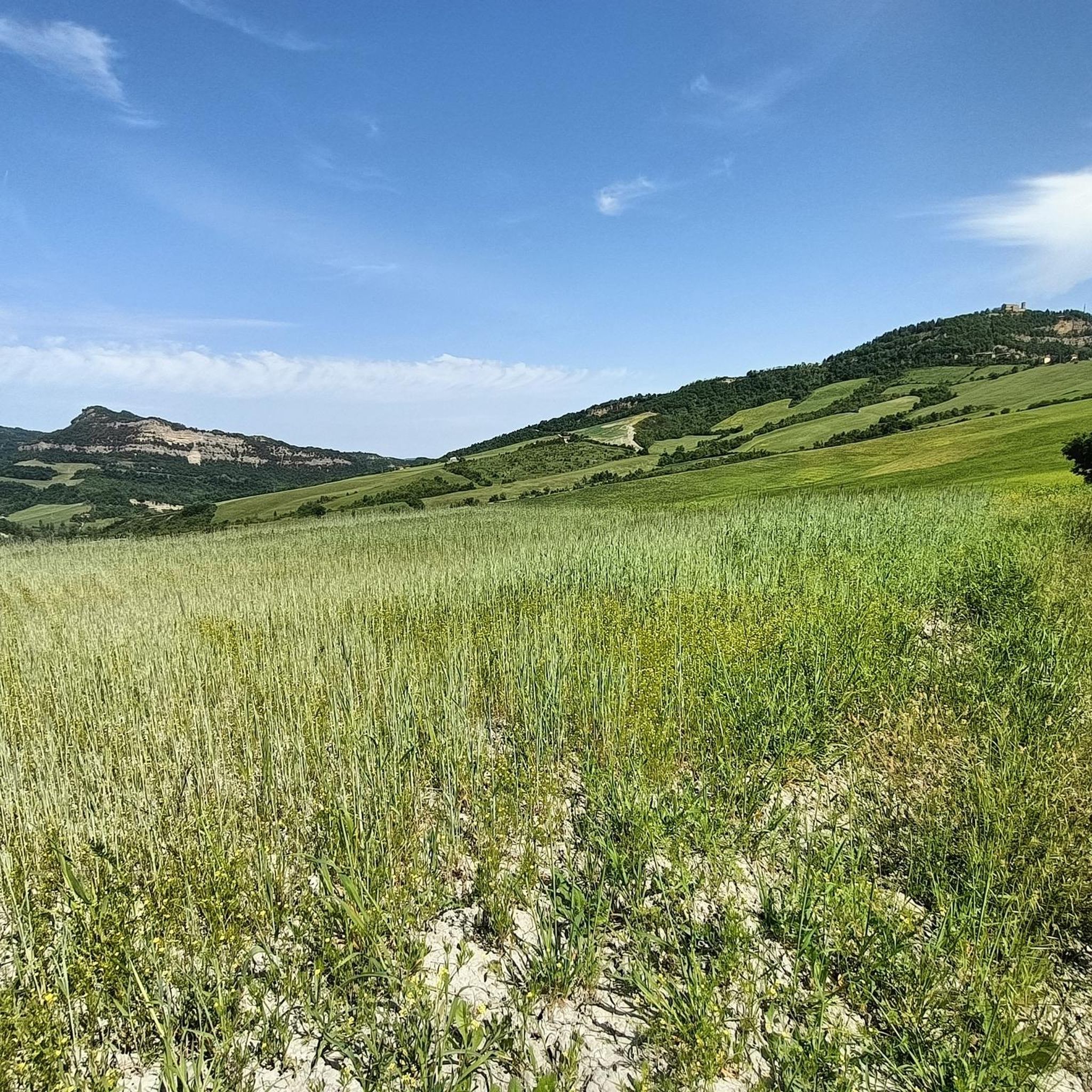
The Buca di Budriolo is a deep blind valley, formed near extremely inclined chalky layers, a natural wonder. From here, you will be able to enjoy a spectacular panorama from the opposite side of the hole.
1
0

Buca delle Candele is so named for the furrows produced by water erosion in the karst rock.
1
0

Attention the road has been interrupted and is closed. Private property 🥲
0
0


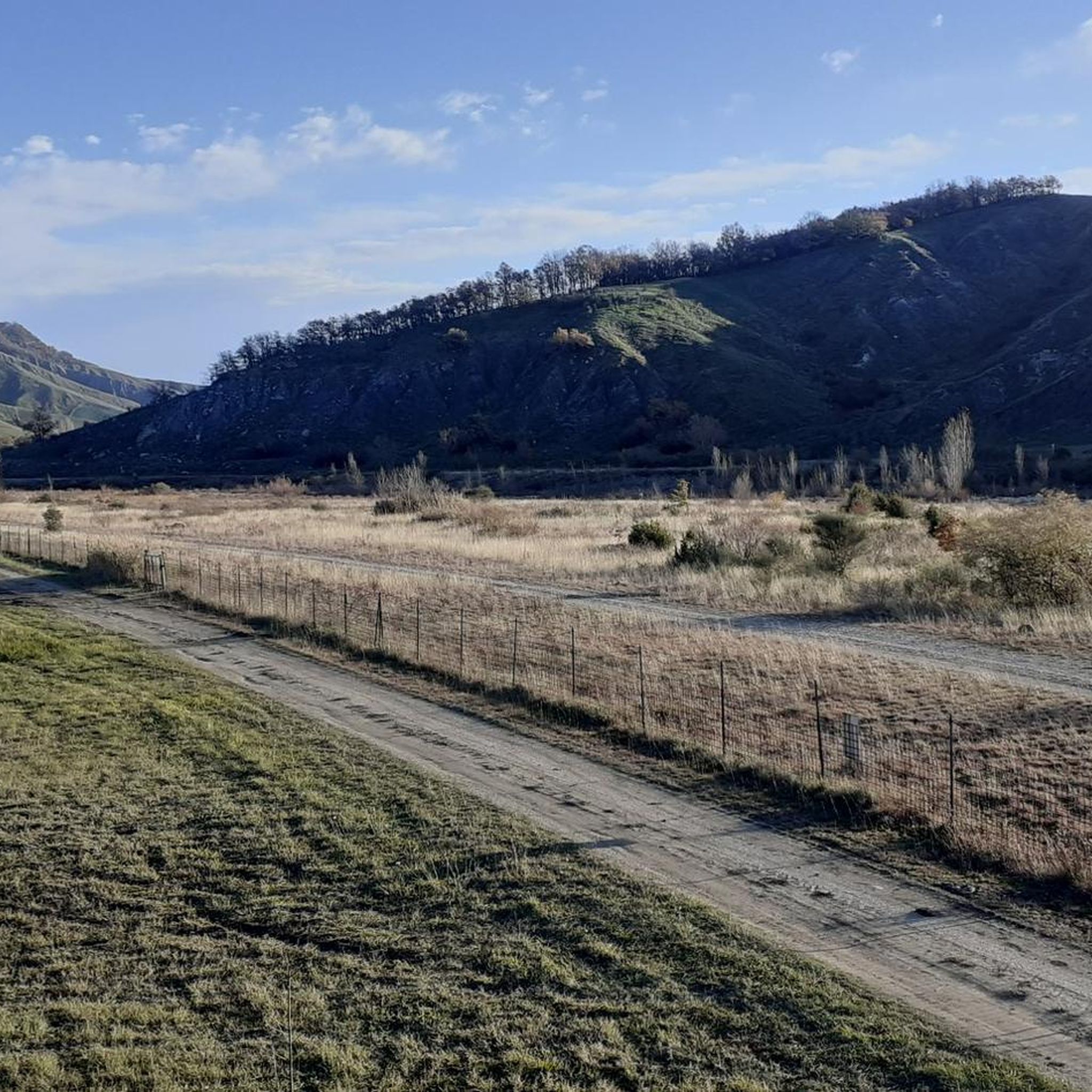
Place with a lunar aspect; you can go up from via Montebello avoiding the barrier; as can be seen from the sign, the concession expired in 2015, but the prohibition signs remain; looking at the clearing from above you can see how the hill has been completely eaten away by mining activities. The road from via Montebello to the quarry has acceptable gradients in the first part, a little less afterwards, it is rather bumpy but with a gravel surface, probably doable even in the wet, but once you reach the quarry it sinks into the clay
0
0
Frequently Asked Questions
What are the most significant caves to visit near Monterenzio?
The region around Monterenzio, particularly within the Bolognese Apennines and the Gypsum and Badlands of the Abbess Park, offers several notable caves. These include the unique Spipola Cave, known as the largest European cavern formed by gypsum, and the historically rich Farneto Cave, which holds Bronze Age archaeological traces. Additionally, the Labante Caves are a significant natural wonder, recognized for their rare primary travertine formation and striking waterfall.
Are there family-friendly cave exploration options near Monterenzio?
Yes, both the Spipola Cave and Farneto Cave offer guided tours suitable for families. Spipola Cave tours are recommended for children over 8 years old, involving about 500 meters of tunnels and unique geological features. Farneto Cave provides an easy route, suitable for both children and adults, where you can observe crystals and bats.
What kind of geological features can I expect to see in the caves around Monterenzio?
The caves in this region showcase diverse geological formations. The Labante Caves are a rare example of primary travertine formation, featuring 'sponga' limestone. Spipola Cave is renowned as the largest European gypsum cavern, offering insights into intricate underground karstic systems, alabastrine lava flows, and vault channels. The Candle Pit is named for its vertically cracked gypsum rocks and furrows produced by water erosion.
Do any caves near Monterenzio have historical or archaeological significance?
Absolutely. The Farneto Cave is particularly significant for its archaeological traces, including Bronze Age tombs discovered by Luigi Fantini. The Labante Caves also have historical records, indicating their recognition as a natural attraction since ancient times, with their 'sponga' limestone even used by the Etruscans for the necropolis of Marzabotto. Spipola Cave was notably used as a refuge during World War II.
What outdoor activities can I do near the caves around Monterenzio?
The area surrounding Monterenzio and its caves is excellent for various outdoor activities. You can explore numerous routes for gravel biking, road cycling, and general cycling. These routes often pass through scenic landscapes, offering opportunities to combine cave visits with active exploration of the Bolognese Apennines.
What is the best time to visit the caves near Monterenzio?
While specific opening hours and tour availability vary, the caves are generally accessible during warmer months. Visiting during spring or autumn can offer pleasant weather for exploring both the caves and the surrounding natural park areas. It's advisable to check the current operating schedules for guided tours, especially for caves like Spipola and Farneto.
Are there any unique natural monuments besides caves in the Monterenzio area?
Yes, beyond the caves, the region features other interesting natural formations. For instance, The Budriolo Sinkhole is a deep blind valley formed near inclined chalky layers, offering a spectacular panorama. The Montebello Clay Quarry, while man-made, presents a suggestive landscape with a clay plateau within a beautiful natural setting.
What should I know about accessibility for the caves?
The Labante Caves are easily visible from the road, making them quite accessible for viewing. For caves like Spipola Cave and Farneto Cave, guided tours are available, which typically manage the accessibility within the cave systems. Farneto Cave, in particular, is described as an easy route suitable for a wide range of visitors.
What do visitors enjoy most about the caves around Monterenzio?
Visitors frequently highlight the unique and interesting experiences offered by the caves. For example, the Spipola Cave is praised for its special atmosphere and the fun of navigating its tunnels and muddy slides. The geological uniqueness, historical significance, and the opportunity to observe wildlife like bats in Farneto Cave are also highly appreciated.
Are there any caves that serve as important habitats for wildlife?
Yes, the Farneto Cave is a significant refuge for bats and is considered a living laboratory for biologists. This makes it an interesting site for those interested in ecology and wildlife observation during guided tours.
How long does it take to explore the caves near Monterenzio?
The duration of exploration varies by cave and tour. For instance, guided tours of Spipola Cave cover approximately 500 meters of tunnels. Farneto Cave is about 1 km long. Guided tours typically last a few hours, providing a comprehensive experience of the cave's features and history.
Most popular routes around Monterenzio
Most popular attractions around Monterenzio

Get inspired with the komoot mobile app


Explore more
Extend your search for the best caves by checking out these guides of the top ones around Monterenzio:
