Attractions and Places To See around Modigliana - Top 20
Best attractions and places to see around Modigliana are found in this historic town nestled in the Tramazzo Valley, within the Tuscan-Romagnolo Apennines. The area offers a rich tapestry of landmarks, cultural sites, and natural features. Its ancient origins and significant history are reflected in well-preserved architecture and traditions, alongside green hills and extensive natural areas.
Best attractions and places to see around Modigliana
- The most popular attractions is Ca' Carnè Refuge, a hut that offers opportunities to eat…
Last updated: July 20, 2026
Ca' Carnè Refuge
Highlight • Mountain Hut
Translated by Google •
Tip by

Brisighella
Highlight • Settlement
Translated by Google •
Tip by

Sign up now to discover places like this
Get recommendations on the best single tracks, peaks, & plenty of other exciting outdoor places.
Sign up for free
Montepaolo Hermitage and Sanctuary of Saint Anthony of Padua
Highlight • Religious Site
The Hermitage of Montepaolo is the most important Antonian sanctuary in Emilia-Romagna.The hermitage and sanctuary is located in an isolated position 7 km from the town, …
Translated by Google •
Tip by

Manfredian Fortress (Brisighella)
Highlight • Castle
Translated by Google •
Tip by

Path of the Saint
Highlight • Trail
A path that in addition to the beauties of nature is also rich in spiritual interest as it has as its destination a …
Translated by Google •
Tip by
Sign up for free to discover even more attractions around Modigliana.
Sign up for free
Already have an account?
Start today with a free account
Your next adventure awaits.
Login or Signup

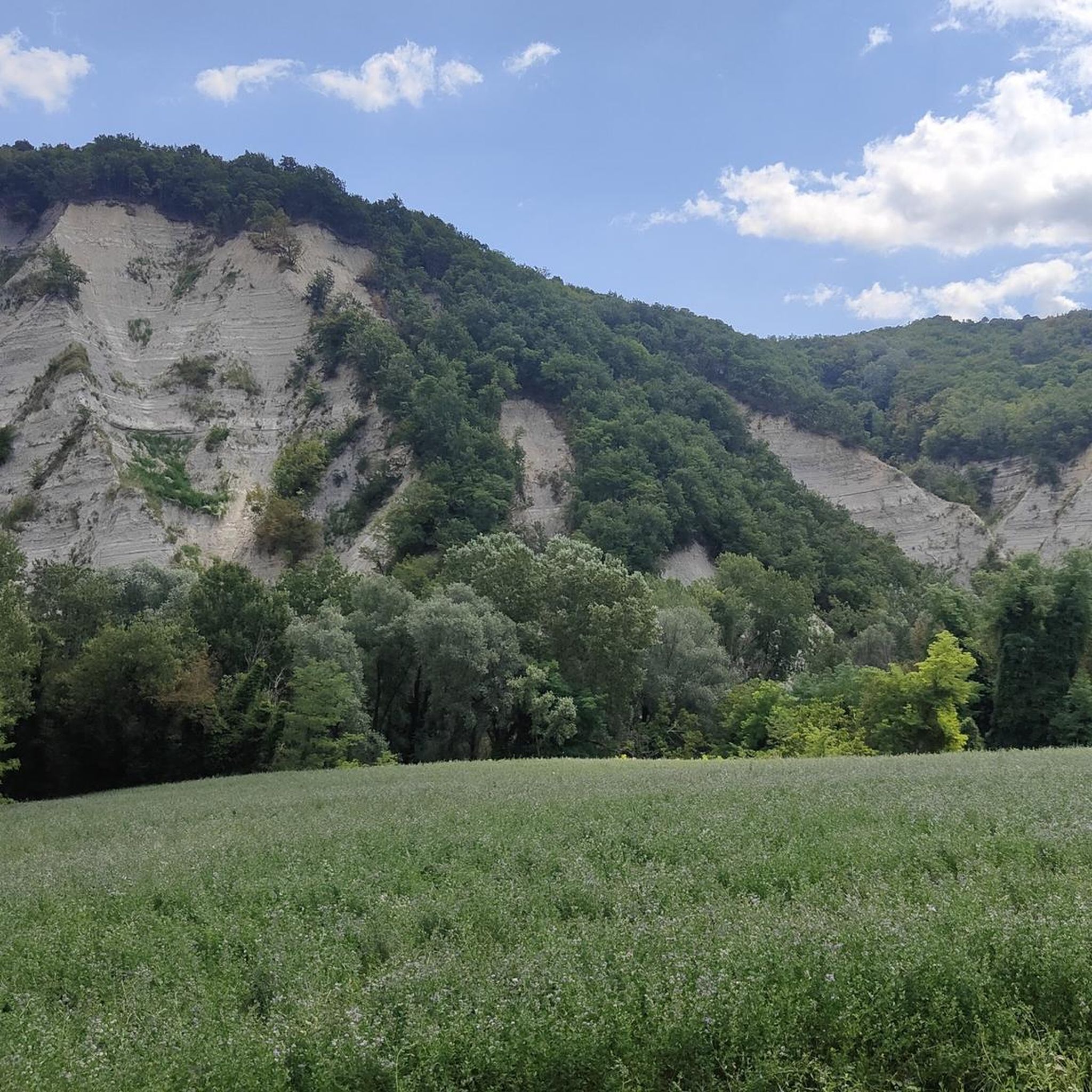
Tips from the Community

Brisighella is one of the most beautiful villages in Italy.
0
0

nice roads, little traffic and an area that is worth it
1
0

Dirt roads up to M. Paolo currently not passable due to too much mud, very clayey unfortunately.
1
0

Beautiful views, but be careful after rain or during winter, it gets muddy in sections
1
0

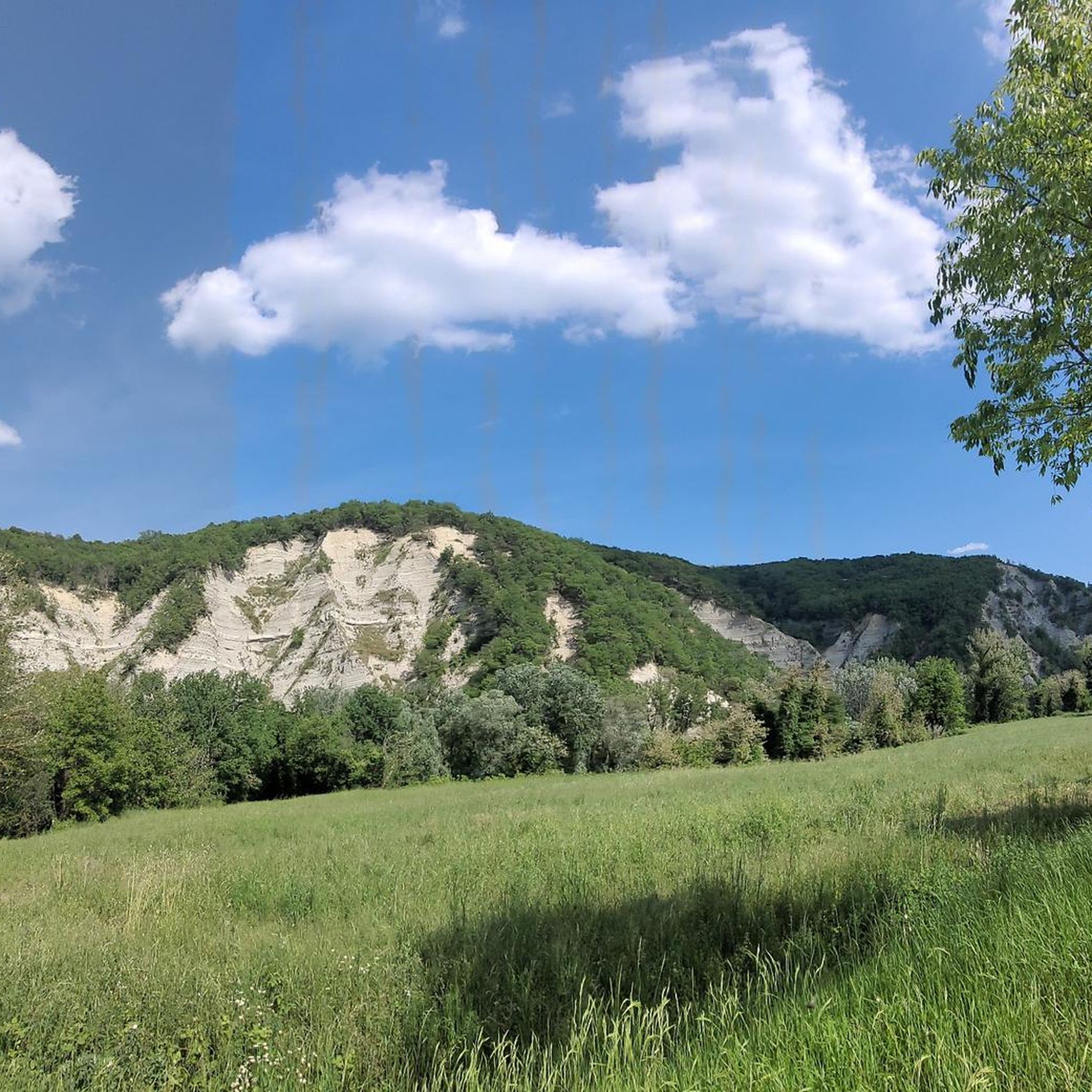
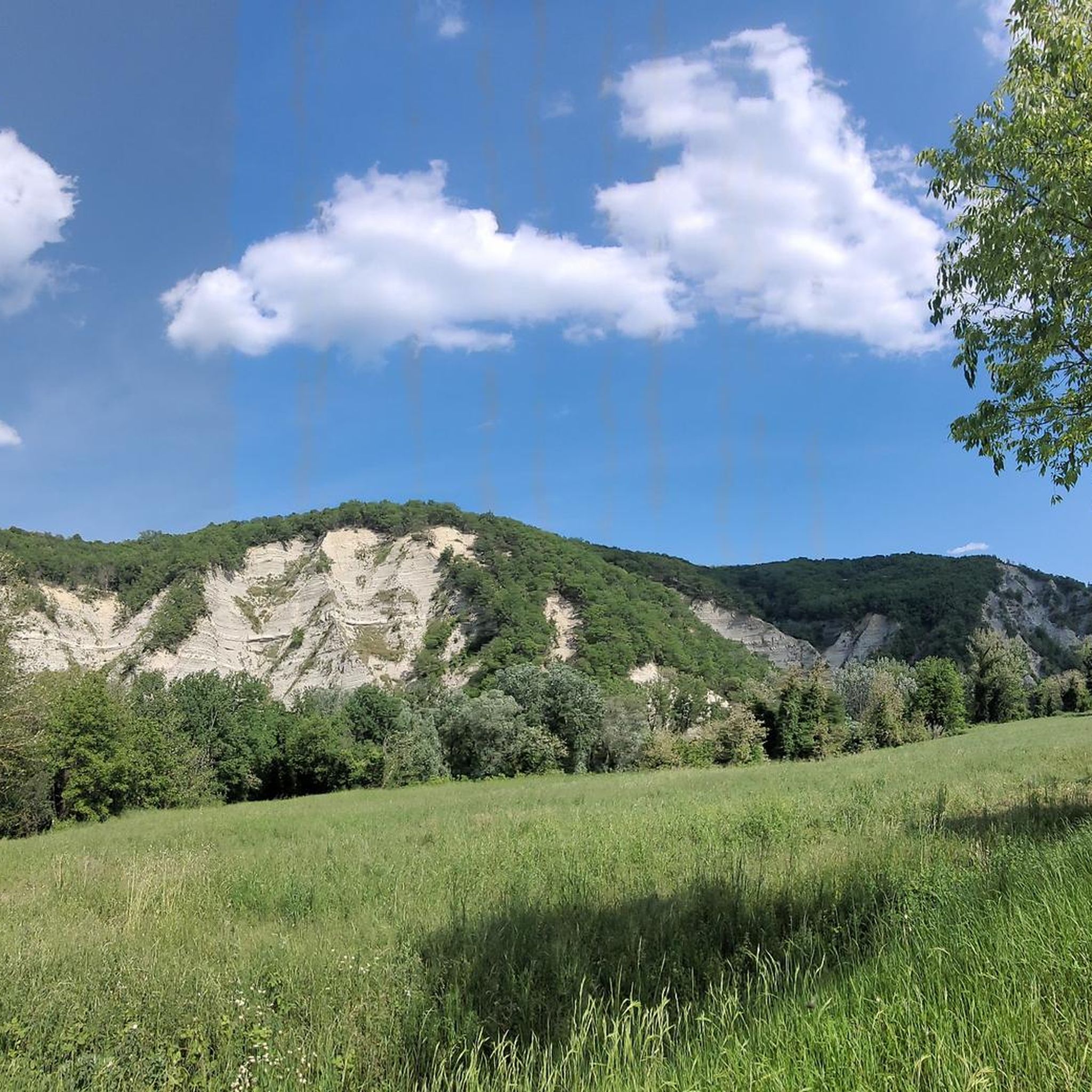
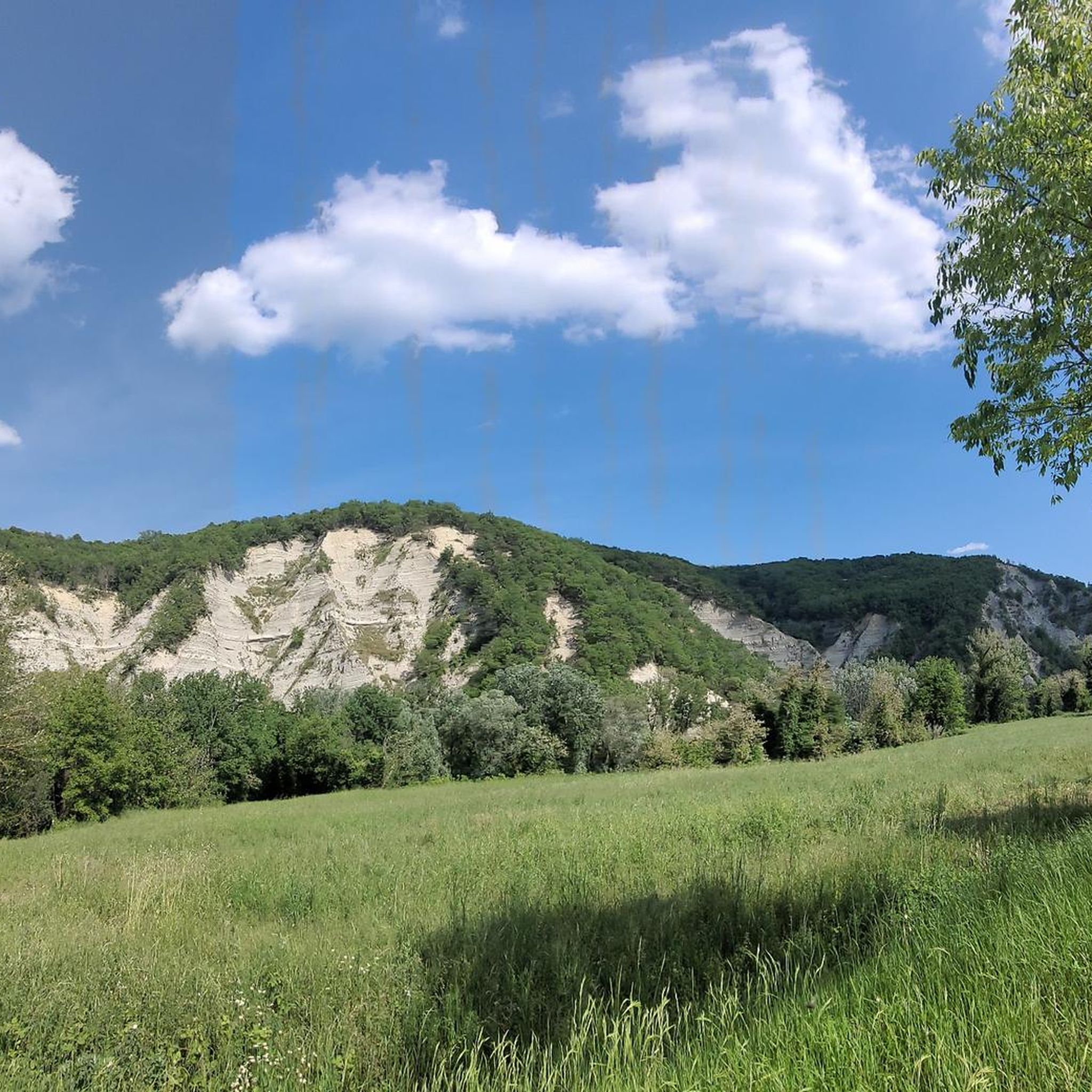
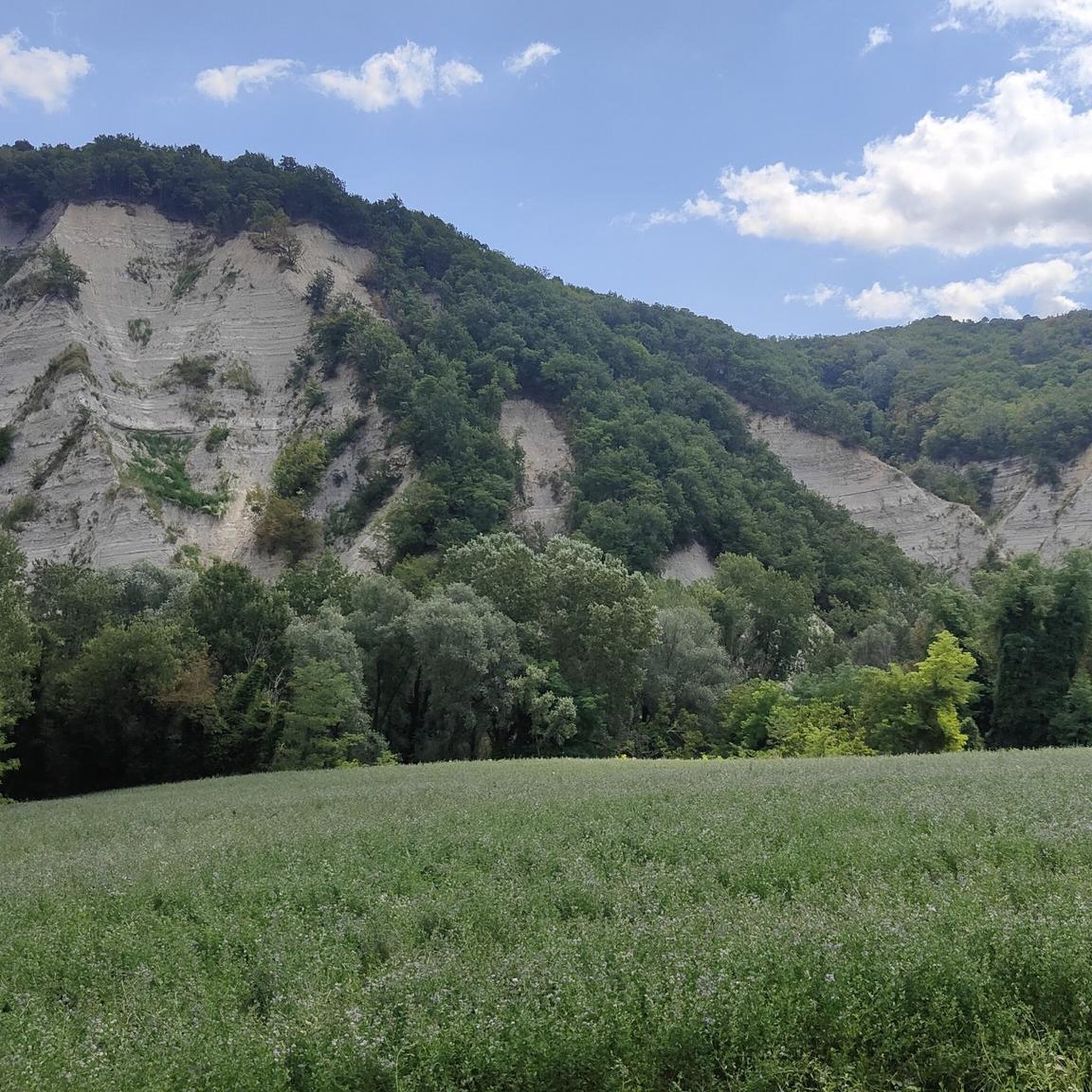
The Cà Carnè refuge and visitor center offers the opportunity to eat and stay in the greenery of the Tuscan-Romagnolo Apennines. Furthermore, it is an ideal place for those who want to spend their free time in contact with nature: there are many possibilities here, including trekking, mountain bike trails and horseback riding. The Cà Carnè refuge is surrounded by the greenery of the Vena del Gesso Romagnola regional park. Guided speleological visits are also organised: to find out more visit the website http://www.rifugiocacarne.altervista.org/visite-speleological.html.
2
1

A very attractive castle overlooking Brisighella. Its watch tower which stands apart on another pinnacle can also be visited.
1
0

The Hermitage of Montepaolo is the most important Antonian sanctuary in Emilia-Romagna due to the preserved memory of St. Anthony of Padua who had his first Italian residence here between 1221 and 1222. The hermitage and sanctuary is located in an isolated position 7 km from the town, at a height of 425 meters on top of the hill of the same name. Immersed in nature (it is not uncommon, going up it, to meet roe deer, squirrels, porcupines, hares and other animals) Montepaolo is the ideal place to restore the spirit, away from traffic and noise. The sanctuary of S. Antonio preserves an important relic and the Grotto where the Saint used to retire in prayer, reachable on foot through the "Path of hope". Also noteworthy is the modern and contemporary artistic endowment with the church (entirely frescoed and rebuilt in neo-Gothic style in the early decades of the 20th century). In the year 2000, a path decorated with mosaics was created near the Hermitage which recalls the crucial phases in the life of the Saint. (Source: http://www.turismoforlivese.it/servizi/menu/dinamica.aspx?ID=4503)
1
0
Frequently Asked Questions
What historical sites can I explore in Modigliana?
Modigliana is rich in history. You can visit the medieval Rocca dei Conti Guidi, also known as "La Roccaccia," which was once the seat of the powerful Guidi Counts. Another significant site is the 14th-century Palazzo Pretorio, which now houses the Municipal Picture Gallery. Don't miss the Montepaolo Hermitage and Sanctuary of Saint Anthony of Padua, an important religious and historical site 7 km from town.
Are there any art galleries or museums in Modigliana?
Yes, the Palazzo Pretorio in the old village hosts the Municipal Picture Gallery, featuring works by Modigliana-born Macchiaiolo painter Silvestro Lega and other artists. You can also visit the Museo "Don Giovanni Verità", dedicated to the Carbonaro priest Don Giovanni Verità and the Risorgimento period, which also displays works by Lega.
What natural attractions can I find around Modigliana?
Modigliana is nestled in the green hills of the Tramazzo Valley within the Tuscan-Romagnolo Apennines. A notable natural feature is the nearly 400-hectare Educational Forest, offering 22 km of equipped trails and a wildlife oasis. You can also discover the serene Cà Carnè Refuge, surrounded by the Vena del Gesso Romagnola regional park, or seek out the intriguing Grotta delle Fate (Cave of the Fairies) after passing Monte Cerreto.
Are there opportunities for hiking or cycling near Modigliana?
Absolutely. The Modigliana area offers extensive opportunities for outdoor activities. The Sentieri Agrourbani Project provides 180 km of paths for walking, cycling, or horseback riding across the three valleys around Modigliana. For specific routes, you can explore options like the 'Tredozio and Ibola Waterfall Loop' for hiking or the 'Tramazzo Stream – Ponte Lake loop from Modigliana' for cycling. Find more details on these and other routes in the Hiking around Modigliana and Cycling around Modigliana guides.
Where can I find the best viewpoints around Modigliana?
For panoramic views, head to the Marino Tower, a 15th-century defensive structure that dominates the Senio Valley and offers expansive vistas of the surrounding hilly landscape. The elevated structures of the Rocca dei Conti Guidi also provide great perspectives. Additionally, the Montepaolo Hermitage, situated at 425 meters, offers serene views amidst nature.
What are some unique or less-known places to discover in Modigliana?
Beyond the main attractions, consider visiting the 18th-century Ponte San Donato, a humpbacked, three-arched bridge known as "Lady's Bridge." Explore Piazza Pretorio, often described as one of the most beautiful medieval squares in the Forlì-Cesena area. You might also discover traditional workshops where local artisans practice ancient crafts like shoemaking and iron beating.
Are there any family-friendly attractions around Modigliana?
Yes, the Cà Carnè Refuge is a great option, offering opportunities to eat, stay, and enjoy nature with activities like trekking and mountain biking in the Vena del Gesso Romagnola regional park. The Educational Forest with its equipped trails is also suitable for families looking to explore nature and spot wildlife.
What kind of cultural events or traditions can I experience in Modigliana?
Modigliana hosts various cultural and gastronomic events throughout the year. In September, you can experience the "Tableau Vivants," which recreate 19th-century scenes and honor painter Silvestro Lega. Food festivals like the Sangiovese Festival in April and "Tortello in festa" celebrate local culinary traditions. The town also maintains traditional crafts, with artisans creating unique items using ancient techniques.
Where can I find a peaceful place for spiritual reflection or wildlife observation?
The Montepaolo Hermitage and Sanctuary of Saint Anthony of Padua, located 7 km from town at an altitude of 425 meters, is an ideal place for spiritual reflection, away from traffic and noise. Immersed in nature, it's also common to spot local wildlife such as roe deer, squirrels, and porcupines on the way up. The Cà Carnè Refuge also offers a serene natural setting.
What is the significance of the Palazzo Pretorio in Modigliana?
The Palazzo Pretorio, built in the 14th century in a Tuscan style, is a significant historical building. It originally served as the residence of the Guidi Counts and later became the seat of the Podestà. Today, it plays a cultural role by housing the Municipal Picture Gallery, showcasing art by local painter Silvestro Lega and other artists.
Can I find any religious buildings of interest in Modigliana?
Yes, Modigliana has several notable religious sites. The Duomo, formerly the parish church of St. Stephen, dates back to the 12th century and includes a crypt. The Montepaolo Hermitage and Sanctuary of Saint Anthony of Padua is the most important Antonian sanctuary in Emilia-Romagna. Additionally, the Convent of the Capuchin Friars, founded in 1561, preserves numerous wooden altars and important relics.
What are the options for road cycling around Modigliana?
The hilly terrain around Modigliana is excellent for road cycling. You can find routes like the 'Historic Center of Modigliana – Monte Beccugiano ascent loop' or the 'Trebbio Climb – Historic Center of Modigliana loop.' These routes offer varying difficulties and allow you to explore the scenic landscapes. More detailed information and routes can be found in the Road Cycling Routes around Modigliana guide.
Most popular routes around Modigliana
Most popular attractions around Modigliana

Get inspired with the komoot mobile app


Explore more
Still not found the Highlight you’re looking for? See guides of the top attractions in other regions:
