Attractions and Places To See around Castiglione Dei Pepoli - Top 20
Best attractions and places to see around Castiglione Dei Pepoli are found in the Bolognese Apennines, bordering Tuscany. This region features a picturesque mountain landscape with peaks reaching approximately 1,000 meters above sea level, rich in chestnut and fir forests. It offers a mix of historical landmarks, significant natural features like the Regional Park of the Suviana and Brasimone Lakes, and cultural sites. The area provides numerous opportunities for outdoor activities and exploring ancient history.
Best attractions and places to…
Last updated: August 4, 2026
Remains of the Military Flaminia
Highlight • Historical Site
Translated by Google •
Tip by

Soprasasso Caves
Highlight • Cave
Translated by Google •
Tip by

Sign up now to discover places like this
Get recommendations on the best single tracks, peaks, & plenty of other exciting outdoor places.
Sign up for free
Pian di Balestra — Countryside on the Via degli Dei
Highlight • Natural
Translated by Google •
Tip by

Emilia-Romagna–Tuscany Border Marker
Highlight • Monument
Translated by Google •
Tip by

Burnt Inn Pass
Highlight • Mountain Pass
Translated by Google •
Tip by
Sign up for free to discover even more attractions around Castiglione Dei Pepoli.
Sign up for free
Already have an account?
Start today with a free account
Your next adventure awaits.
Login or Signup
Popular around Castiglione Dei Pepoli
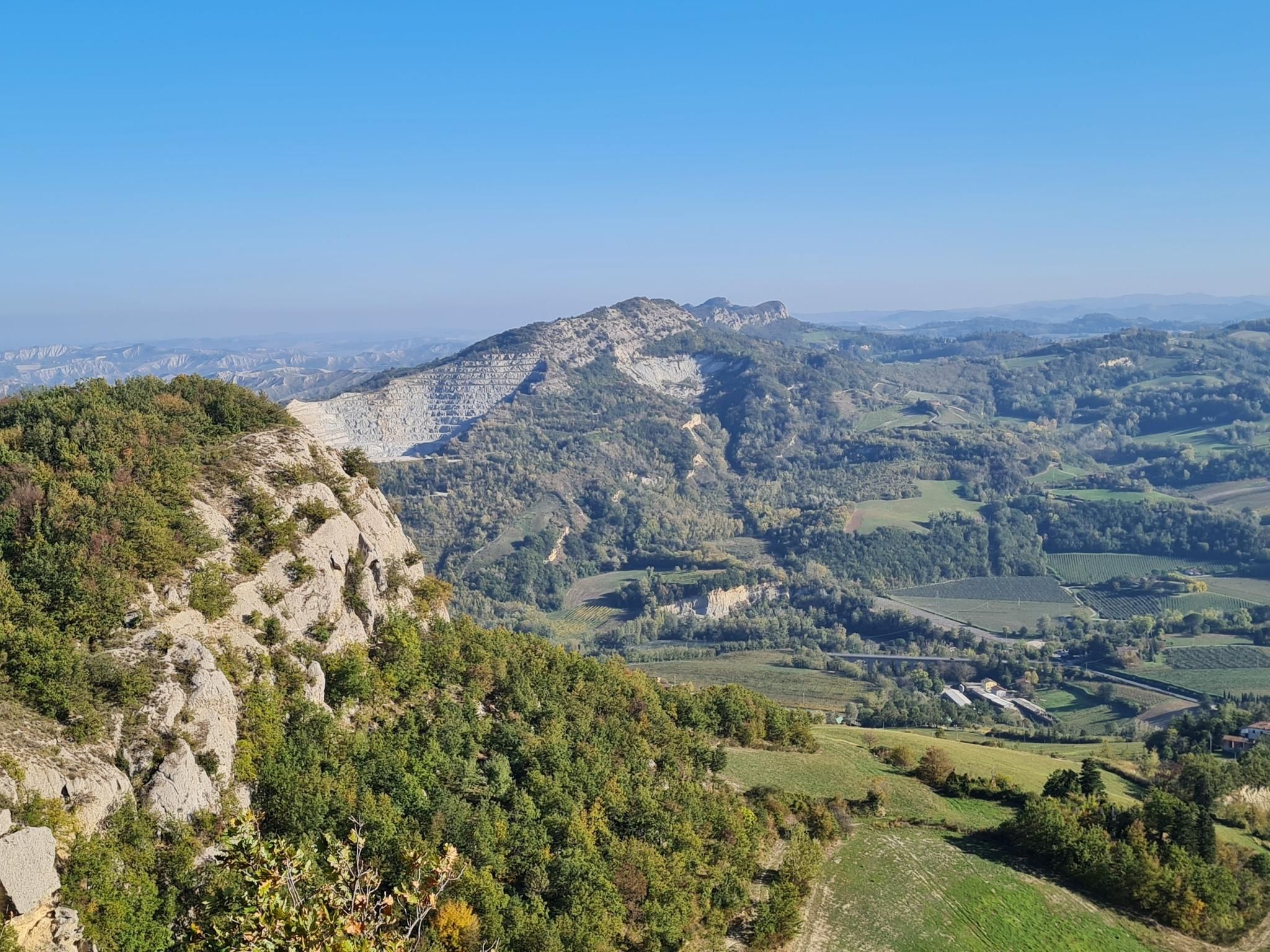
Lake Brasimone to Marradi – Alta Via dei Parchi (part 3)
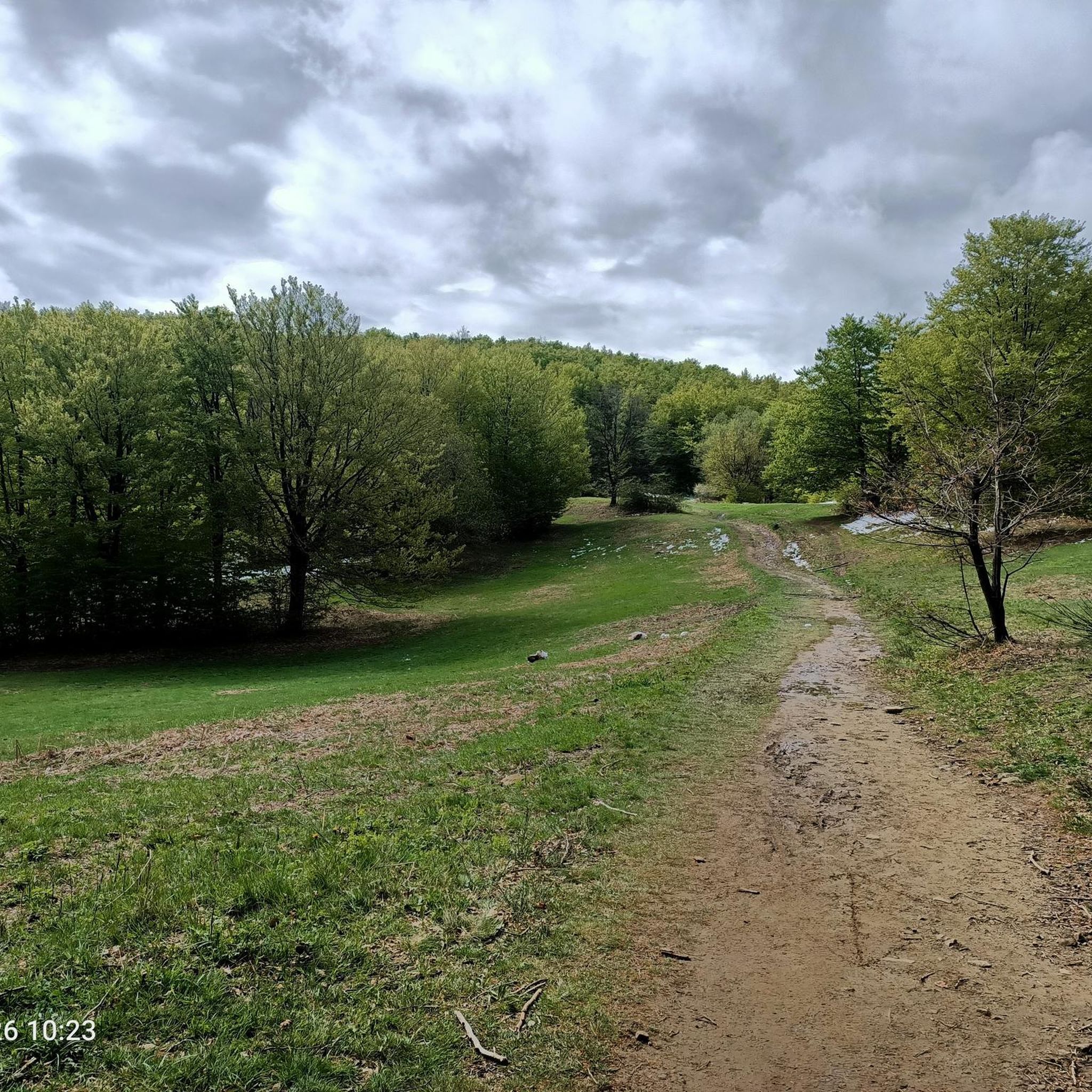
Hiking around Castiglione Dei Pepoli
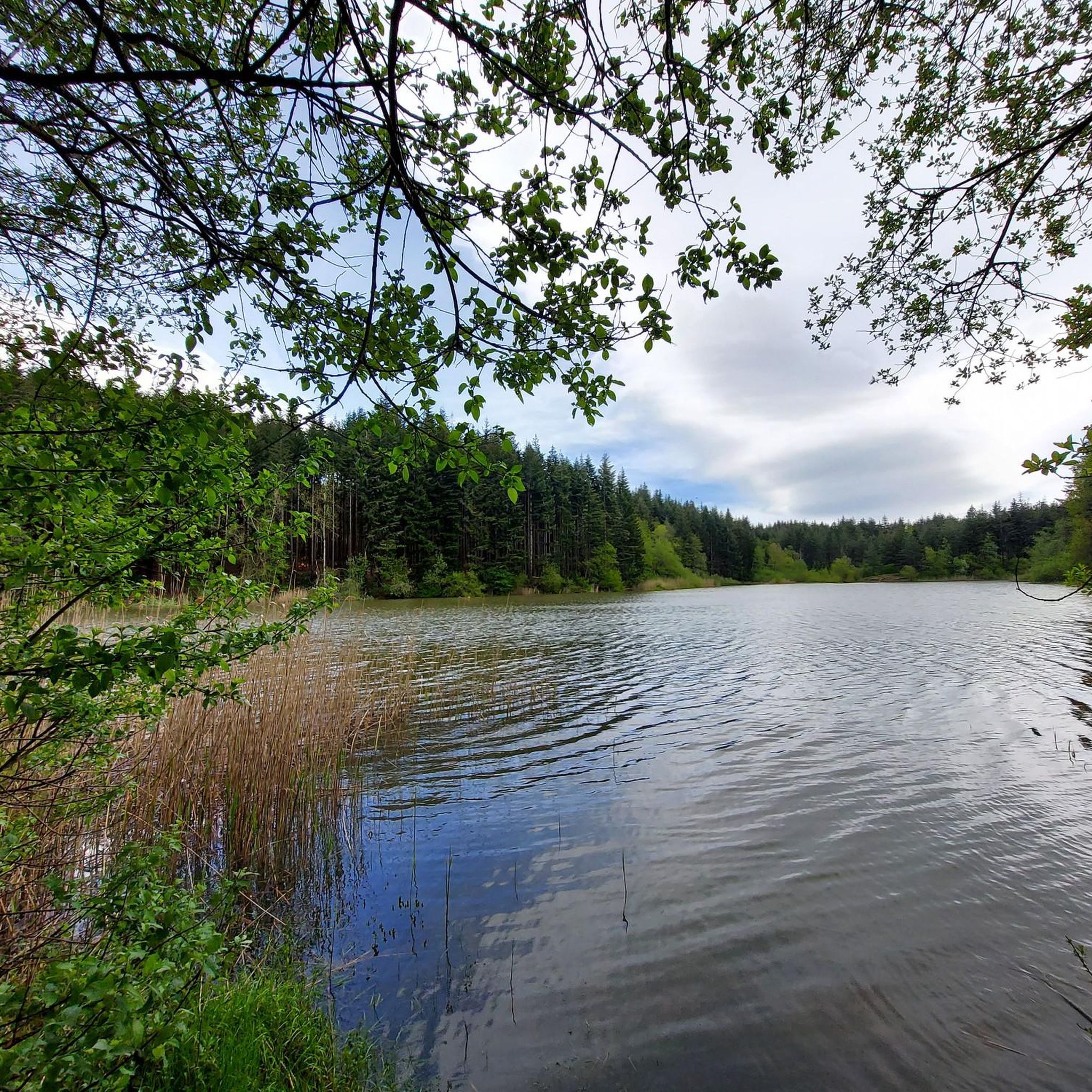
Road Cycling Routes around Castiglione Dei Pepoli
Cycling around Castiglione Dei Pepoli
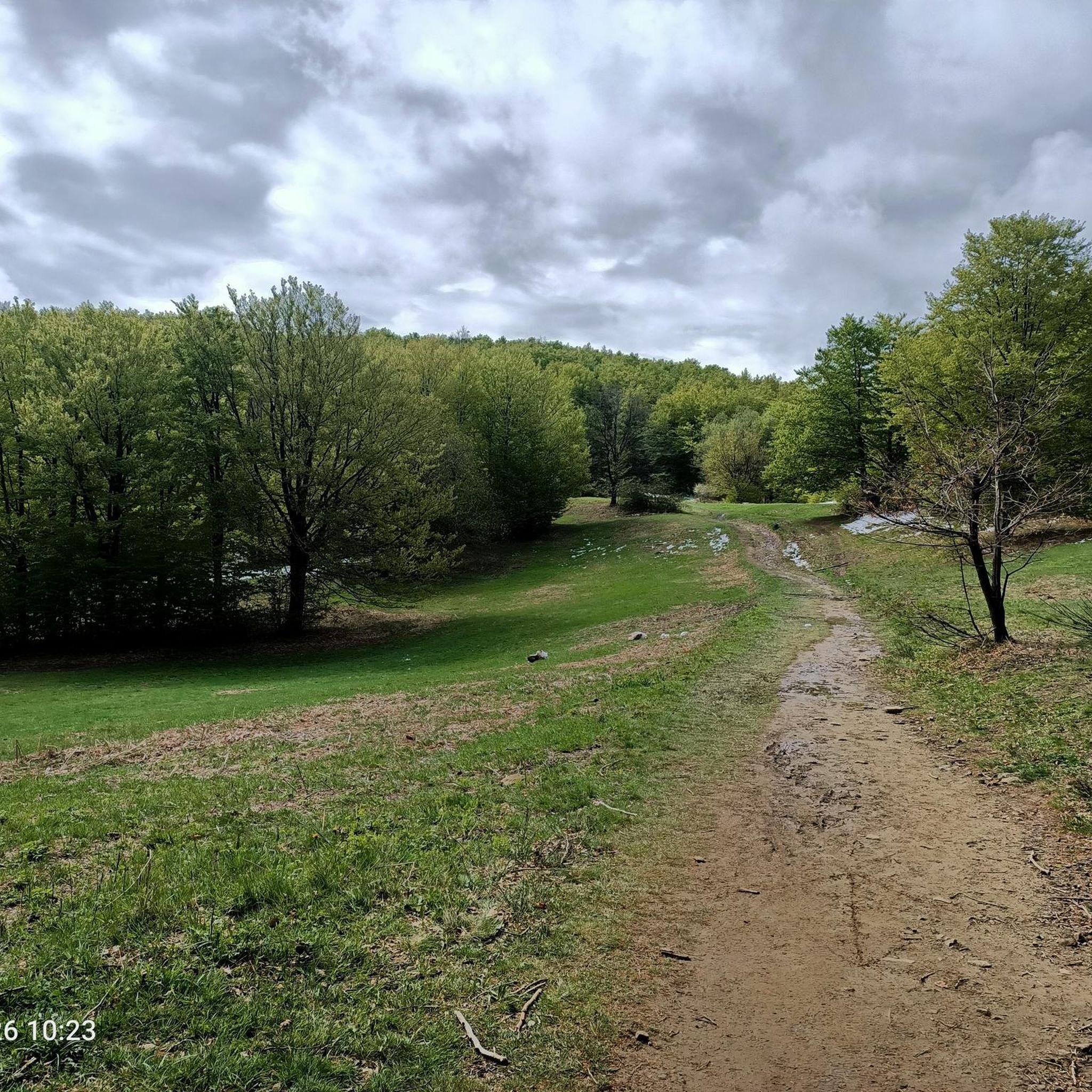
Running Trails around Castiglione Dei Pepoli
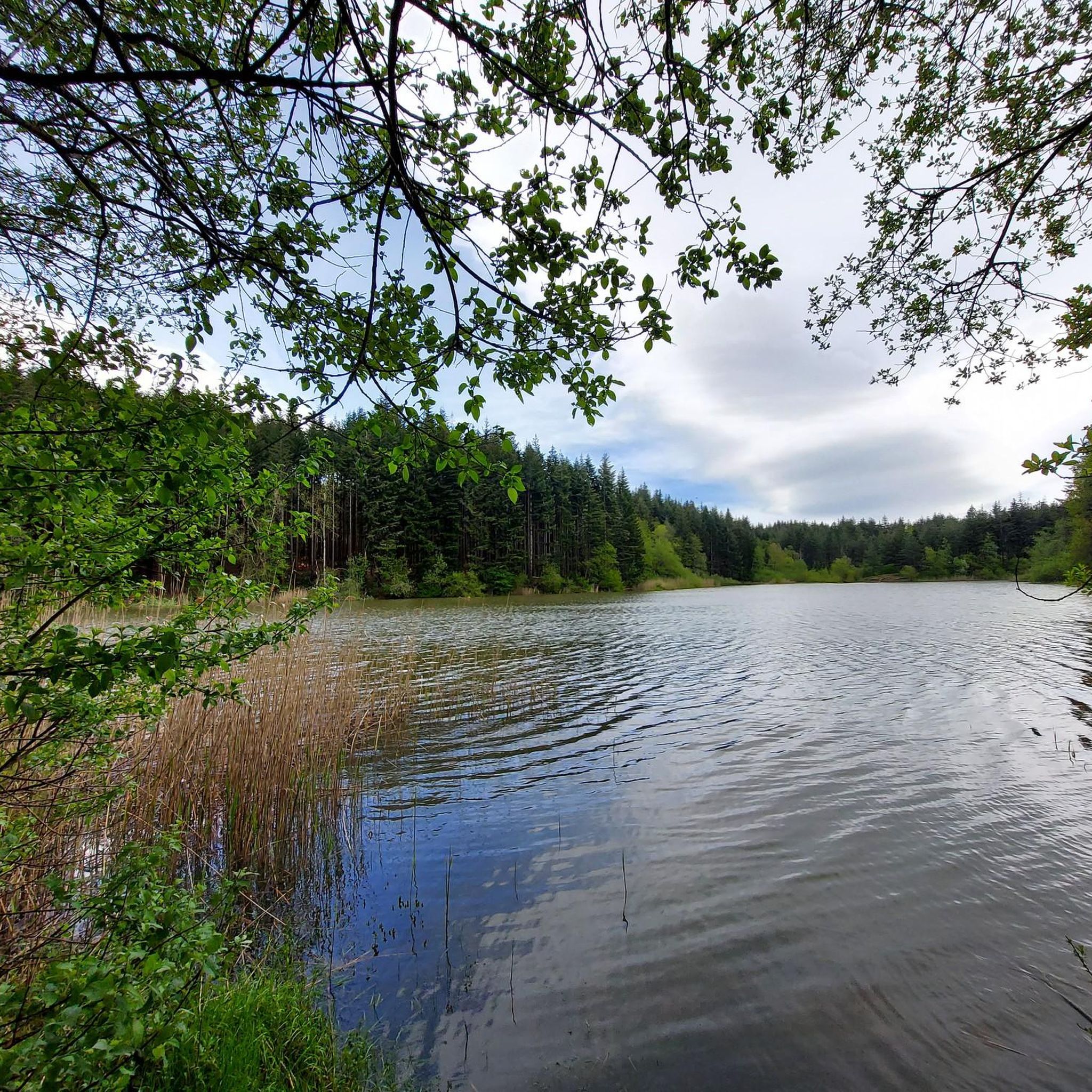
MTB Trails around Castiglione Dei Pepoli

Gravel biking around Castiglione Dei Pepoli
Other adventures around Castiglione Dei Pepoli

Tips from the Community

a walk not to be missed!
0
0


already done twice and always beautiful
0
0

In the Middle Ages it was the highway that connected northern Italy with the south (in particular trade with Milan and the Church with Rome)
1
0

Along the Via degli Dei (Way of the Gods), you'll find the remains of the Flaminia Militare, an ancient Roman road built in 187 BC to connect Bologna to Arezzo. Hidden for centuries, it was rediscovered in the 1970s by two passionate hikers. Today, well-preserved sections of the original pavement can still be seen, nestled in the Apennine woods. Walking along it means traversing a true piece of history, on a journey that combines nature, archaeology, and memory.
2
0
recommended for the wonder of the woods and the super marked path
0
0

Borders as they should be. Nothing more than a stone by the wayside.
0
0

Frequently Asked Questions
What natural attractions can I explore around Castiglione Dei Pepoli?
The region is rich in natural beauty, featuring the expansive Regional Park of the Suviana and Brasimone Lakes, which offers over 30 kilometers of trails, water sports, and wildlife viewing. You can also visit the tranquil Santa Maria Lake, the Artificial Lake of Tavianella, and the Soprasasso Caves, known for their stalactites, stalagmites, and fossils.
What historical sites are there to visit in Castiglione Dei Pepoli?
Castiglione Dei Pepoli boasts several historical landmarks. Explore the ancient Palazzo Pepoli, the Public Clock Tower, and the poignant South African War Cemetery. You can also discover sections of the ancient Roman road at the Remains of the Military Flaminia, built in 187 BC to connect Bologna and Arezzo.
Are there any cultural attractions or centers in the area?
Yes, the "Paolo Guidotti" Culture Center offers exhibitions on local history, nature, and a significant room dedicated to the Gothic Line and World War II events. Religious sites include the 17th-century Church of the Madonna della Consolazione and the Church of San Lorenzo, which houses a fresco by Giacomo Cavedoni. The Sanctuary of the Madonna di Boccadirio is also a notable pilgrimage destination.
What outdoor activities can I do near Castiglione Dei Pepoli?
The area is ideal for outdoor enthusiasts. You can enjoy hiking and trekking on routes like the Via della Lana e della Seta, the Mater Dei, and the Alta Via dei Parchi. The Regional Park of the Suviana and Brasimone Lakes is popular for fishing, water sports, mountain biking, and snowshoeing in winter. For specific routes, explore the MTB Trails, Road Cycling Routes, and Running Trails guides.
Are there hiking trails suitable for different skill levels?
Yes, the region offers a variety of trails. For example, the path to the Soprasasso Caves is described as accessible to everyone. More challenging routes can be found around Mount Tavianella and Mount Coroncina, which are popular for trekking. The Regional Park of the Suviana and Brasimone Lakes also provides diverse trails. You can find detailed routes in the Running Trails around Castiglione Dei Pepoli guide, which includes routes of varying difficulty.
What are some scenic viewpoints in the area?
For scenic views, head to the Emilia-Romagna–Tuscany Border Marker, which offers picturesque vistas and is often part of hiking routes. The Burnt Inn Pass also provides beautiful views and is a popular stop on trails like the Via degli Dei.
What do visitors particularly enjoy about the attractions in Castiglione Dei Pepoli?
Visitors appreciate the blend of history and nature. Many enjoy the unique experience of walking along the ancient Remains of the Military Flaminia. The Soprasasso Caves are often described as a 'timeless suggestive place,' and the sense of accomplishment and community on long-distance trails like the Via degli Dei is highly valued.
Are there any family-friendly attractions or activities?
The Soprasasso Caves are noted as family-friendly. Additionally, the Regional Park of the Suviana and Brasimone Lakes offers an Adventure Park called Saltapicchio on Lake Suviana, which is great for families. Many of the easier trails and walks through the chestnut and fir forests are also suitable for families.
Can I find any unique local products or culinary experiences?
Yes, Castiglione Dei Pepoli is known for its local sugar-coated dessert, which holds DeCO (Municipal Denomination of Origin) recognition. The area's rich chestnut forests also contribute to local products, including chestnut flour, which was traditionally produced in old drying houses found in the town's park.
What is the best time of year to visit Castiglione Dei Pepoli for outdoor activities?
The region offers activities year-round. Spring and autumn are ideal for hiking and mountain biking due to pleasant temperatures and vibrant scenery. In winter, the Regional Park of the Suviana and Brasimone Lakes offers opportunities for snowshoeing. The lakes are popular for water sports during the warmer months.
Are there any long-distance hiking routes that pass through Castiglione Dei Pepoli?
Yes, Castiglione Dei Pepoli is an excellent base for long-distance hiking. Several renowned routes pass through or near the area, including the Via della Lana e della Seta (Wool and Silk Trail), the Mater Dei, and the Alta Via dei Parchi. These trails offer extensive exploration of the Apennine landscape.
Where can I see the border between Emilia-Romagna and Tuscany?
You can visit the Emilia-Romagna–Tuscany Border Marker, a man-made monument that clearly delimits the boundary between the two regions. It's a popular spot for photos and offers scenic views, often integrated into hiking routes.
Most popular routes around Castiglione Dei Pepoli
Most popular attractions around Castiglione Dei Pepoli

Get inspired with the komoot mobile app


Explore more
Still not found the Highlight you’re looking for? See guides of the top attractions in other regions:
