Attractions and Places To See around Castellammare Di Stabia - Top 20
Best attractions and places to see around Castellammare Di Stabia, a town situated on the northern end of the Sorrento Peninsula in the Gulf of Naples, offers a blend of historical, cultural, and natural sites. Known since Roman times for its thermal mineral waters, it also serves as a gateway to the Amalfi Coast and significant archaeological areas. The region features diverse landscapes, from the coastal views of the Gulf of Naples to the heights of Monte Faito.
Best attractions…
Last updated: August 4, 2026
View of the Amalfi Coast and Positano
Highlight • Viewpoint
Translated by Google •
Tip by

Start of the Path of the Gods
Highlight • Trail
Translated by Google •
Tip by

Sign up now to discover places like this
Get recommendations on the best single tracks, peaks, & plenty of other exciting outdoor places.
Sign up for free
Amalfi Cathedral (Cathedral of Saint Andrew)
Highlight • Religious Site
Translated by Google •
Tip by

Pompeii Forum
Highlight • Historical Site
Tip by

Bomerano
Highlight • Settlement
Translated by Google •
Tip by

Sign up for free to discover even more attractions around Castellammare Di Stabia.
Sign up for free
Already have an account?
Start today with a free account
Your next adventure awaits.
Login or Signup
Tips from the Community

Bomerano is a quiet mountain jewel located in Agerola, about 600 meters above the Amalfi Coast. Far from the chaos of the beaches, this village is world-famous as the starting point of the Path of the Gods, one of the most spectacular panoramic hikes on the planet, which winds through breathtaking cliffs to the gates of Positano. But Bomerano is not just about trekking: it is a true capital of taste, famous for its very fresh fiordilatte and the prized Provolone del Monaco DOP. The heart of the village beats in Piazza Paolo Capasso, an authentic place where the fresh mountain air blends with the aroma of local bakeries and cured meats. Easily reachable by bus from Amalfi, it offers a regenerating refuge, perfect for those seeking memorable views, slow rhythms, and genuine flavors before setting off between sky and sea.
0
0

To reach the cathedral, you first have to climb 62 steps.
20
0
The entrance fee is money well spent, as the cathedral itself is well worth a visit. The church's decoration, with its magnificent wall and ceiling paintings and mosaics, is worth seeing.
15
0

Amalfi Cathedral, also known as the Cathedral of Sant’Andrea, houses not only precious relics but also stories steeped in legend. It is said that in 1218 Saint Francis of Assisi came here to pay homage to the apostle and his relics. The charm of the place won him over to the point of remaining in Amalfi for two years. It was during that period that he founded a convent, initially dedicated to Santa Maria degli Angeli, which later took the name of Sant’Antonio.
4
0

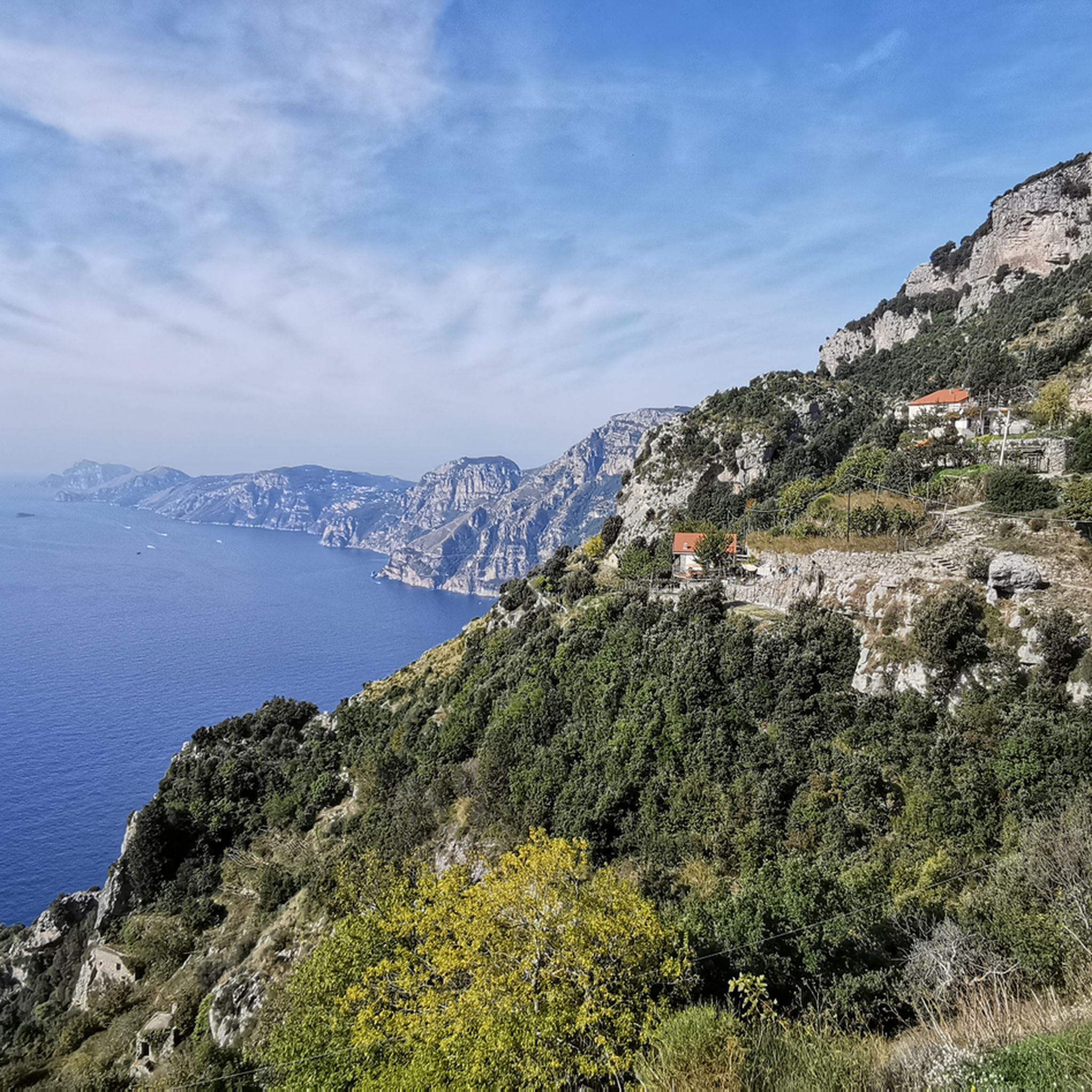
The hike on the Sentiero degli Dei from Bomerano to Positano is a highlight on the Amalfi Coast. Breathtaking views accompany the path, which does not require a guide, but does require good shoes and plenty of water. After about 30 minutes, the path splits into a higher and a lower route, which later merge again. The destination is Nocelle, where you can fortify yourself with a refreshing lemon slush. From there, two paths lead down to Positano, either via Montepertuso or directly over hundreds of steps. Setting off early in the morning is recommended.
3
0

I definitely recommend taking a guided tour.
8
0

Endless historical impressions. Just look at it and let it work.👍👍👍
3
0

The Forum was the heart of Pompeii's political, religious and social life. The large, rectangular square (142 m long, 38 m wide) was surrounded in three places by a colonnade, on which another colonnade was built. The fourth side formed the front of the Temple of Jupiter.
3
0
Frequently Asked Questions
What historical sites can I explore in Castellammare di Stabia?
Castellammare di Stabia is rich in history. You can visit the ancient Roman resort town of Stabiae, featuring well-preserved villas like Villa San Marco and Villa Arianna. The town also boasts the medieval Castello di Castellammare, and the elegant 14th-century Arco di San Catello. For a deeper dive into Roman history, the nearby Pompeii Forum offers a glimpse into a 2000-year-old disaster zone.
Where can I learn about the local history and archaeology?
The primary place to learn about the region's rich past is the Libero D'Orsi Archaeological Museum of Stabiae, housed in the splendid Reggia di Quisisana. This museum, reopened in 2024, displays over 500 artifacts from the Roman villas of Stabiae, including frescoes, mosaics, and marble furnishings.
What natural attractions offer scenic views around Castellammare di Stabia?
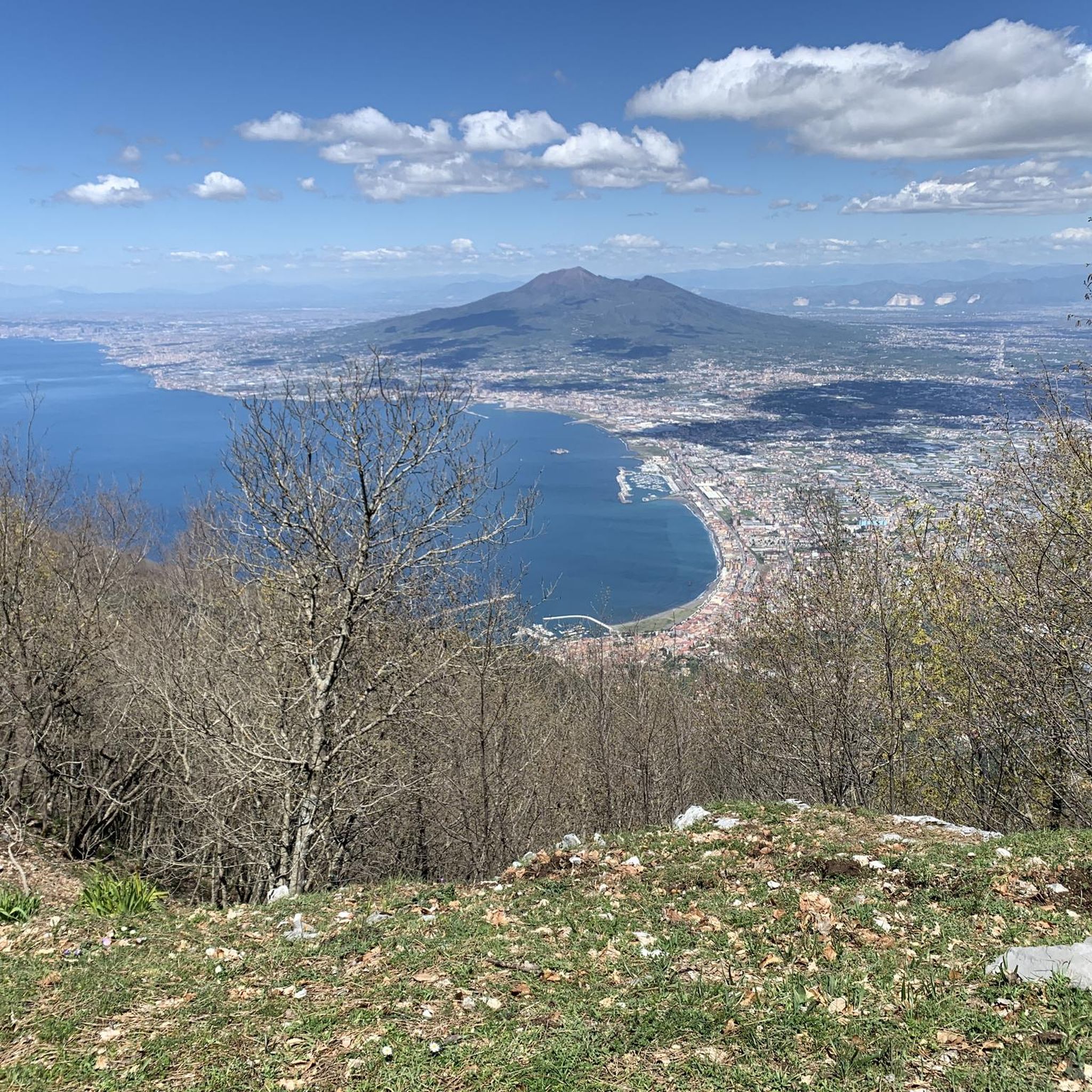
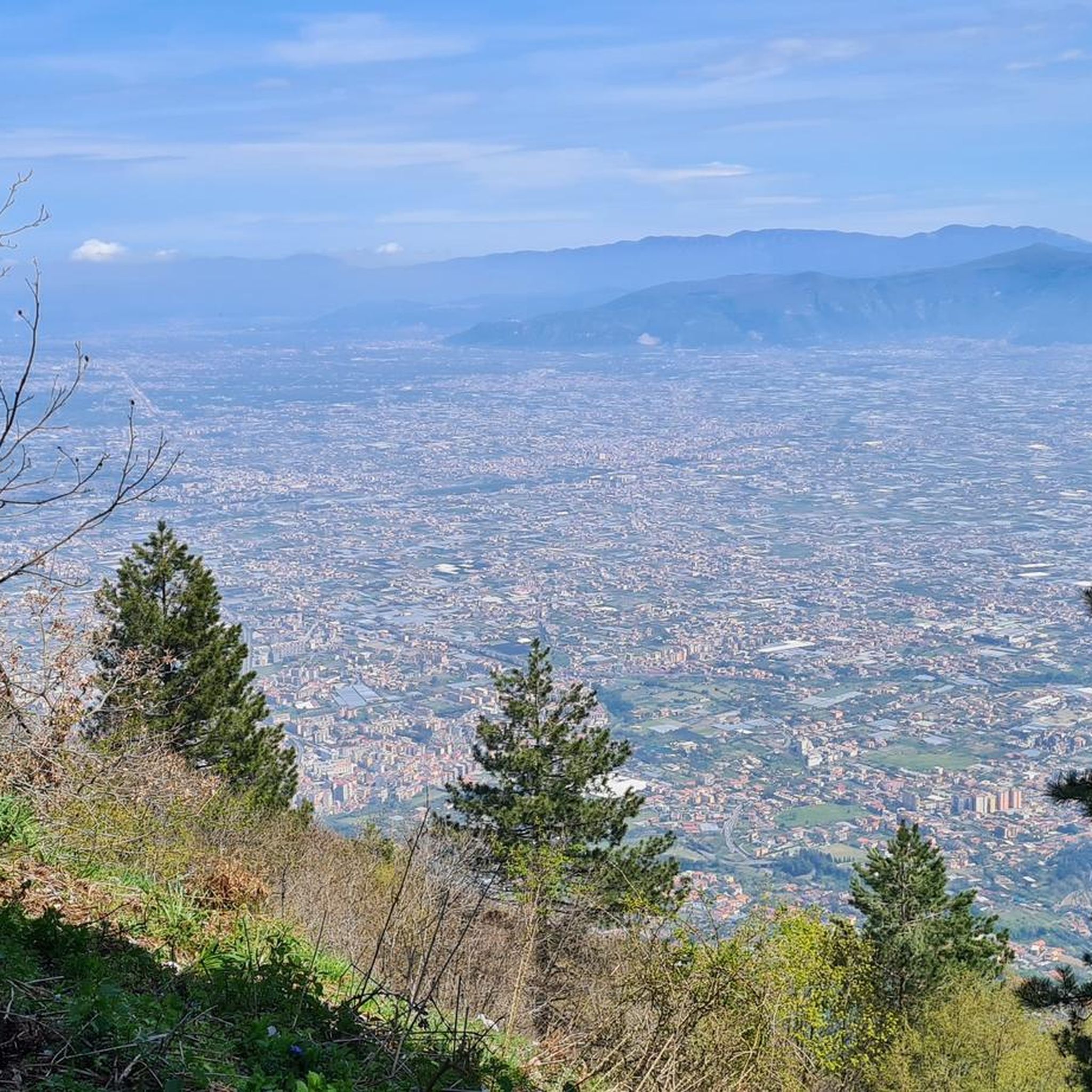
For breathtaking vistas, head to Monte Faito, a limestone mountain offering panoramic views of the Gulf of Naples and the Sorrento Peninsula. You can reach its summit via a cable car from the town center. Another stunning spot is the View of the Amalfi Coast and Positano, which provides fantastic perspectives of the Gulf of Positano and distant views of Capri.
Are there opportunities for hiking near Castellammare di Stabia?
Yes, the area is excellent for hiking. Monte Faito offers numerous trails for nature walks. Additionally, Castellammare di Stabia is a gateway to the famous Path of the Gods. You can find various hiking routes, including an easy 7 km loop around Stabia Port and the Ancient Baths, or more challenging 17 km routes to Monte Faito, by exploring the Hiking around Castellammare Di Stabia guide.
Can I experience the famous Path of the Gods from Castellammare di Stabia?
Absolutely. Castellammare di Stabia is conveniently located for accessing the Path of the Gods. The Start of the Path of the Gods is a renowned trail head that provides access to this scenic hike with incredible views of the Amalfi Coast. The town of Bomerano is also a popular eastern starting point for this trail.
What cultural and religious sites are notable in the town?
The Co-Cathedral of Mary Most Holy Assumption and St. Catellus, located in Piazza Quartuccio, is a significant religious landmark housing a statue of the city's patron saint and valuable paintings. Other notable sites include the Church of Jesus and Mary with artworks by Luca Giordano, the Shrine of Our Lady of Libera on Mount San Cataldo, and the Basilica Sanctuary of Santa Maria di Pozzano, which features a sacristy designed by Luigi Vanvitelli.
Are there family-friendly attractions in Castellammare di Stabia?
Many of the historical and natural sites can be enjoyed by families. The ancient Roman ruins of Stabiae offer an engaging educational experience. The cable car ride up Monte Faito provides an exciting journey with rewarding views. The Amalfi Cathedral is also listed as family-friendly, offering a blend of history and culture.
What unique natural features is Castellammare di Stabia known for?
Castellammare di Stabia is historically renowned for its thermal mineral waters. Since Roman times, the town has been celebrated for the healing properties of its 28 different types of thermal waters, including sulphurous and calcic varieties. The Nuove Terme Stabiane is a modern thermal spa where you can experience these waters.
What is the best time to visit Castellammare di Stabia for outdoor activities?
The cable car to Monte Faito operates from April to October, suggesting these months are ideal for enjoying the mountain's nature walks and views. Generally, spring and early autumn offer pleasant temperatures for hiking and exploring the coastal areas without the intense summer heat.
What other outdoor activities can I do near these attractions?
Beyond hiking, you can explore the region by cycling or running. There are various cycling routes, from an easy 9 km loop from Castellammare di Stabia to more difficult 81 km routes with views of Amalfi. Running enthusiasts can find moderate 9 km loops with views of Vesuvius or more challenging 24 km routes. You can find detailed routes in the Cycling around Castellammare Di Stabia and Running Trails around Castellammare Di Stabia guides.
Are there any hidden gems worth discovering in Castellammare di Stabia?
While many sites are well-known, the Grotta di San Biagio offers a unique experience. This former quarry was converted into a Christian church and features fascinating 6th-century frescoes, providing a glimpse into early Christian art and history in the region.
Can I take day trips to other famous sites from Castellammare di Stabia?
Yes, Castellammare di Stabia serves as an excellent base for exploring nearby world-renowned attractions. You can easily plan day trips to the archaeological sites of Pompeii and Herculaneum, as well as the stunning towns along the Amalfi Coast.
Most popular routes around Castellammare Di Stabia
Most popular attractions around Castellammare Di Stabia

Get inspired with the komoot mobile app


Explore more
Still not found the Highlight you’re looking for? See guides of the top attractions in other regions:
