Attractions and Places To See around Sepino - Top 20
Best attractions and places to see around Sepino include a rich tapestry of historical, cultural, and natural sites. Situated at the foot of the Matese Massif, Sepino offers views over the Tammaro Valley and is recognized for its ancient Roman history and medieval architecture. The area features well-preserved Roman towns, historic centers, and natural landscapes like beech woodlands and thermal springs. It provides opportunities to explore ancient sites and natural beauty.
Best attractions and places to see around Sepino
- The…
Last updated: July 29, 2026
Mount Mutria
Highlight • Summit
Translated by Google •
Tip by

Lavello Gorges
Highlight • Gorge
Translated by Google •
Tip by

Sign up now to discover places like this
Get recommendations on the best single tracks, peaks, & plenty of other exciting outdoor places.
Sign up for free
Chapel of Saint Anthony on Mount Mutria
Highlight • Religious Site
Translated by Google •
Tip by

Fairy Cave
Highlight • Cave
Translated by Google •
Tip by

La Casella Pass
Highlight • Mountain Pass
Tip by

Sign up for free to discover even more attractions around Sepino.
Sign up for free
Already have an account?
Start today with a free account
Your next adventure awaits.
Login or Signup

Tips from the Community

Monte Mutria is the highest peak of the Guardiaregia-Campochiaro Regional Reserve, with its 1823 meters of altitude. Near the top is the chapel of Sant'Antonio, built in the 1990s and a destination for summer pilgrimages. The panorama extends over the great mountains of the Apennines, and on the clearest days you can even see the sea.
2
0

Three gorges along the Titerno stream dug by water over millions of years generating exceptional giant potholes up to 12 meters wide
3
0

You can enter the cave without any problems.
0
0

On summer weekends it is better to arrive early before the place is crowded with visitors, losing some of its charm
0
0

Very suggestive and peculiar ravine, accessible to all
0
0

Border between the regions of Molise and Campania. Hard climbing, road could be closed or tricky during wintertime
0
0

With 1823m s.l.m. you can see the great Sasso, the Maiella, the lake of Matese, the mountain of Matese, and up to the sea if the weather is clear.
1
0
Frequently Asked Questions
What ancient Roman sites can I explore in Sepino?
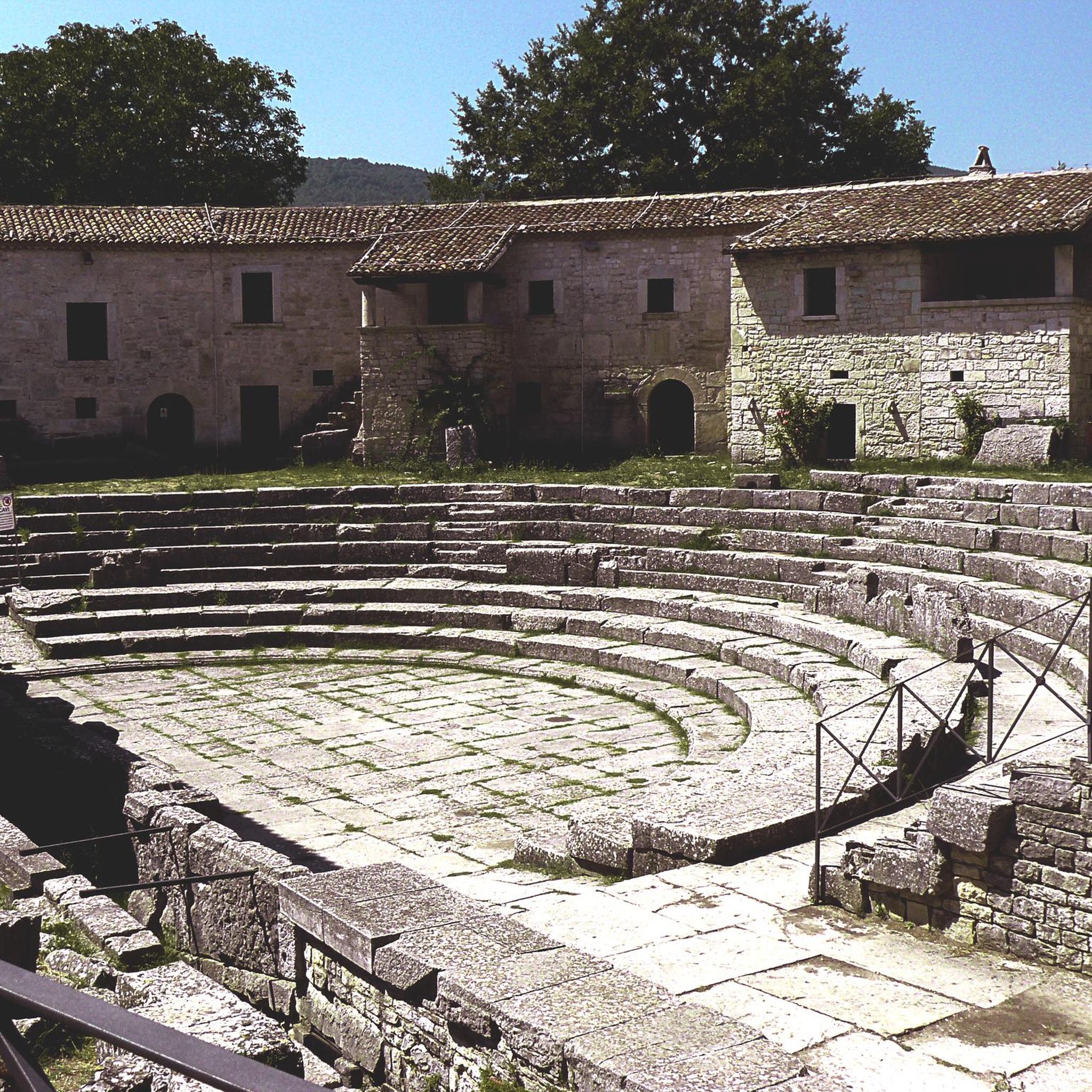
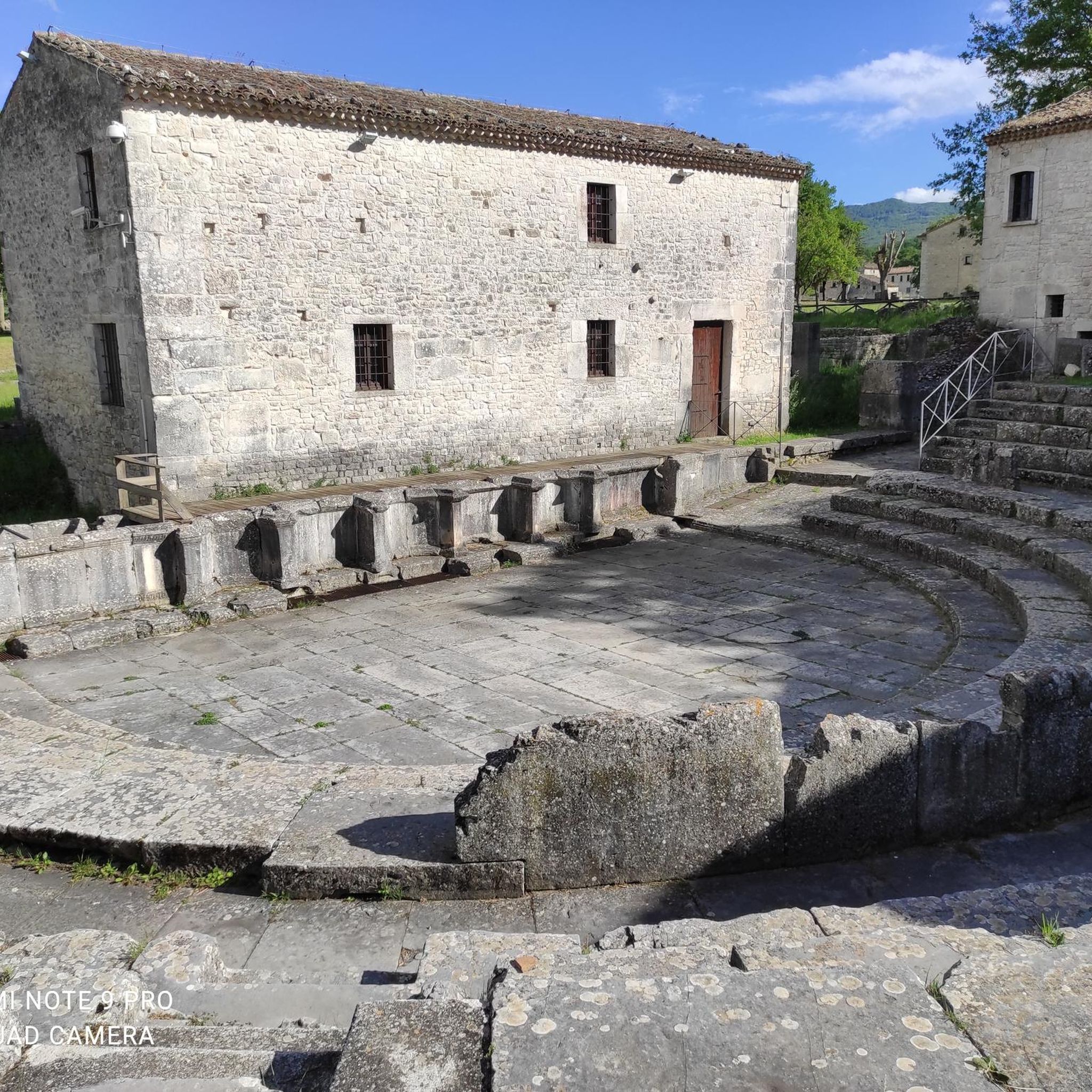
Sepino is renowned for the Archaeological Site of Saepinum (Altilia), often called a 'mini Pompeii'. Here you can walk through remarkably preserved structures including city walls, gates like Porta Bojano, a 1st-century A.D. theater, the central Forum, a basilica, and a macellum (indoor market). You'll also see the iconic Fountain of the Griffin and paved streets with ancient cart tracks.
Beyond ancient ruins, what historical sites does Sepino's modern village offer?
The modern village of Sepino boasts a charming medieval historic center, characterized by stone gates, defensive walls, and narrow alleys. Key sites include Piazza Nerazio Prisco, the central square surrounded by historic buildings, and the 16th-century Renaissance Palazzo Attilio.
Are there any museums in Sepino dedicated to its history?
Yes, the Archaeological Museum of Sepino (Museo della Città e del Territorio) is located within the Roman Theatre structures at Altilia. It offers a journey through time with artifacts illustrating daily life in ancient Rome, including sculptures, mosaics, and everyday objects.
What natural attractions are there to see around Sepino?
The area around Sepino is rich in natural beauty. You can explore the stunning Lavello Gorges with its giant potholes, reach the summit of Mount Mutria for panoramic views, or visit the suggestive Fairy Cave. Other natural features include the Matese Massif, the Tammaro Valley, beech woodlands, and the Tre Fontane Springs, known for their thermal waters.
Are there opportunities for hiking or trekking near Sepino?
Absolutely! Sepino is an excellent base for hiking. You can find routes like 'On the trails of the Samnites and Romans in the Archaeological Park of Saepinum' or 'Monte Mutria – loop tour in the Riserva Regionale Guardiaregia-Campochiaro'. For more options, explore the hiking guide around Sepino.
What cultural landmarks, such as churches or unique fountains, can I find in Sepino?
Sepino features several cultural landmarks. The Church of San Cristina, originally from the 13th century, is the spiritual heart of the village, showcasing Baroque altars and sacred paintings. Another key building is the Church of San Lorenzo with its Romanesque bell tower. The town also has numerous fountains, including one in the main square and the ancient Fountain of the Mascherone.
Are there any family-friendly activities or attractions in Sepino?
Yes, the Fairy Cave is a very suggestive and peculiar ravine that is accessible to visitors without difficulty, making it a great option for families. Exploring the ancient Roman city of Saepinum can also be an engaging educational experience for all ages.
What is the best time of year to visit Sepino for outdoor activities?
The surrounding countryside, including the Matese Massif and beech woodlands, offers beautiful landscapes. While specific weather data isn't provided, generally, spring and autumn offer pleasant temperatures for hiking and exploring. Summer can be warm but is ideal for enjoying natural springs and waterfalls like the Chestnut Waterfall.
Can I find cycling routes around Sepino?
Yes, there are several cycling routes available. You can discover the Valle del Tammaro on the 'Vallelago Bike' route or explore other challenging loops like 'Madonnella of Colle Serano loop from Baranello'. For a comprehensive list, check the cycling guide around Sepino.
What do visitors enjoy most about the attractions around Sepino?
Visitors particularly appreciate the unique geological formations of the Lavello Gorges, especially the giant potholes. The panoramic views from Mount Mutria, extending over the Apennines and even to the sea on clear days, are also highly praised. The accessibility of the Fairy Cave makes it a popular and 'very suggestive' spot.
Are there any challenging climbs or mountain passes for experienced adventurers near Sepino?
Yes, the La Casella Pass offers a challenging climb and serves as a border between the Molise and Campania regions. It provides stunning viewpoints, though the road can be tricky or closed during winter.
Where can I find thermal springs or natural waters in the area?
The Tre Fontane Springs are known for their bicarbonate-sulphate-calcic oligomineral waters, reputed for health benefits, particularly for kidney problems. Water from these springs is even bottled as 'Sepinia'.
Most popular attractions around Sepino

Get inspired with the komoot mobile app


Explore more
Still not found the Highlight you’re looking for? See guides of the top attractions in other regions:
