Attractions and Places To See around San Marco La Catola - Top 15
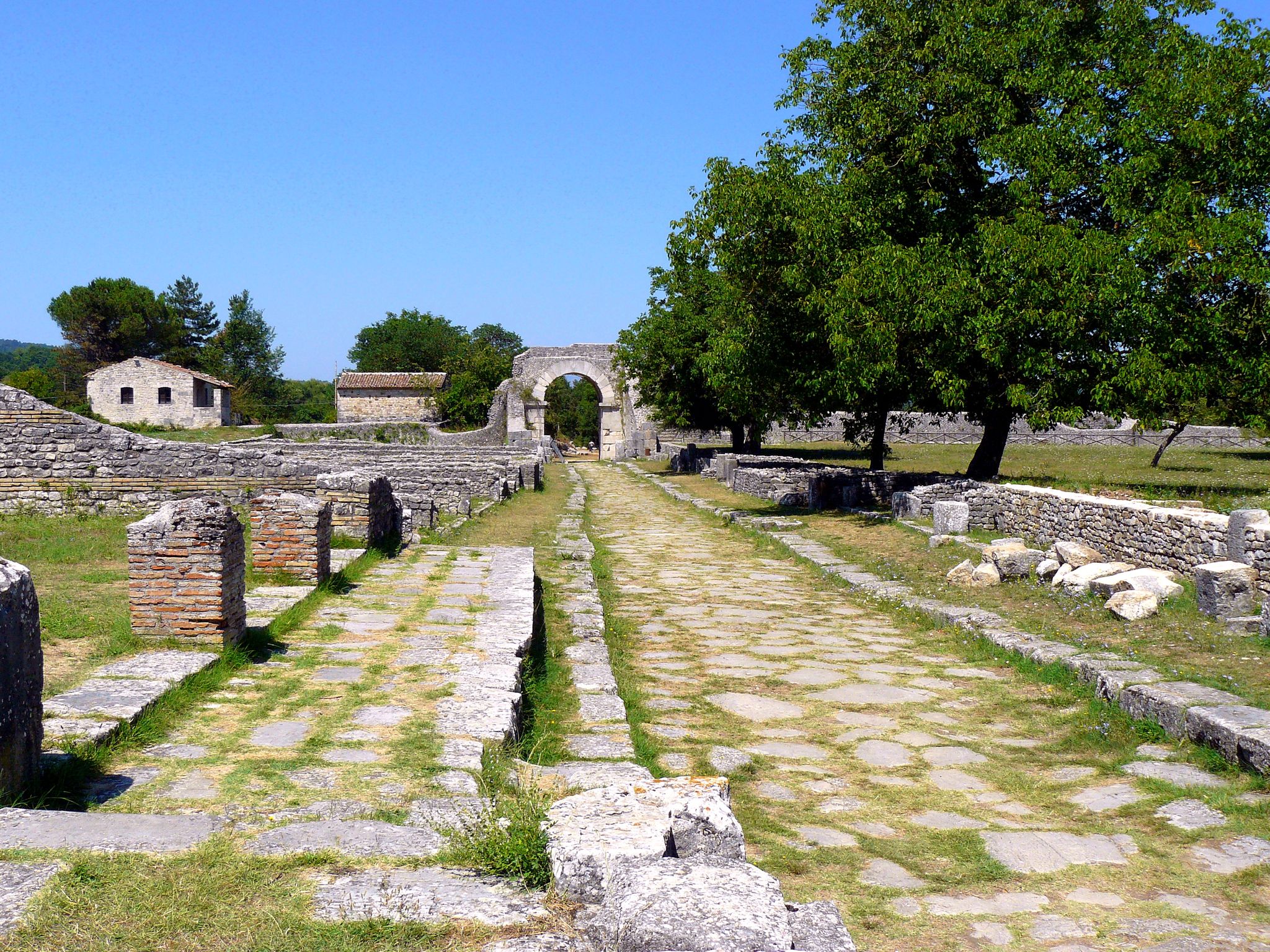
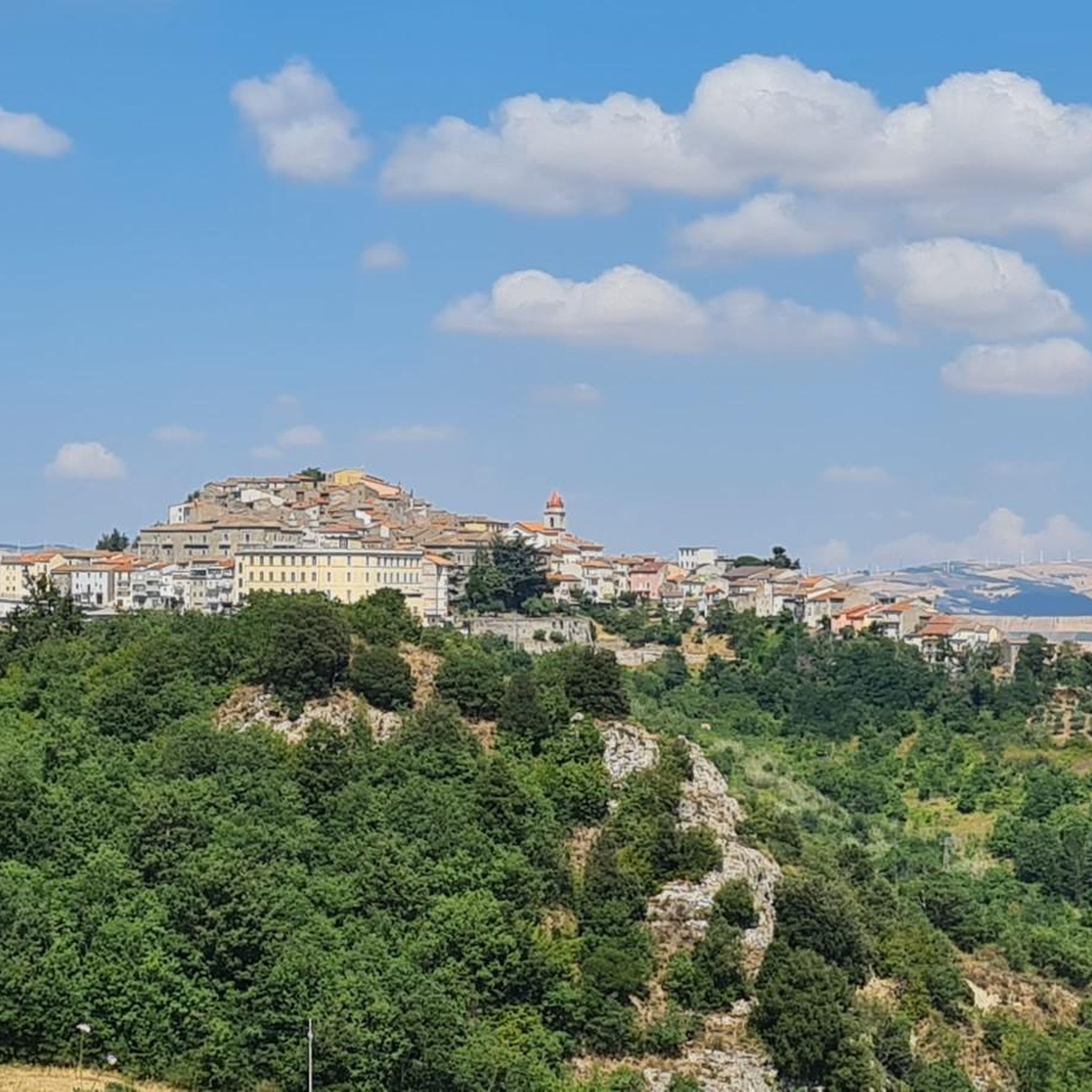
Best attractions and places to see around San Marco La Catola include historical landmarks, cultural sites, and natural features. This charming village, located in the province of Foggia, Italy, sits at over 600 meters altitude, making it one of Puglia's highest villages. The area is characterized by a rich landscape of woods, meadows, streams, and paths, offering diverse exploration opportunities. Its well-preserved historic center, with narrow, stepped streets, reflects a traditional urban layout.
Best attractions and places to see around…
Last updated: July 15, 2026
Lago di Occhito
Highlight • Lake
Translated by Google •
Tip by

Castelnuovo della Daunia
Highlight • Settlement
Translated by Google •
Tip by

Sign up now to discover places like this
Get recommendations on the best single tracks, peaks, & plenty of other exciting outdoor places.
Sign up for free
San Bartolomeo in Galdo
Highlight • Settlement
Translated by Google •
Tip by

Gravel Road Along Lake Occhito
Highlight (Segment) • Trail
Translated by Google •
Tip by

Lucera–Castel di Sangro Drovers' Track
Highlight • Trail
Translated by Google •
Tip by

Sign up for free to discover even more attractions around San Marco La Catola.
Sign up for free
Already have an account?
Start today with a free account
Your next adventure awaits.
Login or Signup



Other adventures around San Marco La Catola

Tips from the Community

The Lucera-Castel di Sangro Tratturo is one of the great transhumance sheep tracks, an ancient grassy trail over one hundred kilometers long that connected the Tavoliere di Puglia to the high-altitude pastures of Abruzzo. In this stretch, the sheep track marks the border between Campania and Puglia and still retains its original breadth, with open fields, low walls, and intact rural landscapes. It is one of the most important historical shepherds' routes, a cultural corridor that recounts centuries of seasonal migrations and agro-pastoral life.
0
0

San Bartolomeo in Galdo is an Italian town in the province of Benevento, located in Campania, near the border with Puglia and Molise. It has ancient origins, dating back to the Roman and medieval periods, and has numerous historic buildings and churches, including the Church of San Bartolomeo Apostolo. The town is located in the hilly area of Val Fortore, surrounded by an agricultural landscape. Among the local traditions, there are religious celebrations and cultural events that involve the community.
0
0
Let me start by saying that I did a complete tour of the lake. The Apulian side is more beautiful than the Molise side. I suggest turning around at the barrier as at a certain point there is no viable route. We took absurd gambles in the middle of bushes full of thorns. Furthermore, according to the operators of the barrier, you have to call the consortium and get a permit to be able to cross.
0
0

Lago di Occhito is a fascinating artificial lake located in the Molise region of Italy. Surrounded by stunning landscapes and a variety of flora and fauna, it offers an ideal location for outdoor activities such as bird watching and fishing. https://www.puglia.com/celenza-valforte-e-lago-di-occhito/
1
0

Castelnuovo della Daunia is a municipality located on the slopes of the Subappennino Dauno, at an altitude of 600 m. It has ancient origins, linked to the presence of Slavic and Greek populations and retains a characteristic historic center, with the mother church dedicated to San Michele Arcangelo.
1
0

Dirt road that runs along the Apulian side of the Occhito lake, the lake is in fact the border between Puglia and Molise. To be covered with gravel or mtb bikes.
2
0


Frequently Asked Questions
What natural attractions can I explore near San Marco La Catola?
The area around San Marco La Catola offers several natural highlights. You can visit the Lago di Occhito, a fascinating artificial lake formed by the Occhito Dam, known for its stunning landscapes and opportunities for bird watching and fishing. The village is also surrounded by the verdant
Bosco di San Cristoforo, offering natural landscapes for exploration.
What historical and cultural sites are prominent in San Marco La Catola?
San Marco La Catola is rich in history. Key sites include the 15th-century Santuario della Madonna di Josafat, where Padre Pio once lived, and the Chiesa Madre di San Nicola di Mira, built between 1605 and 1611. Don't miss the 14th-century Palazzo Ducale, currently undergoing restoration, and the Convento dei Frati Minori Cappuccini with its Eastern-style painting of the Madonna of Giosafat. The historic center's narrow, stepped streets, known as the 'C'nant', also offer a glimpse into traditional village life.
Are there any family-friendly attractions in the San Marco La Catola area?
While San Marco La Catola itself offers historical exploration, nearby Castelnuovo della Daunia is noted as a family-friendly settlement. Its characteristic historic center and ancient origins provide an engaging experience for all ages. The natural surroundings, such as the Lago di Occhito, also offer opportunities for outdoor activities like bird watching that families can enjoy together.
What outdoor activities can I do near these attractions?
The region around San Marco La Catola is ideal for outdoor enthusiasts. You can find various cycling routes, including gravel and road cycling. For example, there are routes like 'Gravel sul Lago di Occhito' or 'Among the Woods of the Dauni Mountains'. Mountain biking trails are also available, such as 'Lago di Occhito, Celenza Valfortore e Carlantino'. You can explore more options on the dedicated komoot guides for Cycling, Road Cycling, and MTB Trails around San Marco La Catola.
What is the best time of year to visit San Marco La Catola?
Given its altitude of over 600 meters and surrounding natural beauty, San Marco La Catola is particularly pleasant during the spring and autumn months when the weather is mild and the landscape is vibrant. Summer offers warm temperatures suitable for lake activities, while winter can bring a different charm to the high-altitude village and its woods.
Are there any ancient roads or historical pathways to explore?
Yes, the Regio Tratturo Castel di Sangro - Lucera is an ancient drove road that passes through the area. This historical pathway reflects the region's pastoral traditions and offers a unique way to experience the landscape and history of San Marco La Catola.
What is unique about the architecture in San Marco La Catola?
The historic center of San Marco La Catola is characterized by its 'C'nant', which are narrow, stepped downhill streets. These alleys, along with the typical modest two-story houses, showcase the village's traditional urban layout and well-preserved historical charm.
Can I find any religious sites of significance in the area?
Absolutely. Besides the Santuario della Madonna di Josafat and the Chiesa Madre di San Nicola di Mira within the village, the nearby settlement of San Bartolomeo in Galdo is known for its numerous historic buildings and churches, including the Church of San Bartolomeo Apostolo, offering further religious and historical exploration.
What do visitors particularly enjoy about the Lago di Occhito?
Visitors to Lago di Occhito appreciate its stunning natural beauty and the opportunities it provides for outdoor activities. Many find the Apulian side of the lake particularly scenic for its panorama. It's an ideal spot for bird watching and fishing, offering a peaceful escape into nature.
Are there any specific tips for exploring the Lago di Occhito area?
When exploring Lago di Occhito, it's recommended to focus on the Apulian side for better views and road quality. Be aware that some routes around the lake may not be fully practicable, and it's advisable to turn around at barriers. For certain crossings, a permit from the consortium might be required, so it's good to inquire locally.
What kind of landscape surrounds San Marco La Catola?
San Marco La Catola is situated at over 600 meters altitude, making it one of Puglia's highest villages. It is surrounded by a rich and verdant landscape featuring extensive woods, open meadows, and various streams and paths. This diverse environment provides a beautiful backdrop for exploration and outdoor activities.
Is there a specific event or tradition associated with the Palazzo Ducale?
Yes, under the walls of the Palazzo Ducale, the traditional 'Giostra della Jaletta' takes place every August 21st. This event adds a vibrant cultural dimension to the historical landmark, offering visitors a chance to experience local traditions.

Get inspired with the komoot mobile app


Explore more
Still not found the Highlight you’re looking for? See guides of the top attractions in other regions:
