The best MTB trails around Schönwölkau
4.6
(199)
773
riders
105
rides
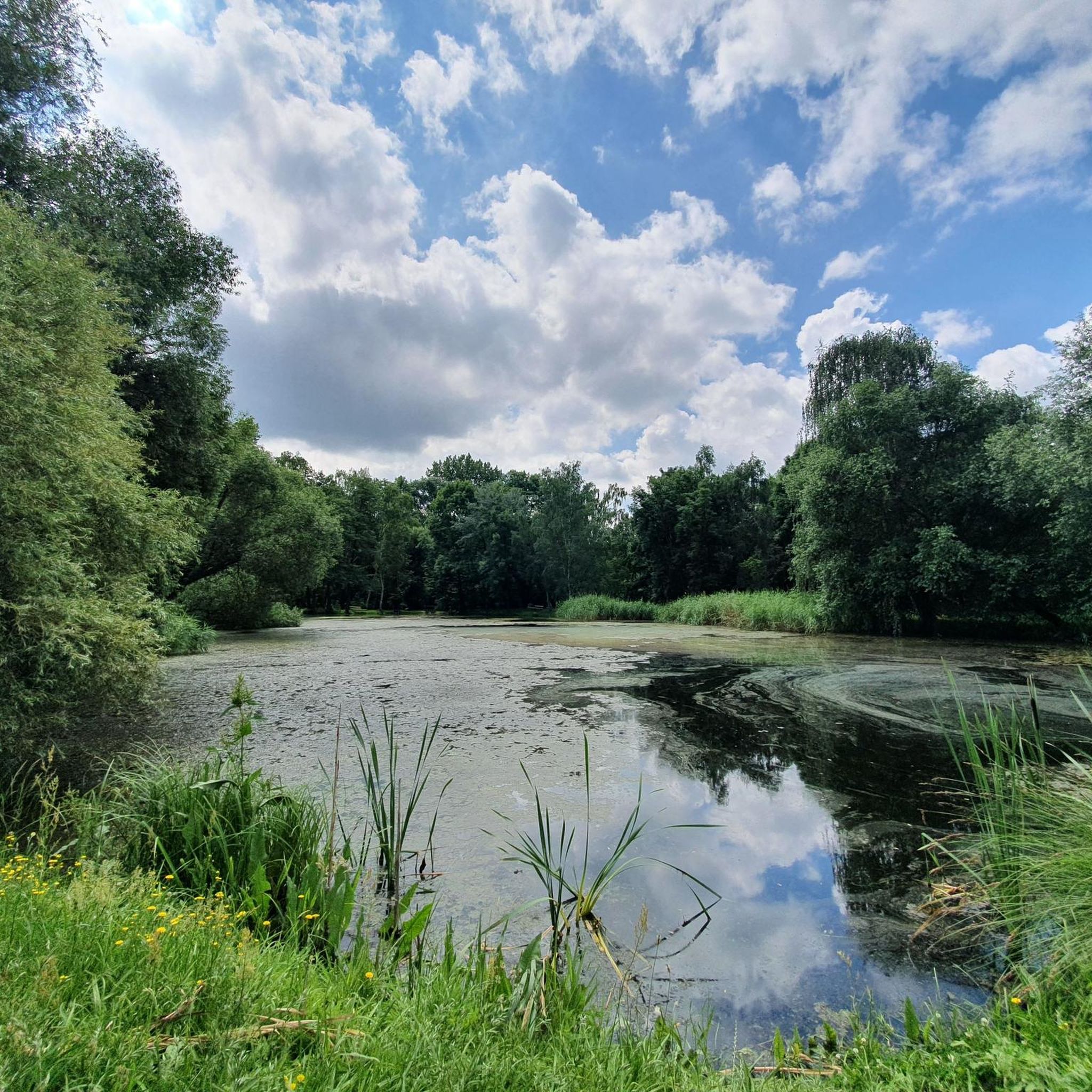
Mountain biking around Schönwölkau traverses a landscape characterized by tranquil lakes, extensive forests, and recultivated former mining areas. The region in northern Saxony offers varied terrain suitable for off-road cycling, ranging from well-developed cycle paths around water bodies to unpaved sections within natural reserves. This area provides a mix of flat routes and gentle inclines, making it accessible for different skill levels. The landscape is shaped by the Leipziger Neuseenland, featuring lakes like Schladitzer See and Werbeliner See.
Best mountain…
Last updated: July 24, 2026
4.7
(51)
171
riders
Moderate mountain bike ride. Good fitness required. Advanced riding skills necessary.
5.0
(10)
48
riders
42.0km
02:37
130m
130m
Moderate mountain bike ride. Good fitness required. Advanced riding skills necessary.

Sign up for free
4.8
(6)
35
riders
16.8km
00:53
30m
30m
Moderate mountain bike ride. Great for any fitness level. Advanced riding skills necessary.
4.7
(9)
31
riders
Easy mountain bike ride. Great for any fitness level. Suitable for all skill levels.
4.2
(10)
34
riders
25.3km
01:19
50m
50m
Moderate mountain bike ride. Great for any fitness level. Advanced riding skills necessary.
Get access to more routes and recommendations from other explorers.
Sign up for free
Already have an account?
Our route recommendations are based on thousands of hikes, rides, and runs completed by other people on komoot.
Start today with a free account
Your next adventure awaits.
Login or Signup
Tips from the Community

Today, an developed network of cycle paths and hiking trails with viewing platforms and information boards on the formation of the landscape extends along the Neuhäuser See. The 120 km long Kohle-Dampf-Licht cycle path from Lutherstadt Wittenberg to Markkleeberg passes by the lake. Source https://de.wikipedia.org/wiki/Neuh%C3%A4user_See
1
0
In the mid-19th century, the first mining activities began in the southwest of Goitzsche, near the villages of Petersroda and Holzweißig.[3] Following the lignite seam, mining progressed from west to east. Favored by the opening of the current Magdeburg–Leipzig and Trebnitz–Leipzig railway lines, the sales market for lignite expanded to Halle and Leipzig, among other places. The increased demand for electrical energy and fossil fuels in the 19th and 20th centuries led in 1908 to the opening of the Leopold open-cast mine (from 1945 to 1962 Holzweißig–Ost) and in 1958 to the creation of the Holzweißig-West open-cast mine.[3] The Neuhäuser See originated from the former Holzweißig-West lignite open-cast mine. It is named after the Neuhaus estate, which was demolished in 1976 along with the village of Paupitzsch. The Holzweißig-West open-cast mine was operated from 1958 to 1980. Other sources report usage until 1991. The lake was flooded from 1993 to 2005.[1] Overflowing water is channeled via the Goitzsche into the Mulde. Since 1997, the area has been renatured and stable embankments have been created. Source https://de.wikipedia.org/wiki/Neuh%C3%A4user_See
1
0
The Neuhäuser See is located on the northwestern border of the Free State of Saxony with Saxony-Anhalt, at an altitude of about 78 m above sea level. NN. South of the lake is Benndorf, a district of the North Saxon district town of Delitzsch, and to the north is the unified municipality of Bitterfeld-Wolfen in Saxony-Anhalt. It is located in the Central German Lake District, south of the Großer Goitzschesee and the waters Ludwigsee and Paupitzscher See. Quelle https://de.wikipedia.org/wiki/Neuh%C3%A4user_See
1
0
The Neuhäuser See (also Neuhauser See) is an opencast mine residual lake of approximately 155 hectares, which was created by flooding the former Holzweißig-West opencast mine. The lake is located in the Central German Lake District, south of the Goitzsche nature reserve and north of the town of Delitzsch. Source https://de.wikipedia.org/wiki/Neuh%C3%A4user_See
1
0
The Lober-Leine Canal is the artificial outflow of the Lober and Leine rivers into the Mulde River. It begins north of Benndorf and flows into the Mulde between Pouch and Löbnitz (Delitzsch district). The canal was constructed between 1949 and 1951[2] because the original riverbeds had to give way to the Goitzsche open-cast mine. It was approximately 14 kilometers long and was rerouted in 1982[2] to clear the construction site for the Rösa open-cast mine. After the 2002 floods, which destroyed its mouth, it was temporarily used to flood the Seelhauser See, a former open-cast mine lake. In 2004, the canal and its confluence with the Mulde were restored through extensive excavation work. Source: https://de.wikipedia.org/wiki/Lober-Leine-Kanal
2
0
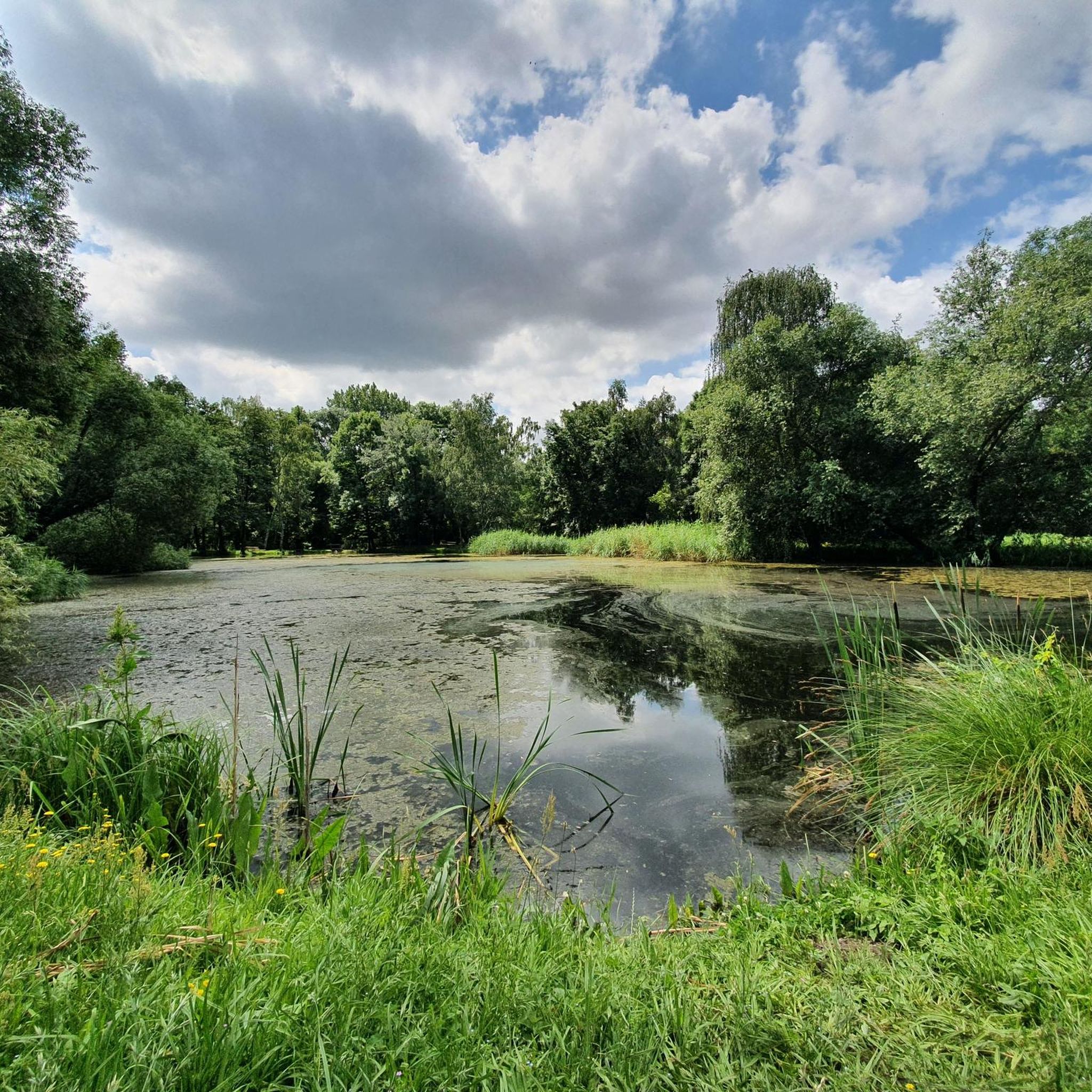
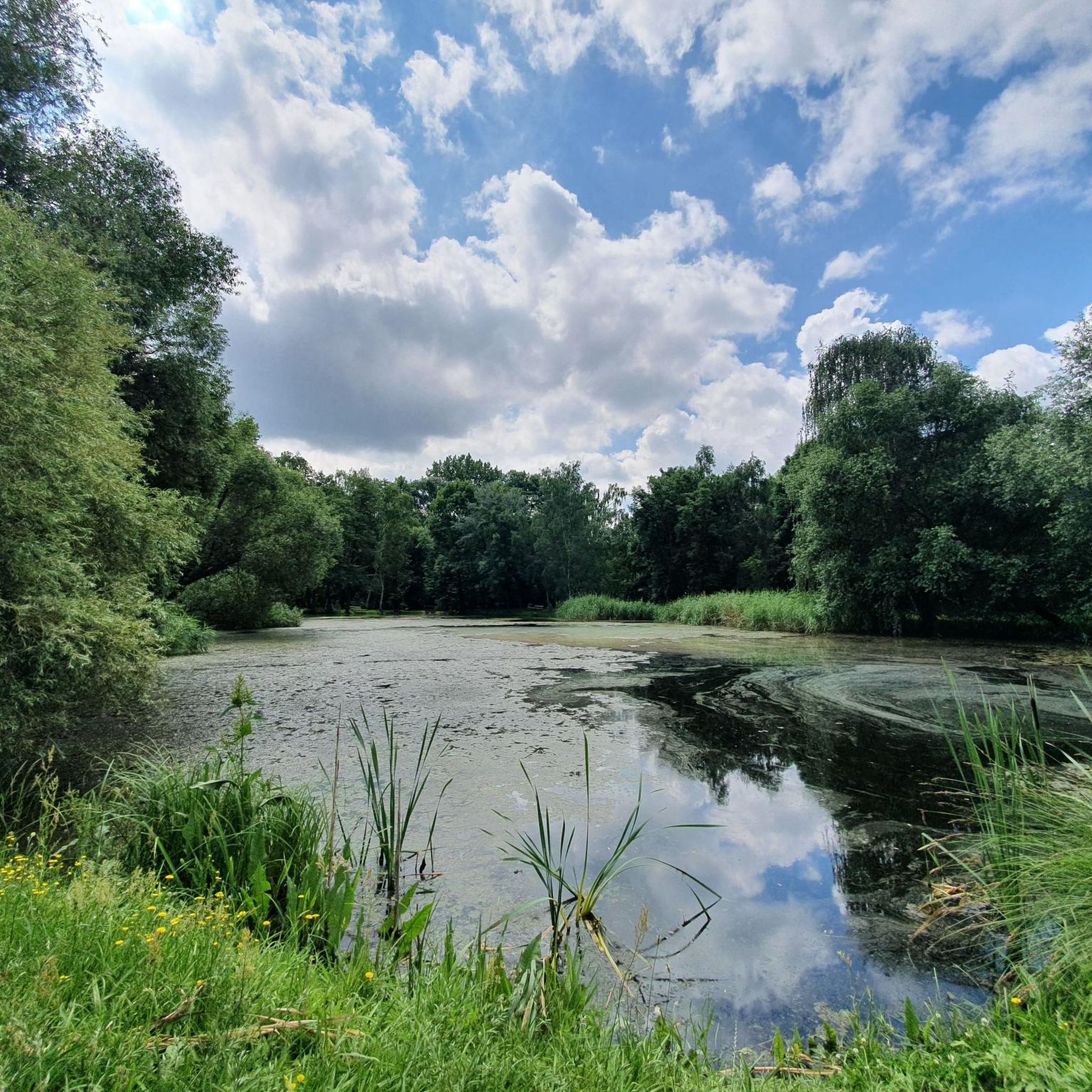
Beautiful rest area above the Lober-Leine Canal with a view of Lake Seelhausen
1
0
A very nice rest area on the circular trail with a great view of the lake.
2
0

For the biker lingering before this small, sacred monument, which commemorates a former church, I offer the observer a key quote from Clive Staples Lewis (1898-1963), whom Wikipedia recognizes as "one of the most influential Christian apologists of the modern era": "I believe in Christianity the way I believe the sun has risen, not just because I see it, but because through it I can see everything else."
1
0
Frequently Asked Questions
What are the difficulty levels of mountain bike trails in Schönwölkau?
Schönwölkau offers a range of mountain bike trails suitable for various skill levels. Out of over 110 routes, you'll find approximately 33 easy trails, 78 moderate trails, and a few more challenging options. This variety ensures that both beginners and experienced riders can find suitable routes.
Are there family-friendly mountain bike trails in Schönwölkau?
Yes, Schönwölkau has several family-friendly mountain bike trails, particularly around its tranquil lakes. These routes often feature well-developed cycle paths with gentle inclines, making them suitable for families. For example, the area around Werbeliner See cycle path offers accessible terrain.
Can I bring my dog on the mountain bike trails in Schönwölkau?
Many of the natural areas and trails in Schönwölkau are dog-friendly, especially those through forests and around lakes. However, it's always advisable to keep your dog on a leash, particularly in nature reserves like the Werbeliner See Nature Reserve, to protect wildlife and ensure a pleasant experience for everyone.
Are there circular mountain bike routes available in Schönwölkau?
Yes, Schönwölkau is known for its scenic circular routes, especially those that loop around the region's lakes. A popular moderate option is the View of Zwochauer See – View of Werbeliner Lake loop from Brodau, which takes you through picturesque lake districts.
What natural features or attractions can I see while mountain biking in Schönwölkau?
While mountain biking in Schönwölkau, you'll encounter diverse landscapes including tranquil lakes, dense forests, and recultivated former mining areas. Notable attractions include the View of Schladitzer Lake from Schäferhöhe, the Werbeliner See cycle path, and the Biedermeier Beach Hayna at Lake Schladitz, which offer scenic views and recreational spots.
What is the best time of year for mountain biking in Schönwölkau?
The spring and autumn months generally offer the most pleasant conditions for mountain biking in Schönwölkau, with milder temperatures and beautiful natural scenery. Summer can also be enjoyable, especially around the lakes where you can combine your ride with a refreshing swim. Always check local weather forecasts before heading out.
How many mountain bike trails are there in Schönwölkau?
There are over 110 mountain bike trails around Schönwölkau, offering a wide variety of routes to explore. These trails traverse a landscape characterized by tranquil lakes, extensive forests, and recultivated former mining areas, providing diverse terrain for off-road cycling.
What do other mountain bikers enjoy the most about mountain biking in Schönwölkau?
The area is highly rated by the komoot community, with an average score of 4.6 stars from over 200 reviews. Reviewers often praise the region's diverse landscape, combining serene lake circuits with forested paths, and the accessibility for different skill levels. Many appreciate the peaceful atmosphere and the opportunity to explore nature.
Are there any easy mountain bike routes for beginners?
Yes, Schönwölkau offers a good selection of easy mountain bike routes, with approximately 33 trails categorized as easy. These routes often follow well-maintained paths around the lakes, such as parts of the Rest Area at Seelhausener Lake – Sandy beach at the lake loop from Reibitz, providing a gentle introduction to mountain biking in the region.
Where can I find parking for mountain biking in Schönwölkau?
Parking is generally available near popular starting points for trails, especially around the larger lakes and recreational areas. Look for designated parking spots near towns like Delitzsch or Brodau, which serve as common access points for many routes. Specific parking information can often be found on individual route pages on komoot.
Are there any places to stop for refreshments along the trails?
Yes, especially around the more popular lakes like Schladitzer See, you'll find options for refreshments. The Biedermeier Beach Hayna at Lake Schladitz, for instance, offers recreational facilities. Additionally, towns and villages near the trails may have cafes or pubs where you can refuel.
What kind of terrain can I expect on the mountain bike trails?
The terrain in Schönwölkau is varied. You can expect a mix of well-developed cycle paths, particularly around the lakes, and unpaved sections through forests and former mining areas. While not extensively featuring technical singletracks, the region offers natural obstacles and gentle inclines suitable for mountain biking, especially in areas like the Kämmereiforst.
Most popular routes around Schönwölkau
Most popular attractions around Schönwölkau

Get inspired with the komoot mobile app


Explore more
Browse the best MTB trails in other regions.
