Attractions and Places To See around Bisaccia - Top 17
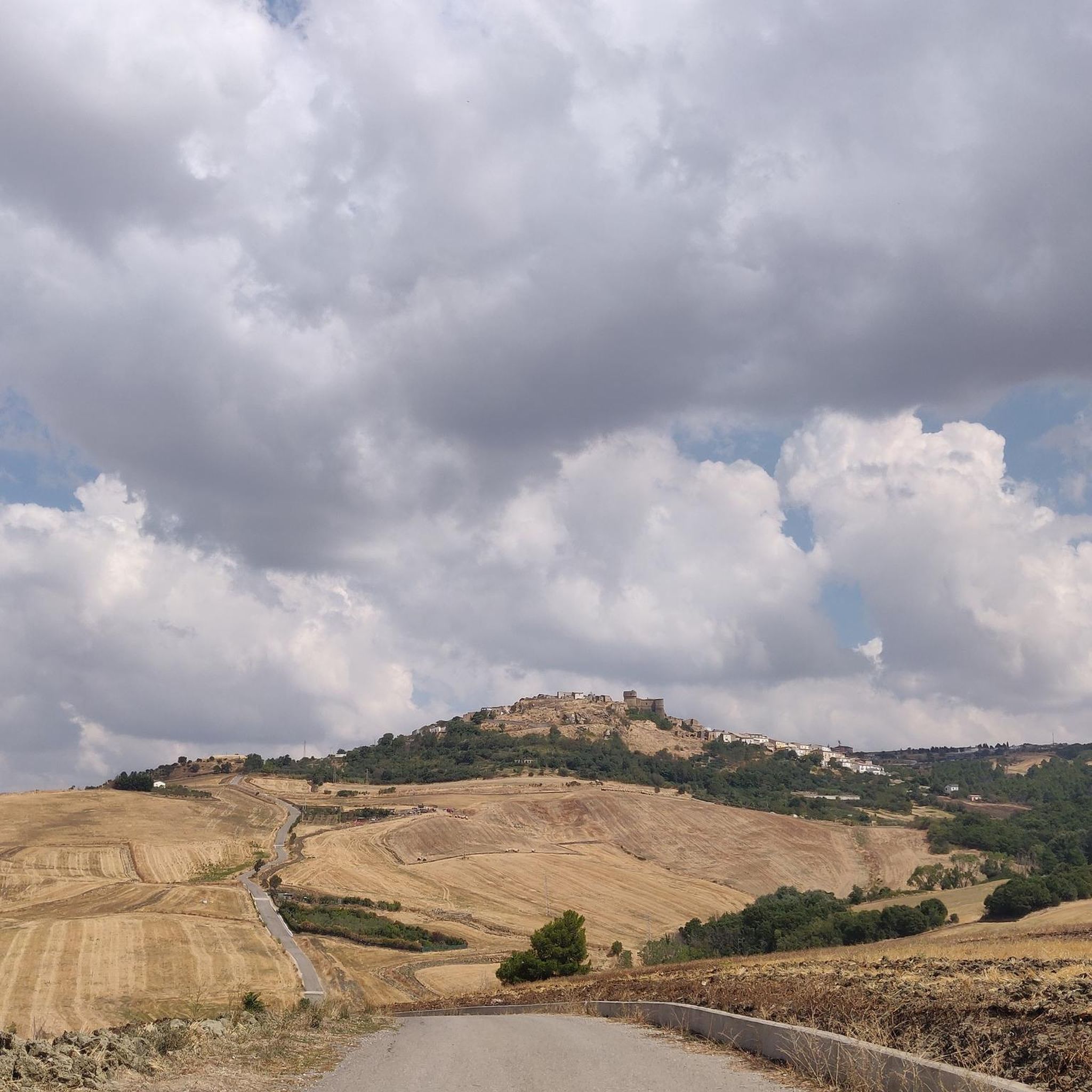
Best attractions and places to see around Bisaccia, a town in the Upper Irpinia area of Italy, offers a blend of historical landmarks, cultural sites, and natural beauty. Situated at 860 meters above sea level, the region is characterized by wide and silent landscapes with green spaces. It is known for its archaic charm and history, providing a diverse range of exploration opportunities.
Best attractions and places to see around Bisaccia
- The most popular attractions is Strada Statale del Formicoso…
Last updated: October 11, 2026
Church of Maria Santissima Incoronata
Highlight • Religious Site
Translated by Google •
Tip by

Carbonara Archaeological Park
Highlight • Historical Site
Translated by Google •
Tip by

Sign up now to discover places like this
Get recommendations on the best single tracks, peaks, & plenty of other exciting outdoor places.
Strada Statale del Formicoso
Highlight (Segment) • Cycleway
Translated by Google •
Tip by

Lake Conza
Highlight • Lake
Translated by Google •
Tip by
Morra De Sanctis
Highlight • Settlement
Translated by Google •
Tip by

Sign up for free to discover even more attractions around Bisaccia.
Already have an account?
Start today with a free account
Your next adventure awaits.
Popular around Bisaccia
Tips from the Community

Wide and silent landscapes, green spaces and blue sky and lake, little traffic and peace.
0
0

The first signs of this church date back to 1760, as shown by a notarial deed conserved in the state archives of Avellino (see Notarial deeds, file 2323). On 10 August of that year, "Mr. Doctor Potito Cianci" donated a part of his fund (four bushels) in the place called Piano di Campo for the construction of a chapel dedicated to "Maria Santissima Incoronata" On the majestic carved stone portal, the date 1767 confirms that the construction of the church was completed on that date. Inside we can admire a sober altar in local red stone located at the end of the presbytery and a second stone altar, donated by Archbishop Lupoli in the 1900s, located along the single wide nave of the church. In this century the church underwent a further restoration due to the interest of the priest Bellini, as evidenced by an inscription on the side door of the same (year 1916) Sources: [1] The recovery of the historic center of Sant'Andrea di Conza, Superintendency of the B.A.A.A.S. of Salerno and Avellino and municipal administration of S. Andrea di Conza, year 1989
1
0

Artificial basin dating back to the 1970s obtained from the damming of the Ofanto river. Today the lake is part of the Lago di Conza oasis protected by the WWF.
1
0
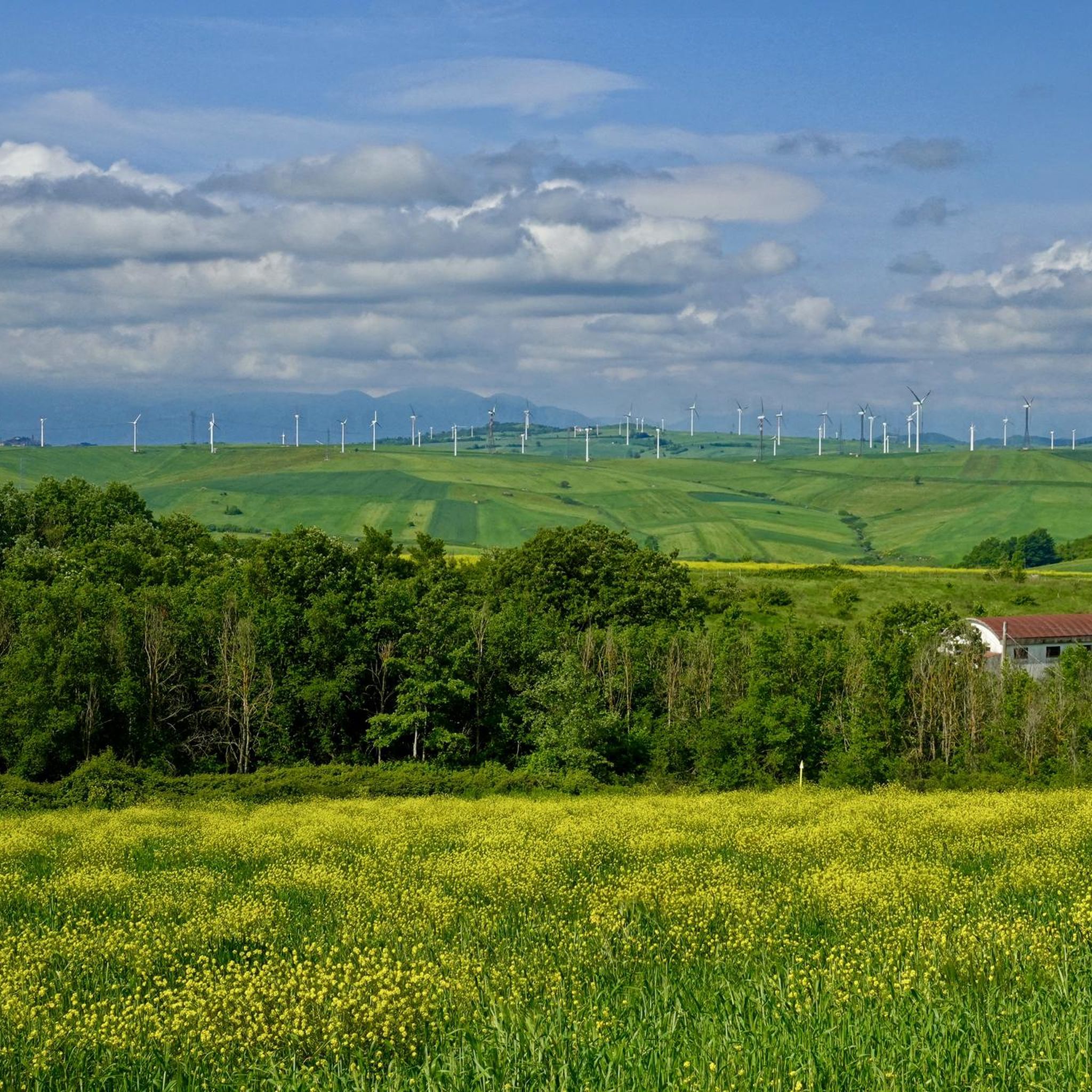
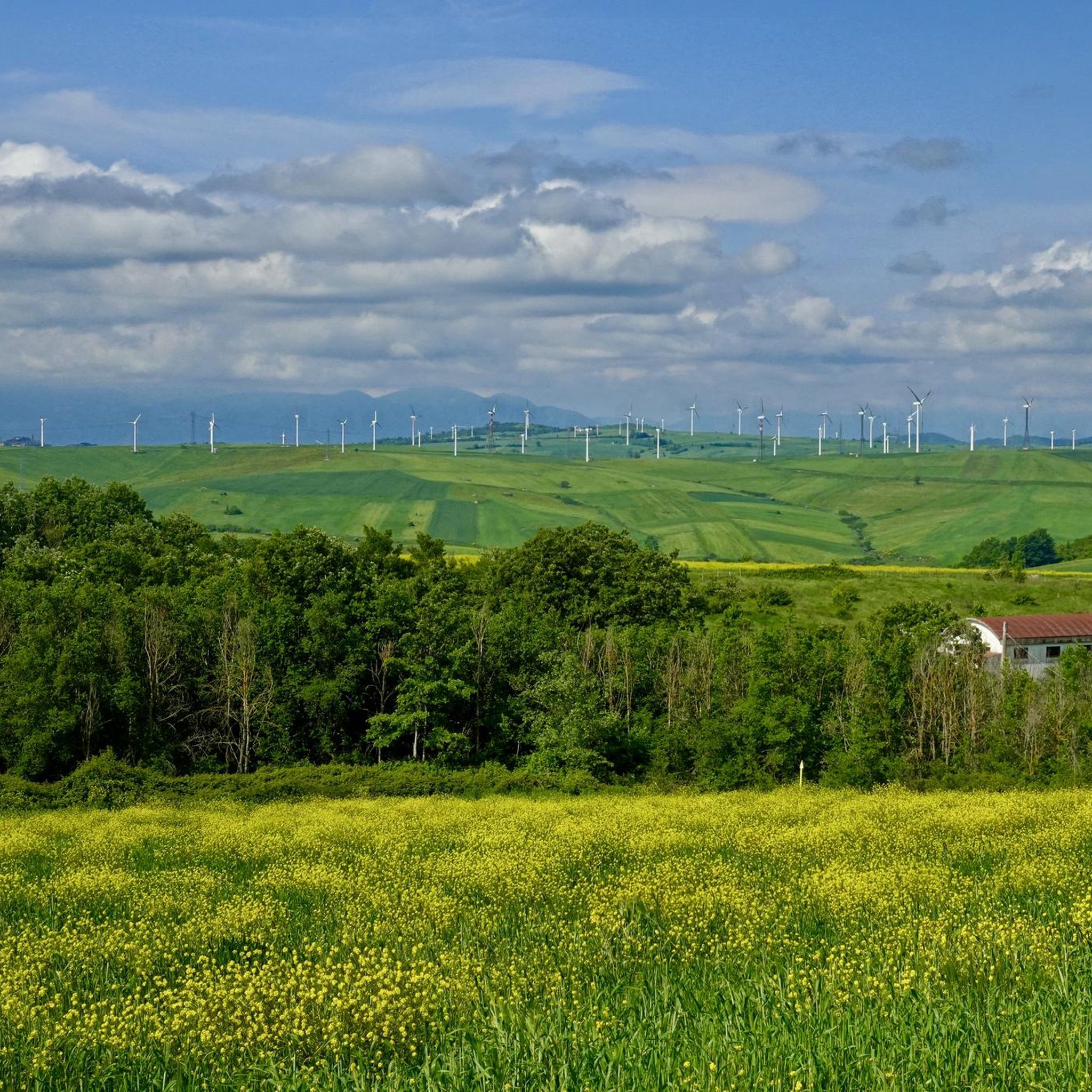
The road that connects Sant'Angelo dei Lombardi to Bisaccia is not very busy but the asphalt is not exactly the best. Numerous wind turbines along the way.
1
0

The town was once called Morra Irpina, but was renamed in 1934 in honor of Francesco de Sanctis, an Italian intellectual and author of the famous work "History of Italian literature" (1870). De Sanctis was born here in 1817.
0
0


The ruins of Carbonara. Inside the Borgo there is a large Archaeological Park, which still has the urban fabric intact, an eighteenth-century fountain with drinking troughs and wash houses, the Museum of the Itinerant Cities, the Palazzo of the Vitale family, to the visitors who pass through it every day , the ancient Carbonara, appears as a medieval Pompeii. In the Archaeological Park, in addition to the ruins of the mother church and the beautiful pavement of Piazza Municipio, where the two churches (S. Giovanni and the Immaculate Conception), the Town Hall, the Magistrate's Court, Monte Frumentario and the Carceri stood, you can also admire the remains of ancient buildings (De Feo, Cerulli, Giurazzi). The square, recomposed with the wings of the palaces and churches, is used as a container for concerts of traditional music and songs, for ritual and theatrical performances and for historical re-enactments. Beyond the abandoned urban perimeter there is the extramoenic church of the Maddalena. (DO)
0
0
Frequently Asked Questions
What historical sites can I explore in Bisaccia?
Bisaccia is rich in history. You can visit the Ducal Castle of Bisaccia, a prominent Norman bastion that also served as a noble residence and hunting lodge for Frederick II. Inside the castle, you'll find the Civic Archaeological Museum, which preserves artifacts from the Oliveto-Cairano civilization, including the tomb of the Princess of Bisaccia. Another significant site is the Carbonara Archaeological Park, showcasing monumental wealth with feudal palaces, ancient walls, and Roman tombs, including the remains of a Roman amphitheater.
Are there any notable churches or religious buildings to visit?
Yes, Bisaccia features several historic churches. The main place of worship is the Gothic-style Church of the Nativity of Mary (Co-Cathedral), completed in 1747, with distinctive Romanesque-Gothic bas-reliefs. You can also visit the Church of Maria Santissima Incoronata, dating back to 1760, known for its majestic carved stone portal. Other churches include S. Maria del Carmine, Saint Gaetano, S. Michele, and the Chiesa dei Morti.
What natural features and scenic viewpoints are there around Bisaccia?
The region offers wide and silent landscapes. You can explore the Formicoso Plateau, characterized by gentle, treeless steppe reliefs. For a tranquil experience, visit Lake Conza, an artificial basin that is now part of a WWF-protected oasis, offering green spaces and peaceful views. Don't miss the Strada Statale del Formicoso, a cycle way featuring numerous wind turbines along the route, providing unique scenery.
What kind of outdoor activities can I do near Bisaccia?
Bisaccia and its surroundings are ideal for outdoor enthusiasts. You can enjoy cycling along the Strada Statale del Formicoso. For more structured routes, there are various options for mountain biking, road cycling, and touring. Explore MTB Trails around Bisaccia, Road Cycling Routes around Bisaccia, or Cycling around Bisaccia for detailed route information.
Are there any family-friendly attractions in the area?
Yes, Lake Conza is considered family-friendly, offering a peaceful natural environment as a WWF-protected oasis. The wide green spaces around Bisaccia also provide opportunities for easy walks and enjoying nature with children.
What is the best time of year to visit Bisaccia?
While specific seasonal recommendations aren't provided, the region's blend of historical sites and natural beauty suggests that spring and autumn would be ideal. These seasons typically offer pleasant weather for exploring historical landmarks and enjoying outdoor activities like hiking and cycling without extreme heat or cold.
Where can I find information about local culture and notable figures?
You can visit Morra De Sanctis, a settlement renamed in honor of Francesco De Sanctis, a renowned Italian intellectual born there in 1817. The Civic Archaeological Museum within the Ducal Castle also offers insights into the ancient Oliveto-Cairano civilization and the indigenous female world of Eastern Irpinia.
Is there a significant ancient tree in the area?
Yes, you can find the Quercia di San Vito, a centuries-old oak tree located outside the Abbey of San Vito. It is considered one of the oldest in the Campania Region and is a notable natural landmark.
What is the general terrain and elevation like for outdoor activities?
Bisaccia is situated at 860 meters above sea level, offering wide landscapes. The Formicoso Plateau features gentle, treeless steppe reliefs. While specific difficulty levels vary by route, the area provides opportunities for both moderate and difficult cycling and hiking, as indicated by nearby routes like the 'Lake Conza and Morra de Sanctis – loop from Bisaccia' which is rated difficult.
What is the significance of the Ducal Castle of Bisaccia?
The Ducal Castle of Bisaccia is a historically significant landmark. Originally built by the Normans for defense, it later became a noble residence and was renovated by Frederick II, who reportedly used it as a hunting lodge. Today, it offers beautiful views from its loggia and houses the Civic Archaeological Museum.
Are there any unique historical residences to see?
Beyond the Ducal Castle, you can also see the Capaldo Palace, a historic residence located in the old part of Bisaccia. It is notable as the birthplace of Pietro Capaldo, a senator of the Kingdom of Italy.
What do visitors say about the attractions around Bisaccia?
Visitors appreciate the diverse range of exploration opportunities, from ancient ruins to protected natural areas. The area is noted for its wide and silent landscapes, green spaces, and the peaceful atmosphere, particularly around Lake Conza. The historical sites and natural beauty are well-regarded by the komoot community.
Most popular routes around Bisaccia

Get inspired with the komoot mobile app


Explore more
Still not found the Highlight you’re looking for? See guides of the top attractions in other regions:
