Attractions and Places To See around Sorbo Serpico - Top 20
Best attractions and places to see around Sorbo Serpico include a blend of historical landmarks, cultural sites, and natural beauty. Situated in the Sabato Valley within the Picentini Mountains area, the village is known for its springs and vineyards, producing wines like Fiano di Avellino DOCG. Visitors can explore ancient structures and natural features within a scenic mountainous region characterized by dense woods and chestnut groves. The area offers pathways within the Picentini Mountains Regional Park.
Best attractions and places…
Last updated: October 9, 2026
Sanctuary of the Most Holy Savior of Serino
Highlight • Religious Site
Translated by Google •
Tip by

Church of Saint Mary of the Snow
Highlight • Religious Site
Translated by Google •
Tip by
Sign up now to discover places like this
Get recommendations on the best single tracks, peaks, & plenty of other exciting outdoor places.
Church of Saint Anthony of Contrada
Highlight • Religious Site
Dating back to 1756, its structure, with essential architectural lines, dominates …
Translated by Google •
Tip by
Dragon Plain
Highlight • Natural Monument
Translated by Google •
Tip by

Church of the Most Holy Rosary (Chiesa del Santissimo Rosario), Avellino
Highlight • Religious Site
Translated by Google •
Tip by
Sign up for free to discover even more attractions around Sorbo Serpico.
Already have an account?
Start today with a free account
Your next adventure awaits.

Tips from the Community

Few people know that this church was located in Piazza Libertà at the beginning of the 1900s...
4
0

Church of the SS.mo Rosario built in 1942 in Gothic style, overlooks the main street of Avellino.
0
0

Really suggestive place that deserves to be visited.
4
0
Beautiful sanctuary carved into the rock! Stunning panoramic view
3
0

On the slopes of Mount Terminio, in the territory of Serino, there is the ancient sanctuary of the Santissimo Salvatore, entirely dug into the rock and adapted for liturgical and residential use for a small hermit community. The cave seems to have been excavated around the end of 1300 by a Benedictine religious community that resided at the time in the Abbey of Cerreto. Inside are the statues of the Holy Savior and of San Michele Arcangelo. The Grotta del SS. Salvatore was formerly called the cave of the Angel or of San Michele. It is located, together with other caves, on what is called the path of the Angel. It is flanked by a hermitage that served as a refuge for pilgrims and all visitors who took the arduous path that led to the cave, reachable in about 3 hours of walking.
23
0
The Church of the Rosary is located on the main street of Avellino, a completely pedestrian area, to the right of its entrance there is a water source
5
0
It was built in 1942, in honor of the Church of the Annuntita previously located in Piazza Libertà and dating back to the 16th century, designed by the architect Domenicantonio Mazzei, and dedicated to the Madonna del Rosario. The church is in neo-Gothic style, with three naves with a single central portal at the top of a low, slightly splayed staircase. On the lunette there is a mosaic with a gold background depicting the Virgin of the Rosary. Inside, various circular windows are placed along the side aisles and depict the various mysteries of the Rosary. On both sides of the entrance are two stained glass windows: one depicting a Pietà and the other depicting the baptism of Christ in the Jordan. The central rose window is a stained glass window with the Annunciation. In the deep apse there are four roundels with stained glass windows of the four evangelists. It overlooks Corso Vittorio Emanuele II, and is governed by the Dominican fathers, who reside in the adjacent convent. Inside, various valuable works and stained glass windows, restored.
18
0
The Church of Sant'Antonio di Contrada is located in Via Luigi Bruno, near the Church of San Giovanni Battista. Dating back to 1756, its structure, with essential architectural lines, dominates the square in front. A double order of decorative pilasters protrude from a facade with a simple and linear profile; boasts a stone portal, artistically decorated, which embellishes the overall image. On the lunette above it, there is a Latin inscription. The remaining external surface of the religious building has not been subject to renovations: during the recent restorations, it was, in fact, left in its raw state, not plastered. The church, privately owned, is open to the faithful only on the day of the celebrations of St. Anthony, on June 13 of each year; here the Eucharistic celebration takes place, at the end of which the rite of distribution of blessed bread to all the inhabitants is foreseen, as the ancient tradition that originates from one of the many miracles of the Paduan saint.
20
0
Frequently Asked Questions
What historical landmarks can I explore in Sorbo Serpico?
Sorbo Serpico is rich in history. You can visit the impressive Palazzo Brancaccio, a baronial building from the early 17th century, and its adjacent Chapel of the Annunciation. The Chiesa dei Santi Nomi di Gesù e Maria (Church of Saint Mary of the Snow) features a Baroque altar and frescoes. Don't miss the restored Old Bell Tower and the Titomanlio Palace with its internal courtyard. For ancient history, explore the Sanctuary of the Most Holy Savior of Serino, a religious building entirely dug into the rock, or the Archaeological Park of Castel Serpico, preserving ruins of an ancient castle dating back to the Lombard period.
Are there any natural attractions or scenic spots near Sorbo Serpico?
Absolutely! Sorbo Serpico is nestled in the scenic Picentini Mountains area. You can discover the Piano di Verteglia, a beautiful plateau used for grazing, offering views of the surrounding landscape. Another unique natural monument is the Dragon Plain, a karst sinkhole on Monte Costa with a local legend. The area is also known for its Saliceto and Titomanlio Springs, and the picturesque hills covered with vineyards producing Fiano di Avellino DOCG wine.
What kind of outdoor activities can I do around Sorbo Serpico?
The Picentini Mountains Regional Park offers numerous opportunities for outdoor enthusiasts. You can go hiking on trails like the challenging Monte Terminio Loop Trail or the moderate Grotta del SS Salvatore – Trail Junction 133 loop. For cycling, there are routes such as the Parco Santo Spirito – Ruins of Avellino Castle loop. Running enthusiasts can explore trails like the Palazzo Antica Dogana – Castello Longobardo loop. Find more details and routes on the dedicated guides for hiking, cycling, and running around Sorbo Serpico.
Are there family-friendly activities or attractions in the Sorbo Serpico area?
Yes, several attractions are suitable for families. The Piano di Verteglia is a great spot for families to enjoy nature, with open spaces and views. The Archaeological Park of Castel Serpico can be an engaging historical exploration for older children. Additionally, local food and wine events, such as the Coccetella Festival in July and the Chestnut and Wine Festival in autumn, offer cultural experiences that can be enjoyed by families.
What are the local culinary specialties or products from Sorbo Serpico?
Sorbo Serpico and its surrounding region are known for several delicious products. The area is famous for its prestigious Fiano di Avellino DOCG wine, with many vineyards offering tasting opportunities. You can also savor local specialties like the PGI chestnut and Caciocavallo Silano PDO cheese. Don't miss the traditional handmade pasta featured at the Coccetella Festival in July.
What is the 'Path of the Angel' and where can I find it?
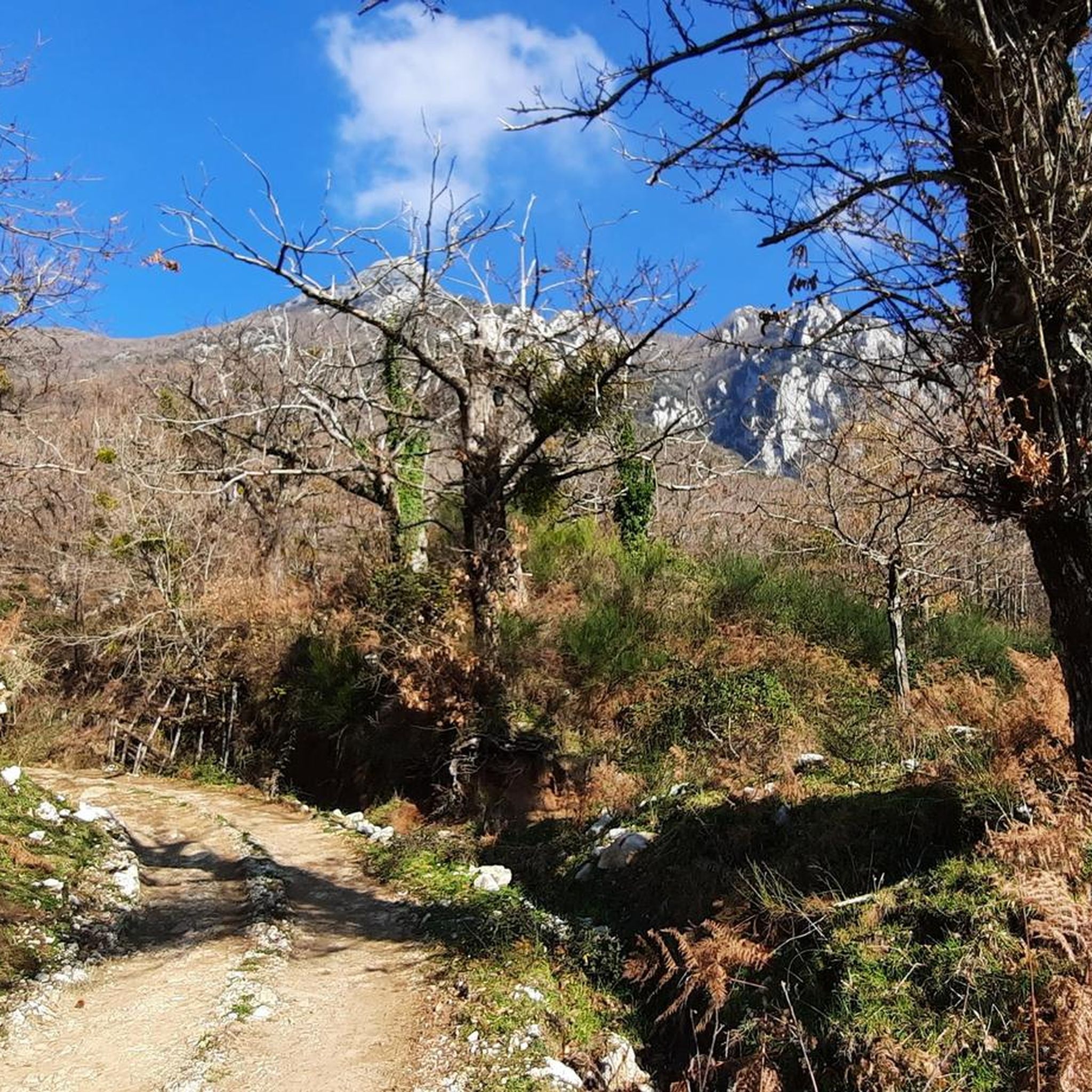
The 'Path of the Angel' is a historic route that leads to the Sanctuary of the Most Holy Savior of Serino. This challenging path develops through chestnut groves and along the side of the slope, leading to the ancient sanctuary entirely dug into the rock. It was formerly known as the cave of the Angel or of San Michele, and is flanked by a hermitage that once served as a refuge for pilgrims.
Can I visit local wineries in Sorbo Serpico?
Yes, the hills around Sorbo Serpico are home to numerous vineyards, particularly known for the production of Fiano di Avellino DOCG wine. A visit to a winery like Feudi di San Gregorio is highly recommended for wine enthusiasts to experience the local viticulture and taste the region's fine wines.
What is the legend associated with the Dragon Plain?
The Dragon Plain, a karst sinkhole on Monte Costa, is steeped in a local legend. It's said that in the Middle Ages, a three-headed, one-eyed dragon guarded a treasure there, demanding human blood sacrifices from the villagers. The legend tells of a young man named Jesus who, with his sword, slew the evil dragon, causing it to sink into the earth and create the infamous 'mouth of the dragon'.
Are there any religious sites worth visiting in the area?
Beyond the Sanctuary of the Most Holy Savior of Serino, Sorbo Serpico offers several significant religious sites. These include the Chiesa dei Santi Nomi di Gesù e Maria (Church of Saint Mary of the Snow) with its Baroque altar, the Chapel of the Annunciation adjacent to Palazzo Brancaccio, and the small Chapel of the Madonna della Neve overlooking the village. Further afield, you can visit the Church of Saint Anthony of Contrada and the neo-Gothic Church of the Most Holy Rosary (Chiesa del Santissimo Rosario) in Avellino.
What are the characteristics of the Picentini Mountains area around Sorbo Serpico?
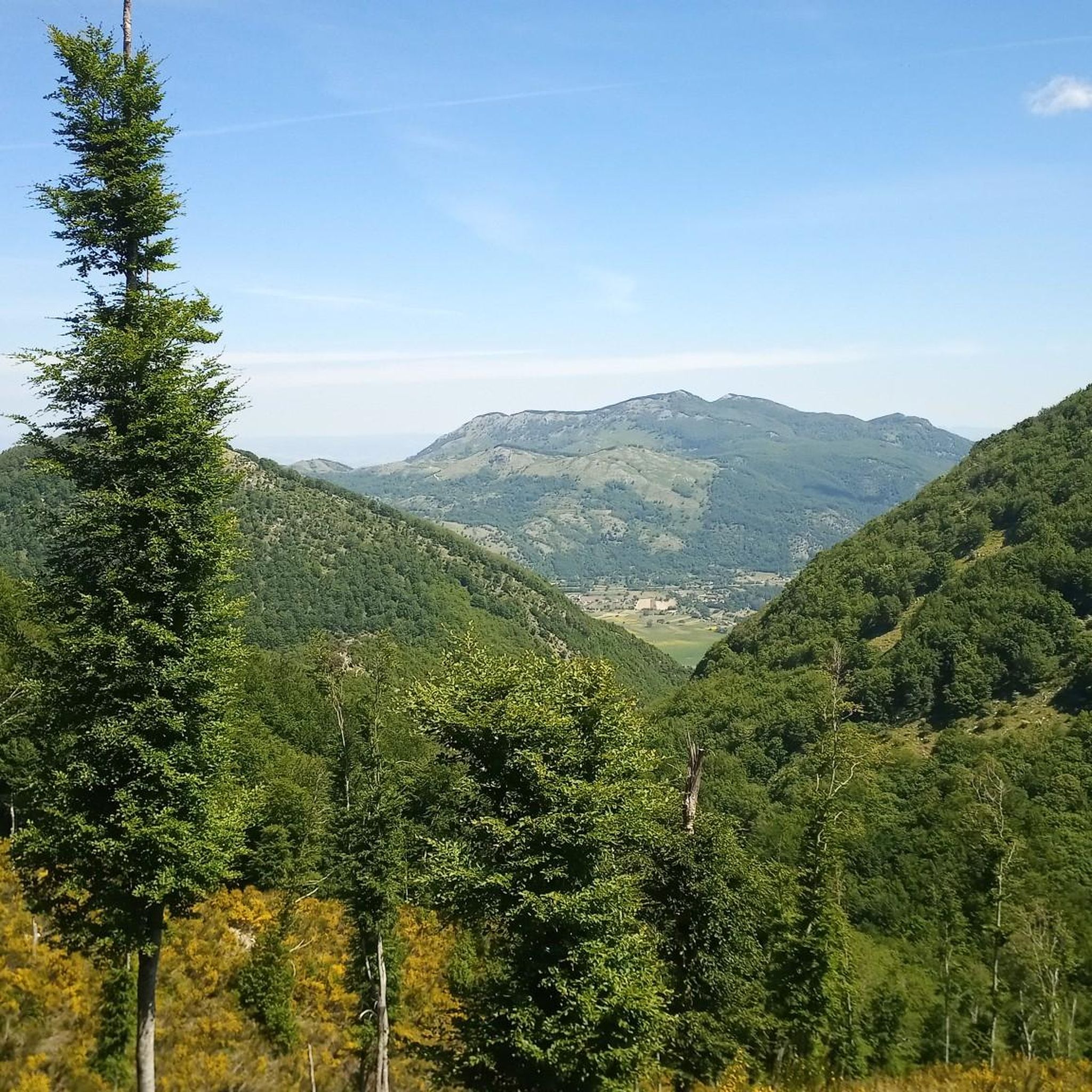
The Picentini Mountains area surrounding Sorbo Serpico is characterized by its dense woods, extensive chestnut groves, and oak forests. It's a mountainous region offering scenic pathways within the Picentini Mountains Regional Park. The village itself was historically built on the slopes of Mount Serpico, benefiting from its significant water resources.
What are some of the most popular attractions according to visitors?
Visitors particularly appreciate the Sanctuary of the Most Holy Savior of Serino, a unique religious building carved into rock. The Piano di Verteglia is also a favorite for its natural beauty and views. The Dragon Plain, with its intriguing legend, also captures the imagination of many.
Are there any specific events or festivals in Sorbo Serpico?
Sorbo Serpico hosts several food and wine events throughout the year. In July, you can experience the Coccetella Festival, dedicated to traditional handmade pasta. In autumn, the village celebrates the Chestnut and Wine Festival, highlighting two of the region's most beloved products.
Most popular attractions around Sorbo Serpico

Get inspired with the komoot mobile app


Explore more
Still not found the Highlight you’re looking for? See guides of the top attractions in other regions:
