The best walks and hikes around Schnega
4.6
(366)
1,397
hikers
42
hikes
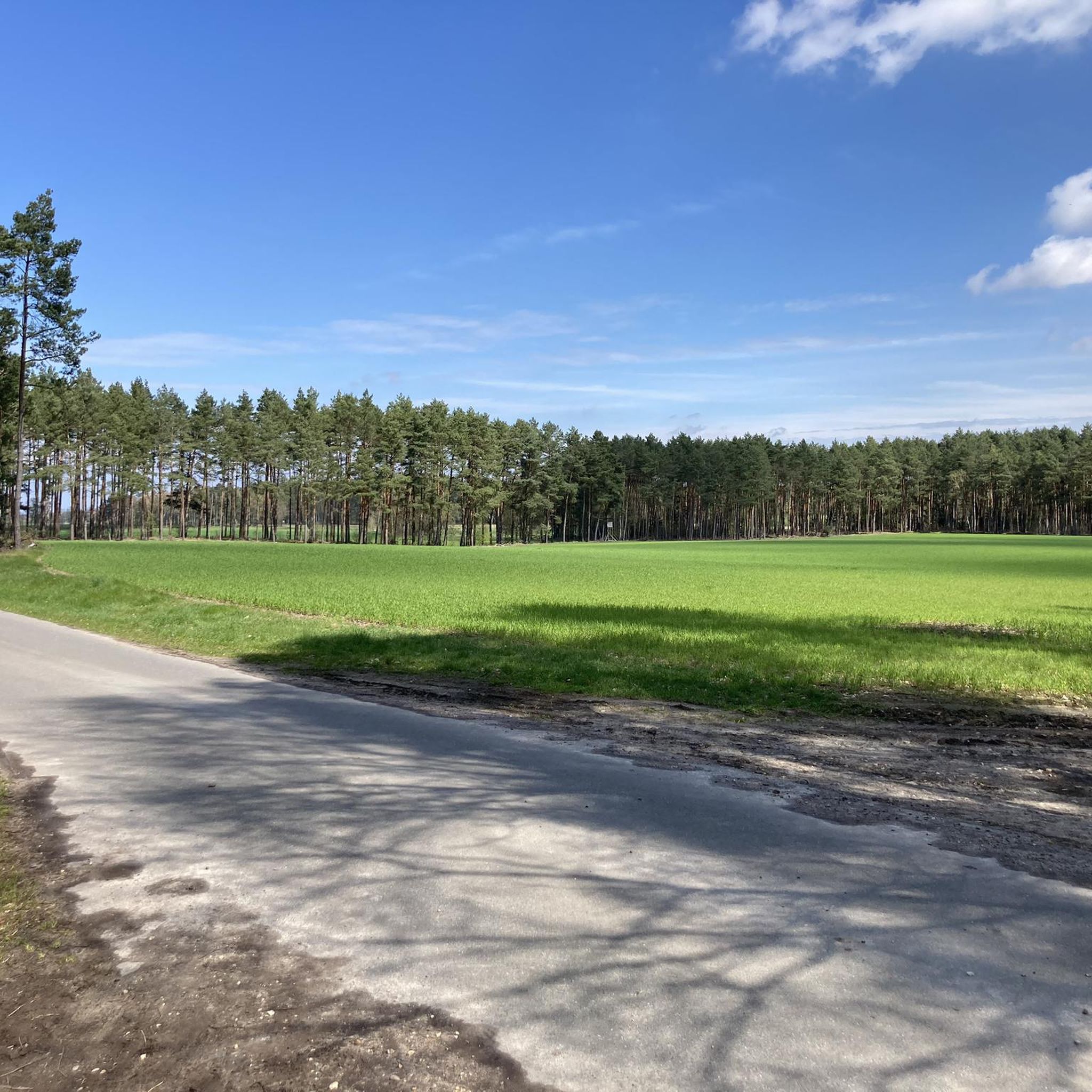
Hiking trails around Schnega traverse a landscape characterized by extensive forests and rolling green hills in northeast Lower Saxony. The region features diverse natural areas, including the Schnegaer Mühlenbachtal Nature Reserve with its gravelly brook and the unique Clenzer Schweiz Erratic Boulder Park. Nearby lakes such as Arendsee and Gartow also contribute to the scenic environment, offering varied terrain for outdoor activities.
Best hiking trails around Schnega
- The most popular hiking route is Picnic Area at Mühlenteich – Oldendorf Watermill…
Last updated: May 15, 2026
4.6
(5)
13
hikers
3.48km
00:54
20m
20m
Easy hike. Great for any fitness level. Easily-accessible paths. Suitable for all skill levels.
5.0
(3)
9
hikers
6.52km
01:41
30m
30m
Easy hike. Great for any fitness level. Easily-accessible paths. Suitable for all skill levels.

Sign up for free
3
hikers
Moderate hike. Good fitness required. Easily-accessible paths. Suitable for all skill levels.
5.0
(1)
7
hikers
Easy hike. Great for any fitness level. Easily-accessible paths. Suitable for all skill levels.
5.0
(2)
7
hikers
6.97km
01:49
50m
50m
Easy hike. Great for any fitness level. Easily-accessible paths. Suitable for all skill levels.
Get access to more routes and recommendations from other explorers.
Sign up for free
Already have an account?
Our route recommendations are based on thousands of hikes, rides, and runs completed by other people on komoot.
Start today with a free account
Your next adventure awaits.
Login or Signup
Other adventures around Schnega

Tips from the Community

A wonderful seminar center in the Wendland region. They offer various accommodation options and delicious food, including vegan, vegetarian, and gluten-free choices. Surrounded by forest and fields.
0
0

Here in this legendary city of Heidelberg, the "Unnererdschen," as dwarves are called in Low German, are said to have had their homes. The "Unnererdschen Barg" has been a magical place shrouded in mystery since time immemorial.
0
0

The Schnega mill originally stood west of Schnega at the Dullborn spring near Gledeberg. It was first mentioned in 1360. In 1668 it appears in documents in Schnega, but is still referred to as the Gledeberg mill. After the Lords of Bodendieck, the Barons Grote came into possession of the Schnega estate and mill. In addition to the grain grinding, the mill also had a hammer mill for beating oil and was also used as a baking mill for baking flax. The mill was finally driven by a turbine. The mill often changed owners: Pletke in 1679, Wilke in 1708, Ude in 1721, Köthke in 1754, Schulz in 1776, Pletke in 1801 and Möller in 1823. This list is certainly not complete. This mill may have been a leased mill, which is suggested by its proximity to the estate. In 1901, the mill was bought by Heinrich Niefind, whose heirs sold it in 2005 to Mr. Ingo Timm from Berlin and Mr. Jürgen Zaak from Sommerland near Elmshorn. The new owners have extensively renovated the mill, repaired the turbine and partially got the grinding mechanisms working again. Interested visitors can see for themselves on the annual Mill Day (Whit Monday) and experience a piece of old mill romance with coffee and butter cake. Source: Information board at the site
2
0
Historical washing area The washing area at the Schnega Mill was renovated in 1998. Until 1948, the washing area next to the stately half-timbered building of the water mill, which was then owned by the Niefind family, was still regularly used to wash laundry. The laundry was soaked long before it was brought to the mill stream on regular washing days. The clothes were boiled thoroughly in the kettle and particularly dirty areas were pre-cleaned with soap. The laundry items were moved in the water again at home and wrung out well before being loaded onto the wooden cart and taken to the stream to be washed. The laundry basket and tub were carried over a narrow footbridge onto the wooden platform. In a bent position, bed linen and clothing were vigorously moved in the flowing stream water and then wrung out. The whole family had to help. Source: Information board at the site
2
0

Elongated solid construction made of worked boulders with the same corner blocks; gable trapezoids in half-timbering with brick infill; half-hipped roof with red hollow pan roofing; two dormer windows in the southern roof area; central longitudinal passage. Built at the end of the 18th century. https://de.wikipedia.org/wiki/Liste_der_Baudenkmale_in_Schnega
2
0

Dr. Carolin Schneider founded the institute in 1995 with the aim of creating an interface between research and the application of development work. Plant cultivation is possible all year round in the greenhouses and on the open spaces of the site. The employees use both plants grown in virto and plants grown from seed. One focus of the work is on mycorrhizal fungi. The institute is a project funded by the EU. You can find more information about the research here: https://pflanzenkultur.de/
1
0

For a break at any time of the year
0
0
A quiet, natural meadow valley, worth a visit at any time of the year
0
0
Frequently Asked Questions
How many hiking trails are available around Schnega?
Schnega offers a diverse network of over 40 hiking trails, catering to various preferences and fitness levels. These routes traverse the region's extensive forests, rolling green hills, and protected nature reserves.
What is the best time of year to go hiking in Schnega?
The best time for outdoor activities and hiking in Schnega is generally from spring to autumn. During these seasons, the weather is most favorable for exploring the picturesque forests and green hills, and enjoying the natural beauty of the area.
Are there easy hiking trails suitable for beginners or families with children?
Yes, Schnega has plenty of easy options. There are 23 easy hiking routes, perfect for beginners or families. For example, the Bridge Over the Mühlenbach – Zwergenstein loop from Solkau is an easy 4.3-mile (6.9 km) path that offers a gentle walk through the scenic landscape.
What natural features and landmarks can I explore while hiking in Schnega?
Schnega is rich in natural beauty and unique landmarks. You can visit the Clenzer Schweiz Erratic Boulder Park, a geological nature trail with labeled boulders. The Schnegaer Mühlenbachtal Nature Reserve is home to the historic Jiggel Watermill and offers opportunities to observe efforts to renature river sections. Additionally, nearby lakes like Arendsee and Gartow provide scenic views.
Are there any circular hiking routes in Schnega?
Many of the trails in Schnega are designed as loops, offering convenient circular walks. A popular option is the Proitzer Mill loop from Proitze, an easy 4.0-mile (6.5 km) path that guides hikers through tranquil forests and open countryside.
Can I bring my dog on the hiking trails in Schnega?
Generally, dogs are welcome on hiking trails in Schnega. However, it's always recommended to keep your dog on a leash, especially in nature reserves like the Schnegaer Mühlenbachtal, to protect wildlife and ensure a pleasant experience for all hikers. Please check local signage for specific regulations.
What kind of landscapes can I expect to see while hiking in Schnega?
Hiking in Schnega offers a diverse range of landscapes. You'll encounter extensive forests, rolling green hills, and tranquil nature reserves. The region is also characterized by picturesque brooks, like the gravelly brook in the Schnegaer Mühlenbachtal, and scenic lakes nearby, creating a varied and beautiful environment for exploration.
Are there any longer or more challenging hikes for experienced trekkers?
Yes, for those seeking more demanding treks, Schnega offers 17 moderate routes. An example is the Picnic Areas at Mühlteich – Proitzer Mill loop from Schnegaer Mühlenbachtal, an 8.2-mile (13.3 km) trail that takes about 3 hours 25 minutes to complete, leading through varied terrain within the nature reserve.
What do other hikers enjoy most about hiking in Schnega?
The hiking trails in Schnega are highly rated by the komoot community, with an average score of 4.6 stars from over 250 reviews. Hikers often praise the unspoilt natural beauty, the tranquility of the forests, and the well-maintained paths that offer a refreshing escape into nature.
Are there places to rest or have a picnic along the trails?
Yes, the region is well-equipped for hikers to relax and enjoy the scenery. The Schnegaer Mühlenbachtal Nature Reserve features a rest area with barbecue facilities. Additionally, routes like the Picnic Area at Mühlenteich – Oldendorf Watermill loop from Schnega specifically highlight picnic spots, making it easy to find a place to take a break.
Is parking available at the trailheads in Schnega?
While specific parking information for every trailhead isn't detailed here, Schnega is generally accessible for hikers arriving by car. Many popular starting points for trails, especially those leading into nature reserves or near villages, typically offer designated parking areas. It's advisable to check local maps or komoot tour details for specific parking instructions for your chosen route.
How can I reach the hiking trails using public transport?
Public transport options to reach trailheads in Schnega are available, though they might be less frequent than in larger urban areas. Local bus routes connect Schnega with surrounding villages, and some stops may be conveniently located near hiking starting points. Planning your journey in advance and checking current bus schedules is recommended to align with your hiking plans.
Most popular routes around Schnega
Most popular attractions around Schnega

Get inspired with the komoot mobile app


Explore more
Browse the best Hikes in other regions.
