Top 9 Castles around Borgo Valsugana
Best castles around Borgo Valsugana offer a journey through centuries of history in the Valsugana valley. The region features significant historical landmarks, including Castel Telvana, which overlooks Borgo Valsugana and has origins dating back to the Roman age. This area is characterized by its strategic location, providing panoramic views and a connection to ancient military routes. Visitors can explore a variety of historical sites, from ancient fortifications to former military barracks, set within a landscape of natural beauty.
Best castles…
Last updated: May 3, 2026
Forte di Tenna
Highlight • Historical Site
Translated by Google •
Tip by

Forte Interrotto
Highlight • Historical Site
Tip by

Sign up now to discover places like this
Get recommendations on the best single tracks, peaks, & plenty of other exciting outdoor places.
Sign up for free
View of Castel Telvana
Highlight • Castle
Translated by Google •
Tip by

Fort Belvedere-Gschwent
Highlight • Historical Site
Translated by Google •
Tip by

Forte Verena
Highlight • Historical Site
Translated by Google •
Tip by

Sign up for free to discover even more castles around Borgo Valsugana.
Sign up for free
Already have an account?
Start today with a free account
Your next adventure awaits.
Login or Signup
Popular around Borgo Valsugana
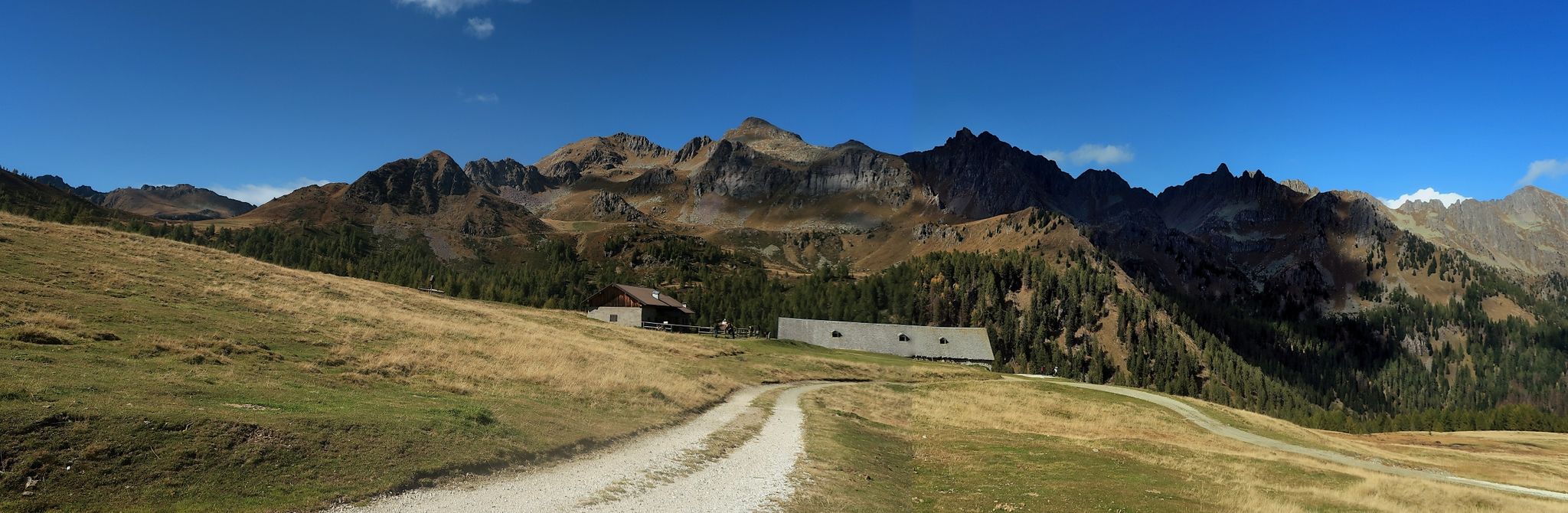
Cycling on Italy’s Tesino Plateau – around Cima d'Asta
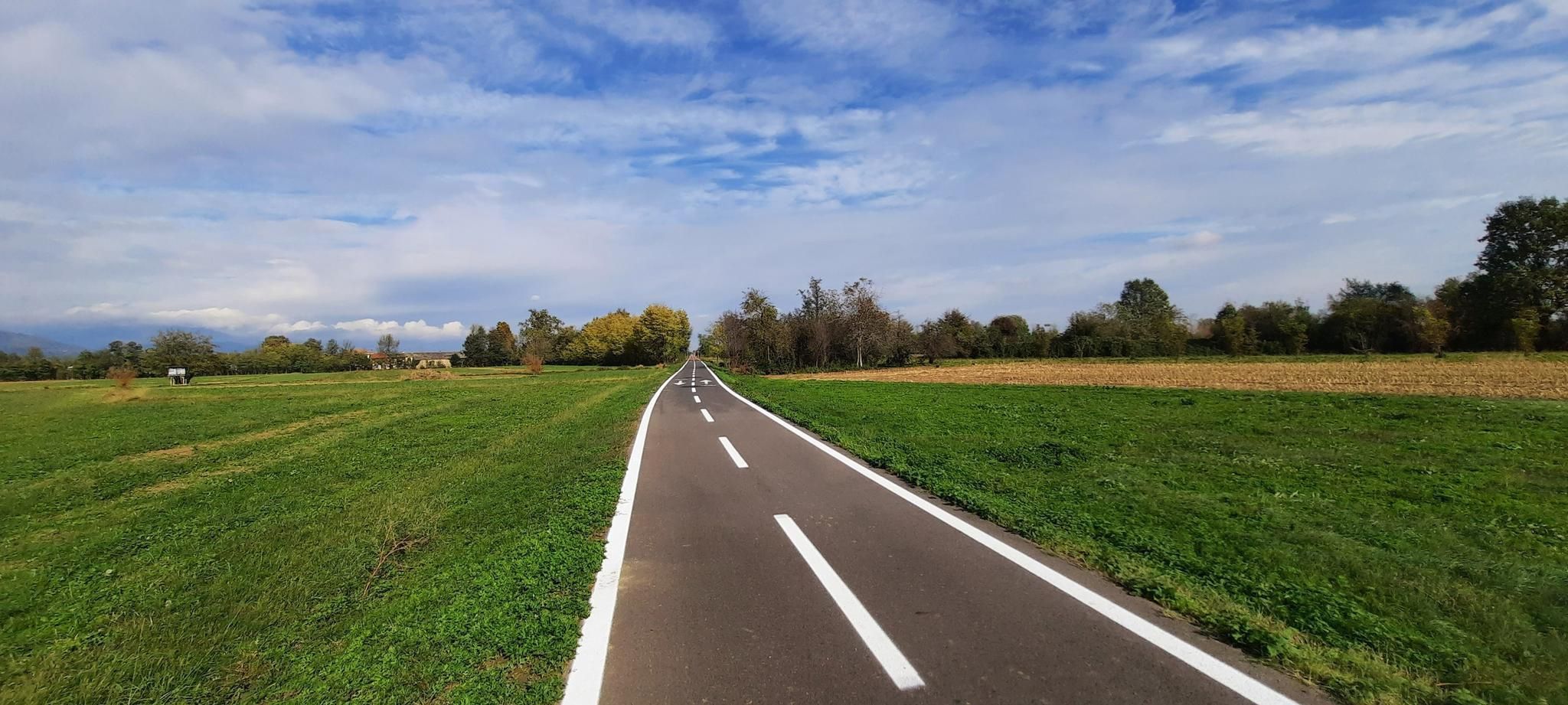
Ride across the Italian Alps – Pedemontana cycle route
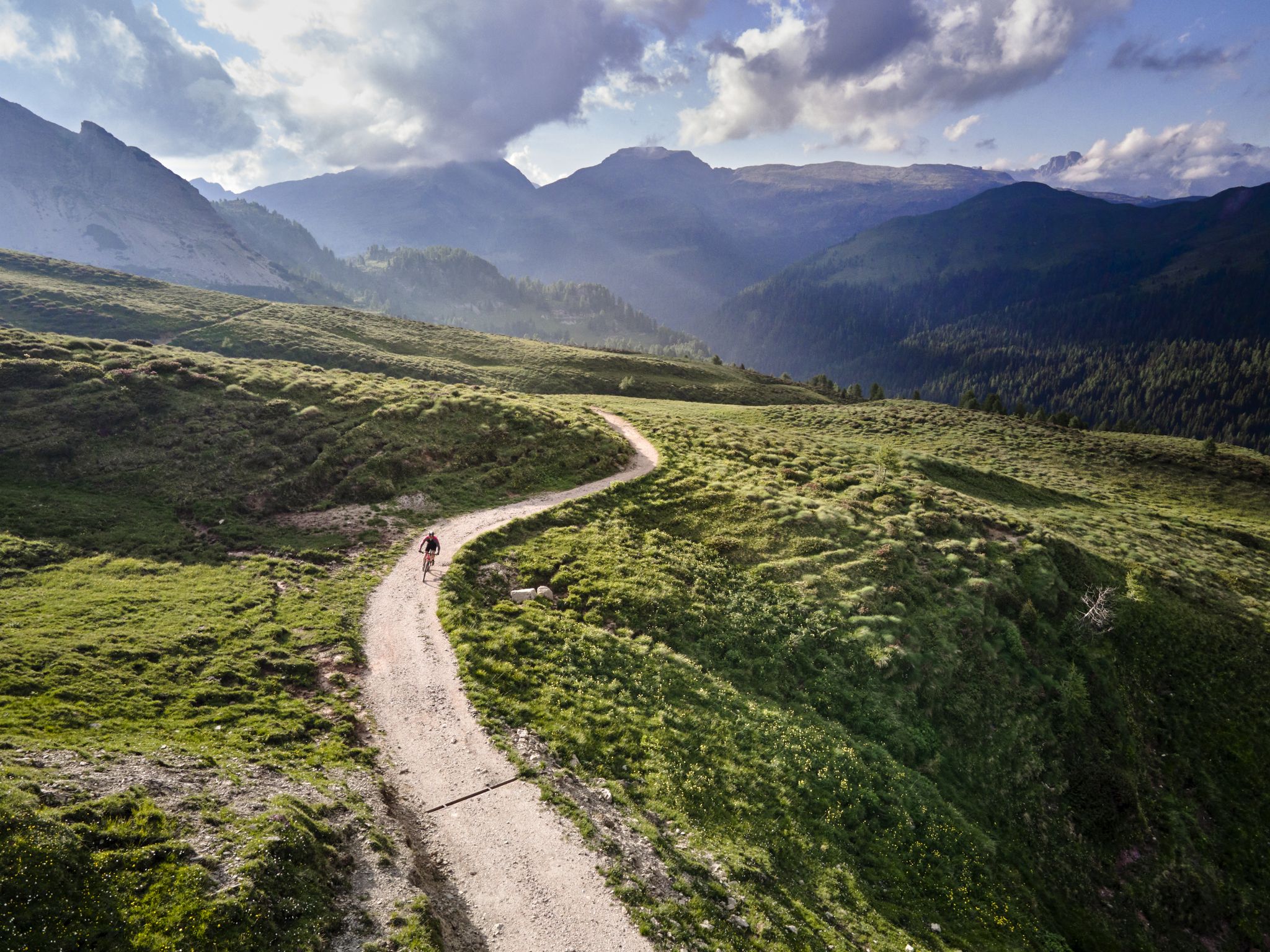
Mountain biking in the heart of the Dolomites
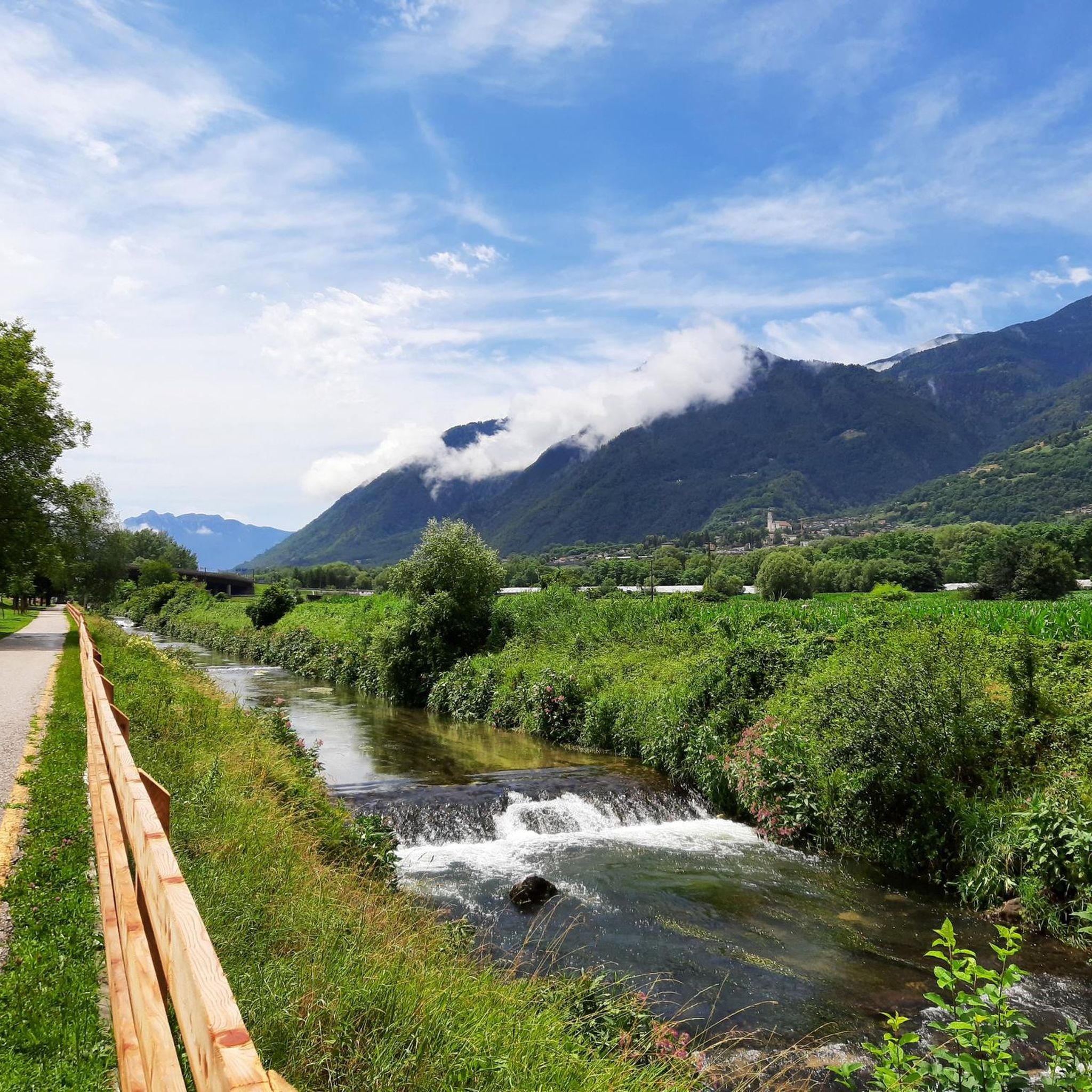
Hiking around Borgo Valsugana
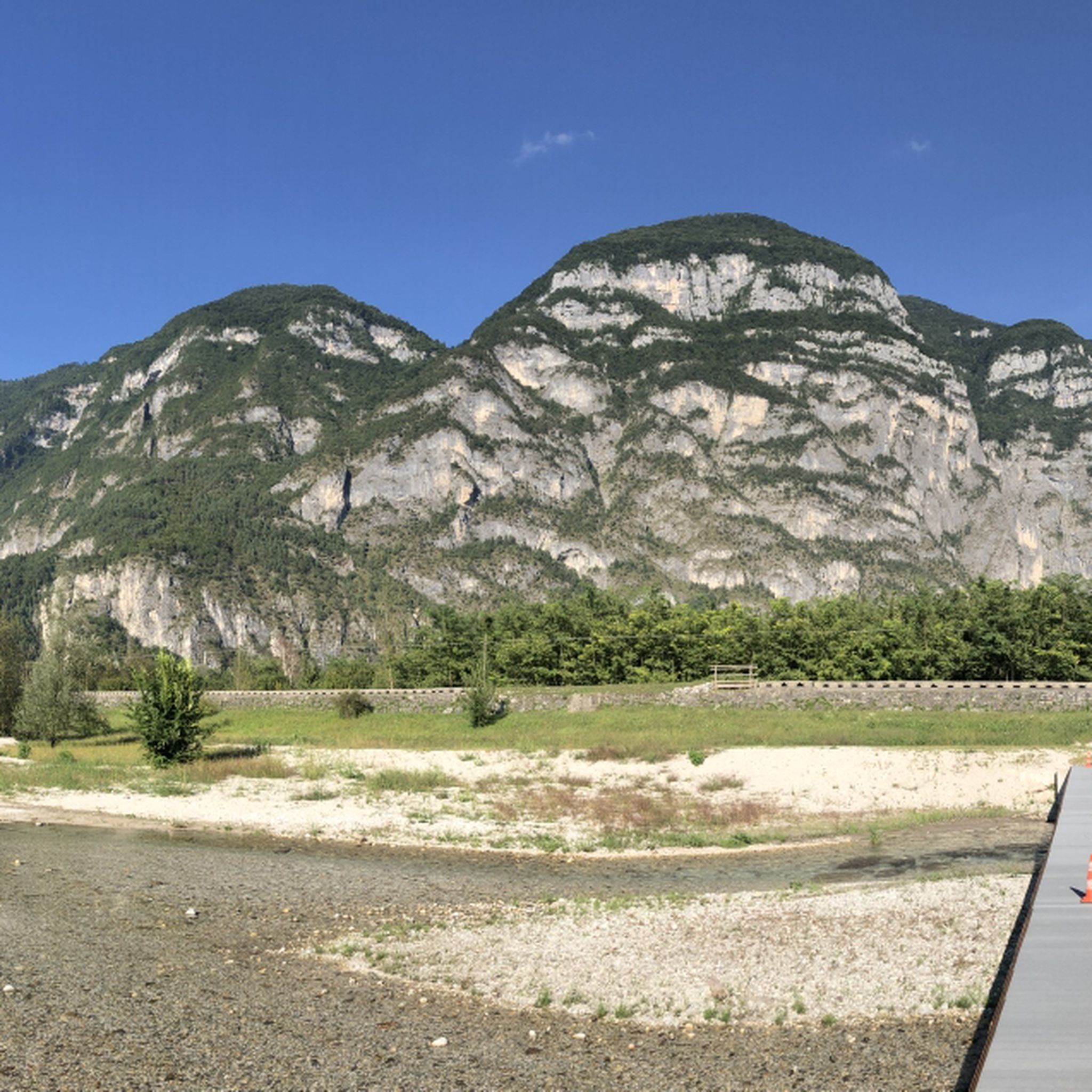
Road Cycling Routes around Borgo Valsugana
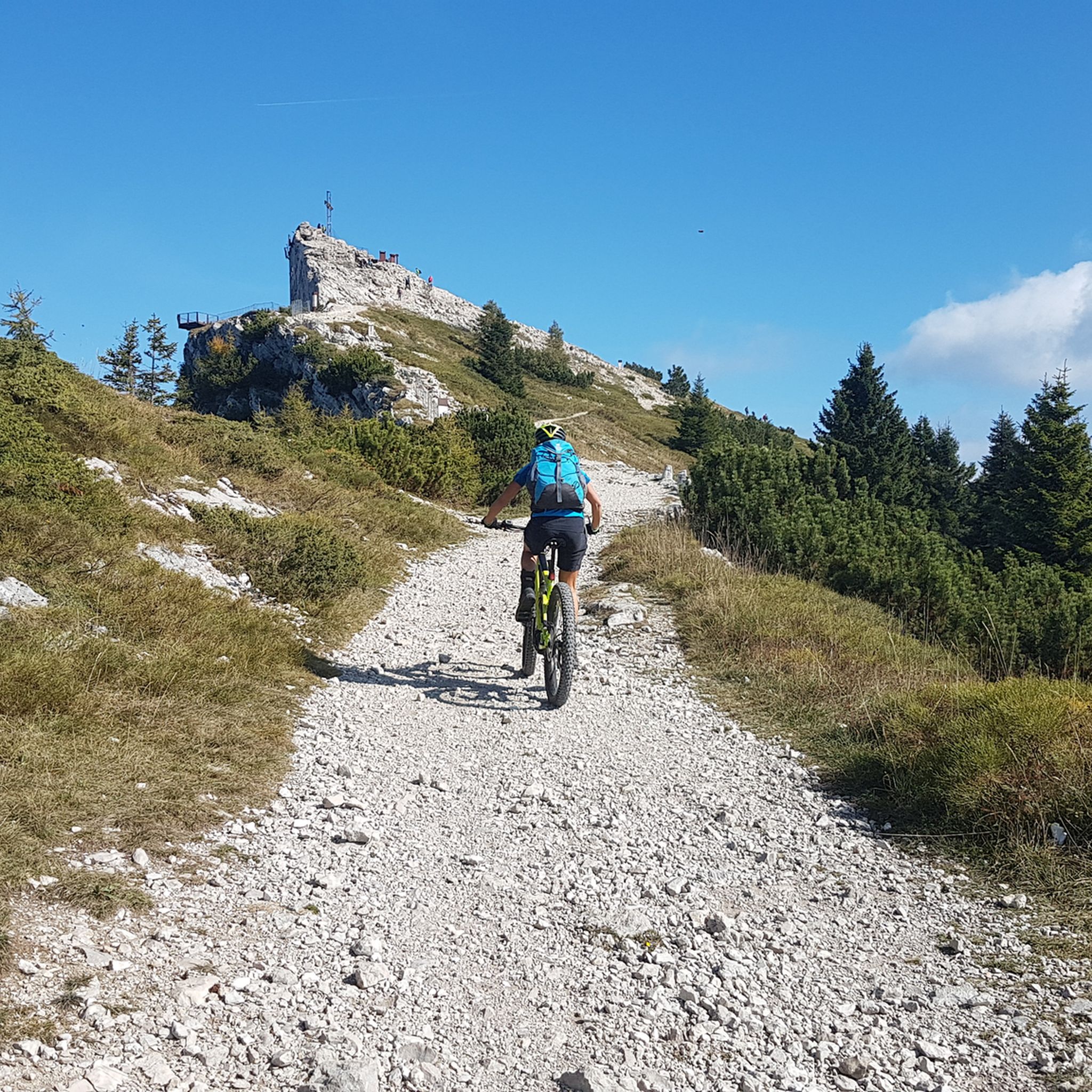
MTB Trails around Borgo Valsugana
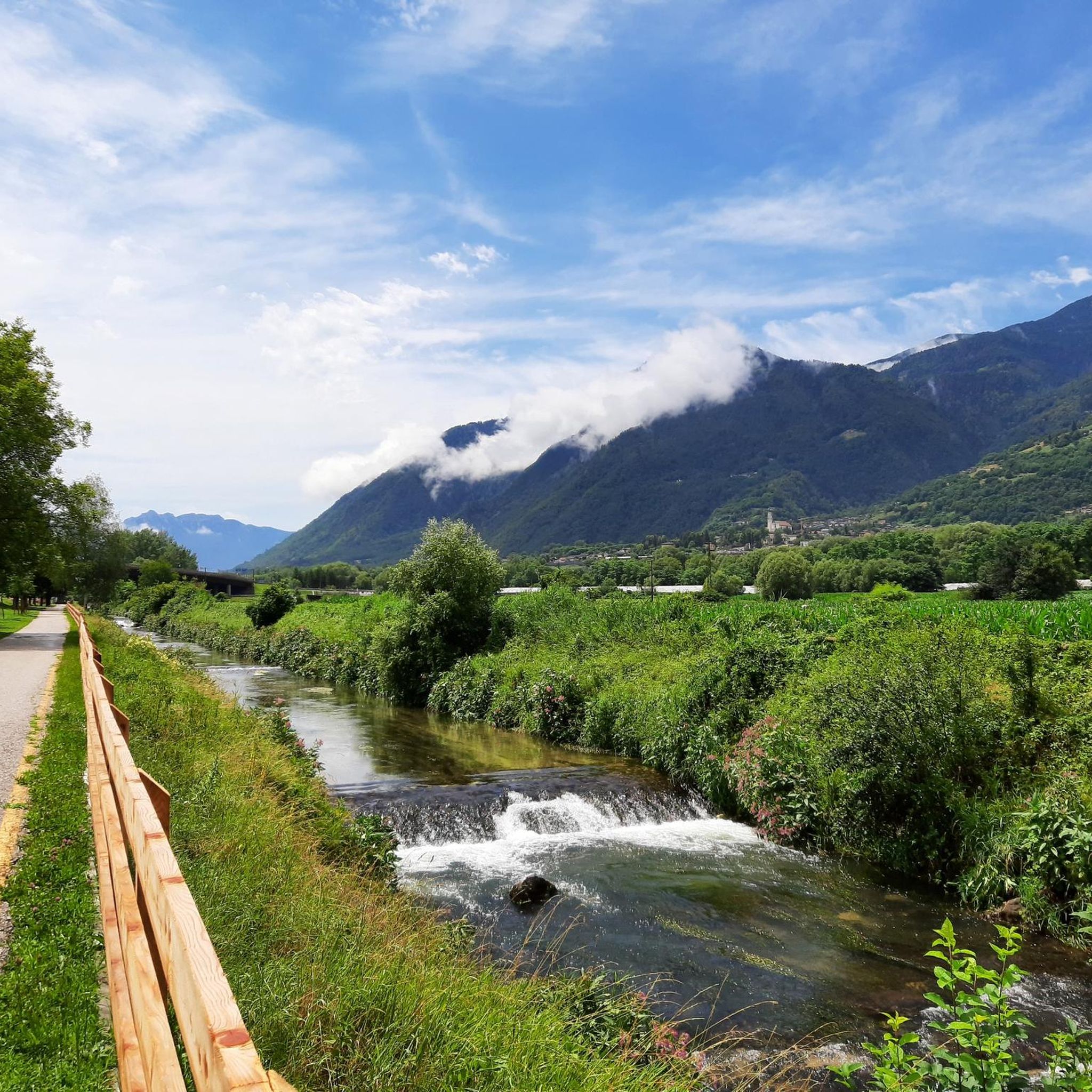
Cycling around Borgo Valsugana
Running Trails around Borgo Valsugana
Gravel biking around Borgo Valsugana
Mountain Hikes around Borgo Valsugana
Other adventures around Borgo Valsugana


Tips from the Community

The castle that dominates Borgo Valsugana
0
0

"...The fort was still, austere. A place that spoke of men tested by cold, fear, and anticipation. In that moment I felt small, but also strangely attuned..."
0
0


It is a defensive military barracks built in the second half of the 19th century, entirely in stone, which overlooks the town of Camporovere and dominates the entire central basin of the Plateau. From a historical point of view, the Forte Interrotto represents a completely exceptional case. It was in fact born from a military architecture project that still followed late medieval canons, recognizable in the 6 gigantic central arches and in the imposing lateral bastions with 115 positions for riflemen. In 1916 it was occupied by the Austro-Hungarians and transformed into a stronghold of the imperial line.
1
0

Just below the summit of Mount Verena is the Mount Verena fort, a defensive bastion on the plateau of the 7 municipalities.
0
0


Forte Belvedere was designed by Lieutenant Rudolf Schneider and built between 1908 and 1912, not far from the town of Óseli. Located on a spur of limestone rock at an altitude of 1,177 metres, at the time it marked the state border between the Kingdom of Italy and Austria-Hungary. In 1996 the municipality of Lavarone purchased Forte Belvedere and enhanced its structure: every year it is visited by more than 28,000 people, as can be read on the Fort's website: https://www.fortebelvedere.org.
1
0

One of the largest fortresses of the Great War in Trentino, it has been perfectly preserved and can now be entirely visited. Inside it houses a museum with artefacts and multimedia installations. Built between 1908 and 1912, Forte Belvedere – Gschwent is one of the largest Austro-Hungarian mountain fortresses.
3
0
Frequently Asked Questions
What are the most historically significant castles and forts to visit around Borgo Valsugana?
The region is rich in history, featuring sites like Forte Interrotto, a 19th-century military barracks transformed into a fortress during WWI. Forte di Tenna is an Austro-Hungarian fortification from 1884, while Fort Belvedere-Gschwent, built between 1908 and 1912, served as a key WWI defense and now houses a museum. Additionally, Castel Telvana, overlooking Borgo Valsugana, boasts origins dating back to the Roman age, offering a deep dive into the area's past.
Are there any castles or forts that offer panoramic views of the Valsugana valley?
Yes, several sites provide stunning vistas. Castel Telvana, perched above Borgo Valsugana, offers breathtaking panoramic views of the entire Valsugana valley. Forte Interrotto provides excellent views of Camporovere and Asiago, especially at sunset. Fort Belvedere-Gschwent, located at 1,177 meters, also offers significant viewpoints.
What are the best walking routes to reach castles near Borgo Valsugana?
You can reach Castel Telvana via the beautiful 'Sentiero dei Castelli' (Castles' Pathway) starting directly from Borgo Valsugana's city center. For Forte Verena, you can follow the CAI 820 path, which winds through woods and pastures. Many other castles are accessible via trails, and you can find more options in our Mountain Hikes around Borgo Valsugana guide.
Are there family-friendly castles or trails suitable for children around Borgo Valsugana?
Yes, Fort Belvedere-Gschwent is considered family-friendly and includes a museum that can be engaging for visitors of all ages. While Castel Telvana is privately owned and generally not open internally, the walk along the 'Sentiero dei Castelli' to its vicinity can be an exciting adventure for families, leading to fascinating partially ruined walls.
What is the best time of year to visit the castles around Borgo Valsugana?
The summer months are particularly good for visiting, as Castel Telvana occasionally opens its doors for artistic and cultural events during this period. Generally, spring and autumn offer pleasant weather for hiking to the castles and enjoying the views, with autumn providing beautiful foliage.
Are there any castles that are open for internal visits or have museums?
Fort Belvedere-Gschwent includes a museum and is open to visitors, attracting over 28,000 people annually. Forte di Tenna is also open for visits on Saturdays from 2 p.m. While Castel Telvana is privately owned and generally not open for internal visits, it does host occasional cultural events in summer.
What outdoor activities can I combine with a castle visit in the Borgo Valsugana area?
The region offers a variety of outdoor activities. You can explore mountain hikes near the castles, with options like the 'Fort Cima Vezzena loop' or 'Cima Portule' detailed in our Mountain Hikes around Borgo Valsugana guide. Road cycling and gravel biking routes are also popular, with scenic options like the 'Scenic Road Between Levico Terme and Persine Valsugana' or the 'Valsugana Cycle Path' available in our Road Cycling Routes and Gravel Biking guides.
Is parking available near the castles or their trailheads?
While specific parking details for every castle are not always available, many trailheads leading to castles, such as the 'Sentiero dei Castelli' for Castel Telvana, typically have parking options in nearby towns or designated areas. For more remote forts like Forte Verena, access points often have limited parking. It's advisable to check local information for specific parking facilities before your visit.
Can I bring my dog on trails leading to the castles?
Many outdoor trails in the Valsugana region are dog-friendly, including paths that lead to the vicinity of castles. However, specific rules regarding dogs inside castle grounds or museums may vary. It's always best to keep your dog on a leash and ensure they are well-behaved, especially in more populated areas or near historical sites.
What kind of natural features can I expect to see near the castles?
The castles are often set within beautiful natural landscapes. From Castel Telvana, you'll enjoy views of the Valsugana valley. The 'Scenic Road Between Levico Terme and Persine Valsugana' highlight, which passes near a castle, offers views of Lake Caldonazzo and cycles through forests. Trails leading to forts like Forte Verena traverse woods and large pastures, providing a diverse natural experience.
Are there cafes or restaurants near the castles for refreshments?
While most castles themselves do not have on-site cafes, the towns and villages near them, such as Borgo Valsugana, offer a variety of cafes, pubs, and restaurants. For example, the area around Forte Verena has a refuge/restaurant/bar, though it can be busy on summer and winter weekends. It's a good idea to plan your refreshments in the nearest town before or after your castle visit.
What is the difficulty level of the trails to the castles?
Trail difficulties vary. The 'Sentiero dei Castelli' to Castel Telvana is described as a beautiful path, implying a moderate walk. For forts like Forte Verena, the CAI 820 path is an intermediate hike. Some of the highlights, like Forte di Tenna and Forte Interrotto, are categorized as intermediate, suggesting a reasonable level of fitness is beneficial. Always check specific route details for elevation and terrain before you go.
Most popular routes around Borgo Valsugana
Most popular attractions around Borgo Valsugana

Get inspired with the komoot mobile app


Explore more
Looking for the best castles somewhere else? Discover other guides around Borgo Valsugana:
