Attractions and Places To See around Castro Dei Volsci - Top 20
Attractions and places to see around Castro Dei Volsci include a variety of historical sites, panoramic viewpoints, and natural features. This village, recognized among "Italy's Most Beautiful Villages," is situated on a rocky ridge between the Sacco and Amaseno Valleys. Its well-preserved medieval quarter and surrounding natural landscapes offer diverse points of interest. The region provides opportunities to explore mountain passes, summits, and ancient ruins.
Best attractions and places to see around Castro Dei Volsci
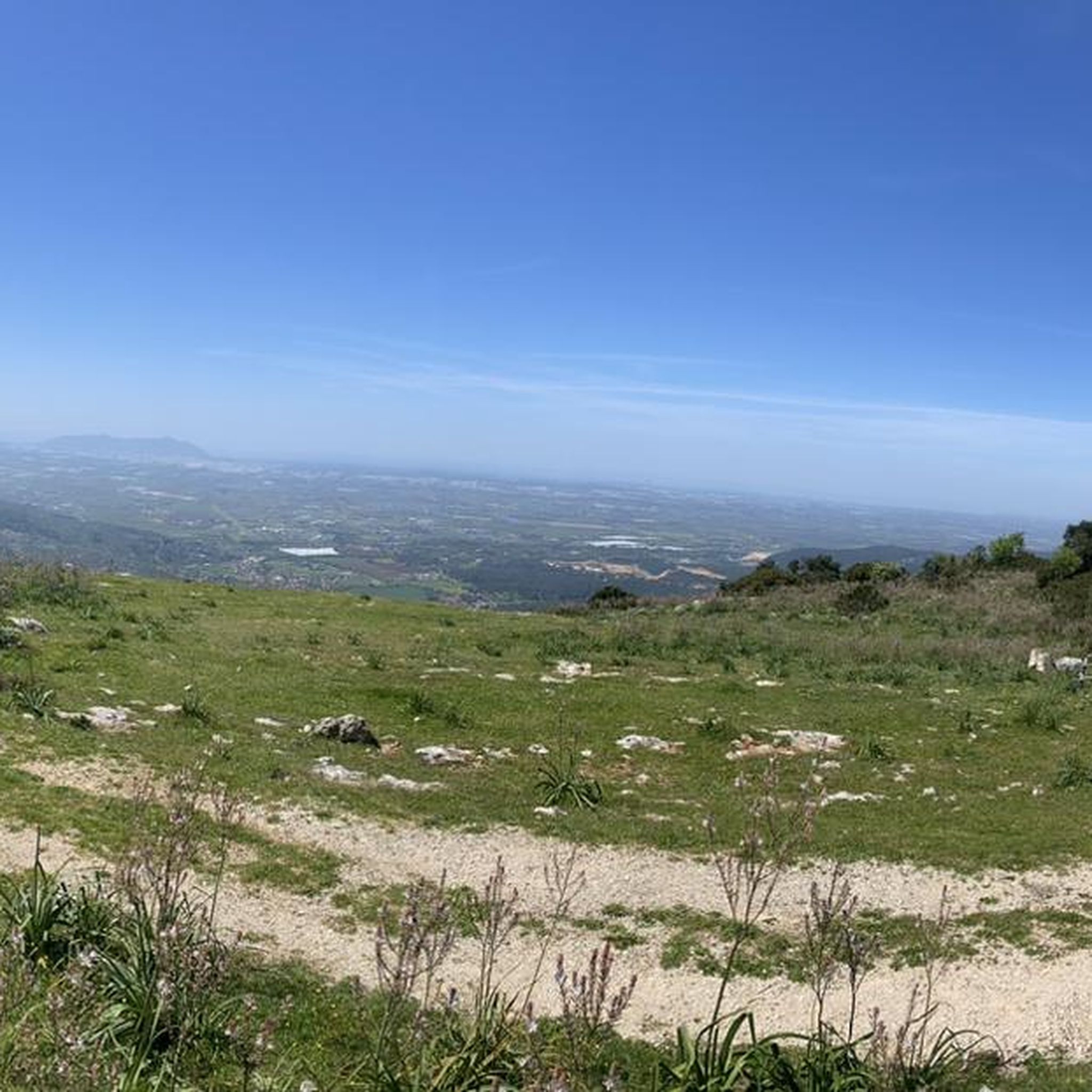
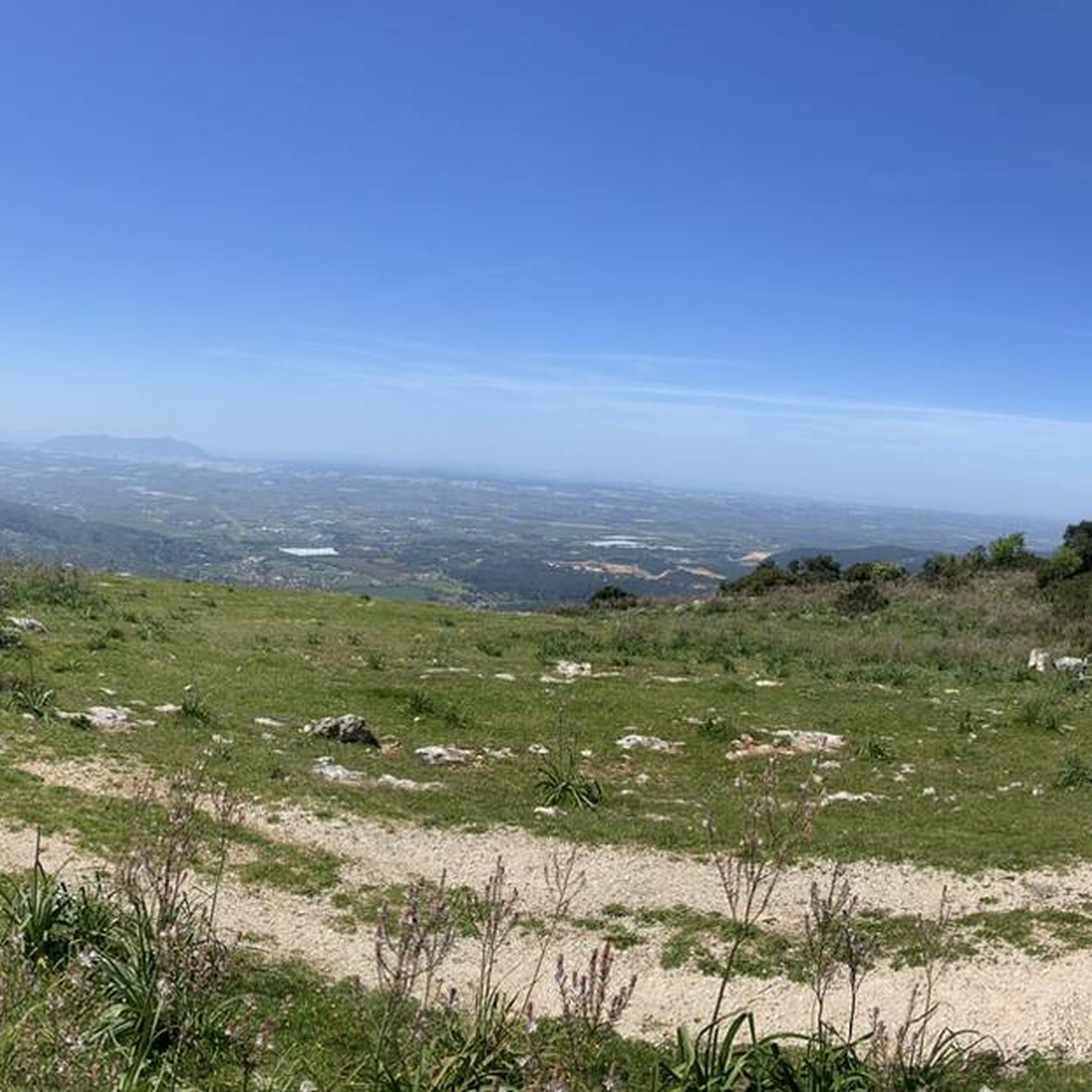
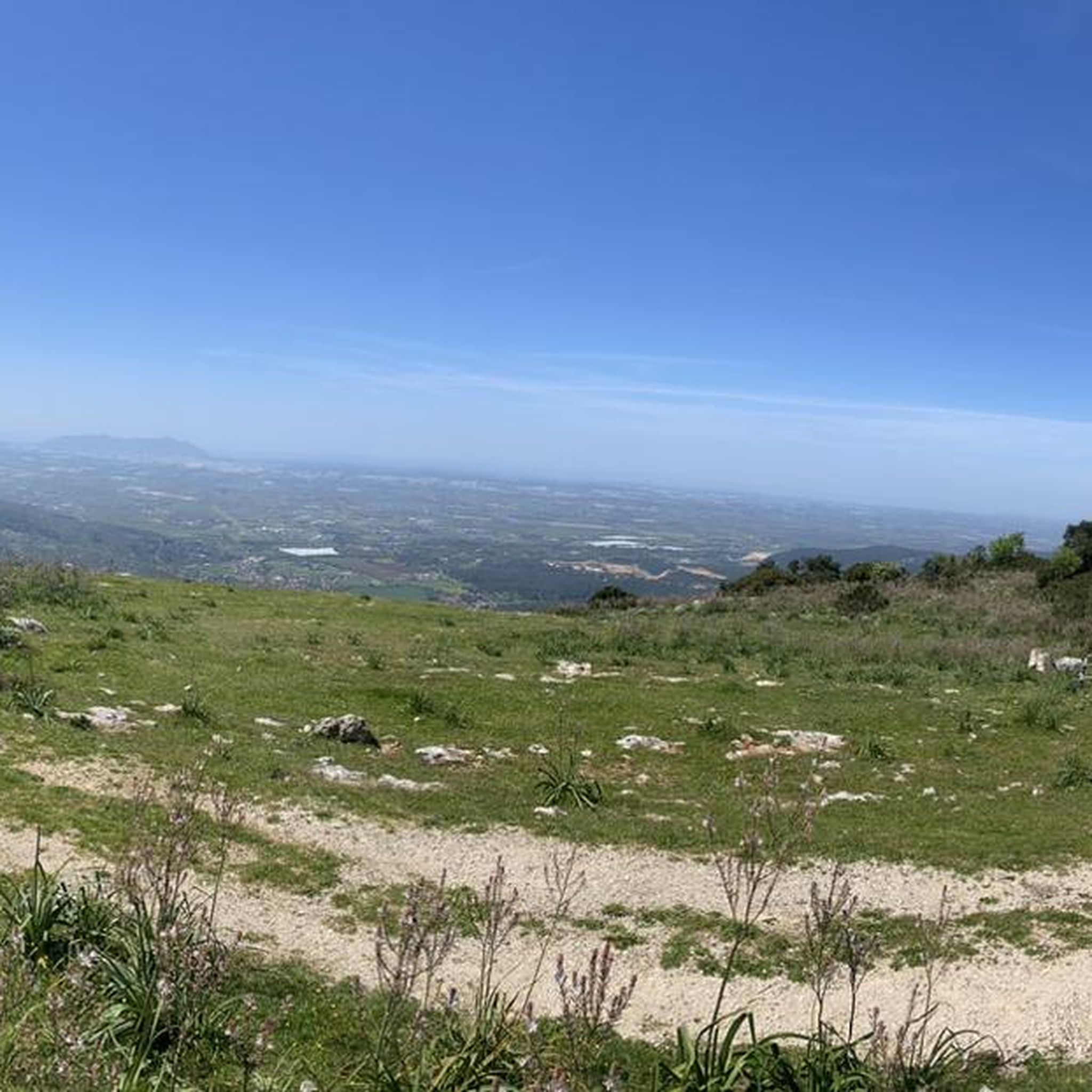
- The most popular attractions is View from Passo della Quercia del Monaco, a viewpoint that offers a beautiful panorama from 530 meters above sea level. The road connecting Lenola to Vallecorsa is noted for its scenic views and enjoyable stretches.
- Another must-see spot is Passo San Nicola (Northern Ascent), a mountain pass with a northern ascent that is generally easier, featuring gradients mostly in the 3-4% range. Descending towards the southern side provides extensive views of the valley towards Itri.
- Visitors also love Monte Lupino Summit, a summit accessible via an off-road climb from Villa Santo Stefano. From the top, a panorama overlooking the Amaseno river valley and villages of the Lepini Mountains is visible.
- Castro Dei Volsci is known for its historical sites, mountain passes, and scenic viewpoints. The area offers a variety of attractions to see and explore, from ancient ruins to elevated vistas.
- The attractions around Castro Dei Volsci are appreciated by the komoot community, with 10 upvotes and 7 photos shared by users.
Last updated: October 5, 2026
Passo San Nicola (Northern Ascent)
Highlight (Segment) • Mountain Pass
Tip by

Monte Lupino Summit
Highlight • Summit
Translated by Google •
Tip by

Sign up now to discover places like this
Get recommendations on the best single tracks, peaks, & plenty of other exciting outdoor places.
View from Passo della Quercia del Monaco
Highlight • Viewpoint
The last 5.60 km of ascent leading to the pass alternate gentle slopes with a more challenging central stretch.
From the top of the pass, at 530 m asl, you can admire a beautiful panorama that is an excellent reward for the effort.
Translated by Google •
Tip by

Ruins of Acquaviva
Highlight • Historical Site
Translated by Google •
Tip by

Castel Sindici
Highlight • Castle
The famous Gabriele D'Annunzio was also hosted in the elegant residence. In 1928 the Castel Sindici estate was declared an "Area of National Artistic Interest". In the cellars, "Castel Sindici" wine was produced, sold in Italy and abroad, winner of eight gold medals. This wine was much appreciated, so much so that it was mentioned among the fine wines of Lazio in the first edition of 1931 of the "Gastronomic Guide of Italy" of the Italian Touring Club and to be exhibited among the wines of the Italian pavilion of the 1935 World Expo in Brussels. .
It is still possible today to see the ceramic barrels where the wine was stored, which can be visited during some events. From 1943 the building was requisitioned by the Nazis who used it as the headquarters of the military command of the S.S. The building is currently owned by the Municipal Administration and is being restored. The surrounding park, full of centuries-old trees, is open to the public every day.
Text by the Cultores Artium Association
Translated by Google •
Tip by
Sign up for free to discover even more attractions around Castro Dei Volsci.
Already have an account?
Start today with a free account
Your next adventure awaits.



Tips from the Community

The SR637 that connects Lenola to Vallecorsa is beautiful, it is pleasant both uphill (from Lenola) and downhill (from Vallecorsa), relaxing and fun, the eyes get lost in the valley
1
0

From Campodimele it's about ten kilometers of pedaled and shaded climb
0
0

Going up to the Vallecorsa pass, the climb starts 6 km before the built-up area. First you climb gently and then tackle a steeper stretch followed by a 3 km descent that leads us to overcome the Vallecorsa village. The last 5.60 km of ascent leading to the pass alternate gentle slopes with a more challenging central stretch. From the top of the pass, at 530 m asl, you can admire a beautiful panorama that is an excellent reward for the effort.
1
0

The climb up the Passo San Nicola from the northern side is much easier than from the south. Steepest section is around 6%, but most of the climb is in the 3-4% region. At the top you do not have wide view, however if you decent towards the southern side you get a lot of views of the valley towards Itri.
2
0

The ruins of the fortified medieval village of Acquaviva rise on a peak of the ridge of the Ausoni Mountains. What remains of that village, perched on a suggestive hill at 617 meters between the mountains of Fondi and Vallecorsa, are the walls, the ramparts, the water cisterns and the remains of material necessary for the agricultural life of the population; among these there are still some stone wheels for the grinding of the olives.
0
0
Ruins of the previous city of Vallecorsa
0
0

On the top of the mountain, between Fondi, Lenola and Vallecorsa are the remains of the ancient fortified settlement of Acquaviva, dating back to the 11th century AD, definitively abandoned in the 16th century after the sack by brigands led by Marco Sciapa. A circular path leads to the remains of the ancient fortified settlement. Border between the Papal State and the Bourbon Kingdom, as evidenced by the characteristic stone columns (cippi) present on this site.
1
0
The famous Gabriele D'Annunzio was also hosted in the elegant residence. In 1928 the Castel Sindici estate was declared an "Area of National Artistic Interest". In the cellars, "Castel Sindici" wine was produced, sold in Italy and abroad, winner of eight gold medals. This wine was much appreciated, so much so that it was mentioned among the fine wines of Lazio in the first edition of 1931 of the "Gastronomic Guide of Italy" of the Italian Touring Club and to be exhibited among the wines of the Italian pavilion of the 1935 World Expo in Brussels. .
0
0
Frequently Asked Questions
What historical sites can I explore in Castro Dei Volsci?
Castro Dei Volsci is rich in history. You can wander through the well-preserved Medieval Quarter (La Civita), entering via the ancient Porta della Valle. Don't miss the Church of San Nicola, founded around 1000 AD, with its medieval frescoes. Other notable historical sites include the Romanesque Church of Santa Maria and the Baroque Church of Santa Oliva. Further afield, you can visit the Ruins of Acquaviva, an ancient fortified settlement dating back to the 11th century.
Where can I find the best panoramic views around Castro Dei Volsci?
Known as 'the Balcony of Ciociaria,' Castro Dei Volsci offers several stunning viewpoints. The Belvedere della Madonna del Piano provides sweeping vistas of valleys and distant mountains. For a rewarding experience, head to the View from Passo della Quercia del Monaco, which offers a beautiful panorama from 530 meters above sea level. The Monte Lupino Summit also provides an excellent panorama overlooking the Amaseno river valley and the Lepini Mountains.
Are there any natural parks or features to visit near Castro Dei Volsci?
Yes, the surrounding region is part of the beautiful Ausoni Mountains Regional Nature Park and Lake Fondi, a biodiversity hotspot. The town itself is perched on a rocky ridge between the Sacco and Amaseno Valleys. Just 11 km away, you can explore the fascinating Caves of Pastena, considered a natural jewel of the Ciociaria region and part of the Regional Natural Park.
What kind of outdoor activities are available near Castro Dei Volsci?
The area around Castro Dei Volsci is excellent for outdoor enthusiasts. You can find various routes for running, gravel biking, and cycling. For detailed routes and guides, explore options like Running Trails around Castro Dei Volsci, Gravel biking around Castro Dei Volsci, and Cycling around Castro Dei Volsci.
Are there specific routes for cycling or running around Castro Dei Volsci?
Absolutely. For cyclists, the Passo San Nicola (Northern Ascent) offers an easier climb with gradients mostly in the 3-4% range, providing extensive views towards Itri on the descent. You can find various cycling routes, including challenging ones like the 'Pisco Montano – Fossanova Abbey loop' or 'Acquabianca Fountain – Grotte di Pastena loop'. Runners can enjoy routes such as 'Running loop from Villa Santo Stefano' or 'Running loop from Castro dei Volsci'. More details are available in the dedicated guides for Cycling and Running.
What cultural experiences does Castro Dei Volsci offer?
Castro Dei Volsci provides a rich cultural experience. You can visit the Civic Archaeological Museum, which houses artifacts from prehistoric times to the early Middle Ages. The Clock Tower features a unique 6-hour clock and a permanent exhibition dedicated to the celebrated actor and director Nino Manfredi, who was born here. Don't miss the 'Botteghe della Regina Camilla' (Queen Camilla's Workshops) in the historic center, showcasing traditional crafts like lace and wooden items.
Are there any family-friendly attractions in Castro Dei Volsci?
Yes, families can enjoy exploring the historic village and its charming squares like Piazza IV Novembre. The Castel Sindici, an elegant building with a large surrounding park, is considered family-friendly and is open to the public daily. While the building itself is undergoing restoration, the park offers a pleasant space for families.
What is the Monumento alla Mamma Ciociara?
The Monumento alla Mamma Ciociara is a significant sculpture located on a panoramic balcony in Castro Dei Volsci. It was erected in memory of the local women who endured suffering during World War II, serving as a poignant tribute to their resilience and strength.
Can I find traces of the Knights Templar in Castro Dei Volsci?
Intriguingly, Castro Dei Volsci holds mysterious symbols such as the Golgotha, Triple Walls, and the Flower of Life, engraved on walls and portals throughout the village. These suggest a historical connection to the Knights Templar, offering a unique historical mystery to explore as you wander the ancient streets.
What local cuisine should I try in Castro Dei Volsci?
When visiting Castro Dei Volsci, be sure to savor traditional dishes like fini-fini (noodles with chicken offal sauce) and tonnarelli alla ciociara. Other local delights include bread soup, almond tozzetti, amaretti, and wine donuts, offering a true taste of the region's culinary heritage.
What do visitors enjoy most about Castro Dei Volsci's attractions?
Visitors particularly appreciate the stunning panoramic views, especially from spots like the View from Passo della Quercia del Monaco, which offers an excellent reward after an effortful climb. The scenic roads connecting towns like Lenola to Vallecorsa are also highly praised for their relaxing and fun stretches. The historical significance of sites like the Ruins of Acquaviva and the charm of the medieval village are also frequently highlighted.
Most popular routes around Castro Dei Volsci
Most popular attractions around Castro Dei Volsci

Get inspired with the komoot mobile app


Explore more
Still not found the Highlight you’re looking for? See guides of the top attractions in other regions:
