Attractions and Places To See around Apecchio - Top 20
Attractions and places to see around Apecchio include a rich tapestry of historical, cultural, and natural sites nestled in the Apennines on the border of Marche and Umbria. The town is situated at the foot of Mount Nerone and near the confluence of the Biscubio and Menatoio rivers, offering a picturesque setting. Visitors can explore ancient origins, Renaissance architecture, and diverse points of interest. The area provides a wide array of paths and roads for trekking and cycling.
Best attractions…
Last updated: July 19, 2026
Pietralunga Historic Village
Highlight • Settlement
Translated by Google •
Tip by

Pieve of Saddi
Highlight • Religious Site
During the persecution …
Translated by Google •
Tip by

Sign up now to discover places like this
Get recommendations on the best single tracks, peaks, & plenty of other exciting outdoor places.
Sign up for free
Fondarca Arch
Highlight • Natural Monument
The entrance to path no. 20 is found at the entrance to …
Translated by Google •
Tip by

Bocca Serriola Pass
Highlight • Mountain Pass
Tip by

Mondelacasa Castle (the Muracci)
Highlight • Castle
Translated by Google •
Tip by

Sign up for free to discover even more attractions around Apecchio.
Sign up for free
Already have an account?
Start today with a free account
Your next adventure awaits.
Login or Signup

Tips from the Community

Besides being an interesting religious monument, bearing witness to the many earthquakes that have long plagued the region, the parish church is also a hostel for pilgrims walking the Via di Francesco. It's run by volunteers, so it's best to call to make sure it's open.
2
0

The ruins of the Mondelacasa Castle (or Monte della Casa), called the Muracci, are located on the northern slopes of Mount Nerone, on the left bank of Val d'Abisso, at 707 m above sea level, about 1 km south of the historic center of Piobbico. (from COMUNE PIOBBICO 1999): Close to Mount Nerone stands a massive buttress whose base widens between the Biscubio torrent and the Petrello stream (Fosso di S. Maria) and carries the ruins of an ancient artifact on the summit. It was a castle, a primitive dwelling that the Brancaleoni, who arrived around the year 1000 in the Biscubio District, built and lived in until the mid-1300s. This is how our Costanzo Felici (1) describes it in a document from 1582:... climbing up to Monte Nerone a mile away on a rough and terrible hill and rock, there are vestiges of a superb, large and beautiful palace or fortress now in ruins, of which those (Brancaleoni) of Piobico were the owners. Built by Gentile Brancaleoni in the first half of the 13th century, it took the name of Mons Casa or Mondelacasa, today Muracci because of the ruins visible on the summit. Towards the middle of the 14th century, both because of the harshness of the place, difficult to reach when ... winter almost buried the tower under the snow, locked it under the grip of the ice, tormented it with the blizzard, confining it for months in isolation, and because of the need for other and more comfortable comforts, the two brothers Pazzo and Federico Brancaleoni decided to settle in the house that they had begun to build "in castro Plobici", on the hill to the right of the confluence of the Biscubio with the Candigliano, where there were already small houses piled up, that is, equipped with a watchtower with a Gothic arch portal to the north and a castle to the south-east. It is the place where the Brancaleoni Castle-Palazzo will develop and take shape over time. NOTE: (1) Costanzo Felici was born in the second decade of the 16th century in Casteldurante (now Urbania). However, he preferred to define himself as a native of Piobbico, where his ancestors had moved around 1330. He practiced medicine in Piobbico, Sant'Angelo in Vado, Pesaro, Rimini and Urbania. At the same time, he cultivated naturalistic and historical studies with notable results. He died in Pesaro on February 5, 1585. taken from: https://www.lavalledelmetauro.it/contenuti/beni-storici-artistici/scheda/11123.html
0
0

The Pieve de' Saddi, which means Parish of the Saints, is located along the path of San Francesco after Città di Castello towards Pietralunga.
3
2

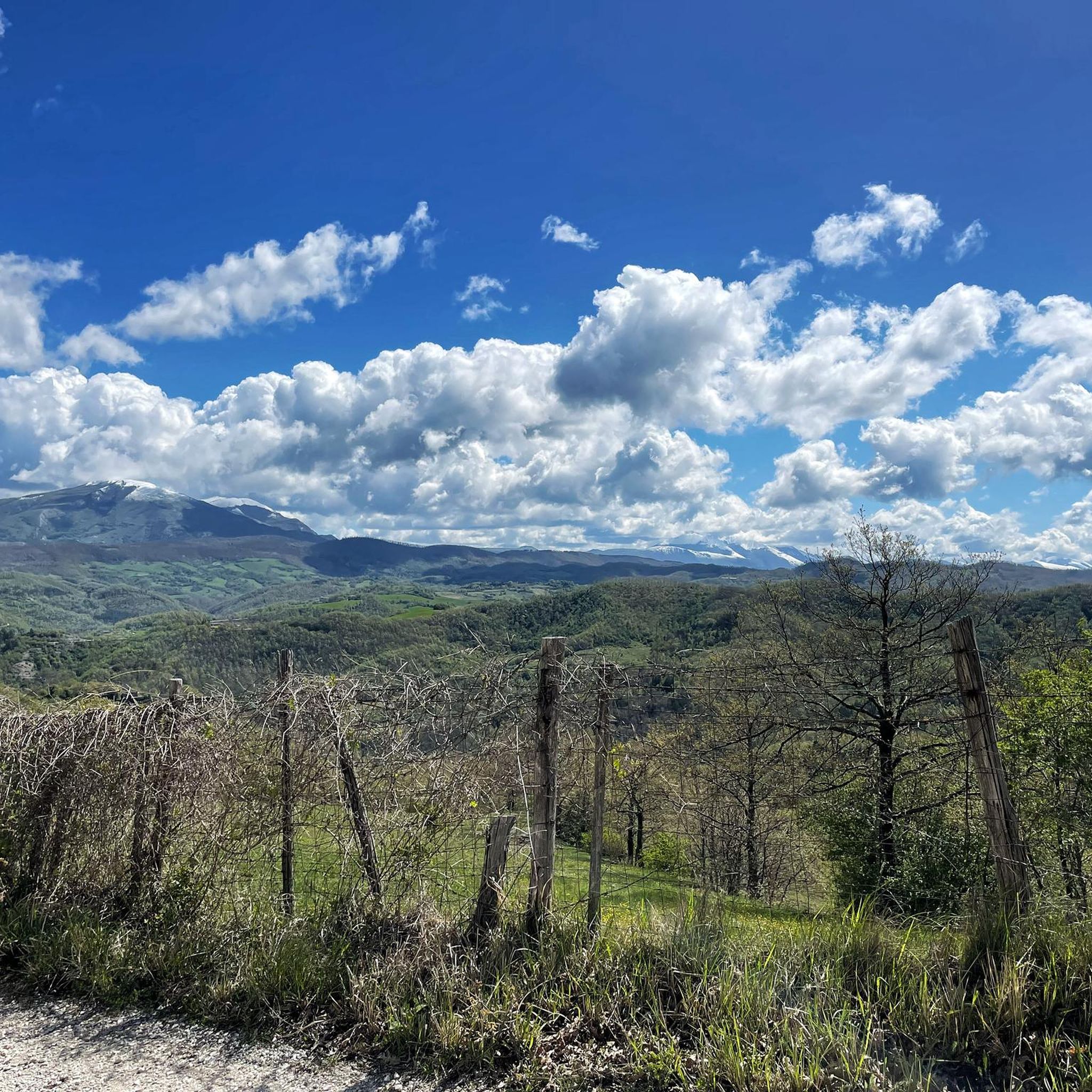
To be avoided like the plague on weekends, it feels like being in Mugello
0
0

The history of Pietralunga is at least as rich as the variety of names this place has had over the millennia. Founded by the Umbrians with the name of Tufi, it later came under the influence of Rome with the name of Forum Julii Concupiensium. Razed to the ground during the barbarian invasions, it was rebuilt with the name of Plebs Tuphiae. Over time the vast fields that surround it earned it the name of Pratalonga, a name that persisted until the advent of the Kingdom of Italy which Italianized it into Pietralunga.
1
0
Pieve dei Saddi was built on the remains of a pre-existing pagan temple to house the remains of San Crescentino. The Saint was a devout and convinced spreader of the Christian faith in the Tiberina Umbrian valley and for this reason he was killed during the purges wanted by the emperor Diocletian in the 4th century. The current church has Romanesque forms and dates back to the second half of the 11th century. The plan is divided into three naves and closes in the rear part with a polygonal apse, on the outside there is a beautiful bell tower. The crypt once housed the remains of San Crescentino, which were then moved to Urbino.
1
0
The area where the town of Pietralunga stands has been inhabited since prehistoric times, however the first inhabited center was founded by the Umbrians while it was the Romans who later left the valley below to settle in today's position. The current town has a typical medieval appearance with the oldest nucleus developing around the Rocca and the Parish Church of Santa Maria.
4
0
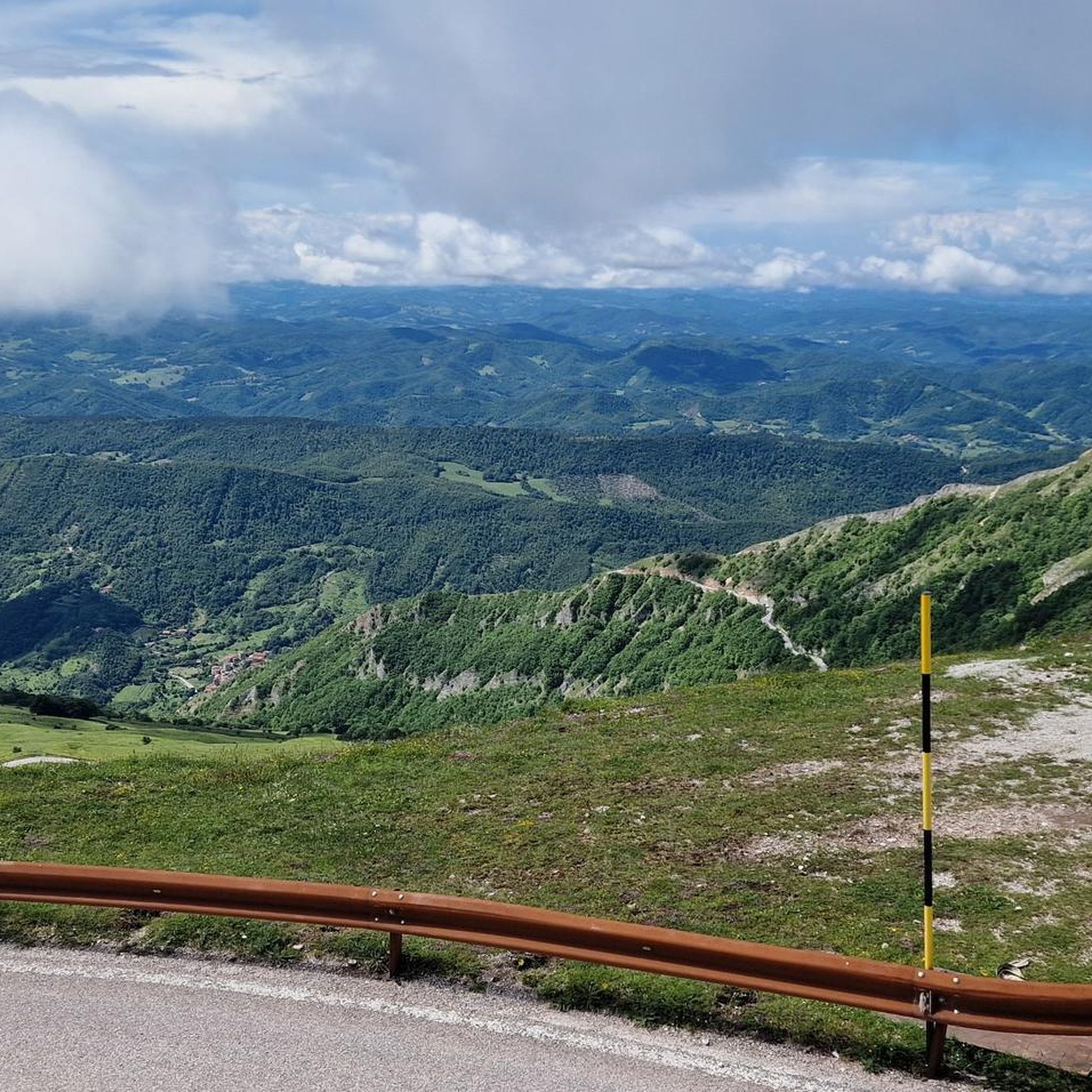
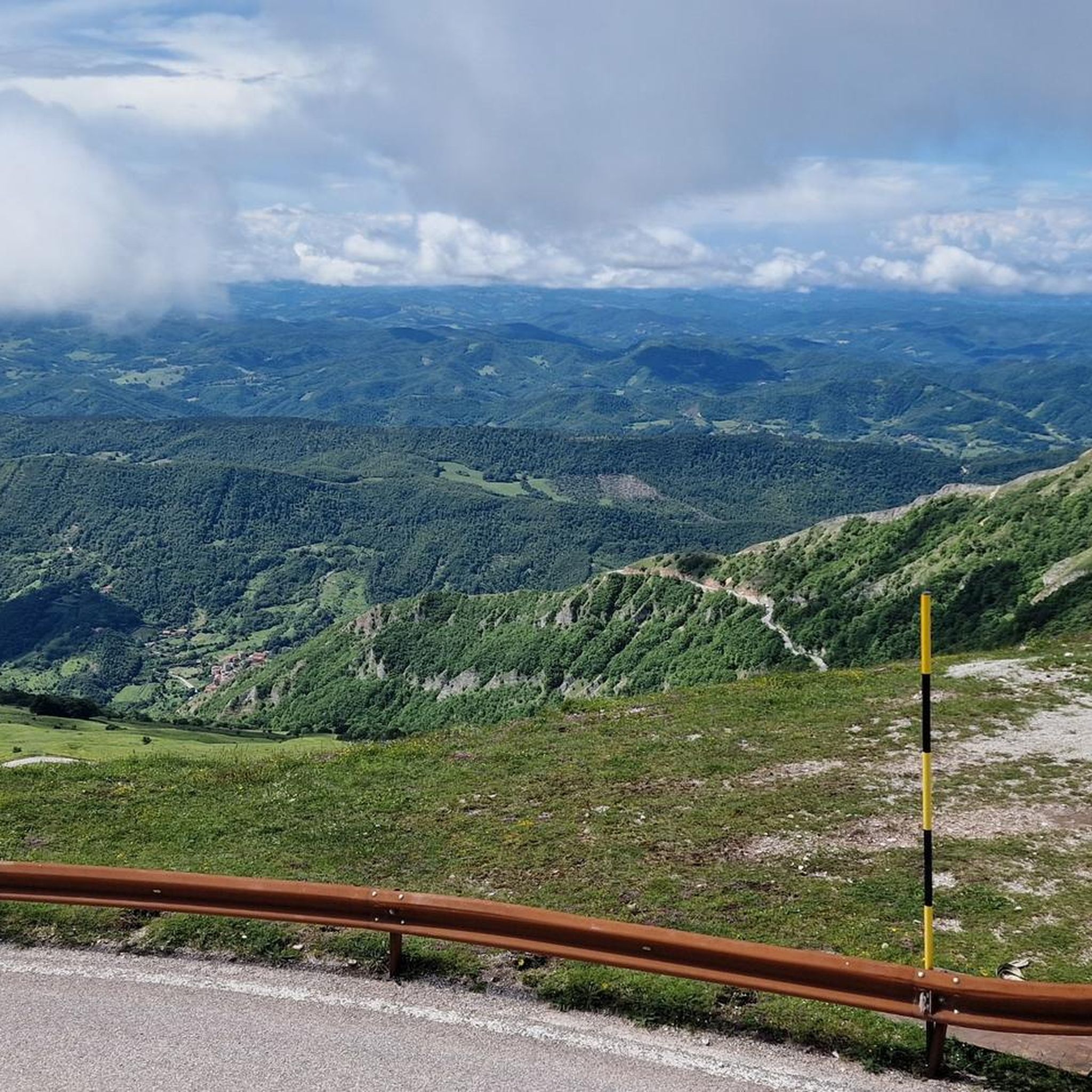
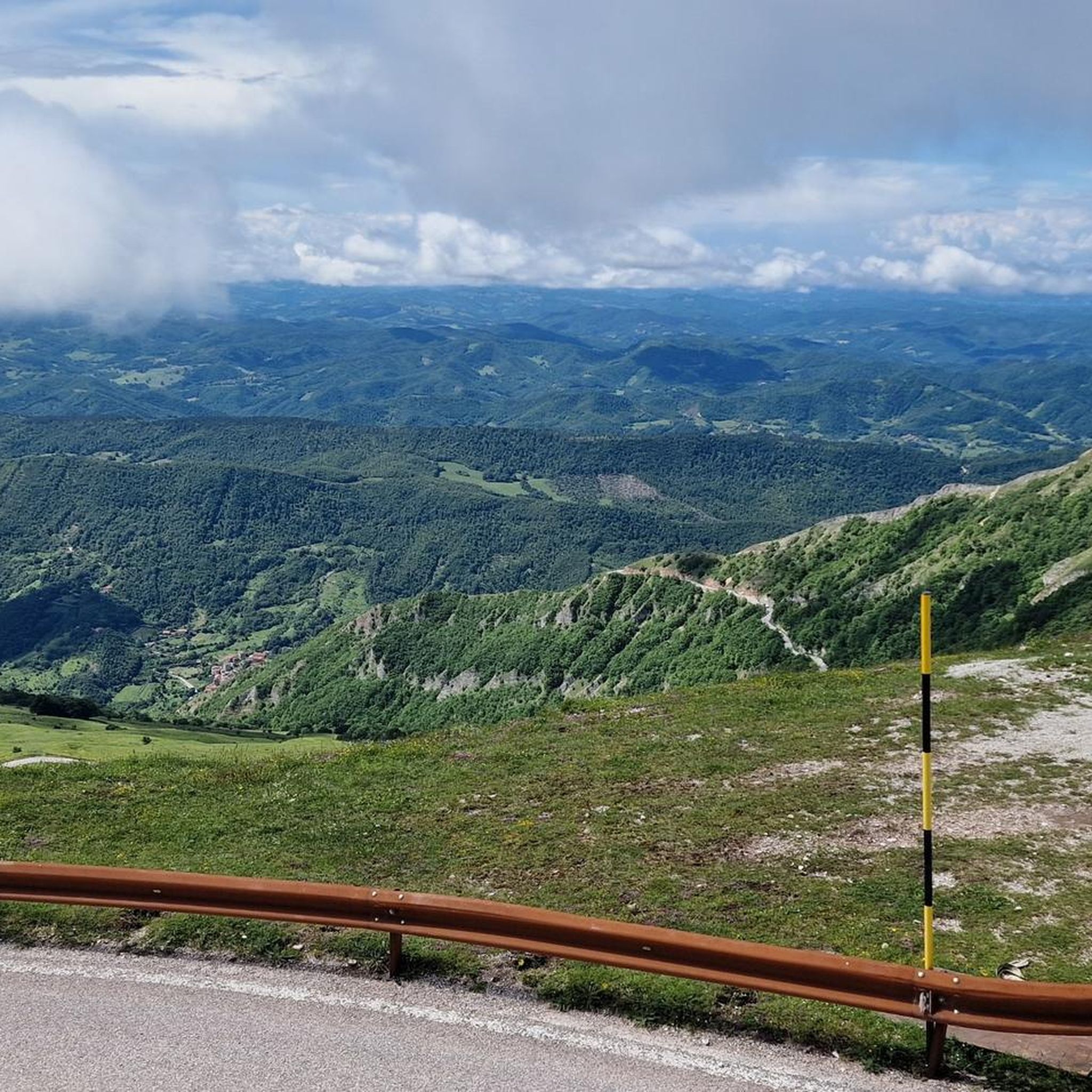
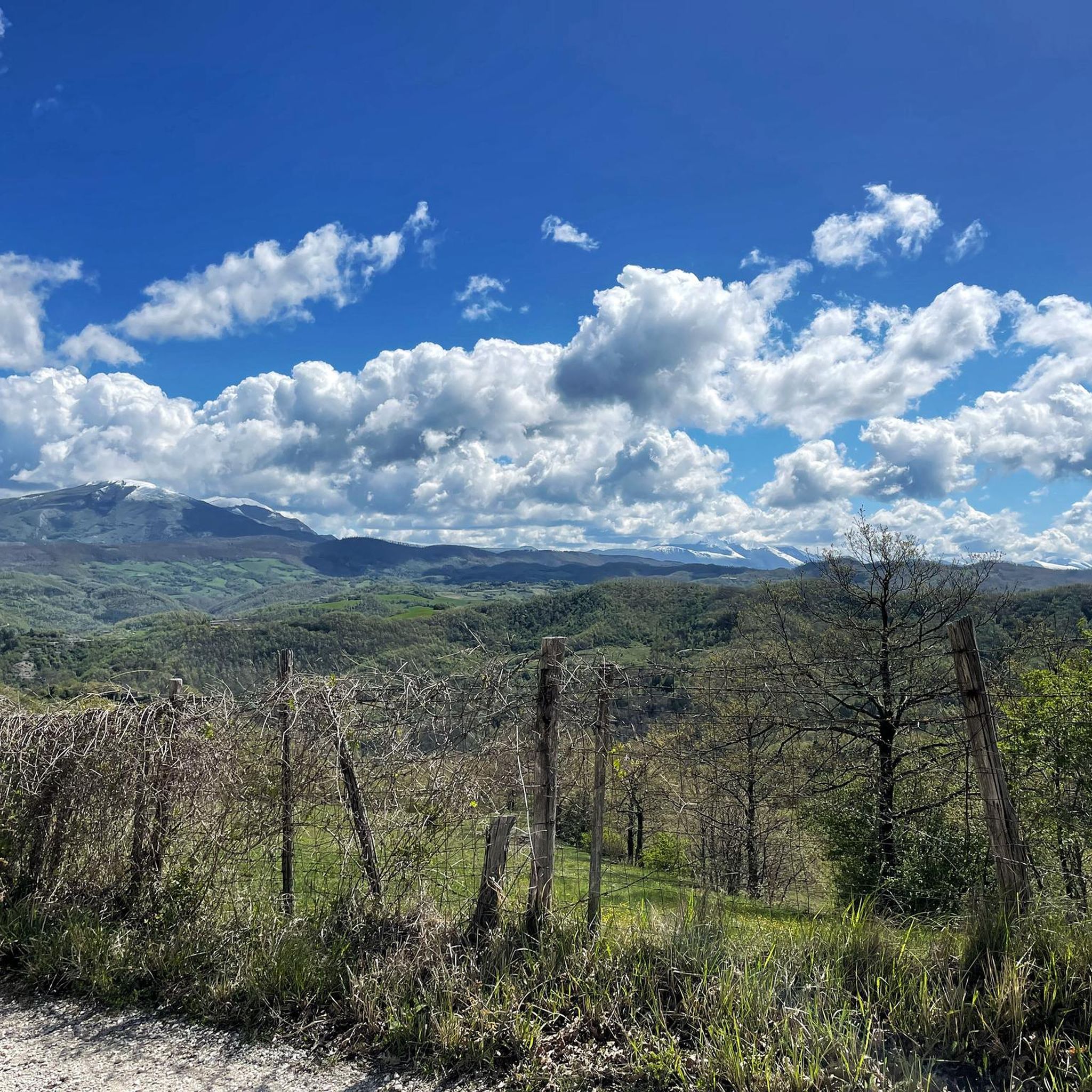
Be careful on weekends with good weather, the road is filled with motorbikes
1
0
Frequently Asked Questions
What historical sites can I explore in and around Apecchio?
Apecchio is rich in history. You can visit the ancient Pietralunga Historic Village, a medieval town with origins dating back to prehistoric times. Within Apecchio itself, explore the Renaissance architecture of Palazzo Ubaldini, the 15th-century Medieval Bridge, and the 14th-century Bell Tower. The town also features an interesting Jewish Quarter and several historic churches like Santa Lucia and the Pieve of San Martino.
Are there any natural monuments or unique geological features to see near Apecchio?
Absolutely. A prominent natural monument is the Fondarca Arch, a natural rock arch with high and steep walls, which was once the entrance to a collapsed cave. The area around it is full of cracks, rock shelters, and smaller caves. Apecchio is also situated at the foot of Mount Nerone and near the confluence of the Biscubio and Menatoio rivers, offering a lush environment.
What kind of outdoor activities are available around Apecchio?
The region around Apecchio, particularly Mount Nerone, offers numerous opportunities for outdoor activities. You can find a wide array of paths and roads for both trekking and cycling. For specific routes, consider exploring the Gravel biking around Apecchio guide or the Cycling around Apecchio guide. There are also Running Trails around Apecchio, including a popular hiking route like the Rio Vitoschio loop tour at the Monte Nerone site - Gola di Gorgo a Cerbara.
What cultural attractions or museums are there in Apecchio?
Apecchio hosts several cultural gems. The Palazzo Ubaldini houses the Museum of Fossils and Minerals of Mount Nerone, which boasts over two thousand scientifically significant pieces. Within the same palace, you'll find the G. Perugini Theater, recognized as the smallest theater in the Marche region. Don't miss the Globe of Peace (Mappamondo della Pace) in Colombara, a massive wooden globe listed in the Guinness Book of Records.
Are there any family-friendly attractions or activities suitable for kids?
While specific kid-focused attractions aren't highlighted, the natural environment offers plenty for families. Easy walks along the Viale di Velluto (Velvet Boulevard) are pleasant. Exploring the Fondarca Arch can be an adventurous outing for older children. The Globe of Peace, with its impressive size and internal floors, is also a unique and engaging visit for families.
What is the significance of the <a href="https://www.komoot.com/highlight/3425190" target="_blank" rel="noopener">Bocca Serriola Pass</a>?
The Bocca Serriola Pass is a mountain pass at 730 meters high that geographically divides the Tuscan-Emilian Apennines from the Umbrian-Marche Apennines. It offers panoramic views and is a popular route for cyclists, connecting the Biscubio valley with the Tiberina valley.
What local specialties or unique aspects is Apecchio known for?
Apecchio proudly holds the title of the first 'City of Italian Beer' and is recognized as the capital of 'Alogastronomy,' promoting the pairing of craft beer with local cuisine. The pure water from Mount Nerone and locally grown barley contribute to high-quality craft breweries. Additionally, the favorable climate makes Apecchio excellent for truffle production, with truffles available year-round.
What events take place in Apecchio throughout the year?
Apecchio hosts several notable events. In early October, you can experience 'Apecchio Truffle & Beer,' an Alogastronomy festival celebrating local craft beer and truffles. Mid-August brings the 'Sagra del Bostrengo,' a festival dedicated to a traditional dessert. 'Passio,' a religious event, is observed on Good Friday.
Can I find any ancient religious sites or churches in the area?
Yes, Apecchio and its surroundings are home to several ancient religious sites. The Pieve of Saddi is a significant site, considered the center of the first Christianization of the High Tiber Valley, built on the remains of a pagan temple. Within Apecchio, you can visit the Church of Santa Lucia with its Templar origins, the 16th-century Church of Madonna della Vita, and the ancient 10th-century Church of Santa Caterina d'Alessandria.
What is the best time to visit Apecchio for outdoor activities?
The natural surroundings of Apecchio, particularly Mount Nerone, are ideal for outdoor activities like trekking and cycling. Spring and autumn generally offer pleasant temperatures for these activities, with lush landscapes in spring and vibrant colors in autumn. Summer is also suitable, especially for higher altitude trails, though it can be warmer.
Are there any ruins or castles to explore near Apecchio?
Yes, you can visit the ruins of Mondelacasa Castle (the Muracci). These ruins are located on the northern slopes of Mount Nerone, offering a panoramic position. This primitive dwelling was built by the Brancaleoni family in the 13th century and provides a glimpse into the region's medieval past.
What do visitors enjoy most about the attractions around Apecchio?
Visitors appreciate the diverse blend of historical, cultural, and natural sites. The ancient charm of places like Pietralunga Historic Village, the impressive natural beauty of Fondarca Arch, and the panoramic views from Bocca Serriola Pass are frequently mentioned. The opportunity for outdoor activities in a picturesque setting, combined with the rich history, makes the area particularly appealing.
Most popular routes around Apecchio
Most popular attractions around Apecchio

Get inspired with the komoot mobile app


Explore more
Still not found the Highlight you’re looking for? See guides of the top attractions in other regions:
