Attractions and Places To See around Auditore - Top 20
Best attractions and places to see around Auditore include a blend of history, culture, and natural beauty in the Marche region of Italy. The village overlooks the Foglia valley from a rocky spur, offering views towards the ridgelines separating Marche from Emilia-Romagna. Its historical center features intact defensive walls and a 15th-century hexagonal civic tower, reflecting its past under various lordships. This area provides opportunities to explore historical landmarks and natural landscapes.
Best attractions and places to see around Auditore
…Last updated: May 11, 2026
Tavoleto Castle
Highlight • Castle
Translated by Google •
Tip by

Urbino
Highlight • Historical Site
Translated by Google •
Tip by

Sign up now to discover places like this
Get recommendations on the best single tracks, peaks, & plenty of other exciting outdoor places.
Sign up for free
San Clemente Historic Center
Highlight • Historical Site
Translated by Google •
Tip by

Saludecio
Highlight • Settlement
Translated by Google •
Tip by

Across Marano river
Highlight • Trail
Translated by Google •
Tip by

Sign up for free to discover even more attractions around Auditore.
Sign up for free
Already have an account?
Start today with a free account
Your next adventure awaits.
Login or Signup

Tips from the Community

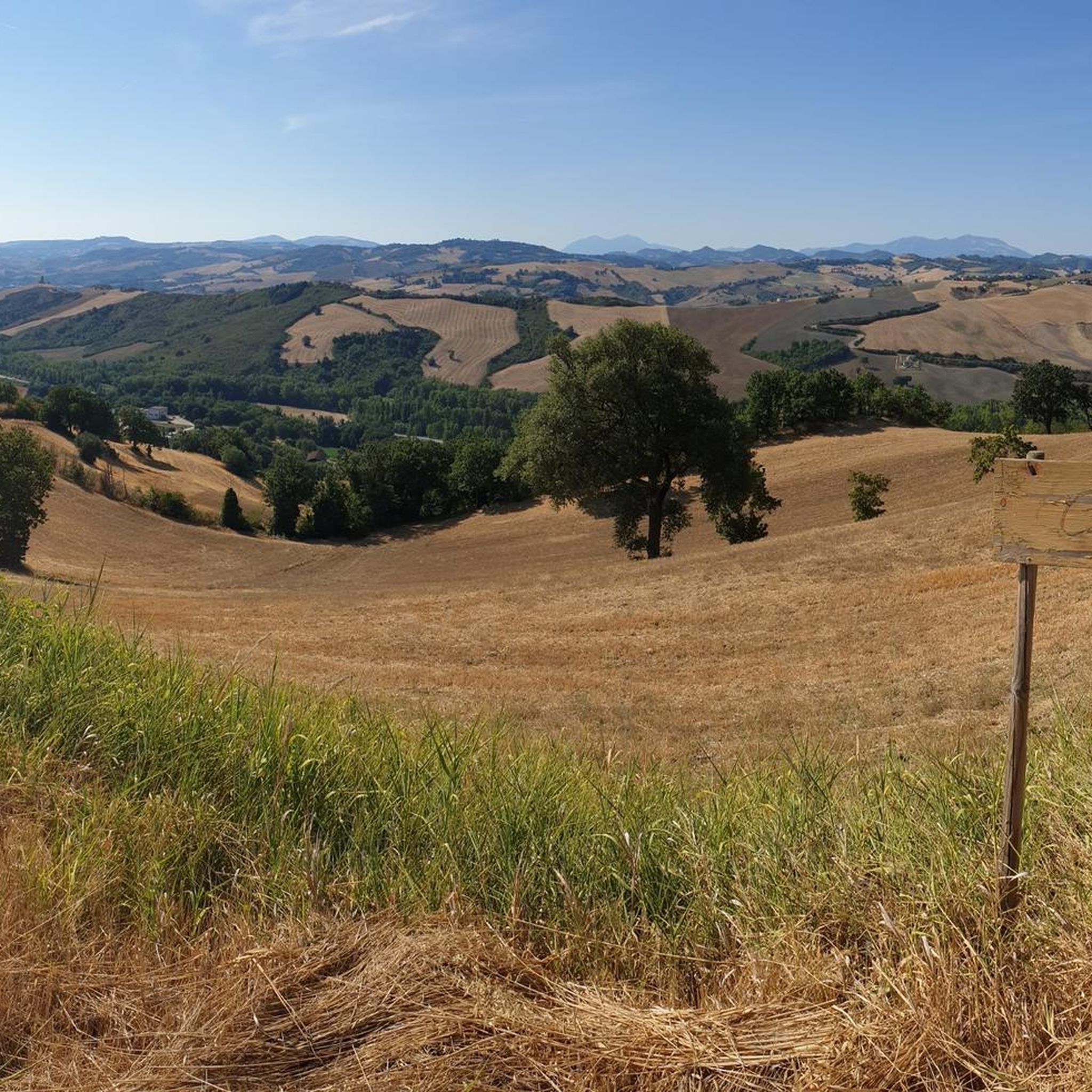
Urbino is a city in the Marche region, recognized as a UNESCO World Heritage site for its Renaissance-era historic center. It is located in a hilly area and is characterized by uphill streets, squares, and brick buildings. Among the main sites is the Ducal Palace of Urbino, home to the National Gallery of the Marche. Urbino is also the birthplace of Raffaello Sanzio, with a house-museum that can be visited. The city is home to the University of Urbino Carlo Bo, which contributes to the presence of students throughout the year.
0
0

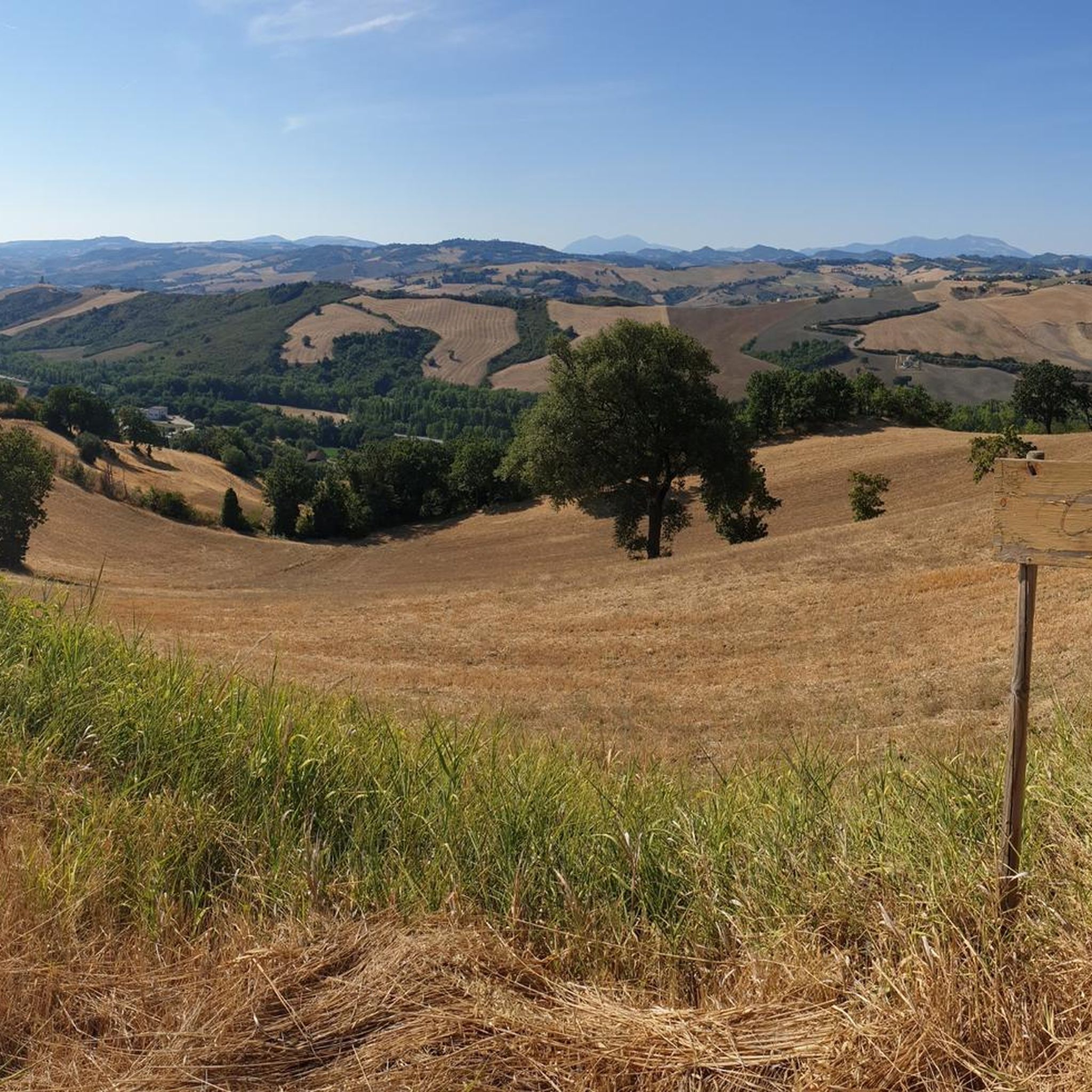
Saludecio is registered in the Italian Association of Painted Villages because of the 50 splendid murals that color its streets.
0
0

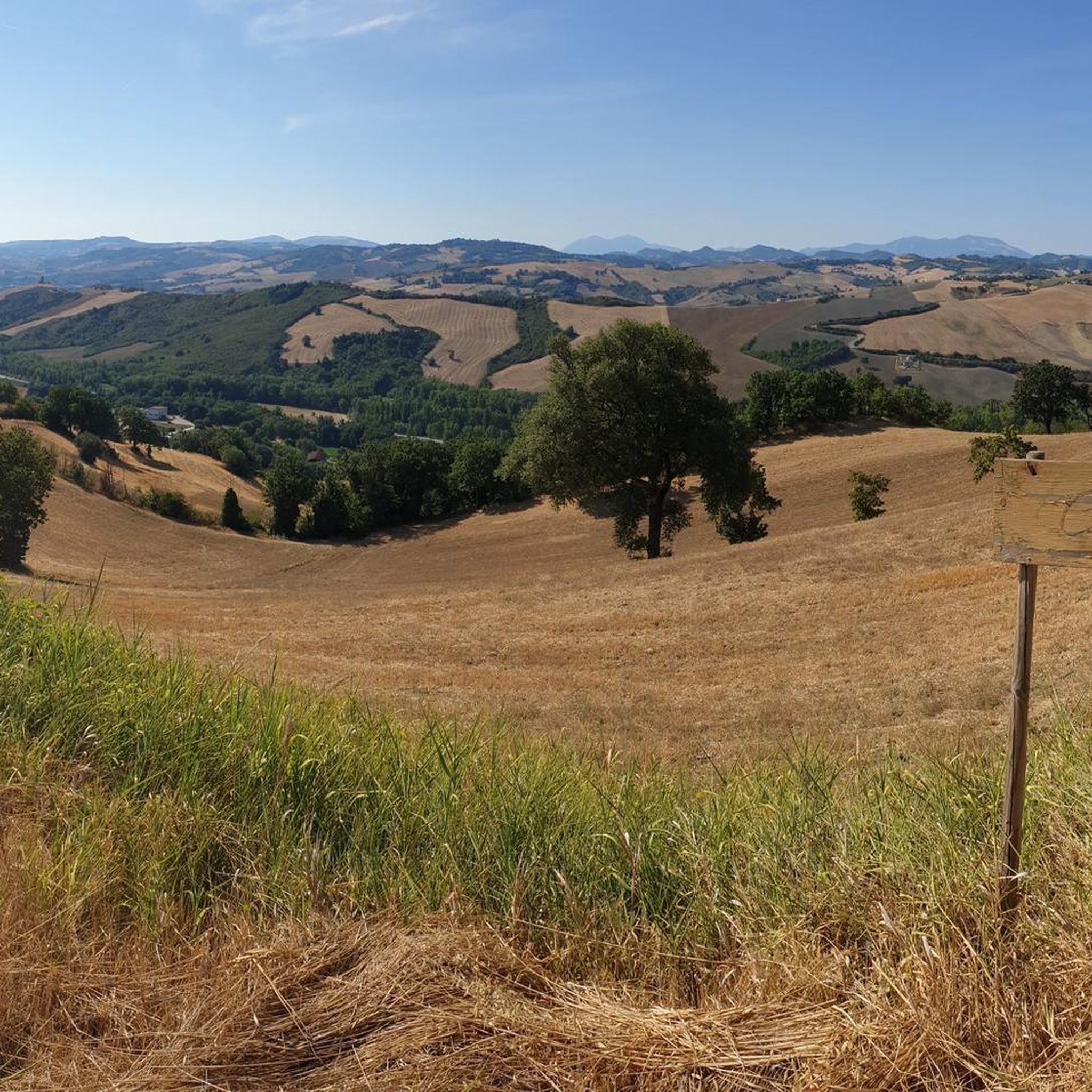
Dating back to the Malatesta era and still well preserved today, the village of San Clemente is one of the best destinations in the Romagna hinterland. The walls and bastions are clearly visible, enclosing the center of the village as they once did. Not far away is also Castelleale, commissioned in 1388 by Leale Malatesta, bishop of Rimini.
0
0

Here there is good, fresh and... free water😁👍
0
0

The village of San Clemente dates back to the Malatesta era and its origins are still clearly visible today. The walls enclose, as in the past, the heart of the historic center and the complex known as Castelleale. It is one of the rare examples remaining in the Rimini area of a building that is both a large farm and a fortified villa, built in 1388 by Leale Malatesta, bishop of Rimini.
0
0
The construction of the castle took place by the family of Sigismondo Malatesta in the early 1300s and was disputed between the Malatesta and Montefeltro families in the battles for the acquisition of the territory. It was thus lost and reconquered five times, until Federico da Montefeltro finally conquered Tavoleto in 1458. Federico ordered the demolition of the castle and then rebuilt it under the work of the architect Francesco di Giorgio Martini who finished it before 1474. In 1631 it became the direct domain of the Papacy, but in 1885 it was donated to the Lawyer Petrangolini at the same time as the assignment of the title of count and the subjugation of the surrounding territories. It was subsequently sold to a private individual who transformed it into a restaurant in the more recent 1960s and renovated it according to the standards of those years. The current owners instead purchased it with the intention of bringing it back to its origins. Today it is home to receptions and ceremonies.
0
0


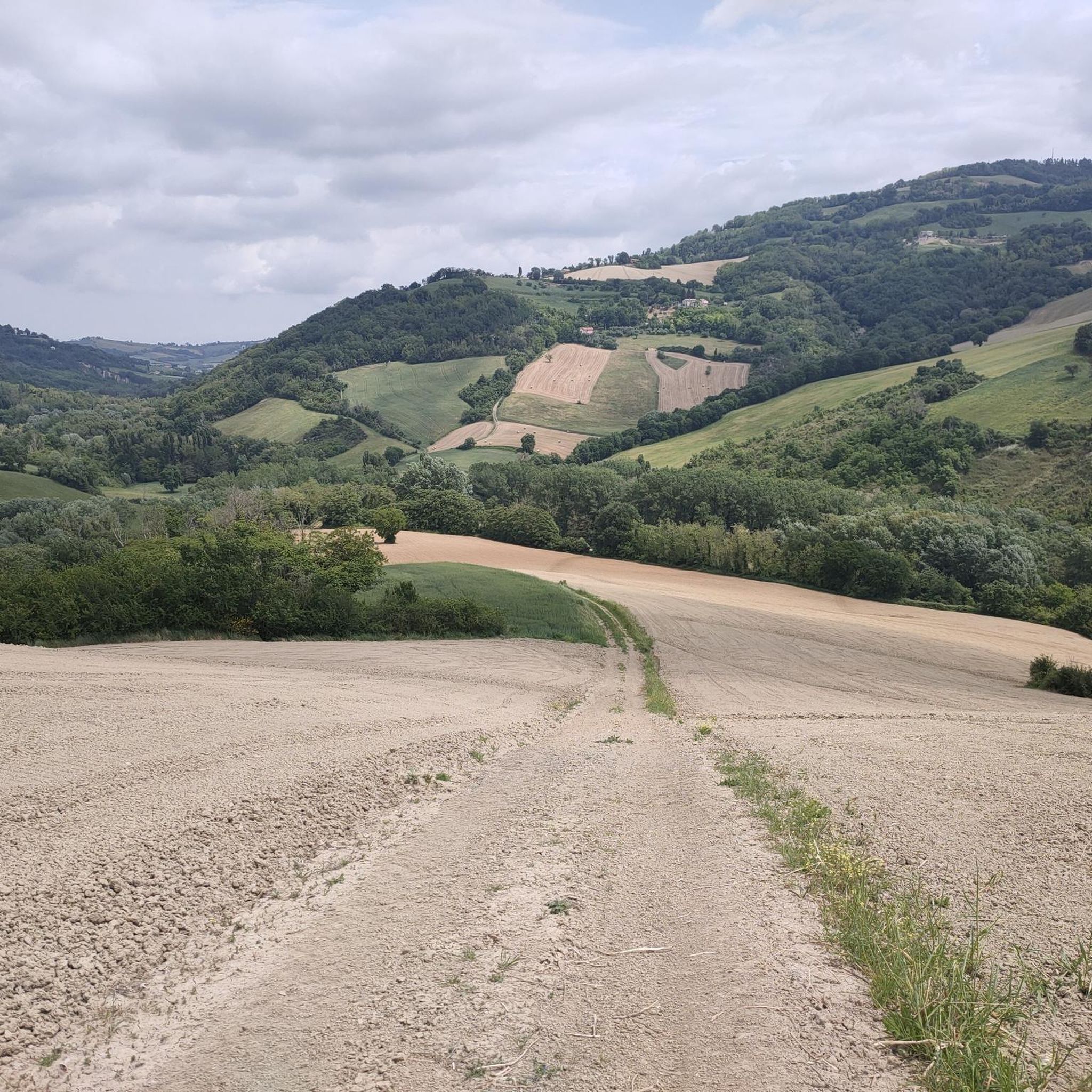
The path is dirty especially at the beginning coming from the 1944 path. However, it is interesting but once you get close to Riccione, in my opinion it is more the effort than the pleasure to follow the path due to the numerous obstacles that impose the hand transport of the bike.
0
0
Frequently Asked Questions
What historical sites can I explore around Auditore?
Auditore and its surroundings are rich in history. You can visit the well-preserved San Clemente Historic Center, which dates back to the Malatesta era with visible walls and bastions. Another significant historical site is Urbino, a UNESCO World Heritage Site renowned as a center of the Italian Renaissance. Don't miss the Mondaino fortress, a key defensive structure of the Malatesta Lordship, or the impressive Tavoleto Castle, rebuilt by Francesco di Giorgio Martini. For a deeper dive into WWII history, the Gothic Line Historical Museum in Casinina documents the tragic events of 1944.
Are there any natural features or viewpoints to enjoy near Auditore?
Yes, Auditore is set amidst beautiful natural landscapes. The village itself offers unobstructed views across the Foglia valley towards the ridgelines separating Marche from Emilia-Romagna. You can also explore the Urbino area, which provides great views of surrounding hills and villages. For outdoor activities, the Parco Regionale Sasso Simone e Simoncello is ideal for hiking and picnicking, while Fosso dei Tre Occhi offers a natural pool for relaxation.
What outdoor activities, like hiking or cycling, can I do near Auditore?
The area around Auditore is excellent for outdoor enthusiasts. For hiking, you can find routes like the 'Great Loop CAI 011' or 'A Castelnuovo di Auditore through the Romagna countryside – loop tour'. If you prefer cycling, there are gravel biking options such as the 'Monte Grimano Terme to Montecerignone Loop' or MTB trails like the 'Urbino – San Paterniano Church loop from Auditore'. You can find more details and routes on the dedicated guides for hiking around Auditore, gravel biking around Auditore, and MTB trails around Auditore.
Are there family-friendly attractions in the Auditore area?
Many attractions around Auditore are suitable for families. Historical sites like the San Clemente Historic Center, Saludecio, and Mondaino offer engaging explorations of medieval architecture. The Massa Trabaria Track is perfect for family biking adventures, and the Parco Regionale Sasso Simone e Simoncello provides a safe environment for outdoor activities like picnicking and easy walks.
What is the best time of year to visit Auditore?
The Marche region, where Auditore is located, generally enjoys pleasant weather from spring to early autumn. Spring (April-May) and autumn (September-October) offer mild temperatures ideal for exploring historical sites and engaging in outdoor activities like hiking and cycling. Summer (June-August) is warm and sunny, perfect for enjoying natural pools like Fosso dei Tre Occhi or exploring the regional park.
Where can I find information about local markets or artisan shops in Auditore?
Auditore and its surrounding villages often host local markets and feature artisan shops. These provide authentic local experiences and a chance to explore regional products. While specific market schedules can vary, exploring the historic centers of Auditore and nearby settlements like San Clemente or Saludecio will often lead you to charming local establishments.
What are some lesser-known or 'hidden gem' attractions around Auditore?
Beyond the main highlights, Auditore offers several charming spots. The intact defensive walls of Auditore's historic center, along with its 15th-century hexagonal civic tower, are a unique feature. Exploring the rural chapels of the frazioni (hamlets) offers further insight into the local religious and historical landscape. The Santa Maria delle Grazie Sanctuary, nestled in the hills, provides a serene atmosphere and stunning architecture away from the more crowded areas.
Can I find easy walking routes or beginner hikes near Auditore?
Yes, there are options for easy walks and beginner hikes. The Parco Regionale Sasso Simone e Simoncello offers well-marked trails suitable for various fitness levels, including easier paths for a leisurely stroll. The paths leading from Auditore village itself provide accessible walks with beautiful views across the Foglia valley. For specific routes, you can check the hiking guide for Auditore, which includes moderate options like 'A Castelnuovo di Auditore through the Romagna countryside – loop tour'.
What is the significance of the Gothic Line Historical Museum in Casinina?
The Gothic Line Historical Museum, located in the Casinina locality of Auditore, is the first and most important museum of its kind in central Italy. It documents the tragic events of 1944 when this area was part of the 'Gothic Line,' a German defensive front during WWII. The museum houses over 3,000 artifacts found on the battlefield, a rare collection of uniforms, original documentation, and a valuable historical archive. It also includes a Memorial Park displaying military equipment, offering a poignant look into the region's wartime past.
Are there any notable castles or fortresses to visit besides Tavoleto Castle?
Absolutely. In addition to Tavoleto Castle, you can explore the fortress at Mondaino, which was a crucial defensive structure for the Malatesta Lordship. The village of Saludecio also boasts a Malatesta stronghold with well-preserved medieval structures and monumental access gates. The Rocca di Auditore, a stunning medieval fortress, provides a glimpse into the past and offers scenic views.
What do visitors particularly enjoy about the attractions around Auditore?
Visitors appreciate the blend of history, culture, and natural beauty. Many enjoy the well-preserved medieval character of villages like San Clemente Historic Center and the rich history found in places like Urbino. The scenic views across the Foglia valley and the opportunities for outdoor activities in the regional parks are also highly valued. The komoot community has shared over 20 photos and given more than 100 upvotes to the attractions, highlighting their appeal.
Most popular routes around Auditore
Most popular attractions around Auditore

Get inspired with the komoot mobile app


Explore more
Still not found the Highlight you’re looking for? See guides of the top attractions in other regions:
